
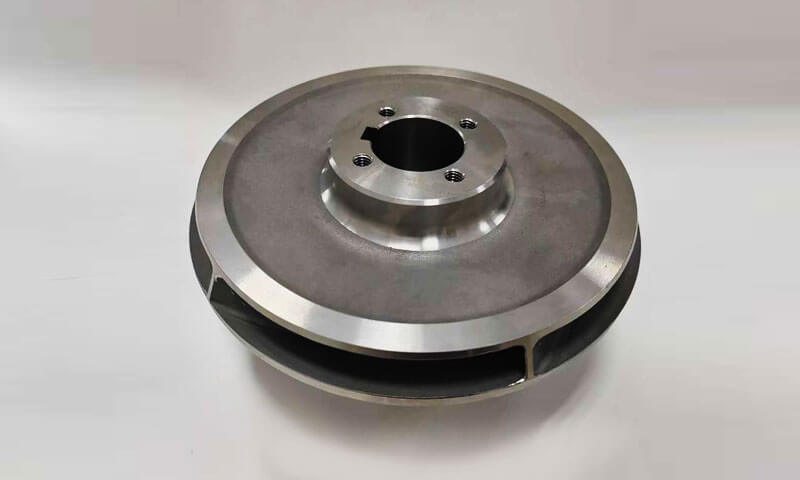
การหล่อการลงทุนมีตำแหน่งที่เป็นเอกลักษณ์ในการผลิตภาคอุตสาหกรรม.
มันไม่ได้เป็นเพียงกระบวนการดั้งเดิมที่เก็บรักษาไว้สำหรับรูปทรงที่ยากหรือชิ้นส่วนระดับพรีเมียมเท่านั้น; เป็นเส้นทางการผลิตที่มีความสามารถสูงในการแก้ปัญหาเฉพาะและสำคัญมากขึ้น:
วิธีการผลิตส่วนประกอบโลหะที่ซับซ้อนด้วยความเที่ยงตรงของมิติสูง, คุณภาพพื้นผิวที่ดีเยี่ยม, และความเข้ากันได้ของโลหะผสมในวงกว้าง, ในขณะที่ยังคงรักษาประสิทธิภาพในการทำซ้ำในวงกว้าง.
ในหลายอุตสาหกรรม, คำถามคือไม่สามารถผลิตชิ้นส่วนได้อีกต่อไป, แต่ไม่ว่าจะสามารถผลิตด้วยความสมดุลของความแม่นยำที่เหมาะสมได้หรือไม่, ความสมบูรณ์ของวัสดุ, ต้นทุนต่อหน่วย, และประสิทธิภาพขั้นปลายน้ำ.
การคัดเลือกนักแสดงการลงทุนมักจะตอบคำถามนั้นได้ดีกว่ากระบวนการที่แข่งขันกัน.
1. การหล่ออุตสาหกรรมคืออะไร?
การหล่ออุตสาหกรรมเป็นชิ้นส่วนโลหะที่ผลิตโดยการเทโลหะหลอมเหลวลงในโพรงแม่พิมพ์ที่ออกแบบไว้และปล่อยให้แข็งตัวเป็นรูปร่างที่ต้องการ.
หลังจากระบายความร้อนแล้ว, แม่พิมพ์จะถูกลบออก, และการหล่ออาจต้องผ่านการตัดแต่ง, เครื่องจักรกล, การรักษาความร้อน, การตกแต่งพื้นผิว, และการตรวจสอบก่อนเข้ารับบริการ.
ในสาระสำคัญ, การหล่อเป็นวิธีการผลิตที่เปลี่ยนโลหะเหลวให้เป็นส่วนประกอบทางวิศวกรรมที่ใช้งานได้โดยอาศัยการตัดหรือการเชื่อมที่กว้างขวางเพียงเล็กน้อย.
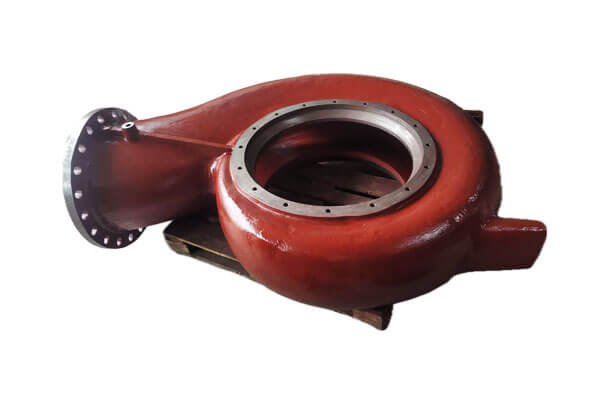
สิ่งที่ทำให้การหล่อเป็น “อุตสาหกรรม” ไม่ใช่ตัวกระบวนการเอง, แต่ข้อกำหนดการใช้งานและประสิทธิภาพ.
การหล่ออุตสาหกรรมใช้ในเครื่องจักร, อุปกรณ์, โครงสร้างพื้นฐาน, ระบบพลังงาน, แพลตฟอร์มการขนส่ง, และอุตสาหกรรมแปรรูป, โดยที่ชิ้นส่วนต้องทนต่อแรงทางกล, การสั่นสะเทือน, ความดัน, สวมใส่, การกัดกร่อน, ความร้อน, หรือบริการแบบวนรอบระยะยาว.
ไม่ใช่วัตถุตกแต่งหรือรูปทรงที่ใช้งานต่ำ; เป็นส่วนประกอบในการทำงานที่ส่งผลโดยตรงต่อความน่าเชื่อถือและประสิทธิภาพของระบบขนาดใหญ่.
2. ข้อได้เปรียบทางเทคนิคหลักของการหล่อการลงทุนสำหรับชิ้นส่วนอุตสาหกรรม
การหล่อการลงทุน มีคุณค่าในการผลิตเชิงอุตสาหกรรม ไม่ใช่เพราะเป็นกระบวนการแบบดั้งเดิม, แต่เนื่องจากสามารถแก้ปัญหาทางวิศวกรรมที่ยากลำบากหลายประการได้ในเวลาเดียวกัน.
เมื่อส่วนประกอบต้องมีความซับซ้อนทางเรขาคณิต, มีเสถียรภาพในมิติ, เฉพาะวัสดุ, และคุ้มค่าตลอดอายุการใช้งาน, การหล่อการลงทุนมักจะกลายเป็นหนึ่งในตัวเลือกการผลิตที่แข็งแกร่งที่สุด.
อิสระทางเรขาคณิตที่ยอดเยี่ยม
ข้อได้เปรียบทางเทคนิคขั้นพื้นฐานที่สุดของการหล่อการลงทุนคือความสามารถในการสร้างรูปทรงเรขาคณิตที่ซับซ้อนด้วยความเที่ยงตรงสูง.
เพราะกระบวนการเริ่มต้นด้วยรูปแบบแว็กซ์และเปลือกเซรามิกแทนที่จะเป็นแบบแยกส่วนที่ต้องเปิดและปิดรอบๆ ชิ้นส่วน, สามารถสร้างรูปทรงที่ยากหรือเป็นไปไม่ได้สำหรับวิธีการหล่อแบบอื่นๆ.
นี่เป็นสิ่งสำคัญอย่างยิ่งสำหรับส่วนประกอบทางอุตสาหกรรมที่ต้องการ:
- ผนังบาง,
- รูปทรงที่ซับซ้อน,
- ซี่โครงภายในหรือภายนอก,
- บั่นทอน,
- เส้นทางโหลดโค้ง,
- ผู้บังคับบัญชา, หน้าแปลน, และคุณสมบัติการติดตั้งที่รวมอยู่ในตัวเครื่องเดียว,
- ข้อความที่ปรับให้เหมาะสมสำหรับการไหล,
- และรูปทรงที่อาจต้องใช้ชิ้นงานประดิษฐ์หลายชิ้น.
จากมุมมองของการออกแบบ, อิสรภาพนี้ทำให้วิศวกรสามารถปรับส่วนประกอบให้เหมาะสมสำหรับการใช้งานมากกว่าเพื่อความสะดวกในการผลิต.
ความแตกต่างดังกล่าวมีความสำคัญอย่างยิ่งต่อระบบอุตสาหกรรมที่มีประสิทธิภาพสูง, โดยที่รูปทรงส่งผลต่อความแข็งแกร่ง, พฤติกรรมการไหล, การตอบสนองความร้อน, และชีวิตที่เหนื่อยล้า.
ความสามารถในการมีรูปร่างใกล้เคียงตาข่ายและค่าเผื่อการตัดเฉือนที่ลดลง
การหล่อการลงทุนจะสร้างชิ้นส่วนที่ใกล้เคียงกับมิติสุดท้ายมาก, ซึ่งช่วยลดปริมาณการตัดเฉือนที่จำเป็นในภายหลังได้อย่างมาก.
ในการผลิตภาคอุตสาหกรรม, นี่เป็นข้อได้เปรียบที่สำคัญ เนื่องจากการตัดเฉือนไม่ได้เป็นเพียงขั้นตอนการเก็บผิวละเอียดเท่านั้น; มักจะเป็นหนึ่งในการดำเนินงานที่มีราคาแพงที่สุดในห่วงโซ่กระบวนการทั้งหมด.
ค่าเผื่อการตัดเฉือนที่ลดลงให้ประโยชน์ที่เป็นรูปธรรมหลายประการ:
- ขยะวัสดุลดลง,
- เวลาการตัดเฉือนสั้นลง,
- ลดการสึกหรอของเครื่องมือ,
- ความซับซ้อนในการติดตั้งและการตั้งค่าน้อยลง,
- ความเสี่ยงต่อการบิดเบือนที่เกิดจากการกำจัดสต็อกจำนวนมาก,
- และประหยัดกว่าสำหรับโลหะผสมที่ตัดเฉือนได้ยาก.
สำหรับโลหะผสมที่มีราคาแพง เช่น สแตนเลส, ซุปเปอร์อัลลอย, โลหะผสมที่ใช้โคบอลต์, และวัสดุที่เกี่ยวข้องกับไทเทเนียม, การผลิตที่มีรูปร่างใกล้เคียงสุทธิสามารถสร้างมูลค่าได้มากมาย.
ยิ่งต้องเอาวัสดุออกน้อย, ยิ่งใช้โลหะผสมอย่างมีประสิทธิภาพมากขึ้นเท่านั้น.
คุณภาพพื้นผิวที่เหนือกว่า
เมื่อเทียบกับเส้นทางการหล่ออื่นๆ อีกมากมาย, การหล่อแบบหล่อโดยทั่วไปจะให้พื้นผิวแบบหล่อที่นุ่มนวลกว่ามาก.
สิ่งนี้มีความสำคัญในส่วนประกอบทางอุตสาหกรรม เนื่องจากคุณภาพพื้นผิวไม่ได้เป็นเพียงความกังวลด้านความสวยงามเท่านั้น. มันส่งผลกระทบ:
- ประสิทธิภาพการปิดผนึก,
- ความต้านทานการไหลของของไหล,
- พฤติกรรมการสวมใส่,
- ความต้านทานการกัดกร่อน,
- ความเหนื่อยล้า,
- และขอบเขตของการประมวลผลภายหลังที่จำเป็น.
การตกแต่งพื้นผิวที่ดีขึ้นจะช่วยลดความจำเป็นในการตัดเฉือนหรือการเจียรที่รุนแรง และสามารถปรับปรุงประสิทธิภาพการบริการในการใช้งาน เช่น วาล์ว, ปั๊ม, ใบพัด, เรือน, และชิ้นส่วนเครื่องจักรกลที่มีความแม่นยำ.
ในบางกรณี, พื้นผิวแบบหล่ออาจจะดีพอที่จะใช้งานได้โดยตรงหลังจากการตกแต่งเพียงเล็กน้อย, ซึ่งช่วยปรับปรุงทั้งต้นทุนและเวลานำ.
ความแม่นยำของมิติและการทำซ้ำสูง
การหล่อการลงทุนนั้นเหมาะสมกับชิ้นส่วนที่ต้องการการควบคุมมิติอย่างสม่ำเสมอ.
ความแม่นยำมาจากความสามารถในการสร้างลวดลายขี้ผึ้งขึ้นมาใหม่อย่างแม่นยำ และถ่ายทอดความแม่นยำนั้นผ่านกระบวนการทำเปลือกไปยังชิ้นส่วนโลหะขั้นสุดท้าย.
สำหรับส่วนประกอบทางอุตสาหกรรม, ความสามารถในการทำซ้ำมักมีความสำคัญพอๆ กับความแม่นยำที่กำหนด.
กระบวนการที่ผลิตชิ้นส่วนที่แม่นยำหนึ่งชิ้นและชิ้นส่วนที่ไม่สอดคล้องกันห้าสิบชิ้นนั้นไม่เหมาะสำหรับการผลิต.
การหล่อการลงทุน, เมื่อได้รับการควบคุมอย่างเหมาะสม, สามารถส่งมอบความสม่ำเสมอแบบแบทช์ต่อแบทช์ที่เสถียร, ซึ่งเป็นสิ่งสำคัญสำหรับ:
- ความเข้ากันได้ของการประกอบ,
- ความสามารถในการแลกเปลี่ยนกันได้,
- ลดภาระการตรวจสอบ,
- และผลผลิตที่คาดการณ์ได้.
ความสามารถในการทำซ้ำนี้สนับสนุนห่วงโซ่อุปทานทางอุตสาหกรรมซึ่งประสิทธิภาพที่สม่ำเสมอมีความสำคัญมากกว่าความสมบูรณ์แบบเป็นครั้งคราว.
ความเข้ากันได้ของโลหะผสมกว้าง
ข้อได้เปรียบที่สำคัญอีกประการหนึ่งของการหล่อแบบลงทุนคือความสามารถในการทำงานกับโลหะผสมหลายประเภท.
ทำให้มีประโยชน์อย่างยิ่งในการใช้งานทางอุตสาหกรรมที่ต้องปรับคุณสมบัติของวัสดุให้เหมาะกับสภาพแวดล้อมการบริการ.
ตระกูลโลหะผสมทั่วไป ได้แก่:
- เหล็กคาร์บอน,
- เหล็กกล้าต่ำ,
- สแตนเลส,
- เหล็กกล้าเครื่องมือ,
- ดูเพล็กซ์และสแตนเลสแบบพิเศษ,
- ซุปเปอร์อัลลอย,
- โลหะผสมที่ใช้โคบอลต์,
- อลูมิเนียมอัลลอยด์,
- โลหะผสมทองแดง,
- และในกรณีพิเศษ, โลหะผสมไทเทเนียม.
ความยืดหยุ่นนี้มีความสำคัญเชิงกลยุทธ์ เนื่องจากชิ้นส่วนอุตสาหกรรมจำนวนมากไม่ได้ถูกกำหนดด้วยรูปร่างเท่านั้น.
ถูกกำหนดโดยสภาพแวดล้อมการทำงาน: อุณหภูมิ, ความดัน, การกัดกร่อน, สวมใส่, การกัดเซาะ, และภาระทางกล.
การหล่อการลงทุนช่วยให้นักออกแบบสามารถเลือกโลหะผสมที่เหมาะกับการใช้งานมากที่สุด แทนที่จะจำกัดการออกแบบไว้เพียงวัสดุที่ง่ายต่อการกลึงหรือปลอมแปลง.
การสนับสนุนที่แข็งแกร่งสำหรับการรวมชิ้นส่วน
ข้อดีอย่างหนึ่งที่ทรงพลังที่สุดแต่บางครั้งก็ประเมินค่าต่ำเกินไปของการหล่อการลงทุนก็คือการรวมชิ้นส่วนเข้าด้วยกัน.
ส่วนประกอบที่อาจจำเป็นต้องทำจากชิ้นส่วนที่กลึงหรือเชื่อมหลายชิ้นมักจะได้รับการออกแบบใหม่เป็นการหล่อแบบเดี่ยว.
สิ่งนี้นำมาซึ่งผลประโยชน์ทางเทคนิคและเชิงพาณิชย์หลายประการ:
- รอยเชื่อมน้อยลง,
- ขั้นตอนการประกอบน้อยลง,
- รัดน้อยลง,
- ปัญหาการซ้อนความอดทนน้อยลง,
- เส้นทางการรั่วไหลน้อยลง,
- ความเสี่ยงต่อความล้มเหลวของข้อต่อลดลง,
- และโลจิสติกส์ที่ง่ายขึ้น.
ในเครื่องจักรอุตสาหกรรม, อินเทอร์เฟซมักเป็นจุดอ่อนที่สุดในระบบ.
โดยการลดจำนวนอินเทอร์เฟซ, การหล่อการลงทุนช่วยเพิ่มความน่าเชื่อถือและความสามารถในการผลิต.
สิ่งนี้มีประโยชน์อย่างยิ่งสำหรับตัวปั๊ม, ส่วนประกอบวาล์ว, วงเล็บการบินและอวกาศ, ฮาร์ดแวร์กังหัน, และชิ้นส่วนโครงสร้างที่ซับซ้อน.
เหมาะสำหรับคอมเพล็กซ์, ส่วนประกอบทางอุตสาหกรรมที่มีมูลค่าสูง
การหล่อการลงทุนจะมีความน่าดึงดูดเป็นพิเศษเมื่อชิ้นส่วนมีมูลค่าสูง, ความซับซ้อนสูง, หรือประสิทธิภาพที่สำคัญ.
ในกรณีเช่นนี้, เศรษฐศาสตร์ชอบกระบวนการที่ลดการดำเนินงานขั้นที่สองและปรับปรุงความสมบูรณ์ของชิ้นส่วนขั้นสุดท้าย.
นี่คือเหตุผลว่าทำไมการหล่อการลงทุนจึงถูกนำมาใช้กันอย่างแพร่หลาย:
- ส่วนประกอบกังหัน,
- ชิ้นส่วนปั๊มและวาล์ว,
- ตัวเรือนที่มีความแม่นยำ,
- ใบพัดอุตสาหกรรม,
- ฮาร์ดแวร์การบินและอวกาศ,
- ชิ้นส่วนระบบพลังงาน,
- เครื่องมือทางการแพทย์,
- และส่วนประกอบอื่นๆ ที่มีความต้องการทางเรขาคณิต.
ระเบียบวินัยของกระบวนการที่สูงขึ้นซึ่งจำเป็นสำหรับการหล่อการลงทุนนั้นมีความสมเหตุสมผลเมื่อชิ้นส่วนสุดท้ายต้องเป็นไปตามข้อกำหนดด้านการทำงานที่เข้มงวด.
การออกแบบความสามารถในการปรับขนาดสำหรับโปรแกรมการผลิต
การหล่อการลงทุนสามารถปรับเปลี่ยนได้กับขนาดการผลิตที่หลากหลาย. เมื่อกระบวนการได้รับการตรวจสอบแล้ว, สามารถรองรับการผลิตซ้ำได้อย่างมีเสถียรภาพและควบคุมคุณภาพได้.
นั่นทำให้ไม่เพียงแต่เหมาะสำหรับต้นแบบและการวิ่งขนาดเล็กเท่านั้น, แต่ยังรวมถึงโปรแกรมอุตสาหกรรมขนาดกลางที่ความสม่ำเสมอและการควบคุมต้นทุนเป็นสิ่งสำคัญ.
กระบวนการนี้สามารถขยายขนาดได้:
- การเพิ่มประสิทธิภาพเครื่องมือรูปแบบ,
- การฉีดแว็กซ์อัตโนมัติ,
- การควบคุมการสร้างเปลือก,
- การเทวินัย,
- และขั้นตอนหลังการประมวลผลที่ได้มาตรฐาน.
ความสามารถในการปรับขนาดนี้ทำให้ผู้ผลิตมีสะพานเชื่อมที่มีประโยชน์ระหว่างความยืดหยุ่นทางวิศวกรรมกับผลผลิตทางอุตสาหกรรมที่ทำซ้ำได้.
3. ภาคการประยุกต์ใช้ในอุตสาหกรรม
การหล่อการลงทุนไม่ใช่แค่วิธีสร้างชิ้นส่วนโลหะที่มีรูปร่างซับซ้อนเท่านั้น.
ในตลาดอุตสาหกรรม, เป็นโซลูชันทางวิศวกรรมที่กำหนดเป้าหมายสำหรับส่วนประกอบที่ต้องรวมความซับซ้อนทางเรขาคณิตเข้าด้วยกัน, ประสิทธิภาพของวัสดุ, ความแม่นยำมิติ, และอายุการใช้งานยาวนาน.
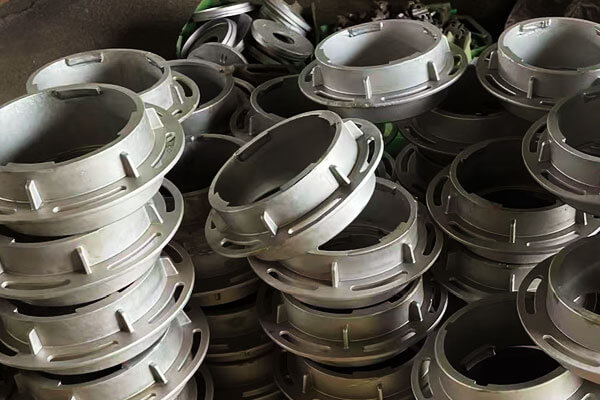
ปั๊มและระบบจัดการของเหลว
ปั๊ม เป็นหนึ่งในขอบเขตการใช้งานที่สำคัญที่สุดสำหรับการหล่อการลงทุน.
ส่วนประกอบต่างๆ เช่น ใบพัด, ปลอก, เครื่องกระจายกลิ่น, สวมวงแหวน, และตัวเรือนซีลขึ้นอยู่กับเส้นทางการไหลที่ราบรื่น, รูปทรงใบมีดที่แม่นยำ, และการควบคุมมิติที่แน่นหนา.
ในสภาพแวดล้อมแบบนี้, ความเบี่ยงเบนทางเรขาคณิตเล็กน้อยสามารถส่งผลต่อประสิทธิภาพไฮดรอลิกที่วัดได้, พฤติกรรมการสั่นสะเทือน, เสียงรบกวน, และอายุการใช้งานโดยรวม.
การหล่อการลงทุนเหมาะอย่างยิ่งกับชิ้นส่วนเหล่านี้ เนื่องจากสามารถสร้างพื้นผิวโค้งที่ซับซ้อนและคุณสมบัติส่วนที่บางได้อย่างเที่ยงตรงในระดับสูง.
ซึ่งช่วยลดความจำเป็นในการตัดเฉือนที่กว้างขวางและช่วยรักษาโปรไฟล์ไฮดรอลิกที่ออกแบบไว้ของส่วนประกอบ.
สำหรับใบพัดโดยเฉพาะ, กระบวนการนี้สนับสนุนการผลิตทางเดินของใบมีดที่มีรูปร่างใกล้เคียงกันซึ่งอาจเป็นเรื่องยากและมีค่าใช้จ่ายสูงในการตัดเฉือนตามปกติ.
การเลือกใช้วัสดุขับเคลื่อนโดยสื่อการทำงาน:
- สแตนเลสสตีลออสเทนนิติก เช่น 316L และ 347 มีการใช้กันอย่างแพร่หลายสำหรับของเหลวในกระบวนการที่มีฤทธิ์กัดกร่อนและสารเคมีผสม.
มีความต้านทานการกัดกร่อนในวงกว้างและประสิทธิภาพการผลิตที่เชื่อถือได้. - โลหะผสมโคบอลต์เบส เช่น เกรด Stellite เป็นที่ต้องการในบริการที่มีฤทธิ์กัดกร่อนรุนแรงหรือกัดกร่อน, โดยที่ความต้านทานต่อการสึกหรอมีความสำคัญมากกว่าต้นทุน.
โลหะผสมเหล่านี้มักถูกเลือกสำหรับปั๊มสารละลาย, สวมวงแหวน, และเส้นทางการไหลที่มีการกัดเซาะสูง. - เหล็กกล้าไร้สนิม เช่น 17-4 พีเอชและ 15-5 มีการใช้ค่า pH โดยที่ความแข็งแรงเชิงกลที่สูงกว่าต้องรวมกับความต้านทานการกัดกร่อน, โดยเฉพาะในส่วนประกอบและเพลาปั๊มแรงดัน.
ในระยะสั้น, การหล่อแบบลงทุนช่วยให้นักออกแบบปั๊มสามารถปรับประสิทธิภาพไฮดรอลิกและความทนทานของวัสดุให้เหมาะสมในเส้นทางการผลิตเดียว.
วาล์วและส่วนประกอบควบคุมการไหล
ที่ วาล์ว อุตสาหกรรมเป็นหนึ่งในผู้ใช้การหล่อการลงทุนที่ใหญ่ที่สุดและมีความต้องการทางเทคนิคมากที่สุด.
ร่างกายวาล์ว, หมวก, ที่นั่ง, ลำต้น, และชิ้นส่วนตกแต่งต้องเป็นไปตามข้อกำหนดที่เข้มงวดเพื่อความสมบูรณ์ของแรงกด, ประสิทธิภาพการปิดผนึก, ความต้านทานการกัดกร่อน, และการทำซ้ำได้ในระยะยาว.
นี่คือประเภทของแอปพลิเคชันที่การหล่อการลงทุนมีความเป็นเลิศ.
รูปทรงของวาล์วมักจะมีทางไหลภายในที่ซับซ้อน, การเปลี่ยนจากหนาไปบาง, ที่นั่งปิดผนึก, และภูมิภาคความเครียดเฉพาะที่.
การสร้างคุณสมบัติเหล่านี้เป็นการหล่อแบบเดี่ยวจะช่วยลดความซับซ้อนในการประกอบและกำจัดจุดอ่อนหลายประการที่อาจปรากฏในโครงสร้างที่เชื่อมหรือประดิษฐ์.
ตัวเลือกโลหะผสมทั่วไป ได้แก่:
- สแตนเลสสตีลออสเทนนิติก เช่น 304 และ 316L สำหรับบริการต้านทานการกัดกร่อนทั่วไป.
- Stainless Stainless Martensitic เช่น 410 และ 420C สำหรับลำต้นและชิ้นส่วนโครงสร้างที่ต้องการความแข็งและความแข็งแรงสูงกว่า.
- โลหะผสมโคบอลต์เบส สำหรับที่นั่งและการตกแต่งในการให้บริการที่รุนแรง, ที่มีการกัดเซาะด้วยความเร็วสูง, การปั่นจักรยานความร้อน, และการกระตุ้นซ้ำๆ ทำให้เกิดสภาวะการสึกหรอที่รุนแรง.
สำหรับการใช้งานวาล์ว, โลหะผสมโคบอลต์เบสมักเป็นสารละลายที่ต้องการในสภาพแวดล้อมที่เลวร้ายที่สุด เนื่องจากมีการรวมความต้านทานการสึกหรอเข้าด้วยกัน, ความต้านทานการกัดกร่อน, และความเสถียรต่ออุณหภูมิสูงได้ดีกว่าสเตนเลสมาตรฐาน.
นี่เป็นสิ่งสำคัญอย่างยิ่งในการควบคุมปริมาณ, การกัดกร่อนได้ง่าย, และบริการความดันแตกต่างสูง.
อุปกรณ์แปรรูปอาหารและนม
การแปรรูปอาหารและผลิตภัณฑ์จากนมมีข้อกำหนดที่แตกต่างกันมาก.
สิ่งสำคัญคือสุขอนามัย, ความสามารถในการทำความสะอาด, ความต้านทานการกัดกร่อน, และทนทานต่อสารทำความสะอาดที่มีฤทธิ์รุนแรง.
ส่วนประกอบต้องไม่ปนเปื้อนผลิตภัณฑ์, กับดักสารตกค้าง, หรือสร้างรอยแยกที่ทำความสะอาดยาก.
การหล่อการลงทุนเหมาะอย่างยิ่งสำหรับภาคส่วนนี้เนื่องจากสามารถผลิตได้อย่างราบรื่น, รูปทรงที่มีรอยแยกน้อยที่สุดซึ่งสนับสนุนการออกแบบที่ถูกสุขลักษณะ.
นอกจากนี้ยังช่วยให้นักออกแบบสามารถรวมคุณลักษณะการระบายน้ำได้, ช่วงการเปลี่ยนภาพโค้งมน, และพื้นผิวต่อเนื่องเข้าสู่ชิ้นส่วนโดยตรง, ลดการพึ่งพารอยเชื่อมและข้อต่อที่อาจเสี่ยงต่อการปนเปื้อน.
ในทางปฏิบัติ, 316แอล สแตนเลส เป็นตัวเลือกที่โดดเด่นสำหรับการหล่อการลงทุนที่ต้องสัมผัสกับอาหาร.
ปริมาณคาร์บอนต่ำช่วยลดความเสี่ยงในการแพ้, ในขณะที่ความต้านทานการกัดกร่อนทำงานได้ดีในสภาพแวดล้อมที่สัมผัสกับสารเคมีฆ่าเชื้อ, ความชื้น, และระบบทำความสะอาดที่มีคลอไรด์.
กระบวนการนี้ยังได้ผิวสำเร็จที่มักจะดีพอสำหรับมาตรฐานการแปรรูปอาหารหลายๆ รายการ โดยมีการขัดเพิ่มเติมเพียงเล็กน้อยเท่านั้น.
การใช้งานทั่วไปได้แก่:
- ร่างกายปั๊ม,
- ตัวเรือนวาล์ว,
- ส่วนประกอบเครื่องผสม,
- ชิ้นส่วนฟิลเลอร์,
- ฮาร์ดแวร์สายพานลำเลียง,
- และการประมวลผลอุปกรณ์เรือ.
ที่นี่, มูลค่าที่แท้จริงของการหล่อการลงทุนไม่เพียงแต่อยู่ที่ความแม่นยำของรูปทรงเท่านั้น แต่ยังรวมถึงวิศวกรรมที่ถูกสุขลักษณะอีกด้วย.
ช่วยขจัดคุณสมบัติการออกแบบที่ทำให้การทำความสะอาดยุ่งยากและช่วยให้ปลอดภัยยิ่งขึ้น, ระบบแปรรูปอาหารที่สามารถบำรุงรักษาได้มากขึ้น.
การประมวลผลทางเคมีและปิโตรเคมี
โรงงานเคมีและปิโตรเคมีดำเนินงานภายใต้เงื่อนไขการบริการที่รุนแรงที่สุดในอุตสาหกรรม.
ส่วนประกอบสัมผัสกับสารเคมีที่มีฤทธิ์กัดกร่อน, อุณหภูมิสูงขึ้น, ความผันผวนของแรงกดดัน, และรอบการทำงานต่อเนื่อง. ในสภาพแวดล้อมเหล่านี้, ความล้มเหลวเป็นสิ่งที่ยอมรับได้ยากและมักมีค่าใช้จ่ายสูงมาก.
การหล่อการลงทุนถูกนำมาใช้กันอย่างแพร่หลายในเครื่องปฏิกรณ์, เครื่องแลกเปลี่ยนความร้อน, ประมวลผลฮาร์ดแวร์ท่อ, ระบบปั๊มและวาล์ว, และชุดควบคุมการไหล.
กระบวนการนี้มีความน่าสนใจเนื่องจากช่วยให้สามารถใช้โลหะผสมประสิทธิภาพสูงที่สามารถขึ้นรูปเป็นโลหะที่ซับซ้อนได้, รูปทรงเรขาคณิตที่ทนทานมีความสม่ำเสมอของมิติที่ดี.
ตระกูลวัสดุทั่วไปได้แก่:
- สแตนเลสสตีลออสเทนนิติก เช่น 316L, 310, และ 347 สำหรับการกัดกร่อนทั่วไปและการใช้งานที่อุณหภูมิสูง.
- โลหะผสมนิกเกิลฐาน เช่นตระกูล Hastelloy และ Monel สำหรับสื่อที่มีความก้าวร้าวสูง, รวมถึงกรดแก่และสภาพแวดล้อมทางเคมีที่รุนแรง.
- โลหะผสมโคบอลต์เบส ในการสวมใส่ที่เลือก- และส่วนประกอบที่มีความสำคัญต่ออุณหภูมิ.
การเลือกใช้โลหะผสมขึ้นอยู่กับกระบวนการทางเคมีที่แน่นอน.
ตัวอย่างเช่น, บางเกรดถูกเลือกเพื่อต้านทานการเกิดออกซิเดชันที่อุณหภูมิสูง, ในขณะที่บางชนิดถูกเลือกให้ทนทานต่อกรดเฉพาะ, คลอไรด์, หรือสภาพแวดล้อมที่มีฮาโลเจน.
ในการให้บริการด้านเคมี, ไม่มีสารละลายโลหะผสมที่เป็นสากล. การหล่อการลงทุนนั้นมีคุณค่าเพราะสามารถรองรับโลหะผสมที่เหมาะสมสำหรับหน้าที่ที่เหมาะสมได้, โดยไม่บังคับให้ผู้ออกแบบประนีประนอมกับรูปทรงเรขาคณิต.
เครื่องจักรกลการเกษตรและหนัก
เครื่องจักรกลการเกษตรและเครื่องจักรกลหนักทำให้ส่วนประกอบต้องรับภาระทางกลร่วมกัน, ผลกระทบ, รอยขีดข่วน, สิ่งสกปรกเข้า, และการกัดกร่อนภายนอก.
ชิ้นส่วนต่างๆ เช่น วงเล็บ, ลิงค์, บานพับ, สวมใส่ส่วนประกอบ, และอุปกรณ์โครงสร้างจะต้องมีความแข็งแรง, ยาก, และประหยัดในการผลิต.
การหล่อแบบลงทุนมีประโยชน์อย่างยิ่งในภาคส่วนนี้ เมื่อรูปทรงของชิ้นส่วนซับซ้อนเกินไปสำหรับการตัดเฉือนแบบธรรมดา, แต่ปริมาณการผลิตไม่สูงพอที่จะรองรับการหล่อด้วยแรงดันสูงหรือวิธีการพิเศษอื่นๆ.
ช่วยให้ผู้ผลิตสามารถผลิตส่วนประกอบเหล็กที่มีรูปร่างใกล้เคียงสุทธิด้วยขนาดที่สม่ำเสมอและต้นทุนที่ยอมรับได้.
ระบบวัสดุทั่วไปได้แก่:
- คาร์บอนปานกลาง เช่น 1040 และ 1045,
- เหล็กอัลลอยด์ เช่น 4130 และ 4140.
เหล็กเหล่านี้มักถูกเลือกเพราะความสมดุลของความแข็งแรง, ความเหนียว, และความสามารถในการแปรรูป.
สำหรับอุปกรณ์การเกษตรและการก่อสร้าง, ความสามารถในการสร้างชิ้นส่วนทดแทนที่ทนทานและสามารถเปลี่ยนทดแทนได้ดีนั้นมีคุณค่าอย่างยิ่ง.
การหล่อการลงทุนรองรับข้อกำหนดดังกล่าวได้เป็นอย่างดี, โดยเฉพาะอย่างยิ่งเมื่อความสามารถในการให้บริการภาคสนามและการผลิตซ้ำมีความสำคัญ.
การผลิตไฟฟ้า
อุปกรณ์ผลิตไฟฟ้ามีความต้องการชิ้นส่วนแบบหล่อที่เข้มงวดที่สุด.
กังหันไอน้ำ, กังหันก๊าซ, เครื่องกำเนิดไฟฟ้า, และระบบสมดุลของพืชมักต้องการชิ้นส่วนที่ต้องรักษาความเสถียรของมิติ, ความสมบูรณ์ของแรงกดดัน, และประสิทธิภาพของวัสดุตลอดระยะเวลาการให้บริการที่ยาวนาน.
การหล่อการลงทุนใช้ในหัวฉีดกังหัน, กระฉับกระเฉง, ตัววาล์ว, ฮาร์ดแวร์การเผาไหม้, ชิ้นส่วนการเปลี่ยนแปลง, และส่วนประกอบในภาคพลังงานที่สำคัญอื่นๆ.
ชิ้นส่วนเหล่านี้อาจสัมผัสกับอุณหภูมิสูง, โหลดความร้อนแบบวงจร, ออกซิเดชัน, และการไหลที่มีความเร็วสูง.
สำหรับบริการไอน้ำและพลังงานความร้อนทั่วไป, การหล่อเหล็กกล้าไร้สนิมมักใช้เมื่อต้องการความต้านทานการกัดกร่อนและความแม่นยำของมิติ.
ในการใช้งานกังหันก๊าซ, ข้อกำหนดนั้นรุนแรงยิ่งขึ้น.
ส่วนประกอบต่างๆ เช่น ใบพัดหัวฉีด, ฮาร์ดแวร์การเผาไหม้, และส่วนการเปลี่ยนแปลงมักจะพึ่งพา ฐานนิกเกิล หรือ ซูเปอร์อัลลอยฐานโคบอลต์ สามารถทนต่ออุณหภูมิที่สูงเกินไปในขณะที่ยังคงรักษาความสมบูรณ์ของโครงสร้าง.
เหตุผลที่การหล่อแบบลงทุนมีประสิทธิภาพมากในที่นี้ก็คือสามารถผลิตคุณสมบัติด้านอากาศพลศาสตร์และการจัดการความร้อนที่อาจเป็นเรื่องยากมากที่จะผลิตในเส้นทางอื่น.
ในฮาร์ดแวร์กังหันประสิทธิภาพสูง, ช่องระบายความร้อนภายใน, ส่วนผนังบาง, และพื้นผิวการไหลที่ซับซ้อนไม่ใช่รายละเอียดเพิ่มเติม; พวกมันจำเป็นต่อการทำงาน. การหล่อการลงทุนทำให้การออกแบบเหล่านั้นใช้งานได้จริง.
4. คู่มือการเลือกโลหะผสมสำหรับการหล่อการลงทุนทางอุตสาหกรรม
การเลือกโลหะผสมที่เหมาะสมถือเป็นหนึ่งในการตัดสินใจที่สำคัญที่สุดในการหล่อทางอุตสาหกรรม.
ทางเลือกที่ดีที่สุดขึ้นอยู่กับการสัมผัสการกัดกร่อน, สวมใส่ความรุนแรง, อุณหภูมิ, การโหลดทางกล, ค่าใช้จ่าย, และความสามารถในการผลิต. ตารางด้านล่างเป็นข้อมูลอ้างอิงที่กระชับ.
| ตระกูลโลหะผสม | เกรดตัวแทน | คุณสมบัติที่สำคัญ | การใช้งานทางอุตสาหกรรมเบื้องต้น |
| คาร์บอน & เหล็กกล้าอัลลอยด์ต่ำ | 1040, 4130, 4140 | มีความแข็งแรงสูง, ความเหนียวที่ดี, คุ้มค่า | อุปกรณ์การเกษตร, เครื่องจักรกลหนัก, ชิ้นส่วนโครงสร้าง |
| เหล็กกล้าไร้สนิมออสเทนนิติก | 304, 316ล, 310, 347 | ทนต่อการกัดกร่อนได้ดีเยี่ยม, ความสามารถในการเชื่อมที่ดี | วาล์ว, ปั๊ม, อุปกรณ์แปรรูปอาหาร, บริการเคมี |
| เหล็กกล้าไร้สนิมมาร์เทนซิติก | 410, 420ค, 440ค | มีความแข็งสูง, ทนต่อการสึกหรอได้ดี | ก้านวาล์ว, ส่วนประกอบตัดแต่ง, ฮาร์ดแวร์ที่ไวต่อการสึกหรอ |
| เหล็กกล้าไร้สนิมที่ตกตะกอน | 17-4 พีเอช, 15-5 พีเอช | มีความแข็งแรงสูง, ทนต่อการกัดกร่อนได้ดี | ชิ้นส่วนปั๊มแรงดันสูง, เพลา, ส่วนประกอบโครงสร้าง |
โลหะผสมโคบอลต์-เบส |
สเตลไลท์ 6, สเตลไลท์ 21, FSX-414 | การสึกหรอดีเยี่ยมและทนต่ออุณหภูมิสูง | ที่นั่งวาล์ว, แหวนสวมปั๊ม, ฮาร์ดแวร์กังหัน |
| โลหะผสมฐานนิกเกิล | Hastelloy C276, โมเนล เอ็ม35-1, อินโคเนล 625 | การกัดกร่อนที่เหนือกว่าและทนต่ออุณหภูมิสูง | อุปกรณ์แปรรูปทางเคมี, ส่วนประกอบกังหันก๊าซ |
| โลหะผสมทองแดงฐาน | อลูมิเนียมบรอนซ์, ดีบุกบรอนซ์ | ทนต่อการกัดกร่อนได้ดี, การแปรรูปที่ดี | ชิ้นส่วนทางทะเล, ตลับลูกปืน, เกียร์ |
5. ความซับซ้อนที่ซ่อนอยู่: เหตุใดการหล่อทางอุตสาหกรรมจึงไม่ง่าย
การหล่ออาจดูตรงไปตรงมา, แต่การหล่อทางอุตสาหกรรมถือเป็นวินัยทางวิศวกรรมที่มีการควบคุมอย่างมาก.
ข้อบกพร่องสามารถเกิดขึ้นได้จากปฏิสัมพันธ์ของพฤติกรรมทางความร้อน, คุณสมบัติของแม่พิมพ์, เคมีโลหะผสม, และระยะเวลาของกระบวนการ.
ข้อกังวลทั่วไป ได้แก่:
- ความพรุน,
- รูพรุนแก๊ส,
- การรวม,
- น้ำตาร้อน,
- การแตกเย็น,
- misruns,
- ปิดเย็น,
- การแปรปรวน,
- การเลื่อนมิติ,
- และข้อบกพร่องของพื้นผิว.
ข้อบกพร่องแต่ละอย่างบอกเล่าเรื่องราว. ความพรุนอาจบ่งบอกถึงปัญหาการป้อนอาหารหรือการกักก๊าซ. รอยแตกอาจบ่งบอกถึงการหดตัวหรือความเครียดที่ตกค้าง.
การวิ่งผิดพลาดอาจชี้ว่าการบรรจุไม่เพียงพอหรือการควบคุมอุณหภูมิการเทไม่ดี. ปัญหาด้านมิติอาจสะท้อนถึงความไม่แน่นอนของเชื้อราหรือการระบายความร้อนที่ไม่สม่ำเสมอ.
นี่คือสาเหตุที่คุณภาพการหล่อขึ้นอยู่กับการควบคุมของระบบ. การเทโลหะลงในแม่พิมพ์นั้นไม่เพียงพอ.
การออกแบบแม่พิมพ์, ระบบประตูและยก, รูปแบบการแข็งตัว, ละลายความสะอาด, อุณหภูมิเท, และการจัดการหลังการโยนก็เป็นเรื่องสำคัญ.
6. การควบคุมคุณภาพและความน่าเชื่อถือในการหล่ออุตสาหกรรม
การหล่อทางอุตสาหกรรมมักใช้ในการใช้งานที่สำคัญ, ดังนั้นการประกันคุณภาพจึงเป็นสิ่งสำคัญ.
เป้าหมายไม่ใช่แค่การผลิตชิ้นส่วนที่ดูถูกต้องเท่านั้น, แต่เพื่อผลิตชิ้นส่วนที่สามารถคงสภาพการบริการได้.
วิธีการควบคุมคุณภาพที่สำคัญได้แก่:
- การตรวจสอบด้วยสายตา,
- การวัดมิติ,
- การทดสอบรังสี,
- การทดสอบอัลตราโซนิก,
- การตรวจสอบอนุภาคแม่เหล็ก,
- การตรวจสอบสารแทรกซึมของสีย้อม,
- การวิเคราะห์ทางเคมี,
- การทดสอบทางกล,
- และการตรวจทางโลหะวิทยา.
สำหรับส่วนประกอบที่รับแรงดันหรือมีความสำคัญต่อความปลอดภัย, การทดสอบแบบไม่ทำลายเป็นสิ่งสำคัญอย่างยิ่ง.
ระดับข้อบกพร่องที่ยอมรับได้ขึ้นอยู่กับเงื่อนไขการบริการ, มาตรฐาน, และการยอมรับความเสี่ยง. การหล่อที่ยอมรับได้ในแอปพลิเคชันหนึ่งอาจใช้ไม่ได้ในแอปพลิเคชันอื่น.
การอบชุบด้วยความร้อนและการตัดเฉือนยังเป็นส่วนหนึ่งของการควบคุมคุณภาพอีกด้วย. พวกเขาสามารถปรับปรุงโครงสร้างจุลภาคได้, ลดความเครียดตกค้าง, และนำการหล่อเข้าสู่ข้อกำหนดขั้นสุดท้าย.
ในการหล่ออุตสาหกรรม, คุณภาพไม่ใช่ขั้นตอนการตรวจสอบขั้นตอนเดียว. มันเป็นลูกโซ่ของการควบคุม.
7. บทสรุป
การหล่อการลงทุนได้สร้างตัวเองให้เป็นกระบวนการผลิตที่ขาดไม่ได้สำหรับการใช้งานทางอุตสาหกรรมโดยนำเสนอการผสมผสานที่เป็นเอกลักษณ์ของอิสระในการออกแบบ, ความแม่นยำ, ความเก่งกาจของวัสดุ, และความคุ้มค่า.
แตกต่างจากวิธีการผลิตทางเลือกที่บังคับให้ประสิทธิภาพและความสามารถในการผลิตลดลง, การหล่อแบบลงทุนช่วยให้วิศวกรสามารถออกแบบส่วนประกอบให้เหมาะสมที่สุดสำหรับฟังก์ชันที่ต้องการได้, แล้วผลิตได้อย่างน่าเชื่อถือและมีประสิทธิภาพ.
ตั้งแต่ปั๊มและวาล์วที่ช่วยให้กระบวนการทางอุตสาหกรรมไหลเวียนไปจนถึงส่วนประกอบการผลิตไฟฟ้าที่จ่ายไฟฟ้าให้กับคนนับล้าน, การหล่อการลงทุนมีบทบาทสำคัญในโครงสร้างพื้นฐานทางอุตสาหกรรมทั่วโลก.
เนื่องจากเทคโนโลยีดิจิทัลยังคงเปลี่ยนแปลงอุตสาหกรรมอย่างต่อเนื่อง, การหล่อการลงทุนจะมีความยืดหยุ่นมากยิ่งขึ้น, มีประสิทธิภาพ, และยั่งยืน, ขยายการใช้งานและเสริมความแข็งแกร่งในฐานะกระบวนการผลิตที่ต้องการสำหรับส่วนประกอบทางอุตสาหกรรมที่มีประสิทธิภาพสูง.
สำหรับผู้ผลิตอุปกรณ์อุตสาหกรรมที่ต้องการปรับปรุงประสิทธิภาพของผลิตภัณฑ์, ลดต้นทุน, และเร่งเวลาออกสู่ตลาด, การคัดเลือกนักแสดงการลงทุนได้รับการพิสูจน์แล้ว, โซลูชันที่เชื่อถือได้ซึ่งมอบคุณค่าที่ยอดเยี่ยมตลอดวงจรชีวิตผลิตภัณฑ์ทั้งหมด.

