เหล็กเป็นหนึ่งในวัสดุทางวิศวกรรมที่ใช้กันอย่างแพร่หลายในการก่อสร้าง, การผลิต, การขนส่ง, และโครงสร้างพื้นฐาน. ความนิยมนั้นมาจากการผสมผสานระหว่างความแข็งแกร่ง, ความเก่งกาจ, และความคุ้มทุนซึ่งมีวัสดุเพียงไม่กี่ชนิดเท่านั้นที่สามารถเทียบเคียงได้.
ตั้งแต่โครงโครงสร้างและสะพานไปจนถึงเครื่องจักรและท่อ, เหล็กยังคงเป็นแกนหลักของอุตสาหกรรมสมัยใหม่.
แต่เหล็กก็ไม่ทนต่อการกัดกร่อน. ในความเป็นจริง, การกัดกร่อนเป็นหนึ่งในปัจจัยที่สำคัญที่สุดที่กำหนดว่าส่วนประกอบเหล็กจะปลอดภัยได้นานแค่ไหน, ใช้งานได้, และประหยัดในการให้บริการ.
ความเข้าใจที่ชัดเจนเกี่ยวกับการกัดกร่อนถือเป็นสิ่งสำคัญสำหรับวิศวกร, ผู้ผลิต, ผู้รับเหมา, และผู้จัดการสินทรัพย์เหมือนกัน.
ยิ่งคุณเข้าใจว่าเหล็กกัดกร่อนอย่างไร, ยิ่งคุณสามารถเลือกเกรดที่เหมาะสมได้ดียิ่งขึ้น, ระบบป้องกันที่เหมาะสม, และกลยุทธ์การบำรุงรักษาที่เหมาะสม.
นี่คือประเด็นสำคัญเจ็ดประการที่ผู้ใช้เหล็กทุกคนควรรู้.
1. เหล็กไม่ทนทานต่อการกัดกร่อนตามธรรมชาติ
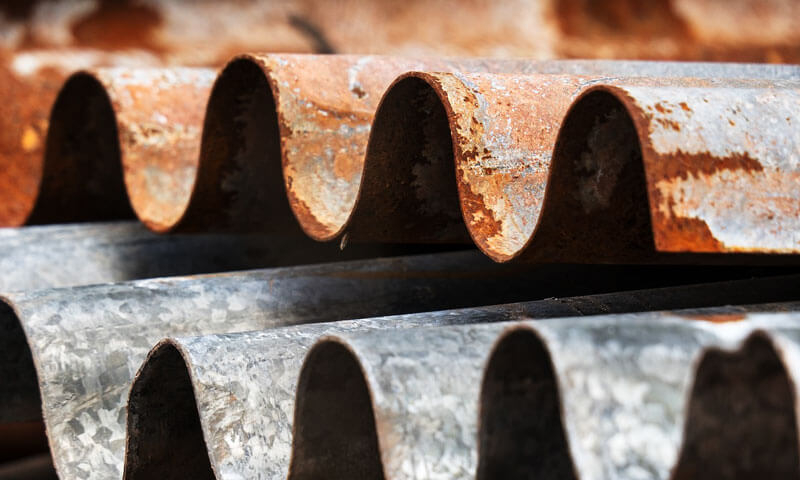
ธรรมดา เหล็กกล้าคาร์บอน ไม่ใช่วัสดุที่ทนต่อการกัดกร่อน. ส่วนประกอบหลักคือเหล็ก, และเหล็กทำปฏิกิริยากับออกซิเจนและความชื้นได้ง่าย.
เมื่อสัมผัสกับบรรยากาศ, เหล็กเริ่มออกซิไดซ์และเกิดสนิม, ซึ่งส่วนใหญ่ประกอบด้วยเหล็กออกไซด์และไฮดรอกไซด์ไฮเดรต, รวมถึงเฟอร์ริกออกไซด์ไฮเดรต (Fe2O3⋅nH2O), เหล็กออกซีไฮดรอกไซด์ (เฟ2O(โอ้)) และเฟอร์ริกไฮดรอกไซด์ (เฟ(โอ้)3).
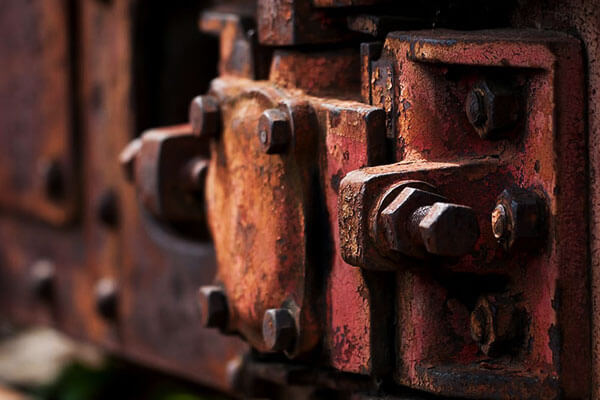
ต่างจากฟิล์มออกไซด์ที่เสถียรซึ่งก่อตัวบนโลหะบางชนิด, สนิมมีรูพรุน, อ่อนแอ, และไม่ป้องกัน.
มันไม่ได้ปิดผนึกพื้นผิว. แทน, ช่วยให้ออกซิเจนและน้ำเข้าถึงโลหะที่อยู่ด้านล่างได้.
ส่งผลให้, การกัดกร่อนยังคงแพร่กระจาย, เผยให้เห็นเหล็กสดมากขึ้นและเร่งการสูญเสียวัสดุเมื่อเวลาผ่านไป.
นี่คือเหตุผลว่าทำไมเหล็กที่ไม่มีการป้องกันจึงไม่สามารถสันนิษฐานได้ว่าจะมีความทนทานในสภาพแวดล้อมกลางแจ้งหรือเปียก.
หากไม่มีการเคลือบหรือการควบคุมการกัดกร่อนที่เหมาะสม, การกัดกร่อนไม่สามารถทำได้; มันเป็นผลลัพธ์ตามธรรมชาติ.
2. การผสมสามารถปรับปรุงความต้านทานการกัดกร่อนได้อย่างมาก
เหตุใดเหล็กธรรมดาจึงมีความเสี่ยง
เหล็กฐานส่วนใหญ่เป็นเหล็ก, และธาตุเหล็กมีฤทธิ์ทางเคมีเมื่อมีออกซิเจนและความชื้น. นั่นหมายถึงเหล็กที่ไม่เจือหรือโลหะผสมเบาไม่มีการป้องกันการกัดกร่อนในตัว.
เมื่อฟิล์มพื้นผิวแตกตัว, การกัดกร่อนสามารถดำเนินต่อไปได้เนื่องจากชั้นสนิมที่เกิดขึ้นบนเหล็กธรรมดาจะหลวม, มีรูพรุน, และไม่สามารถแยกสารตั้งต้นออกจากสิ่งแวดล้อมได้.
นี่คือเหตุผลพื้นฐานว่าทำไมการออกแบบโลหะผสมจึงมีความสำคัญอย่างมากในงานวิศวกรรมเหล็ก. ความต้านทานการกัดกร่อนไม่ได้เป็นเพียงปัญหาพื้นผิวเท่านั้น; มันเริ่มต้นด้วยเคมีภายในของโลหะ.
โลหะผสมเปลี่ยนพฤติกรรมของเหล็กอย่างไร
โดยการเพิ่มธาตุผสมที่เลือก, เหล็กสามารถเปลี่ยนจากวัสดุที่เสี่ยงต่อการกัดกร่อนเป็นวัสดุที่ทนต่อการกัดกร่อน.
แนวคิดหลักคือองค์ประกอบบางอย่างส่งเสริมการก่อตัวของฟิล์มพื้นผิวที่มีความเสถียรมากขึ้น, ปรับปรุงความต้านทานของเหล็กต่อสื่อที่ก้าวร้าว, หรือชะลอปฏิกิริยาไฟฟ้าเคมีที่ทำให้เกิดการสูญเสียโลหะ.
การผสมไม่ได้ขจัดการกัดกร่อนในทุกสภาพแวดล้อม, แต่สามารถเปลี่ยนเหล็กจากวัสดุที่ต้องได้รับการปกป้องอย่างแน่นหนาไปเป็นเหล็กที่สามารถทนทานต่อการใช้งานที่ยาวนานและมีการบำรุงรักษาน้อยกว่ามาก.
โครเมียม: รากฐานของสแตนเลส
โครเมียมเป็นองค์ประกอบโลหะผสมที่สำคัญที่สุดเมื่อเป้าหมายคือความต้านทานการกัดกร่อน.
เมื่อมีโครเมียมเพียงพอในเหล็ก, มันทำปฏิกิริยากับออกซิเจนจนเกิดเป็นสารบางมาก, หนาแน่น, และฟิล์มออกไซด์ที่เสถียรบนพื้นผิว.
ภาพยนตร์เชิงโต้ตอบนี้คือเหตุผลหลัก สแตนเลส ต้านทานการเกิดสนิมได้อย่างมีประสิทธิภาพ.
ภาพยนตร์เรื่องนี้ไม่ได้เป็นเพียงอุปสรรค. เป็นการซ่อมแซมตัวเองด้วย. หากพื้นผิวมีรอยขีดข่วนหรือเสียหาย, โครเมียมสามารถทำปฏิกิริยาอีกครั้งกับออกซิเจนได้อย่างรวดเร็วและสร้างชั้นป้องกันขึ้นมาใหม่.
พฤติกรรมการรักษาตัวเองนี้เป็นสิ่งที่ทำให้เหล็กกล้าไร้สนิมมีความแตกต่างโดยพื้นฐานจากเหล็กกล้าคาร์บอนในการให้บริการ.
นิกเกิล: ปรับปรุงเสถียรภาพและความเหนียว
นิกเกิลมักถูกเติมลงในเหล็กกล้าไร้สนิมเพื่อรักษาเสถียรภาพของโครงสร้างออสเทนนิติกและปรับปรุงความเหนียวโดยรวม, ความเหนียว, และพฤติกรรมการกัดกร่อน.
ในสแตนเลสหลายเกรด, นิกเกิลช่วยให้วัสดุคงตัวในสภาพแวดล้อมที่หลากหลายและปรับปรุงประสิทธิภาพในระหว่างการขึ้นรูป, การเชื่อม, และบริการที่อุณหภูมิต่ำ.
นิกเกิลไม่ได้เข้ามาแทนที่บทบาทของโครเมียม. แทน, มันเสริมความแข็งแกร่งให้กับระบบต้านทานการกัดกร่อนโดยรวมโดยช่วยให้เหล็กรักษาโครงสร้างจุลภาคที่ดีขึ้น.
โมลิบดีนัม: เสริมสร้างความต้านทานต่อคลอไรด์
โมลิบดีนัมมีคุณค่าอย่างยิ่งในสภาพแวดล้อมที่มีคลอไรด์ เช่น บรรยากาศทางทะเล, การสัมผัสกับน้ำทะเล, การแปรรูปทางเคมี, และการตั้งค่าอุตสาหกรรมที่อุดมด้วยเกลือ.
ช่วยให้สแตนเลสต้านทานการกัดกร่อนแบบรูพรุนและรอยแยก, ซึ่งเป็นรูปแบบการกัดกร่อนที่อันตรายที่สุดเนื่องจากสามารถเกิดขึ้นได้ในท้องถิ่นและเจาะลึกโดยแทบไม่มีคำเตือนที่มองเห็นได้.
นั่นคือเหตุผลที่ทำไมจึงมักเลือกเกรดแบริ่งโมลิบดีนัมเมื่อสแตนเลสธรรมดายังไม่เพียงพอ. ในทางปฏิบัติ, องค์ประกอบนี้มักจะสร้างความแตกต่างระหว่างบริการที่ยอมรับได้และไม่น่าเชื่อถือในสภาพแวดล้อมที่รุนแรง.
องค์ประกอบการผสมที่มีประโยชน์อื่น ๆ
องค์ประกอบโลหะผสมอื่นๆ ยังมีส่วนช่วยต้านทานการกัดกร่อนและประสิทธิภาพการบริการอีกด้วย:
แมงกานีส สามารถรองรับการสมดุลของโลหะผสมและช่วยทดแทนนิกเกิลได้ในบางเกรด.
ไนโตรเจน สามารถปรับปรุงความแข็งแรงและเพิ่มความต้านทานการกัดกร่อนเฉพาะจุดในสแตนเลสบางชนิดได้.
ซิลิคอน สามารถปรับปรุงความต้านทานต่อการเกิดออกซิเดชันในการใช้งานที่อุณหภูมิสูงได้.
ทองแดง สามารถปรับปรุงความต้านทานในตัวกลางที่มีฤทธิ์กัดกร่อนเล็กน้อยได้และใช้ในเกรดพิเศษบางเกรด.
แต่ละองค์ประกอบมีบทบาทที่แตกต่างกัน, แต่แนวคิดที่กว้างขึ้นก็เหมือนกัน: ทนต่อการกัดกร่อนได้รับการออกแบบทางวิศวกรรม, ไม่ใช่เรื่องบังเอิญ.
การผสมจะดีขึ้น, แต่ไม่ทำให้เหล็กอยู่ยงคงกระพัน
แม้แต่เหล็กกล้าไร้สนิมที่มีอัลลอยด์สูงก็มีขีดจำกัด. กรดแก่, ความเข้มข้นของคลอไรด์สูง, สภาพรอยแยก, การตกแต่งพื้นผิวที่ไม่ดี, และโซนการเชื่อมที่ได้รับผลกระทบจากความร้อนสามารถลดประสิทธิภาพการทำงานได้.
การผสมช่วยเพิ่มความต้านทาน, บางครั้งก็น่าทึ่ง, แต่สภาพแวดล้อมยังคงควบคุมผลลัพธ์สุดท้าย.
นั่นคือเหตุผลที่การเลือกวัสดุต้องตรงกับเงื่อนไขการบริการเสมอ.
เกรดที่ทำงานได้ดีในอาคารอาจมีน้ำทะเลไม่เพียงพอ, และเกรดที่ใช้งานได้ในน้ำทะเลอาจยังคงล้มเหลวในระบบที่มีความเป็นกรดสูงหรือได้รับการดูแลไม่ดี.
3. สภาพแวดล้อมที่อุดมด้วยคลอไรด์มีความก้าวร้าวเป็นพิเศษ
สภาพแวดล้อมที่สร้างความเสียหายมากที่สุดประการหนึ่งสำหรับเหล็กคือการสัมผัสกับคลอไรด์.
สเปรย์เกลือ, น้ำทะเล, เกลือละลายน้ำแข็ง, และของเหลวในกระบวนการทางอุตสาหกรรมบางชนิดสามารถโจมตีฟิล์มป้องกันออกไซด์และกระตุ้นให้เกิดการกัดกร่อนเฉพาะจุดได้.
ไอออนคลอไรด์เป็นอันตรายอย่างยิ่งเนื่องจากรบกวนการสร้างฟิล์มและสามารถส่งเสริมการกัดกร่อนแบบรูพรุนและรอยแยกได้.
แทนที่จะทำให้เกิดความเรียบเนียน, การสูญเสียโลหะสม่ำเสมอ, คลอไรด์มักสร้างขนาดเล็ก, บริเวณที่มีการกัดกร่อนลึกซึ่งตรวจจับได้ยากกว่ามากและเป็นอันตรายต่อความสมบูรณ์ของโครงสร้างมากกว่า.
นี่คือเหตุผลว่าทำไมสเตนเลสธรรมดาจึงอาจประสบปัญหาในการให้บริการทางทะเลหรือชายฝั่ง, ในขณะที่เกรดที่มีแบริ่งโมลิบดีนัมเช่น 316 มักถูกเลือกเพื่อให้ต้านทานคลอไรด์ได้ดีขึ้น.
ในสภาวะที่รุนแรงมาก, แม้แต่สแตนเลสก็ต้องจับคู่กับการเคลือบที่ถูกต้อง, รายละเอียดการออกแบบ, และแผนการบำรุงรักษา.
4. พื้นที่ที่มีรอยเชื่อมมักเป็นจุดที่เปราะบางที่สุด
รอยเชื่อมมักจะไม่เหมือนกับโลหะฐานที่อยู่รอบๆ. การเชื่อมจะสร้างโซนที่ได้รับผลกระทบจากความร้อนด้วยการเปลี่ยนแปลงโครงสร้างจุลภาค, ความเครียดที่เหลือ, และบางครั้งก็ลดความต้านทานการกัดกร่อน.
ในสแตนเลส, ปัญหาคลาสสิกประการหนึ่งคือการแพ้, โดยที่โครเมียมคาร์ไบด์สามารถก่อตัวใกล้ขอบเขตเกรนและลดโครเมียมที่มีอยู่สำหรับการสร้างทู่.
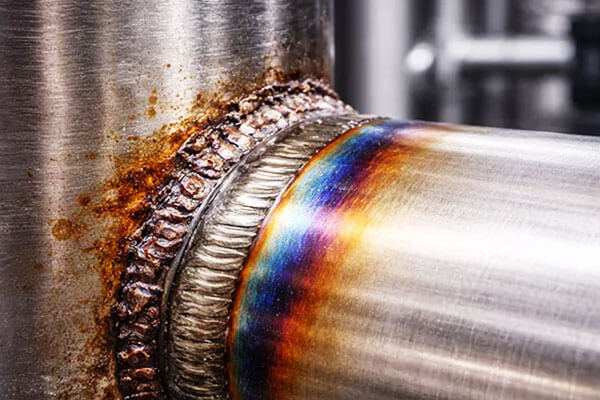
สิ่งนี้สามารถทำให้บริเวณรอยเชื่อมไวต่อการกัดกร่อนตามขอบเกรนหรือการแตกร้าวจากการกัดกร่อนจากความเค้นมากขึ้น, โดยเฉพาะอย่างยิ่งหากความร้อนสูงเกินไปหรือใช้วัสดุตัวเติมไม่ถูกต้อง.
แม้ว่าตัวรอยเชื่อมจะแข็งแรงก็ตาม, พฤติกรรมการกัดกร่อนในท้องถิ่นอาจอ่อนแอกว่าที่คาดไว้.
นั่นคือเหตุผลว่าทำไมการเชื่อมสเตนเลสจึงไม่ใช่แค่การเชื่อมเท่านั้น. เป็นกระบวนการทางโลหะวิทยาที่มีการควบคุมซึ่งจะต้องพิจารณาการเลือกฟิลเลอร์, อินพุตความร้อน, การทำความสะอาดหลังการเชื่อม, และ, ในกรณีที่จำเป็น, การรักษาหลังการเชื่อม.
5. การปนเปื้อนจากเหล็กธรรมดาอาจทำให้สแตนเลสเสียหายได้
สแตนเลสจะต้องสะอาดอยู่เสมอหากเป็นไปตามที่ต้องการ. สัมผัสกับเครื่องมือเหล็กคาร์บอนธรรมดา, อนุภาคเหล็ก, หรือพื้นผิวการทำงานที่ปนเปื้อนสามารถนำเหล็กอิสระไปบนพื้นผิวสเตนเลสได้.
การปนเปื้อนดังกล่าวสามารถทำลายฟิล์มพาสซีฟและสร้างคราบสนิมเฉพาะที่หรือบริเวณที่เสี่ยงต่อการกัดกร่อน.
ซึ่งไม่เหมือนกับการกัดกร่อนด้วยกัลวานิกระหว่างโลหะสองชนิดที่ไม่เหมือนกัน; มันเป็นปัญหาการปนเปื้อน.
แม้แต่การสัมผัสกับเครื่องมือที่สกปรกหรือฝุ่นจากการเจียรเหล็กเป็นเวลาสั้นๆ ก็อาจทำให้อนุภาคฝังตัวอยู่ในพื้นผิวได้.
หากอนุภาคเหล่านั้นออกซิไดซ์, ทำให้สแตนเลสดูเหมือนกำลังสึกกร่อน, แม้ว่าปัญหาจะเริ่มจากการปนเปื้อนก็ตาม.
ด้วยเหตุผลนั้น, การผลิตสเตนเลสต้องมีวินัยของร้านค้าที่เข้มงวด. เครื่องมือเฉพาะ, พื้นที่ทำงานที่สะอาด, และการทำความสะอาดพื้นผิวที่เหมาะสมไม่ใช่ทางเลือก; เป็นส่วนหนึ่งของการควบคุมการกัดกร่อน.
6. การกัดกร่อนแบบสม่ำเสมอมักมีอันตรายน้อยกว่าการโจมตีเฉพาะที่
การกัดกร่อนไม่ได้ทั้งหมดมีพฤติกรรมเหมือนกัน. การกัดกร่อนที่สม่ำเสมอจะขจัดวัสดุให้ทั่วพื้นผิวไม่มากก็น้อย, ซึ่งมักไม่เป็นที่พอใจทางสายตาแต่สามารถคาดเดาได้.
เพราะความเสียหายกระจายออกไป, ตรวจสอบได้ง่ายกว่า, วัด, และจัดการ.
โดยทางตรงกันข้าม, การกัดกร่อนเฉพาะที่ เช่น การกัดกร่อนแบบรูพรุนหรือรอยแยกอาจรุนแรงกว่ามาก.
อาจปรากฏเล็กน้อยบนพื้นผิวในขณะที่สร้างการเจาะลึกใต้พื้นผิว.
ในงานโครงสร้างหรืองานที่มีแรงดัน, ความเสียหายที่ซ่อนอยู่นั้นสามารถนำไปสู่ความล้มเหลวกะทันหันได้.
ซึ่งหมายความว่ารูปลักษณ์ภายนอกเพียงอย่างเดียวไม่เพียงพอที่จะตัดสินความเสี่ยง.
พื้นผิวที่เป็นสนิมอาจยังมีเวลาเหลืออยู่หากการกัดกร่อนสม่ำเสมอและได้รับการตรวจสอบ, ในขณะที่ส่วนประกอบสเตนเลสที่ดูสะอาดตาอาจยังมีการโจมตีแบบซ่อนเร้นอยู่ หากสภาพแวดล้อมรุนแรงและเลือกเกรดได้ไม่ดี.
7. เหล็กสามารถป้องกันได้ด้วยระบบควบคุมการกัดกร่อนหลายระบบ
การควบคุมการกัดกร่อนเป็นระบบ, ไม่ใช่ผลิตภัณฑ์เดียว
การกัดกร่อนของเหล็กไม่ได้ถูกจัดการโดยวิธีแก้ปัญหาแบบสากลวิธีเดียว.
ในทางปฏิบัติ, ความต้านทานการกัดกร่อนทำได้โดยการรวมกัน การเลือกใช้วัสดุ, การป้องกันพื้นผิว, รายละเอียดการออกแบบ, การแยกสิ่งแวดล้อม, และกลยุทธ์การบำรุงรักษา.
นั่นคือเหตุผลที่เหล็กยังคงเป็นวัสดุทางวิศวกรรมที่ใช้กันอย่างแพร่หลาย: แม้ว่ามันอาจจะกัดกร่อนได้ง่ายก็ตาม, นอกจากนี้ยังสามารถป้องกันได้อย่างมีประสิทธิภาพด้วยวิธีต่างๆ มากมาย.
แนวคิดที่สำคัญที่สุดคือการป้องกันการกัดกร่อนควรสอดคล้องกับสภาพแวดล้อมการบริการ.
ท่อฝัง, แพลตฟอร์มทางทะเล, โครงเครื่องในร่ม, และถังแปรรูปอาหารต่างก็ต้องการกลยุทธ์ที่แตกต่างกัน. สิ่งที่ใช้ได้ผลกับแอปพลิเคชันหนึ่งอาจไม่มีประสิทธิภาพหรือไม่เหมาะสมกับแอปพลิเคชันอื่นด้วยซ้ำ.
ระบบการเคลือบ: การป้องกันครั้งแรกและทั่วไปที่สุด
ระบบการเคลือบเป็นวิธีที่ใช้กันทั่วไปในการปกป้องเหล็กกล้าคาร์บอน. จุดประสงค์คือเพื่อแยกพื้นผิวเหล็กออกจากออกซิเจน, ความชื้น, เกลือ, และสารเคมี.
เส้นทางการเคลือบโดยทั่วไปได้แก่:
| วิธีการป้องกัน | หลักการสำคัญ | ข้อได้เปรียบโดยทั่วไป | ข้อจำกัดทั่วไป |
| ระบบสี | สร้างกำแพงกั้นระหว่างเหล็กกับสิ่งแวดล้อม | ยืดหยุ่นได้, ประหยัด, ใช้กันอย่างแพร่หลาย | อาจเสียหายจากการกระแทกได้, รอยขีดข่วน, หรือการเตรียมพื้นผิวไม่ดี |
| เคลือบผง | แผงกั้นโพลีเมอร์ที่บ่มด้วยความร้อน | ทนทานและสะอาดตา | ต้องมีการควบคุมการใช้งานและไม่เหมาะกับโครงสร้างที่มีขนาดใหญ่มาก |
| การชุบสังกะสี | สังกะสีให้การป้องกันและการเสียสละ | ประสิทธิภาพการกัดกร่อนภายนอกที่แข็งแกร่ง | ลักษณะพื้นผิวเป็นแบบอุตสาหกรรม; การซ่อมแซมและการสัมผัสจำเป็นต้องได้รับการดูแล |
| การฉีดพ่นโลหะ / สเปรย์ความร้อน | ฝากชั้นโลหะป้องกัน | เหมาะสำหรับงานบริการหนัก | มีความเชี่ยวชาญและต้องใช้อุปกรณ์มากขึ้น |
| ฟอสเฟต / การเคลือบแปลง | ปรับปรุงสภาพพื้นผิวและการยึดเกาะของสี | มีประโยชน์เป็นการปรับสภาพ | โดยปกติจะไม่ใช่วิธีแก้ปัญหาการกัดกร่อนแบบสแตนด์อโลน |
ความคุ้มครองแบบเสียสละ: ใช้โลหะที่มีความกระฉับกระเฉงมากขึ้นเพื่อปกป้องเหล็ก
วิธีการควบคุมการกัดกร่อนที่มีประสิทธิภาพมากที่สุดวิธีหนึ่งสำหรับเหล็กก็คือ การคุ้มครองการเสียสละ.
ในแนวทางนี้, โลหะที่เกิดปฏิกิริยามากขึ้นจะถูกวางสัมผัสกับเหล็กเพื่อให้โลหะป้องกันเกิดการกัดกร่อนก่อน.
ตัวอย่างที่รู้จักกันดีที่สุดคือ สังกะสี. สังกะสีมีฤทธิ์มากกว่าเหล็ก, ดังนั้นเมื่อทั้งสองถูกสัมผัสในสภาพแวดล้อมที่มีฤทธิ์กัดกร่อน, สังกะสีมีแนวโน้มที่จะกัดกร่อนเป็นพิเศษและปกป้องพื้นผิวเหล็ก.
นี่คือหลักการเบื้องหลังระบบชุบสังกะสีและระบบป้องกันที่ใช้สังกะสีหลายชนิด.
การป้องกันแบบเสียสละมีประโยชน์อย่างยิ่งในสภาพแวดล้อมกลางแจ้ง เนื่องจากยังคงทำงานต่อไปแม้ว่าการเคลือบจะมีรอยขีดข่วนหรือเสียหายก็ตาม. ทำให้มีความทนทานมากกว่าการเคลือบกั้นการตกแต่งเพียงอย่างเดียวในสภาพสนามต่างๆ.
การป้องกันแคโทด: จำเป็นสำหรับเหล็กฝังและจมอยู่ใต้น้ำ
สำหรับท่อส่งใต้ดิน, รถถัง, โครงสร้างทางทะเล, และส่วนประกอบที่จมอยู่ใต้น้ำ, การป้องกันแบบแคโทด มักใช้.
วิธีการนี้จะเปลี่ยนพฤติกรรมเคมีไฟฟ้าของเหล็กเพื่อให้ตัวเหล็กกลายเป็นแคโทดที่ได้รับการป้องกันในวงจรการกัดกร่อน.
มีสองรูปแบบหลัก:
การป้องกันแคโทดิกแอโนดแบบเสียสละ
โลหะที่ออกฤทธิ์มากกว่าเช่นสังกะสี, แมกนีเซียม, หรืออลูมิเนียมติดกับโครงสร้างเหล็ก. ขั้วบวกจะสึกกร่อนแทนเหล็ก.
การป้องกัน cathodic ในปัจจุบันที่น่าประทับใจ
แหล่งพลังงานภายนอกขับเคลื่อนกระแสป้องกันเข้าสู่โครงสร้าง, ทำให้เป็นแคโทดและระงับการกัดกร่อน.
การป้องกันแบบ Cathodic มีประสิทธิภาพโดยเฉพาะอย่างยิ่งสำหรับโครงสร้างขนาดใหญ่ที่การเคลือบเพียงอย่างเดียวไม่เพียงพอ.
ในหลายระบบ, ใช้ร่วมกับสารเคลือบ, เนื่องจากการเคลือบจะช่วยลดความต้องการในปัจจุบัน และระบบแคโทดจะปกป้องพื้นที่สัมผัสใดๆ.
การผสม: สร้างความต้านทานให้กับโลหะนั่นเอง
วิธีควบคุมการกัดกร่อนอีกวิธีหนึ่งคือการใช้โลหะผสมที่มีความทนทานมากกว่าเหล็กกล้าคาร์บอนธรรมดา.
สแตนเลสเป็นตัวอย่างที่คลาสสิก, แต่เหล็กที่ผุกร่อนและเกรดโลหะผสมต่ำอื่นๆ ยังแสดงให้เห็นว่าองค์ประกอบสามารถเปลี่ยนพฤติกรรมการกัดกร่อนได้อย่างไร.
การผสมนั้นทรงพลังเพราะไม่เพียงแต่ปกป้องพื้นผิวเท่านั้น; มันเปลี่ยนวัสดุเอง. ในสแตนเลส, โครเมียมสร้างฟิล์มพาสซีฟที่ต้านทานการเกิดสนิม.
ในตระกูลเหล็กอื่นๆ, สารเพิ่มเติมที่เลือกสามารถปรับปรุงความต้านทานการเกิดออกซิเดชันได้, การเก็บรักษาความแข็งแรง, หรือพฤติกรรมในสภาพแวดล้อมเฉพาะ.
สิ่งนี้ทำให้การผสมมีประโยชน์อย่างยิ่งเมื่อการบำรุงรักษาซ้ำเป็นเรื่องยาก หรือเมื่อชิ้นส่วนต้องให้บริการในสภาพแวดล้อมที่มีความต้องการเป็นเวลานาน.
8. บทสรุป
เหล็กเป็นหนึ่งในวัสดุที่สามารถปรับเปลี่ยนได้มากที่สุดเท่าที่เคยมีมา, แต่การกัดกร่อนยังคงเป็นข้อจำกัดสำคัญในหลายสภาพแวดล้อม. เหล็กกล้าคาร์บอนธรรมดาเกิดสนิมได้ง่ายเว้นแต่จะได้รับการปกป้อง.
สแตนเลสต้านทานการกัดกร่อนโดยสร้างฟิล์มพาสซีฟที่ซ่อมแซมตัวเองได้, แต่ก็ยังสามารถล้มเหลวได้ในสภาวะที่มีคลอไรด์เข้มข้น, ที่รอยเชื่อม, หรือเมื่อปนเปื้อนด้วยเหล็กธรรมดา.
บทเรียนที่สำคัญที่สุดคือการกัดกร่อนไม่ใช่ปัญหาเดียวในวิธีแก้ปัญหาเดียว. เป็นปฏิสัมพันธ์ระหว่างวัสดุและสิ่งแวดล้อม.
ประสิทธิภาพการกัดกร่อนที่ดีมาจากการเลือกใช้โลหะผสมที่ถูกต้อง, การฝึกประดิษฐ์เสียง, การรักษาพื้นผิวที่เหมาะสม, และระบบป้องกันที่เหมาะสมสำหรับสภาพแวดล้อมการบริการ.
สำหรับวิศวกรและผู้ประดิษฐ์, การทำความเข้าใจประเด็นทั้ง 7 ประการนี้คือความแตกต่างระหว่างการเลือกเหล็กที่ใช้งานได้ในปัจจุบันกับการเลือกเหล็กที่มีประสิทธิภาพเชื่อถือได้มานานหลายปี.
คำถามที่พบบ่อย
เหล็กเป็นสนิมทั้งหมดหรือไม่?
ใช่, เหล็กทุกชนิดสามารถสึกกร่อนได้ภายใต้สภาวะที่เหมาะสม. อัตราและชนิดของการกัดกร่อนขึ้นอยู่กับโลหะผสมและสภาพแวดล้อม.
เป็นสแตนเลสกันสนิม?
เลขที่. สแตนเลสทนต่อการกัดกร่อน, ไม่ป้องกันการกัดกร่อน.
ทำไมสแตนเลสถึงเกิดสนิมหลังการเชื่อม?
เพราะการเชื่อมสามารถเปลี่ยนโครงสร้างจุลภาคได้, ลดความพร้อมของโครเมียมในบริเวณที่ได้รับผลกระทบจากความร้อน, และทำให้เกิดความเครียดตกค้าง.
เหตุใดสภาพแวดล้อมที่มีคลอไรด์จึงสร้างความเสียหายให้กับสแตนเลส?
ไอออนคลอไรด์สามารถสลายฟิล์มป้องกันออกไซด์และส่งเสริมการกัดกร่อนเฉพาะจุด เช่น การเกิดรูพรุนและรอยแยก.
วิธีที่ง่ายที่สุดในการปกป้องเหล็กกล้าคาร์บอนคืออะไร?
ใช้สารเคลือบ, ชุบสังกะสี, หรือระบบป้องกันการกัดกร่อนอื่นที่เหมาะกับสภาพแวดล้อม.