
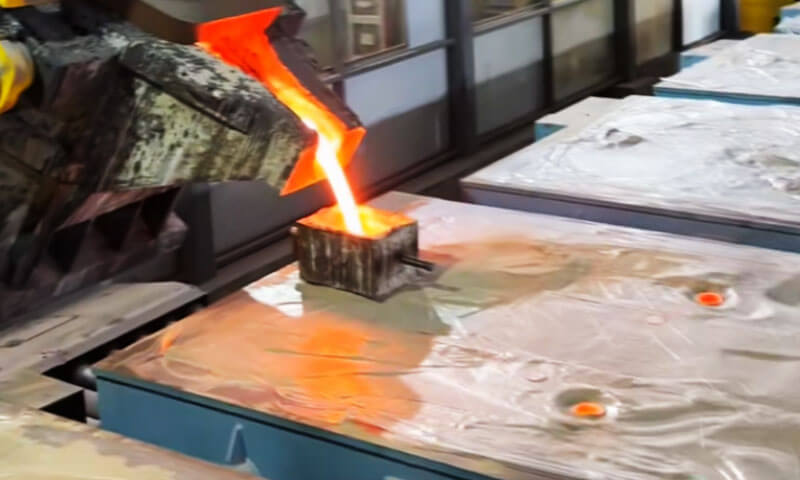
เพื่อแก้ไขข้อจำกัดเหล่านี้, การหล่อแบบ V-Process, ยังเป็นที่รู้จักกันในนาม การหล่อแบบสุญญากาศ หรือ การขึ้นรูปแบบปิดผนึกสุญญากาศ (กระบวนการ V), ได้กลายเป็นเทคโนโลยีการขึ้นรูปขั้นสูงที่ผสมผสานความยืดหยุ่นของการหล่อทรายเข้ากับคุณภาพการหล่อที่ดีขึ้นและประสิทธิภาพด้านสิ่งแวดล้อม.
แตกต่างจากการปั้นทรายทั่วไป, V-Process อาศัย แรงดันสุญญากาศแทนที่จะเป็นสารยึดเกาะสารเคมีหรือความชื้น เพื่อรักษาความแข็งแรงของแม่พิมพ์.
แห้ง, ทรายซิลิกาที่ไม่มีการยึดเกาะจะถูกยึดไว้โดยความดันบรรยากาศที่กระทำบนแม่พิมพ์ที่บุด้วยฟิล์มพลาสติก, สร้างระบบการขึ้นรูปที่มีความเสถียรสูงโดยไม่ต้องใช้สารยึดเกาะเรซินหรือดินเหนียว.
พัฒนาครั้งแรกในญี่ปุ่นในช่วงต้นทศวรรษ 1970, การหล่อแบบ V-Process ได้รับการยอมรับอย่างกว้างขวางในอุตสาหกรรมที่ต้องการขนาดใหญ่, ซับซ้อน, และการหล่อคุณภาพสูง,
รวมถึงการผลิตยานยนต์, อุปกรณ์การทำเหมือง, เครื่องจักรกลการเกษตร, ปั๊ม, วาล์ว, ส่วนประกอบทางรถไฟ, และเครื่องจักรอุตสาหกรรมหนัก.
กระบวนการนี้มีคุณค่าเป็นพิเศษสำหรับการผลิตงานหล่อที่มีพื้นผิวที่สะอาด, อัตราข้อบกพร่องต่ำ, สามารถรีไซเคิลทรายได้ดีเยี่ยม, และลดข้อกำหนดหลังการประมวลผล.
1. การหล่อแบบ V-Process คืออะไร?
การหล่อแบบ V-Process, หรือ การหล่อแบบสุญญากาศ, คือ กระบวนการหล่อทรายแบบไร้สารยึดเกาะ ซึ่งใช้แรงดันสุญญากาศเพื่อสร้างและรักษาความแข็งแกร่งของแม่พิมพ์ตลอดการเทโลหะและการแข็งตัว.
แทนที่จะพึ่งดินเหนียว, สารยึดเกาะสารเคมี, หรือความชื้นเพื่อยึดทรายปั้นไว้ด้วยกัน, กระบวนการใช้ ฟิล์มพลาสติกและการดูดสูญญากาศ เพื่อทำให้ทรายซิลิกาแห้งคงตัวรอบๆ ลวดลาย.
กระบวนการนี้เริ่มต้นด้วยการให้ความร้อนแก่ฟิล์มเทอร์โมพลาสติกบางๆ และขึ้นรูปให้แน่นบนลวดลายโลหะโดยใช้แรงดันสุญญากาศ.
แห้ง, ทรายที่ไม่มีการเกาะตัวจะถูกเทลงในขวดขึ้นรูปและบดอัดด้วยการสั่นสะเทือน.
ติดฟิล์มพลาสติกแผ่นที่สองลงบนพื้นผิวทราย, และรักษาสุญญากาศไว้ภายในแม่พิมพ์.
ความดันบรรยากาศจะอัดทรายแห้งให้เป็นแม่พิมพ์แข็งที่สามารถทนต่อโลหะหลอมเหลวในระหว่างการเทได้.
เมื่อการหล่อแข็งตัวแล้ว, สุญญากาศจะถูกปล่อยออกมา, ทำให้เชื้อรายุบตัวลงตามธรรมชาติ.
ทรายที่หลุดร่อนสามารถนำกลับมาใช้ใหม่และนำกลับมาใช้ใหม่ได้โดยใช้กระบวนการน้อยที่สุด, ปรับปรุงการใช้วัสดุและลดของเสียอย่างมีนัยสำคัญ.
ไม่เหมือนการหล่อการลงทุน, ซึ่งเสียสละลวดลายขี้ผึ้ง, หรือหล่อทรายเรซิน, ซึ่งกินสารยึดเกาะทางเคมี,
การหล่อแบบ V-Process ผลิตแม่พิมพ์ที่มี ทำความสะอาด, นำกลับมาใช้ใหม่ได้, และยั่งยืนต่อสิ่งแวดล้อม, ทำให้มีความน่าสนใจเป็นพิเศษสำหรับโครงการริเริ่มด้านการผลิตที่เป็นมิตรต่อสิ่งแวดล้อมสมัยใหม่.

ลักษณะสำคัญ
| ลักษณะเฉพาะ | คำอธิบาย |
| ทรายที่ปราศจากสารยึดเกาะ | ใช้แบบแห้ง, ทรายซิลิกาที่ไม่มีสารเติมแต่ง, น้ำ, หรือสารยึดเกาะทางเคมี. |
| ถือสูญญากาศ | แรงดันสุญญากาศ (โดยทั่วไป 50-100 ปาสคาล) จับอนุภาคทรายไว้ด้วยกัน. |
| ฟิล์มพลาสติกบาง | ฟิล์มพลาสติกอ่อนความร้อน (0.05-0.2 มม) ถูกพาดทับบนลวดลายเพื่อสร้างพื้นผิวแม่พิมพ์ที่เรียบเนียน. |
| ทรายที่ใช้ซ้ำได้ | ทรายใกล้จะหมดแล้ว 100% รีไซเคิลได้เนื่องจากไม่มีสารยึดเกาะ. |
พื้นผิวที่ยอดเยี่ยม |
พื้นผิวสำเร็จรูปแบบหล่อของ Ra 6.3-12.5 µm ทำได้. |
| ความแม่นยำของมิติสูง | ความคลาดเคลื่อน ±0.2-0.5 มม. ต่อ 25 มม. เป็นไปได้. |
| เป็นมิตรกับสิ่งแวดล้อม | ไม่มีสารยึดเกาะ, ควัน, หรือการปล่อยสารพิษ. |
| ต้องใช้อุปกรณ์พิเศษ | ต้องการระบบสุญญากาศ, ฟิล์มพลาสติก, และอุปกรณ์ขนย้ายขวด. |
2. หลักการทำงานของการหล่อแบบ V-Process
V-Process ขึ้นอยู่กับหลักการทางกายภาพที่เรียบง่ายแต่สวยงาม: ทรายแห้งจะมีพฤติกรรมเหมือนของแข็งเมื่อถูกบีบอัดด้วยสุญญากาศ.
ฟิสิกส์เบื้องหลังการขึ้นรูปสุญญากาศ
| หลักการ | คำอธิบาย |
| แรงเสียดทานระหว่างเม็ดทราย | เมื่อความดันบรรยากาศบดอัดทรายแห้ง, แรงเสียดทานตามขอบเกรนเพิ่มขึ้น, สร้างมวลแข็ง. |
| ส่วนต่างสุญญากาศ | สูญญากาศ (โดยทั่วไป -50 ถึง -100 ปาสคาล) ถูกทาไว้ใต้พื้นทราย, ทำให้ความกดอากาศกดทับอนุภาคทรายเข้าด้วยกัน. |
| ซีลฟิล์มพลาสติก | เป็นฟิล์มพลาสติกบางๆ, ทำให้อ่อนลงด้วยความร้อน, ถูกดูดเข้าหาลวดลายด้วยสุญญากาศ, สร้างความเรียบเนียน, ใบหน้าแม่พิมพ์ที่แม่นยำ. |
| ความหนาแน่นสม่ำเสมอ | สุญญากาศช่วยให้มีการบดอัดทรายสม่ำเสมอ, ขจัดความแปรผันของความหนาแน่นที่พบได้ทั่วไปในการปั้นทรายสีเขียว. |
บทบาทของฟิล์มพลาสติก
ฟิล์มพลาสติก (มักจะเป็นโพลีเอทิลีน, อีวา, หรือพีวีซี) ทำหน้าที่สำคัญหลายประการ:
- สร้างความเรียบเนียน, ช่องแม่พิมพ์ที่แม่นยำ— ฟิล์มสอดคล้องกับพื้นผิวลวดลาย.
- ป้องกันปฏิกิริยาโลหะกับทราย—ทำหน้าที่เป็นกำแพงกั้นระหว่างโลหะหลอมเหลวกับทราย.
- คงความสมบูรณ์ของสุญญากาศ— ฟิล์มปิดผนึกแม่พิมพ์, ทำให้สามารถเก็บสุญญากาศได้.
- ปรับปรุงพื้นผิว— พื้นผิวฟิล์มเรียบถูกถ่ายโอนไปยังการหล่อ.
3. กระบวนการผลิตการหล่อแบบ V-Process เสร็จสมบูรณ์
ความสำเร็จของการหล่อแบบ V-Process ขึ้นอยู่กับ ลำดับการผลิตที่มีการควบคุมอย่างแม่นยำ, โดยที่ทุกขั้นตอน ตั้งแต่การขึ้นรูปฟิล์มพลาสติกไปจนถึงการปล่อยสุญญากาศ มีอิทธิพลโดยตรงต่อความสมบูรณ์ของแม่พิมพ์, ความแม่นยำมิติ, การตกแต่งพื้นผิว, และความหล่อแข็งแรง.
วงจรการหล่อแบบ V-Process มาตรฐานประกอบด้วยเจ็ดขั้นตอนต่อไปนี้.
3.1 การเตรียมรูปแบบและการทำความร้อนฟิล์มเทอร์โมพลาสติก
กระบวนการเริ่มต้นด้วยการเตรียมการ รูปแบบการนำกลับมาใช้ใหม่ได้อย่างแม่นยำ, มักผลิตจากอลูมิเนียม, เหล็กหล่อ, อีพอกซีเรซิน, หรือไม้ที่มีความหนาแน่นสูง, ขึ้นอยู่กับปริมาณการผลิตและข้อกำหนดด้านมิติ.
เพื่ออำนวยความสะดวกในการขึ้นรูปสุญญากาศ, รูปแบบประกอบด้วยมากมาย รูระบายสูญญากาศขนาดเล็ก, ช่วยให้อากาศถูกดึงออกมาได้อย่างสม่ำเสมอใต้ฟิล์มเทอร์โมพลาสติก.

ผอม อีวา (เอทิลีน-ไวนิลอะซิเตท) หรือฟิล์มโพลีเอทิลีนเทอร์โมพลาสติก, โดยทั่วไป 0.08–0.15 มม. หนา, ได้รับความร้อนประมาณ 80–120°ซ จนมีความนุ่มและยืดหยุ่นสูง.
การทำความร้อนฟิล์มอย่างเหมาะสมเป็นหนึ่งในการควบคุมกระบวนการที่สำคัญที่สุด:
- ฟิล์มอุ่นเกินไป ขาดความยืดหยุ่นและไม่สามารถสอดคล้องกับรายละเอียดรูปแบบที่ซับซ้อนได้เต็มที่, ส่งผลให้การสืบพันธุ์ของพื้นผิวไม่ดี.
- ฟิล์มร้อนเกินไป บางเกินไปและอาจฉีกขาดหรือย่นที่ส่วนที่ดึงลึก, กระทบต่อความสมบูรณ์ของแม่พิมพ์.
โดยทั่วไปแล้วสายการผลิตสมัยใหม่จะใช้ระบบทำความร้อนอินฟราเรดหรือไฟฟ้าอัตโนมัติที่มีการควบคุมอุณหภูมิแบบวงปิดเพื่อให้มั่นใจถึงคุณภาพของฟิล์มที่สม่ำเสมอ.
3.2 การขึ้นรูปฟิล์มสุญญากาศและการเคลือบวัสดุทนไฟ
เมื่อฟิล์มมีอุณหภูมิการขึ้นรูปที่ต้องการ, มันวางอยู่เหนือรูปแบบ, และมีการดูดสุญญากาศผ่านรูระบายอากาศของลวดลาย.
ความกดอากาศดันฟิล์มที่อ่อนตัวลงอย่างแน่นหนากับทุกรูปทรง, สร้างพื้นผิวที่ละเอียดและรูปทรงเรขาคณิตที่ซับซ้อนได้อย่างแม่นยำ.
กระบวนการขึ้นรูปสุญญากาศนี้มีข้อดีที่สำคัญหลายประการ:
- การจำลองแบบเรขาคณิตของรูปแบบที่แม่นยำ
- พื้นผิวโพรงแม่พิมพ์เรียบ
- ลดการสึกหรอของลวดลาย
- ลบลวดลายได้ง่ายหลังการปั้น
สำหรับการหล่อที่ผลิตจาก เหล็กกล้าคาร์บอน, โลหะผสมเหล็ก, สแตนเลส, หรือโลหะผสมที่มีอุณหภูมิสูงอื่นๆ, ผอม เคลือบทนไฟ (โดยทั่วไป 0.3–0.5 มม. หนา) มักถูกพ่นหรือทาลงบนฟิล์มพลาสติกที่ขึ้นรูปแล้ว.
การเคลือบวัสดุทนไฟทำหน้าที่ได้หลายอย่าง:
- ปรับปรุงความต้านทานต่อการกัดเซาะของโลหะหลอมเหลว
- ป้องกันการซึมของโลหะเข้าไปในทราย
- ลดข้อบกพร่องจากการเผาไหม้
- ปรับปรุงพื้นผิวการหล่อ
- ปรับปรุงฉนวนกันความร้อนและความเสถียรของเชื้อรา
จากนั้นการเคลือบจะถูกทำให้แห้งก่อนที่กระบวนการขึ้นรูปจะดำเนินต่อไปในขั้นตอนต่อไป.
3.3 การเติมทรายแห้งและการบดอัดแบบสั่นสะเทือน
หลังจากมีการสร้างฟิล์มแล้ว, ขวดขึ้นรูปที่ออกแบบมาเป็นพิเศษวางอยู่เหนือลวดลาย.
ขวดเต็มไปด้วย ทำความสะอาด, แห้ง, ทรายซิลิกาที่ปราศจากสารยึดเกาะ, โดยทั่วไปแล้วจะมี ความละเอียดเกรน AFS 50–100, เลือกตามขนาดการหล่อ, ประเภทโลหะผสม, และพื้นผิวที่ต้องการ.
ไม่เหมือนทรายสีเขียวหรือการปั้นทรายเรซิน, ไม่มีความชื้น, ดินเหนียว, หรือเติมสารยึดเกาะสารเคมี.
แทน, อนุภาคทรายจะถูกอัดแน่นผ่านเพียงอย่างเดียว ควบคุมการสั่นสะเทือนทางกล.
พารามิเตอร์การสั่นสะเทือนทั่วไป ได้แก่:
| พารามิเตอร์ | ค่าทั่วไป |
| ประเภททราย | ทรายซิลิกาแห้ง |
| ความละเอียดของธัญพืช | เอเอฟเอส 50–100 |
| ความถี่การสั่นสะเทือน | 30–50 เฮิรตซ์ |
| ความหนาแน่นของการบดอัดสัมพัทธ์ | 85–90% |
การสั่นสะเทือนที่เหมาะสมถือเป็นสิ่งสำคัญสำหรับการผลิตแม่พิมพ์ที่สม่ำเสมอ:
- แรงสั่นสะเทือนไม่เพียงพอ ส่งผลให้มีความหนาแน่นของทรายต่ำ, ความแข็งแรงของแม่พิมพ์ไม่ดี, และการเสียรูปของโพรง.
- การสั่นสะเทือนมากเกินไป อาจทำให้เกิดการแยกตัวของอนุภาค, ลดการซึมผ่านและความเสถียรของมิติ.
การบดอัดทรายสม่ำเสมอยังช่วยเพิ่มการกระจายสุญญากาศทั่วทั้งแม่พิมพ์, ช่วยให้มีความแข็งสม่ำเสมอและความแม่นยำในการหล่อดีขึ้น.
3.4 การซีลฟิล์มด้านหลังและความเสถียรของสุญญากาศ
เมื่อเติมขวดขึ้นรูปจนเต็มแล้ว, ฟิล์มเทอร์โมพลาสติกแผ่นที่สองถูกวางบนพื้นผิวด้านบนของทรายเพื่อสร้างตู้สุญญากาศ.
จากนั้นสุญญากาศจะถูกส่งไปยังมวลทรายโดยตรงผ่านขวด, โดยทั่วไปจะถึง –0.04 ถึง –0.08 MPa (300–600 มิลลิเมตรปรอท).
ในขณะที่อากาศถูกอพยพออกไป, ความดันบรรยากาศจะบีบอัดอนุภาคทรายที่หลวมเข้าด้วยกัน, เปลี่ยนทรายที่ไม่มีการเกาะตัวให้กลายเป็นทรายแข็งทันที, แม่พิมพ์ที่สนับสนุนตนเอง.
ต่างจากวิธีการปั้นแบบเดิมๆ, ความแข็งแรงของแม่พิมพ์ทั้งหมดเกิดขึ้นจากความแตกต่างของแรงดันมากกว่าพันธะเคมี.
ประโยชน์ของการรักษาเสถียรภาพสุญญากาศได้แก่:
- ความแข็งของแม่พิมพ์สม่ำเสมอ
- ความมั่นคงในมิติที่ยอดเยี่ยม
- ลดการเสียรูปของแม่พิมพ์ระหว่างการเท
- การเคลื่อนที่ของทรายน้อยที่สุด
- ทนทานต่อแรงดันโลหะหลอมเหลวสูง
แรงดันสุญญากาศจะคงอยู่ตลอดการประกอบแม่พิมพ์และการเทโลหะ เพื่อให้มั่นใจถึงความแข็งแกร่งของแม่พิมพ์ที่สม่ำเสมอ.
3.5 การถอดแบบและการประกอบแม่พิมพ์
หลังจากที่แม่พิมพ์ได้รับความแข็งแรงเพียงพอแล้ว, สุญญากาศที่อยู่ใต้รูปแบบจะถูกปล่อยออกมา ในขณะที่สุญญากาศภายในแม่พิมพ์ทรายยังคงอยู่.
จากนั้นรูปแบบจะถูกถอนออกในแนวตั้งจากโพรงแม่พิมพ์โดยมีความต้านทานน้อยที่สุด.

เนื่องจากฟิล์มพลาสติกสร้างส่วนต่อประสานที่ราบรื่นเป็นพิเศษระหว่างลวดลายและแม่พิมพ์, มุมร่างมักจะลดลงจนเกือบเป็นศูนย์, เมื่อเทียบกับ 1.5ร่าง°–3° โดยทั่วไปจำเป็นสำหรับแม่พิมพ์ทรายแบบยึดติดทั่วไป.
ความสามารถนี้ช่วยให้:
- อิสระในการออกแบบที่มากขึ้น
- ปรับปรุงความแม่นยำของมิติ
- มุมที่คมชัดยิ่งขึ้น
- การสร้างรูปทรงเรขาคณิตที่ซับซ้อนได้ดีขึ้น
- ค่าเผื่อการตัดเฉือนลดลง
ส่วนของแม่พิมพ์รับมือและลากจะถูกผลิตแยกกันโดยใช้ขั้นตอนเดียวกัน.
หากจำเป็น, แกนทรายหรือโลหะอยู่ในตำแหน่งที่ถูกต้องก่อนที่จะประกอบชิ้นส่วนของแม่พิมพ์.
ตลอดการประกอบ, สุญญากาศยังคงทำงานอยู่เพื่อรักษาความแข็งแกร่งของแม่พิมพ์จนกว่าการเทจะเสร็จสมบูรณ์.
3.6 การเทและการแข็งตัวแบบควบคุมโดยใช้เครื่องช่วยสุญญากาศ
โลหะหลอมเหลวจะถูกเทลงในแม่พิมพ์ในขณะที่ระบบสุญญากาศยังคงรักษาความเสถียรของแม่พิมพ์.

แรงดันลบแบบควบคุมมีข้อดีหลายประการในด้านโลหะวิทยา:
- ปรับปรุงการเติมแม่พิมพ์
- ความปั่นป่วนลดลง
- การอพยพก๊าซที่เพิ่มขึ้น
- การเกิดรูพรุนลดลง
- เติมส่วนผนังบางได้ดีขึ้น
- ปรับปรุงคุณภาพพื้นผิว
โดยทั่วไปความดันสุญญากาศจะถูกปรับในระหว่างขั้นตอนต่างๆ ของรอบการหล่อ เพื่อเพิ่มความแข็งแรงของแม่พิมพ์และลักษณะการแข็งตัวให้เหมาะสม.
| เวทีการคัดเลือกนักแสดง | ระดับสุญญากาศทั่วไป |
| การเทโลหะ | –0.07 ถึง –0.08 MPa |
| การแข็งตัวในช่วงต้น | –0.05 ถึง –0.06 MPa |
| การแข็งตัวขั้นสุดท้าย | –0.04 ถึง –0.05 MPa |
การลดสุญญากาศลงทีละน้อยระหว่างการทำความเย็นจะช่วยบรรเทาความเครียดจากความร้อนในขณะที่ยังคงรักษาการรองรับของแม่พิมพ์ไว้เพียงพอตลอดการแข็งตัว.
ในขั้นตอนนี้, การออกแบบประตูและตัวยกที่เหมาะสมยังคงเป็นสิ่งสำคัญในการควบคุมการไหลของโลหะหลอมเหลว, ส่งเสริมการแข็งตัวของทิศทาง, และป้องกันข้อบกพร่องจากการหดตัว.
3.7 การปล่อยสุญญากาศ, การเขย่า, และการถมทราย
หลังจากการหล่อแข็งตัวอย่างสมบูรณ์และเย็นลงจนถึงอุณหภูมิในการขนถ่ายที่ปลอดภัย, สุญญากาศจะถูกปล่อยออกจากแม่พิมพ์.
โดยไม่มีแรงดันบรรยากาศมาอัดอนุภาคทราย, แม่พิมพ์จะสูญเสียความแข็งแรงและพังทลายลงทันที ทรายแห้งที่ไหลอย่างอิสระ.
เมื่อเทียบกับการหล่อทรายแบบดั้งเดิม, สิ่งนี้มีข้อได้เปรียบในการปฏิบัติงานหลายประการ:
- ไม่จำเป็นต้องใช้อุปกรณ์เขย่าแบบกลไก
- ลดความเสียหายจากการร่าย
- การถอดเกทและไรเซอร์ได้ง่ายขึ้น
- ลดต้นทุนการทำความสะอาด
- วงจรการผลิตสั้นลง
ต่อมามีทรายที่ถูกถมคืน:
- ระบายความร้อน
- คัดกรองเพื่อขจัดอนุภาคขนาดใหญ่
- หักล้างแล้ว
- รีไซเคิลกลับเข้าสู่การผลิตโดยตรง
เพราะในทรายประกอบด้วย ไม่มีดินเหนียวหรือสารยึดเกาะทางเคมี, กระบวนการบุกเบิกมีประสิทธิภาพเป็นพิเศษ, กับ อัตราการใช้ซ้ำโดยทั่วไปเกิน 98%, ทำให้การหล่อแบบ V-Process เป็นหนึ่งในเทคโนโลยีการขึ้นรูปที่ยั่งยืนที่สุดที่มีอยู่.
4. วัสดุที่เหมาะสำหรับการหล่อแบบ V-Process
หนึ่งในจุดแข็งที่ยิ่งใหญ่ที่สุดของ การหล่อแบบ V-Process คือความสามารถในการปรับตัวของวัสดุได้ดีเยี่ยม.
เพราะกระบวนการขึ้นรูปใช้ แห้ง, ทรายซิลิกาที่ปราศจากสารยึดเกาะ ทำให้เสถียรด้วยแรงดันสุญญากาศมากกว่าการใช้สารยึดเกาะทางเคมี, มันเข้ากันได้กับโลหะผสมเหล็กและอโลหะหลายประเภท.
โลหะเหล็ก
| วัสดุ | เกรดทั่วไป | ความสามารถในการหล่อ | การใช้งาน |
| เหล็กสีเทา | ASTM A48 คลาส 20-60 | ยอดเยี่ยม | บล็อกเครื่องยนต์, กลองเบรก, ฐานของเครื่องจักร, ท่อ. |
| เหล็กดัด | ASTM A536 60-40-18, 80-55-06 | ยอดเยี่ยม | เพลาข้อเหวี่ยง, เกียร์, ก้านสูบ, อุปกรณ์ท่อ. |
| เหล็กกล้าคาร์บอน | ASTM A27, A216 WCB | ดี | ร่างกายวาล์ว, ตัวเรือนปั๊ม, ชิ้นส่วนโครงสร้าง. |
| โลหะผสมเหล็ก | เอไอเอส 4140, 4340 | ดี | เกียร์, เพลา, ส่วนประกอบที่ใช้งานหนัก. |
| สแตนเลส | 304, 316, 17-4พีเอช | ดี | วาล์วทนต่อการกัดกร่อน, ปั๊ม, อุปกรณ์อาหาร. |
โลหะที่ไม่ใช่เหล็ก
| วัสดุ | เกรดทั่วไป | ความสามารถในการหล่อ | การใช้งาน |
| อลูมิเนียมอัลลอยด์ | A356, เอ380, 356, 319 | ยอดเยี่ยม | ชิ้นส่วนยานยนต์, ตัวเรือนอิเล็กทรอนิกส์, ส่วนประกอบการบินและอวกาศ. |
| โลหะผสมทองแดง | C80100, C81100 | ดี | ส่วนประกอบไฟฟ้า, เครื่องแลกเปลี่ยนความร้อน. |
| ทองเหลือง | C85700, C86200, C87800 | ดี | อุปกรณ์ประปา, ฮาร์ดแวร์ตกแต่ง, วาล์ว. |
| สีบรอนซ์ | C90500, C93200, C95400 | ดี | ใบพัดทางทะเล, ตลับลูกปืน, ประติมากรรม. |
5. ข้อบกพร่องในการหล่อทั่วไปและการแก้ปัญหาทางวิศวกรรม
เช่นเดียวกับกระบวนการหล่อทั้งหมด, V-Process มีความไวต่อข้อบกพร่องบางประการ. อย่างไรก็ตาม, ข้อบกพร่องจำนวนมากสามารถกำจัดได้ด้วยการควบคุมกระบวนการที่เหมาะสม.
| ข้อบกพร่อง | ภาพ / ลายเซ็น NDT | สาเหตุที่แท้จริง | มาตรการป้องกัน |
| ความพรุนของแก๊ส | ช่องว่างภายในทรงกลม | ก๊าซละลาย; การไล่แก๊สไม่เพียงพอ; ความล้มเหลวของสุญญากาศ. | เผาให้ละลาย; รักษาสุญญากาศ; ใช้การชาร์จที่สะอาด. |
| ความพรุนหดตัว | ขรุขระ, ช่องว่างที่ผิดปกติ | การให้อาหารไม่เพียงพอ; การออกแบบไรเซอร์ที่ไม่ดี. | เพิ่มประสิทธิภาพ gating/rising; ใช้การจำลอง. |
| รวมทราย | อนุภาคอโลหะที่ไม่สม่ำเสมอ | ฟิล์มฉีกขาด; การพังทลายของทราย; รั้วไม่ดี. | รับประกันความสมบูรณ์ของฟิล์ม; ปรับปรุง gating; ลดความปั่นป่วน. |
| อียิปต์ / ปิดเย็น | เติมไม่ครบ | อุณหภูมิการเทต่ำ; ความคล่องตัวไม่ดี; สูญญากาศไม่เพียงพอ. | เพิ่มอุณหภูมิในการเท; ปรับปรุง gating; ตรวจสอบสูญญากาศ. |
ความขรุขระ |
พื้นผิวหยาบ | ความหนาของฟิล์มไม่เหมาะสม; การฉีกขาดของฟิล์ม; ค่าปรับทราย. | ใช้ความหนาของฟิล์มที่เหมาะสม; ให้แน่ใจว่ามีสุญญากาศสม่ำเสมอ; ควบคุมคุณภาพทราย. |
| การเบี่ยงเบนมิติ | ขนาดที่ไม่ยอมรับ | การสึกหรอของลวดลาย; การเปลี่ยนแปลงความหนาของฟิล์ม; การเคลื่อนไหวของแม่พิมพ์. | รักษารูปแบบ; ควบคุมความหนาของฟิล์ม; แม่พิมพ์ที่ปลอดภัย. |
| รูเข็ม / ตุ่ม | รูเข็มพื้นผิวขนาดเล็ก | ความชื้นในทราย; ฟิล์มที่ปล่อยออกมา; การดักจับก๊าซ. | ทรายแห้ง; ใช้ฟิล์มที่เหมาะสม; เผาให้ละลาย. |
| การบิดเบือนการหล่อ | การบิดเบี้ยวหรือรูปทรงไม่สม่ำเสมอ | ความเย็นไม่สม่ำเสมอ; การเคลื่อนไหวของแม่พิมพ์; สูญญากาศไม่เพียงพอ. | ควบคุมความเย็น; แม่พิมพ์ที่ปลอดภัย; ให้แน่ใจว่ามีสุญญากาศสม่ำเสมอ. |
6. ข้อดีของการหล่อแบบ V-Process
การหล่อแบบ V-Process ผสมผสานกัน เทคโนโลยีการขึ้นรูปแบบช่วยด้วยสุญญากาศ กับ ทรายแห้งที่ไม่มีสารยึดเกาะ, นำเสนอทางเทคนิคที่สำคัญ, ทางเศรษฐกิจ, และข้อได้เปรียบด้านสิ่งแวดล้อมเหนือกระบวนการหล่อทรายทั่วไป.
เหมาะอย่างยิ่งสำหรับการผลิตการหล่อขนาดกลางถึงขนาดใหญ่ที่ต้องการความแม่นยำของมิติสูง, คุณภาพพื้นผิวที่ดีเยี่ยม, และความสม่ำเสมอในการผลิตที่มั่นคง.
ความแม่นยำของมิติสูง
ทั่วไป ความอดทนต่อการหล่อ เอื้อมมือไป ไอเอสโอ 8062 CT7–CT9, เกรดความอดทนหนึ่งถึงสองดีกว่าการหล่อทรายสีเขียวทั่วไป (โดยทั่วไปแล้ว CT10–CT13).
แม่พิมพ์ที่รองรับสุญญากาศที่แข็งแกร่งช่วยลดการเสียรูปของโพรงให้เหลือน้อยที่สุด, ส่งผลให้เกิดความสม่ำเสมอของขนาดที่ดีเยี่ยมและลดค่าเผื่อการตัดเฉือน.
พื้นผิวที่ยอดเยี่ยม
ความหยาบผิวโดยทั่วไปมีตั้งแต่ RA 3.2-12.5 μm, ประมาณ 2–3 เกรดคุณภาพนุ่มนวลขึ้น กว่าการหล่อทรายสีเขียว (รา 25-100 ไมโครเมตร).
ฟิล์มเทอร์โมพลาสติกเรียบช่วยป้องกันการสัมผัสโดยตรงระหว่างโลหะหลอมเหลวกับทราย, ลดการเผาไหม้ได้อย่างมาก, การเจาะโลหะ, และข้อบกพร่องของพื้นผิว.
ประสิทธิภาพการถมทรายที่โดดเด่น
เนื่องจากไม่มีการใช้ดินเหนียวหรือสารยึดเกาะทางเคมี, ทรายขึ้นรูปมากกว่า 95–98% สามารถเรียกคืนและนำกลับมาใช้ใหม่ได้โดยตรง หลังจากการระบายความร้อนอย่างง่าย, การคัดกรอง, และการกำจัดฝุ่น.
ซึ่งช่วยลดการใช้วัตถุดิบและต้นทุนการกำจัดของเสียได้อย่างมาก.
การสร้างก๊าซต่ำและการหล่อที่สะอาดยิ่งขึ้น
ระบบการขึ้นรูปแบบไร้สารยึดเกาะทำให้เกิดก๊าซน้อยมากในระหว่างการเท, ลดการเกิดของ รูพรุนแก๊ส, ช่องลม, รูเข็ม, และข้อบกพร่องที่เกี่ยวข้องกับคาร์บอน.
นี่เป็นข้อได้เปรียบโดยเฉพาะอย่างยิ่งสำหรับเหล็กกล้าคาร์บอน, โลหะผสมเหล็ก, และการหล่อสแตนเลส.
ความแข็งแกร่งของแม่พิมพ์ที่ดีเยี่ยม
แรงดันสุญญากาศทำให้แม่พิมพ์มีความแข็งแรงสม่ำเสมอทั่วทั้งตัวทราย, ป้องกันการเสียรูปของเชื้อราระหว่างการเทและการแข็งตัว.
ความแข็งแกร่งของแม่พิมพ์ที่มีความเสถียรช่วยเพิ่มความแม่นยำของมิติที่สูงขึ้นและความสามารถในการทำซ้ำที่ดีขึ้น.
ลดความต้องการการตัดเฉือน
การผสมผสานระหว่างการจำลองแบบแม่พิมพ์ที่แม่นยำ, พื้นผิวหล่อเรียบ, และการแปรผันของมิติที่น้อยที่สุดจะช่วยลดสต็อกการตัดเฉือน, ลดระยะเวลาการประมวลผล, ลดการสึกหรอของเครื่องมือ, และปรับปรุงประสิทธิภาพการผลิตโดยรวม.
มีความเหมาะสมสูงสำหรับการหล่อที่ซับซ้อนและขนาดใหญ่
การหล่อแบบ V-Process เหมาะอย่างยิ่งสำหรับการผลิต ใหญ่, หนัก, และองค์ประกอบที่ซับซ้อนทางเรขาคณิต, รวมทั้งเรือนปั๊มด้วย, ตัววาล์ว, อุปกรณ์การทำเหมือง, เครื่องจักรก่อสร้าง, และส่วนประกอบการผลิตไฟฟ้า, ในขณะที่ยังคงรักษาความสมบูรณ์ของโครงสร้างที่ดีเยี่ยม.
การผลิตที่เป็นมิตรต่อสิ่งแวดล้อม
ปราศจากสารยึดเกาะทางเคมี, กระบวนการนี้สร้างขึ้น ควันน้อยที่สุด, กลิ่น, การปล่อย VOC, และของเสียอันตราย, สร้างสภาพแวดล้อมการทำงานที่สะอาดขึ้นและสนับสนุนการดำเนินงานของโรงหล่อที่ยั่งยืน.
รูปแบบชีวิตที่ยอดเยี่ยม
เพราะฟิล์มพลาสติกทำหน้าที่เป็นตัวเชื่อมป้องกันระหว่างลวดลายกับทราย, การสึกหรอทางกลระหว่างการถอนรูปแบบมีค่าต่ำมาก.
ส่งผลให้, ลวดลายโลหะมีอายุการใช้งานยาวนานกว่ารูปแบบที่ใช้ในการปั้นทรายทั่วไป.
ลดต้นทุนการผลิตรวม
แม้ว่าการลงทุนอุปกรณ์เบื้องต้นจะค่อนข้างสูงก็ตาม, การรวมกันของการใช้ทรายสูงซ้ำ, ลดการตัดเฉือน, อัตราข้อบกพร่องที่ต่ำกว่า, การทำความสะอาดที่เรียบง่าย, และประสิทธิภาพการผลิตที่ดีขึ้นมักส่งผลให้ต้นทุนการผลิตโดยรวมลดลงตลอดระยะเวลาการผลิตที่ยาวนาน.
7. ข้อจำกัดและความท้าทายของการหล่อแบบ V-Process
แม้จะมีข้อดีมากมายก็ตาม, การหล่อแบบ V-Process ไม่เหมาะกับการใช้งานการหล่อทุกประเภท.
การนำไปปฏิบัติให้ประสบความสำเร็จต้องอาศัยการพิจารณาอย่างรอบคอบในการลงทุนด้านอุปกรณ์, ความมั่นคงของกระบวนการ, ลักษณะผลิตภัณฑ์, และปริมาณการผลิต.
การลงทุนอุปกรณ์เริ่มต้นที่สูงขึ้น
สายการผลิต V-Process ต้องใช้อุปกรณ์พิเศษ, รวมถึงปั๊มสุญญากาศ, ขวดขึ้นรูปสุญญากาศ, ระบบทำความร้อนฟิล์มพลาสติก, หน่วยควบคุมสุญญากาศ, และอุปกรณ์การจัดการอัตโนมัติ.
เงินลงทุนเริ่มแรกจึงสูงกว่าการหล่อทรายสีเขียวทั่วไปอย่างมาก.
ขึ้นอยู่กับการควบคุมสุญญากาศที่มั่นคง
กระบวนการขึ้นรูปทั้งหมดต้องอาศัยการรักษาสุญญากาศให้คงที่.
การรั่วไหลแต่อย่างใด, ความผันผวนของสุญญากาศ, หรืออุปกรณ์ทำงานผิดปกติอาจทำให้ความแข็งแรงของแม่พิมพ์ลดลง, ทำให้เกิดการเสียรูปของโพรง, ความไม่ถูกต้องของมิติ, หรือแม่พิมพ์ยุบตัวระหว่างการเท.
การบริโภคฟิล์มพลาสติก
แม่พิมพ์แต่ละชิ้นต้องใช้ฟิล์มเทอร์โมพลาสติกใหม่สำหรับทั้งโพรงและพื้นผิวด้านหลัง.
แม้ว่าการบริโภคฟิล์มจะค่อนข้างต่ำ, เป็นต้นทุนการดำเนินงานเพิ่มเติมและต้องมีการรีไซเคิลหรือการจัดการการกำจัดที่เหมาะสม.
รอบการเตรียมแม่พิมพ์นานขึ้น
เมื่อเทียบกับการปั้นทรายสีเขียวแบบดั้งเดิม, V-Process รวมถึงการดำเนินการเพิ่มเติม เช่น การทำความร้อนฟิล์ม, การขึ้นรูปสูญญากาศ, การปิดผนึก, และการรักษาเสถียรภาพสุญญากาศ, ซึ่งสามารถเพิ่มเวลาการเตรียมแม่พิมพ์สำหรับชุดการผลิตขนาดเล็กได้.
ความเหมาะสมที่จำกัดสำหรับการหล่อที่มีผนังบางมากซึ่งมีความแม่นยำสูง
แม้ว่าความช่วยเหลือแบบสุญญากาศจะช่วยปรับปรุงการเติมแม่พิมพ์, การหล่อการลงทุน ยังคงเป็นกระบวนการที่ต้องการสำหรับส่วนประกอบที่มีผนังบางเป็นพิเศษซึ่งมีรูปทรงที่ซับซ้อนสูงและมีความคลาดเคลื่อนสูงเป็นพิเศษ, เช่น ใบพัดกังหันการบินและอวกาศ หรือการปลูกถ่ายทางการแพทย์.
ไม่ประหยัดเสมอไปสำหรับการดำเนินการผลิตจำนวนน้อยมาก
สำหรับการผลิตปริมาณน้อยหรือต้นแบบ, เวลาในการติดตั้งอุปกรณ์และค่าใช้จ่ายในการดำเนินงานอาจมีมากกว่าข้อได้เปรียบทางเทคนิค. วิธีการหล่อแบบเรียบง่ายอาจคุ้มค่ากว่าในกรณีเช่นนี้.
รอยเท้าอุปกรณ์ขนาดใหญ่
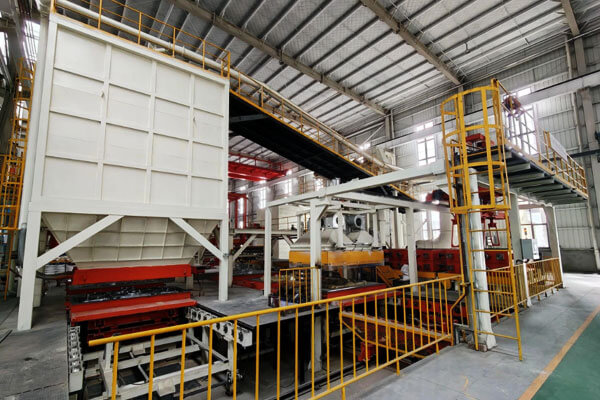
สายการผลิต V-Process ที่สมบูรณ์ รวมถึงระบบสุญญากาศ, อุปกรณ์การจัดการฟิล์ม, หน่วยถมทราย, และสถานีปั้นแบบอัตโนมัติ โดยทั่วไปต้องใช้พื้นที่โรงงานมากกว่าระบบปั้นทรายแบบดั้งเดิม.
8. การใช้งานทางอุตสาหกรรมของการหล่อแบบ V-Process
การผสมผสานคุณภาพพื้นผิวที่ดีเยี่ยม, ความแม่นยำในมิติสูง, การผลิตที่สะอาด, และการถมทรายที่มีประสิทธิภาพทำให้การหล่อแบบ V-Process เหมาะสำหรับภาคอุตสาหกรรมที่หลากหลาย.

อุตสาหกรรมยานยนต์
ที่ ยานยนต์ อุตสาหกรรมต้องการน้ำหนักเบา, มีความแม่นยำในมิติ, และส่วนประกอบการหล่อที่คุ้มค่า.
การหล่อแบบ V-Process ถูกนำมาใช้กันอย่างแพร่หลายในการผลิตชิ้นส่วนโครงสร้างและระบบส่งกำลัง ซึ่งคุณภาพพื้นผิวและความสม่ำเสมอเป็นสิ่งสำคัญ.
ส่วนประกอบทั่วไปได้แก่:
- บล็อกเครื่องยนต์
- เกียร์
- กรณีที่แตกต่าง
- ส่วนประกอบเบรก
- วงเล็บแขวน
- เรือนมู่เล่
อุตสาหกรรมปั๊มและวาล์ว
ปั๊ม และ วาล์ว ผู้ผลิตได้รับประโยชน์อย่างมากจากการตกแต่งพื้นผิวที่ยอดเยี่ยมและความเสถียรของมิติของการหล่อแบบ V-Process.
สินค้าทั่วไป ได้แก่:
- ตัวบอลวาล์ว
- ตัววาล์วผีเสื้อ
- ตัววาล์วประตู
- ตรวจสอบเรือนวาล์ว
- ปลอกปั๊ม
- ใบพัด
- ตัวเรือนคอมเพรสเซอร์
การก่อสร้างและเครื่องจักรกลหนัก
เครื่องจักรกลหนักต้องใช้การหล่อที่มีความแข็งแรงของโครงสร้างสูงและความสม่ำเสมอของขนาดที่ดีเยี่ยม.
การใช้งานทั่วไปได้แก่:
- ส่วนประกอบของรถขุด
- เรือนโหลด
- เฟรมรถปราบดิน
- ท่อร่วมไฮดรอลิก
- กล่องเกียร์
- รองรับแบริ่ง
เครื่องจักรกลการเกษตร
อุปกรณ์การเกษตรทำงานภายใต้สภาพแวดล้อมที่รุนแรง, ต้องการส่วนประกอบหล่อที่ทนทานและทนต่อการสึกหรอ.
การหล่อแบบทั่วไปได้แก่:
- เรือนเกียร์ของรถแทรกเตอร์
- เฟรมเครื่องหยอดเมล็ด
- ส่วนประกอบไถ
- ตัวปั๊มชลประทาน
- ตัวเรือนเกียร์
อุปกรณ์ขุด
เครื่องจักรทำเหมืองต้องใช้ขนาดใหญ่, การหล่อแบบงานหนักที่สามารถทนต่อแรงกระแทกได้, รอยขีดข่วน, และการโหลดอย่างต่อเนื่อง.
สินค้าทั่วไป ได้แก่:
- เฟรมคั้น
- โรงสี
- ตัวเรือนปั๊ม
- ส่วนประกอบที่ทนต่อการสึกหรอ
- ชิ้นส่วนสายพานลำเลียง
อุตสาหกรรมรถไฟ
โครงสร้างพื้นฐานทางรถไฟและขบวนรถต้องใช้การหล่อที่แม่นยำและต้านทานความล้าได้ดีเยี่ยม.
แอพพลิเคชั่นได้แก่:
- ส่วนประกอบของระบบเบรก
- อะไหล่ข้อต่อ
- เฟรมโบกี้
- ตัวเรือนเพลา
- วงเล็บแขวน
อุตสาหกรรมทางทะเล
สภาพแวดล้อมทางทะเลต้องการการหล่อที่ทนต่อการกัดกร่อนพร้อมประสิทธิภาพทางกลที่เชื่อถือได้.
สินค้าทั่วไปได้แก่:
- ฮับใบพัด
- ปลอกปั๊ม
- ร่างกายวาล์ว
- อุปกรณ์ดาดฟ้า
- ส่วนประกอบโครงสร้างนอกชายฝั่ง
พลังงานและการผลิตไฟฟ้า
อุปกรณ์ผลิตไฟฟ้ามักทำงานภายใต้อุณหภูมิและแรงกดดันสูง, ต้องการส่วนประกอบการหล่อที่มีความสมบูรณ์สูง.
การใช้งานทั่วไปได้แก่:
- ร่างกายวาล์วไอน้ำ
- ปลอกกังหัน
- อุปกรณ์หม้อไอน้ำ
- ส่วนประกอบเครื่องแลกเปลี่ยนความร้อน
- อุปกรณ์พลังงานนิวเคลียร์
เครื่องจักรอุตสาหกรรมทั่วไป
การหล่อแบบ V-Process ยังใช้กันอย่างแพร่หลายสำหรับเครื่องจักรและอุปกรณ์ทั่วไป, รวมทั้ง:
- เตียงเครื่องจักร
- คอมเพรสเซอร์
- กระปุกเกียร์อุตสาหกรรม
- ระบบขนถ่ายวัสดุ
- ฐานหุ่นยนต์
- อุปกรณ์ระบบอัตโนมัติทางอุตสาหกรรม
9. การหล่อแบบ V-Process เทียบกับ. กระบวนการหล่ออื่น ๆ
กระบวนการหล่อแต่ละขั้นตอนมีจุดแข็งและข้อจำกัดเฉพาะในแง่ของความแม่นยำของมิติ, การตกแต่งพื้นผิว, ต้นทุนการผลิต, ขนาดการหล่อ, ผลกระทบต่อสิ่งแวดล้อม, และการใช้งานที่เหมาะสม.
การเลือกกระบวนการที่เหมาะสมที่สุดจำเป็นต้องมีข้อกำหนดทางเทคนิคที่สมดุล, ปริมาณการผลิต, ประเภทวัสดุ, และการพิจารณาทางเศรษฐกิจ.
| ปัจจัยการเปรียบเทียบ | การหล่อแบบ V-Process | สีเขียว การหล่อทราย | การหล่อทรายเรซิน | การหล่อการลงทุน | การหล่อแม่เหล็ก |
| วัสดุแม่พิมพ์ | ทรายซิลิกาแห้ง + ฟิล์มเทอร์โมพลาสติก + เครื่องดูดฝุ่น | ทรายเปียกด้วยสารยึดเกาะดินเหนียว | ทรายเคลือบเรซิน | เปลือกเซรามิก | ทรายเปลือกเคลือบเรซิน |
| ความต้องการเครื่องผูก | ไม่มี | ดินเหนียวและน้ำ | เคมีเรซิน | สารละลายเซรามิก | เทอร์โมเซตติงเรซิน |
| ความแข็งแรงของแม่พิมพ์ | สูง (รองรับสุญญากาศ) | ปานกลาง | สูง | สูงมาก | สูง |
| ความอดทนในการหล่อทั่วไป | CT7–CT9 | CT10 - CT13 | CT8–CT10 | CT4–CT6 | CT6–CT8 |
| ความหยาบผิว (รา) | 3.2–12.5 ไมโครเมตร | 25–100 μm | 6.3–25 μm | 1.6–6.3 μm | 3.2–12.5 ไมโครเมตร |
| ความหนาของผนังขั้นต่ำ | 4–6 มม. | 5–8 มม. | 4–6 มม. | 0.5–3 มม. | 3–5 มม. |
| ขนาดการหล่อสูงสุด | ใหญ่มาก (หลายตันขึ้นไป) | ใหญ่มาก | ใหญ่มาก | เล็กถึงขนาดกลาง | เล็กถึงขนาดกลาง |
| ความซับซ้อนในการหล่อ | สูง | ปานกลาง | สูง | สูงมาก | สูง |
| ความเสถียรของมิติ | ยอดเยี่ยม | ปานกลาง | ดี | ยอดเยี่ยม | ยอดเยี่ยม |
| อัตราการถมทราย | 95–98% | 80–90% | 70–90% | ไม่สามารถใช้ได้ | จำกัด |
| การสร้างก๊าซ | ต่ำมาก | ปานกลาง | สูง | ต่ำมาก | ปานกลาง |
| ความเสี่ยงจากความพรุนของก๊าซ | ต่ำ | ปานกลาง | ปานกลาง | ต่ำมาก | ต่ำ |
| ข้อบกพร่องในการหล่อทั่วไป | การรั่วไหลของสุญญากาศ, ริ้วรอยของฟิล์ม, ไส้ที่ไม่สมบูรณ์ | รวมทราย, ช่องลม, การพังทลายของเชื้อรา | ความพรุนของแก๊ส, เรซินที่ถูกเผาไหม้ | เปลือกเซรามิกแตก, อียิปต์ | เปลือกแตก, ข้อบกพร่องของก๊าซ |
| ประสิทธิภาพด้านสิ่งแวดล้อม | ยอดเยี่ยม | ดี | ยุติธรรม | ดี | ยุติธรรม |
| ต้นทุนเครื่องมือ | ปานกลางถึงสูง | ต่ำ | ปานกลาง | สูง | ปานกลาง |
| ต้นทุนการผลิต | ปานกลาง | ต่ำ | ปานกลาง | สูง | ปานกลาง |
| ประสิทธิภาพการผลิต | สูง | สูงมาก | สูง | ปานกลาง | สูง |
| ปริมาณการผลิตที่เหมาะสม | ปานกลางถึงสูง | ทุกเล่ม | ปานกลางถึงสูง | ต่ำถึงสูง | การผลิตในปริมาณมาก |
| วัสดุทั่วไป | เหล็ก, เหล็ก, สแตนเลส, อลูมิเนียม, โลหะผสมทองแดง | เหล็กและเหล็กกล้าเป็นหลัก | เหล็ก, เหล็ก, โลหะผสมเหล็ก | โลหะผสมที่หล่อได้เกือบทั้งหมด | เหล็กและโลหะผสมที่ไม่ใช่เหล็ก |
การใช้งานทั่วไป |
ปั๊ม, วาล์ว, อุปกรณ์การทำเหมือง, เครื่องจักรกลหนัก, ชิ้นส่วนยานยนต์ | บล็อกเครื่องยนต์, ฐานของเครื่องจักร, อุปกรณ์การเกษตร | การหล่อเหล็กขนาดใหญ่, ส่วนประกอบของเครื่อง | การบินและอวกาศ, อุปกรณ์ทางการแพทย์, วาล์วที่มีความแม่นยำ, ส่วนประกอบกังหัน | ชิ้นส่วนยานยนต์, ตัวเรือนเกียร์, ส่วนประกอบไฮดรอลิก |
| ข้อดีที่สำคัญ | มีความแม่นยำสูง, การตกแต่งพื้นผิวที่ดีเยี่ยม, ปราศจากสารยึดเกาะ, ความสามารถในการรีไซเคิลทรายสูง, เป็นมิตรกับสิ่งแวดล้อม | ต้นทุนต่ำสุด, กระบวนการง่ายๆ, เหมาะสำหรับการหล่อขนาดใหญ่มาก | ความแข็งแรงของแม่พิมพ์สูง, เหมาะสำหรับการหล่อเหล็กที่ซับซ้อน | ความแม่นยำและคุณภาพพื้นผิวสูงสุดสำหรับชิ้นส่วนที่ซับซ้อน | ผลผลิตสูงและคุณภาพสม่ำเสมอ |
| ข้อจำกัดหลัก | ต้องใช้อุปกรณ์สูญญากาศและฟิล์มพลาสติก | ความแม่นยำต่ำกว่าและพื้นผิวที่หยาบกว่า | การปล่อยเรซินและต้นทุนการบุกเบิกที่สูงขึ้น | ต้นทุนเครื่องมือสูง, ขนาดการหล่อที่จำกัด | ต้นทุนเครื่องมือที่สูงขึ้น, ข้อจำกัดด้านขนาด |
10. แนวโน้มการพัฒนาในอนาคตของการหล่อแบบ V-Process
เนื่องจากอุตสาหกรรมโรงหล่อทั่วโลกมีการพัฒนาอย่างต่อเนื่อง ความแม่นยำสูง, การผลิตอัจฉริยะ, ประสิทธิภาพการใช้พลังงาน, และการผลิตที่ยั่งยืน, การหล่อแบบ V-Process คาดว่าจะมีบทบาทสำคัญมากขึ้นในการหล่อโลหะสมัยใหม่.
ระบบอัตโนมัติอัจฉริยะและโรงหล่ออัจฉริยะ
ระบบอัตโนมัติกำลังกลายเป็นหนึ่งในเทรนด์ที่สำคัญที่สุดในการหล่อแบบ V-Process.
โรงหล่อสมัยใหม่กำลังเข้ามาแทนที่การทำงานแบบแมนนวลด้วยอุปกรณ์อัตโนมัติมากขึ้นเรื่อยๆ เพื่อปรับปรุงประสิทธิภาพการผลิต, ความสม่ำเสมอ, และความปลอดภัยในการทำงาน.
สายการผลิต V-Process แบบอัตโนมัติในอนาคตจะรวมเข้าด้วยกัน:
- การจัดการรูปแบบหุ่นยนต์
- ป้อนและให้ความร้อนฟิล์มพลาสติกอัตโนมัติ
- ระบบควบคุมสุญญากาศอัจฉริยะ
- การเติมทรายและการสั่นสะเทือนอัตโนมัติ
- ระบบการเทควบคุมด้วย CNC
- การสกัดแบบหล่อด้วยหุ่นยนต์
- การบดและการตกแต่งอัตโนมัติ
ระบบอัตโนมัติแบบผสานรวมช่วยลดข้อผิดพลาดของมนุษย์ให้เหลือน้อยที่สุด, ทำให้วงจรการผลิตสั้นลง, และรับรองพารามิเตอร์กระบวนการที่เสถียรสำหรับชุดการผลิตขนาดใหญ่.
การจำลองกระบวนการดิจิทัล
วิศวกรรมคอมพิวเตอร์ช่วย (ซีเออี) ซอฟต์แวร์ได้กลายเป็นเครื่องมือที่ขาดไม่ได้สำหรับการออกแบบการหล่อและการเพิ่มประสิทธิภาพกระบวนการ.
ก่อนเริ่มการผลิต, วิศวกรสามารถจำลองกระบวนการหล่อทั้งหมดเพื่อระบุข้อบกพร่องที่อาจเกิดขึ้นและปรับพารามิเตอร์กระบวนการให้เหมาะสม.
การวิเคราะห์การจำลองทั่วไปได้แก่:
- ลักษณะการเติมแม่พิมพ์
- ลำดับการแข็งตัว
- การกระจายอุณหภูมิ
- การทำนายการหดตัว
- การวิเคราะห์ความเค้นตกค้าง
- การทำนายการเสียรูป
- การเพิ่มประสิทธิภาพ Gating และไรเซอร์
โดยลดการลองผิดลองถูกระหว่างการผลิต, เทคโนโลยีการจำลองช่วยลดต้นทุนการพัฒนาในขณะที่เพิ่มผลผลิตการหล่อและความน่าเชื่อถือของผลิตภัณฑ์.
การเพิ่มประสิทธิภาพกระบวนการที่ขับเคลื่อนด้วย AI
ปัญญาประดิษฐ์ (AI) กำลังเปลี่ยนแปลงการผลิตโรงหล่ออย่างรวดเร็วโดยเปิดใช้งานการตรวจสอบกระบวนการแบบเรียลไทม์และการควบคุมคุณภาพเชิงคาดการณ์.
แอปพลิเคชัน AI ในอนาคตในการหล่อแบบ V-Process อาจรวมถึง:
- การทำนายข้อบกพร่องอัตโนมัติ
- การปรับพารามิเตอร์การเทอัจฉริยะ
- การเพิ่มประสิทธิภาพแรงดันสุญญากาศ
- การบำรุงรักษาอุปกรณ์คาดการณ์
- แบบทำนายชีวิต
- การเพิ่มประสิทธิภาพการใช้พลังงาน
- การวินิจฉัยกระบวนการแบบเรียลไทม์
อัลกอริธึมการเรียนรู้ของเครื่องสามารถวิเคราะห์ข้อมูลการผลิตปริมาณมากเพื่อปรับปรุงคุณภาพการหล่ออย่างต่อเนื่องและลดอัตราของเสีย.
การผลิตที่ยั่งยืนและคาร์บอนต่ำ
ความยั่งยืนด้านสิ่งแวดล้อมกลายเป็นประเด็นสำคัญเชิงกลยุทธ์สำหรับโรงหล่อทั่วโลก.
การหล่อแบบ V-Process มีข้อดีด้านสิ่งแวดล้อมที่สำคัญอยู่แล้ว เนื่องจากกระบวนการขึ้นรูปที่ปราศจากสารยึดเกาะ, และการพัฒนาในอนาคตจะช่วยเพิ่มความยั่งยืนต่อไป.
ความคิดริเริ่มที่สำคัญ ได้แก่:
- ประสิทธิภาพการรีไซเคิลทรายที่สูงขึ้น
- ลดการใช้พลังงาน
- ฟิล์มพลาสติกรีไซเคิลได้
- การนำความร้อนเหลือทิ้งกลับมาใช้ใหม่
- เทคโนโลยีการหลอมคาร์บอนต่ำ
- การบูรณาการพลังงานทดแทน
- การติดตามรอยเท้าคาร์บอน
ในขณะที่รัฐบาลบังคับใช้กฎระเบียบด้านสิ่งแวดล้อมที่เข้มงวดมากขึ้น, การหล่อแบบ V-Process อยู่ในตำแหน่งที่ดีในฐานะหนึ่งในเทคโนโลยีการหล่อทรายที่รับผิดชอบต่อสิ่งแวดล้อมมากที่สุด.
วัสดุขั้นสูงและโลหะผสมประสิทธิภาพสูง
ความต้องการโครงสร้างน้ำหนักเบาที่เพิ่มขึ้น, อุณหภูมิในการทำงานที่สูงขึ้น, และความต้านทานการกัดกร่อนที่มากขึ้นกำลังผลักดันให้เกิดการพัฒนาโลหะผสมหล่อชนิดใหม่.
การใช้งานในอนาคตจะมีส่วนร่วมมากขึ้น:
- เหล็กกล้าไร้สนิมซุปเปอร์ดูเพล็กซ์
- โลหะผสมเอนโทรปีสูง
- เหล็กโลหะผสมทนความร้อน
- โลหะผสมที่ทนต่อการสึกหรอ
- อลูมิเนียมอัลลอยด์ขั้นสูง
- ซุปเปอร์อัลลอย
- โลหะผสมทางทะเลทองแดง-นิกเกิล
การเพิ่มประสิทธิภาพกระบวนการจะช่วยให้การหล่อแบบ V-Process สามารถผลิตวัสดุขั้นสูงเหล่านี้ได้ด้วยการควบคุมโครงสร้างจุลภาคที่ได้รับการปรับปรุงและลดการเกิดข้อบกพร่อง.
ปรับปรุงเทคโนโลยีฟิล์มพลาสติก
ฟิล์มพลาสติกเป็นองค์ประกอบสำคัญของกระบวนการ V-Process. การวิจัยที่กำลังดำเนินอยู่มุ่งเน้นไปที่การปรับปรุงประสิทธิภาพของฟิล์มเพื่อเพิ่มคุณภาพแม่พิมพ์และประสิทธิภาพการผลิต.
การพัฒนาภาพยนตร์ในอนาคตอาจรวมถึง:
- ทนความร้อนได้สูงขึ้น
- มีความยืดหยุ่นมากขึ้น
- ปรับปรุงความเสถียรของมิติ
- วัสดุที่ย่อยสลายได้ทางชีวภาพ
- โพลีเมอร์รีไซเคิลได้
- ความหนาของฟิล์มลดลง
- เพิ่มความเรียบเนียนของพื้นผิว
นวัตกรรมเหล่านี้จะลดการใช้วัสดุในขณะที่ปรับปรุงคุณภาพการหล่อ.
11. บทสรุป
การหล่อแบบ V-Process ได้สร้างชื่อเสียงให้ตัวเองเป็นหนึ่งในเทคโนโลยีการขึ้นรูปที่เป็นนวัตกรรมและเป็นมิตรกับสิ่งแวดล้อมมากที่สุดในการผลิตโรงหล่อสมัยใหม่.
โดยการเปลี่ยนสารยึดเกาะแบบเดิมด้วยการปั้นทรายแห้งแบบใช้สุญญากาศช่วย, กระบวนการนี้ให้การผสมผสานที่เป็นเอกลักษณ์ของความแม่นยำของมิติสูง, การตกแต่งพื้นผิวที่ดีเยี่ยม, ความสามารถในการรีไซเคิลทรายที่เหนือกว่า, และลดผลกระทบต่อสิ่งแวดล้อม.
มองไปข้างหน้า, การบูรณาการระบบอัตโนมัติ, การจำลองแบบดิจิทัล, ปัญญาประดิษฐ์, อุตสาหกรรม 4.0 เทคโนโลยี, และแนวทางปฏิบัติด้านการผลิตที่ยั่งยืนจะช่วยเพิ่มขีดความสามารถของการหล่อแบบ V-Process.
เนื่องจากผู้ผลิตยังคงต้องการการผลิตที่สะอาดยิ่งขึ้น, ความแม่นยำสูงขึ้น, และปรับปรุงประสิทธิภาพของทรัพยากร,
เทคโนโลยีนี้คาดว่าจะมีบทบาทสำคัญมากขึ้นในภาคส่วนต่างๆ เช่น ยานยนต์, พลังงาน, การขุด, วิศวกรรมทางทะเล, เครื่องจักรอุตสาหกรรม, ปั๊ม, วาล์ว, และอุปกรณ์หนัก.
สำหรับผู้ผลิตที่มองหาความสมดุลที่เหมาะสมที่สุดระหว่าง คุณภาพการหล่อ, ความรับผิดชอบต่อสิ่งแวดล้อม, และเศรษฐศาสตร์การผลิตในระยะยาว, การหล่อแบบ V-Process แสดงถึงความเป็นผู้ใหญ่, เชื่อถือได้, และโซลูชันที่มุ่งเน้นอนาคตซึ่งสามารถตอบสนองความต้องการที่เปลี่ยนแปลงไปของการผลิตทางอุตสาหกรรมสมัยใหม่.
คำถามที่พบบ่อย
การหล่อด้วย V-Process เป็นมิตรกับสิ่งแวดล้อมหรือไม่?
ใช่. การหล่อแบบ V-Process ถือเป็นหนึ่งในเทคโนโลยีการหล่อทรายที่รับผิดชอบต่อสิ่งแวดล้อมมากที่สุดเนื่องจากมีการใช้ แห้ง, ทรายซิลิกาที่ปราศจากสารยึดเกาะ, ลดควันได้อย่างมาก, สารประกอบอินทรีย์ระเหยง่าย (สารอินทรีย์ระเหยง่าย) การปล่อย, และของเสียอันตราย.
ทรายสามารถนำกลับมาใช้ใหม่และนำกลับมาใช้ใหม่ได้ในอัตราที่สูงมาก.
การหล่อแบบ V-Process มีความแม่นยำมิติระดับใด?
ความแม่นยำของมิติโดยทั่วไปมีตั้งแต่ ไอเอสโอ 8062 CT7 ถึง CT9, ขึ้นอยู่กับขนาดการหล่อ, ประเภทโลหะผสม, และการควบคุมกระบวนการ.
ซึ่งดีกว่าการหล่อทรายสีเขียวทั่วไปอย่างมาก และเหมาะสำหรับงานอุตสาหกรรมหลายประเภทที่ต้องการส่วนประกอบที่มีรูปทรงใกล้เคียงตาข่าย.
การหล่อแบบ V-Process เหมาะสำหรับการหล่อขนาดใหญ่หรือไม่?
ใช่. จุดแข็งหลักประการหนึ่งของการหล่อแบบ V-Process คือความสามารถในการผลิต การหล่อขนาดกลางถึงขนาดใหญ่มาก ด้วยความเสถียรของมิติและคุณภาพพื้นผิวที่ยอดเยี่ยม.
มีการใช้กันอย่างแพร่หลายสำหรับฐานเครื่องจักร, ตัวเรือนปั๊ม, ตัววาล์ว, อุปกรณ์การทำเหมือง, และส่วนประกอบเครื่องจักรกลหนัก.
อะไรคือความแตกต่างระหว่าง V-Process และการหล่อแบบสุญญากาศ?
V-Process ใช้สุญญากาศเพื่อยึดทรายแห้งไว้ด้วยกันในแม่พิมพ์.
การหล่อแบบสุญญากาศโดยทั่วไปหมายถึงการเทแบบสุญญากาศ (เช่น, การหล่อการลงทุนสูญญากาศ), โดยที่ของเหลวจะถูกเทลงในสุญญากาศเพื่อลดความพรุนของก๊าซ. มันเป็นกระบวนการที่แตกต่างกัน.
น้ำหนักการหล่อสูงสุดสำหรับ V-Process คือเท่าใด?
โดยทั่วไปจะมีน้ำหนักมากถึง 500-1,000 กิโลกรัม. อย่างไรก็ตาม, การหล่อขนาดใหญ่สามารถทำได้ด้วยอุปกรณ์ขนาดใหญ่; การจำกัดน้ำหนักขึ้นอยู่กับขนาดอุปกรณ์และความสามารถในการจัดการมากกว่าตัวกระบวนการเอง.

