
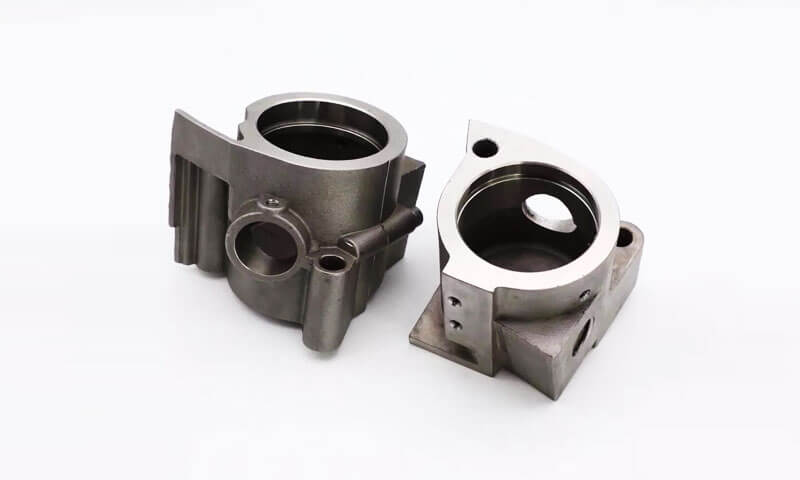
เครื่องจักรสิ่งทอทำงานภายใต้สภาวะที่เรียกร้อง. ส่วนประกอบอาจสัมผัสกับการเคลื่อนไหวแบบลูกสูบอย่างต่อเนื่อง, ความเร็วในการหมุนสูง, การสั่นสะเทือน, การเสียดสี, โหลดซ้ำ, ฝุ่น, เส้นใย, น้ำมันหล่อลื่น, และรอบการผลิตบ่อยครั้ง.
แม้แต่ส่วนประกอบทางกลที่มีขนาดค่อนข้างเล็กก็อาจมีผลกระทบอย่างมากต่อความแม่นยำของเครื่องจักร, เสถียรภาพในการทำงาน, และประสิทธิภาพการผลิต.
เมื่อส่วนประกอบดั้งเดิมไม่พร้อมใช้งาน, สิ้นสุดอายุการใช้งาน, หรือต้องมีการปรับเปลี่ยนการออกแบบเครื่องจักรใหม่, ชิ้นส่วนทดแทนมาตรฐานนั้นไม่เพียงพอเสมอไป.
ผู้ผลิตอุปกรณ์สิ่งทอ, บริษัทบำรุงรักษา, และผู้ประกอบเครื่องจักรมักต้องการ ชิ้นส่วนอะไหล่เครื่องจักรสิ่งทอแบบกำหนดเอง ผลิตตามแบบเฉพาะ, ตัวอย่าง, วัสดุ, ความคลาดเคลื่อน, และข้อกำหนดด้านประสิทธิภาพ.
สำหรับส่วนประกอบโลหะที่ซับซ้อน, การรวมกัน การหล่อที่แม่นยำและเครื่องจักรกลซีเอ็นซี เป็นวิธีที่มีประสิทธิภาพในการปรับสมดุลความซับซ้อนทางเรขาคณิต, ความแม่นยำมิติ, ประสิทธิภาพของวัสดุ, และต้นทุนการผลิต.
วิธีการบูรณาการนี้เหมาะอย่างยิ่งสำหรับส่วนประกอบต่างๆ เช่น ฉากยึด, เรือน, ผู้ถือ, รองรับแบริ่ง, ฐานของเครื่องจักร, กล้อง, คันโยก, เฟรม, และส่วนประกอบเครื่องจักรสิ่งทอตามสั่งอื่นๆ.
1. อะไหล่เครื่องจักรสิ่งทอคืออะไร?
ชิ้นส่วนอะไหล่เครื่องจักรสิ่งทอเป็นส่วนประกอบที่ได้รับการออกแบบทางวิศวกรรมอย่างแม่นยำ แทนที่สวมใส่, ได้รับความเสียหาย, ล้าสมัย, หรือการออกแบบชิ้นส่วนใหม่ในอุปกรณ์การผลิตสิ่งทอ.
สิ่งเหล่านี้จำเป็นสำหรับการรักษาประสิทธิภาพของเครื่องจักร, ความต่อเนื่องในการผลิต, ความแม่นยำมิติ, และความน่าเชื่อถือในการปฏิบัติงานในระยะยาว.
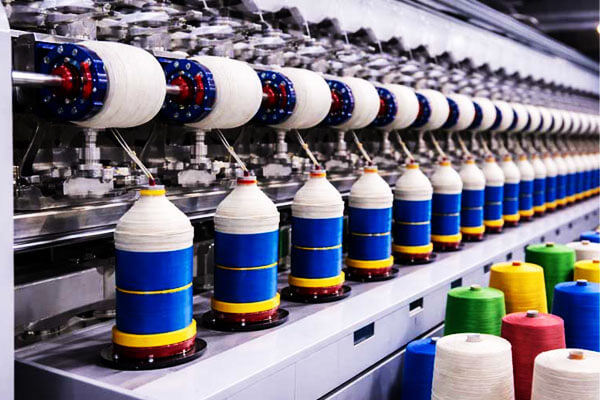
แตกต่างจากส่วนประกอบทางอุตสาหกรรมทั่วไป, ชิ้นส่วนอะไหล่เครื่องจักรสิ่งทอได้รับการออกแบบตามระบบกลไกเฉพาะและสภาพการทำงานของอุปกรณ์สิ่งทอ.
ขึ้นอยู่กับการใช้งาน, พวกเขาอาจได้รับการเคลื่อนไหวแบบลูกสูบอย่างต่อเนื่อง, การหมุนด้วยความเร็วสูง, การสั่นสะเทือน, การเสียดสี, ผลกระทบ, โหลดซ้ำ, เส้นใยสิ่งทอ, ฝุ่น, น้ำมันหล่อลื่น, และความผันผวนของอุณหภูมิ.
แม้แต่ส่วนประกอบที่มีขนาดค่อนข้างเล็กก็สามารถมีอิทธิพลโดยตรงต่อการซิงโครไนซ์ของเครื่องจักรได้, คุณภาพผ้า, ประสิทธิภาพการผลิต, และอายุการใช้งานของอุปกรณ์.
ด้วยเหตุนี้, ชิ้นส่วนอะไหล่เครื่องจักรสิ่งทอไม่ได้เป็นเพียงส่วนประกอบโลหะทดแทนเท่านั้น.
มันจะต้องสืบพันธุ์ มิติที่สำคัญ, อินเทอร์เฟซทางกล, ลักษณะของวัสดุ, และเรขาคณิตเชิงฟังก์ชัน เครื่องเดิมต้องการ.
ชิ้นส่วนอะไหล่เครื่องจักรสิ่งทอทำหน้าที่อะไร?
เครื่องจักรสิ่งทอประกอบด้วยระบบกลไกที่เชื่อมต่อถึงกันมากมาย, และชิ้นส่วนอะไหล่แต่ละชิ้นจะทำหน้าที่เฉพาะภายในเครื่องจักรโดยรวม.
ส่วนประกอบบางส่วนมีส่วนรองรับโครงสร้าง, ในขณะที่คนอื่นส่งการเคลื่อนไหว, รักษาการจัดตำแหน่ง, เส้นด้ายหรือผ้านำทาง, หรือควบคุมการเคลื่อนไหวทางกลซ้ำๆ.
ฟังก์ชั่นทั่วไปได้แก่:
- การสนับสนุนโครงสร้าง: ฐานของเครื่องจักร, วงเล็บ, เฟรม, แผ่นยึด, และส่วนประกอบรองรับให้ความแข็งแกร่งและรักษาตำแหน่งของชุดประกอบทางกล.
- การสนับสนุนแบบหมุน: ตัวเรือนแบริ่ง, ที่นั่งแบริ่ง, และส่วนประกอบที่เกี่ยวข้องรองรับเพลาและรักษาแนวการหมุนที่แม่นยำ.
- การส่งกำลัง: ตัวเรือนเกียร์, กล้อง, คันโยก, เพลา, รอก, และการเชื่อมต่อส่วนประกอบต่างๆ เพื่อถ่ายโอนหรือเปลี่ยนการเคลื่อนที่ทางกล.
- คำแนะนำด้านวัสดุ: ลูกกลิ้ง, คำแนะนำ, ตีนเย็บผ้า, ผู้ถือ, และส่วนประกอบที่คล้ายกันจะควบคุมการเคลื่อนที่ของเส้นด้าย, ด้าย, หรือผ้า.
- การควบคุมการเคลื่อนไหว: กล้อง, แขนโยก, การเชื่อมโยง, และส่วนประกอบทางกลไกอื่นๆ ที่ประสานการเคลื่อนไหวซ้ำๆ.
- การป้องกันและสิ่งที่แนบมา: เรือน, ปก, แผ่นปิดท้าย, และโครงสร้างป้องกันป้องกันกลไกภายในจากการปนเปื้อนและความเสียหายทางกล.
- การวางตำแหน่งและการประกอบ: ยึดติดตั้ง, การค้นหาส่วนประกอบ, รองรับ, และฐานช่วยให้มั่นใจในการติดตั้งและการจัดตำแหน่งที่แม่นยำ.
เพราะหน้าที่เหล่านี้แตกต่างกันอย่างมาก, ชิ้นส่วนอะไหล่เครื่องจักรสิ่งทอมีตั้งแต่ส่วนประกอบที่มีความแม่นยำค่อนข้างน้อยไปจนถึงการหล่อโครงสร้างขนาดใหญ่.
ชิ้นส่วนอะไหล่เครื่องจักรสิ่งทอประเภททั่วไป
ส่วนประกอบเฉพาะที่ต้องการขึ้นอยู่กับประเภท, แบบอย่าง, และการกำหนดค่าทางกลของอุปกรณ์สิ่งทอ.
| เครื่องจักรสิ่งทอ | อะไหล่ทั่วไป |
| จักรเย็บผ้าอุตสาหกรรม | ตีนผี, ที่วางตีนผีเย็บผ้า, วงเล็บ, คันโยก, คำแนะนำ, รองรับ, เรือน |
| เครื่องปั่นด้าย | แกนรองรับ, ตัวเรือนแบริ่ง, วงเล็บ, ส่วนประกอบขับเคลื่อน, ฐานของเครื่องจักร |
| เครื่องทอผ้า | กล้อง, แขนโยก, ตัวเรือนแบริ่ง, วงเล็บ, ส่วนประกอบคู่มือ, รองรับ |
| เครื่องถัก | เรือน, วงเล็บ, คำแนะนำ, ส่วนประกอบการติดตั้ง, การเชื่อมโยงทางกล |
เครื่องม้วน |
ลูกกลิ้ง, รองรับแบริ่ง, วงเล็บ, เพลา, เรือน |
| เครื่องแปรปรวน | ส่วนประกอบคู่มือ, ลูกกลิ้ง, รองรับ, วงเล็บยึด, ส่วนประกอบขับเคลื่อน |
| เครื่องจักรย้อมสี | เพลา, เรือน, วงเล็บ, ปก, รองรับ, ส่วนประกอบการติดตั้ง |
| เครื่องจักรตกแต่งสิ่งทอ | ลูกกลิ้งปรับความตึง, รองรับลูกกลิ้ง, ตัวเรือนแบริ่ง, เฟรม, วงเล็บ |
ในบรรดาส่วนประกอบเหล่านี้, ตัวเรือนแบริ่ง, วงเล็บ, ฐานของเครื่องจักร, เรือน, รองรับ, กล้อง, ผู้ถือ, และส่วนประกอบโครงสร้าง เหมาะอย่างยิ่งสำหรับการหล่อแบบกำหนดเองตามด้วยการกลึง CNC เนื่องจากมักจะรวมรูปทรงเรขาคณิตที่ซับซ้อนเข้ากับพื้นผิวการทำงานที่มีความแม่นยำ.
2. วัสดุสำหรับชิ้นส่วนอะไหล่เครื่องจักรสิ่งทอตามสั่ง
การเลือกใช้วัสดุเป็นส่วนพื้นฐานของการออกแบบและการผลิตชิ้นส่วนอะไหล่เครื่องจักรสิ่งทอที่เชื่อถือได้.
อุปกรณ์สิ่งทอมักทำงานอย่างต่อเนื่องด้วยความเร็วสูง, กับส่วนประกอบที่เกิดการเสียดสี, การสั่นสะเทือน, การโหลดแบบวัฏจักร, ผลกระทบ, ความชื้น, สารเคมี, และการปนเปื้อนของเส้นใย.
ดังนั้น, จะต้องเลือกวัสดุตาม สภาพการทำงานจริงและข้อกำหนดด้านการทำงานของส่วนประกอบ, แทนที่จะขึ้นอยู่กับต้นทุนหรือความแข็งแกร่งที่ระบุเพียงอย่างเดียว.

สำหรับชิ้นส่วนอะไหล่เครื่องจักรสิ่งทอตามสั่ง, นี้ สามารถประเมินวัสดุทางวิศวกรรมที่แตกต่างกันตามรูปทรงของส่วนประกอบ, ข้อกำหนดในการหล่อ, ข้อกำหนดด้านเครื่องจักร, เงื่อนไขการโหลด, กลไกการสึกหรอ, การสัมผัสการกัดกร่อน, และอายุการใช้งานที่คาดหวัง.
| วัสดุ | คุณสมบัติที่สำคัญ | การใช้งานทั่วไป |
| สแตนเลส (304, 316, 316ล) | ทนต่อการกัดกร่อนได้ดีเยี่ยม; กำลังดี. | ลูกกลิ้ง, คำแนะนำ, ปั๊ม, วาล์ว, เครื่องจักรย้อมสี. |
| สแตนเลส (17-4พีเอช) | มีความแข็งแรงสูง; รักษาความร้อน; ทนต่อการกัดกร่อนได้ดี. | ส่วนประกอบที่มีการรับน้ำหนักสูง, เกียร์, เพลา. |
| เหล็กกล้าคาร์บอน (เอไอเอส 1045, 4140) | กำลังดี; ชุบแข็งได้. | เกียร์, เพลา, แกนหมุน, ชิ้นส่วนโครงสร้าง. |
| โลหะผสมเหล็ก (4140, 4340) | มีความแข็งแรงสูง; ความเหนียวที่ดีเยี่ยม; ชุบแข็งได้. | อุปกรณ์หนัก, เพลา, ผู้ติดตามลูกเบี้ยว. |
| เหล็กเครื่องมือ (D2, O1, S7) | มีความแข็งสูง; ทนต่อการสึกหรอ. | เครื่องมือตัด, ตาย, เครื่องมือขึ้นรูป. |
สีบรอนซ์ (C90500, C93200) |
ทนต่อการสึกหรอได้ดี; แรงเสียดทานต่ำ; ทนต่อการกัดกร่อน. | บูช, ตลับลูกปืน, คำแนะนำ. |
| ทองเหลือง (C36000, C26000) | สามารถแปรรูปได้ดี; ทนต่อการกัดกร่อน. | ฟิตติ้ง, วาล์ว, ฮาร์ดแวร์ขนาดเล็ก. |
| เหล็กหล่อ (สีเทา, เหนียว) | ความสามารถในการหน่วงที่ดี; ทนต่อการสึกหรอ. | ฐานของเครื่องจักร, เรือน, เกียร์ขนาดใหญ่. |
| อลูมิเนียม (6061-T6) | น้ำหนักเบา; การแปรรูปที่ดี. | ส่วนประกอบที่มีน้ำหนักเบา, เรือน. |
| พลาสติกวิศวกรรม (แอบมอง, ไนลอน, ไฟเบอร์) | แรงเสียดทานต่ำ; ทนต่อสารเคมี; น้ำหนักเบา. | ตลับลูกปืน, แมวน้ำ, คำแนะนำ, ส่วนประกอบที่ไม่ใช่โลหะ. |
3. การหล่อที่แม่นยำสำหรับชิ้นส่วนอะไหล่เครื่องจักรสิ่งทอ
การหล่อแบบแม่นยำเป็นเส้นทางการผลิตที่สำคัญสำหรับชิ้นส่วนอะไหล่เครื่องจักรสิ่งทอที่ผสมผสานรูปทรงที่ซับซ้อนเข้าด้วยกัน, ความต้องการวัสดุที่ต้องการ, และข้อกำหนดมิติที่ค่อนข้างแน่น.
ท่ามกลางเทคโนโลยีการหล่อที่แม่นยำ, การหล่อการลงทุน มีคุณค่าอย่างยิ่งเนื่องจากสามารถสร้างรูปทรงที่ซับซ้อนได้โดยมีค่าเผื่อการตัดเฉือนค่อนข้างน้อย ในขณะที่รองรับโลหะผสมทางวิศวกรรมที่หลากหลาย.
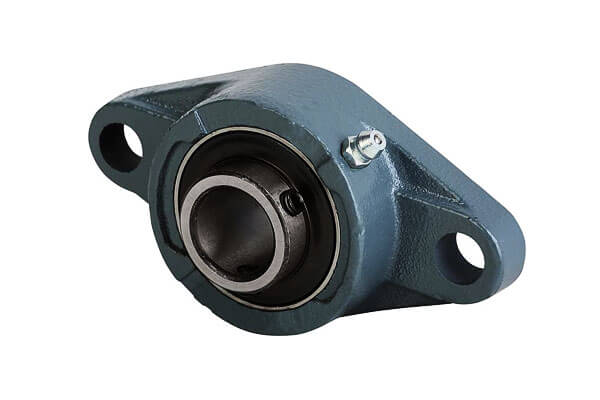
เหตุใดการหล่อแบบแม่นยำจึงเหมาะอย่างยิ่งสำหรับส่วนประกอบของเครื่องจักรสิ่งทอ
การหล่อการลงทุนให้ความสมดุลที่มีประสิทธิภาพระหว่าง เสรีภาพทางเรขาคณิต, ความยืดหยุ่นของวัสดุ, การควบคุมมิติ, และประสิทธิภาพการผลิต.
| ข้อได้เปรียบ | ความสำคัญทางวิศวกรรมสำหรับเครื่องจักรสิ่งทอ |
| รูปทรงเรขาคณิตที่ซับซ้อน | เปิดใช้งานรูปทรงที่ซับซ้อน, ซี่โครง, ผู้บังคับบัญชา, การพักผ่อน, บางส่วน, และเลือกทางเดินภายในมาทำเป็นรูปใกล้ตาข่าย. |
| การผลิตที่มีรูปร่างใกล้เคียงสุทธิ | ลดปริมาณวัสดุที่ถูกเอาออกในระหว่างการตัดเฉือน CNC ครั้งต่อไป, โดยเฉพาะอย่างยิ่งสำหรับส่วนประกอบที่ซับซ้อนหรือผิดปกติ. |
| คุณภาพพื้นผิวที่ดี | การหล่อแบบหล่อสามารถให้พื้นผิวแบบหล่อที่ค่อนข้างเรียบ, ลดความต้องการการเก็บผิวละเอียดและเป็นรากฐานที่ดีสำหรับการตัดเฉือนที่มีความแม่นยำ. |
ความแม่นยำของมิติ |
กระบวนการหล่อการลงทุนที่ออกแบบอย่างเหมาะสมสามารถควบคุมมิติได้เข้มงวดกว่ากระบวนการหล่อทรายทั่วไป, แม้ว่าความคลาดเคลื่อนที่ยอมรับได้จริงจะขึ้นอยู่กับโลหะผสม, เรขาคณิต, เครื่องมือ, และการควบคุมกระบวนการ. |
| ความเข้ากันได้ของโลหะผสมกว้าง | เหมาะสำหรับสแตนเลสหลายชนิด, เหล็กกล้าคาร์บอนและโลหะผสม, เหล็กกล้าเครื่องมือ, และโลหะผสมทองแดง, ขึ้นอยู่กับกระบวนการที่เลือกและความสามารถของโรงหล่อ. |
| ลดขยะวัสดุ | การผลิตที่มีรูปทรงใกล้เคียงสุทธิสามารถลดสต็อกการตัดเฉือนและการใช้วัตถุดิบลงได้อย่างมาก เมื่อเทียบกับการตัดเฉือนชิ้นส่วนที่ซับซ้อนจากเหล็กแท่งหรือสต็อกแท่ง. |
คุณสมบัติการทำงานแบบรวม |
คุณสมบัติเช่นผู้บังคับบัญชา, เชื่อมยึด, เสริมซี่โครง, และโปรไฟล์ภายนอกที่ซับซ้อนมักจะถูกรวมเข้ากับการหล่อโดยตรง. |
| ความยืดหยุ่นในการผลิต | น่าดึงดูดเป็นพิเศษสำหรับต้นแบบ, ส่วนประกอบทดแทน, และการผลิตขนาดเล็กถึงขนาดกลางโดยที่การใช้เครื่องมือปริมาณมากโดยเฉพาะไม่สมเหตุสมผล. |
| รากฐานที่ดีสำหรับการตัดเฉือน CNC | สามารถกำหนดระยะเผื่อการตัดเฉือนบนเบาะรองนั่งได้อย่างมีกลยุทธ์, เบื่อ, ใบหน้าติดตั้ง, หัวข้อ, และพื้นผิวการทำงานที่สำคัญอื่นๆ. |
สิ่งสำคัญคือต้องแยกแยะ ความสามารถในการหล่อที่แม่นยำจากการรับประกันความทนทานต่อชิ้นส่วนสุดท้าย. การหล่อการลงทุนสามารถให้ความสม่ำเสมอของมิติที่ดีเยี่ยม,
แต่ผลลัพธ์ที่แท้จริงจะขึ้นอยู่กับความแม่นยำของรูปแบบขี้ผึ้ง, พฤติกรรมของเปลือกเซรามิก, การหดตัวของโลหะผสม, การไล่ระดับสีความร้อน, การหล่อเรขาคณิต, การรักษาความร้อน, และการตัดเฉือนในภายหลัง.
โดยปกติแล้วขนาดที่สำคัญควรได้รับจากการผสมผสานระหว่างค่าเผื่อการหล่อที่ควบคุมได้และการตกแต่งผิวสำเร็จด้วย CNC.
เหตุใดการหล่อแบบ Near-Net-Shape จึงมีความสำคัญสำหรับเครื่องจักรสิ่งทอ
ส่วนประกอบของเครื่องจักรสิ่งทออาจมีปริมาณโดยรวมค่อนข้างมาก แต่มีพื้นผิวเพียงเล็กน้อยเท่านั้นที่ต้องใช้การตัดเฉือนที่มีความแม่นยำจริงๆ.
ดังนั้นการตัดเฉือนส่วนประกอบทั้งหมดจากแท่งเหล็กตันจึงไม่มีประสิทธิภาพ.
ตัวอย่างเช่น, พิจารณาที่อยู่อาศัยแบบกำหนดเองที่มีซี่โครงเสริมแรงหลายอัน, ผู้บังคับบัญชาการติดตั้ง, พื้นผิวภายนอกโค้ง, และรูที่แม่นยำหลายอัน.
การสร้างรูปทรงที่สมบูรณ์จากบล็อกตันจะต้องมีการขจัดวัสดุออกอย่างมากและรอบการตัดเฉือนที่ใช้เวลานาน.
การหล่อการลงทุนเปลี่ยนกลยุทธ์การผลิต:
โลหะผสมดิบ → การหล่อใกล้รูปร่างสุทธิ → การอบชุบ → การกลึง CNC ในพื้นที่วิกฤติ → ส่วนประกอบสำเร็จรูป
ซึ่งสามารถลดเวลาในการตัดเฉือนได้, การสึกหรอของเครื่องมือ, การใช้วัสดุ, และความซับซ้อนในการผลิต.
ข้อได้เปรียบจะมีความสำคัญมากขึ้นเมื่อส่วนประกอบมีโปรไฟล์สามมิติที่ซับซ้อน หรือเมื่อมีการผลิตซ้ำในหลายชุด.
กระบวนการหล่อการลงทุนสำหรับชิ้นส่วนอะไหล่เครื่องจักรสิ่งทอ
กระบวนการหล่อแบบลงทุนเริ่มต้นด้วยการสร้างลวดลายที่มีความแม่นยำสูง และจบลงด้วยการตรวจสอบการหล่อที่เสร็จสมบูรณ์.
แต่ละขั้นตอนมีอิทธิพลต่อคุณภาพด้านมิติและโลหะวิทยาของส่วนประกอบสุดท้าย.
| เวที | กระบวนการ | การพิจารณาทางวิศวกรรมที่สำคัญ |
| 1 | การผลิตลวดลาย | รูปแบบของขี้ผึ้งหรือโพลีเมอร์ผลิตขึ้นโดยใช้เครื่องมือที่มีความแม่นยำตามรูปทรงของส่วนประกอบ. |
| 2 | การเตรียมแกนและการประกอบ | อาจใช้แกนเซรามิกหรือแกนที่ละลายน้ำได้ในกรณีที่จำเป็นต้องมีโพรงหรือทางเดินภายใน. |
| 3 | การประกอบต้นไม้ | รูปแบบส่วนบุคคลจะติดอยู่กับรางวิ่งและระบบประตูเพื่อสร้างต้นไม้หล่อ. |
| 4 | อาคารเปลือกหอยเซรามิก | การเคลือบสารละลายและปูนปั้นซ้ำๆ จะสร้างเปลือกวัสดุทนไฟรอบๆ ลวดลาย. |
5 |
การทำลายล้าง | แว็กซ์จะถูกลบออก, ปล่อยให้ช่องลบของส่วนประกอบอยู่ภายในเปลือกเซรามิก. |
| 6 | การยิงกระสุน | เปลือกถูกให้ความร้อนเพื่อพัฒนาความแข็งแรงและกำจัดวัสดุลวดลายที่ตกค้าง. |
| 7 | โลหะผสมละลาย | โลหะผสมที่เลือกจะถูกหลอมภายใต้สภาวะทางโลหะวิทยาที่ได้รับการควบคุม. |
| 8 | เท | โลหะหลอมเหลวจะถูกนำเข้าไปในเปลือกเซรามิกที่ผ่านการอุ่นแล้วภายใต้สภาวะการเทที่มีการควบคุม. |
9 |
การแข็งตัวและความเย็น | การแข็งตัวแบบควบคุมช่วยลดข้อบกพร่องและรักษาความเสถียรของมิติ. |
| 10 | น็อคเอาท์ | เปลือกเซรามิกจะถูกลบออกหลังจากเย็นตัวลง. |
| 11 | การตัดและการตกแต่ง | ประตูและนักวิ่งจะถูกลบออก; พื้นผิวอาจถูกบดหรือเสียหาย. |
| 12 | การรักษาความร้อน | การหล่อได้รับการบำบัดด้วยความร้อนตามที่กำหนดเพื่อให้ได้คุณสมบัติทางกลและโลหะวิทยาที่ต้องการ. |
| 13 | การตรวจสอบ | เกี่ยวกับมิติ, ภาพ, โลหะวิทยา, และทำการทดสอบแบบไม่ทำลายตามที่กำหนด. |
อุณหภูมิที่แม่นยำ, โครงสร้างเปลือก, สภาพการเท, และรอบการบำบัดความร้อนคือ โลหะผสม- และขึ้นอยู่กับเรขาคณิต.
ดังนั้นควรกำหนดไว้ตามข้อกำหนดเฉพาะของวัสดุ แทนที่จะใช้ช่วงอุณหภูมิสากลหนึ่งช่วงกับทุกโครงการ.
4. เครื่องจักรกลซีเอ็นซีสำหรับส่วนประกอบเครื่องจักรสิ่งทอ
ในขณะที่การหล่อที่แม่นยำนั้นให้รูปทรงพื้นฐาน, เครื่องจักรกลซีเอ็นซีสร้างความแม่นยำที่จำเป็นสำหรับพื้นผิวการทำงานและส่วนต่อประสาน.
เครื่องจักรสิ่งทอมักประกอบด้วยเพลาหมุน, ตลับลูกปืน, ลูกกลิ้ง, เกียร์, คำแนะนำ, เรือน, ข้อต่อ, และส่วนประกอบอื่นๆ ที่ต้องทำงานโดยมีระยะห่างและการจัดตำแหน่งที่ควบคุมได้.
แม้แต่การเบี่ยงเบนมิติที่ค่อนข้างเล็กก็สามารถส่งผลต่อการสั่นสะเทือนได้, การเสียดสี, แบกชีวิต, การจัดการเส้นด้าย, หรือความเสถียรของเครื่องจักร.
ดังนั้นการตัดเฉือน CNC จึงทำหน้าที่เป็นขั้นตอนการเก็บผิวละเอียดที่มีความเที่ยงตรงที่สำคัญของกระบวนการผลิต.

ทำไมการใช้เครื่องจักร CNC จึงมีความสำคัญ
การตัดเฉือน CNC สมัยใหม่ให้ความสามารถในการทำซ้ำสูงและความแม่นยำของมิติที่ควบคุมได้ทั่วรูปทรงส่วนประกอบที่ซับซ้อน.
| ข้อได้เปรียบด้านเครื่องจักรซีเอ็นซี | ความสำคัญสำหรับเครื่องจักรสิ่งทอ |
| ความแม่นยำของมิติสูง | เปิดใช้งานการเจาะที่สำคัญ, เพลา, ที่นั่งแบริ่ง, และอินเทอร์เฟซการติดตั้งเพื่อให้เป็นไปตามเกณฑ์ความคลาดเคลื่อนที่ระบุ. |
| การทำซ้ำได้ดีเยี่ยม | ช่วยรักษามิติที่สอดคล้องกันระหว่างชุดการผลิตและโปรแกรมชิ้นส่วนทดแทน. |
| พื้นผิวที่ควบคุมได้ | การตัดเฉือนที่เหมาะสมสามารถลดแรงเสียดทานได้, ปรับปรุงการปิดผนึก, และปกป้องพื้นผิวสัมผัสที่ละเอียดอ่อน. |
| ความสามารถทางเรขาคณิตที่ซับซ้อน | การตัดเฉือนแบบหลายแกนสามารถสร้างรูปทรงสามมิติได้, พื้นผิวที่ทำมุม, สล็อต, กระเป๋า, และคุณสมบัติที่ผสมผสาน. |
ความยืดหยุ่นของวัสดุ |
อุปกรณ์ CNC สามารถแปรรูปเหล็กได้หลายประเภท, สแตนเลส, เตารีดหล่อ, อลูมิเนียมอัลลอยด์, โลหะผสมทองแดง, และพลาสติกวิศวกรรม. |
| การปรับแต่งที่มีประสิทธิภาพ | โปรแกรม CNC สามารถปรับเปลี่ยนตามขนาดและการกำหนดค่าที่แตกต่างกันได้โดยไม่ต้องออกแบบกระบวนการผลิตใหม่ทั้งหมด. |
| ความเหมาะสมของต้นแบบ | เครื่องจักรกลซีเอ็นซีสามารถรองรับการพัฒนาที่รวดเร็วและการตรวจสอบขนาดก่อนดำเนินการผลิตจำนวนมาก. |
| บูรณาการกับการหล่อ | การหล่อแบบใกล้ตาข่ายสามารถกลึงได้เฉพาะเมื่อมีความจำเป็นด้านความแม่นยำเท่านั้น. |
ความคลาดเคลื่อนที่ยอมรับได้ที่แน่นอนจะถูกกำหนดโดยเครื่องมือกล, เครื่องมือตัด, การทำงาน, สภาพวัสดุ, เรขาคณิตส่วนประกอบ, เสถียรภาพทางความร้อน, ระบบการวัด, และข้อกำหนดการวาดภาพ.
ดังนั้น, ค่าเช่น ± 0.005 มม. ควรถือเป็น ความสามารถเฉพาะโครงการมากกว่าการรับประกันแบบสากล.
การใช้งานเครื่องจักรกลซีเอ็นซีทั่วไปสำหรับส่วนประกอบเครื่องจักรสิ่งทอ
ส่วนประกอบเครื่องจักรสิ่งทอที่แตกต่างกันต้องใช้กระบวนการ CNC ที่แตกต่างกัน ขึ้นอยู่กับรูปทรง, ความคลาดเคลื่อนมิติ, ข้อกำหนดด้านการตกแต่งพื้นผิว, และอินเทอร์เฟซการทำงาน.
| กระบวนการเครื่องจักรซีเอ็นซี | คุณสมบัติเครื่องจักรหลัก | ข้อกำหนดด้านคุณภาพที่สำคัญ | ความสามารถทั่วไป / การพิจารณา |
| การกลึงซีเอ็นซี | เส้นผ่านศูนย์กลางภายนอก, เจาะภายใน, ไหล่, ร่อง, เรียว, หัวข้อ, จบใบหน้า | ความอดทนของเส้นผ่าศูนย์กลาง, ศูนย์กลาง, ทรงกระบอก, Runout, ความขรุขระ | โดยทั่วไปแล้วเหมาะสำหรับลักษณะทรงกระบอกที่มีความแม่นยำสูง; ความอดทนขั้นสุดท้ายขึ้นอยู่กับเครื่องจักร, วัสดุ, เรขาคณิต, เครื่องมือ, และการตรวจสอบ |
| เครื่องกัดซีเอ็นซี | พื้นผิวเรียบ, กระเป๋า, สล็อต, ซี่โครง, รูปทรง, ใบหน้าติดตั้ง, รูกุญแจ | ความเรียบ, การตั้งฉาก, ความแม่นยำของตำแหน่ง, ความแม่นยำของโปรไฟล์, การตกแต่งพื้นผิว | เหมาะสำหรับส่วนประกอบแบบแท่งปริซึมและโปรไฟล์ที่ซับซ้อน; การตัดเฉือนแบบหลายแกนสามารถลดข้อผิดพลาดในการตั้งค่าได้ |
| การคว้านที่แม่นยำ / การรีม | แบริ่งเจาะ, หลุมจัดตำแหน่ง, ค้นหาตำแหน่งเจาะ, เส้นผ่านศูนย์กลางภายในที่แม่นยำ | เส้นผ่านศูนย์กลางรู, ความกลม, ทรงกระบอก, ความร่วมแกนร่วม, ความแม่นยำของตำแหน่ง | สิ่งสำคัญอย่างยิ่งโดยเฉพาะที่ตลับลูกปืน, เพลา, หรือส่วนประกอบการผสมพันธุ์ต้องรักษาแนวที่ถูกต้อง |
การเจาะซีเอ็นซี |
รูยึด, ค้นหาหลุม, ช่องทางการหล่อลื่น, ทางเดินของเหลว | เส้นผ่านศูนย์กลางรู, ความอดทนต่อตำแหน่ง, ความลึก, การตั้งฉาก, คุณภาพของรู | การเจาะอาจตามมาด้วยการคว้าน, การรีม, แตะ, หรือการลบมุมที่ต้องการความแม่นยำสูงกว่า |
| การกลึงเกลียว | เธรดภายในและภายนอก, อินเทอร์เฟซการเชื่อมต่อ, รูเกลียว | ความแม่นยำของสนาม, เส้นผ่านศูนย์กลางหลัก/รอง, โปรไฟล์เธรด, ศูนย์กลาง, คุณภาพการมีส่วนร่วม | การต๊าป CNC, การกัดเกลียว, หรือสามารถเลือกกลึงได้ตามวัสดุ, ขนาดเกลียว, ความแม่นยำ, และปริมาณการผลิต |
| เครื่องเจียรซีเอ็นซี | เบาะนั่ง, วารสาร, เส้นผ่านศูนย์กลางที่แม่นยำ, พื้นผิวการปิดผนึก | ความอดทนมิติแน่น, ความกลม, ทรงกระบอก, ความขรุขระ, Runout | ใช้หลังจากการกลึงหรือการอบชุบด้วยความร้อนเมื่อไม่สามารถบรรลุความต้องการด้านมิติและพื้นผิวที่สูงขึ้นได้ในเชิงเศรษฐกิจด้วยการตัดเฉือนแบบทั่วไป |
เครื่องจักรกลซีเอ็นซีหลายแกน |
รูปทรงแบบผสม, หลุมมุม, พื้นผิวที่ซับซ้อน, ฟันผุลึก, คุณสมบัติเชิงพื้นที่หลายประการ | ความถูกต้องของโปรไฟล์, ความสัมพันธ์ตำแหน่งระหว่างคุณสมบัติ, การตกแต่งพื้นผิว, ความสม่ำเสมอในการตั้งค่า | ลดจำนวนการตั้งค่าและสามารถปรับปรุงความสอดคล้องทางเรขาคณิตสำหรับส่วนประกอบที่ซับซ้อนได้ |
| รูกุญแจ / เครื่องจักรกลสล็อต | จุดสำคัญ, ช่องตามแนวแกน, ขับร่อง | ความกว้าง, ความลึก, ตำแหน่ง, การขนานกัน, พอดีกับคีย์การผสมพันธุ์ | สิ่งสำคัญอย่างยิ่งสำหรับการส่งแรงบิดที่เชื่อถือได้และการประกอบส่วนประกอบที่แม่นยำ |
| การตกแต่งพื้นผิว / การกลึงละเอียด | พื้นผิวสัมผัสตามหน้าที่และพื้นผิวภายนอกที่เลือก | ความขรุขระ, การกำจัดเสี้ยน, สภาพขอบ, ความมั่นคงของมิติ | ควรระบุผิวเคลือบตามความเสียดทานที่เกิดขึ้นจริง, สวมใส่, การปิดผนึก, หรือข้อกำหนดในการสัมผัสกับเส้นด้ายแทนที่จะเพิ่มความเรียบเนียนสม่ำเสมอสูงสุด |
5. ตั้งแต่การหล่อไปจนถึงชิ้นส่วนที่เสร็จสมบูรณ์: กระบวนการผลิตของเรา
การผลิตชิ้นส่วนอะไหล่เครื่องจักรสิ่งทอที่เชื่อถือได้นั้นต้องการมากกว่าการผลิตส่วนประกอบที่ตรงกับขนาดของตัวอย่างต้นฉบับ.
กระบวนการที่สมบูรณ์จะต้องสร้างความสัมพันธ์ที่มีการควบคุมระหว่าง ออกแบบ, วัสดุ, การคัดเลือกนักแสดง, การรักษาความร้อน, เครื่องจักรกล, สภาพพื้นผิว, และการตรวจสอบขั้นสุดท้าย.
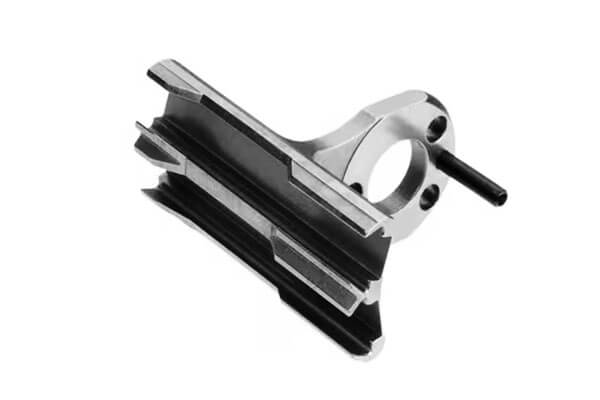
สำหรับส่วนประกอบเครื่องจักรสิ่งทอตามสั่ง, DEZE สามารถรวมการหล่อที่มีความแม่นยำและการตัดเฉือน CNC ไว้ในขั้นตอนการผลิตเดียว.
วิธีการนี้ช่วยให้กระบวนการหล่อได้รับการปรับให้เหมาะสมสำหรับรูปทรงเรขาคณิตและประสิทธิภาพของวัสดุ ในขณะที่สงวนการใช้เครื่องจักร CNC สำหรับพื้นผิวที่จำเป็นต้องมีความแม่นยำของมิติและความคลาดเคลื่อนในการทำงาน.
ขั้นตอนการทำงานโดยทั่วไปสามารถสรุปได้ดังนี้:
การทบทวนทางเทคนิค → การวิเคราะห์ DFM → การเลือกวัสดุ → รูปแบบ & การใช้เครื่องมือ → การหล่อที่แม่นยำ → การอบชุบด้วยความร้อน → การใช้เครื่องจักรซีเอ็นซี → การตกแต่งพื้นผิว → การตรวจสอบ → บรรจุภัณฑ์
ภาพรวมผังกระบวนการ
| เวที | ขั้นตอน | วัตถุประสงค์ | การควบคุมที่สำคัญ |
| ออกแบบ & วิศวกรรม | 1. ข้อกำหนดของลูกค้า | กำหนดรูปทรงของชิ้นส่วน, วัสดุ, ความคลาดเคลื่อน, และปริมาณ. | การจับความต้องการที่แม่นยำ. |
| 2. การวิเคราะห์ดีเอฟเอ็ม | เพิ่มประสิทธิภาพการออกแบบสำหรับการผลิต. | ลดข้อบกพร่อง; ลดต้นทุนให้เหลือน้อยที่สุด. | |
| 3. การสร้างแบบจำลอง CAD | 3รุ่น D ของชิ้นส่วน. | การออกแบบเพื่อการหล่อและการแปรรูป. | |
| กำลังหล่อ | 4. การผลิตลวดลาย | การฉีดแว็กซ์เข้าไปในแม่พิมพ์ที่มีความแม่นยำ. | ความแม่นยำของมิติ. |
| 5. อาคารเชลล์ | 6–10 ชั้นของสารละลายเซรามิก. | ความแข็งแรงของเปลือก; การซึมผ่านได้. | |
| 6. เท | โลหะหลอมเหลวเข้าไปในเปลือก. | อุณหภูมิ; ความเร็ว; การทำให้เย็นลง. | |
| 7. การรักษาความร้อน | สารละลายหลอม, ทำให้เป็นปกติ, บรรเทาความเครียด. | คุณสมบัติทางกล. | |
เครื่องจักรกล |
8. เครื่องจักรกลซีเอ็นซี | การหมุน, การโม่, การขุดเจาะ, บด. | ความคลาดเคลื่อน; การตกแต่งพื้นผิว. |
| 9. การขัดสี | ลบขอบคมและเสี้ยน. | ความปลอดภัย; ฟังก์ชั่น. | |
| จบ | 10. การรักษาพื้นผิว | ทู่, ขัด, การเคลือบ, ชุบ. | ความต้านทานการกัดกร่อน; สุนทรียศาสตร์. |
| การตรวจสอบ | 11. การตรวจสอบคุณภาพ | ซีเอ็มเอ็ม, NDT, ความแข็ง, การตรวจสอบมิติ. | ตรวจสอบให้แน่ใจว่าปฏิบัติตาม. |
| 12. บรรจุภัณฑ์ | ปกป้องชิ้นส่วนสำเร็จรูป. | การป้องกันความเสียหาย. |
6. ข้อควรพิจารณาทางวิศวกรรมสำหรับชิ้นส่วนอะไหล่เครื่องจักรสิ่งทอ
| การพิจารณา | ความสำคัญ | การออกแบบ/การดำเนินการผลิต |
| สึกหรอ | สำคัญมากสำหรับชิ้นส่วนที่สัมผัสกับเส้นด้ายที่กำลังเคลื่อนที่, ผ้า, หรือสื่อ. | เลือกโลหะผสมแข็ง (เหล็กกล้าเครื่องมือ, 17-4พีเอช); การแข็งตัวของพื้นผิว; เคลือบคาร์ไบด์. |
| ความต้านทานการกัดกร่อน | กระบวนการย้อมและตกแต่งขั้นสุดท้ายใช้สารเคมีที่มีฤทธิ์รุนแรง. | ใช้สแตนเลส (316ล) หรือโลหะผสมพิเศษ; ทู่; การขัดด้วยไฟฟ้า. |
| ทนความร้อน | การตั้งค่าความร้อน, การอบแห้ง, และกระบวนการรีด. | เลือกโลหะผสมที่มีความแข็งแรงที่อุณหภูมิสูงที่ดี (ดูเพล็กซ์, อินโคเนล). |
ความเสถียรของมิติ |
ชิ้นส่วนต้องรักษาขนาดไว้ภายใต้ความเค้นทางความร้อนและทางกล. | การรักษาความร้อน; บรรเทาความเครียด; โลหะผสมที่มั่นคง. |
| การตกแต่งพื้นผิว | พื้นผิวเรียบช่วยลดการเสียดสีและป้องกันการแตกหักของเส้นด้าย. | การตกแต่งด้วยซีเอ็นซี; ขัด; การขัดด้วยไฟฟ้า. |
| ความต้านทานความเหนื่อยล้า | การโหลดแบบวนรอบในเครื่องจักรความเร็วสูง. | ออกแบบเพื่อความเมื่อยล้า; เลือกโลหะผสมที่แข็งแกร่ง; ยิงปอกเปลือก. |
| ความสามารถในการเปลี่ยนกันได้ | ชิ้นส่วนต้องพอดีกับเครื่องจักรที่มีอยู่. | ความคลาดเคลื่อนที่แม่นยำ; การควบคุมคุณภาพ. |
7. การควบคุมและตรวจสอบคุณภาพ
มาตรฐานคุณภาพ
| มาตรฐาน | ขอบเขต | ความต้องการ |
| ไอเอสโอ 9001 | ระบบการจัดการคุณภาพ. | การควบคุมกระบวนการ; การตรวจสอบย้อนกลับ. |
| ไอเอสโอ 9001:2015 | คุณภาพทั่วไป. | การปรับปรุงอย่างต่อเนื่อง; การมุ่งเน้นลูกค้า. |
| มาตรฐาน ASTM | ข้อมูลจำเพาะของวัสดุ. | องค์ประกอบทางเคมี; คุณสมบัติทางกล. |
| มาตรฐาน EN | คุณภาพยุโรป. | เกี่ยวกับมิติ; เครื่องกล. |
วิธีการตรวจสอบ
| วิธี | วัตถุประสงค์ | เกณฑ์การยอมรับโดยทั่วไป |
| ซีเอ็มเอ็ม (เครื่องวัดพิกัด) | การตรวจสอบมิติ. | ±0.01–0.05 มม (ตามที่ระบุไว้). |
| การตรวจสอบด้วยสายตา | ข้อบกพร่องพื้นผิว. | ไม่มีรอยขีดข่วนที่มองเห็นได้, หลุม, หรือรอยแตก. |
| สารแทรกซึมของสีย้อม (PT) | รอยแตกบนพื้นผิว. | ไม่มีรอยแตกหรือรูพรุน. |
| การถ่ายภาพรังสี (เอ็กซ์เรย์) | ข้อบกพร่องภายใน. | ไม่มีช่องว่าง, การรวม, หรือความพรุน. |
| การทดสอบความแข็ง | การตรวจสอบคุณสมบัติทางกล. | ตามข้อกำหนดวัสดุ. |
| การทดสอบแรงดึง | การตรวจสอบคุณสมบัติทางกล. | ตามข้อกำหนดวัสดุ. |
| ความขรุขระ | การวัดความสมบูรณ์ของพื้นผิว. | รา ≤1.6 ไมโครเมตร (หรือตามที่ระบุไว้). |
8. เหตุใดจึงต้องรวมการหล่อแบบแม่นยำเข้ากับการใช้เครื่องจักรซีเอ็นซี?
สำหรับชิ้นส่วนอะไหล่เครื่องจักรสิ่งทอตามสั่ง, ความท้าทายด้านการผลิตที่แท้จริงนั้นไม่ได้เกิดขึ้นเพียงแค่นั้น “ส่วนนี้สามารถร่ายได้หรือไม่?- หรือ “ชิ้นส่วนนี้สามารถกลึงได้?-
คำถามที่สำคัญกว่านั้นคือ:
กระบวนการผลิตใดควรสร้างคุณลักษณะแต่ละอย่างของส่วนประกอบเพื่อให้ได้การผสมผสานระหว่างประสิทธิภาพที่ดีที่สุด, ความแม่นยำ, ประสิทธิภาพของวัสดุ, และต้นทุนทั้งหมด?
นี่คือที่ที่การรวมกันของ การหล่อที่แม่นยำและเครื่องจักรกลซีเอ็นซี มีพลังเป็นพิเศษ.
การหล่อที่แม่นยำมีประสิทธิภาพสูงในการสร้างเรขาคณิตสามมิติที่ซับซ้อนและโครงสร้างที่มีรูปร่างใกล้เคียงกัน.
เครื่องจักรกลซีเอ็นซี, โดยทางตรงกันข้าม, เก่งในการสร้างมิติที่สำคัญ, ความคลาดเคลื่อนทางเรขาคณิต, หัวข้อ, แบริ่งพอดี, เบื่อ, และพื้นผิวที่ใช้งานได้จริง.
แทนที่จะใช้เทคโนโลยีอย่างใดอย่างหนึ่งอย่างอิสระ, แนวทางบูรณาการจะกำหนดแต่ละกระบวนการให้ทำงานได้ดีที่สุด:
การหล่อที่แม่นยำจะสร้างรูปทรงเรขาคณิตของโครงสร้าง → การอบชุบด้วยความร้อนจะพัฒนาคุณสมบัติของวัสดุ → การใช้เครื่องจักร CNC สร้างความแม่นยำในการทำงาน → การตรวจสอบจะตรวจสอบส่วนประกอบที่เสร็จแล้ว.
นี่ไม่ใช่แค่วิธีการผลิตแบบสองขั้นตอนเท่านั้น. มันคือก กลยุทธ์การออกแบบจนถึงการผลิต ที่สามารถปรับปรุงประสิทธิภาพและความน่าเชื่อถือของส่วนประกอบเครื่องจักรสิ่งทอที่ปรับแต่งได้อย่างมีนัยสำคัญ.
หลักการสำคัญ: “หล่อรูปร่าง, เครื่องจักรฟังก์ชั่น”
ข้อได้เปรียบพื้นฐานของการรวมเทคโนโลยีทั้งสองเข้าด้วยกันสามารถสรุปได้ในหลักการเดียว:
หล่อสิ่งที่มีความซับซ้อนทางเรขาคณิต; เครื่องจักรที่มีความสำคัญเชิงหน้าที่.
ตัวเรือนเครื่องจักรสิ่งทอ, ตัวอย่างเช่น, อาจมีซี่โครง, ผู้บังคับบัญชา, ผนังโค้ง, เสริมโครงสร้าง, และรูปทรงภายนอกที่ไม่สม่ำเสมอ.
การสร้างคุณลักษณะทั้งหมดเหล่านี้จากเหล็กแท่งแข็งผ่านการตัดเฉือน CNC จำเป็นต้องมีการขจัดวัสดุออกอย่างมากและการตัดเฉือนหลายครั้ง.
การหล่อการลงทุนสามารถสร้างรูปทรงเรขาคณิตส่วนใหญ่ได้โดยตรง.
จากนั้นกระบวนการ CNC จะสามารถมุ่งความสนใจไปที่พื้นผิวที่กำหนดประสิทธิภาพของเครื่องจักรได้อย่างแท้จริง:
- แบริ่งเจาะ
- ที่นั่งเพลา
- การติดตั้งใบหน้า
- รูที่แม่นยำ
- กระทู้
- พื้นผิวปิดผนึก
- วันที่จัดตำแหน่ง
- อินเตอร์เฟซเกียร์และคลัปปลิ้ง
ความรับผิดชอบด้านการผลิตในแผนกนี้หลีกเลี่ยงการบังคับให้เทคโนโลยีหนึ่งทำงานซึ่งเทคโนโลยีอื่นเหมาะสมกว่า.
เปรียบเทียบกลยุทธ์การผลิตสามประการ
ความแตกต่างจะชัดเจนขึ้นเมื่อเปรียบเทียบสามวิธี.
| เกณฑ์ | การหล่อที่แม่นยำเท่านั้น | เครื่องจักรกลซีเอ็นซีเท่านั้น | การหล่อที่แม่นยำ + เครื่องจักรกลซีเอ็นซี |
| เรขาคณิตที่ซับซ้อน | ยอดเยี่ยม | ดี-ดีเยี่ยม | ยอดเยี่ยม |
| การควบคุมมิติทั่วไป | ประมาณ. ±0.1–0.3 มม.* | ประมาณ. ±0.005–0.01 มม.* | ประมาณ. ±0.005–0.01 มม บนคุณสมบัติกลึง* |
| ผิวสำเร็จทั่วไปที่ทำได้ | ประมาณ. Ra 1.6–6.3 ไมโครเมตร* | ประมาณ. Ra 0.4–1.6 ไมโครเมตร* | ประมาณ. RA 0.4-1.6 µm บนพื้นผิวสำเร็จรูป* |
| การใช้วัสดุ | สูง | ต่ำ - ปานกลาง | สูง |
| ขยะวัสดุ | ต่ำ | สูง | ต่ำ |
| คุณสมบัติการหล่อที่ซับซ้อน | ยอดเยี่ยม | มีราคาแพงในการผลิต | ยอดเยี่ยม |
| อินเทอร์เฟซการทำงานที่แม่นยำ | จำกัด | ยอดเยี่ยม | ยอดเยี่ยม |
| ความเหมาะสมในปริมาณต่ำ | ขึ้นอยู่กับเครื่องมือ | ดี | ดี |
| ความเหมาะสมในปริมาณปานกลาง | ดี | มักจะประหยัดน้อยกว่าสำหรับชิ้นส่วนที่ซับซ้อน | ยอดเยี่ยม |
| ความเหมาะสมในปริมาณมาก | ยอดเยี่ยม | มักจะมีราคาแพงสำหรับรูปทรงที่ซับซ้อน | ยอดเยี่ยม |
| ความยืดหยุ่นของโลหะผสม | กว้างๆ | กว้างๆ | กว้างๆ |
| ความยืดหยุ่นในการผลิตโดยรวม | สูง | สูง | สูงมาก |
*ความคลาดเคลื่อนและการตกแต่งพื้นผิวที่แท้จริงขึ้นอยู่กับโลหะผสม, เรขาคณิต, วิธีการหล่อ, ความสามารถของเครื่องจักร, เครื่องมือ, การรักษาความร้อน, ข้อกำหนดการตรวจสอบ, และเงื่อนไขการผลิต.
ดังนั้นตัวเลขเหล่านี้จึงควรถือเป็นตัวบ่งชี้มากกว่าข้อกำหนดทั่วไป.
ข้อสังเกตสำคัญคือกระบวนการแบบผสมผสานไม่เพียงแต่เพิ่มข้อดีของการหล่อและการตัดเฉือนเท่านั้น.
ช่วยให้ข้อจำกัดของแต่ละกระบวนการได้รับการชดเชยจากอีกกระบวนการหนึ่ง.
การหล่อที่แม่นยำช่วยแก้ปัญหาทางเรขาคณิต
หนึ่งในจุดแข็งที่ยิ่งใหญ่ที่สุดของการหล่อแบบลงทุนคือความสามารถในการสร้างรูปทรงที่ซับซ้อนโดยไม่ต้องใช้เครื่องจักรแบบลบจำนวนเท่ากันซึ่งจำเป็นเมื่อเริ่มจากเหล็กแท่ง.
สิ่งนี้มีประโยชน์อย่างยิ่งสำหรับส่วนประกอบของเครื่องจักรสิ่งทอที่มี:
- ซี่โครงแบบบูรณาการ
- พื้นผิวโค้ง
- การติดตั้งผู้บังคับบัญชา
- รูปทรงที่ผิดปกติ
- ช่อง
- การเปลี่ยนแปลงที่ซับซ้อน
- ฟันผุภายใน
- คุณสมบัติโครงสร้างหลายประการ
แทนที่จะเริ่มต้นด้วยบล็อกโลหะขนาดใหญ่และค่อยๆ ขจัดวัสดุออก, การหล่อเริ่มต้นใกล้กับรูปทรงสุดท้ายที่ต้องการมากขึ้น.
สิ่งนี้สร้างไฟล์ ความได้เปรียบด้านการผลิตที่ใกล้เคียงรูปร่างสุทธิ.
ผลที่ตามมาไม่ใช่แค่รอบการตัดเฉือนที่สั้นลงเท่านั้น.
นอกจากนี้ยังสามารถลดการใช้วัตถุดิบได้อีกด้วย, การสึกหรอของเครื่องมือตัด, อัตราการเข้าพักเครื่อง, และจำนวนครั้งในการตัดเฉือนที่ต้องการ.
เครื่องจักรกลซีเอ็นซีแก้ปัญหาเรื่องความแม่นยำ
การหล่อเพียงอย่างเดียวไม่สามารถให้การควบคุมขนาดที่แคบซึ่งจำเป็นสำหรับอินเทอร์เฟซทุกฟังก์ชันได้ในเชิงเศรษฐกิจ.
เครื่องจักรสิ่งทอมักมีความสัมพันธ์ที่แม่นยำซึ่งส่งผลโดยตรงต่อการทำงานของเครื่องจักร.
ตัวอย่างได้แก่:
ที่นั่งแบริ่ง → เส้นผ่านศูนย์กลางเพลา → ความร่วมศูนย์ → การเบี่ยงเบนหนีศูนย์ → การจัดตำแหน่ง
การเบี่ยงเบนเล็กน้อยในพารามิเตอร์ตัวใดตัวหนึ่งเหล่านี้อาจส่งผลต่อการสั่นสะเทือนได้, กำลังโหลดแบริ่ง, การเสียดสี, และอายุการใช้งาน.
การตัดเฉือน CNC ช่วยให้สามารถเลือกปรับแต่งคุณลักษณะที่สำคัญเหล่านี้ได้.
แทนที่จะกำหนดพิกัดความเผื่อที่แน่นหนาอย่างมากให้กับการหล่อทั้งหมด ซึ่งจะเพิ่มความซับซ้อนในการผลิต กระบวนการจะเน้นไปที่ความแม่นยำซึ่งสร้างมูลค่าการทำงานที่แท้จริง.
สิ่งนี้นำไปสู่หลักการทางวิศวกรรมที่สำคัญ:
ความแม่นยำควรมีความเข้มข้นเมื่อฟังก์ชันต้องการ, ไม่กระจายทั่วทั้งองค์ประกอบโดยไม่จำเป็น.
Takeaway หลัก
การหล่อที่แม่นยำและการตัดเฉือน CNC ไม่ใช่เทคโนโลยีที่แข่งขันกัน แต่เป็นขั้นตอนเสริมของการผลิตที่มีความแม่นยำ.
การหล่อที่แม่นยำช่วยให้มีรูปร่าง, ความซับซ้อนของโครงสร้าง, ประสิทธิภาพของวัสดุ, และการผลิตที่ใกล้เคียงสุทธิ.
เครื่องจักรกลซีเอ็นซีให้ความแม่นยำของมิติ, การควบคุมทางเรขาคณิต, พื้นผิวละเอียดเสร็จสิ้น, และอินเทอร์เฟซการทำงาน.
เมื่อทั้งสองถูกออกแบบร่วมกัน, ผลลัพธ์ที่ได้คือโซลูชันการผลิตที่สามารถบรรลุผลได้:
เรขาคณิตที่ซับซ้อน + อินเทอร์เฟซที่มีความแม่นยำ + การใช้วัสดุอย่างมีประสิทธิภาพ + ควบคุมคุณภาพ + ต้นทุนรวมที่แข่งขันได้.
สำหรับชิ้นส่วนอะไหล่เครื่องจักรสิ่งทอตามสั่ง, การรวมกันนั้นมักจะเป็นแนวทางที่เป็นประโยชน์มากที่สุดตั้งแต่การวาดภาพหรือแม้แต่ตัวอย่างทางกายภาพที่ล้าสมัย ไปจนถึงการผลิตที่พร้อมใช้, สม่ำเสมอกันอย่างมีมิติ, ส่วนประกอบสำเร็จรูปที่เชื่อถือได้ตามการใช้งาน.
9. โซลูชันอะไหล่เครื่องจักรสิ่งทอแบบกำหนดเองจาก DEZE
DEZE Foundry เชี่ยวชาญด้านอะไหล่เครื่องจักรสิ่งทอตามสั่ง, นำเสนอโซลูชั่นแบบครบวงจรตั้งแต่การหล่อที่แม่นยำไปจนถึงการตัดเฉือนและการตกแต่ง CNC.
| ความสามารถ | รายละเอียด |
| วัสดุ | สแตนเลส (304, 316, 316ล, 17-4พีเอช), เหล็กกล้าคาร์บอน, โลหะผสมเหล็ก, สีบรอนซ์, ทองเหลือง, อลูมิเนียม, เหล็กกล้าเครื่องมือ. |
| กำลังหล่อ | การหล่อการลงทุน (ขี้ผึ้งหายไป); การหล่อทราย. |
| เครื่องจักรกลซีเอ็นซี | 3—, 4—, และการกัด CNC 5 แกน; การกลึงซีเอ็นซี; บด; การขุดเจาะ; เกลียว. |
| ความคลาดเคลื่อน | ± 0.005 มม. (เครื่องจักรกล); ± 0.1 มม. (การคัดเลือกนักแสดง). |
| พื้นผิวเสร็จสิ้น | ตามแคสต์, กลึง, ขัดเงา, ขัดด้วยไฟฟ้า, เฉยๆ, เคลือบผง, ชุบ. |
| น้ำหนักชิ้นส่วน | 0.01 กิโลกรัมถึง 1000 กิโลกรัม. |
| ขนาดชิ้นส่วน | ขึ้นไป 6000 มม. |
| คุณภาพ | ไอเอสโอ 9001:2015 ได้รับการรับรอง; 100% การตรวจสอบ. |
| เวลานำ | 4–8 สัปดาห์สำหรับการคัดเลือกนักแสดง; 1–3 สัปดาห์สำหรับการตัดเฉือน (ขึ้นอยู่กับความซับซ้อน). |
10. บทสรุป
ชิ้นส่วนอะไหล่เครื่องจักรสิ่งทอสั่งทำพิเศษต้องใช้กลยุทธ์การผลิตที่มีความสมดุล ความแม่นยำมิติ, ประสิทธิภาพของวัสดุ, ความซับซ้อนทางเรขาคณิต, ความน่าเชื่อถือของบริการ, และประสิทธิภาพด้านต้นทุน.
การคัดเลือกนักแสดง ให้ความสามารถในการสร้างรูปทรงที่ซับซ้อนใกล้เคียงรูปร่างสุทธิ ในขณะเดียวกันก็ลดการสิ้นเปลืองวัสดุและข้อกำหนดในการตัดเฉือน.
เครื่องจักรกลซีเอ็นซี สร้างความแม่นยำของมิติ, ความคลาดเคลื่อนทางเรขาคณิต, หัวข้อ, เบื่อ, แบริ่งพอดี, พื้นผิวการปิดผนึก, และคุณสมบัติการทำงานอื่นๆ ที่จำเป็นสำหรับการทำงานของเครื่องจักรที่เชื่อถือได้.
การรวมกันนี้ทำให้เกิดปรัชญาการผลิตที่สามารถสรุปได้ดังนี้:
หล่อหลอมความซับซ้อน. เครื่องจักรที่มีความแม่นยำ. ตรวจสอบฟังก์ชัน.
สำหรับผู้ผลิตเครื่องจักรสิ่งทอและทีมงานซ่อมบำรุง, วิธีการนี้มีมากกว่าการเปลี่ยนชิ้นส่วน.
เป็นการเปิดทางให้ ทำซ้ำได้, ส่วนประกอบเฉพาะการใช้งานที่ออกแบบมาตามความต้องการที่แท้จริงของเครื่องจักร.
ข้อกำหนดนั้นเป็นส่วนประกอบที่ล้าสมัยเพียงชิ้นเดียวหรือไม่, ชิ้นส่วน OEM ที่กำหนดเอง, หรือโปรแกรมการผลิตระยะยาว, การผสมผสานของการหล่อที่แม่นยำ,
เครื่องจักรกลซีเอ็นซี, การวิเคราะห์ทางวิศวกรรม, และการควบคุมคุณภาพเป็นรากฐานที่แข็งแกร่งสำหรับการผลิตชิ้นส่วนอะไหล่เครื่องจักรสิ่งทอที่เชื่อถือได้.
คำถามที่พบบ่อย
คุณสามารถผลิตชิ้นส่วนอะไหล่เครื่องจักรสิ่งทอที่ล้าสมัยได้หรือไม่?
ใช่. ส่วนประกอบที่ล้าสมัยสามารถทำซ้ำได้จากตัวอย่างที่มีอยู่, การวาดภาพ, หรือข้อมูลมิติ.
กระบวนการทั่วไปก็คือ:
การตรวจสอบตัวอย่าง → วิศวกรรมย้อนกลับ → การสร้าง CAD ใหม่ → การเลือกวัสดุ → การหล่อ / การพัฒนากระบวนการ CNC → การผลิต → การตรวจสอบ
สิ่งนี้มีประโยชน์อย่างยิ่งเมื่อส่วนประกอบ OEM ดั้งเดิมไม่มีจำหน่ายอีกต่อไป.
คุณสามารถผลิตปริมาณน้อยได้หรือไม่?
ใช่. การผลิตแบบกำหนดเองสามารถรองรับต้นแบบได้, การเปลี่ยน, และข้อกำหนดชุดเล็ก.
กระบวนการที่เหมาะสมที่สุดขึ้นอยู่กับรูปทรงของส่วนประกอบ, วัสดุ, ความอดทน, ปริมาณ, ข้อกำหนดด้านเครื่องมือ, และความต้องการในอนาคตที่คาดหวัง.
สำหรับชิ้นส่วนที่มีปริมาณน้อยบางส่วน, เครื่องจักรกลซีเอ็นซีอาจจะดีกว่า; สำหรับส่วนประกอบที่ซับซ้อนซึ่งมีความต้องการซ้ำ, การหล่อที่มีความแม่นยำตามด้วยการกลึง CNC อาจช่วยให้ประหยัดในระยะยาวได้ดีขึ้น.
สามารถปรับปรุงส่วนประกอบดั้งเดิมในระหว่างการทำซ้ำได้หรือไม่?
เป็นไปได้, ใช่.
เมื่อส่วนประกอบประสบความล้มเหลวซ้ำแล้วซ้ำเล่า, โครงการการผลิตแบบกำหนดเองสามารถประเมินวัสดุต้นฉบับได้, เรขาคณิต, ความคลาดเคลื่อน, สภาพพื้นผิว, และสภาพแวดล้อมในการทำงาน.
ในกรณีที่เหมาะสมทางเทคนิค, การปรับปรุงอาจรวมถึง:
- การเลือกใช้วัสดุทดแทน
- การบำบัดความร้อนดัดแปลง
- ปรับปรุงพื้นผิวให้ดีขึ้น
- พิกัดความเผื่อของเครื่องจักรที่แก้ไขแล้ว
- รูปทรงของเนื้อดีขึ้น
- เพิ่มความต้านทานการสึกหรอ
- ปรับปรุงความต้านทานการกัดกร่อน
การปรับเปลี่ยนใด ๆ ควร, อย่างไรก็ตาม, ได้รับการประเมินตามข้อกำหนดด้านการทำงานของเครื่องจักรและความเข้ากันได้กับชุดประกอบที่มีอยู่.
ฉันจะเริ่มโครงการอะไหล่เครื่องจักรสิ่งทอแบบกำหนดเองกับ DEZE ได้อย่างไร?
กระบวนการนี้สามารถเริ่มต้นด้วยก การวาดภาพ, 3รุ่น D, ตัวอย่างทางกายภาพ, หรือข้อมูลส่วนประกอบพื้นฐาน
ทีมวิศวกรจึงสามารถประเมินรูปทรงของส่วนประกอบได้, วัสดุ, เส้นทางการผลิต, ความคลาดเคลื่อน, และข้อกำหนดการตรวจสอบก่อนแนะนำโซลูชันการผลิตที่เหมาะสม.
สำหรับส่วนประกอบที่ซับซ้อน, เส้นทางที่ต้องการอาจเป็น:
การตรวจสอบทางเทคนิค → DFM → การหล่อที่แม่นยำ → การอบชุบด้วยความร้อน → เครื่องจักรกลซีเอ็นซี → การตรวจสอบ → การจัดส่ง
นี่เป็นเส้นทางที่มีโครงสร้างตั้งแต่ส่วนประกอบเครื่องจักรสิ่งทอที่มีอยู่ไปจนถึงชิ้นส่วนที่ปรับแต่งเอง, อะไหล่พร้อมผลิต.

