
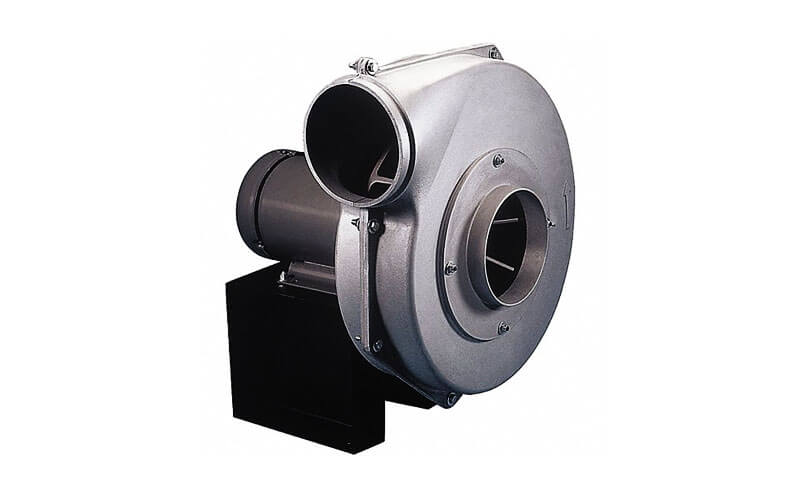
สำหรับโบลเวอร์อุตสาหกรรม, พัดลมแบบแรงเหวี่ยง, อุปกรณ์ปรับอากาศ, ระบบระบายอากาศ, เครื่องจักรจัดการอากาศ, และอุปกรณ์เคลื่อนย้ายของเหลวเฉพาะทาง,
ตัวเรือนมักจะรวมเอาคุณสมบัติที่ซับซ้อน เช่น รูปก้นหอย, การเปลี่ยนแปลงทางเข้า, ทางออก, ผู้บังคับบัญชาการติดตั้ง, ที่นั่งแบริ่ง, พอร์ตการตรวจสอบ, ซี่โครง, และอินเทอร์เฟซการเชื่อมต่อแบบรวม.
การสร้างคุณสมบัติเหล่านี้ในราคาประหยัดในขณะที่ยังคงรักษาความสม่ำเสมอของขนาดอาจเป็นเรื่องที่ท้าทายด้วยวิธีการผลิตแบบเดิมๆ.
ตัวเรือนโบลเวอร์อะลูมิเนียมหล่อ มอบโซลูชั่นที่มีประสิทธิภาพเมื่อผู้ผลิตต้องการการผสมผสานระหว่างโครงสร้างน้ำหนักเบา, ความต้านทานการกัดกร่อน, ประสิทธิภาพความร้อน, ความแข็งแกร่งของโครงสร้าง, และเรขาคณิตรูปร่างใกล้ตาข่ายที่ซับซ้อน.
การหล่ออะลูมิเนียมช่วยให้สร้างตัวเรือนได้ตามความต้องการใช้งาน แทนที่จะประกอบจากแผ่นที่ประดิษฐ์แยกกันจำนวนมาก.
1. ที่อยู่อาศัยโบลเวอร์อลูมิเนียมหล่อคืออะไร?
ก ตัวเรือนโบลเวอร์อะลูมิเนียมหล่อ เป็นตู้เป่าลมที่ผลิตโดยการเทอลูมิเนียมหลอมเหลวลงในแม่พิมพ์ที่เตรียมไว้และปล่อยให้แข็งตัวเป็นรูปทรงของตัวเรือนที่ต้องการ.
หลังจากหล่อแล้ว, โดยปกติส่วนประกอบจะผ่านกระบวนการต่างๆ เช่น การหมักเนื้อ, การรักษาความร้อน, เครื่องจักรกลซีเอ็นซี, การทดสอบการรั่วไหล, การตรวจสอบมิติ, และการตกแต่งพื้นผิวก่อนที่จะกลายเป็นตัวเรือนโบลเวอร์สำเร็จรูป.
หน้าที่หลักของตัวเครื่องคือการล้อมรอบและนำทางใบพัดในขณะที่สร้างทางผ่านที่ควบคุมสำหรับตัวกลางที่กำลังเคลื่อนที่.

ในเครื่องเป่าลมแบบแรงเหวี่ยง, ตัวอย่างเช่น, อากาศเข้ามาใกล้ศูนย์กลางใบพัด, ถูกเร่งออกไปด้านนอกด้วยใบพัดที่หมุนอยู่, จากนั้นเข้าสู่ก้นหอยหรือทางระบายของโรงเรือน.
รูปทรงของตัวเรือนมีอิทธิพลโดยตรงต่อการพัฒนาแรงดัน, การกระจายการไหล, ความปั่นป่วน, และประสิทธิภาพการใช้พลังงาน.
ตัวเรือนจึงทำหน้าที่เป็นทั้ง ส่วนประกอบโครงสร้างและเส้นทางการไหลตามหลักอากาศพลศาสตร์.
โครงสร้างทั่วไปของตัวเรือนโบลเวอร์อะลูมิเนียมหล่อ
| คุณสมบัติ | ฟังก์ชั่นการออกแบบทั่วไป |
| ห้องก้นหอย | รวบรวมและนำอากาศจากใบพัดไปยังทางออก |
| ช่องเปิดทางเข้า | ควบคุมการเข้ามาของอากาศและลดการรบกวนการไหล |
| ทางออกทางออก | เชื่อมต่อเครื่องเป่าลมเข้ากับท่อหรืออุปกรณ์ดาวน์สตรีม |
| หน้าแปลนติดตั้ง | มีอินเทอร์เฟซที่เข้มงวดสำหรับการติดตั้ง |
| การติดตั้งผู้บังคับบัญชา | รองรับสลักเกลียว, สกรู, ตลับลูกปืน, เซ็นเซอร์, หรืออุปกรณ์เสริม |
| เสริมซี่โครง | ปรับปรุงความแข็งในขณะที่ควบคุมการใช้วัสดุ |
| อินเทอร์เฟซแบบกลึง | ให้พื้นผิวการประกอบและการปิดผนึกที่แม่นยำ |
| คุณสมบัติการระบายน้ำหรือการตรวจสอบ | อำนวยความสะดวกในการบำรุงรักษา, ทำความสะอาด, หรือการจัดการของเหลว |
2. เหตุใดอะลูมิเนียมจึงเหมาะสำหรับเรือนโบลเวอร์
การก่อสร้างที่มีน้ำหนักเบา
อลูมิเนียม มีความหนาแน่นเท่ากับ 2.7 กรัม/ซม.³, ประมาณหนึ่งในสามของเหล็ก (7.85 กรัม/ซม.³).
การลดน้ำหนักนี้มีความสำคัญในการใช้งานที่ตัวเรือนโบลเวอร์เป็นส่วนหนึ่งของระบบเคลื่อนที่หรือแบบแขวน.
ตัวเรือนอะลูมิเนียมหล่อก็ได้ 60-70% เบากว่าตัวเรือนเหล็กประดิษฐ์ที่เทียบเท่ากัน.
นี่แปลว่าการจัดการง่ายขึ้น, ลดต้นทุนการติดตั้ง, ค่าขนส่งที่ลดลง, และลดความต้องการการรองรับโครงสร้าง.
การออกแบบอิสระและเรขาคณิตที่ซับซ้อน
อลูมิเนียมเป็นโลหะที่หล่อได้มากที่สุดชนิดหนึ่ง. ทางเดินภายในที่ซับซ้อน, รูปร่างเลื่อนโค้ง, ผนังบาง, และคุณสมบัติการติดตั้งในตัวสามารถส่งได้โดยตรง, ขจัดความจำเป็นในการประดิษฐ์, การเชื่อม, และการประกอบ.
อิสระในการออกแบบนี้ทำให้วิศวกรสามารถปรับประสิทธิภาพตามหลักอากาศพลศาสตร์ของตัวเครื่องให้เหมาะสม ในขณะเดียวกันก็ลดจำนวนส่วนประกอบและการประกอบชิ้นส่วนอีกด้วย.
ความต้านทานการกัดกร่อน
อลูมิเนียมจะสร้างความมั่นคงตามธรรมชาติ, อลูมิเนียมออกไซด์ที่รักษาตัวเองได้ (อัล₂O₃) ฟิล์มที่ป้องกันการกัดกร่อนในชั้นบรรยากาศ, ความชื้น, และสารเคมีอีกมากมาย.
แตกต่างจากเหล็กกล้า, อลูมิเนียมไม่เป็นสนิมและไม่จำเป็นต้องทาสีหรือชุบสังกะสีเพื่อป้องกันการกัดกร่อนในสภาพแวดล้อมส่วนใหญ่.
สำหรับสภาพแวดล้อมที่รุนแรงเป็นพิเศษ, ความต้านทานการกัดกร่อนสามารถเพิ่มขึ้นได้อีกโดยผ่านการเคลือบอโนไดซ์หรือสีฝุ่น.
การนำความร้อนสูง
อลูมิเนียมมีค่าการนำความร้อนประมาณ 200-210 มี(ม·เค), สูงกว่าเหล็กอย่างเห็นได้ชัด (45-60 มี(ม·เค)).
คุณสมบัตินี้มีความสำคัญอย่างยิ่งต่อตัวเรือนโบลเวอร์ เนื่องจากช่วยให้สามารถระบายความร้อนจากมอเตอร์โบลเวอร์และกระแสลมอัดได้อย่างมีประสิทธิภาพ.
โดยการลดอุณหภูมิในการทำงาน, ตัวเรือนอะลูมิเนียมสามารถยืดอายุการใช้งานของตลับลูกปืนได้, แมวน้ำ, และส่วนประกอบอื่นๆ.
ความสามารถในการรีไซเคิลและความยั่งยืน
อลูมิเนียมเป็น 100% รีไซเคิลได้โดยไม่สูญเสียคุณสมบัติ. พลังงานที่จำเป็นในการรีไซเคิลอะลูมิเนียมมีเพียงแค่ประมาณนี้เท่านั้น 5% ของที่จำเป็นในการผลิตอะลูมิเนียมปฐมภูมิ. ทำให้อะลูมิเนียมเป็นตัวเลือกที่ยั่งยืนต่อสิ่งแวดล้อมสำหรับตัวเรือนโบลเวอร์.
3. ประเภทของตัวเรือนโบลเวอร์อะลูมิเนียมหล่อ
ตัวเรือนโบลเวอร์อะลูมิเนียมหล่อสามารถจำแนกได้หลายวิธี, รวมถึงการกำหนดค่าโบลเวอร์, เรขาคณิตของที่อยู่อาศัย, โครงสร้างการหล่อ, และข้อกำหนดของแอปพลิเคชัน.
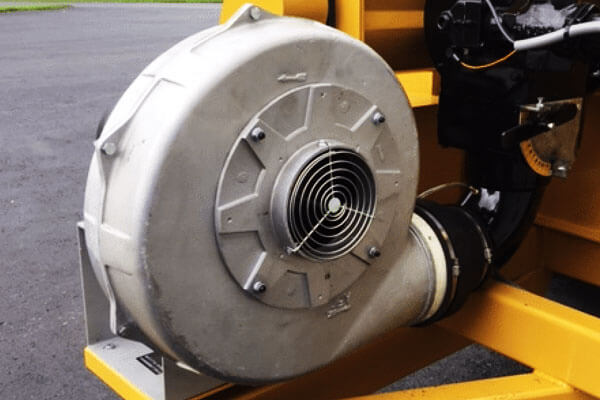
ตัวเรือนโบลเวอร์แบบแรงเหวี่ยง
ฝาครอบโบลเวอร์แบบแรงเหวี่ยงเป็นหนึ่งในการใช้งานทั่วไปสำหรับอะลูมิเนียมหล่อ.
รูปทรงเรขาคณิตที่เป็นลักษณะเฉพาะโดยทั่วไปประกอบด้วยห้องไหลแบบวงกลมหรือรูปม้วนที่อยู่รอบๆ ใบพัด.
ในขณะที่ใบพัดหมุน, อากาศเข้าสู่แนวแกนและระบายออกในแนวรัศมี. ตัวเรือนจะรวบรวมการไหลนี้และแปลงส่วนหนึ่งของความเร็วให้เป็นแรงดันสถิตในขณะที่หันอากาศไปทางทางออก.
ตัวเรือนแบบหมุนเหวี่ยงที่ออกแบบมาอย่างดีจะต้องรักษาระยะห่างที่เหมาะสมรอบๆ ใบพัด และจัดให้มีเส้นทางการไหลภายในที่ราบรื่น.
ความไม่ต่อเนื่องในท้องถิ่น, การเปลี่ยนแปลงหน้าตัดอย่างฉับพลัน, หรือความผิดปกติของพื้นผิวมากเกินไปอาจเพิ่มความปั่นป่วนและการสูญเสียแรงดันได้.
ตัวเรือนโบลเวอร์แบบก้นหอย
ตัวเรือนรูปก้นหอยใช้ทางเดินเกลียวที่ขยายตัวรอบๆ ใบพัด. โดยทั่วไปพื้นที่หน้าตัดจะเพิ่มขึ้นเรื่อยๆ รอบก้นหอยเพื่อรองรับปริมาณอากาศที่สะสมเพิ่มขึ้น.
รูปทรงนี้เหมาะอย่างยิ่งสำหรับการหล่อเนื่องจากรูปทรงสามมิติที่โค้งงอสามารถผลิตเป็นส่วนประกอบที่บูรณาการได้ แทนที่จะประดิษฐ์จากส่วนที่โค้งงอและเชื่อมหลายส่วน.
รูปทรงก้นหอยมีความเฉพาะเจาะจงในการใช้งานสูง. โปรไฟล์ที่ต้องการขึ้นอยู่กับเส้นผ่านศูนย์กลางของใบพัด, การกำหนดค่าใบมีด, ความเร็วในการหมุน, อัตราการไหล, อัตราส่วนความดัน, และจุดปฏิบัติการ.
ตัวเรือนโบลเวอร์แบบโค้งไปด้านหลังและแบบโค้งไปข้างหน้า
การกำหนดค่าใบพัดที่แตกต่างกันอาจต้องใช้รูปทรงตัวเรือนที่แตกต่างกัน.
ใบพัดโค้งไปด้านหลัง โดยทั่วไปเกี่ยวข้องกับการทำงานที่มีประสิทธิภาพและลักษณะแรงดันที่ค่อนข้างคงที่, ในขณะที่ ใบพัดโค้งไปข้างหน้า สามารถให้อากาศไหลเวียนได้สูงภายในบรรจุภัณฑ์ขนาดกะทัดรัด.
ตัวเรือนต้องได้รับการออกแบบให้เสริมกับใบพัดที่เลือก แทนที่จะถือเป็นส่วนประกอบอิสระ.
ตัวเรือนโบลเวอร์ในตัวขนาดกะทัดรัด
สำหรับอุปกรณ์ขนาดกะทัดรัด, ตัวเรือนโบลเวอร์อาจรวมฟังก์ชั่นหลายอย่างไว้ในการหล่อเดียว.
ขายึด, อินเตอร์เฟซมอเตอร์, ข้อกำหนดของสายเคเบิลหรือเซ็นเซอร์, เสริมซี่โครง, และสามารถต่อท่อเข้ากับการหล่อได้โดยตรง.
วิธีการนี้สามารถลดความซับซ้อนในการประกอบและสร้างผลิตภัณฑ์โดยรวมที่มีขนาดกะทัดรัดมากขึ้น.
ตัวเรือนโบลเวอร์อุตสาหกรรมแบบกำหนดเอง
การใช้งานทางอุตสาหกรรมมักต้องการตัวเรือนที่ได้รับการออกแบบตามสภาพการทำงานเฉพาะมากกว่าขนาดมาตรฐาน.
ตัวเรือนแบบกำหนดเองอาจมีรูปแบบการติดตั้งที่ผิดปกติ, การวางแนวการจำหน่ายแบบพิเศษ, ช่องตรวจสอบขนาดใหญ่, ส่วนเสริม, หรืออินเทอร์เฟซสำหรับเซ็นเซอร์และอุปกรณ์ควบคุม.
4. อลูมิเนียมอัลลอยด์สำหรับการหล่อที่อยู่อาศัยโบลเวอร์
สำหรับตัวเรือนโบลเวอร์แบบหล่อ, โลหะผสมหล่ออัลซี มีความน่าสนใจเป็นพิเศษเนื่องจากซิลิคอนช่วยปรับปรุงความลื่นไหลและประสิทธิภาพการหล่อ ในขณะเดียวกันก็ช่วยให้ผู้ผลิตสร้างทางโค้งได้, ซี่โครง, ผู้บังคับบัญชา, และส่วนของผนังที่ค่อนข้างบาง.
| อลูมิเนียมอัลลอยด์ | ข้อดีสำหรับเรือนโบลเวอร์ | ข้อควรพิจารณาโดยทั่วไป |
| A356 / A356.0 | ความสามารถในการหล่อที่ดี, ความแข็งแรงทางกล, ความต้านทานการกัดกร่อน, และความสามารถในการแปรรูป; เหมาะสำหรับเรือนโบลเวอร์ที่มีโครงสร้าง | สามารถใช้ความร้อนได้เมื่อต้องการความแข็งแรงและความเสถียรของมิติที่สูงขึ้น |
| เอ357 / A357.0 | ประสิทธิภาพความแข็งแรงและความล้าสูงกว่าโลหะผสมหล่อทั่วไปหลายชนิด; เหมาะสำหรับเรือนที่รับน้ำหนักมาก | ต้องการการควบคุมกระบวนการหล่อและการบำบัดความร้อนที่เข้มงวดยิ่งขึ้น และโดยทั่วไปจะมีต้นทุนวัสดุที่สูงขึ้น |
| 319 / 319.0 | ความสามารถในการหล่อที่ดี, ความสามารถกล, ความแข็งแกร่ง, และความเสถียรของมิติ; เหมาะสำหรับเรือนอุตสาหกรรมที่ซับซ้อน | ปริมาณทองแดงให้ความแข็งแรงที่เป็นประโยชน์แต่สามารถลดความต้านทานการกัดกร่อนได้เมื่อเทียบกับโลหะผสม Al-Si-Mg บางชนิด |
380 / 380.0 |
มีความลื่นไหลดีเยี่ยม, การแปรรูปที่ดี, ความมั่นคงของมิติที่ดี, และการผลิตที่ประหยัด; ใช้กันอย่างแพร่หลายสำหรับการหล่อที่ซับซ้อน | เหมาะกับการผลิตในปริมาณมาก, แต่ประสิทธิภาพทางกลและการกัดกร่อนอาจต่ำกว่าโลหะผสมที่ผ่านการอบชุบด้วยความร้อนแบบพิเศษ |
| ADC12 | ความสามารถในการหล่อได้ดีเยี่ยม, ความลื่นไหล, ความแม่นยำมิติ, คุณภาพพื้นผิว, และความสามารถในการแปรรูป; เหมาะอย่างยิ่งสำหรับเรือนโบลเวอร์ที่มีผนังบางและซับซ้อน | ส่วนใหญ่จะใช้ในการหล่อแบบตายตัว; ความสามารถในการบำบัดความร้อนและสมรรถนะทางกลมีจำกัดมากกว่า A356/A357 |
| อัลซี10มก | มีความสมดุลที่ดีของความสามารถในการหล่อ, ความแข็งแกร่ง, ความต้านทานการกัดกร่อน, ความสามารถกล, และประสิทธิภาพมิติ | เหมาะสำหรับในกรณีที่สมรรถนะทางกลและความสมบูรณ์ของโครงสร้างมีความสำคัญมากกว่าต้นทุนการหล่อขั้นต่ำ |
5. กระบวนการหล่อสำหรับเรือนอลูมิเนียมโบลเวอร์
กระบวนการหล่อมีอิทธิพลอย่างมากต่อความแม่นยำของมิติ, คุณภาพพื้นผิว, ความสมบูรณ์ของโครงสร้าง, เสรีภาพทางเรขาคณิต, ต้นทุนเครื่องมือ, และเศรษฐศาสตร์การผลิตของตัวเครื่องโบลเวอร์อะลูมิเนียมหล่อ.
การหล่อทราย
การหล่อทราย เป็นหนึ่งในวิธีการที่หลากหลายที่สุดในการผลิตตัวเรือนโบลเวอร์อะลูมิเนียม, โดยเฉพาะเมื่อตัวเรือนมีขนาดค่อนข้างใหญ่, ซับซ้อนทางเรขาคณิต, หรือผลิตในปริมาณน้อยถึงปานกลาง.
แม่พิมพ์ทรายถูกสร้างขึ้นโดยมีลวดลายที่แสดงถึงรูปทรงภายนอกของตัวเรือน.
สามารถใส่แกนได้ในกรณีที่จำเป็นเพื่อสร้างโพรงภายใน, ทางเดินอากาศ, ช่องติดตั้ง, และคุณสมบัติอื่นๆ ที่ไม่สามารถขึ้นรูปโดยตรงจากโพรงแม่พิมพ์ได้.
จากนั้นจึงเทอะลูมิเนียมหลอมเหลวลงในแม่พิมพ์, ได้รับอนุญาตให้แข็งตัว, และถอดออกหลังจากเย็นลง.
ข้อได้เปรียบหลักของการหล่อทรายคือ การออกแบบความยืดหยุ่น. ต้นทุนเครื่องมือค่อนข้างต่ำ, การปรับเปลี่ยนรูปแบบค่อนข้างตรงไปตรงมา, และกระบวนการนี้สามารถรองรับอลูมิเนียมอัลลอยด์และขนาดตัวเรือนได้หลากหลาย.
ทำให้เหมาะอย่างยิ่งสำหรับตัวเรือนโบลเวอร์อุตสาหกรรมแบบสั่งทำพิเศษ, ต้นแบบ, อะไหล่ทดแทน, และผลิตภัณฑ์ที่มีความต้องการต่อปีค่อนข้างต่ำ.
ข้อเสียเปรียบหลักคือการหล่อโดยทั่วไปต้องใช้ขั้นตอนหลังการประมวลผลมากกว่าส่วนประกอบแม่พิมพ์ถาวรหรือแม่พิมพ์หล่อ.
พื้นผิวที่เป็นเม็ดของแม่พิมพ์ยังทำให้ได้ผิวสำเร็จแบบหล่อที่ค่อนข้างหยาบอีกด้วย, ในขณะที่ความแปรผันของมิติได้รับอิทธิพลจากความแม่นยำของรูปแบบ, การเตรียมเชื้อรา, การหดตัว, และพฤติกรรมการแข็งตัว.
การใช้งานทั่วไปได้แก่:
- ตัวเรือนโบลเวอร์อุตสาหกรรมขนาดใหญ่
- ตัวเรือนปริมาณน้อยและปรับแต่งได้
- ส่วนประกอบต้นแบบและการพัฒนา
- เรือนที่มีทางเดินภายในที่ซับซ้อน
- อุปกรณ์สำหรับงานหนักที่ต้องการการออกแบบการหล่อแบบยืดหยุ่น
การหล่อแม่พิมพ์ถาวร
การหล่อแบบถาวร, หรือที่เรียกว่าการหล่อด้วยแรงโน้มถ่วง, ใช้แม่พิมพ์โลหะที่นำกลับมาใช้ใหม่ได้, มักผลิตจากเหล็กหรือเหล็กหล่อ.
อะลูมิเนียมหลอมเหลวจะเข้าสู่โพรงภายใต้แรงโน้มถ่วงเป็นหลัก, และแม่พิมพ์จะเปิดออกหลังจากการแข็งตัวเพื่อเอาการหล่อออก.

เมื่อเทียบกับการหล่อทราย, แม่พิมพ์โลหะแข็งช่วยให้ควบคุมรูปทรงภายนอกได้ดีขึ้น และโดยทั่วไปจะสร้าง a พื้นผิวเรียบขึ้นและมีมิติที่สม่ำเสมอยิ่งขึ้น.
เครื่องมือที่นำกลับมาใช้ใหม่ยังช่วยให้รอบเวลาสั้นลงและเพิ่มความสามารถในการทำซ้ำสำหรับการผลิตในปริมาณปานกลาง.
การหล่อแม่พิมพ์แบบถาวรจะมีประสิทธิภาพโดยเฉพาะอย่างยิ่งเมื่อตัวเรือนโบลเวอร์มีการออกแบบที่ค่อนข้างเสถียร และสามารถปล่อยรูปทรงออกจากแม่พิมพ์โลหะได้โดยไม่ต้องมีการตัดด้านล่างมากเกินไปหรือข้อกำหนดแกนหลักที่ซับซ้อน.
ข้อจำกัดหลักคือการลงทุนด้านเครื่องมือเริ่มแรกที่สูงขึ้น และลดความยืดหยุ่นสำหรับการเปลี่ยนแปลงการออกแบบที่สำคัญ.
เพราะเหตุนี้, โดยทั่วไปแล้วจะมีความน่าสนใจมากกว่าเมื่อปริมาณการผลิตเพียงพอที่จะกระจายต้นทุนเครื่องมือไปยังชิ้นส่วนจำนวนมากขึ้น.
การใช้งานทั่วไปได้แก่:
- โครงสร้างโบลเวอร์ขนาดกลาง
- ทำซ้ำการผลิต OEM
- ตัวเรือนที่ต้องการการปรับปรุงคุณภาพพื้นผิว
- ตัวเรือนอะลูมิเนียมที่ซับซ้อนปานกลาง
- ส่วนประกอบที่ต้องการความสม่ำเสมอของมิติที่ดีกว่าการหล่อทราย
หล่อตาย
การหล่อตายแรงดันสูง (HPDC) บังคับอะลูมิเนียมหลอมเหลวให้กลายเป็นแม่พิมพ์เหล็กที่มีความแม่นยำด้วยความเร็วและความดันสูง.
การเติมและการแข็งตัวอย่างรวดเร็วช่วยให้สามารถผลิตสารที่ซับซ้อนได้, ส่วนประกอบผนังบางที่มีความสามารถในการทำซ้ำสูงและคุณภาพพื้นผิวที่ดีเยี่ยม.
สำหรับเรือนโบลเวอร์ขนาดกะทัดรัด, การหล่อแบบตายตัวสามารถรวมคุณสมบัติหลายอย่างเข้าด้วยกัน รวมถึง ผู้บังคับบัญชาการติดตั้ง, ซี่โครง, หน้าแปลน, หัวหน้าสกรู, และคุณสมบัติการเชื่อมต่อ- เป็นองค์ประกอบเดียว.
ซึ่งจะช่วยลดจำนวนการดำเนินงานรองและสามารถปรับปรุงประสิทธิภาพการผลิตในปริมาณมากได้อย่างมาก.
การหล่อขึ้นรูปเหมาะอย่างยิ่งกับโลหะผสมเช่น ADC12 และโลหะผสมอะลูมิเนียมหล่อขึ้นรูปอื่นๆ ที่ให้การไหลที่ดีและประสิทธิภาพในการเติมแม่พิมพ์.
อย่างไรก็ตาม, กระบวนการนี้ต้องใช้การลงทุนด้านเครื่องมือจำนวนมาก. ความพรุนของแก๊สอาจเป็นปัญหาได้เช่นกัน เนื่องจากอากาศอาจถูกกักไว้ในระหว่างการเติมด้วยความเร็วสูง.
สิ่งนี้มีความสำคัญอย่างยิ่งเมื่อตัวเรือนต้องการความรัดกุมของแรงกดหรือการตัดเฉือนที่กว้างขวาง.
การออกแบบกระบวนการ, ความช่วยเหลือด้านสุญญากาศ, ระบบล้น, การเพิ่มประสิทธิภาพเกต, และอาจจำเป็นต้องมีค่าเผื่อการตัดเฉือนที่เหมาะสม.
การใช้งานทั่วไปได้แก่:
- ตัวเรือนโบลเวอร์ปริมาณสูง
- ตัวเครื่องมีขนาดกะทัดรัดและน้ำหนักเบา
- การออกแบบผนังบาง
- อุปกรณ์ทำความเย็น HVAC และอิเล็กทรอนิกส์
- ส่วนประกอบการเคลื่อนย้ายอากาศของยานยนต์และอุตสาหกรรม
การหล่อด้วยแรงดันต่ำ
การหล่อด้วยแรงดันต่ำ (แอล.ดี.ซี) เติมแม่พิมพ์โลหะโดยใช้แรงดันที่ควบคุมกับอลูมิเนียมหลอมเหลว แทนที่จะอาศัยแรงโน้มถ่วงเพียงอย่างเดียว.
รูปแบบการเติมที่ค่อนข้างอ่อนโยนและควบคุมได้สามารถปรับปรุงความเสถียรในการไหลของโลหะ และลดความปั่นป่วนเมื่อเปรียบเทียบกับการเติมแรงดันสูงแบบทั่วไป.
กระบวนการนี้มีความน่าสนใจเป็นพิเศษเมื่อตัวเรือนต้องการการผสมผสานของ เรขาคณิตที่ซับซ้อน, ความสมบูรณ์ของโครงสร้าง, ความสม่ำเสมอของมิติ, และลดความพรุน.
การหล่อด้วยแรงดันต่ำยังเป็นประโยชน์สำหรับส่วนประกอบที่ต้องการความแน่นของแรงดัน เนื่องจากสภาวะการบรรจุและการแข็งตัวที่ควบคุมได้สามารถช่วยลดข้อบกพร่องภายในบางอย่างได้เมื่อกระบวนการได้รับการออกแบบอย่างเหมาะสม.
เปรียบเทียบกับ HPDC, อย่างไรก็ตาม, โดยทั่วไป LPDC มีอัตราการผลิตต่ำกว่าและต้องใช้อุปกรณ์และเครื่องมือเฉพาะทาง.
ดังนั้นจึงมีตำแหน่งกึ่งกลางระหว่างการหล่อด้วยแรงโน้มถ่วงแบบธรรมดาและการหล่อแบบแรงดันสูงในแง่ของความประหยัดในการผลิตและประสิทธิภาพการหล่อ.
การใช้งานทั่วไปได้แก่:
- โครงสร้างโบลเวอร์ที่มีความสมบูรณ์สูง
- ส่วนประกอบระบบจัดการอากาศที่ไวต่อแรงกด
- ส่วนประกอบยานยนต์และการขนส่ง
- ตัวเรือนโครงสร้างที่ซับซ้อน
- ปานกลาง- ถึงการผลิตในปริมาณมาก
การหล่อการลงทุน
การหล่อการลงทุน, หรือการหล่อขี้ผึ้งหาย, ใช้รูปแบบขี้ผึ้งที่ใช้แล้วทิ้งและเปลือกเซรามิกเพื่อสร้างรูปทรงเรขาคณิตที่ซับซ้อนสูง.
หลังจากเอาแว็กซ์ออกแล้ว, อลูมิเนียมหลอมเหลวถูกนำเข้าสู่แม่พิมพ์เซรามิก.
ข้อได้เปรียบที่สำคัญคือความสามารถในการสืบพันธุ์ เรขาคณิตที่ซับซ้อน, รายละเอียดที่ดี, บางส่วน, และการเปลี่ยนแปลงที่ซับซ้อน โดยมีข้อจำกัดในการแยกบรรทัดค่อนข้างน้อย.
สิ่งนี้มีประโยชน์สำหรับตัวเรือนโบลเวอร์แบบพิเศษ ซึ่งการก่อสร้างแม่พิมพ์ทั่วไปต้องใช้แกนจำนวนมากหรือส่วนประกอบแยกกัน.
การหล่อแบบลงทุนยังสามารถลดปริมาณวัสดุที่ต้องเอาออกในระหว่างการตัดเฉือนครั้งต่อไป เนื่องจากการหล่อสามารถเข้าใกล้รูปทรงขั้นสุดท้ายได้ใกล้ชิดยิ่งขึ้น.
ข้อเสียของมันคือเศรษฐกิจเป็นหลัก. การผลิตลวดลาย, การเตรียมเปลือกเซรามิก, ความเหนื่อยหน่าย, และการหล่อต้องใช้แรงงานเข้มข้นกว่าและโดยทั่วไปมีราคาแพงกว่าการหล่อแบบทรายหรือการหล่อแบบทั่วไป.
ดังนั้นจึงเหมาะสมที่สุดเมื่อความซับซ้อนทางเรขาคณิตหรือข้อกำหนดด้านมิติทำให้ต้นทุนเพิ่มเติมเหมาะสม.
การใช้งานทั่วไปได้แก่:
- โครงสร้างโบลเวอร์ที่มีความแม่นยำขนาดเล็กถึงปานกลาง
- รูปทรงการไหลที่ซับซ้อนสูง
- อุปกรณ์อุตสาหกรรมเฉพาะทาง
- ต้นแบบและส่วนประกอบปริมาณต่ำ
- ตัวเรือนที่ต้องการการผลิตที่มีรูปร่างใกล้เคียงกัน
6. จากการหล่อไปจนถึงที่อยู่อาศัยโบลเวอร์สำเร็จรูป
การผลิตโครงโบลเวอร์อะลูมิเนียมหล่อคุณภาพสูงไม่ใช่แค่การเทอะลูมิเนียมหลอมเหลวลงในแม่พิมพ์เท่านั้น.
ส่วนประกอบสุดท้ายเป็นผลมาจากห่วงโซ่การผลิตที่มีการควบคุมซึ่งผสมผสานการออกแบบทางวิศวกรรมเข้าด้วยกัน, การเลือกกระบวนการหล่อ, เครื่องมือ, ละลายและเท, การรักษาความร้อน, เครื่องจักรกล, จบ, และการตรวจสอบ.
การออกแบบและวิศวกรรม
กระบวนการผลิตเริ่มต้นด้วยการทบทวนโมเดล 3D CAD ของตัวเรือนโบลเวอร์, ภาพวาดทางเทคนิค, เงื่อนไขการดำเนินงาน, และข้อกำหนดด้านการทำงาน.
วิศวกรจะประเมินทางไหลภายในของตัวเครื่อง, ความหนาของผนัง, โครงสร้างการติดตั้ง, อินเทอร์เฟซหน้าแปลน, เสริมซี่โครง, ผู้บังคับบัญชา, และคุณสมบัติที่สำคัญอื่นๆ.
การออกแบบจึงได้รับการปรับให้เหมาะสมที่สุด ออกแบบเพื่อการผลิต (ดีเอฟเอ็ม).
มุมร่างที่เหมาะสม, ส่วนผนังสม่ำเสมอ, เนื้อ, ค่าเผื่อการตัดเฉือน, และการเปลี่ยนระหว่างพื้นที่หนาและพื้นที่บางจะช่วยลดข้อบกพร่องในการหล่อและทำให้การตัดเฉือนขั้นปลายทำได้ง่ายขึ้น.
สำหรับเรือนที่ซับซ้อน, การจำลองการหล่อสามารถใช้เพื่อประเมินการเติมโลหะหลอมเหลวได้, การทำให้แข็งตัว, การหดตัว, การไล่ระดับสีความร้อน, และความพรุนที่อาจเกิดขึ้นก่อนการผลิตเครื่องมือ.
ซอฟต์แวร์จำลองสถานการณ์ เช่น ProCAST หรือระบบที่เทียบเท่าสามารถช่วยวิศวกรเพิ่มประสิทธิภาพระบบ gating และให้อาหาร และระบุภูมิภาคที่มีความเสี่ยงสูงล่วงหน้าได้.
การผลิตเครื่องมือและรูปแบบ
เมื่อการออกแบบการหล่อเสร็จสิ้นแล้ว, เครื่องมือถูกผลิตขึ้นตามกระบวนการหล่อที่เลือก.
สำหรับ การหล่อทราย, รูปแบบและกล่องหลักถูกสร้างขึ้นเพื่อกำหนดเรขาคณิตภายนอกและภายใน.
อาจจำเป็นต้องใช้แกนสำหรับทางเดินหรือโพรงที่ปิดล้อมซึ่งแม่พิมพ์ไม่สามารถสร้างขึ้นได้โดยตรง.
สำหรับ แม่พิมพ์ถาวรและการหล่อแบบตายตัว, มีการผลิตแม่พิมพ์โลหะที่มีความแม่นยำ, โดยทั่วไปจากเหล็กกล้าเครื่องมือที่เหมาะสม.
แม่พิมพ์ประกอบด้วยรูปทรงของช่อง, พื้นผิวพรากจากกัน, ระบบ gating, คุณสมบัติอีเจ็คเตอร์, และองค์ประกอบอื่นๆ ที่จำเป็นสำหรับการผลิตซ้ำ.
สำหรับ การหล่อการลงทุน, เครื่องมือฉีดขี้ผึ้งถูกผลิตขึ้นเพื่อสร้างรูปแบบขี้ผึ้งแบบใช้แล้วทิ้งที่มีรูปทรงที่ต้องการ.
ความแม่นยำของเครื่องมือเป็นสิ่งสำคัญ เนื่องจากข้อผิดพลาดด้านมิติที่เกิดขึ้นในขั้นตอนนี้สามารถถ่ายโอนโดยตรงไปยังการหล่อครั้งต่อไปทุกครั้ง.
การเตรียมแม่พิมพ์และการผลิตการหล่อ
กระบวนการหล่อจริงจะแตกต่างกันไปตามเทคโนโลยีที่เลือก, แต่วัตถุประสงค์ยังคงเหมือนเดิม: เติมแม่พิมพ์ให้เต็มในขณะที่ลดความปั่นป่วน, การดักจับก๊าซ, การเกิดออกไซด์, การหดตัว, และข้อบกพร่องในการหล่ออื่นๆ.
ในการหล่อทราย, แม่พิมพ์จะประกอบเข้ากับแกนและระบบ gating ที่จำเป็นก่อนที่จะนำอะลูมิเนียมหลอมเหลวมาใช้. ในการหล่อแบบถาวร, แม่พิมพ์ที่ใช้ซ้ำได้จะถูกทำความสะอาดและอุ่นก่อนเท.
สำหรับการหล่อด้วยแรงดันสูง, โลหะจะถูกฉีดเข้าไปในแม่พิมพ์อย่างรวดเร็วภายใต้แรงดันที่ควบคุม, ในขณะที่การหล่อด้วยแรงดันต่ำจะใช้แรงดันแก๊สที่ควบคุมเพื่อนำอะลูมิเนียมเข้าไปในแม่พิมพ์.
ในระหว่างการผลิต, พารามิเตอร์ที่สำคัญ เช่น อุณหภูมิของโลหะ, อุณหภูมิแม่พิมพ์, พฤติกรรมการเติม, ความดัน, รอบเวลา, และสภาวะการทำความเย็นจะต้องคงอยู่ภายในหน้าต่างกระบวนการที่กำหนดไว้.
การควบคุมกระบวนการอย่างสม่ำเสมอถือเป็นสิ่งสำคัญสำหรับการรักษาคุณภาพการหล่อจากชุดการผลิตหนึ่งไปยังอีกชุดหนึ่ง.
การทำความสะอาดเนื้อและการหล่อ
หลังจากการแข็งตัว, ตัวเรือนโบลเวอร์จะถูกถอดออกจากแม่พิมพ์และผ่านเข้าไป การทำให้ร่างกายแข็งแรงและการทำความสะอาด.
ประตู, นักวิ่ง, ผู้ลุกขึ้น, และโลหะส่วนเกินจะถูกเอาออกโดยใช้เลื่อย, การตัด, บด, หรือวิธีการอื่นที่เหมาะสม. วัสดุ Flash และเส้นแบ่งส่วนจะถูกลบออกด้วยหากจำเป็น.
จากนั้นอาจทำความสะอาดพื้นผิวการหล่อโดยใช้การยิงระเบิด, ไม้ลอย, หรือวิธีการทำความสะอาดทางกลอื่นๆ.
ทางเดินภายในต้องได้รับการดูแลเป็นพิเศษเนื่องจากมีทรายตกค้าง, วัสดุหลัก, ออกไซด์, หรืออนุภาคที่หลวมอาจรบกวนการประกอบโบลเวอร์หรือปนเปื้อนกระแสลมในการทำงาน.
ในขั้นตอนนี้, การหล่อได้รับการตรวจสอบด้วยสายตาเพื่อดูข้อบกพร่องที่ชัดเจน เช่น รอยแตกร้าว, misruns, ปิดเย็น, ความพรุนมากเกินไป, การรวม, และความผิดปกติของพื้นผิว.
การรักษาความร้อน
การอบชุบด้วยความร้อนขึ้นอยู่กับอะลูมิเนียมอัลลอยด์ที่เลือกและคุณสมบัติทางกลที่ต้องการ.
สำหรับโลหะผสมที่ผ่านการอบชุบด้วยความร้อน เช่น A356 และ A357, วงจรการบำบัดความร้อนแบบควบคุมสามารถปรับปรุงความแข็งแรงได้อย่างมาก, ความแข็ง, ความเหนื่อยล้า, และความเสถียรของมิติ.
การรักษาแบบ T6 โดยทั่วไปประกอบด้วยการบำบัดด้วยสารละลาย, ระบายความร้อนอย่างรวดเร็ว, และริ้วรอยแห่งวัยเทียม. ระหว่างการรักษาสารละลาย, ธาตุผสมจะถูกนำเข้าสู่สารละลายที่เป็นของแข็ง.
การชุบแข็งยังคงรักษาโครงสร้างที่มีความอิ่มตัวยิ่งยวดที่ต้องการไว้, ในขณะที่การแก่ชราเทียมส่งเสริมการตกตะกอนที่ควบคุมซึ่งเพิ่มความแข็งแรงเชิงกล.
เครื่องจักรกลซีเอ็นซี
หลังจากหล่อและ, หากต้องการ, การรักษาความร้อน, พื้นผิวที่สำคัญได้รับการตัดเฉือนตามขนาดสุดท้าย.
โดยทั่วไปแล้วการกัด CNC จะใช้เพื่อให้ได้ความแม่นยำ ใบหน้าติดตั้ง, พื้นผิวหน้าแปลน, และเครื่องบินอ้างอิง. การเจาะทำให้เกิดรูยึดและยึดที่แม่นยำ, ในขณะที่การแตะจะสร้างอินเทอร์เฟซแบบเธรด.
การคว้านสามารถใช้กับรูที่เกี่ยวข้องกับตลับลูกปืนและลักษณะทรงกระบอกอื่นๆ ที่ต้องมีการควบคุมเส้นผ่านศูนย์กลางและการจัดแนว. การรีมอาจนำไปใช้ในกรณีที่ต้องมีพิกัดความเผื่อของรูที่แคบกว่านี้.
แนวทางการตัดเฉือนควรขึ้นอยู่กับโครงสร้าง Datum ที่กำหนดไว้ของตัวเรือน.
สิ่งนี้ทำให้แน่ใจได้ว่าคุณลักษณะที่สำคัญจะรักษาความสัมพันธ์ของตำแหน่งที่ถูกต้อง แทนที่จะเพียงบรรลุความคลาดเคลื่อนของมิติแต่ละรายการเท่านั้น.
สำหรับเรือนโบลเวอร์ที่ซับซ้อน, การตัดเฉือน CNC แบบหลายแกนสามารถลดจำนวนการตั้งค่าและปรับปรุงความแม่นยำของตำแหน่งของคุณสมบัติที่เชื่อมต่อถึงกัน.
การรักษาพื้นผิวและการตกแต่งขั้นสุดท้าย
หลังการตัดเฉือน, ตัวเรือนอาจได้รับการปรับสภาพพื้นผิวป้องกันหรือตกแต่ง ขึ้นอยู่กับสภาพแวดล้อมการทำงาน.
ตัวเลือกทั่วไปได้แก่ เคลือบผง, จิตรกรรม, อโนไดซ์, และการเคลือบแปลงสารเคมี.
ก่อนเคลือบ, พื้นผิวจะต้องได้รับการทำความสะอาดอย่างเหมาะสมและเตรียมเพื่อให้แน่ใจว่ามีการยึดเกาะเพียงพอและมีการปกปิดสม่ำเสมอ.
ในกรณีที่เกี่ยวข้องกับการปิดผนึกหรือพื้นผิวการประกอบที่มีความแม่นยำ, อาจจำเป็นต้องมีการปิดบังเพื่อป้องกันการสะสมตัวของสารเคลือบจากการเปลี่ยนแปลงมิติที่สำคัญ.
การตรวจสอบและปล่อยขั้นสุดท้าย
ขั้นตอนสุดท้ายจะตรวจสอบว่าตัวเรือนโบลเวอร์ที่เสร็จแล้วนั้นเป็นไปตามข้อกำหนดทางวิศวกรรมหรือไม่.
การตรวจสอบอาจรวมถึง:
- การวัดขนาดโดยใช้ CMM หรือเกจวัดความแม่นยำ
- เส้นผ่านศูนย์กลางของรูเจาะและการตรวจสอบตำแหน่ง
- การตรวจสอบความเรียบและตั้งฉาก
- การวัดความหยาบผิว
- การตรวจสายตา
- การตรวจสอบวัสดุและการบำบัดความร้อน
- การตรวจสอบข้อบกพร่องในการหล่อตามความจำเป็น
- การทดสอบความหนาผิวเคลือบและการยึดเกาะ
สำหรับส่วนประกอบที่สำคัญ, อาจรวมวิธีเอ็กซ์เรย์หรือการทดสอบแบบไม่ทำลายอื่นๆ เพื่อประเมินความสมบูรณ์ของการหล่อภายใน.
ตัวเรือนที่เสร็จแล้วจะได้รับการปล่อยตัวหลังจากคุณภาพการหล่อเท่านั้น, สภาพทางกล, ความแม่นยำมิติ, การรักษาพื้นผิว, และอินเทอร์เฟซการทำงานได้รับการตรวจสอบแล้ว.
7. คุณสมบัติเครื่องจักรกลซีเอ็นซีและความแม่นยำ
เครื่องจักรกลซีเอ็นซี เป็นสิ่งจำเป็นสำหรับการบรรลุพิกัดความเผื่อที่แคบและคุณสมบัติที่แม่นยำซึ่งจำเป็นสำหรับประสิทธิภาพของโครงสร้างโบลเวอร์.
คุณสมบัติเครื่องจักรที่สำคัญ
แบริ่งเจาะ ต้องการเส้นผ่านศูนย์กลางและความกลมที่แม่นยำเพื่อให้แน่ใจว่าตลับลูกปืนมีความพอดีและอยู่ในแนวที่ถูกต้อง. ล้อโบลเวอร์จะต้องทำงานจริงเพื่อหลีกเลี่ยงการสั่นสะเทือนและเสียงรบกวน. โดยทั่วไป, รูแบริ่งถูกกลึงให้มีความทนทาน ±0.01-0.02 มม.
พื้นผิวการติดตั้ง เช่นหน้ายึดมอเตอร์, พื้นผิวการติดตั้งเท้า, และหน้าหน้าแปลนจำเป็นต้องมีความเรียบและความขนานเพื่อให้แน่ใจว่าการประกอบและการจัดตำแหน่งเหมาะสม. ข้อกำหนดความเรียบโดยทั่วไปคือ 0.05-0.1 มม.
รูเดือยพิน ใช้สำหรับระบุตำแหน่งที่แม่นยำระหว่างการประกอบ. โดยทั่วไปรูเหล่านี้จะถูกรีมให้มีพิกัดความเผื่อ ±0.01-0.02 มม.
รูเกลียว จำเป็นสำหรับการยึด. การต๊าปช่วยให้มั่นใจได้ถึงรูปแบบและตำแหน่งของเกลียวที่แม่นยำ.
พื้นผิวปิดผนึก เช่น ร่องโอริงและพื้นผิวปะเก็น จำเป็นต้องมีพื้นผิวเรียบ (รา ≤1.6 ไมโครเมตร) เพื่อให้แน่ใจว่ามีซีลที่รั่วซึม.
ลำดับการตัดเฉือน
ลำดับการตัดเฉือนโดยทั่วไปสำหรับตัวเรือนโบลเวอร์เริ่มต้นด้วยการตัดเฉือนหยาบเพื่อเอาวัสดุส่วนใหญ่ออก.
ตามด้วยการตัดเฉือนขั้นสุดท้ายสำหรับคุณลักษณะที่สำคัญเพื่อให้ได้พิกัดความเผื่อและผิวสำเร็จที่ต้องการ. ในที่สุด, การต๊าปและการทำเกลียวจะดำเนินการเพื่อทำให้ตัวเรือนสมบูรณ์.
8. การตกแต่งพื้นผิวและการป้องกันการกัดกร่อน
การรักษาพื้นผิว ตัวเลือก
เป็นนักแสดง พื้นผิวถูกทิ้งให้หล่อจากโรงหล่อ. นี่เป็นตัวเลือกที่มีต้นทุนต่ำที่สุดและเหมาะสำหรับแอปพลิเคชันที่ซ่อนอยู่, สภาพแวดล้อมทางอุตสาหกรรม, และการใช้งานที่ไม่กัดกร่อน.
ยิงระเบิด ทำความสะอาดพื้นผิวและเตรียมการตกแต่งในภายหลัง. การยิงระเบิดด้วยวัสดุที่เป็นเหล็กหรือเซรามิกจะขจัดคราบทรายและตะกรันออกไซด์, ปรับปรุงความสะอาดพื้นผิว, และสร้างฟินิชแมตต์ที่สม่ำเสมอ.
อโนไดซ์ สร้างความยาก, ชั้นออกไซด์ที่ทนต่อการกัดกร่อน. อโนไดซ์กรดซัลฟูริก (ประเภทที่สอง) ผลิต 5-25 การเคลือบ µm ด้วยความแข็งของ 250-400 เอชวี, ให้ความต้านทานการกัดกร่อนที่ดีและมีความสวยงาม.
อโนไดซ์อย่างหนัก (ประเภทที่สาม) ผลิต 25-75 การเคลือบ µm ด้วยความแข็งของ 600-800 เอชวี, ให้ความต้านทานการกัดกร่อนที่ดีเยี่ยม, ความต้านทานการสึกหรอ, และความแข็ง.
เคลือบผง ให้ความหนา, ทนทาน, และเคลือบออร์แกนิกตกแต่ง.
การพ่นสเปรย์ไฟฟ้าสถิตตามด้วยการบ่มด้วยเตาอบ, ผลิต 60-120 การเคลือบ µm ทนต่อการกัดกร่อนได้ดีเยี่ยม. สีฝุ่นเหมาะสำหรับงานกลางแจ้ง, ซึ่งกัดกร่อน, และแอปพลิเคชันการชะล้าง.
จิตรกรรม ให้การเคลือบที่มีราคาค่อนข้างต่ำ. การพ่นสเปรย์ตามด้วยการทำให้แห้งหรือการบ่ม, ผลิต 20-50 การเคลือบไมโครเมตร. การทาสีเหมาะสำหรับงานภายในอาคาร, แอปพลิเคชั่นราคาประหยัด.
การเคลือบด้วยไฟฟ้า ให้ความบาง, เคลือบอินทรีย์สม่ำเสมอ. การแช่ในอ่างพ่นสีด้วยกระแสตรงจะทำให้เกิด 10-25 การเคลือบ µm ทนต่อการกัดกร่อนได้ดีเยี่ยมและความเงาสูง.
9. การใช้งานตัวเรือนโบลเวอร์อะลูมิเนียมหล่อแบบกำหนดเอง
ตัวเรือนโบลเวอร์อะลูมิเนียมหล่อแบบกำหนดเองถูกนำมาใช้กันอย่างแพร่หลายในอุปกรณ์ที่ต้องการโครงสร้างน้ำหนักเบา, เรขาคณิตการไหลของอากาศที่ซับซ้อน, ความแข็งแกร่งของโครงสร้าง, และความต้านทานการกัดกร่อน.
ระบบ HVAC และระบายอากาศ
การใช้งานทั่วไป ได้แก่ พัดลมแบบแรงเหวี่ยง, หน่วยจัดการอากาศ, อุปกรณ์ระบายอากาศเชิงพาณิชย์, ระบบไอเสียอุตสาหกรรม, และระบบเคลื่อนย้ายอากาศแบบพิเศษ.
โบลเวอร์อุตสาหกรรมและอุปกรณ์กระบวนการ
โครงสร้างโบลเวอร์แบบกำหนดเองใช้ในระบบดักฝุ่น, อุปกรณ์อบแห้ง, ระบบลำเลียงแบบนิวแมติก, เครื่องจักรบรรจุภัณฑ์, และอุปกรณ์กระบวนการทางอุตสาหกรรมอื่นๆ ที่ต้องการการไหลเวียนของอากาศอย่างต่อเนื่อง.
ระบบยานยนต์และรถยนต์ไฟฟ้า
การใช้งานทั่วไป ได้แก่ โบลเวอร์ HVAC, ระบบระบายความร้อนของแบตเตอรี่, หน่วยทำความเย็นมอเตอร์ไฟฟ้า, ระบายความร้อนด้วยระบบอิเล็กทรอนิกส์กำลัง, และอุปกรณ์ช่วยจัดการอากาศ.
พลังงานและอุปกรณ์ไฟฟ้า
ตัวเรือนโบลเวอร์อะลูมิเนียมหล่อใช้ในระบบระบายความร้อนของเครื่องกำเนิดไฟฟ้า, อุปกรณ์เก็บพลังงาน, ระบบเซลล์เชื้อเพลิง, ตู้ไฟฟ้า, และการใช้งานการจัดการความร้อนอื่นๆ.
การจัดการอิเล็กทรอนิกส์และความร้อน
การใช้งานทั่วไป ได้แก่ การระบายความร้อนด้วยระบบอิเล็กทรอนิกส์กำลัง, อุปกรณ์สื่อสาร, ระบบควบคุมอุตสาหกรรม, เปลือกอุปกรณ์, และชุดประกอบการจัดการความร้อนขนาดกะทัดรัด.
อุปกรณ์การแพทย์และห้องปฏิบัติการ
การใช้งานรวมถึงอุปกรณ์ระบายอากาศ, ระบบอากาศในห้องปฏิบัติการ, หน่วยกรอง, อุปกรณ์สูญญากาศ, และอุปกรณ์พิเศษอื่นๆ ที่ต้องการการจัดการการไหลเวียนของอากาศที่กะทัดรัดและเชื่อถือได้.
เครื่องจักรการเกษตรและการก่อสร้าง
ตัวเรือนโบลเวอร์อะลูมิเนียมหล่อสามารถใช้ในระบบลมของเครื่องยนต์ได้, การระบายอากาศในห้องโดยสาร, การระบายความร้อนของอุปกรณ์, ระบบควบคุมฝุ่น, และอุปกรณ์เสริมการไหลเวียนของอากาศที่ทำงานภายใต้สภาวะแวดล้อมที่ต้องการ.
อุปกรณ์ทางทะเลและอุปกรณ์เฉพาะทาง
การใช้งานทั่วไป ได้แก่ การระบายอากาศทางทะเล, การระบายความร้อนของเครื่องจักร, ระบบจัดการอากาศบนเครื่องบิน, และอุปกรณ์โบลเวอร์ที่ออกแบบเฉพาะสำหรับสภาพแวดล้อมที่มีฤทธิ์กัดกร่อนหรือมีพื้นที่จำกัด.
10. หล่ออลูมิเนียมเทียบกับ. ตัวเรือนโบลเวอร์เหล็กประดิษฐ์
| เกณฑ์ | หล่ออลูมิเนียม | เหล็กประดิษฐ์ |
| น้ำหนัก | แสงสว่าง (2.7 กรัม/ซม.³) | หนัก (7.85 กรัม/ซม.³) |
| ความต้านทานการกัดกร่อน | ยอดเยี่ยม (การป้องกันตนเอง) | ยากจน (ต้องทาสี/เคลือบ) |
| ความยืดหยุ่นในการออกแบบ | สูงมาก (รูปร่างที่ซับซ้อน) | ปานกลาง (ข้อจำกัดในการผลิต) |
| ข้อกำหนดในการประกอบ | น้อยที่สุด (คุณสมบัติที่สำคัญ) | สูง (การเชื่อม, การยึด) |
| การตกแต่งพื้นผิว | ดี (เหมือนหล่อ; สามารถปรับปรุงได้) | ปานกลาง (ต้องจบ) |
| ประสิทธิภาพตามหลักอากาศพลศาสตร์ | ยอดเยี่ยม (พื้นผิวภายในเรียบ) | ดี (รอยเชื่อมและตะเข็บ) |
| ค่าใช้จ่าย (ปริมาณต่ำ) | สูง (เครื่องมือ) | ต่ำ (การประดิษฐ์) |
| ค่าใช้จ่าย (ปริมาณปานกลาง) | ปานกลาง | สูง (แรงงาน) |
| ค่าใช้จ่าย (ปริมาณสูง) | ต่ำ (การคัดเลือกนักแสดง) | สูงมาก (แรงงาน) |
| เวลานำ (เครื่องมือ) | 6-12 สัปดาห์ | 1-2 สัปดาห์ |
| ความสามารถในการเชื่อม | ดี (ด้วยความระมัดระวัง) | ยอดเยี่ยม |
| ความสามารถในการรีไซเคิล | 100% | 100% |
| แอปพลิเคชันทั่วไป | ประสิทธิภาพสูง, เรียกร้อง, ปริมาณปานกลางถึงสูง | ปริมาณต่ำ, รูปร่างเรียบง่าย, เสียค่าใช้จ่าย |
11. ฝาครอบโบลเวอร์อะลูมิเนียมหล่อแบบกำหนดเองจาก DEZE Foundry
Deze Foundry นำเสนอโซลูชั่นการผลิตแบบกำหนดเองสำหรับตัวเรือนโบลเวอร์อะลูมิเนียมที่ได้รับการออกแบบตามข้อกำหนดการใช้งานเฉพาะ.
แทนที่จะจำกัดการผลิตให้เหลือรูปทรงที่ได้มาตรฐาน, วิธีการผลิตสามารถผสมผสานการเลือกกระบวนการหล่อได้, การเพิ่มประสิทธิภาพ DFM, เครื่องจักรกลที่มีความแม่นยำ, การรักษาพื้นผิว, และการตรวจสอบคุณภาพเพื่อผลิตส่วนประกอบเฉพาะการใช้งาน.
| หมวดความสามารถ | รายละเอียด |
| วัสดุ | A356-T6, เอ380, ADC12, A413, 319; โลหะผสมที่กำหนดเองตามคำขอ |
| กระบวนการหล่อ | การหล่อทราย, การหล่อแบบถาวร, หล่อตาย, การหล่อด้วยแรงดันต่ำ, การหล่อการลงทุน |
| น้ำหนักชิ้นส่วน | 0.1 กิโลกรัมถึง 100 กิโลกรัม |
| ขนาดสูงสุด | ขึ้นไป 1,000 เส้นผ่าศูนย์กลางมม.; ขนาดที่กำหนดเองที่มีอยู่ |
| ความคลาดเคลื่อนมิติ | CT5–CT7 ต่อ ISO 8062 (โดยทั่วไป ±0.1–0.3 มม) |
| การประกันคุณภาพ | ไอเอสโอ 9001:2015 ได้รับการรับรอง; 100% การตรวจสอบมิติ; ซีเอ็มเอ็ม; โปรไฟล์พื้นผิว; การทดสอบแรงดัน; NDT (เอ็กซ์เรย์, ย้อม) |
| เวลานำ | เครื่องมือ: 6–12 สัปดาห์; บทความแรก: 8–14 สัปดาห์; สั่งซ้ำ: 2–4 สัปดาห์ |
| ปริมาณการสั่งซื้อขั้นต่ำ | ไม่มีขั้นต่ำคงที่; มีต้นแบบและการผลิตในปริมาณน้อย |
12. บทสรุป
ก ตัวเรือนโบลเวอร์อะลูมิเนียมหล่อ เป็นมากกว่าเกราะป้องกันรอบๆ พัดลมหรือใบพัด.
เป็นส่วนประกอบทางวิศวกรรมเชิงหน้าที่มีอิทธิพลต่อการไหลเวียนของอากาศ, เสถียรภาพของโครงสร้าง, น้ำหนัก, การกระจายความร้อน, พฤติกรรมการสั่นสะเทือน, การปิดผนึก, และความน่าเชื่อถือของอุปกรณ์โดยรวม.
การหล่ออะลูมิเนียมมีคุณค่าอย่างยิ่งเนื่องจากมีความหนาแน่นค่อนข้างต่ำและทนทานต่อการกัดกร่อนได้ดี, การนำความร้อน, และความสามารถในการสร้างรูปทรงเรขาคณิตสามมิติที่ซับซ้อน.
โดยการเลือกโลหะผสมและวิธีการหล่อที่เหมาะสม, ผู้ผลิตสามารถสร้างตัวเรือนได้ตั้งแต่ส่วนประกอบ HVAC น้ำหนักเบาไปจนถึงส่วนประกอบทางอุตสาหกรรมที่มีความต้องการเชิงโครงสร้าง.
สำหรับการใช้งานแบบกำหนดเอง, แนวทางที่มีประสิทธิภาพมากที่สุดคือการประเมินความต้องการที่สมบูรณ์ ตั้งแต่การไหลเวียนของอากาศและปริมาณการปฏิบัติงานไปจนถึงกระบวนการหล่อ, ความคลาดเคลื่อนของเครื่องตัดเฉือน, การตกแต่งพื้นผิว, การตรวจสอบ, และปริมาณการผลิต.
เพื่อให้แน่ใจว่าตัวเรือนสุดท้ายไม่เพียงแต่สามารถหล่อได้เท่านั้น, แต่ยังเหมาะสมกับสภาพแวดล้อมการบริการที่ตั้งใจไว้ด้วย.
คำถามที่พบบ่อย
ตัวเรือนโบลเวอร์อะลูมิเนียมหล่อคืออะไร?
ตัวเรือนโบลเวอร์อะลูมิเนียมหล่อเป็นตัวเรือนที่ผลิตโดยการเทหรือฉีดโลหะผสมอลูมิเนียมหลอมเหลวลงในแม่พิมพ์เพื่อสร้างกรอบล้อมรอบโบลเวอร์หรือใบพัด.
การหล่อสามารถรวมช่องทางการไหลของอากาศได้, ผู้บังคับบัญชาการติดตั้ง, ซี่โครง, หน้าแปลน, และคุณสมบัติการทำงานอื่นๆ ไว้ในองค์ประกอบเดียว.
ตัวเรือนโบลเวอร์อะลูมิเนียมสามารถป้องกันการกัดกร่อนได้อย่างไร?
ขึ้นอยู่กับสภาพแวดล้อมการบริการ, การป้องกันอาจรวมถึงการเคลือบด้วยผง, จิตรกรรมเหลว, การเคลือบแปลง, อโนไดซ์ตามความเหมาะสม, หรือการปรับสภาพพื้นผิวทางวิศวกรรมอื่นๆ.
การทำความสะอาดและการปรับสภาพอย่างเหมาะสมเป็นสิ่งจำเป็นสำหรับการยึดเกาะของสารเคลือบในระยะยาวและความต้านทานการกัดกร่อน.
สามารถส่งกระแสลมภายในที่ซับซ้อนได้โดยตรง?
ใช่. การหล่อสามารถสร้างรูปทรงที่ซับซ้อนทั้งภายในและภายนอกซึ่งยากต่อการผลิตจากโลหะแผ่น.
ขึ้นอยู่กับการออกแบบและกระบวนการหล่อ, แกนหรือเครื่องมือพิเศษอาจใช้เพื่อสร้างทางเดินปิดล้อมและโพรงที่ซับซ้อน.
ตัวเรือนโบลเวอร์อะลูมิเนียมหล่อทนทานต่อการกัดกร่อน?
อลูมิเนียมจะสร้างชั้นออกไซด์ป้องกันตามธรรมชาติซึ่งให้ความต้านทานการกัดกร่อนในชั้นบรรยากาศที่เป็นประโยชน์.
สำหรับสภาพแวดล้อมที่มีความต้องการมากขึ้น, สามารถป้องกันเพิ่มเติมได้ด้วยการเคลือบสีฝุ่น, อโนไดซ์, จิตรกรรม, หรือสารเคลือบแปลงสารเคมี.

