
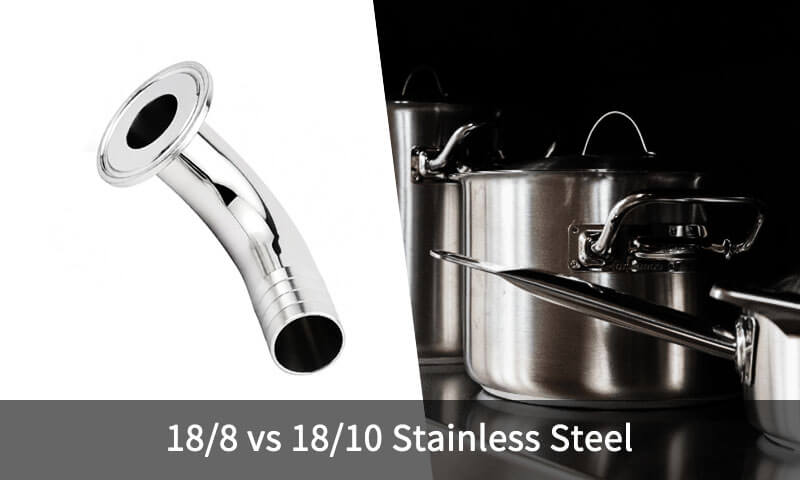
เดินเข้าไปในร้านขายเครื่องครัว, และคุณจะเห็นป้ายเขียนว่า “18/8 Stainless Steel” หรือ “18/10 Stainless Steel” บนหม้อ, กระทะ, มีด, และเครื่องครัว.
ตัวเลขเหล่านี้เป็นมากกว่าศัพท์เฉพาะทางการตลาด เนื่องจากแสดงถึงองค์ประกอบทางเคมีของเหล็กกล้าไร้สนิมและส่งผลโดยตรงต่อประสิทธิภาพการทำงาน, ความทนทาน, และความต้านทานการกัดกร่อนของผลิตภัณฑ์สำเร็จรูป.
บทความนี้มีเนื้อหาครอบคลุม, การเปรียบเทียบที่เข้มงวดของ 18/8 และ 18/10 สแตนเลส.
เราจะสำรวจคำจำกัดความของพวกเขา, องค์ประกอบทางเคมี, ลักษณะประสิทธิภาพ, การใช้งาน, ผลกระทบด้านต้นทุน, และวิธีการเลือกระหว่างพวกเขา.
1. คืออะไร 18/8 สแตนเลส?
18-8 สแตนเลส เป็นโลหะผสมเหล็กกล้าไร้สนิมออสเทนนิติกที่ประกอบด้วยประมาณ 18% โครเมียมและ 8% นิกเกิลโดยน้ำหนัก.
ชื่อ “18/8” แสดงถึงองค์ประกอบของโลหะผสมโดยประมาณ แทนที่จะเป็นชื่อวัสดุสากลอย่างเป็นทางการ.
ในกรณีส่วนใหญ่, 18/8 สแตนเลสสอดคล้องอย่างใกล้ชิดกับ 304 สแตนเลส, หนึ่งในเกรดสแตนเลสที่ใช้กันอย่างแพร่หลายทั่วโลก.
โครงสร้างพื้นฐานของ 18/8 สแตนเลสประกอบด้วยเหล็กเป็นหลัก, โดยมีโครเมียมและนิกเกิลเป็นองค์ประกอบโลหะผสมที่สำคัญ.
โครเมียมให้ความต้านทานการกัดกร่อนโดยขึ้นรูปบาง, ชั้นพาสซีฟโครเมียมออกไซด์ที่เสถียรบนพื้นผิว, ในขณะที่นิกเกิลทำให้โครงสร้างจุลภาคออสเทนนิติกคงตัวและเพิ่มความเหนียว, ความเหนียว, และทนทานต่อการโจมตีทางเคมี.
รวมกันประมาณ 18% โครเมียมและ 8% นิกเกิลสร้างวัสดุที่สมดุลพร้อมประสิทธิภาพโดยรวมที่ยอดเยี่ยม, ทำให้เหมาะกับการใช้งานทั่วไปที่ต้องทนต่อการกัดกร่อน, ความแข็งแกร่ง, และความสามารถในการจ่ายก็มีความสำคัญไม่แพ้กัน.
ตัวระบุที่สำคัญ:
- เกรดเอไอเอส: 304
- เรา: S30400
- ใน: 1.4301
- ชื่อสามัญ: 18/8 สแตนเลส
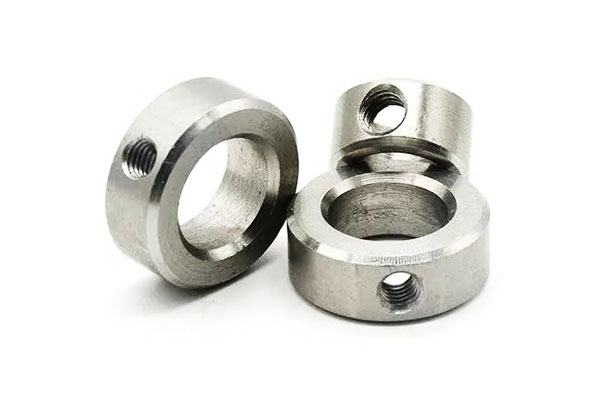
คุณสมบัติของ 18/8 สแตนเลส
- ทนต่อการกัดกร่อนได้ดีเยี่ยมภายใต้สภาวะทั่วไป
ชั้นพาสซีฟที่อุดมด้วยโครเมียมให้การป้องกันการกัดกร่อนในชั้นบรรยากาศที่เชื่อถือได้, ความชื้น, กรดอาหาร, และสารเคมีในครัวเรือนมากมาย. - โครงสร้างจุลภาคออสเทนนิติกที่มีความเหนียวสูง
ลูกบาศก์ที่มีศูนย์กลางหน้าที่มั่นคง (เอฟซีซี) โครงสร้างช่วยให้ 18/8 สแตนเลสเพื่อรักษาความต้านทานแรงกระแทกและความเหนียวได้ดีแม้ในอุณหภูมิต่ำ. - ขึ้นรูปและเชื่อมได้ดีเยี่ยม
18/8 สแตนเลสสามารถแปรรูปได้ง่ายผ่านการปั๊ม, ดัด, การวาดภาพลึก, การเชื่อม, และการตัดเฉือน, ทำให้เหมาะสำหรับการผลิตชิ้นส่วนที่ซับซ้อน. - พื้นผิวไม่มีรูพรุนและถูกสุขลักษณะ
พื้นผิวโลหะที่หนาแน่นป้องกันการสะสมของแบคทีเรียและช่วยให้ทำความสะอาดได้ง่าย, ทำให้เหมาะสำหรับการใช้งานที่ต้องสัมผัสกับอาหารและสุขอนามัย. - มีความสมดุลที่ดีระหว่างความแข็งแกร่งและราคา
ให้คุณสมบัติของสเตนเลสสตีลประสิทธิภาพสูงในขณะที่ยังคงราคาค่อนข้างประหยัดเมื่อเทียบกับเกรดอัลลอยด์ที่สูงกว่า. - ต้านทานการเกิดออกซิเดชันได้ดีที่อุณหภูมิสูง
สามารถทนต่ออุณหภูมิที่สูงปานกลางในขณะที่ยังคงความเสถียรของโครงสร้าง, แม้ว่าโลหะผสมที่มีอุณหภูมิสูงพิเศษจะจำเป็นสำหรับสภาวะที่รุนแรงก็ตาม.
ข้อจำกัดของ 18/8 สแตนเลส
- ความต้านทานต่อสภาพแวดล้อมคลอไรด์ต่ำกว่าเมื่อเทียบกับ 316 สแตนเลส
ในน้ำทะเล, บรรยากาศทางทะเล, และสารเคมีที่มีคลอไรด์, 18/8 สแตนเลสอาจมีการกัดกร่อนเฉพาะจุด เช่น การกัดกร่อนแบบรูพรุนหรือรอยแยก. - ความต้านทานการกัดกร่อนต่ำกว่าเล็กน้อย 18/10 สแตนเลส
ปริมาณนิกเกิลที่ลดลงทำให้การป้องกันในสภาพแวดล้อมทางเคมีที่รุนแรงน้อยลงเล็กน้อย. - อาจต้องมีการบำรุงรักษาพื้นผิวในสภาวะที่ไม่เอื้ออำนวย
แม้ว่าจะทนทานต่อการกัดกร่อน, การปนเปื้อน, เงินฝากเกลือ, หรือการสัมผัสสารเคมีอาจส่งผลต่อลักษณะพื้นผิวเมื่อเวลาผ่านไป. - ไม่เหมาะกับการใช้งานที่มีฤทธิ์กัดกร่อนสูง
การแปรรูปทางเคมี, อุปกรณ์นอกชายฝั่ง, และสภาพแวดล้อมทางเภสัชกรรมที่ต้องการความต้านทานการกัดกร่อนสูงอาจต้องใช้เหล็กกล้าไร้สนิมที่มีโลหะผสมสูงกว่าเช่น 316 หรือสแตนเลสเพล็กซ์.
การใช้งานของ 18/8 สแตนเลส
18/8 สเตนเลสถูกนำมาใช้กันอย่างแพร่หลายเนื่องจากให้ประสิทธิภาพที่เชื่อถือได้ในราคาที่สมเหตุสมผล.
การใช้งานทั่วไปได้แก่:
- สินค้าในครัวและของใช้ในครัวเรือน
เครื่องครัว, อ่างล้างมือ, เครื่องใช้, ภาชนะบรรจุอาหาร, เครื่องใช้ไฟฟ้า, และอุปกรณ์จัดเก็บ. - อุปกรณ์อาหารและเครื่องดื่ม
เครื่องจักรแปรรูป, รถถัง, ระบบท่อ, และส่วนประกอบด้านสุขอนามัย. - ส่วนประกอบอุตสาหกรรม
โครงเครื่อง, รัด, วงเล็บ, เครื่องแลกเปลี่ยนความร้อน, วาล์ว, และอุปกรณ์ใช้งานทั่วไป. - การใช้งานทางสถาปัตยกรรม
ราวจับ, โครงสร้างการตกแต่ง, ส่วนประกอบภายใน, และฮาร์ดแวร์อาคาร. - ส่วนประกอบยานยนต์และการขนส่ง
ส่วนประกอบท่อไอเสีย, กางเกงขายาว, วงเล็บ, และชิ้นส่วนโครงสร้างที่ต้องการความทนทานต่อการกัดกร่อน. - การใช้งานการผลิตและการหล่อที่แม่นยำ
การหล่อเหล็กกล้าไร้สนิมที่มีความแม่นยำ, ส่วนประกอบหล่อการลงทุน, และชิ้นส่วนอุตสาหกรรมที่ซับซ้อน.
2. คืออะไร 18/10 สแตนเลส?
18-10 สแตนเลสเป็นโลหะผสมสแตนเลสออสเทนนิติกที่ประกอบด้วยประมาณ 18% โครเมียมและ 10% นิกเกิล.
เมื่อเทียบกับ 18/8 สแตนเลส, ความแตกต่างที่สำคัญคือปริมาณนิกเกิลที่สูงขึ้น.
ชอบ 18/8 สแตนเลส, 18/10 สแตนเลสมีความเกี่ยวข้องอย่างใกล้ชิดกับ 304 ครอบครัวสแตนเลส.
นิกเกิลเพิ่มเติมช่วยเพิ่มความเสถียรของโครงสร้างออสเทนนิติก และปรับปรุงคุณลักษณะด้านประสิทธิภาพหลายประการ, รวมถึงความต้านทานการกัดกร่อน, ความเหนียว, คุณภาพพื้นผิว, และความทนทานในระยะยาว.
เนื่องจากมีรูปลักษณ์ระดับพรีเมียมและคุณลักษณะด้านความต้านทานที่ดีขึ้น, 18/10 สแตนเลสมักใช้ในเครื่องครัวคุณภาพสูง, เครื่องใช้บนโต๊ะอาหารที่หรูหรา, อุปกรณ์แปรรูปอาหาร, และการใช้งานที่ทั้งความสวยงามและประสิทธิภาพมีความสำคัญ.
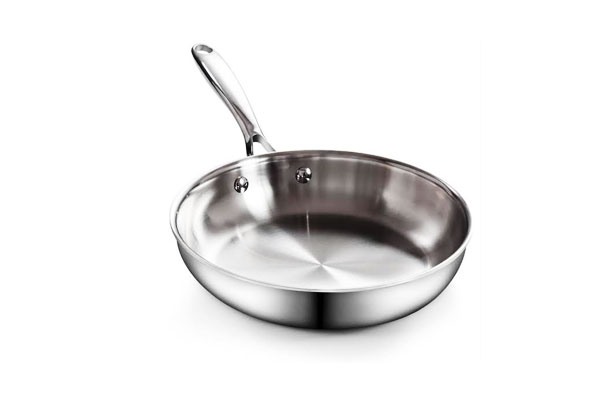
คุณสมบัติของ 18/10 สแตนเลส
- เพิ่มความต้านทานการกัดกร่อน
ปริมาณนิกเกิลที่สูงขึ้นจะช่วยเพิ่มความต้านทานต่อการเกิดออกซิเดชัน, การย้อมสี, และการสัมผัสทางเคมี, โดยเฉพาะอย่างยิ่งในสภาพแวดล้อมที่ชื้นหรือรุนแรงเล็กน้อย. - พื้นผิวและรูปลักษณ์ที่เหนือกว่า
18/10 สแตนเลสให้ความสว่างมากขึ้น, ราบรื่นขึ้น, และพื้นผิวสะท้อนแสงมากขึ้นหลังการขัดเงา, ทำให้เป็นที่นิยมสำหรับสินค้าพรีเมี่ยม. - ความเหนียวที่ดีเยี่ยมและเสถียรภาพของโครงสร้าง
ปริมาณนิกเกิลที่เพิ่มขึ้นจะทำให้เฟสออสเทนนิติกแข็งแรงขึ้น, ปรับปรุงความต้านทานต่อแรงกระแทกและความเครียดทางกล. - ทนทานต่อรอบการทำความสะอาดซ้ำๆ ได้ดีเยี่ยม
รักษาความสมบูรณ์ของพื้นผิวเมื่อซักบ่อยครั้ง, การทำหมัน, และการสัมผัสกับผงซักฟอก. - ประสิทธิภาพด้านสุขอนามัยที่โดดเด่น
ที่มีความหนาแน่น, พื้นผิวเรียบช่วยลดความเสี่ยงในการปนเปื้อนและสนับสนุนข้อกำหนดด้านสุขอนามัยที่เข้มงวด. - ลักษณะการผลิตที่ดีเยี่ยม
ชอบ 18/8 สแตนเลส, มันสามารถเชื่อมได้, เกิดขึ้น, ประทับตรา, และกลึงได้อย่างมีประสิทธิภาพ.
ข้อจำกัดของ 18/10 สแตนเลส
- ต้นทุนวัสดุที่สูงขึ้น
ปริมาณนิกเกิลที่เพิ่มขึ้นทำให้ต้นทุนวัตถุดิบเพิ่มขึ้นอย่างมากเมื่อเทียบกับ 18/8 สแตนเลส. - การปรับปรุงประสิทธิภาพอาจถูกจำกัดในสภาพแวดล้อมปกติ
สำหรับงานครัวเรือนและอุตสาหกรรมทั่วไป, ความแตกต่างระหว่าง 18/8 และ 18/10 อาจไม่สามารถปรับค่าใช้จ่ายเพิ่มเติมได้. - ไม่เหมาะสำหรับสภาพแวดล้อมที่มีคลอไรด์รุนแรง
แม้จะทนทานต่อการกัดกร่อนได้ดีกว่า 18/8, ก็ยังไม่สามารถทดแทนเกรดเฉพาะทางได้เช่น 316 สแตนเลสในการใช้งานทางทะเลหรือทางเคมี. - ความไวต่อความผันผวนของต้นทุนโลหะผสมสูงขึ้น
เนื่องจากราคานิกเกิลมีความแตกต่างกันอย่างมากในตลาดโลก, 18/10 ต้นทุนเหล็กกล้าไร้สนิมอาจมีความผันผวนมากกว่าทางเลือกที่มีนิกเกิลต่ำ.
การใช้งานของ 18/10 สแตนเลส
18/10 สแตนเลสมักถูกเลือกใช้สำหรับการใช้งานที่มีประสิทธิภาพ, รูปร่าง, และข้อกำหนดด้านสุขอนามัยก็สูงขึ้น.
การใช้งานทั่วไปได้แก่:
- เครื่องครัวและเครื่องใช้บนโต๊ะอาหารระดับพรีเมี่ยม
หม้อระดับไฮเอนด์, กระทะ, มีด, อุปกรณ์เสิร์ฟ, และผลิตภัณฑ์เครื่องครัว. - อุปกรณ์แปรรูปอาหาร
ภาชนะจัดเก็บ, ท่อสุขาภิบาล, เครื่องจักรแปรรูป, และระบบครัวเชิงพาณิชย์. - อุปกรณ์การแพทย์และเภสัชกรรม
ส่วนประกอบที่ต้องการพื้นผิวที่สะอาด, ความต้านทานการกัดกร่อน, และฆ่าเชื้อได้ง่าย. - การใช้งานทางสถาปัตยกรรมและการตกแต่ง
โครงสร้างภายในที่หรูหรา, แผงตกแต่ง, ราวบันได, และการตกแต่งระดับพรีเมียม. - การหล่อเหล็กกล้าไร้สนิมที่มีความแม่นยำ
ส่วนประกอบปั๊ม, ตัววาล์ว, ชิ้นส่วนเครื่องมือ, และส่วนประกอบทางอุตสาหกรรมที่ซับซ้อนซึ่งต้องการคุณภาพพื้นผิวที่ดีเยี่ยม. - อุปกรณ์ห้องปฏิบัติการและห้องคลีนรูม
พื้นผิวการทำงาน, เรือน, และโครงอุปกรณ์ที่การควบคุมการปนเปื้อนเป็นสิ่งสำคัญ.
3. องค์ประกอบทางเคมี: 18/8 และ 18/10 สแตนเลส
ความแตกต่างด้านประสิทธิภาพระหว่าง 18/8 และ 18/10 สแตนเลสมีต้นกำเนิดมาจากองค์ประกอบของโลหะผสมเป็นหลัก, โดยเฉพาะความแตกต่างของปริมาณนิกเกิล.
วัสดุทั้งสองเป็นของ กลุ่มสเตนเลสออสเทนนิติก, โดดเด่นด้วยลูกบาศก์ที่มีใบหน้าเป็นศูนย์กลาง (เอฟซีซี) โครงสร้างผลึกที่ให้ความทนทานต่อการกัดกร่อนได้ดีเยี่ยม, ความเหนียว, และความสามารถในการขึ้นรูป.
แม้ว่าชื่อ “18/8” และ “18/10” จะใช้กันอย่างแพร่หลายในตลาดเชิงพาณิชย์ก็ตาม, พวกมันแสดงถึงเปอร์เซ็นต์โลหะผสมโดยประมาณมากกว่าการจำแนกประเภททางโลหะวิทยาอย่างเป็นทางการ.
ในกรณีส่วนใหญ่, วัสดุทั้งสองมีความเกี่ยวข้องกันอย่างใกล้ชิด เอไอเอส 304 สแตนเลส, โดยมีความแตกต่างหลักคือปริมาณนิกเกิลที่เติมลงในโลหะผสม.
| องค์ประกอบ | 18/8 สแตนเลส | 18/10 สแตนเลส | บทบาทการทำงาน |
| โครเมียม (Cr) | ประมาณ 18% | ประมาณ 18% | สร้างฟิล์มโครเมียมออกไซด์แบบพาสซีฟที่ให้ความต้านทานการกัดกร่อน |
| นิกเกิล (ใน) | ประมาณ 8% | ประมาณ 10% | ทำให้โครงสร้างออสเทนนิติกคงตัวและเพิ่มความเหนียว, ความต้านทานการกัดกร่อน, และคุณภาพพื้นผิว |
| คาร์บอน (ค) | โดยทั่วไป ≤0.08% | โดยทั่วไป ≤0.08% | ควบคุมความแข็งแกร่ง, ความแข็ง, และความสามารถในการเชื่อม |
| เหล็ก (เฟ) | สมดุล | สมดุล | เมทริกซ์โครงสร้างปฐมภูมิ |
| องค์ประกอบอื่นๆ | Mn จำนวนเล็กน้อย, และ, ป, ส | Mn จำนวนเล็กน้อย, และ, ป, ส | ปรับปรุงประสิทธิภาพการประมวลผลและความเสถียรของโลหะผสม |
บทบาทของนิกเกิล: ความแตกต่างที่สำคัญระหว่าง 18/8 และ 18/10
นิกเกิลเป็นปัจจัยหลักที่ทำให้เห็นความแตกต่าง 18/8 จาก 18/10 สแตนเลส.
แม้ว่าความแตกต่างจะเป็นเพียงประมาณ 2 คะแนนเปอร์เซ็นต์, นิกเกิลมีอิทธิพลอย่างมากต่อคุณสมบัติของสแตนเลส.
หน้าที่หลักของนิกเกิลได้แก่:
- ทำให้โครงสร้างผลึกออสเทนนิติกคงตัวที่อุณหภูมิห้องและอุณหภูมิต่ำ.
- ปรับปรุงความเหนียวและความเหนียว.
- เพิ่มความทนทานต่อการกัดกร่อนของสารเคมี.
- ปรับปรุงความสว่างของพื้นผิวและการขัดเงา.
- เพิ่มความต้านทานต่อการกัดกร่อนจากความเค้นแตกร้าวภายใต้สภาวะบางประการ.
ใน 18/10 สแตนเลส, ปริมาณนิกเกิลเพิ่มเติมทำให้โครงสร้างออสเทนนิติกมีความเสถียรมากขึ้น และปรับปรุงความต้านทานต่อการย้อมสีได้เล็กน้อย, สภาพแวดล้อมที่เป็นกรด, และรอบการทำความสะอาดซ้ำ.
อย่างไรก็ตาม, ควรเข้าใจความแตกต่างอย่างถูกต้อง.
นิกเกิลเพิ่มเติมจะไม่เปลี่ยนรูป 18/10 สแตนเลสจัดอยู่ในประเภทวัสดุที่แตกต่างไปจากเดิมอย่างสิ้นเชิง. แทน, โดยให้การปรับปรุงแบบค่อยเป็นค่อยไปซึ่งมีคุณค่าในการใช้งานระดับพรีเมียมซึ่งรูปลักษณ์และความทนทานในระยะยาวมีความสำคัญ.
4. การเปรียบเทียบประสิทธิภาพ: 18/8 เทียบกับ 18/10 สแตนเลส
แม้ว่า 18/8 และ 18/10 สแตนเลสมีความคล้ายคลึงกันหลายประการ, ความแตกต่างของปริมาณนิกเกิลทำให้เกิดความแตกต่างที่วัดได้ในพื้นที่ประสิทธิภาพบางอย่าง.
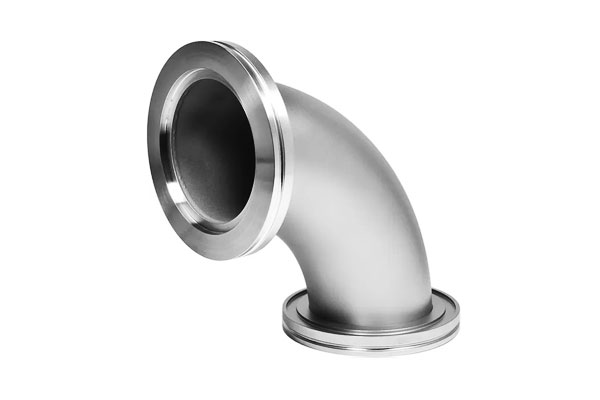
ความต้านทานการกัดกร่อน
ความต้านทานการกัดกร่อนเป็นปัจจัยที่สำคัญที่สุดประการหนึ่งในการเลือกใช้สแตนเลส.
ทั้งคู่ 18/8 และ 18/10 สแตนเลสให้การป้องกันการกัดกร่อนในชั้นบรรยากาศได้ดีเยี่ยม เนื่องจากทั้งสองมีโครเมียมเพียงพอที่จะสร้างฟิล์มพาสซีฟออกไซด์ที่เสถียร.
ในสภาพแวดล้อมปกติ, รวมถึงการใช้งานภายในอาคาร, การสัมผัสกับน้ำจืด, การสัมผัสอาหาร, และการใช้งานในอุตสาหกรรมทั่วไป, ความแตกต่างของความต้านทานการกัดกร่อนระหว่างวัสดุทั้งสองนั้นค่อนข้างเล็ก.
ทั้งสองสามารถรักษาอายุการใช้งานที่ยาวนานโดยไม่ต้องเคลือบป้องกัน.
อย่างไรก็ตาม, ปริมาณนิกเกิลที่สูงขึ้นของ 18/10 สแตนเลสให้ความมั่นคงเพิ่มเติมในสภาวะที่มีความต้องการมากขึ้น.
นิกเกิลช่วยเพิ่มความต้านทานต่อสารที่เป็นกรดบางชนิด, สารประกอบอินทรีย์, และการสัมผัสสารเคมีทำความสะอาดซ้ำๆ.
สิ่งนี้ทำให้ 18/10 สแตนเลสที่ได้เปรียบอย่างยิ่งในการใช้งาน เช่น เครื่องครัวระดับพรีเมียม, อุปกรณ์แปรรูปอาหาร, และระบบสุขาภิบาล.
| สิ่งแวดล้อม | 18/8 สแตนเลส | 18/10 สแตนเลส |
| บรรยากาศภายใน | ยอดเยี่ยม | ยอดเยี่ยม |
| สภาพแวดล้อมน้ำจืด | ยอดเยี่ยม | ยอดเยี่ยม |
| การใช้งานที่สัมผัสกับอาหาร | ยอดเยี่ยม | ยอดเยี่ยม |
| การสัมผัสกับอาหารที่เป็นกรด | ดีมาก | ดีขึ้นเล็กน้อย |
| การทำความสะอาดผงซักฟอกบ่อยๆ | ดีมาก | ดีกว่า |
| สภาพแวดล้อมสเปรย์เกลือ | ปานกลางถึงดี | ดี |
| สภาพแวดล้อมทางทะเลหรือที่อุดมด้วยคลอไรด์ | จำกัด | จำกัด (316 ที่แนะนำ) |
ความทนทานและสมรรถนะทางกล
ทั้งคู่ 18/8 และ 18/10 สแตนเลส อยู่ในตระกูลสเตนเลสออสเทนนิติกและโดยทั่วไปจะสอดคล้องกับ ส่วนประกอบสแตนเลสชนิด AISI 304.
สมรรถนะทางกลของพวกมันถูกกำหนดโดยโครงสร้างจุลภาคออสเทนนิติกเป็นหลัก, สภาพการทำงานที่เย็น, ขนาดเกรน, และกระบวนการผลิตมากกว่าปริมาณนิกเกิลเพียงอย่างเดียว.
ตารางต่อไปนี้แสดงช่วงคุณสมบัติทางกลโดยทั่วไปสำหรับการอบอ่อน 18/8 และ 18/10 สแตนเลส.
| คุณสมบัติเชิงกล | 18/8 สแตนเลส (AISI ทั่วไป 304) | 18/10 สแตนเลส (พรีเมี่ยม 304-Type) | ความสำคัญทางวิศวกรรม |
| ความต้านทานแรงดึง | 515–650 MPa | 520–680 เมกะปาสคาล | บ่งบอกถึงความต้านทานต่อแรงดึงและความล้มเหลวของโครงสร้าง |
| ความแข็งแรงของผลผลิต (0.2% ชดเชย) | ≥205เมกะปาสคาล | 210–250 เมกะปาสคาล | แสดงถึงความสามารถในการรับน้ำหนักก่อนการเสียรูปถาวร |
| การยืดตัวเมื่อหยุดพัก | 40–60% | 45–60% | บ่งบอกถึงความเหนียวและความสามารถในการขึ้นรูปที่ดีเยี่ยม |
| การลดพื้นที่ | 60–70% | 60–75% | สะท้อนถึงความต้านทานต่อการแตกหักระหว่างการเสียรูป |
| ความแข็งของบริเนล (HB) | 123–201 ฮบ | 130–210 ฮ | บ่งบอกถึงความต้านทานต่อการเยื้องและการสึกหรอ |
ความแข็งของร็อคเวลล์ |
HRB70-95 | ฮรบี75-95 | เหมาะสำหรับงานโครงสร้างทั่วไปและงานประดิษฐ์ |
| โมดูลัสยืดหยุ่น | 193 เกรดเฉลี่ย | 193 เกรดเฉลี่ย | กำหนดความแข็งภายใต้การโหลดแบบยืดหยุ่น |
| ทนต่อแรงกระแทกที่อุณหภูมิห้อง | >100 เจ (charpy v-notch, ทั่วไป) | >120 เจ (charpy v-notch, ทั่วไป) | แสดงให้เห็นถึงความต้านทานที่ดีเยี่ยมต่อแรงกระแทกอย่างกะทันหัน |
| ความแข็งแรงเมื่อยล้า (10⁷รอบ, โดยประมาณ) | 240–260 เมกะปาสคาล | 250–280 MPa | กำหนดความทนทานในระยะยาวภายใต้การโหลดแบบวนรอบ |
| ความหนาแน่น | 7.90–8.00 ก./ซม.³ | 7.90–8.00 ก./ซม.³ | บ่งบอกถึงลักษณะน้ำหนักที่คล้ายคลึงกัน |
ความต้านทานความร้อนและสมรรถนะทางความร้อน
เหล็กกล้าไร้สนิมออสเทนนิติกถูกนำมาใช้กันอย่างแพร่หลายในการใช้งานที่อุณหภูมิสูงเนื่องจากรักษาเสถียรภาพทางกลได้ดีกว่าเหล็กกล้าคาร์บอนหลายชนิด.
ทั้งคู่ 18/8 และ 18/10 สแตนเลสให้:
- ต้านทานการเกิดออกซิเดชันได้ดี.
- คุณสมบัติทางกลเสถียรที่อุณหภูมิสูงปานกลาง.
- ความต้านทานต่อการปั่นจักรยานด้วยความร้อน.
- มีความเสี่ยงต่ำที่จะเกิดความล้มเหลวเปราะระหว่างการเปลี่ยนแปลงอุณหภูมิ.
ปริมาณนิกเกิลที่สูงขึ้นของ 18/10 สแตนเลสช่วยเพิ่มความเสถียรของเฟสที่อุณหภูมิสูง, ช่วยให้สามารถรักษาโครงสร้างออสเทนนิติกได้อย่างน่าเชื่อถือมากขึ้นภายใต้ความเครียดจากความร้อน.
| ด้านประสิทธิภาพ | 18/8 สแตนเลส | 18/10 สแตนเลส |
| ความต้านทานต่อการเกิดออกซิเดชัน | ยอดเยี่ยม | ดีขึ้นเล็กน้อย |
| ความต้านทานการปั่นจักรยานด้วยความร้อน | ดีมาก | ยอดเยี่ยม |
| เสถียรภาพของโครงสร้างที่อุณหภูมิสูง | ดี | ปรับปรุงเล็กน้อย |
| อุณหภูมิการปรุงอาหารในครัวเรือน | ยอดเยี่ยม | ยอดเยี่ยม |
| การใช้งานที่อุณหภูมิสูงมาก | จำกัด | จำกัด (ต้องใช้โลหะผสมพิเศษ) |
สำหรับเครื่องครัวทั่วไป, อุปกรณ์อาหาร, และของใช้ในครัวเรือน, ความแตกต่างการต้านทานความร้อนระหว่างสองเกรดนั้นมีน้อยมาก.
อย่างไรก็ตาม, ในสภาพแวดล้อมทางอุตสาหกรรมที่เกี่ยวข้องกับการสัมผัสความร้อนเป็นเวลานาน, 18/10 สแตนเลสอาจให้ความน่าเชื่อถือที่ดีขึ้น.
ลักษณะพื้นผิวและคุณภาพการตกแต่ง
ลักษณะพื้นผิวเป็นพื้นที่หนึ่งที่มีความแตกต่างระหว่าง 18/8 และ 18/10 สแตนเลสจะสังเกตเห็นได้ชัดเจนยิ่งขึ้น.
นิกเกิลช่วยเพิ่มความสามารถของสแตนเลสให้มีความเรียบเนียน, สว่าง, และผิวสะท้อนแสงหลังการขัดเงา.
ส่งผลให้, 18/10 สแตนเลสมักถูกเลือกใช้สำหรับสินค้าพรีเมี่ยมที่มีรูปลักษณ์เป็นจุดขายที่สำคัญ.
18/10 โดยทั่วไปแล้วสแตนเลสจะให้:
- ความสว่างพื้นผิวที่สูงขึ้นหลังการขัดเงา.
- ทนต่อการเปลี่ยนสีได้ดีขึ้น.
- รูปลักษณ์โลหะที่ประณีตยิ่งขึ้น.
- ปรับปรุงการคงสภาพการตกแต่งไว้.
| ลักษณะพื้นผิว | 18/8 สแตนเลส | 18/10 สแตนเลส |
| ลักษณะโลหะตามธรรมชาติ | ดี | ยอดเยี่ยม |
| ประสิทธิภาพการขัดเงา | ดีมาก | ซูพีเรียร์ |
| การเก็บรักษาความเงางาม | ดี | ดีกว่า |
| ความต้านทานต่อการย้อมสีพื้นผิว | ดีมาก | ยอดเยี่ยม |
| รูปลักษณ์การตกแต่งระดับพรีเมียม | ดี | ที่ต้องการ |
นี่คือเหตุผลว่าทำไมผู้ผลิตเครื่องครัวระดับไฮเอนด์หลายราย, ผู้ผลิตเครื่องใช้บนโต๊ะอาหารที่หรูหรา, และนักออกแบบสถาปัตยกรรมชอบ 18/10 สแตนเลสเมื่อคุณภาพของภาพมีความสำคัญเท่ากับประสิทธิภาพทางกล.
5. 18/8 เทียบกับ 18/10 สแตนเลสในการใช้งานด้านอาหารและห้องครัว
การใช้งานด้านอาหารและห้องครัวถือเป็นตลาดผู้บริโภคที่ใหญ่ที่สุดแห่งหนึ่งสำหรับเหล็กกล้าไร้สนิม.
ผสมผสานการต้านทานการกัดกร่อน, สุขอนามัย, ความทนทาน, และความสวยงามทำให้สเตนเลสออสเทนนิติกเป็นวัสดุที่ต้องการสำหรับเครื่องครัว, มีด, อ่างล้างมือ, ภาชนะบรรจุอาหาร, และอุปกรณ์ครัวเชิงพาณิชย์.
ประสิทธิภาพด้านความปลอดภัยและสุขอนามัยของอาหาร
จากมุมมองด้านความปลอดภัยของอาหาร, ทั้งคู่ 18/8 และ 18/10 สแตนเลสให้ประสิทธิภาพที่ดีเยี่ยม.
พื้นผิวมีความหนาแน่น, ไม่มีรูพรุน, และทนทานต่อการสะสมของแบคทีเรีย, ทำให้เหมาะสำหรับการสัมผัสอาหารโดยตรง.
ชั้นพาสซีฟโครเมียมออกไซด์ช่วยป้องกันไอออนของโลหะไม่ให้เคลื่อนเข้าสู่อาหารได้ง่าย, ในขณะที่พื้นผิวสแตนเลสเรียบช่วยให้ทำความสะอาดและฆ่าเชื้อได้อย่างมีประสิทธิภาพ.
นี่คือเหตุผลว่าทำไมทั้งสองเกรดจึงมักใช้ในอุปกรณ์แปรรูปอาหารและเครื่องครัวในครัวเรือน.
ความแตกต่างระหว่างสองเกรดนี้ส่วนใหญ่เกี่ยวข้องกับความทนทานภายใต้การสัมผัสสารเคมีซ้ำๆ มากกว่าความปลอดภัยของอาหารขั้นพื้นฐาน.
18/10 สแตนเลส, ด้วยปริมาณนิกเกิลที่สูงกว่า, ให้ความต้านทานดีขึ้นเล็กน้อย:
- อาหารที่เป็นกรด เช่น มะเขือเทศ, ผลไม้รสเปรี้ยว, และซอสที่ใช้น้ำส้มสายชู.
- การสัมผัสกับผงซักฟอกและวงจรการล้างจานซ้ำๆ.
- การย้อมสีพื้นผิวที่เกิดจากแร่ธาตุและเศษอาหาร.
- การขัดและทำความสะอาดในระยะยาว.
สำหรับทำอาหารในครัวเรือนทั่วไป, ความแตกต่างในทางปฏิบัติมักมีขนาดเล็ก.
อย่างไรก็ตาม, ในครัวมืออาชีพซึ่งมีการทำความสะอาดอุปกรณ์หลายร้อยหรือหลายพันครั้งต่อปี, เสถียรภาพที่ดีขึ้นของ 18/10 สแตนเลสจะมีมูลค่ามากขึ้น.
ประสิทธิภาพของเครื่องครัว: การกระจายความร้อน, ความทนทาน, และรูปลักษณ์ภายนอก
ใน เครื่องครัว การผลิต, สแตนเลสมักจะรวมกับชั้นอลูมิเนียมหรือทองแดงเพื่อปรับปรุงการนำความร้อน เนื่องจากสแตนเลสเองมีค่าการนำความร้อนค่อนข้างต่ำ.
ชั้นสแตนเลสให้:
- ความต้านทานการกัดกร่อน.
- ความแข็งแรงของโครงสร้าง.
- ความปลอดภัยในการสัมผัสกับอาหาร.
- ความทนทานของพื้นผิว.
ความแตกต่างระหว่าง 18/8 และ 18/10 เครื่องครัวส่วนใหญ่สะท้อนให้เห็นในคุณภาพพื้นผิวและรูปลักษณ์ในระยะยาว.
| ปัจจัยด้านประสิทธิภาพ | 18/8 เครื่องครัวสแตนเลส | 18/10 เครื่องครัวสแตนเลส |
| ความปลอดภัยของอาหาร | ยอดเยี่ยม | ยอดเยี่ยม |
| ความต้านทานต่อการย้อมสี | ดีมาก | ยอดเยี่ยม |
| ความต้านทานต่ออาหารที่เป็นกรด | ดีมาก | ยอดเยี่ยม |
| ความทนทานของเครื่องล้างจาน | ดี-ดีเยี่ยม | ยอดเยี่ยม |
| ความสว่างพื้นผิว | ดี | ซูพีเรียร์ |
| ทนต่อการขีดข่วน | ดี | ดีขึ้นเล็กน้อย |
| คงรูปลักษณ์ระดับพรีเมียม | ดี | ยอดเยี่ยม |
| ค่าวัสดุ | ต่ำกว่า | สูงกว่า |
ผู้ผลิตเครื่องครัวระดับไฮเอนด์มักเลือก 18/10 สแตนเลสเพราะผู้บริโภคให้ความสำคัญกับคุณภาพระดับพรีเมียม, ลักษณะขัดเงา, และอายุการใช้งานยาวนาน.
การใช้งานช้อนส้อมและเครื่องใช้บนโต๊ะอาหาร
ช้อนส้อมเป็นหนึ่งในแอปพลิเคชั่นที่เป็นที่รู้จักมากที่สุดซึ่งมีความแตกต่างระหว่าง 18/8 และ 18/10 สแตนเลสจะสังเกตเห็นได้ชัดเจน.
สำหรับมีด, ส้อม, ช้อน, และอุปกรณ์เสิร์ฟ, ลักษณะภายนอกและความต้านทานการกัดกร่อนเป็นสิ่งสำคัญเนื่องจากผลิตภัณฑ์เหล่านี้ถูกล้างบ่อยครั้ง, สัมผัสกับเกลือ, และจัดการทุกวัน.
18/10 สแตนเลสมักเป็นที่นิยมสำหรับเครื่องใช้บนโต๊ะอาหารระดับพรีเมี่ยมเนื่องจากมีข้อเสนอ:
- พื้นผิวขัดมันสว่างและสะท้อนแสงมากขึ้น.
- ทนทานต่อจุดน้ำและการเปลี่ยนสีได้ดีขึ้น.
- ปรับปรุงความต้านทานต่อการสัมผัสเครื่องล้างจานในระยะยาว.
- รูปลักษณ์ที่หรูหรายิ่งขึ้น.
18/8 สแตนเลสยังคงเป็นทางเลือกที่เป็นประโยชน์สำหรับร้านอาหาร, ห้องครัวของสถาบัน, และผลิตภัณฑ์ในครัวเรือนที่ความคุ้มค่าเป็นสิ่งสำคัญ.
อุปกรณ์แปรรูปอาหารเชิงพาณิชย์
ในสภาพแวดล้อมการผลิตอาหารเชิงพาณิชย์, สแตนเลสจะต้องทนต่อความชื้นอย่างต่อเนื่อง, สารเคมีทำความสะอาด, การเปลี่ยนแปลงอุณหภูมิ, และความเครียดเชิงกล.
ทั้งคู่ 18/8 และ 18/10 สแตนเลสถูกนำมาใช้กันอย่างแพร่หลายสำหรับ:
- ถังเก็บน้ำ.
- พื้นผิวการเตรียมอาหาร.
- สายพานลำเลียง.
- อุปกรณ์ผสม.
- ระบบท่อ.
- เครื่องใช้ในครัวเชิงพาณิชย์.
อย่างไรก็ตาม, 18/10 สแตนเลสมักถูกเลือกใช้สำหรับอุปกรณ์สุขภัณฑ์ระดับพรีเมียม ซึ่งรูปลักษณ์และความต้านทานการกัดกร่อนต้องคงความเสถียรมานานหลายทศวรรษ.
สำหรับสภาพแวดล้อมการแปรรูปอาหารเชิงรุกที่เกี่ยวข้องกับสารละลายเกลือ, คลอไรด์, หรือสารเคมีที่รุนแรง, ไม่ใช่ทั้งสองอย่าง 18/8 ก็ไม่เช่นกัน 18/10 อาจจะเพียงพอแล้ว. ในกรณีเช่นนี้, 316 สแตนเลสที่มีโมลิบดีนัม โดยทั่วไปจะแนะนำ.
6. การเปรียบเทียบต้นทุน: เป็น 18/10 คุ้มค่ากับราคาพิเศษ?
ส่วนต่างราคาระหว่าง 18/8 และ 18/10 สแตนเลสส่วนใหญ่มาจากปริมาณนิกเกิลเพิ่มเติม.
นิกเกิลเป็นองค์ประกอบโลหะผสมที่มีราคาแพง, และเพิ่มปริมาณนิกเกิลจากประมาณ 8% ถึง 10% สามารถเพิ่มต้นทุนวัตถุดิบได้อย่างเห็นได้ชัด.
อย่างไรก็ตาม, ไม่ว่าจะเป็นต้นทุนที่สูงขึ้นของ 18/10 สแตนเลสมีความสมเหตุสมผลขึ้นอยู่กับการใช้งานเป็นอย่างมาก.
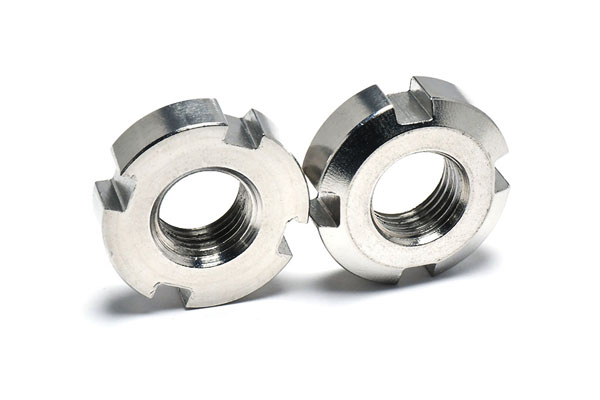
ความแตกต่างของต้นทุนวัสดุ
สภาวะตลาดโดยทั่วไปแสดงให้เห็นว่า 18/10 ผลิตภัณฑ์สแตนเลสอาจมีราคาประมาณ 5–อีก 20% กว่าจะเทียบเคียงได้ 18/8 สินค้า, ขึ้นอยู่กับประเภทผลิตภัณฑ์, กระบวนการผลิต, การวางตำแหน่งแบรนด์, และความผันผวนของราคานิกเกิล.
| ปัจจัยต้นทุน | 18/8 สแตนเลส | 18/10 สแตนเลส |
| ปริมาณนิกเกิล | ~8% | ~10% |
| ต้นทุนวัตถุดิบ | ต่ำกว่า | สูงกว่า |
| ต้นทุนการผลิต | คล้ายกัน | สูงขึ้นเล็กน้อย |
| การวางตำแหน่งผลิตภัณฑ์ | มาตรฐานถึงพรีเมี่ยม | พรีเมี่ยม |
| ราคาซื้อเบื้องต้น | ประหยัดมากขึ้น | มีราคาแพงกว่า |
โดยทั่วไปความแตกต่างมักจะสังเกตเห็นได้ชัดเจนในผลิตภัณฑ์อุปโภคบริโภค เช่น เครื่องครัวและเครื่องใช้บนโต๊ะอาหาร มากกว่าในส่วนประกอบทางอุตสาหกรรมซึ่งมีต้นทุนการแปรรูปและการตัดเฉือนเป็นสำคัญ.
การพิจารณาต้นทุนตลอดอายุการใช้งาน
แม้ว่า 18/10 สแตนเลสมีราคาเริ่มต้นที่สูงกว่า, ความเสถียรของพื้นผิวที่ดีขึ้นสามารถลดต้นทุนการเปลี่ยนและบำรุงรักษาในระยะยาวได้.
ตัวอย่างเช่น:
- เครื่องครัวระดับพรีเมียมอาจยังคงดูสวยงามได้นานหลายทศวรรษ.
- อุปกรณ์ครัวเชิงพาณิชย์อาจต้องการการเปลี่ยนน้อยลง.
- ส่วนประกอบสเตนเลสตกแต่งช่วยรักษารูปลักษณ์ให้ยาวนานขึ้น.
- สภาพแวดล้อมที่มีความสะอาดสูงจะได้รับประโยชน์จากการบำรุงรักษาที่ง่ายขึ้น.
ดังนั้น, ควรประเมินมูลค่าทางเศรษฐกิจที่แท้จริงตาม ค่าใช้จ่ายวงจรชีวิตทั้งหมด, ไม่ใช่แค่ราคาซื้อเท่านั้น.
วัสดุที่ราคาถูกกว่าซึ่งต้องมีการเปลี่ยนบ่อยครั้งอาจมีราคาสูงกว่าผลิตภัณฑ์สแตนเลสคุณภาพสูงกว่าและมีอายุการใช้งานยาวนานกว่า.
7. วิธีการระบุตัวตน 18/8 และ 18/10 สแตนเลส?
| วิธี | วิธีการดำเนินการ | มันเผยให้เห็นอะไร |
| การทดสอบแม่เหล็ก | วางแม่เหล็กไว้บนเหล็ก. | 18/8 และ 18/10 โดยพื้นฐานแล้วจะไม่ใช่แม่เหล็กในสภาวะอบอ่อน. ชิ้นส่วนงานเย็นอาจมีแม่เหล็กอ่อน. |
| สี/ลักษณะที่ปรากฏ | การตรวจสอบด้วยสายตา. | 18/10 (316) มักจะมีความสว่างมากขึ้น, เงางามมากกว่า 18/8 (304). |
| การทดสอบจุดเคมี | ใช้ชุดระบุสเตนเลสสตีลเชิงพาณิชย์. | ตรวจจับการมีอยู่ของโมลิบดีนัม (316) หรือปริมาณนิกเกิลที่สูงขึ้น. |
| การทดสอบประกายไฟ | บดเหล็กและสังเกตประกายไฟ. | 304 และ 316 ทำให้เกิดประกายไฟที่คล้ายกัน; ยากที่จะแยกแยะ. |
การวิเคราะห์ XRF |
ใช้เครื่องวิเคราะห์เอ็กซ์เรย์ฟลูออเรสเซนซ์แบบพกพา. | ให้การวิเคราะห์องค์ประกอบเชิงปริมาณ (Cr, ใน, โม). |
วิธีการที่เชื่อถือได้มากที่สุด: การวิเคราะห์ XRF ช่วยให้สามารถระบุองค์ประกอบของโลหะผสมได้อย่างชัดเจน. สำหรับสินค้าอุปโภคบริโภค, ตรวจสอบข้อกำหนดหรือการติดฉลากของผู้ผลิต.
8. การเปรียบเทียบที่ครอบคลุม: วิธีการเลือกระหว่าง 18/8 และ 18/10 สแตนเลส?
กำลังเลือกระหว่าง 18/8 และ 18/10 สแตนเลส ต้องมีการประเมินองค์ประกอบของโลหะผสมอย่างครอบคลุม, สภาพแวดล้อมการกัดกร่อน, ข้อกำหนดทางกล, ความคาดหวังจากรูปลักษณ์ภายนอก, อายุการใช้งาน, และต้นทุนการเป็นเจ้าของทั้งหมด.
ตารางต่อไปนี้เป็นการเปรียบเทียบอย่างมืออาชีพเพื่อช่วยกำหนดวัสดุที่เหมาะสมที่สุดสำหรับการใช้งานที่แตกต่างกัน.
| เกณฑ์การเลือก | 18/8 สแตนเลส | 18/10 สแตนเลส |
| ปริมาณนิกเกิล | ประมาณ 8% ใน | ประมาณ 10% ใน |
| ปริมาณโครเมียม | ประมาณ 18% Cr | ประมาณ 18% Cr |
| ความต้านทานการกัดกร่อนขั้นพื้นฐาน | เหมาะสำหรับสภาพแวดล้อมทั่วไป | ยอดเยี่ยมพร้อมความต้านทานที่ดีขึ้นเล็กน้อย |
| ความต้านทานต่ออาหารที่เป็นกรดและสารเคมี | ดีมาก; เหมาะสำหรับการสัมผัสอาหารตามปกติ | ซูพีเรียร์; ทนต่อการสัมผัสสารเคมีซ้ำ ๆ ได้ดีขึ้น |
| ความต้านทานต่อเกลือและคลอไรด์ | ดีในสภาพแวดล้อมที่ไม่รุนแรง; อาจถูกจำกัดภายใต้การสัมผัสเป็นเวลานาน | ปรับปรุงเล็กน้อยแต่ไม่เทียบเท่า 316 สแตนเลส |
| ความสว่างของพื้นผิวหลังการขัดเงา | เคลือบสะท้อนแสงอย่างดี | มีความเงางามมากขึ้นและสามารถขัดเงากระจกได้ดีขึ้น |
ความต้านทานต่อการย้อมสีและการเปลี่ยนสี |
ดี | ยอดเยี่ยม |
| ความแข็งแรงทางกล | ความต้านแรงดึงโดยทั่วไปอยู่ที่ 515–650 MPa | ความต้านแรงดึงโดยทั่วไปอยู่ที่ 520–680 MPa |
| ความเหนียวและการขึ้นรูป | การยืดตัวที่ดีเยี่ยม (40–60%) | ยอดเยี่ยม, ปรับปรุงเสถียรภาพการขึ้นรูปเล็กน้อย |
| ผลกระทบต่อความเหนียว | ยอดเยี่ยม, รวมถึงประสิทธิภาพที่อุณหภูมิต่ำ | ยอดเยี่ยม, พร้อมการคงสภาพความเหนียวที่เพิ่มขึ้นเล็กน้อย |
| ทนต่อการสึกหรอและรอยขีดข่วน | ดี; ดีขึ้นด้วยการทำงานแบบเย็น | ความทนทานพื้นผิวดีขึ้นเล็กน้อย |
| ทนความร้อน | เหมาะสำหรับการปรุงอาหารปกติและอุณหภูมิอุตสาหกรรม | ยอดเยี่ยม, มีเสถียรภาพทางความร้อนใกล้เคียงกัน |
ประสิทธิภาพด้านความปลอดภัยของอาหาร |
ยอดเยี่ยม; ได้รับการอนุมัติอย่างกว้างขวางสำหรับการสัมผัสอาหาร | ยอดเยี่ยม; เหมาะสำหรับการใช้งานด้านอาหารระดับพรีเมียม |
| ความทนทานของเครื่องล้างจาน | ดีถึงดีเยี่ยม | ยอดเยี่ยม |
| ต้นทุนการผลิต | ลดลงเนื่องจากปริมาณนิกเกิลลดลง | สูงขึ้นเนื่องจากมีนิกเกิลเพิ่มเติม |
| ค่าใช้จ่ายวงจรชีวิต | คุ้มค่าอย่างยิ่งในสภาพแวดล้อมระดับปานกลาง | มูลค่าระยะยาวที่ดีกว่าในการใช้งานที่มีความต้องการสูง |
| ข้อกำหนดด้านรูปลักษณ์ | เหมาะสำหรับสินค้ามาตรฐาน | ดีกว่าสำหรับสินค้าหรูหราและของตกแต่ง |
| แอปพลิเคชันทั่วไป | เครื่องครัวในครัวเรือน, อ่างล้างมือ, ภาชนะบรรจุอาหาร, ส่วนประกอบทางอุตสาหกรรมทั่วไป | เครื่องครัวระดับพรีเมียม, มีด, ห้องครัวเชิงพาณิชย์, อุปกรณ์ระดับไฮเอนด์ |
9. คำถามที่พบบ่อย
เป็น 18/10 สแตนเลสดีกว่า 18/8?
ใช่, 18/10 มีความต้านทานการกัดกร่อนที่เหนือกว่า, สุนทรียภาพที่ดีขึ้น, และความทนทานที่เพิ่มขึ้นเมื่อเทียบกับ 18/8. อย่างไรก็ตาม, 18/8 คุ้มค่ากว่าและเพียงพอสำหรับการใช้งานหลายอย่าง.
ตัวเลือกที่ "ดีกว่า" ขึ้นอยู่กับการใช้งาน.
เป็น 18/10 สแตนเลสแม่เหล็ก?
เลขที่. 18/10, ชอบ 18/8, เป็นออสเทนนิติกและโดยพื้นฐานแล้วไม่ใช่แม่เหล็กในสภาวะอบอ่อน. การทำงานที่เย็นสามารถกระตุ้นให้เกิดสนามแม่เหล็กอ่อนได้.
ฉันจะรู้ได้อย่างไรว่าเครื่องครัวของฉันอยู่หรือไม่ 18/8 หรือ 18/10?
ตรวจสอบฉลากของผู้ผลิต, บรรจุภัณฑ์, หรือรายละเอียดสินค้า. การทดสอบแม่เหล็กสามารถระบุถึงเหล็กกล้าไร้สนิมได้ (ไม่ใช่แม่เหล็ก) แต่ไม่สามารถแยกแยะระหว่าง 18/8 และ 18/10.
เป็น 18/10 เช่นเดียวกับ 316 สแตนเลส?
เลขที่, นี่เป็นความเข้าใจผิดที่พบบ่อยมาก. 316 สแตนเลสมีโมลิบดีนัม 2-3% และมีปริมาณนิกเกิลสูงกว่า, ทำให้มีความต้านทานต่อการเกิดรูพรุนของคลอไรด์ได้ดีขึ้นอย่างมาก.
18/10 ยังคงเป็นวัสดุเกรด 304 โดยไม่มีการเติมโมลิบดีนัมโดยเจตนา.
เมื่อไหร่ฉันจะต้องจ่ายเงินเพิ่ม 18/10 สแตนเลส?
ระบุ 18/10 สำหรับส่วนประกอบที่เจาะลึก, เครื่องครัวและเครื่องใช้บนโต๊ะอาหารระดับพรีเมี่ยม, อุปกรณ์แปรรูปอาหารและชิ้นส่วนที่ต้องขึ้นรูปเย็นอย่างรุนแรง.
สำหรับชิ้นส่วนโครงสร้างธรรมดา, การตกแต่งทางสถาปัตยกรรมและการประดิษฐ์ทั่วไป, มาตรฐาน 18/8 304 เป็นทางเลือกที่ประหยัดและเหมาะสมที่สุด.
10. บทสรุป
การเปรียบเทียบระหว่าง 18/8 และ 18/10 สแตนเลส แสดงให้เห็นว่าวัสดุทั้งสองเป็นโลหะผสมสแตนเลสประสิทธิภาพสูงและทนทานต่อการกัดกร่อนได้ดีเยี่ยม, ความน่าเชื่อถือทางกล, และความปลอดภัยในการสัมผัสกับอาหาร.
ความแตกต่างพื้นฐานอยู่ที่ปริมาณนิกเกิล.
นิกเกิลเพิ่มเติมเข้าไป 18/10 สแตนเลสช่วยเพิ่มเสถียรภาพของชั้นออกไซด์แบบพาสซีฟ, ช่วยเพิ่มรูปลักษณ์พื้นผิว, และให้ความต้านทานต่อการย้อมสีและการสัมผัสกับสิ่งแวดล้อมในระยะยาวได้ดีขึ้นเล็กน้อย.
ข้อดีเหล่านี้ทำให้เหมาะเป็นพิเศษสำหรับเครื่องครัวระดับพรีเมียม, ห้องครัวเชิงพาณิชย์, การใช้งานตกแต่ง, และผลิตภัณฑ์ที่รูปลักษณ์และความทนทานเป็นสิ่งสำคัญ.
สำหรับการใช้งานทั่วไป, 18-8 สแตนเลสให้คุณค่าและประสิทธิภาพที่โดดเด่น.
สำหรับผลิตภัณฑ์ระดับพรีเมียมและสภาพแวดล้อมที่มีความต้องการสูง ซึ่งรูปลักษณ์ภายนอกในระยะยาวและความต้านทานการกัดกร่อนที่เพิ่มขึ้นทำให้เกิดต้นทุนเพิ่มเติม, 18-10 สแตนเลสเป็นตัวเลือกที่ต้องการ.
ในที่สุด, การเลือกเกรดสแตนเลสที่ถูกต้องไม่ได้เกี่ยวกับการเลือกวัสดุที่มีราคาแพงที่สุด แต่เป็นการเลือกวัสดุที่ให้การผสมผสานประสิทธิภาพที่ดีที่สุด, ความน่าเชื่อถือ, และมูลค่าวงจรการใช้งานสำหรับแอปพลิเคชันเฉพาะ.

