1. การแนะนำ
จุดหลอมเหลวที่สมดุลของบริสุทธิ์ ไทเทเนียม (ของ) ที่ 1 บรรยากาศคือ 1668.0 องศาเซลเซียส (≈ 1941.15 เค, 3034.4 °F).
หมายเลขเดียวนั้นเป็นข้อมูลอ้างอิงที่สำคัญ, แต่สำหรับวิศวกรรมและการผลิต มันเป็นเพียงจุดเริ่มต้นเท่านั้น: ไทเทเนียมแสดงการเปลี่ยนแปลงแบบ allotropic α → β ที่ γ 882 องศาเซลเซียส;
โลหะผสมและสารเจือปนทำให้เกิดช่วงโซลิดัส/ของเหลวแทนที่จะเป็นจุดเดียว; และปฏิกิริยาเคมีที่รุนแรงของไทเทเนียมที่อุณหภูมิสูงทำให้ผู้ผลิตต้องละลายและจัดการในสภาพแวดล้อมที่สุญญากาศหรือเฉื่อย.
บทความนี้จะอธิบายจุดหลอมเหลวในแง่อุณหพลศาสตร์, แสดงให้เห็นว่าการผสมและการปนเปื้อนเปลี่ยนแปลงพฤติกรรมการหลอม/การแข็งตัวอย่างไร, ให้การประมาณการพลังงานหลอมเหลวในทางปฏิบัติและอธิบายเทคโนโลยีการหลอมอุตสาหกรรมและการควบคุมกระบวนการที่จำเป็นในการผลิตที่สะอาด, ผลิตภัณฑ์ไทเทเนียมและไทเทเนียมอัลลอยด์ประสิทธิภาพสูง.
2. จุดหลอมเหลวทางกายภาพของไทเทเนียมบริสุทธิ์
| ปริมาณ | ค่า |
| จุดหลอมเหลว (ติก็เช่นกัน, 1 ATM) | 1668.0 องศาเซลเซียส |
| จุดหลอมเหลว (เคลวิน) | 1941.15 เค (1668.0 + 273.15) |
| จุดหลอมเหลว (ฟาเรนไฮต์) | 3034.4 °F (1668.0 × 9/5 + 32) |
| การแปลงแบบออลทรอปิก (ก → ข) | ~882 องศาเซลเซียส (≈ 1155 เค) — การเปลี่ยนแปลงสถานะของแข็งที่สำคัญภายใต้การหลอมละลาย |
3. อุณหพลศาสตร์และจลนศาสตร์ของการหลอมละลาย
- คำจำกัดความทางอุณหพลศาสตร์: การหลอมละลายเป็นการเปลี่ยนเฟสลำดับที่หนึ่งซึ่งพลังงานอิสระของกิ๊บส์ของเฟสของแข็งและของเหลวมีค่าเท่ากัน.
สำหรับธาตุบริสุทธิ์ที่ความดันคงที่ นี่คืออุณหภูมิที่กำหนดไว้อย่างชัดเจน (จุดหลอมเหลว). - ความร้อนแฝง: พลังงานจะถูกดูดซับเป็นความร้อนแฝงของฟิวชันเพื่อทำลายลำดับผลึก; อุณหภูมิจะไม่เพิ่มขึ้นระหว่างการเปลี่ยนเฟสจนกว่าการหลอมละลายจะเสร็จสมบูรณ์.
- จลนพลศาสตร์และการระบายความร้อนอันเดอร์คูล: ในระหว่างการแข็งตัว ของเหลวอาจคงอยู่ต่ำกว่าจุดหลอมเหลวที่สมดุล (ของเหลว) อุณหภูมิ - การระบายความร้อนต่ำเกินไป — ซึ่งเปลี่ยนอัตราการเกิดนิวเคลียสและโครงสร้างจุลภาค (ขนาดเกรน, สัณฐานวิทยา).
ในทางปฏิบัติ, อัตราการทำความเย็น, ตำแหน่งที่เกิดนิวเคลียสและองค์ประกอบของโลหะผสมจะกำหนดเส้นทางการแข็งตัวและโครงสร้างจุลภาคขั้นสุดท้าย. - นิวเคลียสที่แตกต่างกับนิวเคลียสที่เป็นเนื้อเดียวกัน: ระบบจริงแข็งตัวขึ้นโดยนิวเคลียสต่างกัน (เกี่ยวกับสิ่งสกปรก, ผนังแม่พิมพ์, หรือหัวเชื้อ), ดังนั้นความสะอาดของกระบวนการและการออกแบบแม่พิมพ์จึงส่งผลต่อพฤติกรรมการแข็งตัวที่มีประสิทธิภาพ.
4. การแบ่งส่วนและพฤติกรรมของเฟสที่เกี่ยวข้องกับการหลอมละลาย
- อัน ↔ การเปลี่ยนแปลงβ: ไทเทเนียมมีโครงสร้างผลึกสองโครงสร้างในสถานะของแข็ง: บรรจุปิดหกเหลี่ยม (α-Ti) คงที่ที่อุณหภูมิต่ำและมีลูกบาศก์กลางร่างกาย (β-Ti) มั่นคงเหนือ β-การเปลี่ยนแปลง (~882 °C สำหรับ Ti บริสุทธิ์).
การเปลี่ยนแปลงแบบ allotropic นี้อยู่ต่ำกว่าจุดหลอมเหลวมาก แต่ส่งผลต่อพฤติกรรมเชิงกลและการวิวัฒนาการของโครงสร้างจุลภาคระหว่างการให้ความร้อนและความเย็น. - Implications: การมีอยู่ของเฟส α และ β หมายความว่าโลหะผสมไทเทเนียมจำนวนมากได้รับการออกแบบมาเพื่อใช้ประโยชน์จาก α, ก+ข, หรือฟิลด์เฟส β สำหรับความแรงที่ต้องการ, ความเหนียวและการตอบสนองในการประมวลผล.
β transus ควบคุมหน้าต่างการตี/การรักษาความร้อน และมีอิทธิพลต่อพฤติกรรมของโลหะผสมเมื่อเข้าใกล้การหลอมเหลวในระหว่างกระบวนการ เช่น การเชื่อมหรือการหลอมซ้ำ.
5. ผสมแค่ไหน, สิ่งเจือปนและความดันส่งผลต่อการหลอม/การแข็งตัว
- โลหะผสม: ชิ้นส่วนไทเทเนียมทางวิศวกรรมส่วนใหญ่เป็นโลหะผสม (Ti-6Al-4V, Ti-6Al-2Sn-4Zr-2Mo, ฯลฯ). โลหะผสมเหล่านี้แสดงให้เห็น ของแข็ง→ของเหลว ช่วงอุณหภูมิ; การผสมเพิ่มเติมบางอย่างจะเพิ่มหรือลดของเหลวและขยายช่วงการแช่แข็งให้กว้างขึ้น.
ช่วงการแช่แข็งที่กว้างขึ้นจะเพิ่มความไวต่อข้อบกพร่องในการหดตัว และทำให้การป้อนยากขึ้นในระหว่างการแข็งตัว. ใช้ข้อมูลโซลิดัส/ของเหลวเฉพาะโลหะผสมสำหรับค่าเซ็ตพอยต์ของกระบวนการเสมอ. - โฆษณาคั่นระหว่างหน้า & องค์ประกอบคนจรจัด: ออกซิเจน, ไนโตรเจนและไฮโดรเจนไม่ใช่ "ตัวเปลี่ยนจุดหลอมเหลว" ธรรมดาๆ แต่พวกมันส่งผลกระทบอย่างมากต่อคุณสมบัติทางกล (ออกซิเจนและไนโตรเจนเพิ่มความแข็งแกร่งแต่เปราะบาง).
ติดตามสารปนเปื้อน (เฟ, อัล, วี, ค, ฯลฯ) ส่งผลต่อการสร้างเฟสและพฤติกรรมการหลอมละลาย. สารปนเปื้อนที่ละลายได้ต่ำจำนวนเล็กน้อยสามารถสร้างความผิดปกติในการหลอมละลายเฉพาะที่ได้. - ความดัน: ความดันสูงทำให้จุดหลอมเหลวเพิ่มขึ้นเล็กน้อย (ความสัมพันธ์แบบคลาเปรอง). การหลอมไทเทเนียมทางอุตสาหกรรมทำได้ใกล้กับชั้นบรรยากาศหรือภายใต้สุญญากาศ/ก๊าซเฉื่อย;
แรงกดดันในการแข็งตัว (เช่น, ในการหล่อด้วยแรงดัน) ไม่เปลี่ยนแปลงอุณหภูมิหลอมเหลวพื้นฐานอย่างมีนัยสำคัญ แต่อาจส่งผลต่อการก่อตัวของข้อบกพร่องได้.
6. ช่วงการหลอมของโลหะผสมไทเทเนียมทั่วไป
ด้านล่างมีความสะอาด, การแสดงตารางที่เน้นด้านวิศวกรรม การละลายทั่วไป (ของแข็ง→ของเหลว) ช่วงสำหรับโลหะผสมไทเทเนียมที่ใช้กันทั่วไป.
ค่านิยมคือ ช่วงทั่วไปโดยประมาณ ใช้สำหรับการวางแผนกระบวนการและการเปรียบเทียบโลหะผสม — ตรวจสอบเสมอ พร้อมใบรับรองการวิเคราะห์ของซัพพลายเออร์โลหะผสมหรือด้วยการวิเคราะห์เชิงความร้อน (ดีเอสซี / เส้นโค้งการระบายความร้อน) สำหรับค่าเซ็ตพอยต์การหลอม/การประมวลผลที่แน่นอนของแบทช์เฉพาะ.
| แม็ก (ชื่อสามัญ / ระดับ) | ช่วงการหลอมละลาย (องศาเซลเซียส) | ช่วงการหลอมละลาย (°F) | ช่วงการหลอมละลาย (เค) | หมายเหตุทั่วไป |
| ไทเทเนียมบริสุทธิ์ (ของ) | 1668.0 | 3034.4 | 1941.15 | การอ้างอิงองค์ประกอบ (การหลอมละลายจุดเดียว). |
| Ti-6Al-4V (ระดับ 5) | 1604 - 1660 | 2919.2 - 3020.0 | 1877.15 - 1933.15 | อัลลอยด์ α+β ที่ใช้กันอย่างแพร่หลาย; โซลิดัสทั่วไป → ของเหลวที่ใช้สำหรับการแปรรูป. |
| Ti-6Al-4V ELI (ระดับ 23) | 1604 - 1660 | 2919.2 - 3020.0 | 1877.15 - 1933.15 | ตัวแปร ELI พร้อมการควบคุมโฆษณาคั่นระหว่างหน้าที่เข้มงวดยิ่งขึ้น; ช่วงการหลอมละลายที่คล้ายกัน. |
| Ti-3Al-2.5V (ระดับ 9) | 1590 - 1640 | 2894.0 - 2984.0 | 1863.15 - 1913.15 | อัลลอยด์ α+β ที่มีของเหลวค่อนข้างต่ำกว่า Ti-6Al-4V. |
| Ti-5Al-2.5Sn (ระดับ 6) | 1585 - 1600 | 2885.0 - 2912.0 | 1858.15 - 1873.15 | โลหะผสมใกล้-α; มักกล่าวถึงช่วงการหลอมละลายที่แคบ. |
Ti-6Al-2Sn-4Zr-2Mo (ออฟ-6-2-4-2 / Ti-6242) |
1680 - 1705 | 3056.0 - 3101.0 | 1953.15 - 1978.15 | โลหะผสม α+β อุณหภูมิสูงที่ใช้ในการบินและอวกาศ; liquidus สูงกว่า Ti-6Al-4V. |
| Ti-6Al-2Sn-4Zr-6Mo (แวเรียนต์ที่มีความเสถียร β) | 1690 - 1720 | 3074.0 - 3128.0 | 1963.15 - 1993.15 | เคมีที่มีความเสถียร β เข้มข้น — คาดว่าหน้าต่างการหลอมเหลวจะสูงขึ้น. |
| Ti-15V-3Cr-3Al-3Sn (ที-15-3) | 1575 - 1640 | 2867.0 - 2984.0 | 1848.15 - 1913.15 | ตระกูล β-ไทเทเนียม — โซลิดัสต่ำกว่าในบางองค์ประกอบ; ใช้ในบริเวณที่ต้องการความแข็งแรงสูง. |
| Ti-10V-2Fe-3Al (Ti-10-2-3) | 1530 - 1600 | 2786.0 - 2912.0 | 1803.15 - 1873.15 | โลหะผสมชนิด β ที่มีโซลิดัสค่อนข้างต่ำสำหรับองค์ประกอบบางอย่าง. |
| Ti-8Al-1Mo-1V (Ti-811) | 1580 - 1645 | 2876.0 - 2993.0 | 1853.15 - 1918.15 | โลหะผสม α+β ใช้ในงานโครงสร้าง; ช่วงการหลอมละลายอาจแตกต่างกันไปตามคุณสมบัติทางเคมี. |
7. วิธีการหลอมและการถลุงไทเทเนียมทางอุตสาหกรรม
เนื่องจากไทเทเนียมมีปฏิกิริยาทางเคมีที่อุณหภูมิสูง, การหลอมและการหลอมซ้ำต้องใช้เทคโนโลยีและบรรยากาศพิเศษเพื่อหลีกเลี่ยงการปนเปื้อนและการเปราะ.
วิธีการทางอุตสาหกรรมทั่วไป
- ส่วนโค้งสูญญากาศ remelting (ของเรา): อิเล็กโทรดสิ้นเปลืองหลอมใหม่ภายใต้สุญญากาศ; ใช้กันอย่างแพร่หลายในการปรับแต่งเคมีและขจัดสิ่งเจือปนในแท่งโลหะคุณภาพสูง.
- ลำแสงอิเล็กตรอน (อีบี) ละลาย: ดำเนินการภายใต้สุญญากาศสูง; ให้การหลอมเหลวที่สะอาดอย่างยิ่ง และใช้สำหรับแท่งโลหะที่มีความบริสุทธิ์สูงและการผลิตวัตถุดิบตั้งต้นสำหรับการผลิตสารเติมแต่ง.
- การหลอมละลายของพลาสมาอาร์ค / เตาพลาสม่า: ระบบพลาสมาบรรยากาศแบบสุญญากาศหรือแบบควบคุมใช้สำหรับการผลิตและการถมโลหะผสม.
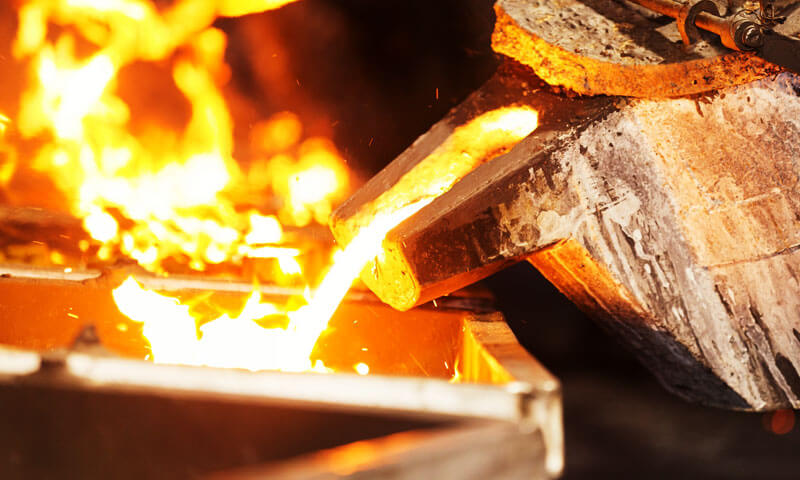
- การเหนี่ยวนำให้กะโหลกศีรษะละลาย (ไอเอสเอ็ม, กะโหลกศีรษะละลาย): ใช้กระแสไฟฟ้าเหนี่ยวนำเพื่อหลอมโลหะภายในขดลวดทองแดงที่ระบายความร้อนด้วยน้ำ; “กระโหลก” แข็งบางของโลหะก่อตัวขึ้นและป้องกันการหลอมจากการปนเปื้อนของเบ้าหลอม ซึ่งมีประโยชน์สำหรับโลหะที่เกิดปฏิกิริยารวมถึงไทเทเนียม.
- เตาเย็นละลาย / อิเล็กโทรดสิ้นเปลือง EB หรือ VAR สำหรับฟองน้ำและเศษไทเทเนียม: ช่วยให้สามารถกำจัดการรวมที่มีความหนาแน่นสูงและควบคุมองค์ประกอบคนจรจัด.
- การผลิตผง (การทำให้เป็นแก๊ส) สำหรับน: สำหรับการผลิตโลหะผงและการผลิตสารเติมแต่ง, การหลอมใหม่และการทำให้เป็นอะตอมของแก๊สจะดำเนินการในบรรยากาศเฉื่อยเพื่อสร้างทรงกลม, ผงออกซิเจนต่ำ.
- การหล่อการลงทุน: ต้องใช้แม่พิมพ์เซรามิก (ทนต่ออุณหภูมิ 2000°C+) และไทเทเนียมหลอมเหลวที่ 1,700–1,750 ℃. จุดหลอมเหลวที่สูงจะทำให้ต้นทุนแม่พิมพ์และรอบเวลาเพิ่มขึ้น, จำกัดการหล่อให้เล็กลง, ส่วนประกอบที่ซับซ้อน.
ทำไมต้องมีบรรยากาศสุญญากาศ/เฉื่อย?
- ไทเทเนียมทำปฏิกิริยาอย่างรวดเร็วกับออกซิเจน, ไนโตรเจนและไฮโดรเจนที่อุณหภูมิสูง; ปฏิกิริยาเหล่านั้นทำให้เกิดเฟสที่ทำให้ออกซิเจน/ไนโตรเจนเสถียร (เปราะ), การเปราะ, และการปนเปื้อนอย่างร้ายแรง.
ละลายเข้า. สุญญากาศหรืออาร์กอนที่มีความบริสุทธิ์สูง ป้องกันปฏิกิริยาเหล่านี้และรักษาคุณสมบัติทางกล.
8. การประมวลผลความท้าทายและการบรรเทาผลกระทบ
ปฏิกิริยาและการปนเปื้อน
- ออกซิเดชันและไนไตรเดชัน: ที่อุณหภูมิหลอมละลาย ไทเทเนียมจะมีความหนา, สารยึดเกาะออกไซด์และไนไตรด์; สารประกอบเหล่านี้ลดความเหนียวและเพิ่มจำนวนการรวม.
การบรรเทาผลกระทบ: ละลายภายใต้สุญญากาศ/ก๊าซเฉื่อย; ใช้การละลายของกะโหลกศีรษะหรือฟลักซ์ป้องกันในกระบวนการพิเศษ. - การดูดซับไฮโดรเจน: ทำให้เกิดรูพรุนและเปราะ (การก่อตัวของไฮไดรด์). การบรรเทาผลกระทบ: วัสดุประจุแห้ง, การละลายสูญญากาศ, และควบคุมบรรยากาศเตาหลอม.
- องค์ประกอบคนจรจัด (เฟ, ลูกบาศ์ก, อัล, ฯลฯ): เศษที่ไม่สามารถควบคุมได้อาจทำให้เกิดองค์ประกอบที่ก่อตัวเป็นอินเตอร์เมทัลลิกที่เปราะหรือเปลี่ยนช่วงการหลอมเหลว — ใช้การควบคุมเศษที่เข้มงวดและการตรวจสอบเชิงวิเคราะห์ (สศส).
ปัญหาด้านความปลอดภัย
- ไฟไหม้ไทเทเนียมหลอมเหลว: ไทเทเนียมหลอมเหลวทำปฏิกิริยาอย่างรุนแรงกับออกซิเจนและสามารถเผาไหม้ได้; การสัมผัสน้ำอาจทำให้เกิดปฏิกิริยาไอน้ำที่ระเบิดได้.
จำเป็นต้องมีการฝึกอบรมพิเศษและขั้นตอนที่เข้มงวดในการจัดการ, การเทและการตอบสนองต่อเหตุฉุกเฉิน. - การระเบิดของฝุ่น: ผงไทเทเนียมเป็นแบบ pyrophoric; การจัดการผงโลหะต้องใช้อุปกรณ์ป้องกันการระเบิด, สายดิน, และอุปกรณ์ป้องกันส่วนบุคคลโดยเฉพาะ.
- อันตรายจากควัน: การแปรรูปที่อุณหภูมิสูงอาจทำให้เกิดควันอันตรายได้ (ไอระเหยของออกไซด์และโลหะผสม); ใช้การสกัดควันและการตรวจสอบก๊าซ.
9. การวัดและการควบคุมคุณภาพของการหลอมและการแข็งตัว
- การวิเคราะห์เชิงความร้อน (ดีเอสซี/ดีทีเอ): การวัดค่าความร้อนด้วยการสแกนดิฟเฟอเรนเชียลและการวิเคราะห์การจับความร้อนจะวัดโซลิดัสและของเหลวของโลหะผสมได้อย่างแม่นยำ และสนับสนุนการควบคุมจุดหลอมเหลวและการหล่อ.
- ไพโรเมทรี & เทอร์โมคัปเปิล: ใช้เซ็นเซอร์ที่เหมาะสม; แก้ไขการแผ่รังสีและออกไซด์ของพื้นผิวเมื่อใช้ไพโรมิเตอร์. เทอร์โมคัปเปิลจะต้องได้รับการปกป้อง (แขนทนไฟ) และปรับเทียบแล้ว.
- การวิเคราะห์ทางเคมี: สศส (สเปกโตรมิเตอร์การปล่อยแสง) และเครื่องวิเคราะห์ LECO/O/N/H จำเป็นต่อการติดตามออกซิเจน, ปริมาณไนโตรเจนและไฮโดรเจนและเคมีโดยรวม.
- การทดสอบแบบไม่ทำลาย: เอ็กซ์เรย์, อัลตราโซนิคและโลหะวิทยาเพื่อตรวจสอบสิ่งเจือปน, ความพรุนและการแยกตัว.
สำหรับส่วนประกอบที่สำคัญ, การทดสอบโครงสร้างจุลภาคและสมบัติทางกลเป็นไปตามมาตรฐาน (มาตรฐาน ASTM, เอเอ็มเอส, ไอเอสโอ). - การบันทึกกระบวนการ: บันทึกระดับสูญญากาศของเตาหลอม, โปรไฟล์อุณหภูมิหลอมเหลว, กำลังไฟฟ้าเข้าและความบริสุทธิ์ของอาร์กอนเพื่อรักษาความสามารถในการตรวจสอบย้อนกลับและการทำซ้ำ.
10. การวิเคราะห์เปรียบเทียบกับโลหะและโลหะผสมอื่นๆ
ข้อมูลนี้เป็นค่าทางอุตสาหกรรมที่เป็นตัวแทนซึ่งเหมาะสำหรับการเปรียบเทียบทางเทคนิคและการเลือกกระบวนการ.
| วัสดุ | จุดหลอมเหลวทั่วไป / พิสัย (องศาเซลเซียส) | จุดหลอมเหลว / พิสัย (°F) | จุดหลอมเหลว / พิสัย (เค) | ลักษณะสำคัญและผลกระทบทางอุตสาหกรรม |
| ไทเทเนียมบริสุทธิ์ (ของ) | 1668 | 3034 | 1941 | จุดหลอมเหลวสูงรวมกับความหนาแน่นต่ำ; อัตราส่วนความแข็งแรงต่อน้ำหนักที่ดีเยี่ยม; ต้องการบรรยากาศสุญญากาศหรือเฉื่อยเนื่องจากมีปฏิกิริยาสูงที่อุณหภูมิสูง. |
| โลหะผสมไทเทเนียม (เช่น, Ti-6Al-4V) | 1600–1660 | 2910–3020 | 1873–1933 | ช่วงการหลอมเหลวต่ำกว่า Ti บริสุทธิ์เล็กน้อย; ความแข็งแรงที่อุณหภูมิสูงและความต้านทานการกัดกร่อนที่เหนือกว่า; ใช้กันอย่างแพร่หลายในด้านการบินและอวกาศและการแพทย์. |
| เหล็กกล้าคาร์บอน | 1370–1540 | 2500–2800 | 1643–1813 | จุดหลอมเหลวที่ต่ำกว่า; หล่อและเชื่อมได้ดี; หนักกว่าและทนต่อการกัดกร่อนน้อยกว่าไททาเนียม. |
| สแตนเลส (304 / 316) | 1375–1450 | 2507–2642 | 1648–1723 | ช่วงการหลอมละลายปานกลาง; ทนต่อการกัดกร่อนได้ดีเยี่ยม; ความหนาแน่นที่สูงขึ้นอย่างมีนัยสำคัญจะทำให้น้ำหนักของโครงสร้างเพิ่มขึ้น. |
อลูมิเนียม (บริสุทธิ์) |
660 | 1220 | 933 | จุดหลอมเหลวต่ำมาก; ความสามารถในการหล่อและการนำความร้อนที่ดีเยี่ยม; ไม่เหมาะสำหรับงานโครงสร้างที่มีอุณหภูมิสูง. |
| อลูมิเนียมอัลลอยด์ (เช่น, ADC12) | 560–610 | 1040–1130 | 833–883 | ช่วงการหลอมเหลวแคบเหมาะสำหรับการหล่อแบบตายตัว; ต้นทุนพลังงานต่ำ; ความแข็งแรงที่อุณหภูมิสูงจำกัด. |
| ทองแดง | 1085 | 1985 | 1358 | จุดหลอมเหลวสูงระหว่างโลหะที่ไม่ใช่เหล็ก; การนำไฟฟ้าและความร้อนที่ดีเยี่ยม; หนักและแพงสำหรับโครงสร้างขนาดใหญ่. |
| ซุปเปอร์อัลลอย | 1300–1450 | 2370–2640 | 1573–1723 | ออกแบบมาสำหรับอุณหภูมิที่สูงมาก; ความต้านทานการคืบและการเกิดออกซิเดชันที่เหนือกว่า; ยากและมีราคาแพงในการดำเนินการ. |
| โลหะผสมแมกนีเซียม | 595–650 | 1100–1200 | 868–923 | ความหนาแน่นต่ำมาก; จุดหลอมเหลวต่ำ; ความเสี่ยงจากการติดไฟในระหว่างการหลอมจำเป็นต้องมีการควบคุมกระบวนการที่เข้มงวด. |
11. ความหมายเชิงปฏิบัติสำหรับการออกแบบ, การแปรรูปและการรีไซเคิล
- ออกแบบ: จุดหลอมเหลวทำให้ไทเทเนียมในการใช้งานโครงสร้างที่อุณหภูมิสูง, แต่การออกแบบต้องคำนึงถึงต้นทุนและข้อจำกัดในการเข้าร่วมด้วย (การเชื่อมและการยึดเชิงกล).
- กำลังประมวลผล: การละลาย, การคัดเลือกนักแสดง, การเชื่อมและการผลิตสารเติมแต่งล้วนต้องมีการควบคุมบรรยากาศและการควบคุมวัสดุอย่างระมัดระวัง.
สำหรับชิ้นส่วนหล่อ, การหล่อการลงทุนแบบสุญญากาศหรือการหล่อแบบแรงเหวี่ยงในบรรยากาศเฉื่อยจะใช้เมื่อจำเป็น. - การรีไซเคิล: การรีไซเคิลเศษไทเทเนียมนั้นทำได้จริง แต่ต้องมีการแยกและแปรรูปใหม่ (ของเรา, อีบี) เพื่อกำจัดองค์ประกอบจรจัดและควบคุมระดับออกซิเจน/ไนโตรเจน.
12. บทสรุป
จุดหลอมเหลวของไทเทเนียม (1668.0 องศาเซลเซียส (≈ 1941.15 เค, 3034.4 °F) สำหรับไทเทเนียมบริสุทธิ์) เป็นคุณสมบัติพื้นฐานที่มีรากฐานมาจากโครงสร้างอะตอมและพันธะโลหะที่แข็งแกร่ง, กำหนดบทบาทเป็นวัสดุวิศวกรรมประสิทธิภาพสูง.
ความบริสุทธิ์, องค์ประกอบการผสม, และความดันจะเปลี่ยนพฤติกรรมการหลอมละลายของมัน, ช่วยให้สามารถออกแบบโลหะผสมไทเทเนียมที่เหมาะกับการใช้งานที่หลากหลาย ตั้งแต่การปลูกถ่ายทางการแพทย์ที่เข้ากันได้ทางชีวภาพไปจนถึงส่วนประกอบการบินและอวกาศที่มีอุณหภูมิสูง.
ในขณะที่จุดหลอมเหลวที่สูงของไทเทเนียมทำให้เกิดความท้าทายในการประมวลผล (ต้องใช้เทคโนโลยีการหลอมและการเชื่อมแบบพิเศษ), มันยังให้บริการในสภาพแวดล้อมที่โลหะน้ำหนักเบา (อลูมิเนียม, แมกนีเซียม) ล้มเหลว.
การวัดจุดหลอมเหลวที่แม่นยำ (ผ่านทางดีเอสซี, แฟลชเลเซอร์, หรือวิธีต้านทานไฟฟ้า) และความเข้าใจที่ชัดเจนเกี่ยวกับปัจจัยที่มีอิทธิพลถือเป็นสิ่งสำคัญในการเพิ่มประสิทธิภาพการประมวลผลไทเทเนียม, รับประกันความสมบูรณ์ของวัสดุ, และเพิ่มประสิทธิภาพสูงสุด.
คำถามที่พบบ่อย
การผสมจะเปลี่ยนแปลงจุดหลอมเหลวของไทเทเนียมอย่างมีนัยสำคัญหรือไม่?
ใช่. การแสดงโลหะผสมไทเทเนียม ช่วงของแข็ง/ของเหลว แทนที่จะเป็นจุดหลอมเหลวจุดเดียว.
โลหะผสมบางชนิดจะละลายต่ำกว่าหรือสูงกว่าธาตุเล็กน้อยขึ้นอยู่กับองค์ประกอบ. ใช้ข้อมูลเฉพาะโลหะผสมสำหรับการประมวลผล.
เป็นแม่เหล็กไทเทเนียม?
เลขที่. ไทเทเนียมบริสุทธิ์และโลหะผสมไทเทเนียมทั่วไปไม่ใช่เฟอร์โรแมกเนติก; พวกมันเป็นแบบพาราแมกเนติกอ่อน (ความไวต่อแม่เหล็กเชิงบวกต่ำมาก), ดังนั้นพวกมันจึงถูกดึงดูดเข้าสู่สนามแม่เหล็กโดยประมาทเท่านั้น.
ไทเทเนียมเป็นสนิมหรือไม่?
ไม่ — ไทเทเนียมไม่ “เป็นสนิม” ในความหมายของเหล็กออกไซด์. ไทเทเนียมต้านทานการกัดกร่อนเพราะมันจะเกิดความบางอย่างรวดเร็ว, สานุศิษย์, ไทเทเนียมออกไซด์ที่รักษาตัวเองได้ (TiO₂) ฟิล์มพาสซีฟที่ช่วยปกป้องโลหะจากการเกิดออกซิเดชันเพิ่มเติม.
ทำไมไทเทเนียมจึงต้องละลายในสุญญากาศหรือก๊าซเฉื่อย?
เนื่องจากไทเทเนียมหลอมเหลวทำปฏิกิริยาอย่างแรงกับออกซิเจน, ไนโตรเจนและไฮโดรเจน. ปฏิกิริยาเหล่านั้นก่อให้เกิดสารประกอบเปราะและสารรวมที่ทำให้คุณสมบัติทางกลลดลง.
วิธีการหลอมแบบใดที่เหมาะกับไทเทเนียมเกรดการบินและอวกาศ?
โดยทั่วไปแล้วไทเทเนียมการบินและอวกาศที่มีความบริสุทธิ์สูงจะผลิตโดย ของเรา (การหลอมอาร์คสุญญากาศ) หรือ อีบี (ลำแสงอิเล็กตรอน) การละลาย เพื่อควบคุมเคมีและสารเจือปน.
สำหรับวัตถุดิบในการผลิตสารเติมแต่ง, การละลายของ EB และการทำให้เป็นอะตอมของแก๊สในบรรยากาศที่มีการควบคุมเป็นเรื่องปกติ.
ต้องใช้พลังงานเท่าใดในการหลอมไทเทเนียม?
การประมาณค่าทางทฤษฎีคร่าวๆ (ในอุดมคติ, ไม่มีการสูญเสีย) เป็น µ1.15 เมกะจูล ต่อ กก เพื่อให้ความร้อน 1 กิโลกรัมจาก 25 °C เป็นของเหลวที่ 1668 องศาเซลเซียส (โดยใช้ซีพี อยู่ที่ 520 J·kg⁻¹·K⁻¹ และความร้อนแฝง data 297 กิโลเจ·กก.⁻¹).
การใช้พลังงานที่แท้จริงสูงขึ้นเนื่องจากการสูญเสียและความไร้ประสิทธิภาพของอุปกรณ์.