1. การแนะนำ
เรา C83600 (เรียกกันทั่วไปว่า ตะกั่วทองเหลืองแดง, “85-5-5-5”) และองค์การสหประชาชาติ C85800 (ตะกั่วทองเหลืองเหลือง) เป็นโลหะผสมทองแดงหล่อมาตรฐานสองชนิดที่ใช้กันอย่างแพร่หลายสำหรับวาล์ว, ปั๊ม, อุปกรณ์และการหล่อทางวิศวกรรมทั่วไป.
นำเสนอข้อดีข้อเสียที่ต่างกันซึ่งขับเคลื่อนการเลือกโลหะผสม:
- C83600: มีปริมาณทองแดงและดีบุกสูง, ผู้นำที่สำคัญ (~4–6%) เพื่อการแปรรูปที่ดีเยี่ยมและทนทานต่อการกัดกร่อนทั่วไปได้ดี; ในอดีตนิยมใช้กับตัววาล์วและการหล่อด้วยเครื่องจักรหนัก.
- C85800: สังกะสีที่สูงขึ้น (เคมีทองเหลืองเหลือง), ตะกั่วที่ต่ำกว่า (≤1.5%), ผลผลิตการหล่อที่สูงขึ้นและการควบคุมขนาดที่ดีขึ้นสำหรับการหล่อแบบบางหรือแบบแม่นยำ (แม่พิมพ์ถาวร / การใช้งานแบบหล่อ).
มีความแข็งแรงเมื่อหล่อดี แต่ต้องให้ความสนใจกับความเสี่ยงในการตกตะกอนในน้ำที่รุนแรง.
บทความนี้จะอธิบายโลหะผสมทั้งสองอย่างเจาะลึก (องค์ประกอบ, โลหะวิทยา, พฤติกรรมการหล่อและการตัดเฉือน, รายละเอียดการกัดกร่อน, การใช้งาน), ให้ข้อมูลเปรียบเทียบ, และให้คำแนะนำการเลือกปฏิบัติ.
2. UNS C83600 คืออะไร?
ยูเอส C83600, ได้รับการยอมรับทางประวัติศาสตร์ว่าเป็น ตะกั่วแดง ทองเหลือง และเรียกขานกันทั่วไปว่า 85-5-5-5, ทำหน้าที่เป็นโลหะผสมพื้นฐานสำหรับอุตสาหกรรมหล่อทองแดง.
การกำหนดได้มาจากองค์ประกอบที่ระบุ: 85% ทองแดง, 5% ดีบุก, 5% ตะกั่ว, และ 5% สังกะสี.
จัดอยู่ในตระกูลทองเหลืองแดง, C83600 โดดเด่นด้วยเฉดสีบรอนซ์แดงเข้มและความสามารถรอบด้านที่โดดเด่น.
เป็นตัวเลือกหลักสำหรับวิศวกรที่ต้องการโปรไฟล์ที่สมดุลและมีความแข็งแกร่งปานกลาง, ความเหนียวสูง, และความรัดกุมของแรงกดดันเป็นพิเศษ, ทำให้เป็น "มาตรฐานทองคำ" สำหรับส่วนประกอบในการจัดการของเหลว.
คุณสมบัติ
จุดเด่นของ UNS C83600 คือ ความสามารถในการหล่อและความน่าเชื่อถือที่เหนือกว่า. แตกต่างจากโลหะผสมทองแดงอื่นๆ, มีช่วงการเยือกแข็งที่แคบ, ซึ่งช่วยลดความเสี่ยงของข้อบกพร่องในการหดตัว.
การปรากฏตัวของ 5% ตะกั่วไม่ได้มีไว้สำหรับความสามารถในการแปรรูปเท่านั้น; มันทำหน้าที่เป็น "ยาแนวโครงสร้างจุลภาค",” เติมช่องว่างขนาดเล็กมากในระหว่างการแข็งตัวเพื่อให้แน่ใจว่าวัสดุยังคงรับแรงกดภายใต้สภาวะความเค้นสูง.
นอกจากนี้, มีการนำความร้อนที่ดีเยี่ยมและรักษาความสมบูรณ์ทางกลที่อุณหภูมิสูงถึง 450°F (232องศาเซลเซียส), ช่วยให้สามารถทำงานได้อย่างน่าเชื่อถือในสภาพแวดล้อมที่มีไอน้ำและน้ำร้อน.
องค์ประกอบทางเคมี
เพื่อรักษามาตรฐานการปฏิบัติงานที่เชื่อถือได้, UNS C83600 ต้องปฏิบัติตามข้อจำกัดองค์ประกอบที่เข้มงวดตามที่กำหนดโดยข้อกำหนด ASTM B505 และ B62.
| องค์ประกอบ | เปอร์เซ็นต์น้ำหนัก (%) | บทบาทในด้านโลหะวิทยา |
| ทองแดง (ลูกบาศ์ก) | 84.0 - 86.0 | โลหะฐาน; ให้ความต้านทานการกัดกร่อนและสี. |
| ดีบุก (ส) | 4.0 - 6.0 | เพิ่มความแข็ง, ความแข็งแกร่ง, และความต้านทานต่อน้ำทะเล. |
| ตะกั่ว (PB) | 4.0 - 6.0 | เพิ่มความสามารถในการแปรรูปและรับประกันความแน่นของแรงดัน. |
สังกะสี (สังกะสี) |
4.0 - 6.0 | ทำหน้าที่เป็นตัวกำจัดออกซิไดเซอร์และปรับปรุงการไหลของของไหลในระหว่างการหล่อ. |
| นิกเกิล (ใน) | 1.0 สูงสุด | ปรับปรุงโครงสร้างเกรนและปรับปรุงความต้านทานการกัดกร่อน. |
| เหล็ก (เฟ) | 0.30 สูงสุด | ควบคุมไม่ให้เปราะและมีคุณสมบัติเป็นแม่เหล็ก. |
| พลวง (สบ) | 0.25 สูงสุด | จำกัดเพื่อรักษาความเหนียวสูง. |
ทางกายภาพ & คุณสมบัติทางกล
ค่าด้านล่างนี้เป็นตัวแทน เหมือนหล่อ ช่วง. ค่าจริงขึ้นอยู่กับกระบวนการหล่อ, ความหนาของส่วนและการรักษาความร้อน (ถ้ามี). ตรวจสอบกับตัวอย่างโรงหล่อเพื่อการออกแบบ.
คุณสมบัติทางกายภาพ (ทั่วไป)
| คุณสมบัติ | ค่าปกติ |
| ความหนาแน่น | ≈ 8.83 กรัม/ซม.³ (0.318 ปอนด์/นิ้ว3). |
| โซลิดัส / ของเหลว | ≈ 854 องศาเซลเซียส (Solidus) / 1010 องศาเซลเซียส (ของเหลว) (คู่มือการเท). |
| การนำความร้อน | ~72 วัตต์/เมตร·เค (≈ 41.6 Btu/ft·h·°F ที่ 20 องศาเซลเซียส). |
| การนำไฟฟ้า | ~ 15 % ไอเอซีเอส (ปานกลาง). |
| ค่าสัมประสิทธิ์การขยายตัวเนื่องจากความร้อน | ~17.3 ×10⁻⁶ /°ซ (20–200 ° C). |
คุณสมบัติทางกล (ทั่วไป, เหมือนหล่อ)
| คุณสมบัติ | ค่าปกติ / พิสัย |
| แรงดึงสูงสุด (มหาวิทยาลัยสงขลานครินทร์) | ~205–255 เมกะปาสคาล (อยู่ที่ 30–37 กิโลปอนด์/ตารางนิ้ว) ขึ้นอยู่กับกระบวนการและอารมณ์ |
| ความแข็งแรงของผลผลิต (0.5% ชดเชย) | ~97–117 เมกะปาสคาล (อยู่ที่ 14–17 กิโลปอนด์/ตารางนิ้ว) |
| การยืดตัว (50 มม) | ~ 20–30% (ความเหนียวที่ดีสำหรับโลหะผสมหล่อ) |
| ความแข็งของบริเนล (HB) | ~60 ฮ (ทั่วไป) |
| โมดูลัสความยืดหยุ่น | ~83–110 เกรดเฉลี่ย (รายงาน ~ 83 GPa ในบางแหล่ง) |
กำลังหล่อ & ประสิทธิภาพการตัดเฉือน
- ความเป็นเลิศในการหล่อ: C83600 เป็นโลหะผสมที่ "ให้อภัย" ที่สุดสำหรับโรงหล่อ. เข้ากันได้กับ ทราย, การปั่นป่วน, และการหล่อแบบต่อเนื่อง กระบวนการ.
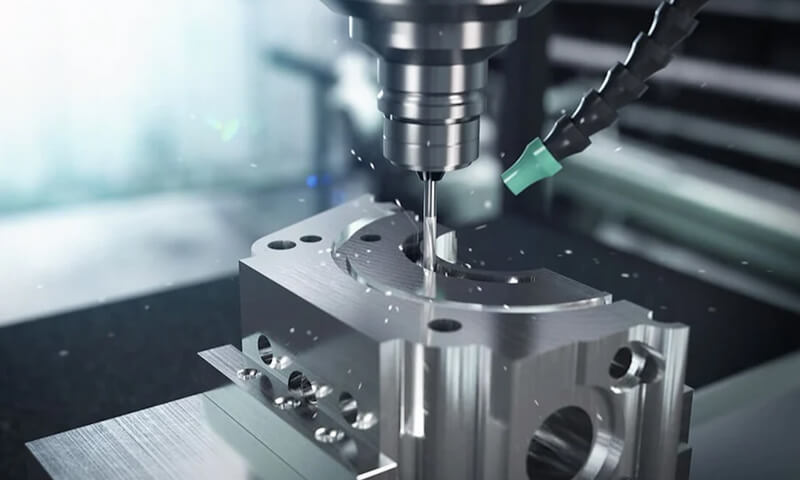
ความลื่นไหลสูงทำให้สามารถผลิตผลิตภัณฑ์ที่มีความซับซ้อนได้, รูปทรงผนังบางที่อาจเกิดความล้มเหลวในโลหะผสมอื่นๆ. - เครื่องจักรกลที่มีความแม่นยำ: ด้วยคะแนนความสามารถในการแปรรูปที่ 84, ได้รับการปรับให้เหมาะสมสำหรับการใช้งาน CNC ความเร็วสูง.
เนื้อหาตะกั่วส่งเสริมการก่อตัวของขนาดเล็ก, ชิปอพยพได้ง่าย, ลดแรงเสียดทานของเครื่องมือและการสร้างความร้อน, ซึ่งช่วยยืดอายุการใช้งานของเครื่องมือและรับประกันคุณภาพผิวสำเร็จที่เหนือกว่า.
ความต้านทานการกัดกร่อน
- ทนต่อการกัดกร่อนของน้ำและบรรยากาศได้ดี. C83600 ทำงานได้ดีในน้ำดื่ม, น้ำทะเล (ในหลายกรณี) และสภาพแวดล้อมอุตสาหกรรมทั่วไป.
เมทริกซ์ทองแดง/ดีบุกมีความทนทานต่อการกัดกร่อนสม่ำเสมอ; อย่างไรก็ตาม, ทองเหลืองที่มีสารตะกั่วอาจไวต่อการดีซิงค์ในสารเคมีที่มีฤทธิ์รุนแรงบางชนิด ดีบุกของ C83600 ช่วยลดโหมดการกัดกร่อนเฉพาะที่บางจุดได้. - ข้อควรพิจารณาเกี่ยวกับกัลวานิก: เช่นเดียวกับโลหะผสมทองแดงทั้งหมด, หลีกเลี่ยงคู่โลหะที่แตกต่างกันซึ่งอาจทำให้เกิดการกัดกร่อนของกัลวานิกในการใช้งาน; พิจารณาฉนวน/การแยกส่วนในกรณีที่ไม่สามารถหลีกเลี่ยงการสัมผัสกับเหล็กหรืออลูมิเนียมได้.
แอปพลิเคชันทั่วไป
C83600 ระบุถึงความสามารถในการหล่อ, จำเป็นต้องมีความสามารถในการแปรรูปและความต้านทานการกัดกร่อนในบรรจุภัณฑ์เดียวกัน. การใช้งานตัวแทนได้แก่:
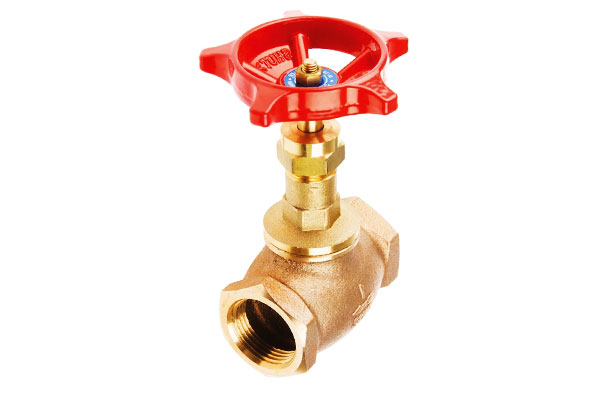
- ร่างกายวาล์ว, อุปกรณ์และหน้าแปลน (ประปา, ไอน้ำ, การจัดการของเหลว).
- ส่วนประกอบปั๊ม (ใบพัด, เรือน, สวมวงแหวน) — โดยเฉพาะในด้านการบริการน้ำ.
- เกียร์, ล้อหนอนและอุปกรณ์เครื่องจักรกลขนาดเล็ก โดยที่รูปทรงหล่อมีความประหยัด.
- อุปกรณ์ทางทะเลและฮาร์ดแวร์ทั่วไป สัมผัสกับสภาพแวดล้อมที่เปียกชื้น.
- งานหล่อประดับ ในกรณีที่ต้องการผิวสำเร็จและความทนทานต่อการกัดกร่อน แต่ความแข็งแรงสูงนั้นไม่สำคัญ.
3. UNS C85800 คืออะไร?
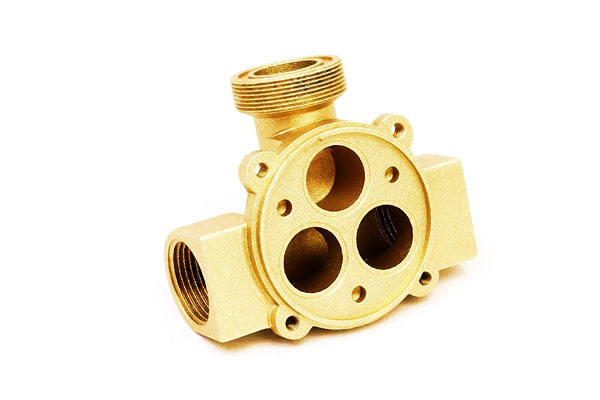
ยูเอส C85800, จัดอยู่ในประเภทก ตะกั่วทองเหลืองเหลือง, เป็นโลหะผสมทองแดงสังกะสีสูงที่ได้รับการออกแบบทางวิศวกรรมมาโดยเฉพาะสำหรับความต้องการที่เข้มงวดของ หล่อตาย.
ต่างจากทองเหลืองแดง, C85800 โดดเด่นด้วยความสดใส, ลักษณะเป็นสีเหลืองทองและมีปริมาณสังกะสีสูงกว่า, ซึ่งมักจะอยู่ในช่วงจาก 31% ถึง 41%.
โลหะผสมนี้เป็นตัวเลือกหลักสำหรับผู้ผลิตที่กำลังมองหาการผสมผสานระหว่างความแข็งแรงเชิงกลสูง, ความแม่นยำมิติ, และคุ้มค่าในสภาพแวดล้อมการผลิตที่มีปริมาณมาก.
มันเชื่อมช่องว่างระหว่างโลหะผสมหล่อทรายแบบดั้งเดิมกับวัสดุทางวิศวกรรมประสิทธิภาพสูง.
คุณสมบัติ
คุณลักษณะที่กำหนดของ UNS C85800 คือ ความเหมาะสมเป็นพิเศษสำหรับการหล่อแบบแรงดันสูง.
องค์ประกอบทางเคมีได้รับการปรับปรุงเพื่อให้มีความลื่นไหลสูงและมีจุดหลอมเหลวต่ำ, จึงสามารถแทรกซึมเข้าไปซับซ้อนได้, แม่พิมพ์ผนังบางที่มีความแม่นยำสูง.
ความสามารถนี้ช่วยลดความจำเป็นในการตัดเฉือนรองอย่างกว้างขวางอย่างมาก, เนื่องจากชิ้นส่วนสามารถหล่อให้ได้ “รูปทรงใกล้ตาข่าย”.
นอกจากนี้, ปริมาณสังกะสีที่สูงทำให้มีอัตราส่วนความแข็งแรงต่อน้ำหนักที่เหนือกว่าเมื่อเทียบกับทองเหลืองสีแดง, ในขณะที่การรวมตะกั่วทำให้มั่นใจได้ว่าการตัดเฉือนหลังการหล่อที่จำเป็นมีประสิทธิภาพและแม่นยำ.
องค์ประกอบทางเคมี
ประสิทธิภาพของ UNS C85800 ควบคุมโดยความสมดุลที่แม่นยำของทองแดงและสังกะสี, เสริมด้วยองค์ประกอบโลหะผสมที่ช่วยเสริมคุณสมบัติการหล่อและกลไก, ตามมาตรฐาน ASTM B176.
| องค์ประกอบ | เปอร์เซ็นต์น้ำหนัก (%) | บทบาทในด้านโลหะวิทยา |
| ทองแดง (ลูกบาศ์ก) | 57.0 นาที | โลหะฐาน; ให้ความเหนียวและทนต่อการกัดกร่อนขั้นพื้นฐาน. |
| สังกะสี (สังกะสี) | 31.0 - 41.0 | องค์ประกอบการผสมหลัก; เพิ่มความแข็งแรงและลดต้นทุนวัตถุดิบ. |
| ตะกั่ว (PB) | 0.8 - 2.0 | เพิ่มความสามารถในการแปรรูปและช่วยในเรื่องความหนาแน่นของแรงกดสำหรับชิ้นส่วนหล่อ. |
| ดีบุก (ส) | 1.5 สูงสุด | เพิ่มเพื่อปรับปรุงความแข็งและความต้านทานต่อการกัดกร่อนในชั้นบรรยากาศ. |
อลูมิเนียม (อัล) |
0.8 สูงสุด | ทำหน้าที่เป็นตัวกลั่นเกรนและปรับปรุงพื้นผิวของการหล่อ. |
| เหล็ก (เฟ) | 0.50 สูงสุด | ควบคุมเพื่อป้องกันความแข็งที่มากเกินไปและการสึกหรอของเครื่องมือระหว่างการตัดเฉือน. |
| แมงกานีส (มน) | 0.25 สูงสุด | เพิ่มการตอบสนองของโลหะผสมต่อความร้อนและความเครียดทางกล. |
ทางกายภาพ & คุณสมบัติทางกล
ด้านล่างมีสองที่ชัดเจน, ตารางมืออาชีพที่แสดง ทางกายภาพ และ เครื่องกล คุณสมบัติสำหรับ ยูเอส C85800 (ตะกั่วทองเหลืองเหลือง).
ค่าต่างๆ จะได้รับเป็น ตัวแทนช่วงการร่าย พร้อมด้วยบันทึกย่อและข้อกำหนดขั้นต่ำทั่วไปตามความเหมาะสม.
ตรวจสอบหมายเลขสุดท้ายด้วยใบรับรองวัสดุและคูปองการผลิตของโรงหล่อทุกครั้งก่อนการออกแบบหรือการยอมรับ.
คุณสมบัติทางกายภาพ — UNS C85800
| คุณสมบัติ | ทั่วไป / ตัวแทน (เหมือนหล่อ) | หมายเหตุ / ข้อมูลจำเพาะทั่วไป |
| ความหนาแน่น | 8.40 - 8.83 ก.ซม.⁻³ | ขึ้นอยู่กับเคมีและความพรุนที่แน่นอน. |
| ละลาย / ช่วงการเท | ~900- 1020 องศาเซลเซียส (ของเหลวประมาณ. ปลายบน) | ปฏิบัติตามคำแนะนำของโรงหล่อสำหรับกระบวนการ (ตายกับทราย). |
| การนำความร้อน | ~90- 120 w ·m⁻⁻·k⁻⁻ | การนำไฟฟ้าระดับทองเหลือง; ลดลงเล็กน้อยเมื่อเติมโลหะผสม. |
การนำไฟฟ้า |
~12 – 18 % ไอเอซีเอส | การนำไฟฟ้าปานกลางโดยทั่วไปของทองเหลืองที่มีสารตะกั่ว. |
| ค่าสัมประสิทธิ์การขยายตัวเนื่องจากความร้อน (20–200 ° C) | ~17 – 20 ×10⁻⁶ /° C | มีประโยชน์สำหรับการคำนวณความพอดีทางความร้อนและการรบกวน. |
| โมดูลัสความยืดหยุ่น | ~90- 110 เกรดเฉลี่ย | ช่วงโมดูลัสยืดหยุ่นทั่วไปสำหรับทองเหลืองเชิงพาณิชย์. |
| ความร้อนจำเพาะ (ประมาณ) | ~0.38 – 0.39 กิโลเจ·กก.⁻¹·K⁻¹ | คำแนะนำการออกแบบสำหรับการคำนวณทางความร้อน. |
สมบัติทางกล — UNS C85800 (เหมือนหล่อ / ตัวแทน)
| คุณสมบัติ | กลุ่มโรงหล่อทั่วไป (เหมือนหล่อ) | ข้อกำหนดขั้นต่ำทั่วไป / บันทึกย่อ |
| แรงดึงสูงสุด (มหาวิทยาลัยสงขลานครินทร์) | ≈ 300 - 420 MPa (ช่วงทั่วไป; ขึ้นอยู่กับกระบวนการ) | รายการตาราง ASTM/ผู้ผลิตบางรายการ ~379 เมกะปาสคาล เป็นขั้นต่ำสำหรับเงื่อนไขการหล่อบางอย่าง — ตรวจสอบตามข้อมูลจำเพาะ. |
| ความแข็งแรงของผลผลิต (0.2% หรือ 0.5% ชดเชย) | ≈ 180 - 260 MPa | เอกสารข้อมูลทางเทคนิคจำนวนมากรายงานว่าให้ผลผลิต ~200 MPa+ สำหรับรูปแบบหล่อแบบหล่อ. |
การยืดตัว (ก, %; 50 มาตรวัดมม) |
≈ 10 - 25% | ค่าต่ำสุดโดยทั่วไปสำหรับชิ้นส่วนหล่อมักจะ ≥15% (ส่วนบางและส่วนที่หนาจะแตกต่างกันไป). |
| บรินเนลล์ / ความแข็งของร็อคเวลล์ | ➤ เอชบี 60 - 100 (หรือ HRB ~50-80) | ความแข็งเพิ่มขึ้นตามปริมาณโลหะผสมและการระบายความร้อนเร็วขึ้น. |
| ความเหนื่อยล้า & ผลกระทบ | ตัวแปร - ปานกลาง | ประสิทธิภาพความล้าได้รับอิทธิพลอย่างมากจากความพรุนและผิวสำเร็จ; ระบุการทดสอบชิ้นส่วนโหลดแบบวน. |
กำลังหล่อ & ประสิทธิภาพการตัดเฉือน
- การเพิ่มประสิทธิภาพการหล่อแบบตายตัว: C85800 เป็นสูตรเฉพาะสำหรับ การหล่อตายแรงดันสูง.
อัตราการแข็งตัวอย่างรวดเร็วและความลื่นไหลสูงทำให้สามารถผลิตรายละเอียดที่ซับซ้อนและพื้นผิวเรียบซึ่งทำได้ยากด้วยโลหะผสมหล่อทราย.
อย่างไรก็ตาม, โดยทั่วไปจะหลีกเลี่ยงในการหล่อทรายเนื่องจากไวต่อ "การฉีกขาดด้วยความร้อน" และการเกิดขี้เถ้า. - การตัดเฉือนความเร็วสูง: ด้วยคะแนนความสามารถในการแปรรูปที่ 80, C85800 มีประสิทธิภาพสูงสำหรับการดำเนินงานรอง.
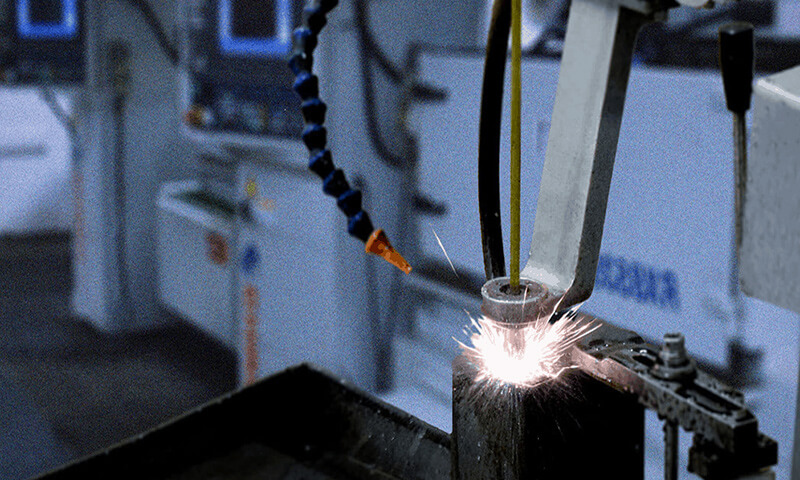
ปริมาณตะกั่วทำหน้าที่เป็นสารหล่อลื่นภายใน, อำนวยความสะดวกในการสร้างสรรค์สิ่งเล็กๆ, ชิปที่จัดการได้ระหว่างการเจาะ, แตะ, หรือการโม่, ซึ่งจำเป็นสำหรับการรักษาปริมาณงานที่สูงในสายการผลิตแบบอัตโนมัติ.
ความต้านทานการกัดกร่อน
ในขณะที่ UNS C85800 มีความต้านทานที่ดีต่อการกัดกร่อนในชั้นบรรยากาศและสภาพแวดล้อมทางอุตสาหกรรมที่ไม่รุนแรง, ปริมาณสังกะสีที่สูงทำให้อ่อนแอมากขึ้น การทำให้บริสุทธิ์ มากกว่าทองเหลืองแดง.
มีประสิทธิภาพดีเยี่ยมในการใช้งานแบบ "แห้ง" หรือในบริเวณที่มีจำกัดการสัมผัสกับของเหลวที่มีฤทธิ์รุนแรง.
สำหรับส่วนประกอบที่สัมผัสกับน้ำอ่อนหรือสารละลายที่เป็นกรด, อาจจำเป็นต้องเคลือบพิเศษหรือเลือกใช้ทองเหลืองสีแดง เช่น C83600 เพื่อให้มั่นใจถึงความทนทานในระยะยาว.
การใช้งานทั่วไป
- ระบบยานยนต์: วงเล็บ, เรือน, ส่วนประกอบการส่งผ่าน, และตกแต่งภายใน.
- ฮาร์ดแวร์อุตสาหกรรม: ตัววาล์วแรงดันต่ำ, ส่วนประกอบปั๊ม, และชิ้นส่วนวิศวกรรมทั่วไป.
- สินค้าอุปโภคบริโภค: ชุดล็อคระดับสูง, บานพับ, มือจับประตู, และอุปกรณ์ประดับที่ต้องการสีเหลืองขัดเงา.
- วิศวกรรมไฟฟ้า: ขั้วต่อ, ส่วนประกอบสวิตช์เกียร์, และขั้วต่อที่ต้องการความแข็งแรงและค่าการนำไฟฟ้าสูง.
- ประปา (ไม่สำคัญ): ที่จับก๊อกน้ำสำหรับตกแต่งและอุปกรณ์ประปาภายนอก.
4. การเปรียบเทียบที่ครอบคลุม: ยูเอส C83600 กับ ยูเอส C85800
ด้านล่างนี้เป็นเนื้อหาโดยย่อ, ตารางเปรียบเทียบแบบมืออาชีพ.
ตัวเลขเป็นช่วงที่เป็นตัวแทน; ค่าจริงขึ้นอยู่กับวิธีการหล่อ, ขนาดหน้าตัดและการฝึกปฏิบัติด้วยความร้อน/การหลอม — ตรวจสอบกับใบรับรองโรงหล่อและคูปองการผลิตสำหรับการออกแบบ/การยอมรับเสมอ.
| ปัจจัยการเปรียบเทียบ | ยูเอส C83600 (ตะกั่วแดงทองเหลือง / ปืนใหญ่) | ยูเอส C85800 (ตะกั่วทองเหลืองเหลือง) |
| ครอบครัวอัลลอยด์ / ชื่อทางการค้า | ตะกั่วทองเหลืองแดง / ปืนใหญ่; โลหะผสมหล่ออเนกประสงค์ที่ดี | ทองเหลืองตะกั่วเหลือง; ฟรีตัด, โลหะผสมหล่ออเนกประสงค์ |
| องค์ประกอบทั่วไป (wt%) | ลูกบาศ์ก µ 84–86%; สน µ 4–6%; พีบี data 4–6%; สังกะสี อยู่ที่ 4–6%; ไมเนอร์ Ni/Fe/Sb | ลูกบาศ์ก µ 57–58%; สังกะสี อยู่ที่ 31–41%; พีบี ≤ 1.5%; สน ≤ 1.5%; Fe/Ni/Al เล็กน้อย |
| ความหนาแน่น | ≈ 8.80–8.90 ก./ซม.³ | ≈ 8.40–8.83 ก./ซม.³ |
| ละลาย / คำแนะนำการเท | ของแข็ง/ของเหลว ~~854–1010 องศาเซลเซียส (ขึ้นอยู่กับโรงหล่อ) | ช่วงการเททองเหลืองทั่วไป ~~900–1,020 องศาเซลเซียส (ตามคำแนะนำของโรงหล่อ) |
UTS แบบหล่อทั่วไป (ตัวแทน) |
~205–255 เมกะปาสคาล | ~300–420 เมกะปาสคาล (ขึ้นอยู่กับกระบวนการ; ข้อมูลจำเพาะบางอย่างอ้างอิง ~ 379 MPa) |
| ความแข็งแรงของผลผลิตโดยทั่วไป (ตัวแทน) | ~97–117 เมกะปาสคาล | ~180–260 เมกะปาสคาล |
| การยืดตัว (ทั่วไป) | ~ 20–30% (ความเหนียวที่ดี) | ~10–25% (แตกต่างกันไปตามส่วน & กระบวนการ) |
| ความแข็ง (ทั่วไป) | ~~60ฮ (เหมือนหล่อ) | ~สบี 60–100 (ขึ้นอยู่กับกระบวนการ) |
| ความสามารถในการแปรรูป | ดี — สารตะกั่วช่วยควบคุมเศษ; ความเร็วในการผลิตที่เหมาะสม | ยอดเยี่ยม / ฟรีตัด — ทองเหลืองตะกั่วสีเหลืองได้รับการปรับให้เหมาะสมเพื่อประสิทธิภาพการตัดเฉือนที่สูง |
| ความสามารถในการหล่อ (พฤติกรรมโรงหล่อ) | ดีมาก ในทราย, เปลือก, แรงเหวี่ยงและการลงทุน; ดีบุกช่วยปรับปรุงประสิทธิภาพการกัดกร่อน/การสึกหรอ | ดีมาก โดยเฉพาะอย่างยิ่งในการหล่อแบบหล่อและการหล่อทราย; สูตรเพื่อความลื่นไหลและรอบการทำงานที่รวดเร็ว |
สวมใส่ / พฤติกรรมแบก |
ดี — ดีบุกช่วยเพิ่มความสามารถในการฝัง; ใช้สำหรับบุชชิ่งและชิ้นส่วนแบริ่ง | ปานกลาง - ใช้ได้กับชิ้นส่วนเครื่องจักรกลหลายชนิด, แต่ไม่ใช่บรอนซ์แบริ่งเฉพาะ |
| ความต้านทานการกัดกร่อน (เปียก/ทะเล) | ดีถึงดีมาก — ดีบุกช่วยเพิ่มประสิทธิภาพการทำงานของน้ำทะเล; เหมาะสำหรับชิ้นส่วนปั๊ม/วาล์วทางทะเล | ดี สำหรับสภาพแวดล้อมที่เป็นน้ำทั่วไป; ความเสี่ยงในการลดปริมาณสังกะสีมีอยู่ในสารเคมีที่มีฤทธิ์รุนแรง |
| ความไวต่อการทำลายล้าง | ต่ำ (ดีบุกและ Cu สูงกว่าช่วยลดความเสี่ยง DZ) | มีศักยภาพสูงขึ้น (ครอบครัวทองเหลือง) — พิจารณาสภาพแวดล้อมและสารเจือหรือสารยับยั้ง anti-DZ ที่เป็นไปได้ |
| เข้าร่วม / ซ่อมแซม | ต้องการการประสาน; เชื่อมยากและต้องใช้เทคนิคเฉพาะทาง | ต้องการการประสาน; โดยทั่วไปไม่แนะนำให้ใช้การเชื่อมสำหรับการผลิต |
เกี่ยวกับกฎระเบียบ / บันทึกสุขภาพ |
เนื้อหาตะกั่ว (~4–6%) - ไม่ เหมาะสำหรับงานน้ำดื่มหลายประเภท; ตรวจสอบกฎระเบียบท้องถิ่น | เนื้อหาตะกั่ว (≤1.5%) — อาจยังคงถูกจำกัดสำหรับน้ำดื่ม; ตรวจสอบขีดจำกัดภูมิภาค |
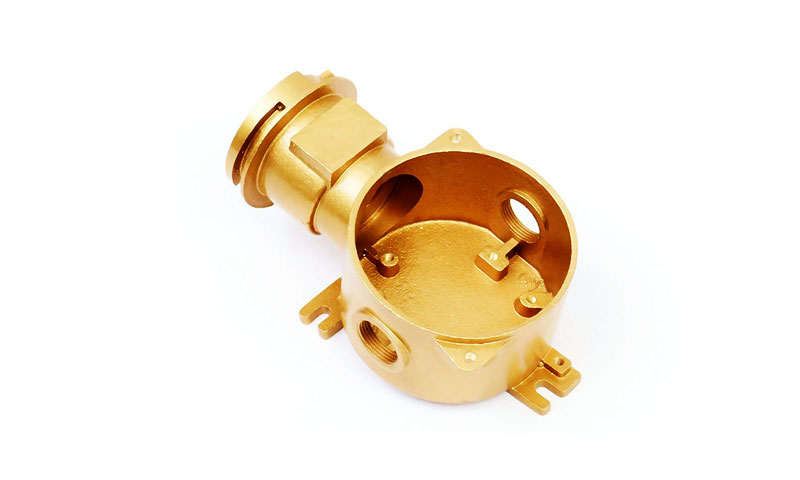
| แอปพลิเคชันทั่วไป | บูช, แขนเสื้อ, ปั๊ม & ชิ้นส่วนวาล์ว, อุปกรณ์ทางทะเล, เกียร์ขนาดเล็ก, การหล่อตกแต่ง | วาล์ว, ฟิตติ้ง, ชิ้นส่วนปั๊ม, ตัวเรือนหล่อ, เกียร์, ชิ้นส่วนกลึงปริมาณมาก |
| ต้นทุนสัมพัทธ์ & ความพร้อม | ปานกลาง (ดีบุกเพิ่มต้นทุน) | โดยทั่วไปแล้วประหยัด และมีจำหน่ายกันอย่างแพร่หลายสำหรับการหล่อแบบแม่พิมพ์และแบบทราย |
คำแนะนำการเลือก (เมื่อจะเลือก) |
เลือกว่าเมื่อใดที่ต้องคำนึงถึงความต้านทานการกัดกร่อนในสภาพเปียก/การใช้งานทางทะเล และประสิทธิภาพของตลับลูกปืน/ไตรโบโลยี. | เลือกว่าเมื่อใดที่ประสิทธิภาพการตัดเฉือนสูงและประสิทธิภาพด้านต้นทุนเป็นสิ่งสำคัญสำหรับส่วนประกอบที่ใช้งานทั่วไป. |
| คำแนะนำข้อมูลจำเพาะ | ระบุ UNS C83600 พร้อมกระบวนการหล่อ, ขั้นต่ำทางกล, NDT และการตรวจสอบย้อนกลับ. | ระบุ UNS C85800 พร้อมกระบวนการหล่อ, ขั้นต่ำทางกล, NDT และกฎระเบียบ (ตะกั่ว) ข้อจำกัด. |
5. บทสรุป
UNS C83600 และ C85800 กล่าวถึงลำดับความสำคัญทางวิศวกรรมที่แตกต่างกัน:
C83600 เป็นทองเหลืองสีแดงที่อุดมด้วยทองแดงซึ่งปรับให้เหมาะสมเพื่อความสามารถในการขึ้นรูปหลังการหล่อที่ดีเยี่ยม, ทนต่อการกัดกร่อนโดยทั่วไปได้ดีและมีความเสี่ยงต่อการตกตะกอนต่ำ, ทำให้เป็นตัวเลือกในทางปฏิบัติสำหรับตัววาล์วที่ใช้เครื่องจักรหนักและตัวเรือนปั๊มที่อนุญาตให้มีสารตะกั่วได้;
C85800 เป็นทองเหลืองเหลืองสังกะสีสูงที่ปรับให้เหมาะสมสำหรับการหล่อแบบแม่พิมพ์ถาวร/การหล่อแบบใช้แรงดัน, รูปร่างใกล้ตาข่ายมีผนังบางและมีความแข็งแรงเมื่อหล่อสูงกว่าโดยมีตะกั่วต่ำกว่าแต่ไวต่อการดีซิงค์ซิฟิเคชันมากกว่า.
การเลือกขั้นสุดท้ายระหว่างโลหะผสมทั้งสองควรขึ้นอยู่กับปัจจัยหลักสามประการ: สภาพแวดล้อมการบริการ (มีฤทธิ์กัดกร่อนเทียบกับ. แห้งในร่ม), ข้อกำหนดด้านประสิทธิภาพทางกล (ความเหนียว/ความต้านทานแรงกระแทก เทียบกับ. ความแข็งแรงคงที่ขั้นพื้นฐาน), และข้อจำกัดด้านปริมาณการผลิตและงบประมาณ.
คำถามที่พบบ่อย
UNS C83600 และ C85800 สามารถใช้แทนกันได้?
เลขที่. มีองค์ประกอบที่แตกต่างกันอย่างมาก, พฤติกรรมการกัดกร่อน, ลักษณะการหล่อและโปรไฟล์ด้านกฎระเบียบ.
การเปลี่ยนตัวต้องผ่านการรับรองใหม่ (การทดสอบทางกล, การทดสอบการกัดกร่อน, การทดลองตัดเฉือนและการตรวจสอบตามกฎระเบียบ).
เครื่องอัลลอยด์ไหนดีกว่ากัน?
เครื่องจักร C83600 เหนือกว่าเนื่องจากมีปริมาณตะกั่ว 4–6%, ทำให้ควบคุมเศษได้ดีขึ้น, การสึกหรอของเครื่องมือน้อยลงและประสิทธิภาพการตัดเฉือนสูงขึ้น.
เครื่องจักร C85800 ใช้งานได้ดีพอสมควร แต่โดยปกติแล้วต้องใช้เครื่องมือและฟีดที่ได้รับการปรับปรุงประสิทธิภาพ.
สิ่งที่เกี่ยวกับความเสี่ยงในการ dezincification?
C85800 (สังกะสีสูง) มีความอ่อนไหวต่อการเกิด dezincification มากกว่าในเคมีบำบัดน้ำที่มีฤทธิ์รุนแรง (pH ต่ำ, คลอไรด์สูง, ออกซิเจนสูง). C83600 (สังกะสีต่ำ, Cu/Sn ที่สูงขึ้น) มีความทนทานมากกว่าโดยเนื้อแท้.
หากมีความเสี่ยงจากการเสื่อมสลาย, เลือกโลหะผสมที่ทนต่อการดีซิงค์หรือมาตรการป้องกัน/การเคลือบ และทดสอบตามมาตรฐานที่เกี่ยวข้อง.
วิธีการหล่อส่งผลต่อการเลือกมากน้อยเพียงใด?
อย่างมีนัยสำคัญ. C85800 แวววาวด้วยแม่พิมพ์ถาวรและการหล่อขึ้นรูปสำหรับผนังบางและรูปทรงที่ใกล้ตาข่าย, ให้ผลตอบแทนที่สูงขึ้นและการควบคุมมิติที่ดีขึ้น.
C83600 ทำงานได้ดีที่สุดกับทราย, การลงทุนหรือการหล่อแบบแรงเหวี่ยงรวมกับการตัดเฉือนหนัก.