
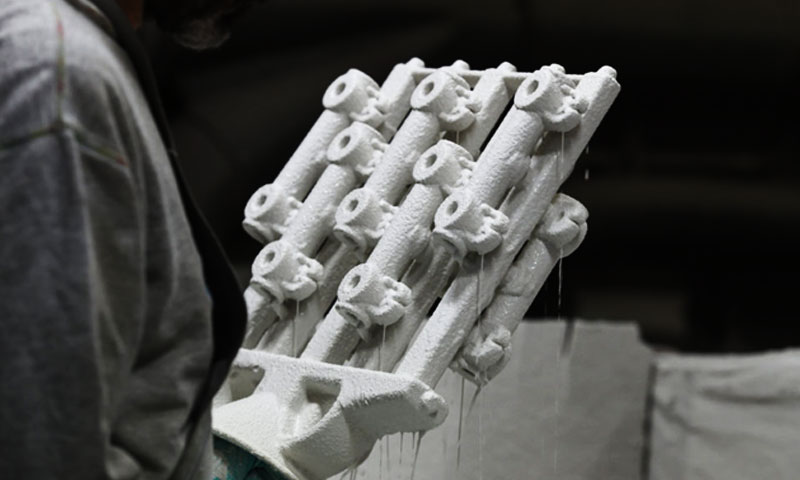
1. การแนะนำ
แว็กซ์ที่หายไป (การลงทุน) การคัดเลือกนักแสดง แปลงรูปแบบการบูชายัญที่ถูกต้อง—ตามธรรมเนียมของขี้ผึ้ง—ให้เป็นชิ้นส่วนโลหะผ่านเปลือกเซรามิก.
จุดแข็งหลักของมันคือ: การตกแต่งพื้นผิวที่ดีเยี่ยม, ความแม่นยำในมิติสูง, และความสามารถในการหล่อรูปทรงที่ซับซ้อนและโลหะผสมประสิทธิภาพสูง.
ตัวแปรกระบวนการ (เกรดขี้ผึ้ง, เคมีของเปลือกและวิธีการหลัก) ให้วิศวกรแลกต้นทุนกับความเที่ยงตรง และเลือกเส้นทางที่เหมาะกับสแตนเลส, โลหะผสมทองแดง, เหล็กกล้า, และ — ด้วยข้อควรระวังพิเศษ — ไทเทเนียมและซูเปอร์อัลลอยนิกเกิล.
2. กระบวนการหล่อขี้ผึ้งหาย
ลำดับทั่วไป (ระดับสูง):

- ลวดลาย: ทำแว็กซ์ (หรือเรซินแบบหล่อได้) ลวดลาย(ส) - ชิ้นเดียวหรือต้นไม้/พวง.
- การประกอบ: แนบรูปแบบกับนักวิ่ง/ประตูเพื่อสร้างคลัสเตอร์.
- ลงทุน / สร้างเปลือก: จุ่มชุดประกอบในสารละลายสารยึดเกาะ + ปูนปั้น; ทำซ้ำเพื่อสร้างเปลือก.
- รักษา / แห้ง: เจลและเปลือกแห้งบางส่วนระหว่างชั้นเคลือบ; การอบแห้งขั้นสุดท้าย.
- dewax: ลบขี้ผึ้ง (ไอน้ำหรือละลายออก).
- ความเหนื่อยหน่าย / ยิง: ทางลาดเพื่อเผาสารอินทรีย์และทำให้เปลือกคงตัว.
- เท: ละลายและเทโลหะลงในเปลือกที่อุ่นไว้.
- การเขย่า & ทำความสะอาด: เอาเปลือกออก, ตัดประตู, ทำความสะอาด.
- โพสต์กระบวนการ: การรักษาความร้อน, สะโพก (หากต้องการ), เครื่องจักรกล, การตกแต่งพื้นผิว, การตรวจสอบ.
3. วัสดุลวดลาย: ต่ำ-, ปานกลาง-, และแว็กซ์ที่มีอุณหภูมิสูง
| ประเภทแว็กซ์ | ช่วงการหลอมเหลวโดยทั่วไป (องศาเซลเซียส) | การใช้งานหลัก | ข้อดี | ข้อจำกัด |
| แว็กซ์อุณหภูมิต่ำ | ~45–80 °ซ | เครื่องประดับ, ต้นแบบที่ดี, รูปแบบความแม่นยำขนาดเล็ก | ฉีดง่าย/ดีแว็กซ์พลังงานต่ำ; เสร็จสิ้นดี | นุ่มนวล — รูปแบบคืบคลาน; จำกัดเฉพาะต้นไม้ใหญ่/ซับซ้อน |
| แว็กซ์อุณหภูมิปานกลาง | ~80–120 องศาเซลเซียส | วิศวกรรมทั่วไป: ชิ้นส่วนวาล์ว, ส่วนประกอบปั๊ม | มิติความมั่นคงและความทนทานที่ดีสำหรับเครื่องมือ | ต้องใช้พลังงานดีแว็กซ์ที่สูงขึ้น; คุณสมบัติที่สมดุล |
| แว็กซ์ที่มีอุณหภูมิสูง / วัสดุที่มีลวดลายหลอมละลายสูง | >120 องศาเซลเซียส (สูงถึง ~200 °C สำหรับส่วนผสมพิเศษ) | ใหญ่, รูปแบบหนัก; การผลิตรอบยาว; การบิดเบือนรูปแบบน้อยลง | ความสมบูรณ์ของมิติและความร้อนแรงที่ดีขึ้น; ลดการบิดเบือนของรูปแบบ | การดีแว็กซ์/ความเหนื่อยหน่ายที่ยากขึ้น; พลังงานและความเครียดจากเครื่องมือที่สูงขึ้น |
หมายเหตุ & คำแนะนำ
- เลือกแว็กซ์ตามขนาดชิ้นส่วน, อายุการใช้งานของเครื่องมือและลำดับของเปลือก/การสร้างที่คาดหวัง. แว็กซ์อุณหภูมิต่ำเหมาะอย่างยิ่งสำหรับรายละเอียดเล็กๆ น้อยๆ และปริมาณน้อย แต่ทนการคืบคลานเป็นเวลานานหรือบริเวณร้านค้าที่อบอุ่น.
อุณหภูมิปานกลางเป็นปัจจัยสำคัญในการหล่อแบบวิศวกรรม. แว็กซ์ที่มีอุณหภูมิสูง (และโพลีเมอร์รูปแบบวิศวกรรม) ใช้ในกรณีที่การจัดการหรือเปลือกยาวทำให้เกิดการบิดเบือนความเสี่ยง. - สารเติมแต่งรูปแบบ: พลาสติไซเซอร์, ความคงตัว, สารปรับปรุงการไหลและสารแต่งสีส่งผลต่อพฤติกรรมการฉีด, สารตกค้างจากขี้ผึ้งและวิวัฒนาการของก๊าซที่เผาไหม้—ระบุสูตรที่ได้รับการอนุมัติจากโรงหล่อ.
4. การผลิตลวดลาย: เครื่องมือ, ขี้ผึ้งฉีด, และรูปแบบการบวก
- การฉีดขึ้นรูป: แม่พิมพ์เหล็ก/อะลูมิเนียมสำหรับแวกซ์ — ต้นทุนต่อชิ้นต่ำในปริมาณพร้อมคุณภาพพื้นผิวสูง. ระดับต้นทุนเครื่องมือขึ้นอยู่กับความซับซ้อน.
- 3D พิมพ์ลวดลายขี้ผึ้ง/เรซินแบบหล่อได้: SLA, DLP, เครื่องพิมพ์แว็กซ์แบบพ่นวัสดุหรือแบบหล่อได้ช่วยลดการใช้เครื่องมือสำหรับต้นแบบและงานขนาดเล็ก.
เรซินแบบหล่อได้สมัยใหม่จะกำจัดแว็กซ์อย่างหมดจดและเข้าใกล้คุณภาพพื้นผิวของแว็กซ์ฉีด. - การออกแบบลวดลายต้นไม้และประตูรั้ว: จัดเรียงลวดลายบนป่วงกลางเพื่อการเทและป้อนที่มีประสิทธิภาพ; รวมถึงตัวยกบูชายัญสำหรับฟีดหด.
ใช้การจำลองสำหรับการเกตและการป้อนสมดุลสำหรับคลัสเตอร์ขนาดใหญ่.
5. ระบบเชลล์: ซิลิกา-โซล, แก้วน้ำ, และเปลือกไฮบริด
ระบบเชลล์เป็นตัวแปรที่สำคัญที่สุดเพียงตัวเดียวที่กำหนดความเที่ยงตรงของพื้นผิว, ความต้านทานความร้อน, การซึมผ่าน/การระบายอากาศ, ความเข้ากันได้ของสุญญากาศและความเหมาะสมของโลหะผสมในการหล่อขี้ผึ้งหาย.
ร้านค้าสมัยใหม่มีการใช้ครอบครัวที่ใช้งานได้จริงสามครอบครัว:
- ซิลิกา-โซล (คอลลอยด์ซิลิกา) เปลือกหอย — พรีเมี่ยม, เส้นทางที่มีความเที่ยงตรงสูง.
- แก้วน้ำ (โซเดียมซิลิเกต) เปลือกหอย — ความประหยัด, เส้นทางที่แข็งแกร่งสำหรับขนาดใหญ่ / งานเหล็ก/เหล็ก.
- เปลือกลูกผสม – รวมค่าปรับ, ชั้นในทนสารเคมี (ซิลิกาโซลหรือเพทาย) พร้อมการเคลือบชั้นนอกแบบแก้วน้ำเพื่อสร้างความสมดุลระหว่างต้นทุนและประสิทธิภาพ.
เปลือกซิลิกาโซล (ซิลิกาคอลลอยด์)
มันคืออะไรและมันทำงานอย่างไร
เปลือกซิลิกาโซลใช้ สารแขวนลอยคอลลอยด์ของอนุภาคซิลิกาขนาดต่ำกว่าไมครอน เป็นเครื่องผูก.
เสื้อคลุมตัวแรก (ล้างได้ดีมาก) ใช้คอลลอยด์เพื่อขนปูนฉาบเนื้อละเอียดพิเศษที่บันทึกรายละเอียด; ชั้นเคลือบที่ตามมาจะสร้างความหนาและถูกรวมเข้าด้วยกันโดยการทำให้แห้งและการเผาที่อุณหภูมิสูง (การเผาผนึก) ที่สร้างความหนาแน่น, เปลือกหอยที่แข็งแกร่ง.

ลักษณะสำคัญ:
- ความเที่ยงตรงของพื้นผิว: ดีที่สุด - as-cast Ra โดยทั่วไป ~0.6–3 ไมโครเมตร ด้วยการซักแบบละเอียด.
- เสถียรภาพทางความร้อน / ยิง: สามารถรวมเปลือกหอยได้ที่ 600–1,000 ° C (การปฏิบัติของร้านค้าแตกต่างกันไปตามปูนปั้น). การเผาที่อุณหภูมิสูงจะเพิ่มความแข็งแรงของเปลือกและทนต่อแรงกระแทกจากความร้อน.
- ความเข้ากันได้ของสุญญากาศ/เฉื่อย:ยอดเยี่ยม — เปลือกซิลิกาโซลเข้ากันได้กับการเทแบบสุญญากาศและบรรยากาศเฉื่อย และเป็นตัวเลือกปกติสำหรับไทเทเนียม, ซูเปอร์อัลลอยนิกเกิลและโคบอลต์.
- การควบคุมการซึมผ่าน: สามารถปรับได้โดยการจัดลำดับปูนปั้นและเผาเพื่อควบคุมการระบายอากาศให้มีมูลค่าสูง, การหล่อแน่น.
- ความไวต่อการปนเปื้อน:สูง — ความเสถียรของคอลลอยด์ลดลงเนื่องจากการปนเปื้อนของไอออนิก (เกลือ, ค่าปรับโลหะ) และสารอินทรีย์; ความสะอาดของสารละลายและพืชเป็นสิ่งสำคัญ.
- ปูนปั้นชั้นแรกทั่วไป: ซิลิกาหลอมรวมต่ำกว่า 10 µm, เพทายหรือเซอร์โคเนียสำหรับอินเทอร์เฟซที่มีปฏิกิริยา.
- กรณีการใช้งานทั่วไป: ส่วนประกอบกังหันการบินและอวกาศ, ซุปเปอร์อัลลอย, ไทเทเนียมเทสูญญากาศ, การปลูกถ่ายทางการแพทย์, ชิ้นส่วนขนาดเล็กที่มีความแม่นยำ.
เปลือกแก้วน้ำ (โซเดียมซิลิเกต)
มันคืออะไรและมันทำงานอย่างไร
เปลือกแก้วน้ำใช้ โซเดียมน้ำ (หรือโพแทสเซียม) สารละลายซิลิเกต เป็นเครื่องผูก.
เคลือบเจลบนโครงข่ายคล้ายซิลิกาโดยใช้แก๊ส CO₂ หรือสารทำให้แข็งทางเคมี (เกลือของกรด), ทำให้เกิดเปลือกเซรามิกที่แข็งเมื่อรวมกับปูนปั้นทนไฟเกรด.

ลักษณะสำคัญ:
- ความเที่ยงตรงของพื้นผิว: เหมาะสำหรับงานวิศวกรรมทั่วไป - โดยทั่วไปแล้ว Ra แบบหล่อ ~2.5–8 ไมโครเมตร ขึ้นอยู่กับการล้างและปูนปั้น.
- ยิง: มักจะเสถียรที่ ~400–700°ซ; เปลือกหอยไม่ได้ถูกเผาในระดับเดียวกับระบบซิลิกาโซล.
- ความเข้ากันได้ของสุญญากาศ:ถูก จำกัด — ไม่เหมาะสำหรับการเทแบบสุญญากาศ/เฉื่อย หรือโลหะผสมที่มีปฏิกิริยามากที่สุด.
- การซึมผ่านได้ / การระบายอากาศ: โดยทั่วไปดีสำหรับเหล็ก/เตารีด; ความสามารถในการซึมผ่านมีแนวโน้มที่จะหยาบกว่าเปลือกซิลิกาโซลที่ได้รับการปรับปรุง.
- วิธีการบ่ม:ก๊าซคาร์บอนไดออกไซด์ (เจลอย่างรวดเร็ว) หรือสารทำให้แข็งตัวของกรด — รวดเร็ว, ชุดที่แข็งแกร่งบนพื้นร้านค้า.
- ความไวต่อการปนเปื้อน: ปานกลาง — การปนเปื้อนของไอออนิกส่งผลต่อการตั้งค่าและความสม่ำเสมอของเจล แต่โดยทั่วไปแล้วแก้วน้ำจะมีความทนทานมากกว่าซิลิกาโซล.
- ปูนปั้นชั้นแรกทั่วไป: ซิลิกาผสมละเอียด; สามารถใช้เพทายเพื่อการปกป้องพื้นผิวที่ดีขึ้น.
- กรณีการใช้งานทั่วไป: ตัววาล์ว, ตัวเรือนปั๊ม, ชิ้นส่วนเหล็ก/เหล็กขนาดใหญ่, ฮาร์ดแวร์ทางทะเล, การหล่ออุตสาหกรรมทั่วไป.
เปลือกลูกผสม (ซิลิกาโซลหรือเสื้อชั้นในเซอร์คอน + ชั้นนอกเคลือบแก้วน้ำ)
มันคืออะไรและมันทำงานอย่างไร
การประนีประนอมทางเศรษฐกิจร่วมกัน: ก เสื้อชั้นในระดับพรีเมียม (ล้างซิลิกาโซลหรือเพทาย/เซอร์โคเนีย) ใช้ก่อนเพื่อจับรายละเอียดและสร้างเกราะป้องกันสารเคมี, แล้ว ชั้นนอกเคลือบแก้วน้ำ ถูกสร้างขึ้นเพื่อให้มีความแข็งแรงเทอะทะด้วยต้นทุนที่ต่ำกว่า.
ลักษณะสำคัญ:
- ความเที่ยงตรงของพื้นผิว & อุปสรรคทางเคมี: ซิลิกาโซล/เพทายด้านในให้คุณภาพพื้นผิวใกล้เคียงกับซิลิกาโซล และช่วยป้องกันปฏิกิริยาของเปลือกโลหะที่ส่วนต่อประสานโลหะ.
- ค่าใช้จ่าย & การจัดการ: ชั้นเคลือบแก้วน้ำด้านนอกช่วยลดการใช้ซิลิกาโซลทั้งหมด และทำให้เปลือกมีความทนทานมากขึ้นสำหรับการหยิบจับและขนาดใหญ่.
- ความเข้ากันได้ของสุญญากาศ: ปรับปรุงเทียบกับแก้วน้ำบริสุทธิ์ (ขอบคุณเสื้อชั้นใน) แต่ก็ยังไม่เหมาะเท่ากับเปลือกซิลิกาโซลเต็ม — มีประโยชน์สำหรับสเตนเลสหลายชนิดและโลหะผสมนิกเกิลบางชนิด หากควบคุมบรรยากาศการหลอมเหลว/การเท.
- การใช้งานทั่วไป: ตัววาล์วที่มีพื้นผิวเปียกคุณภาพสูง, ชิ้นส่วนกังหันมูลค่าปานกลางซึ่งจำเป็นต้องมีความเข้ากันได้แบบสุญญากาศ, แอปพลิเคชันที่ต้องสมดุลระหว่างต้นทุนและประสิทธิภาพ.
6. เทคโนโลยีหลัก
- แกนที่ละลายน้ำได้ (แกนขี้ผึ้งหรือโพลีเมอร์ที่ทำขึ้นเพื่อละลาย): สร้างทางเดินภายใน (ช่องระบายความร้อน); กำจัดออกด้วยน้ำร้อนหรือตัวทำละลาย.
- แกนเซรามิกที่ใช้สารยึดเกาะ (ซิลิกา, อลูมินา, เพทาย): มีเสถียรภาพที่อุณหภูมิสูงสำหรับซูเปอร์อัลลอย; ต้องการความเข้ากันได้ของเชลล์คอร์.
- 3แกนพิมพ์ D: แกนเซรามิก Binder-Jet หรือ SLA ช่วยให้เกิดรูปทรงภายในที่ซับซ้อนโดยไม่ต้องใช้เครื่องมือ.
การออกแบบคอร์ต้องคำนึงถึงการรองรับคอร์ด้วย, การระบายอากาศ, การขยายตัวทางความร้อนและความเข้ากันได้ทางเคมีกับโลหะหลอมเหลว.
7. การทำลายล้าง, ความเหนื่อยหน่าย & การยิงกระสุน — ตารางการปฏิบัติและจุดควบคุม

การทำลายล้าง
- ไอน้ำ/นึ่งฆ่าเชื้อ: ทั่วไปสำหรับต้นขี้ผึ้งธรรมดา. อุณหภูมิพื้นผิวโดยทั่วไป 100–120 °C; รอบนาทีเป็นชั่วโมง ขึ้นอยู่กับปริมาณขี้ผึ้งและขนาดของต้นไม้.
- ดีแวกซ์ความร้อน / ตัวทำละลายละลาย: ใช้สำหรับโพลีเมอร์บางชนิด—ใช้การกู้คืนและการควบคุมตัวทำละลาย.
ความเหนื่อยหน่าย / กำหนดการเหนื่อยหน่าย (ตัวอย่างทางวิศวกรรมทั่วไป)
- ทางลาด: ชะลอความเร็วลง 100–200 °C เพื่อขจัดความชื้น/ขี้ผึ้งที่ตกค้าง (แนะนำให้ใช้ ≤3–5 °C/นาที สำหรับเปลือกหนา เพื่อหลีกเลี่ยงไม่ให้ไอน้ำพอง).
- ถือ 1: 150–250 ° C (1–4 ชั่วโมง) เพื่อขับสารอินทรีย์ที่มีจุดเดือดต่ำออกไป.
- ทางลาด 2: ~3 °C/นาที ถึง 350–500 °C.
- การถือครองครั้งสุดท้าย: 4–8 ชั่วโมง ที่ 350–700 °C ขึ้นอยู่กับระบบเปลือกและโลหะผสม. เปลือกซิลิกาโซลอาจถูกเผาที่อุณหภูมิ 600–1,000 °C เพื่อการเผาผนึก/ความแข็งแรง; เปลือกแก้วน้ำมักมีความเสถียรที่ 400–700 °C.
- การควบคุมที่สำคัญ: อัตราทางลาด, ความพร้อมของออกซิเจน (หลีกเลี่ยงการออกซิไดซ์มากเกินไปสำหรับเปลือกโลหะที่ทำปฏิกิริยา), และกำจัดสารอินทรีย์โดยสมบูรณ์เพื่อหลีกเลี่ยงการเกิดก๊าซในระหว่างการเท.
เชลล์อุ่นก่อนเท: เปลือกอุ่นที่อุณหภูมิ 200–800 °C ขึ้นอยู่กับโลหะผสมเพื่อลดการเปลี่ยนแปลงอุณหภูมิแบบฉับพลันและปรับปรุงการไหลของโลหะ; เช่น, สแตนเลสเทโดยทั่วไปที่อุณหภูมิ 200–450 °C อุ่นก่อน; ซูเปอร์อัลลอยต้องการสูงกว่านี้ขึ้นอยู่กับเปลือก.
8. เท: ละลายการปฏิบัติ, ตัวเลือกสุญญากาศ/เฉื่อย และพารามิเตอร์การเท
- เตาหลอม: การเหนี่ยวนำหรือความต้านทาน; การไล่แก๊ส/การกรอง และฟลักซ์เพื่อความสะอาด.
- สำหรับอุณหภูมิ (ทั่วไป):
-
- อลูมิเนียมอัลลอยด์: 650–720 องศาเซลเซียส
- โลหะผสมทองแดง: 1000–1200 ° C
- เหล็ก: 1450–1650 องศาเซลเซียส
- นิกเกิล ซูเปอร์อัลลอย: 1400–1600+ องศาเซลเซียส (อัลลอย)
- สุญญากาศและการเทเฉื่อย: จำเป็นสำหรับไทเทเนียมและโลหะผสมที่มีปฏิกิริยาสูง; สุญญากาศช่วยลดปฏิกิริยาออกซิเดชันและปฏิกิริยาเปลือกโลหะ.
- สำหรับแฟชั่น: ทัพพีเทด้วยแรงโน้มถ่วงเทียบกับทัพพีที่ใช้ก้นเท เทียบกับระบบช่วยสุญญากาศ — เลือกเพื่อลดความปั่นป่วนและก๊าซที่กักขังให้เหลือน้อยที่สุด. ใช้ตัวกรองใน gating เพื่อควบคุมการรวม.
9. วัสดุหล่อทั่วไป & ข้อพิจารณาพิเศษ
- สแตนเลส (300/400, ดูเพล็กซ์): ดีทั้งแก้วน้ำ & ซิลิกา-โซล; ควบคุมการซึมผ่านของเปลือกและการอุ่นขั้นสุดท้าย.
- คาร์บอน & เหล็กกล้าผสมต่ำ, เหล็กดัด: เหมาะกับเปลือกแก้วน้ำ; ระวังการปรับขนาดและการพังทลายของเปลือกหอยเมื่อมีพลังงานเทสูง.
- โลหะผสมทองแดง (สีบรอนซ์, กับเรา): ทั่วไป; ควบคุมความร้อนยวดยิ่งเพื่อหลีกเลี่ยงการล้างเปลือก.
- อลูมิเนียมอัลลอยด์: เป็นไปได้ แต่มักจะถูกกว่าด้วยวิธีการหล่อแบบอื่น; ให้แน่ใจว่ามีการระบายอากาศ/การซึมผ่าน.
- ไทเทเนียม & คุณโลหะผสม: ปฏิกิริยา — ชอบเปลือกซิลิกาโซล, เซอร์คอน/อลูมินาชั้นแรก, สูญญากาศละลาย, และบรรยากาศเฉื่อย. หลีกเลี่ยงแก้วน้ำ เว้นแต่ว่ามีการใช้สารเคลือบกั้นและการควบคุมโดยผู้เชี่ยวชาญ.
- นิกเกิล & โคบอลต์ซูเปอร์อัลลอย: ใช้เปลือกซิลิกาโซล, การเผาที่อุณหภูมิสูงและการจัดการสุญญากาศ/เฉื่อยเมื่อจำเป็น.
10. มิติทั่วไป, ความสามารถด้านพื้นผิวและความทนทาน
- ความอดทนมิติ (เป็นนักแสดงทั่วไป): ±0.1–0.3% ของมิติ ขนาดเกลียว (เช่น, ±0.1–0.3 มม. เปิด 100 คุณสมบัติ MM).
- การตกแต่งพื้นผิว (Ra as-cast): ซิลิกาโซล ~0.6–3.2 µm; แก้วน้ำ ~2.5–8 µm.
- ค่าเผื่อการหดตัวเชิงเส้น: ~1.2–1.8% (โลหะผสม & โรงหล่อระบุให้แน่ชัด).
- ความหนาของผนังขั้นต่ำในทางปฏิบัติ: เครื่องประดับ/ชิ้นส่วนไมโคร: <0.5 มม; ชิ้นส่วนวิศวกรรม: 1.0–1.5 มม. โดยทั่วไป; ส่วนโครงสร้างที่หนาขึ้นทั่วไป.
- การทำซ้ำ: แนวปฏิบัติที่ดีของโรงหล่อจะให้ผล ±0.05–0.15% ต่อเนื่องต่อการทำงานบนข้อมูลที่สำคัญ.
11. ข้อบกพร่องทั่วไป, สาเหตุที่แท้จริงและการเยียวยา
| ข้อบกพร่อง | อาการ | สาเหตุหลักทั่วไป | วิธีการรักษา |
| ความพรุนของแก๊ส | รูขุมขนทรงกลม | H₂ ละลายหรือก๊าซ Dewax ที่ติดอยู่ | ปรับปรุงการไล่ก๊าซ, การกรอง; ควบคุม dewax/เหนื่อยหน่าย; เทสูญญากาศ |
| ความพรุนหดตัว | ฟันผุไม่สม่ำเสมอที่จุดร้อน | การให้อาหารไม่ดี; การเพิ่มขึ้นไม่เพียงพอ | ทำประตูซ้ำ, เพิ่มความเย็น, ใช้ไรเซอร์, เพิ่มแรงกดดันในการถือครอง |
| น้ำตาร้อน / รอยแตก | รอยแตกระหว่างการแข็งตัว | ความยับยั้งชั่งใจสูง, การเปลี่ยนแปลงที่คมชัด | เพิ่มเนื้อ, เปลี่ยนส่วน, แก้ไขเกต, ใช้อาการหนาวสั่น |
| เปลือกแตก | เปลือกแตกก่อนเท | แห้งเร็ว, เสื้อโค้ทหนา, การรักษาที่ไม่ดี | ทางลาดที่แห้งช้า, เสื้อทินเนอร์, ปรับปรุงการควบคุมการรักษาCO₂ |
การเจาะโลหะ / ชะล้าง |
พื้นผิวหยาบ, โลหะเข้าไปในเปลือก | ชั้นแรกอ่อนแอ, ความร้อนสูงเกินไป | ปรับปรุงชั้นแรก (ปูนปั้นละเอียด/เพทาย), ลดความร้อนยวดยิ่ง, เพิ่มความหนืด |
| การรวม / ตะกรัน | อโลหะในการหล่อ | ละลายสิ่งปนเปื้อน, การกรองไม่ดี | สะอาดละลาย, ใช้ตัวกรองเซรามิก, การฝึกอ่านแบบสกิมมิ่ง |
| การบิดเบือนมิติ | หมดความอดทน | รูปแบบคืบคลาน, การแปรปรวนจากความร้อน | ใช้แว็กซ์ที่มีอุณหภูมิสูง, ควบคุมอุณหภูมิการจัดเก็บรูปแบบ, ปรับปรุงความแข็งแกร่งของเปลือก |
12. กระบวนการหลังการหล่อ
- การเขย่า & การกำจัดเซรามิก: วิธีการทางกลหรือทางเคมี.
- การรักษาความร้อน: การรักษาด้วยสารละลาย, อายุมากขึ้น (T6), การหลอม — ขึ้นอยู่กับโลหะผสม. อุณหภูมิโซลูชันทั่วไป: อัลอัลลอยด์ ~520–540 °C; เหล็กที่สูงขึ้น.
- กด isostatic ร้อน (สะโพก): ช่วยลดความพรุนของการหดตัวภายในสำหรับชิ้นส่วนที่ไวต่อความล้า; รอบ HIP โดยทั่วไปจะขึ้นอยู่กับอัลลอยด์ (เช่น, 100–200 MPa และ 450–900 °C).
- เครื่องจักรกล & จบ: การเจาะที่สำคัญ, ใบหน้าปิดผนึกกลึงเพื่อความทนทาน; ขัด, ทู่หรือเคลือบตามความจำเป็น.
- NDT & การทดสอบ: เกี่ยวกับน้ำ, ความดัน, การทดสอบการรั่วไหล, เอ็กซ์เรย์/ซีที, อัลตราโซนิก, สีย้อมแทรกซึม, การทดสอบทางกลตามข้อกำหนด.
13. การควบคุมกระบวนการ, การตรวจสอบ & คุณสมบัติ
- เลือกซื้อการวัดผล QC: ของแข็งของสารละลาย, ความหนืด, เวลาเจล, เส้นโค้งของเตาอบ, บันทึก dewax, แผนภูมิทางลาดเหนื่อยหน่าย, ละลายเคมีและบันทึกการไล่แก๊ส.
- ตัวอย่างคูปอง: แรงดึง, ความแข็ง & คูปองโลหะวิทยาที่หล่อใน gating สำหรับโครงสร้างจุลภาคที่เป็นตัวแทนและคุณสมบัติทางกล.
- การสุ่มตัวอย่าง NDT: การถ่ายภาพรังสีและการสแกน CT สำหรับส่วนประกอบที่สำคัญ; ระบุระดับการยอมรับความพรุน (โดยปริมาตร% หรือขนาดข้อบกพร่องสูงสุด).
- การควบคุมกระบวนการทางสถิติ (สพีซี): ใช้กับอินพุตที่สำคัญ (ล้างของแข็ง, ความหนาของเปลือก, ละลายไฮโดรเจน) และเอาท์พุท (การแปรผันของมิติ, ความพรุนนับ).
14. ความเข้าใจผิดทั่วไป & คำชี้แจง
“การหล่อขี้ผึ้งหายมีไว้สำหรับชิ้นส่วนที่มีความแม่นยำสูงเท่านั้น”
เท็จ. การหล่อขี้ผึ้งหายโดยใช้แก้วน้ำมีความคุ้มค่าสำหรับชิ้นส่วนที่มีความแม่นยำปานกลาง (± 0.3–0.5 มม.) - 40% ของการหล่อขี้ผึ้งหายของยานยนต์ใช้ตัวแปรนี้.
“แว็กซ์อุณหภูมิต่ำย่อมด้อยกว่าแว็กซ์อุณหภูมิปานกลาง”
ขึ้นอยู่กับบริบท. ขี้ผึ้งอุณหภูมิต่ำมีราคาถูกกว่าและเหมาะสำหรับงานที่มีความแม่นยำต่ำ, ชิ้นส่วนที่มีปริมาณมาก (เช่น, ฮาร์ดแวร์) — แว็กซ์อุณหภูมิปานกลางจำเป็นสำหรับค่าความคลาดเคลื่อนที่เข้มงวดมากขึ้นเท่านั้น.
“ซิลิกาโซลดีกว่าแก้วน้ำเสมอ”
เท็จ. แก้วน้ำราคาถูกกว่าและเร็วกว่า 50–70% สำหรับการใช้งานที่มีความแม่นยำปานกลาง — โซลซิลิกาเหมาะสำหรับชิ้นส่วนการบินและอวกาศ/การแพทย์ที่ต้องการความคลาดเคลื่อน ±0.1 มม. เท่านั้น.
“การหล่อขี้ผึ้งหายมีอัตราเศษเหล็กสูง”
เท็จ. การหล่อขี้ผึ้งที่สูญเสียไปของซิลิกาโซลมีอัตราการเสีย 2–5% (เทียบได้กับการหล่อตาย) — แก้วน้ำมี 5–10% (ยังต่ำกว่าการหล่อทราย 10–15%).
“การพิมพ์ 3 มิติทำให้การหล่อขี้ผึ้งหายล้าสมัย”
เท็จ. AM เหมาะสำหรับการสร้างต้นแบบ/ปริมาณน้อย, แต่การหล่อขี้ผึ้งหายจะมีราคาถูกกว่า 5–10 เท่าสำหรับปริมาณปานกลางถึงสูง (>1,000 ชิ้นส่วน) และรองรับชิ้นส่วนที่ใหญ่ขึ้น (ขึ้นไป 500 กิโลกรัม).
15. บทสรุป
กระบวนการหล่อขี้ผึ้งหายยังคงเป็นวิธีการชั้นนำในการผลิตสารที่ซับซ้อน, ส่วนประกอบโลหะที่มีความเที่ยงตรงสูง.
เมื่อคุณจับคู่ทางขวา วัสดุลวดลาย, เคมีเปลือก และ การฝึกละลาย/บรรยากาศ ด้วยการควบคุมกระบวนการอย่างมีระเบียบวินัย, การหล่อแบบแวกซ์สามารถสร้างชิ้นส่วนที่ยากหรือเป็นไปไม่ได้ด้วยวิธีอื่นได้อย่างน่าเชื่อถือ.
การปรับปรุงที่ทันสมัย (3รูปแบบการพิมพ์ D, เปลือกลูกผสม, การเทสูญญากาศและ HIP) ขยายกระบวนการไปสู่โลหะผสมและการใช้งานใหม่ๆ แต่ยังเพิ่มความจำเป็นในการกำหนดคุณสมบัติที่ระมัดระวังอีกด้วย, การทดลองและ QA.
คำถามที่พบบ่อย
ฉันควรเลือกระบบเชลล์ใดสำหรับไทเทเนียม?
ซิลิกา-โซล (ด้วยการเคลือบชั้นแรกเซอร์คอน/อลูมินา) + การหลอมและการเทแบบสุญญากาศ/เฉื่อย. โดยทั่วไปแล้วแก้วน้ำจะไม่เหมาะสมหากไม่มีมาตรการกั้นที่กว้างขวาง.
การหล่อแบบแวกซ์จะมีคุณสมบัติที่ดีเพียงใด?
คุณสมบัติ <0.5 มม เป็นไปได้ (เครื่องประดับ/ความแม่นยำ); ในส่วนของวิศวกรรมมีเป้าหมายเพื่อ ≥1 มม เพื่อความทนทานเว้นแต่จะพิสูจน์ได้จากการทดลอง.
ผิวสำเร็จทั่วไปที่ฉันคาดหวังได้?
ซิลิกา-โซล: ~0.6–3.2 µm Ra; แก้วน้ำ: ~2.5–8 µm Ra. การล้างและการขัดเงาแบบละเอียดของแม่พิมพ์ขี้ผึ้งช่วยปรับปรุงคุณภาพผิวงาน.
HIP จะแนะนำเมื่อใด?
สำหรับความเหนื่อยล้าที่สำคัญ, ที่ประกอบด้วยความดัน, หรือชิ้นส่วนการบินและอวกาศที่ต้องลดความพรุนภายในให้เหลือน้อยที่สุด - HIP สามารถยืดอายุความเมื่อยล้าได้อย่างมาก.
ฉันสามารถใช้รูปแบบการพิมพ์ 3 มิติแทนการใช้เครื่องมือแว็กซ์ได้หรือไม่?
ใช่ - เรซินที่หล่อได้ และแวกซ์ที่พิมพ์ออกมาจะช่วยลดเวลาและต้นทุนของเครื่องมือสำหรับต้นแบบ/ปริมาณน้อย. ตรวจสอบให้แน่ใจว่าคุณสมบัติดีแว็กซ์ของเรซินและความเข้ากันได้ของเปลือกได้รับการตรวจสอบแล้ว.

