
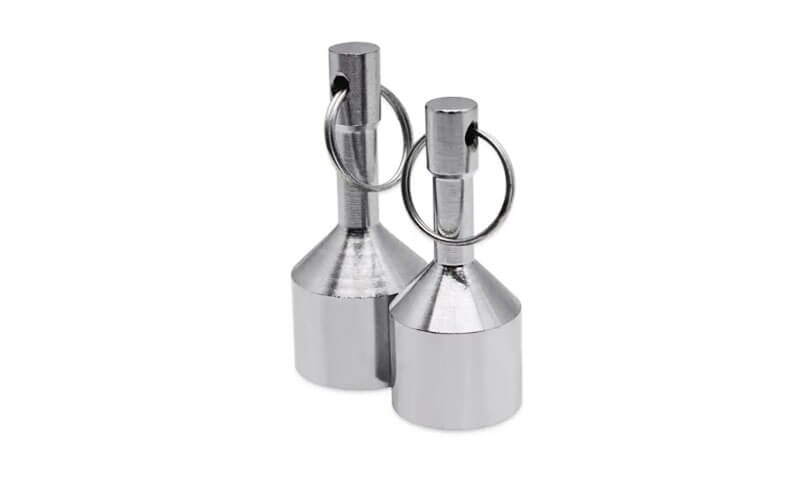
การแนะนำ
เมื่อมองแวบแรก, คำถาม “เหล็กเป็นแม่เหล็ก?” ดูเป็นเรื่องเล็กน้อย. คลิปหนีบกระดาษติดกับแม่เหล็กติดตู้เย็น ใช่เลย, เหล็กเป็นแม่เหล็ก.
แต่ขอให้วิศวกรที่ทำงานเกี่ยวกับส่วนประกอบท่อสแตนเลส, และคำตอบก็จะกลายเป็น: มันขึ้นอยู่กับ.
เหล็กไม่ใช่วัสดุชนิดเดียว; เป็นตระกูลโลหะผสมเหล็ก-คาร์บอนที่มีโครงสร้างจุลภาคที่แตกต่างกันอย่างกว้างขวาง.
เหล็กบางชนิดมีแม่เหล็กไฟฟ้าสูง, ส่วนรุ่นอื่นๆ ก็ไม่ใช่แม่เหล็กโดยสมบูรณ์, และมีอีกสองสามคนที่อยู่ระหว่างนั้น.
บทความนี้จะวิเคราะห์ความเป็นแม่เหล็กของเหล็กจากห้ามุม: ฟิสิกส์พื้นฐาน, ผลึกศาสตร์, องค์ประกอบของโลหะผสม, ประวัติการประมวลผล, และ การทดสอบภาคปฏิบัติ.
โดยในตอนท้าย, คุณจะเข้าใจไม่เพียงเท่านั้น ไม่ว่า เหล็กที่กำหนดนั้นเป็นแม่เหล็ก, แต่ ทำไม – และวิธีการทำนายหรือแก้ไขพฤติกรรมนั้น.
1. ทำไมเหล็กถึงมักเป็นแม่เหล็ก
เหล็กมักเป็นแม่เหล็กเนื่องจากมีการสร้างเฟสทางโลหะวิทยาที่พบบ่อยที่สุด เหล็ก, และเหล็กเป็นองค์ประกอบเฟอร์โรแมกเนติกในรูปแบบคริสตัลที่มีศูนย์กลางที่ตัวเครื่อง.
ในแง่การปฏิบัติ, การตอบสนองทางแม่เหล็กของเหล็กถูกควบคุมโดย โครงสร้างคริสตัล, การจัดตำแหน่งการหมุนของอิเล็กตรอน, และ ความสมดุลของเฟส.
ยิ่งเหล็กมีโครงสร้างเฟอริติกหรือมาร์เทนซิติกมากเท่าไร, โดยทั่วไปแล้วแรงดึงดูดของแม่เหล็กก็จะยิ่งแข็งแกร่งขึ้นเท่านั้น.

โครงสร้างคริสตัลเป็นรากฐานของแม่เหล็ก
พฤติกรรมทางแม่เหล็กของเหล็กไม่ได้เกิดขึ้นแบบสุ่ม. มีรากฐานมาจากวิธีการจัดเรียงอะตอมของเหล็กในโครงตาข่ายคริสตัล และวิธีที่อิเล็กตรอนที่ไม่มีคู่มีปฏิกิริยาโต้ตอบกัน.
เฟอร์ไรต์: เฟสแม่เหล็กหลัก
เฟสแม่เหล็กที่สำคัญที่สุดในเหล็กธรรมดาคือ อัลฟ่าเฟอร์ไรต์, ซึ่งมี ลูกบาศก์ที่มีศูนย์กลางร่างกาย (สำเนาลับถึง) โครงสร้างคริสตัล.
ในการจัดครั้งนี้, อะตอมของเหล็กช่วยให้โดเมนแม่เหล็กสามารถจัดตำแหน่งได้ง่าย, ดังนั้นวัสดุจึงแสดงถึงความเป็นแม่เหล็กที่แข็งแกร่ง.
นั่นคือเหตุผลที่เหล็กกล้าคาร์บอน, เหล็กกล้าต่ำ, และเหล็กโครงสร้างหลายชนิดถูกดึงดูดด้วยแม่เหล็กอย่างแรง.
ออสเทนไนต์: เฟสแม่เหล็กอ่อนหรือไม่มีแม่เหล็ก
โดยทางตรงกันข้าม, ออสเทนไนต์ มี ลูกบาศก์ที่อยู่ตรงกลางหน้า (เอฟซีซี) โครงสร้าง.
การอัดแน่นของอะตอมที่แน่นยิ่งขึ้นนี้จะเปลี่ยนการจัดเรียงอิเล็กตรอน และป้องกันการจัดแนวโดเมนแม่เหล็กระยะไกลในลักษณะเดียวกับเฟอร์ไรต์.
ส่งผลให้, โดยทั่วไปแล้วเหล็กกล้าออสเทนนิติกจะมีแม่เหล็กอ่อนหรือเกือบไม่มีแม่เหล็กในสภาวะอบอ่อน.
มาร์เทนไซต์: แม่เหล็กและแข็ง
เมื่อเหล็กดับแล้ว, ออสเทนไนต์สามารถแปลงร่างเป็นได้ มาร์เทนไซต์, โครงสร้าง tetragonal ที่มีลำตัวเป็นศูนย์กลางซึ่งได้มาจากตระกูล BCC.
มาร์เทนไซต์ยังคงตอบสนองต่อสนามแม่เหล็ก, ซึ่งเป็นเหตุผลว่าทำไมเหล็กชุบแข็งจึงยังคงเป็นแม่เหล็กและมักจะแข็งแกร่งกว่าสภาพออสเทนนิติกที่เกิดขึ้นด้วยซ้ำ.
เหตุใดเหล็กอุณหภูมิห้องจึงมักเป็นแม่เหล็ก
ที่อุณหภูมิห้อง, เหล็กทั่วไปส่วนใหญ่ประกอบด้วยเฟอร์ไรต์, มาร์เทนไซต์, หรือทั้งสองอย่างผสมกัน. ระยะเหล่านี้จะรักษาการจัดตำแหน่งโดเมนที่จำเป็นสำหรับแม่เหล็กไฟฟ้า.
นั่นคือเหตุผลว่าทำไมเหล็กโครงสร้างธรรมดา, เหล็กกล้าเครื่องมือ, และโลหะผสมเหล็กหลายชนิดตอบสนองต่อแม่เหล็กอย่างแรงโดยไม่ต้องดูแลเป็นพิเศษ.
เหล็กกล้าออสเทนนิติกเป็นข้อยกเว้นหลัก, แต่ถึงแม้พวกมันจะไม่ใช่แม่เหล็กอย่างสมบูรณ์เสมอไปก็ตาม.
ทำงานเย็น, การขึ้นรูป, หรือการเสียรูปอย่างรุนแรงสามารถสร้างการเปลี่ยนแปลงของมาร์เทนซิติกในท้องถิ่นและทำให้พวกมันกลายเป็นแม่เหล็กบางส่วนได้.
| พฤติกรรมแม่เหล็ก | คำอธิบาย | เกิดขึ้นในเหล็ก? |
| เครื่องใช้ | แรงดึงดูดที่แข็งแกร่ง; ยังคงความเป็นแม่เหล็ก (การตีโพยตีพาย) | ใช่ – เหล็กกล้าคาร์บอนส่วนใหญ่, สเตนเลสเฟอร์ริติก, สเตนเลสมาร์เทนซิติก |
| พาราแมกเนติก | อ่อนแอ, แรงดึงดูดชั่วคราว; ไม่มีฮิสเทรีซีส | ใช่ – สเตนเลสออสเทนนิติก (เช่น, 304, 316) |
| ต้านแม่เหล็กไฟฟ้า | ไม่มีการดึงดูดสุทธิ; ช่วงเวลาแม่เหล็กยกเลิก | เลขที่ |
| ไดอะแมกเนติก | แรงผลักที่อ่อนแอมาก; วัสดุทั้งหมดมีสิ่งนี้ | เลขที่ (เต็มไปด้วยผลกระทบที่แข็งแกร่งกว่าในเหล็ก) |
ดังนั้น, คำตอบเชิงปฏิบัติ “คือเหล็กแม่เหล็ก?" เป็น: เหล็กกล้าเฟอร์โรแมกเนติกเป็นแม่เหล็ก; เหล็กพาราแมกเนติกแทบไม่มีสภาพเป็นแม่เหล็กเพื่อการสังเกตทั่วไป.
ผลกระทบของอุณหภูมิกูรี
แม่เหล็กในเหล็กก็ขึ้นอยู่กับอุณหภูมิเช่นกัน. วัสดุเฟอร์โรแมกเนติกทุกชนิดมี อุณหภูมิกูรี, เหนือสิ่งอื่นใดการปั่นป่วนด้วยความร้อนจะเอาชนะการเรียงลำดับโดเมนแม่เหล็กและวัสดุกลายเป็นพาราแมกเนติก.
สำหรับเหล็กบริสุทธิ์, อุณหภูมิกูรีอยู่ที่ประมาณ 770องศาเซลเซียส. เหนือจุดนี้, เหล็กสูญเสียแม่เหล็กไฟฟ้าไปชั่วคราว.
เมื่อมันเย็นลงอีกครั้ง, พลังแม่เหล็กกลับมาโดยไม่มีการเปลี่ยนแปลงองค์ประกอบอย่างถาวร.
สิ่งนี้จะอธิบายการสังเกตทางอุตสาหกรรมที่เป็นประโยชน์: เหล็กอาจดูเหมือนไม่มีแม่เหล็กในขณะที่ร้อนระหว่างการตีขึ้นรูป, การรักษาความร้อน, หรือการทำให้เป็นออสเทนไนซ์, แต่กลับมีพฤติกรรมแม่เหล็กกลับคืนมาหลังจากเย็นลง.
การเปลี่ยนแปลงทางแม่เหล็กจึงสามารถย้อนกลับได้และขับเคลื่อนด้วยอุณหภูมิ, ไม่จำเป็นต้องเป็นสัญญาณของการเปลี่ยนแปลงทางเคมี.
2. พฤติกรรมแม่เหล็กโดยตระกูลเหล็ก
ในแง่วิศวกรรมเชิงปฏิบัติ, ยิ่งตระกูลเหล็กมีมากเท่าไร เฟอร์ไรท์ หรือ มาร์เทนไซต์, ยิ่งมีแนวโน้มที่จะเป็นแม่เหล็กมากขึ้นเท่านั้น.
ยิ่งมีความเสถียรใน ออสเตนิติก โครงสร้าง, การตอบสนองทางแม่เหล็กก็จะยิ่งอ่อนลงเท่านั้น.
ตระกูลเหล็กทั่วไปและพฤติกรรมทางแม่เหล็ก
| ครอบครัวเหล็ก | เกรดทั่วไป / ประเภท | พฤติกรรมแม่เหล็กทั่วไป | หมายเหตุทางเทคนิค |
| เหล็กกล้าคาร์บอน | เอไอเอส 1010, 1018, 1020, 1045, 1095 | แม่เหล็กอย่างแรง | เหล็กกล้าคาร์บอนส่วนใหญ่ประกอบด้วยเฟอร์ไรต์และ/หรือมาร์เทนไซต์, ดังนั้นพวกมันจึงมักจะถูกดึงดูดอย่างแรงจากแม่เหล็ก. |
| เหล็กกล้าอัลลอยด์ต่ำ | 4140, 4340, 8620, 4130 | แม่เหล็กอย่างแรง | การผสมอัลลอยด์ไม่สามารถขจัดอำนาจแม่เหล็กได้ เว้นแต่จะทำให้ออสเทนไนต์มีความเสถียรอย่างมาก; เหล็กกล้าโลหะผสมต่ำส่วนใหญ่ยังคงเป็นแม่เหล็ก. |
| โลหะผสมเหล็ก | เหล็กโครเมียม-โมลิบดีนัม, เหล็กนิกเกิลโครเมียม, เหล็กโลหะผสมโครงสร้าง | มักจะเป็นแม่เหล็ก | “โลหะผสมเหล็ก” เป็นหมวดหมู่กว้างๆ; เกรดส่วนใหญ่ยังคงเป็นเฟอร์ริติกหรือมาร์เทนซิติก ดังนั้นจึงเป็นเกรดแม่เหล็ก. |
| เหล็กโครงสร้าง | ASTM A36, Q235, S235, S355 | แม่เหล็กอย่างแรง | เหล็กโครงสร้างที่ใช้กันอย่างแพร่หลายมักเป็นเฟอร์ริติกและตอบสนองต่อแม่เหล็กได้อย่างชัดเจน. |
| เหล็กเครื่องมือ | D2, O1, A2, H13, W1 | แม่เหล็กอย่างแรง | เหล็กกล้าเครื่องมือมักเป็นแม่เหล็กแม้หลังผ่านกระบวนการให้ความร้อน เนื่องจากมาร์เทนไซต์เป็นเฟสหลัก. |
เหล็กสปริง |
5160, 1075, 1095 เหล็กสปริง | แม่เหล็กอย่างแรง | เหล็กสปริงคาร์บอนสูงมักเป็นมาร์เทนซิติกหลังการอบชุบด้วยความร้อนและยังคงมีแม่เหล็กแรงสูง. |
| แบริ่งเหล็ก | เอไอเอส 52100 | แม่เหล็กอย่างแรง | เหล็กแบริ่งโครเมียมคาร์บอนสูงมักเป็นแม่เหล็กเนื่องจากมีเมทริกซ์มาร์เทนซิติก. |
| เหล็กผุกร่อน | คอร์เทน เอ, คอร์เทน บี | แม่เหล็กอย่างแรง | เหล็กผุกร่อนยังคงเป็นเหล็กโครงสร้างที่ทำจากเหล็กและยังคงการตอบสนองทางแม่เหล็กที่แข็งแกร่ง. |
| เหล็กไฟฟ้า / เหล็กซิลิคอน | ม19, ม27, 1008 เหล็กไฟฟ้า | แม่เหล็ก, มักได้รับการออกแบบมาเพื่อการควบคุมแม่เหล็ก | เหล็กเหล่านี้ได้รับการออกแบบมาเป็นพิเศษเพื่อประสิทธิภาพทางแม่เหล็กในมอเตอร์และหม้อแปลงไฟฟ้า. |
| สแตนเลสเฟอริติก | 409, 430, 439 | แม่เหล็ก | สเตนเลสเฟอร์ริติกยังคงเป็นแม่เหล็กเนื่องจากโครงสร้างเป็นเฟอร์ริติก, ไม่ใช่ออสเทนนิติก. |
สแตนเลสมาร์เทนซิติก |
410, 420, 440ค | แม่เหล็กอย่างแรง | เกรดเหล่านี้เป็นแม่เหล็กและสามารถชุบแข็งได้. |
| ดูเพล็กซ์สแตนเลส | 2205, 2507 | แม่เหล็ก | เหล็กดูเพล็กซ์มีทั้งเฟอร์ไรต์และออสเทนไนต์, ดังนั้นพวกมันจึงแสดงพลังแม่เหล็กที่เห็นได้ชัดเจน. |
| เหล็กกล้าไร้สนิมออสเทนนิติก | 304, 316, 316ล, 321 | มักมีแม่เหล็กอ่อนถึงเกือบไม่มีแม่เหล็ก | ในสภาวะอบอ่อน โดยทั่วไปจะไม่ใช่แม่เหล็กหรือมีแม่เหล็กเพียงเล็กน้อยเท่านั้น; งานเย็นสามารถเพิ่มพลังแม่เหล็กได้. |
| สเตนเลสสตีลชุบแข็งแบบตกตะกอน | 17-4พีเอช, 15-5พีเอช, 13-8โม | มักจะเป็นแม่เหล็ก | เกรดเหล่านี้มักแสดงการตอบสนองทางแม่เหล็กเนื่องจากมีโครงสร้างผสมและสถานะการบำบัดความร้อน. |
3. อะไรเปลี่ยนแปลงการตอบสนองทางแม่เหล็กของเหล็ก
การตอบสนองทางแม่เหล็กของเหล็กไม่คงที่. สามารถเปลี่ยนได้ด้วย องค์ประกอบ, การรักษาความร้อน, การเสียรูป, ความสมดุลของเฟส, และอุณหภูมิ.
ในแง่การปฏิบัติ, เหล็กที่ปรากฏเป็นแม่เหล็กอย่างแรงในสภาวะเดียวอาจอ่อนลงได้, แข็งแกร่งขึ้น, หรือตัวแปรภายในเครื่องในอีกทางหนึ่ง.
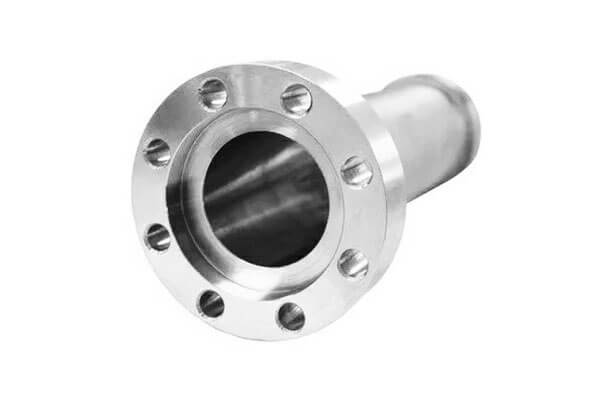
เคมีผสม
ธาตุผสมในเหล็กมีอิทธิพลต่อเฟสต่างๆ ที่เกิดขึ้นและความเสถียรของธาตุเหล่านั้น.
- นิกเกิล มีแนวโน้มที่จะทำให้ออสเทนไนต์คงที่และลดการตอบสนองของแม่เหล็ก.
- โครเมียม ปรับปรุงความต้านทานการกัดกร่อน, แต่โดยตัวมันเองไม่สามารถขจัดพลังแม่เหล็กได้.
- แมงกานีสและไนโตรเจน ยังสามารถรักษาเสถียรภาพของโครงสร้างออสเทนนิติกในเหล็กบางชนิดได้.
- คาร์บอน ส่งผลกระทบอย่างมากต่อความสามารถในการชุบแข็งและสามารถส่งเสริมการเปลี่ยนแปลงของมาร์เทนซิติกหลังจากการดับ.
นั่นคือสาเหตุที่เหล็กกล้าคาร์บอนธรรมดามักมีแม่เหล็กแรงสูง, ในขณะที่สเตนเลสออสเทนนิติกที่มีปริมาณนิกเกิลมากอาจมีแม่เหล็กอ่อนเท่านั้น.
การรักษาความร้อน
การอบชุบด้วยความร้อนจะเปลี่ยนโครงสร้างผลึกภายในของเหล็ก, และนั่นทำให้เกิดการเปลี่ยนแปลงแม่เหล็กโดยตรง.
- การหลอม สามารถทำให้เหล็กนิ่มลงและเปลี่ยนแปลงการตอบสนองของแม่เหล็กได้ขึ้นอยู่กับเฟสปัจจุบัน.
- การดับ สามารถเปลี่ยนออสเทนไนต์เป็นมาร์เทนไซต์ได้, ซึ่งมักจะเพิ่มพลังแม่เหล็ก.
- การแบ่งเบาบรรเทา ปรับเปลี่ยนมาร์เทนไซต์ แต่โดยทั่วไปแล้วไม่สามารถกำจัดพฤติกรรมทางแม่เหล็กได้.
- การหลอมโซลูชัน ในสเตนเลสออสเทนนิติกสามารถลดแรงแม่เหล็กได้โดยการฟื้นฟูโครงสร้างออสเทนนิติกที่มีความเสถียรมากขึ้น.
นี่คือสาเหตุที่โลหะผสมชนิดเดียวกันอาจแสดงพฤติกรรมแม่เหล็กที่แตกต่างกันก่อนและหลังการอบชุบด้วยความร้อน.
งานเย็นและการเสียรูปพลาสติก
การเสียรูปทางกลสามารถเพิ่มแรงแม่เหล็กได้, โดยเฉพาะในสเตนเลสออสเทนนิติก.
ดัด, กลิ้ง, การประทับตรา, การวาดภาพ, หรือการตัดเฉือนหนักอาจทำให้ส่วนหนึ่งของออสเทนไนต์เปลี่ยนเป็นมาร์เทนไซต์ได้.
ผลที่ได้คือเหล็กที่กลายเป็นแม่เหล็กมากขึ้นหลังจากการขึ้นรูปมากกว่าในสถานะอบอ่อน.
ผลกระทบนี้มักจะสังเกตได้ชัดเจนที่สุดใน:
- ท่อสแตนเลสโค้งงอ,
- ส่วนประกอบสเตนเลสดึงลึก,
- แผ่นรีดหนัก,
- และชิ้นส่วนออสเทนนิติกกลึงด้วยความเครียดเฉพาะที่.
สมดุลเฟส
การตอบสนองทางแม่เหล็กของเหล็กขึ้นอยู่กับปริมาณมาก เฟอร์ไรท์, มาร์เทนไซต์, และ ออสเทนไนต์ มันมี.
- เฟอร์ไรต์มากขึ้น → การตอบสนองของแม่เหล็กแรงขึ้น
- มาร์เทนไซต์มากขึ้น → การตอบสนองของแม่เหล็กที่แข็งแกร่งขึ้น
- ออสเทนไนท์มากขึ้น → การตอบสนองทางแม่เหล็กอ่อนลง
นี่เป็นสิ่งสำคัญอย่างยิ่งในเหล็กกล้าไร้สนิมดูเพล็กซ์, โดยที่ความสมดุลระหว่างเฟอร์ไรต์และออสเทนไนต์จะกำหนดพฤติกรรมแม่เหล็กโดยรวม.
เนื่องจากเหล็กดูเพล็กซ์มีเศษส่วนเฟอร์ริติก, โดยปกติแล้วจะเป็นแม่เหล็กแม้ว่าจะไม่ใช่แม่เหล็กแรงเท่ากับเหล็กกล้าคาร์บอนธรรมดาก็ตาม.
อุณหภูมิ
อุณหภูมิสามารถระงับสนามแม่เหล็กในเหล็กเฟอร์โรแมกเนติกได้ชั่วคราว.
เหนือ อุณหภูมิกูรี, โดเมนแม่เหล็กที่เรียงลำดับสูญเสียการจัดตำแหน่งและวัสดุกลายเป็นพาราแมกเนติก.
เมื่อเหล็กเย็นลงต่ำกว่าเกณฑ์นั้น, แม่เหล็กกลับมา.
นั่นหมายความว่าเหล็กร้อนอาจปรากฏว่าไม่มีแม่เหล็กในระหว่างการตีหรือการอบชุบด้วยความร้อน, แต่นั่นไม่ได้หมายความว่าวัสดุหยุดเป็นเหล็กหรือสูญเสียคุณสมบัติทางแม่เหล็กอย่างถาวร.
การเปลี่ยนแปลงสามารถย้อนกลับได้และความร้อน.
สภาพพื้นผิวและการแปรรูปในท้องถิ่น
การบดพื้นผิว, การเชื่อม, ยิงปอกเปลือก, เครื่องจักรกล, และความเค้นตกค้างสามารถสร้างความแปรปรวนในท้องถิ่นในการตอบสนองทางแม่เหล็ก.
ในบางเหล็ก, ชั้นผิวสามารถกลายเป็นแม่เหล็กได้มากกว่าแกนกลางหากพื้นผิวผ่านการเปลี่ยนแปลงที่เกิดจากความเครียดหรือการเปลี่ยนเฟสเฉพาะที่.
นี่เป็นเหตุผลหนึ่งที่การทดสอบแม่เหล็กอาจแสดงแรงดึงดูดที่ไม่สม่ำเสมอในส่วนเดียวกัน.
4. การเลือกวัสดุที่เน้นการใช้งานโดยพิจารณาจากประสิทธิภาพแม่เหล็กของเหล็ก
แม่เหล็กของเหล็กไม่ได้เป็นเพียงความอยากรู้อยากเห็นในห้องปฏิบัติการเท่านั้น. ในทางวิศวกรรมอย่างแท้จริง, มันมีอิทธิพล พฤติกรรมการประกอบ, การตรวจจับความเข้ากันได้, การรีไซเคิล, การตรวจสอบ, ปฏิสัมพันธ์ทางไฟฟ้า, และความเหมาะสมด้านสิ่งแวดล้อม.
ทางเลือกที่ถูกต้องจึงไม่ใช่ "เหล็กแม่เหล็กกับเหล็กที่ไม่เป็นแม่เหล็ก" ในความหมายง่ายๆ, แต่ กลุ่มเหล็กที่เหมาะสมสำหรับความต้องการด้านแม่เหล็กในการใช้งาน.
เมื่อแม่เหล็กแรงสูงมีประโยชน์
เหล็กที่มีแม่เหล็กแรงสูงมักเป็นตัวเลือกที่ดีที่สุดเมื่อการตอบสนองทางแม่เหล็กมีประโยชน์ในการใช้งาน.
กรณีการใช้งานทั่วไป
- งานโครงสร้างและเครื่องจักรทั่วไป
- ระบบจับยึดและยึดแม่เหล็ก
- การคัดแยกเศษและการรีไซเคิล
- ตัวคั่นแม่เหล็กและอุปกรณ์จับยึด
- ส่วนประกอบที่สึกหรอได้ง่ายในคาร์บอน, เครื่องมือ, หรือเหล็กมาร์เทนซิติก
ในกรณีเหล่านี้, การตอบสนองด้วยแม่เหล็กแรงสูงช่วยในการควบคุม, การแยก, และการเก็บรักษาอุปกรณ์ติดตั้ง.
เหล็กกล้าคาร์บอน, เหล็กกล้าต่ำ, เหล็กกล้าเครื่องมือ, และสเตนเลสเฟอร์ริติกหรือมาร์เทนซิติกมักนิยมใช้เนื่องจากเป็นการผสมผสานประโยชน์ทางกลเข้ากับแรงดึงดูดแม่เหล็กที่เชื่อถือได้.
เมื่อต้องใช้แม่เหล็กต่ำ
แอปพลิเคชันบางตัวต้องการการตอบสนองทางแม่เหล็กที่อ่อนมากหรือพฤติกรรมที่เกือบจะไม่ใช่แม่เหล็ก.
ในกรณีเหล่านั้น, เหล็กกล้าไร้สนิมออสเทนนิติกอบอ่อน มักจะเป็นตระกูลวัสดุกลุ่มแรกที่ต้องประเมิน.
กรณีการใช้งานทั่วไป
- อุปกรณ์ทางการแพทย์และห้องปฏิบัติการ
- ส่วนประกอบอิเล็กทรอนิกส์ที่มีความละเอียดอ่อน
- ระบบการวัดที่แม่นยำ
- สภาพแวดล้อมที่เกี่ยวข้องกับ MRI
- ตัวเรือนและอุปกรณ์ติดตั้งที่ไวต่อสนามแม่เหล็ก
ในสถานการณ์เหล่านี้, แม้แต่สนามแม่เหล็กเพียงเล็กน้อยก็สามารถรบกวนการทำงานได้.
เกรดออสเทนนิติก เช่น 304 และ 316 มักถูกเลือกเพราะว่าพวกมันมักจะมีแม่เหล็กอ่อนในสภาวะอบอ่อน.
อย่างไรก็ตาม, การออกแบบต้องคำนึงถึงความจริงที่ว่างานเย็นสามารถเพิ่มพลังแม่เหล็กได้, ดังนั้นประวัติการประมวลผลจึงมีความสำคัญพอๆ กับเกรดที่กำหนด.
เมื่อแม่เหล็กควบคุมมีประโยชน์
แอปพลิเคชั่นบางตัวไม่ต้องการแรงแม่เหล็กสูงสุดหรือแรงแม่เหล็กขั้นต่ำ. พวกเขาต้องการ คาดเดาได้, พฤติกรรมแม่เหล็กปานกลาง.
กรณีการใช้งานทั่วไป
- โครงสร้างสแตนเลสดูเพล็กซ์
- อุปกรณ์ที่ทนต่อการกัดกร่อนพร้อมข้อกำหนดการรับน้ำหนัก
- ส่วนประกอบทางอุตสาหกรรมที่สัมผัสกับสภาพแวดล้อมที่มีคลอไรด์
- ชิ้นส่วนรับแรงดันที่ต้องการความแข็งแรงดีกว่า 316L
เหล็กกล้าไร้สนิมดูเพล็กซ์เป็นตัวอย่างที่ดี. มีความแข็งแรงและทนต่อการกัดกร่อนสูงในขณะที่ยังคงมีแม่เหล็กอยู่เนื่องจากมีเศษส่วนเฟอร์ริติก.
สิ่งนี้มีประโยชน์เมื่อชิ้นส่วนต้องต้านทานการแตกร้าวจากการกัดกร่อนจากความเค้นคลอไรด์และการกัดกร่อน และยังคงรักษาสมรรถนะทางกลที่ดีไว้ได้.
การตอบสนองทางแม่เหล็กไม่ใช่เป้าหมายการออกแบบ, แต่เป็นผลที่ตามมาที่คาดเดาได้ของโครงสร้างจุลภาค.
5. ผลกระทบในทางปฏิบัติและความเข้าใจผิด
ทำไมตู้เย็น “สแตนเลส” ของฉันถึงมีแม่เหล็ก?
ประตูตู้เย็นหลายบานทำมาจาก สแตนเลสเฟอร์ริติก (เช่น, 430), ไม่ใช่ออสเทนนิติก.
สเตนเลสเฟอริติกมีราคาถูกกว่า, มีความต้านทานการกัดกร่อนได้ดีสำหรับใช้ภายในอาคาร, และ เป็นแม่เหล็ก – ซึ่งช่วยให้แม่เหล็กติดได้สะดวก.
ถ้าตู้เย็นของคุณทำจาก 304, แม่เหล็กจะไม่ติด.
ฉันสามารถใช้แม่เหล็กเพื่อแยกเศษเหล็กได้หรือไม่?
ใช่, แต่มีข้อแม้:
- เหล็กกล้าคาร์บอน, เฟอร์ริติก, มาร์เทนซิติก → แม่เหล็ก → เศษเหล็ก.
- สเตนเลสออสเทนนิติก (304, 316) → ไม่ใช่แม่เหล็ก → เศษสเตนเลสมูลค่าสูง.
- ดูเพล็กซ์สเตนเลส → แม่เหล็กอ่อน → สามารถจัดเรียงผิดได้หากไม่ระวัง.
- ออสเทนนิติกงานเย็น → อาจมีแม่เหล็กอ่อน, ทำให้เครื่องคัดแยกสับสน.
“เหล็กที่ไม่ใช่แม่เหล็ก” ไม่เป็นแม่เหล็กโดยสิ้นเชิง?
เลขที่. แม้แต่สเตนเลสออสเทนนิติกก็มีความสามารถในการซึมผ่านของพาราแมกเนติกได้ >1. ในสนามแม่เหล็กแรงสูง (เช่น, เครื่องเอ็มอาร์ไอ), พวกเขาสร้างแรงดึงดูดเล็กๆ น้อยๆ แต่วัดผลได้.
สำหรับการใช้งานที่ต้องการ อย่างที่สุด ความไวต่อแม่เหล็กต่ำ (เช่น, หลอด NMR), มีการใช้โลหะผสมพิเศษเช่น MP35N หรือไทเทเนียม.
ฉันสามารถลดอำนาจแม่เหล็กของเหล็กแม่เหล็กได้หรือไม่?
ใช่, แต่มีข้อจำกัด:
- สำหรับเหล็กกล้าคาร์บอน: ใช้สลับกัน, สนามแม่เหล็กลดลง (การล้างสนามแม่เหล็ก). อย่างไรก็ตาม, ลักษณะเฟอร์โรแมกเนติกของเหล็กยังคงอยู่; มันสามารถถูกทำให้เป็นแม่เหล็กใหม่ได้อย่างง่ายดาย.
- สำหรับมาร์เทนไซต์ที่เกิดจากความเครียดในสเตนเลสออสเทนนิติก: การหลอมสารละลายที่อุณหภูมิสูง (1050องศาเซลเซียส) จะคืนออสเทนไนต์ที่ไม่ใช่แม่เหล็ก, กำจัดแม่เหล็ก. แต่วิธีนี้ใช้ไม่ได้กับชุดประกอบขนาดใหญ่.
6. บทสรุป
“เป็นเหล็กแม่เหล็ก?” ไม่สามารถตอบได้ด้วยคำว่าใช่หรือไม่ใช่ง่ายๆ. คำตอบที่ถูกต้องก็คือ:
เหล็กเป็นแม่เหล็กได้หากโครงสร้างผลึกที่อุณหภูมิห้องมีลูกบาศก์เป็นศูนย์กลางของร่างกาย (สำเนาลับถึง) หรือรูปสี่เหลี่ยมจัตุรัสที่มีศูนย์กลางลำตัว (ก่อนคริสต์ศักราช).
มันไม่มีแม่เหล็ก (พาราแมกเนติก) ถ้าโครงสร้างเป็นลูกบาศก์มีศูนย์กลางหน้า (เอฟซีซี).
การทำความเข้าใจโลหะวิทยาที่อยู่เบื้องหลังแม่เหล็กทำให้วิศวกรสามารถเลือกเหล็กที่เหมาะสมสำหรับการใช้งานต่างๆ ตั้งแต่หัวจับแม่เหล็ก (ในกรณีที่จำเป็นต้องมีเฟอร์โรแมกเนติกที่แข็งแกร่ง) ไปยังเครื่องมือผ่าตัดที่เข้ากันได้กับ MRI (โดยที่แม้แต่ร่องรอยแม่เหล็กก็เป็นสิ่งต้องห้าม).
ทดสอบด้วยวิธีการสอบเทียบเสมอ, และอย่าพึ่งพาการทดสอบแม่เหล็กอย่างง่ายเพียงอย่างเดียวในการตรวจสอบยืนยันวัสดุที่สำคัญ.
คำถามที่พบบ่อย
316L ที่ไม่ใช่แม่เหล็กสามารถเปลี่ยนแม่เหล็กได้หลังการเชื่อม?
เดลต้าเฟอร์ไรต์เฉพาะที่ตกตะกอนภายในโซนที่ได้รับผลกระทบจากความร้อนในการเชื่อมระหว่างการทำความเย็นที่ไม่สม่ำเสมอ, ทำให้เกิดสนามแม่เหล็กบางส่วนจางๆ ใกล้ตะเข็บเชื่อม; แผ่นฐานโดยรวมยังคงคุณสมบัติที่ไม่ใช่แม่เหล็ก.
เหตุใดออสเทนไนต์นิกเกิลสูงจึงไม่เป็นแม่เหล็ก ในขณะที่สเตนเลสเฟอร์ไรต์นิกเกิลต่ำจึงเป็นแม่เหล็ก?
นิกเกิลทำให้โครงตาข่ายออสเทนไนต์ของ FCC มีความเสถียร ซึ่งรบกวนการจัดเรียงโดเมนแม่เหล็กที่ได้รับคำสั่ง; สูตรโครเมียม-นิกเกิลต่ำไม่สามารถยับยั้งการก่อตัวของเฟอร์ไรต์ BCC ด้วยความเป็นแม่เหล็กโดยธรรมชาติได้.
แม่เหล็กของสเตนเลสสตีลส่งผลต่อความสามารถในการป้องกันการกัดกร่อนหรือไม่?
แม่เหล็กบางส่วนที่เกิดจากการเสียรูปไม่เปลี่ยนความสามารถในการสร้างฟิล์มพาสซีฟโครเมียมของโลหะผสม;
ความต้านทานการกัดกร่อนยังคงสอดคล้องกับข้อกำหนดเกรดเดิม โดยไม่คำนึงถึงการเปลี่ยนแปลงของแม่เหล็กในท้องถิ่นเล็กน้อย.
มีเหล็กกล้าออสเทนนิติกที่เป็นเฟอร์โรแมกเนติกอยู่หรือไม่?
ใช่, แต่ไม่ธรรมดา. มีแมงกานีสสูงบางชนิด, เหล็กอลูมิเนียมสูง (จริงๆ แล้วสิ่งที่เรียกว่า “ไม่ใช่แม่เหล็ก”) สามารถเป็นแม่เหล็กไฟฟ้าได้ที่อุณหภูมิต่ำมาก.
ที่อุณหภูมิห้อง, ไม่มีสเตนเลสสตีลออสเทนนิติกเชิงพาณิชย์ที่เสถียรเป็นเฟอร์โรแมกเนติก.

