1. บทสรุปผู้บริหาร
การหล่อการลงทุน (การหล่อขี้ผึ้งหาย) ได้รับรางวัลด้านความแม่นยำของรูปร่าง, ส่วนบางและเรขาคณิตที่ซับซ้อน.
การเลือกใช้โลหะผสมถือเป็นการตัดสินใจในการออกแบบที่สำคัญที่สุดเนื่องจากเป็นตัวกำหนด: วัสดุและวิธีการหลอม/ไล่แก๊สที่โรงหล่อต้องใช้; เคมีของเปลือกและรอบการยิง;
กลยุทธ์การป้อนและการหดตัว; คุณสมบัติทางกลที่สามารถบรรลุได้และการบำบัดความร้อนหลังการหล่อที่จำเป็น; การทดสอบการตรวจสอบและการยอมรับ; และท้ายที่สุดคือต้นทุนและเวลาในการผลิต.
บทความนี้จะตรวจสอบตระกูลหลักของโลหะผสมที่หล่อโดยทั่วไปโดยกระบวนการลงทุน, เปรียบเทียบพฤติกรรมทางโลหะวิทยาและผลกระทบจากการประมวลผล, และให้คำแนะนำในการเลือกเชิงปฏิบัติที่เชื่อมโยงกับการใช้งานทั่วไป.
2. เหตุใดการเลือกวัสดุจึงมีความสำคัญในการหล่อการลงทุน
การเลือกใช้วัสดุถือเป็นการตัดสินใจทางวิศวกรรมที่เป็นผลสืบเนื่องที่สุดเพียงอย่างเดียว การหล่อการลงทุน. มันกำหนดไม่เพียงแต่ประสิทธิภาพในการให้บริการของชิ้นส่วนที่เสร็จแล้วเท่านั้น (ความแข็งแกร่ง, ความต้านทานการกัดกร่อน, เสถียรภาพที่อุณหภูมิสูง, ความเข้ากันได้ทางชีวภาพ, น้ำหนัก),
แต่ยังรวมถึงห่วงโซ่การผลิตต้นน้ำและปลายน้ำทั้งหมดด้วย: วิธีการละลายและการเท, เคมีของเปลือกและการยิง, กลยุทธ์การเกท/ไรเซอร์, โหมดข้อบกพร่องที่ต้องระวัง, การบำบัดด้วยความร้อนที่จำเป็น, วิธีการตรวจสอบ, รอบเวลา, ความเสี่ยงจากเศษซากและต้นทุนรวม.
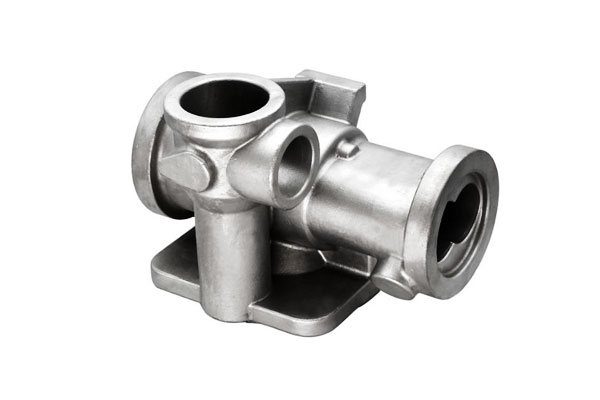
3. ตระกูลวัสดุที่ใช้ในการหล่อการลงทุน
| ตระกูล | เกรดทั่วไป / ตัวอย่าง | ความหนาแน่นโดยทั่วไป (ก.ซม.⁻³) | ละลาย / ของเหลว (องศาเซลเซียส) | ความแข็งแกร่ง & ซอก |
| สแตนเลสสตีลออสเทนนิติก | 304, 316ล, CF3, CF3M | 7.9 | ~1,400–1,450 | ความต้านทานการกัดกร่อน, ความง่ายในการหล่อ |
| สเตนเลสชุบแข็งแบบตกตะกอน | 17-4 พีเอช (เอไอเอส 630) | 7.8 | ~1,350–1,420 | มีความแข็งแรงสูงหลังจากอายุมากขึ้น |
| ดูเพล็กซ์ / ซุปเปอร์-เพล็กซ์ | 2205, 2507 | ~ 7.8 | ~1,350–1,450 | มีความแข็งแรงสูง + ความต้านทานต่อหลุม |
| สเตนเลสมาร์เทนซิติก / เหล็กกล้าเครื่องมือ | 410/420, H13, 440ค | 7.7–7.9 | 1,300–1,450 (แตกต่างกันไป) | สวมใส่, ทนความร้อน (เครื่องมือ) |
| คาร์บอน / เหล็กกล้าต่ำ | 1020–4140, WCB | 7.8 | ~1,420–1,540 | เกี่ยวกับโครงสร้าง, ต้นทุนที่ต่ำลง |
ซูเปอร์อัลลอยด์ที่มีฐานนิกเกิล |
อินโคเนล 718, 625, 738 | 8.2–8.4 | 1,350–1,400 (718), ของเหลวสูงถึง ~1,400–1,450+ | ความแข็งแรงที่อุณหภูมิสูง, คืบคลาน |
| โลหะผสมโคบอลต์เบส | โค-ซี-โม (ASTM F75) | ~8.3–8.9 | ~1,260–1,350 | สวมใส่, การปลูกถ่ายชีวการแพทย์ |
| โลหะผสมทองแดงฐาน (สีบรอนซ์/ทองเหลือง) | อลูมิเนียมบรอนซ์, ด้วย SN, กับเรา | 8.4–8.9 | 900–1,080 | การนำไฟฟ้า, พื้นผิวแบริ่ง |
| โลหะผสมไทเทเนียม | Ti-6Al-4V | 4.4 | ละลาย ~1,650 | มีความแข็งแรงสูงต่อน้ำหนัก, เข้ากันได้ทางชีวภาพ |
| อลูมิเนียมอัลลอยด์ | A356 (ถูก จำกัด) | 2.7 | ~580–660 | น้ำหนักเบา, ความแรงต่ำเทียบกับอื่น ๆ |
| โลหะมีค่า | 18เค โกลด์, เงินสเตอร์ลิง, Pt-โลหะผสม | AU 19.3, เอเจน 10.5 | ในการละลาย 1,064 | เครื่องประดับ, หน้าสัมผัสทางไฟฟ้า |
4. วัสดุโลหะผสมหล่อ — การกำหนดประสิทธิภาพขั้นสุดท้ายของการหล่อ
เมื่อเลือกโลหะผสมสำหรับการหล่อ คุณต้องพิจารณาปัจจัยที่ขึ้นอยู่กับปัจจัยต่างๆ: คุณสมบัติทางกลที่ต้องการ (ความแข็งแกร่ง, ความเหนียว, ความเหนื่อยล้า), สภาพแวดล้อมการดำเนินงาน (อุณหภูมิ, สื่อการกัดกร่อน),
เรขาคณิต (ผนังบางเทียบกับส่วนขนาดใหญ่), การผลิต (ความลื่นไหล, ช่วงการแช่แข็ง, ปฏิกิริยา), การประมวลผลหลังการหล่อ (การรักษาความร้อน, สะโพก), ความต้องการและค่าใช้จ่ายในการตรวจสอบ.
การหล่อโลหะผสมเหล็ก
1) เหล็กกล้าคาร์บอน การหล่อ
สิ่งที่พวกเขาเป็น: เหล็กกล้าอัลลอยด์ต่ำโดยที่คาร์บอนเป็นองค์ประกอบเสริมกำลังหลัก (เช่น, เอไอเอส 1020–1045, ASTM A216 WCB, เทียบเท่า).
คุณสมบัติ & ผลงาน: ความแข็งแรงปานกลาง, ความเหนียวที่ดีเมื่อทำให้เป็นมาตรฐาน, ความสามารถในการแปรรูปที่ดีเยี่ยมและต้นทุนต่ำ. ความหนาแน่น ~7.85 ก./ซม.³.
ข้อควรพิจารณาในการหล่อ: จุดหลอมเหลวเล็กน้อย (~1,420–1,540 องศาเซลเซียส), มีความลื่นไหลที่ดีสำหรับรูปทรงต่างๆ แต่ไวต่อการหดตัวของรูพรุนในส่วนที่มีน้ำหนักมาก.
การออกแบบเปลือกและประตูต้องมีการป้อนที่เพียงพอ. การก่อตัวของไฮโดรเจนและกราไฟท์อาจเป็นปัญหาสำหรับบางเกรด.
หลังการประมวลผล: ทำให้เป็นปกติ, ดับ & อารมณ์ (ขึ้นอยู่กับเกรด) เพื่อให้ได้ความแข็ง/ความแข็งแรงตามที่ต้องการ.
การใช้งาน: ส่วนประกอบโครงสร้าง, เรือน, การหล่อทางวิศวกรรมทั่วไปที่ความต้านทานการกัดกร่อนไม่สำคัญ.
2) โลหะผสมเหล็ก การหล่อ
สิ่งที่พวกเขาเป็น: เหล็กผสมกับ Cr, โม, ใน, วี, ฯลฯ, เพื่อปรับปรุงความแข็งแรง, ความสามารถในการชุบแข็งและคุณสมบัติที่อุณหภูมิสูงขึ้น (เช่น, 4140, 4340 อะนาล็อกของครอบครัว).
คุณสมบัติ & ผลงาน: แรงดึงที่สูงขึ้น, ทนต่อความล้าและความเหนียวได้ดีกว่าเหล็กกล้าคาร์บอนธรรมดา; สามารถผ่านกรรมวิธีทางความร้อนให้มีความแข็งแรงสูงได้.
ข้อควรพิจารณาในการหล่อ: ความไวต่อการแยกตัวและการแคร็กร้อนที่สูงขึ้นเมื่อมีปริมาณโลหะผสมเพิ่มขึ้น; จำเป็นต้องมีการกั้นและการขึ้นอย่างระมัดระวัง; โลหะผสมบางชนิดต้องใช้การหลอมแบบสุญญากาศหรือแบบดีออกซิไดซ์เพื่อความสมบูรณ์.
หลังการประมวลผล: รอบการดับ/อุณหภูมิที่สำคัญ, การควบคุมความผิดเพี้ยนระหว่างการบำบัดความร้อน. อาจต้องบรรเทาความเครียดและแบ่งเบาบรรเทาเพื่อให้คุณสมบัติสมดุล.
การใช้งาน: เกียร์, เพลา, ชิ้นส่วนโครงสร้างที่มีความเค้นสูง, ส่วนประกอบของแหล่งน้ำมัน.
3) สแตนเลส การหล่อ
สิ่งที่พวกเขาเป็น: โลหะผสมที่มีเหล็กเป็นส่วนประกอบหลักที่มี Cr ≥10.5%; ครอบครัวรวมถึงออสเตนิติก (304/316/CF8/CF8M), มาร์เทนซิติก (410/420), ดูเพล็กซ์ (2205) และการตกตะกอนทำให้แข็งตัว (17-4 พีเอช).
คุณสมบัติ & ผลงาน: ความต้านทานการกัดกร่อนมีตั้งแต่ทั่วไป (ออสเตนิติก) มีความต้านทานต่อคลอไรด์สูง (ดูเพล็กซ์/superduplex);
คุณสมบัติทางกลแตกต่างกันมาก — ดูเพล็กซ์มีความแข็งแรงสูง + ทนต่อการกัดกร่อนได้ดี; 17-4 ค่า PH มีความแข็งแรงสูงหลังจากอายุมากขึ้น.

ข้อควรพิจารณาในการหล่อ: สแตนเลสละลายเป็นออกไซด์/ตะกรัน; การควบคุมเคมีหลอมละลาย, การกำจัดออกซิเดชันและการรวมตัวเป็นเรื่องสำคัญสำหรับผิวสำเร็จและคุณสมบัติทางกล.
การหดตัวแข็งตัวและความไวต่อการฉีกขาดจากความร้อนจะแตกต่างกันไปในแต่ละเกรด.
หลังการประมวลผล: วิธีแก้ปัญหาการหลอม, ดับและแก่ก่อนวัย (สำหรับเกรด PH); ดูเพล็กซ์อาจต้องใช้ความร้อนอย่างระมัดระวังเพื่อรักษาสมดุลของเฟส. การทำทู่และการดองมักเกิดขึ้นหลังการตัดเฉือน.
การใช้งาน: ส่วนประกอบโรงงานเคมี, วาล์ว, ฮาร์ดแวร์ทางทะเล, ชิ้นส่วนสุขาภิบาล, การแปรรูปอาหาร, อุปกรณ์ทางการแพทย์.
การหล่อโลหะผสมที่ไม่ใช่เหล็ก
4) อลูมิเนียมอัลลอยด์ การหล่อ
สิ่งที่พวกเขาเป็น: อัล-ซี, ตระกูลอัล-คู และอัล-เอ็มจี (เช่น, A356, เอ357, ADC12, 6061-พิมพ์) สำหรับส่วนประกอบหล่อ.
คุณสมบัติ & ผลงาน: ความหนาแน่นต่ำ (~ 2.7 g/cm³), ความแข็งแรงจำเพาะที่ดี (หลังการให้ความร้อนกับโลหะผสมบางชนิด), ทนต่อการกัดกร่อนได้ดีเยี่ยมเมื่อผสมอย่างเหมาะสม; การนำความร้อน/ไฟฟ้าได้ดีเยี่ยม.
ข้อควรพิจารณาในการหล่อ: ความลื่นไหลที่ดีมากช่วยให้ผนังบางและมีรายละเอียดปลีกย่อย, แต่มีความพรุนของไฮโดรเจน, ฟิล์มออกไซด์และการฉีกขาดด้วยความร้อนในโครงสร้างบางอย่างถือเป็นความเสี่ยงที่สำคัญ.
อุณหภูมิการเผาเชลล์และตารางการดีแว็กซ์แตกต่างจากงานที่เป็นเหล็ก. การควบคุมไฮโดรเจน, ความสะอาดและการกั้นประตูที่เหมาะสมถือเป็นสิ่งสำคัญ.
หลังการประมวลผล: การบำบัดด้วยความร้อนด้วยสารละลายและการแก่ชราเทียม (T6) เพื่อความแข็งแกร่ง; บางครั้ง HIP สำหรับชิ้นส่วนการบินและอวกาศที่สำคัญ.
การใช้งาน: เรือนการบินและอวกาศ, ส่วนประกอบน้ำหนักเบาของยานยนต์, ชิ้นส่วนกระจายความร้อน.
5) ทองแดง-โลหะผสมฐาน (สีบรอนซ์, ทองเหลือง, อลูมิเนียมบรอนซ์)
สิ่งที่พวกเขาเป็น: ด้วย SN (สีบรอนซ์), Cu-Zn (ทองเหลือง), กับ (อลูมิเนียมบรอนซ์), กับเรา, และรุ่นต่างๆ.
คุณสมบัติ & ผลงาน: ทนต่อการกัดกร่อนได้ดีเยี่ยม (โดยเฉพาะ Cu-Ni/Al-bronze), คุณสมบัติแบริ่งที่ดีและการนำความร้อน/ไฟฟ้า. ความหนาแน่น ~8.4–8.9 ก./ซม.³.

ข้อควรพิจารณาในการหล่อ: จุดหลอมเหลวต่ำกว่าเหล็ก; การนำความร้อนสูงส่งผลต่อพฤติกรรมการแข็งตัว (ระบายความร้อนอย่างรวดเร็ว).
ความลื่นไหลที่ดีทำให้รายละเอียดเป็นไปได้. ความเสี่ยงในการหดตัวและการแตกร้าวเนื่องจากความร้อนขึ้นอยู่กับองค์ประกอบของโลหะผสม.
หลังการประมวลผล: การหลอมเพื่อความเหนียว, การตัดเฉือนมักจะทำได้ยาก (ทำงานแข็ง); การตกแต่งพื้นผิวและการขจัดสังกะสีสำหรับทองเหลืองที่สัมผัสกับสภาพแวดล้อมบางอย่าง.
การใช้งาน: ฮาร์ดแวร์ทางทะเล, ส่วนประกอบปั๊ม, ตลับลูกปืน, ชิ้นส่วนตกแต่งและไฟฟ้า.
6) ไทเทเนียม-การหล่อโลหะผสม
สิ่งที่พวกเขาเป็น: โดยหลักแล้วคือ Ti-6Al-4V และโลหะผสม Ti อื่นๆ ที่มีความแข็งแรงจำเพาะสูงและมีความเข้ากันได้ทางชีวภาพสูง.
คุณสมบัติ & ผลงาน: มีความแข็งแรงต่อน้ำหนักที่ดีเยี่ยม, ความต้านทานการกัดกร่อนและความเข้ากันได้ทางชีวภาพ; ความหนาแน่นต่ำ (~4.4 ก./ซม.3).

ข้อควรพิจารณาในการหล่อ: ละลายปฏิกิริยาสูง (ออกซิเจน, กระบะไนโตรเจน) — จำเป็นต้องหลอมและเทสุญญากาศ/อาร์กอนเพื่อหลีกเลี่ยงการเปราะและการรวมตัว.
การหดตัวของการแข็งตัวและการเกิดออกไซด์ต้องใช้วัสดุเปลือกแบบพิเศษและแนวทางปฏิบัติในการหลอม. ต้นทุนการผลิตและความต้องการอุปกรณ์สูง.
หลังการประมวลผล: การรักษาความร้อนสูญญากาศ, บรรเทาความเครียด, HIP ทั่วไปเพื่อปิดรูพรุนสำหรับส่วนประกอบที่สำคัญ. การตกแต่งพื้นผิวเป็นสิ่งสำคัญสำหรับชิ้นส่วนที่ไวต่อความล้า.
การใช้งาน: ส่วนประกอบโครงสร้างการบินและอวกาศ, การปลูกถ่ายทางการแพทย์, สินค้ากีฬาประสิทธิภาพสูง.
การหล่อโลหะผสมที่มีอุณหภูมิสูง
7) ซูเปอร์อัลลอยด์ที่มีฐานนิกเกิล
สิ่งที่พวกเขาเป็น: โลหะผสมที่มี Ni-Cr-Co-Al-Ti (อินโคเนล, เรน, ครอบครัวนิโมนิค) ออกแบบมาเพื่อความแข็งแรงและต้านทานการคืบคลานที่อุณหภูมิสูง (สูงถึง ~1,000 °C และมากกว่านั้นสำหรับโลหะผสมบางชนิด).
คุณสมบัติ & ผลงาน: ความแข็งแรงของการคืบคลานที่ดีเยี่ยม, ทนต่อการเกิดออกซิเดชันและการกัดกร่อนที่อุณหภูมิสูง; ความหนาแน่นประมาณ 8.2–8.5 g/cm³.

ข้อควรพิจารณาในการหล่อ: ช่วงการแข็งตัวที่ยาวทำให้เกิดข้อบกพร่องในการแยกและการหดตัว; การหลอมเหนี่ยวนำสุญญากาศ, การควบคุมการกำจัดก๊าซและการรวมอย่างเข้มงวดถือเป็นสิ่งสำคัญ.
การแข็งตัวตามทิศทางและการหล่อแบบผลึกเดี่ยวเป็นรูปแบบเฉพาะสำหรับใบพัดกังหัน (ห่วงโซ่กระบวนการที่แตกต่างกัน).
หลังการประมวลผล: สารละลายที่ซับซ้อนและการบำบัดด้วยความร้อนตามอายุเพื่อพัฒนาตะกอนγ′; HIP และการตัดเฉือนเป็นเรื่องธรรมดา. การรับรองสำหรับภาคการบินและอวกาศจำเป็นต้องมี NDT ที่เข้มงวด.
การใช้งาน: ชิ้นส่วนร้อนกังหันก๊าซ, การบินและอวกาศ, การผลิตกระแสไฟฟ้า, การแปรรูปทางเคมีที่อุณหภูมิสูง.
8) โลหะผสมโคบอลต์เบส
สิ่งที่พวกเขาเป็น: Co-Cr-Mo และองค์ประกอบที่เกี่ยวข้องซึ่งใช้ในกรณีที่ต้องการการสึกหรอและความแข็งแกร่งที่อุณหภูมิสูง (เช่น, ครอบครัวสเตลไลท์).
คุณสมบัติ & ผลงาน: ความแข็งร้อนที่ดี, ความต้านทานการสึกหรอและความต้านทานการกัดกร่อน. มักใช้เมื่อมีการสึกหรอจากการเลื่อนที่อุณหภูมิสูง.
ข้อควรพิจารณาในการหล่อ: จุดหลอมเหลวสูงและความไวต่อการแยกตัว; การตัดเฉือนเป็นสิ่งที่ท้าทายเนื่องจากมีความแข็งสูง.
หลังการประมวลผล: สารละลาย/ริ้วรอย (ในกรณีที่เกี่ยวข้อง), การบดและขัดเงาสำหรับพื้นผิวไทรโบโลยี.
การใช้งาน: ซีลกังหัน, บ่าวาล์ว, โลหะผสมทางทันตกรรมชีวการแพทย์ (CO-CR), สวมใส่ส่วนประกอบ.
9) โลหะผสมอุณหภูมิสูงที่มีธาตุเหล็ก
สิ่งที่พวกเขาเป็น: เตารีดทนความร้อน (เช่น, เฟ-ซีอาร์-อัล, สแตนเลสสูตรสำหรับอุณหภูมิสูง).
คุณสมบัติ & ผลงาน: คุ้มค่าที่อุณหภูมิสูงปานกลาง, ต้านทานการเกิดออกซิเดชันได้ดีด้วยการผสมที่เหมาะสม.
ข้อควรพิจารณาในการหล่อ & การใช้งาน: ใช้ในบริเวณที่มีอุณหภูมิสูง แต่ไม่ต้องการความต้านทานการคืบคลานของโลหะผสมนิกเกิล (เช่น, ชิ้นส่วนเตาเผา, หัวเผาอุตสาหกรรมบางชนิด).
การหล่อโลหะผสมวัตถุประสงค์พิเศษ
โลหะผสมมีค่า (ทอง, เงิน, แพลทินัม)
สิ่งที่พวกเขาเป็น: AU, โลหะผสม Ag และ Pt สำหรับเครื่องประดับ, หน้าสัมผัสที่แม่นยำและการใช้ตัวเร่งปฏิกิริยา.
คุณสมบัติ & ผลงาน: ทนต่อการกัดกร่อนและคุณสมบัติด้านความงามได้ดีเยี่ยม; ความแข็งแรงทางกลแปรผันขึ้นอยู่กับกะรัตและอัลลอยด์.
ข้อควรพิจารณาในการหล่อ: จุดหลอมเหลวต่ำ (ทองคำ ~1,064 °C), ความลื่นไหลที่ยอดเยี่ยม; การหล่อแบบสุญญากาศหรือแบบควบคุมบรรยากาศช่วยปรับปรุงผิวสำเร็จ.
การหล่อการลงทุน (แว็กซ์ที่หายไป) เป็นเส้นทางการผลิตที่โดดเด่นสำหรับเครื่องประดับ.
การใช้งาน: เครื่องประดับ, หน้าสัมผัสทางอิเล็กทรอนิกส์, การใช้สารเคมีตกแต่งและพิเศษ.
โลหะผสมแม่เหล็ก (อัล-นิ-โค, แวเรียนต์ Nd-Fe-B)
สิ่งที่พวกเขาเป็น: วัสดุแม่เหล็กถาวรและโลหะผสมแม่เหล็กอ่อน; บันทึก: แม่เหล็กพลังงานสูงจำนวนมาก (Nd-Fe-B) โดยทั่วไปไม่ได้ทำโดยการหล่อด้วยการลงทุนเพราะกระบวนการแบบผงและการรวมตัวเป็นเรื่องปกติ. อัลนิโคก็ร่ายได้.
คุณสมบัติ & ผลงาน: การบีบบังคับแม่เหล็ก, ความหนาแน่นของฟลักซ์และความเสถียรของอุณหภูมิเป็นตัวกำหนดความเหมาะสม.
ข้อควรพิจารณาในการหล่อ: โลหะผสมแม่เหล็กจำเป็นต้องมีการควบคุมการแข็งตัวเพื่อหลีกเลี่ยงเฟสที่ไม่ต้องการ; จำเป็นต้องมีการประมวลผลหลังการทำให้เป็นแม่เหล็ก.
การใช้งาน: เซ็นเซอร์, มอเตอร์, การใช้เครื่องมือ.
โลหะผสมหน่วยความจำรูปร่าง (นิ-ติ / นิทินอล)
สิ่งที่พวกเขาเป็น: โลหะผสมนิกเกิล-ไททาเนียมที่ใกล้เคียงอะตอมมิกอะตอมที่มีหน่วยความจำรูปร่างและพฤติกรรมยืดหยุ่นยิ่งยวด.
คุณสมบัติ & ผลงาน: การเปลี่ยนแปลงมาร์เทนซิติกแบบผันกลับได้ทำให้เกิดสายพันธุ์ที่สามารถคืนสภาพได้จำนวนมาก; ใช้ในแอคชูเอเตอร์และอุปกรณ์ทางการแพทย์.
ข้อควรพิจารณาในการหล่อ: Ni-Ti มีปฏิกิริยาและไวต่อองค์ประกอบ; การหลอมเหลวในสุญญากาศและการควบคุมอัตราส่วน Ni/Ti อย่างแม่นยำถือเป็นสิ่งสำคัญ;
มักผลิตผ่านการหล่อด้วยการลงทุนสำหรับรูปทรงที่ซับซ้อน แต่ส่วนประกอบที่เป็นโลหะผงและรูปทรง C เป็นเรื่องปกติ. การอบชุบด้วยความร้อนภายหลังการหล่อจะปรับอุณหภูมิการเปลี่ยนแปลงของช่างตัดเสื้อ.
การใช้งาน: อุปกรณ์ทางการแพทย์ (ขดลวด, ลวดเย็บกระดาษ), แอคชูเอเตอร์และโครงสร้างแบบปรับได้.
5. บทสรุป
การเลือกใช้วัสดุเป็นการตัดสินใจที่มีอิทธิพลมากที่สุดเพียงอย่างเดียวในการหล่อการลงทุน.
มันควบคุมไม่เพียงแต่ประสิทธิภาพในการให้บริการของชิ้นส่วนเท่านั้น (ความแข็งแกร่ง, ความเหนื่อยล้า, การกัดกร่อน, ความสามารถอุณหภูมิ, ความเข้ากันได้ทางชีวภาพ, มวล)
แต่ยังรวมถึงทุกแง่มุมของการผลิตด้วย: วิธีการละลาย, เคมีของเปลือกและการยิง, กลยุทธ์การเข้าออกและการให้อาหาร, โหมดข้อบกพร่องที่เป็นไปได้, จำเป็นต้องมีการบำบัดความร้อนและ NDT, ต้นทุนและเวลานำ.
สำคัญ, ข้อสรุปที่ดำเนินการได้:
- เริ่มต้นด้วยฟังก์ชั่น, ไม่ใช่นิสัย. กำหนดไดรเวอร์บริการที่มีอำนาจเหนือกว่า (อุณหภูมิ, การกัดกร่อน, สวมใส่, ชีวิตที่เหนื่อยล้า, น้ำหนัก, ข้อจำกัดด้านกฎระเบียบ)
และปล่อยให้สิ่งเหล่านั้นเชื่อมโยงคุณเข้ากับตระกูลวัตถุ (เช่น, โลหะผสมนิกเกิลสำหรับการคืบที่อุณหภูมิสูง, ไทเทเนียมเพื่อความแข็งแรงต่อน้ำหนักและความเข้ากันได้ทางชีวภาพ, ดูเพล็กซ์สแตนเลสสำหรับบริการคลอไรด์, บรอนซ์สำหรับสวมใส่ในทะเล, โลหะมีค่าสำหรับเครื่องประดับ/หน้าสัมผัสทางไฟฟ้า). - จับคู่ความสามารถของโรงหล่อให้ตรงกับความต้องการของโลหะผสม. โลหะผสมหลายชนิด (ไทเทเนียม, ซุปเปอร์อัลลอย, โลหะผสมโคบอลต์) ต้องการการหลอมแบบสุญญากาศหรือแบบเฉื่อย, สะโพก, และ NDT ขั้นสูง.
อย่าระบุโลหะผสมพิเศษ เว้นแต่ซัพพลายเออร์ที่มีคุณสมบัติเหมาะสมจะสามารถส่งมอบและรับรองได้. - การออกแบบและกระบวนการต้องพึ่งพาอาศัยกัน. คุณสมบัติของโลหะผสม (ช่วงการหลอมละลาย, ความลื่นไหล, การหดตัว, ปฏิกิริยา, แนวโน้มการแบ่งแยก, การนำความร้อน) ต้องใช้เพื่อตั้งค่าการชดเชยเครื่องมือ, การออกแบบประตู / ไรเซอร์, ระบบเชลล์และตารางการดีแว็กซ์/การเผา.
การจำลองตั้งแต่เนิ่นๆ และการหล่อแบบนำร่องช่วยลดความเสี่ยงได้อย่างมาก. - วางแผนขั้นตอนหลังการแคสต์ล่วงหน้า. การรักษาความร้อน, สะโพก, การตกแต่งพื้นผิวและการตัดเฉือนส่งผลต่อการควบคุมขนาดและต้นทุน.
สำหรับส่วนประกอบที่สำคัญ, ระบุขั้นตอนเหล่านี้ใน RFQ (และรวมถึงการทดสอบการยอมรับและการตรวจสอบย้อนกลับ). - ควบคุมคุณภาพตามข้อกำหนด. ต้องมี MTR, บันทึกการรักษาความร้อน, กำหนดระบบ NDT (การถ่ายภาพรังสี/CT เพื่อดูความพรุนภายใน, อัลตราโซนิกสำหรับส่วนเหล็กหนา, สารแทรกซึมสีย้อมสำหรับพื้นผิว), และมีมาตรฐานการยอมรับระบุไว้อย่างชัดเจน.
กำหนดขีดจำกัดสำหรับความพรุน, การรวมและคุณสมบัติทางกล. - ต้นทุนคงเหลือ, กำหนดการและความเสี่ยง. โลหะผสมชนิดพิเศษและโปรโตคอลการยอมรับที่เข้มงวดช่วยเพิ่มเวลาในการผลิตและต้นทุน.
ใช้โลหะผสมที่ง่ายที่สุดที่ตอบสนองความต้องการด้านการใช้งานและคัดเลือกทางเลือกอื่นหากเป็นไปได้.
คำถามที่พบบ่อย
โลหะชนิดใดก็ได้ที่สามารถหล่อเพื่อการลงทุนได้?
โลหะและโลหะผสมหลายชนิดมีความเหมาะสม (เหล็กกล้า, สตีลไร้เดียงสา, ซูเปอร์อัลลอยนิกเกิลและโคบอลต์, โลหะผสมทองแดง, อลูมิเนียม, ไทเทเนียม, โลหะมีค่า).
อย่างไรก็ตาม, ความเหมาะสมขึ้นอยู่กับความสามารถของโรงหล่อ: โลหะที่เกิดปฏิกิริยา (ไทเทเนียม, แมกนีเซียม) และซูเปอร์อัลลอยที่มีการหลอมละลายสูงต้องใช้การหลอมแบบสุญญากาศ/เฉื่อย และระบบเปลือกแบบพิเศษ.
โลหะผสมแม่เหล็กและโลหะผสมผงบางชนิดไม่สามารถใช้งานได้จริงโดยการหล่อแบบทั่วไป.
ฉันจะเลือกระหว่างโลหะผสมได้อย่างไรเมื่อหลายโลหะผสมตรงตามความต้องการด้านประสิทธิภาพ?
ข้อกำหนดอันดับ (ต้องมี VS เป็นที่พึงปรารถนา), จากนั้นประเมินความสามารถในการผลิต (ความสามารถของโรงหล่อ, ต้องใช้ HIP หรือการหลอมแบบสุญญากาศ), ค่าใช้จ่าย, เวลานำและภาระการตรวจสอบ.
การหล่อแบบนำร่องและการวิเคราะห์ต้นทุนตลอดอายุการใช้งานช่วยเลือกการแลกเปลี่ยนที่เหมาะสมที่สุด.
โลหะผสมทั้งหมดจำเป็นต้องมีวัสดุเปลือกหรือการเคลือบพิเศษหรือไม่?
บางคนทำ. ปฏิกิริยาหรือหลอมละลายที่อุณหภูมิสูง (เช่น, ไทเทเนียม, ซูเปอร์อัลลอยด์บางชนิด) อาจต้องใช้การเคลือบใบหน้าแบบเฉื่อย (เพทาย, อลูมินา) และควบคุมการยิงเพื่อป้องกันปฏิกิริยาเปลือกโลหะ.
หารือเกี่ยวกับการกำหนดสูตรเปลือกหอยกับโรงหล่อของคุณในระหว่างการออกแบบ.
การเลือกโลหะผสมส่งผลต่อผิวสำเร็จและความสามารถในการขึ้นรูปอย่างไร?
โดยทั่วไปแล้วโลหะ เช่น โลหะผสมทองแดงและอะลูมิเนียมจะให้คุณภาพผิวสำเร็จและความสามารถในการแปรรูปที่ดีเยี่ยม; โลหะผสมนิกเกิลและโคบอลต์นั้นตัดเฉือนได้ยากกว่าและอาจต้องใช้เครื่องมือพิเศษ.
เหล็กกล้าไร้สนิมแตกต่างกันไป - เครื่องจักรเกรดดูเพล็กซ์และ PH แตกต่างจากออสเทนนิติก. รวมค่าเผื่อการตัดเฉือนและการพิจารณาเครื่องมือในการออกแบบ.
แล้วการกัดกร่อนและความเข้ากันได้ทางสิ่งแวดล้อมล่ะ?
สมรรถนะการกัดกร่อนขึ้นอยู่กับเคมีของโลหะผสมและการบำบัดหลังการหล่อเป็นหลัก (การรักษาความร้อน, ทู่, การเคลือบ).
สำหรับสื่อเชิงรุก (คลอไรด์, กรด), เลือกโลหะผสมที่ทนต่อการกัดกร่อน (เพล็กซ์สแตนเลส, โลหะผสมนิกเกิล) และต้องมีการทดสอบคุณสมบัติที่เกี่ยวข้อง (บ่อ, เอสซีซี).
กฎระเบียบด้านสิ่งแวดล้อม (เช่น, rohs, องค์ประกอบที่ถูกจำกัด) อาจส่งผลต่อการเลือกโลหะผสมด้วย.
การหล่อแบบซุปเปอร์อัลลอยด์มีราคาเท่าไหร่เทียบกับการหล่อแบบเหล็ก?
ราคาแตกต่างกันไปตามโลหะผสม, ความซับซ้อนและหลังการประมวลผล.
ซูเปอร์อัลลอยและโลหะที่เกิดปฏิกิริยามักมีราคาสูงกว่าเหล็กกล้าทั่วไปหลายเท่าเนื่องจากวัตถุดิบตั้งต้นมีราคาแพง, เตาสุญญากาศ, สะโพก, และขยายเวลา NDT.
ใช้ต้นทุนการเป็นเจ้าของทั้งหมด (วัสดุ + กำลังประมวลผล + การตรวจสอบ + ผลผลิต) มากกว่าราคาหลอมดิบอย่างเดียว.