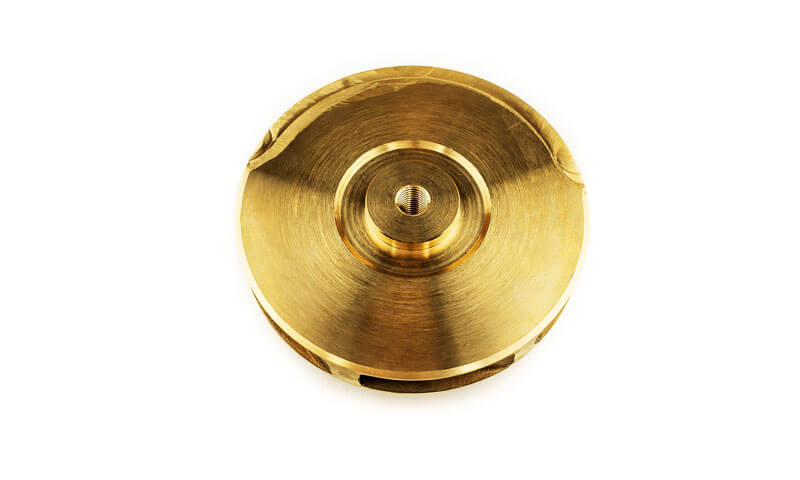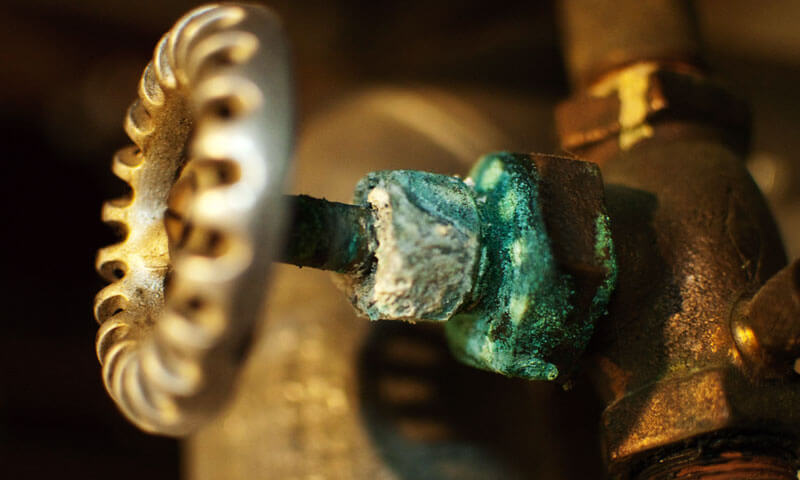
เดินเข้าไปในร้านฮาร์ดแวร์, และจะพบข้อต่อทองเหลือง, วาล์ว, และอุปกรณ์ตกแต่ง.
สอบถามพนักงานขาย: ทองเหลืองเป็นสนิมหรือไม่? คำตอบที่คุณน่าจะได้ยินคือ ไม่, ทองเหลืองไม่เป็นสนิม. แต่นั่นเป็นเรื่องจริงอย่างเคร่งครัด?
คำตอบ, เช่นเดียวกับคำถามด้านวัสดุศาสตร์ส่วนใหญ่, มีทั้งใช่และไม่ใช่ ขึ้นอยู่กับว่าคุณให้คำจำกัดความของสนิมอย่างไรและทองเหลืองหมายถึงอะไร.
บทความนี้มีเนื้อหาครอบคลุม, การตรวจสอบการกัดกร่อนของทองเหลืองหลายมิติ.
เราจะมาสำรวจโลหะวิทยาของทองเหลือง, เคมีของการกัดกร่อน, ความแตกต่างระหว่างสนิมและความเสื่อมเสีย, ปัจจัยด้านสิ่งแวดล้อมที่เร่งการย่อยสลาย, และกลยุทธ์การปฏิบัติในการป้องกันและบำรุงรักษา.
1. สนิมคืออะไร? คำจำกัดความทางเคมี
ก่อนจะตอบว่าทองเหลืองเป็นสนิมหรือไม่, เราต้องกำหนด สนิม.
เคมีของสนิม
สนิมเป็นชื่อสามัญของ เหล็กไฮเดรต(ที่สาม) ออกไซด์ (เฟ₂O₃·nH₂O). มันก่อตัวเมื่อมีธาตุเหล็ก (เฟ) ทำปฏิกิริยากับออกซิเจน (โอ₂) และน้ำ (h₂o) ผ่านกระบวนการไฟฟ้าเคมี:
| ปฏิกิริยา | สมการ | คำอธิบาย |
| ขั้วบวก | เฟ → เฟ²⁺ + 2E⁻ | เหล็กละลายที่ขั้วบวก. |
| แคโทด | โอ₂ + 2h₂o + 4อี → 4OH⁻ | ออกซิเจนและน้ำใช้อิเล็กตรอน. |
| โดยรวม | 4เฟ + 3โอ₂ + 6H₂O → 4Fe(โอ้)₃ → 4เฟ(โอ้)₃ → 2เฟ₂O₃·3H₂O | เหล็กออกไซด์ที่ถูกไฮเดรต (สนิม). |
ลักษณะของสนิม
| ลักษณะเฉพาะ | คำอธิบาย |
| สี | สีน้ำตาลแดงถึงสีน้ำตาลส้ม (ไฮเดรท); สีดำหรือสีเหลืองในออกไซด์อื่น ๆ. |
| โครงสร้าง | เป็นขุย, มีรูพรุน, ไม่ปฏิบัติตาม; ไม่ได้ปกป้องโลหะที่อยู่ด้านล่าง. |
| ปริมาณ | ขยายเป็น 3-7× จากปริมาตรเหล็กเดิม, ทำให้เกิดการหลุดร่อนและความเสียหายต่อโครงสร้าง. |
| องค์ประกอบที่จำเป็น | เหล็ก (เฟ), ออกซิเจน (โอ₂), น้ำ (h₂o) (หรือความชื้น). |
จุดวิกฤติ: เพราะทองเหลืองประกอบด้วย ไม่มีเหล็กโลหะที่มีนัยสำคัญ, มัน ไม่สามารถเกิดสนิมได้.
การเปลี่ยนสีเป็นสีน้ำตาลแดงหรือน้ำตาลเขียวที่ปรากฏบนพื้นผิวทองเหลืองคือ ทำให้เสื่อมเสียหรือคราบ, ไม่เป็นสนิม.
2. ทองเหลืองคืออะไร? โลหะวิทยาและองค์ประกอบ
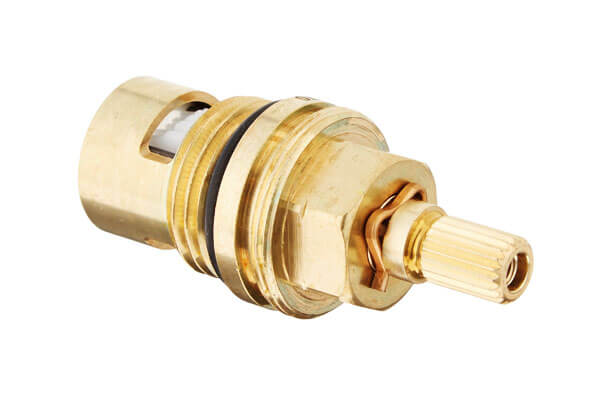
ความหมายและองค์ประกอบ
ทองเหลือง เป็นทองแดง-สังกะสี (Cu-Zn) โลหะผสม. ปริมาณสังกะสีมีตั้งแต่ 5% ไป 40%, พร้อมองค์ประกอบเพิ่มเติมเช่นตะกั่ว, ดีบุก, อลูมิเนียม, ซิลิคอน, หรือเติมสารหนูเพื่อคุณสมบัติเฉพาะ.
| พิมพ์ | ทองแดง (%) | สังกะสี (%) | องค์ประกอบอื่นๆ | คุณสมบัติสำคัญ |
| ทองเหลืองอัลฟ่า | >65 | <35 | - | เหนียว, ใช้งานได้เย็น; เช่น, ตลับทองเหลือง (70/30). |
| อัลฟ่าเบต้าทองเหลือง | 55−65 | 35−45 | - | แข็งแรงขึ้น, ใช้งานได้ร้อน; เช่น, มันต์ซ เมทัล (60/40). |
| เบต้าทองเหลือง | <55 | >45 | - | ยากขึ้น, เปราะมากขึ้น; การใช้งานที่จำกัด. |
| ทองเหลืองตะกั่ว | 57−62 | 33−40 | 1−3% พาบี | สามารถแปรรูปได้ดีเยี่ยม; เช่น, C36000 (ตัดฟรี). |
| ดีบุกทองเหลือง | 70−80 | 15−25 | 1−5% Sn | ปรับปรุงความต้านทานการกัดกร่อน; เช่น, พลเรือเอกทองเหลือง. |
| สารหนูทองเหลือง | 70−80 | 15−25 | 0.02−0.05% เช่น | ต้านทานการเสื่อมสลาย. |
แผนภาพเฟสทองแดง-สังกะสี
ทองเหลืองเป็นสารละลายสังกะสีที่เป็นของแข็งในทองแดง. การเติมสังกะสีจะช่วยเพิ่มความแข็งแกร่งให้โลหะผสมผ่านการชุบแข็งด้วยสารละลายของแข็ง แต่ยังเปลี่ยนแปลงพฤติกรรมการกัดกร่อนอย่างมีนัยสำคัญอีกด้วย.
จุดสำคัญทางโลหะวิทยา:
- เฟสอัลฟ่า (โครงสร้างเอฟซีซี) – เหนียว, ทนต่อการกัดกร่อนได้ดี.
- เฟสเบต้า (โครงสร้างบีซีซี) – ยากขึ้น, มีแนวโน้มที่จะเกิดการ dezincification มากขึ้น.
- ความสมดุลของเฟสขึ้นอยู่กับปริมาณสังกะสีและอุณหภูมิ.
3. ทองเหลืองกัดกร่อนได้อย่างไร
แม้ว่าทองเหลืองจะไม่สามารถเกิดสนิมได้, มันยังคงออกฤทธิ์ทางเคมีและมีปฏิสัมพันธ์กับสภาพแวดล้อมโดยรอบอย่างต่อเนื่อง.
ปฏิกิริยาเหล่านี้นำไปสู่กลไกการกัดกร่อนที่แตกต่างกันหลายประการ, แต่ละอันอยู่ภายใต้หลักการไฟฟ้าเคมีและสภาพแวดล้อมที่แตกต่างกัน.
ไม่เหมือนสนิมในเหล็ก, การกัดกร่อนของทองเหลืองโดยทั่วไปจะดำเนินไปตามลำดับของการเปลี่ยนแปลงพื้นผิว, เริ่มต้นด้วยการเกิดออกซิเดชันเล็กน้อยและ, ภายใต้สภาวะที่รุนแรงยิ่งขึ้น, พัฒนาเป็นการโจมตีเคมีไฟฟ้าเฉพาะจุด.
การขัดเงาพื้นผิวเบื้องต้น: ขั้นตอนแรกของการเกิดออกซิเดชันของทองเหลือง
การเปลี่ยนแปลงแรกสุดและพบบ่อยที่สุดที่พบในทองเหลืองคือ ทำให้มัวหมอง.
เมื่อทองเหลืองที่ผลิตใหม่สัมผัสกับอากาศ, อะตอมของทองแดงและสังกะสีที่พื้นผิวจะทำปฏิกิริยาช้าๆ กับออกซิเจนในบรรยากาศ.
ในขั้นต้น, ปฏิกิริยานี้ก่อให้เกิดชั้นบางมากซึ่งประกอบด้วย:
- คอปเปอร์ออกไซด์ (Cu₂O และ CuO)
- ซิงค์ออกไซด์ (สังกะสีโอ)
ฟิล์มออกไซด์นี้จะค่อยๆ เปลี่ยนรูปลักษณ์ของทองเหลืองจากสีทองสว่างเดิมเป็น:
- สีเหลืองอ่อน
- สีน้ำตาล
- สีน้ำตาลเข้ม
- สีเทา
อัตราการทำให้มัวหมองขึ้นอยู่กับปัจจัยต่างๆ เช่น:
- ความชื้นสัมพัทธ์
- อุณหภูมิ
- มลพิษทางอากาศ
- ก๊าซที่ประกอบด้วยซัลเฟอร์
- รอยนิ้วมือและน้ำมันบนผิวหนัง
ต่างจากสนิมเหล็ก, ชั้นออกไซด์บางนี้มีขนาดกะทัดรัด, สานุศิษย์, และป้องกันโดยทั่วไป.
แทนที่จะเร่งการย่อยสลาย, มันทำหน้าที่เป็นตัวกั้นที่ช่วยลดการแพร่กระจายของออกซิเจนเข้าไปในโลหะผสมที่อยู่ด้านล่าง.
จากมุมมองทางวิศวกรรม, การมัวหมองเป็นการเปลี่ยนแปลงด้านสุนทรียะเป็นหลัก และมีผลกระทบเพียงเล็กน้อยต่อประสิทธิภาพเชิงโครงสร้างของส่วนประกอบทองเหลือง.
การก่อตัวของคราบ: การเคลือบปกป้องธรรมชาติ
ด้วยการสัมผัสกับสภาพแวดล้อมกลางแจ้งเป็นเวลานาน, โดยเฉพาะที่มีความชื้นและคาร์บอนไดออกไซด์, ทองเหลืองจะผ่านปฏิกิริยาเคมีเพิ่มเติมซึ่งนำไปสู่การพัฒนาของ คราบ.
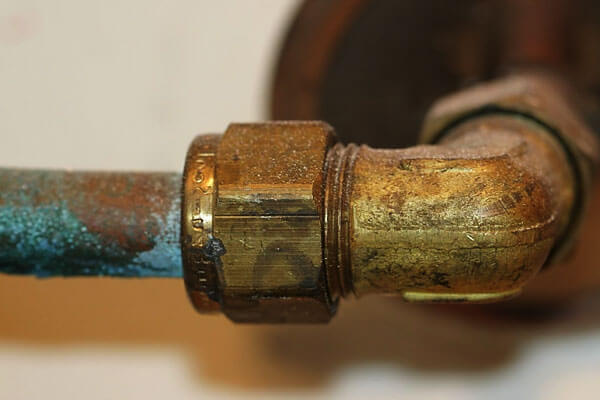
คราบประกอบด้วยผลิตภัณฑ์ที่มีฤทธิ์กัดกร่อนที่มีความเสถียรเป็นหลัก เช่น:
- คอปเปอร์คาร์บอเนต
- คาร์บอเนตทองแดงพื้นฐาน
- คอปเปอร์ไฮดรอกไซด์
- คอปเปอร์ซัลเฟต (ในบรรยากาศที่มีมลพิษ)
ขึ้นอยู่กับสภาพแวดล้อม, พื้นผิวอาจมีสีตั้งแต่สีน้ำตาลเข้มไปจนถึงสีเขียวที่มีลักษณะเฉพาะหรือสีเขียวอมฟ้าที่เห็นในอนุสรณ์สถานทางประวัติศาสตร์และลักษณะทางสถาปัตยกรรม.
ไม่เหมือนสนิม, ซึ่งมีรูพรุนและแพร่กระจายการกัดกร่อนอย่างต่อเนื่อง, คราบที่โตเต็มที่นั้นมีความหนาแน่นสูง, มีความเสถียรทางเคมี, และปกป้องได้สูง.
มันแยกโลหะผสมที่ซ่อนอยู่ออกจากบรรยากาศ, ชะลอการกัดกร่อนในภายหลังอย่างมีนัยสำคัญ.
การอนุรักษ์ธรรมชาตินี้อธิบายได้ว่าทำไมจึงมีประติมากรรมทองเหลืองอายุหลายศตวรรษ, อุปกรณ์ตกแต่ง, และองค์ประกอบทางสถาปัตยกรรมมรดกมักจะรักษาความสมบูรณ์ของโครงสร้างที่ดีเยี่ยมแม้จะอยู่กลางแจ้งเป็นเวลานานก็ตาม.
การฆ่าเชื้อโรค: รูปแบบที่สำคัญที่สุดของการกัดกร่อนของทองเหลือง
ในขณะที่การทำให้มัวหมองและการก่อตัวของคราบโดยทั่วไปไม่เป็นพิษเป็นภัย, การทำให้บริสุทธิ์ เป็นกลไกการกัดกร่อนแบบทำลายล้างที่อาจทำให้ประสิทธิภาพทางกลของทองเหลืองลดลงอย่างมาก.
Dezincification เป็นกระบวนการชะล้างแบบเลือกสรรซึ่งสังกะสี, มีฤทธิ์ทางเคมีไฟฟ้ามากกว่าทองแดง, โดยเฉพาะอย่างยิ่งจะละลายจากโลหะผสมเมื่อสัมผัสกับอิเล็กโทรไลต์บางชนิด, โดยเฉพาะน้ำที่มีคลอไรด์.
เมื่อสังกะสีถูกกำจัดออกไป, วัสดุที่เหลือจะกลายเป็นรูพรุน, โครงกระดูกที่อุดมด้วยทองแดงซึ่งมีความแข็งแรงและความสามารถในการรับแรงกดลดลงอย่างมาก.
เงื่อนไขทั่วไปที่ส่งเสริมการ dezincification ได้แก่:
- น้ำดื่มร้อน
- น้ำทะเล
- สารละลายคลอไรด์สูง
- ระบบน้ำนิ่ง
- สภาพแวดล้อมที่เป็นกรดเล็กน้อย
ตัวชี้วัดที่มองเห็นได้ได้แก่:
- การเปลี่ยนสีแดงหรือสีชมพู
- คราบสีขาวประกอบด้วยผลิตภัณฑ์ที่มีการกัดกร่อนของสังกะสี
- การเจาะพื้นผิว
- มีความพรุนเพิ่มขึ้น
- การรั่วไหลในส่วนประกอบที่มีแรงดัน
สำหรับงานประปาและงานเดินทะเลที่สำคัญ, ทนต่อการตกตะกอน (อาร์ดีเอ) ทองเหลือง ได้รับการออกแบบทางวิศวกรรมมาโดยเฉพาะด้วยการเติมโลหะผสมแบบควบคุมเพื่อระงับกลไกการกัดกร่อนแบบเลือกสรรและยืดอายุการใช้งาน.
การกัดกร่อนจากความเครียด: กลไกความล้มเหลวที่ซ่อนอยู่
ที่สำคัญอีกประการหนึ่ง, แม้ว่าจะพบได้น้อยกว่าก็ตาม, กระบวนการย่อยสลายคือ การแตกร้าวจากการกัดกร่อนจากความเครียด (เอสซีซี).
SCC เกิดขึ้นเมื่อมีเงื่อนไขสามประการพร้อมกัน:
- โลหะผสมทองเหลืองที่อ่อนแอ
- แรงดึงที่ยั่งยืน (ไม่ว่าจะนำไปใช้หรือตกค้าง)
- สภาพแวดล้อมที่มีฤทธิ์กัดกร่อนจำเพาะ, ที่สะดุดตาที่สุดคืออันที่ประกอบด้วยแอมโมเนียหรือสารประกอบแอมโมเนียม
แทนที่จะทำให้สูญเสียวัสดุสม่ำเสมอ, SCC นำไปสู่การเริ่มต้นและการแพร่กระจายของรอยแตกร้าวขนาดเล็ก, มักอยู่ตามขอบเมล็ดพืช.
รอยแตกเหล่านี้สามารถเติบโตได้โดยมีการกัดกร่อนบนพื้นผิวเพียงเล็กน้อยที่มองเห็นได้ และอาจส่งผลให้เกิดการกัดกร่อนในท้ายที่สุด, แตกหักเปราะ.
ส่วนประกอบที่มีความเสี่ยงโดยเฉพาะ ได้แก่:
- ก้านวาล์ว
- อุปกรณ์การบีบอัด
- รัด
- สปริง
- ชิ้นส่วนกลึงที่มีความแม่นยำภายใต้ความเค้นจากการตัดเฉือนที่เหลือ
การบำบัดด้วยความร้อนบรรเทาความเครียด, การเลือกโลหะผสมที่เหมาะสม, และการหลีกเลี่ยงสภาพแวดล้อมการบริการที่มีแอมโมเนียเป็นกลยุทธ์ที่มีประสิทธิภาพในการลดความไวต่อ SCC.
การกัดกร่อนที่สม่ำเสมอและเฉพาะจุด
ในสภาพแวดล้อมทางเคมีที่รุนแรง, ทองเหลืองก็อาจประสบเช่นกัน การกัดกร่อนสม่ำเสมอ, โดยที่วัสดุจะค่อยๆ ละลายไปทั่วทั้งพื้นผิวที่เปิดโล่ง, หรือ การกัดกร่อน, โดยที่การโจมตีมุ่งเป้าไปที่พื้นที่แยกกัน.
กรดแก่, ด่างที่แข็งแกร่ง, และสารเคมีอุตสาหกรรมบางชนิดสามารถละลายฟิล์มป้องกันออกไซด์ได้, นำไปสู่การสูญเสียโลหะที่วัดผลได้เมื่อเวลาผ่านไป.
ไม่เหมือนสนิม, อย่างไรก็ตาม, กระบวนการเหล่านี้ไม่ได้สร้างเกล็ดเหล็กออกไซด์ที่ขยายตัว. แทน, โลหะผสมจะค่อยๆ บางลงหรือเกิดเป็นหลุมเฉพาะที่, ในขณะที่รูปแบบการย่อยสลายโดยรวมยังคงแตกต่างโดยพื้นฐานจากพฤติกรรมการเกิดสนิมของเหล็กและเหล็กกล้า.
เพราะเหตุนี้, การประเมินความทนทานของทองเหลืองต้องอาศัยความเข้าใจกลไกการกัดกร่อนที่เฉพาะเจาะจง แทนที่จะใช้แนวคิดที่เกี่ยวข้องกับวัสดุที่เป็นเหล็ก.
การกัดกร่อนของกัลวานิก
เมื่อทองเหลืองมาประกบกับโลหะมีตระกูลมากขึ้น (เช่น, สแตนเลส, ทองแดง) ในสภาพแวดล้อมที่เป็นสื่อกระแสไฟฟ้า, ทองเหลืองจะกลายเป็นขั้วบวกและกัดกร่อนเป็นพิเศษ.
| คู่ | ระดับความเสี่ยง | มาตรการป้องกัน |
| ทองเหลือง-สแตนเลส | สูง (การกัดกร่อนของทองเหลือง) | ใช้แหวนรองฉนวน; หลีกเลี่ยงการสัมผัสโดยตรงในสภาพแวดล้อมที่เปียก. |
| ทองเหลือง-ทองแดง | ต่ำ (ศักยภาพที่คล้ายคลึงกัน) | มักจะยอมรับได้. |
| ทองเหลือง-อลูมิเนียม | สูงมาก (อลูมิเนียมกัดกร่อน) | จำเป็นต้องมีฉนวน. |
| ทองเหลือง – เหล็กกล้าคาร์บอน | ปานกลาง (เหล็กกัดกร่อน) | ปกป้องเหล็กด้วยการเคลือบ. |
4. ทองเหลืองกับ. สีบรอนซ์: การเปรียบเทียบการกัดกร่อน
ทองเหลืองและทองสัมฤทธิ์มักสับสน. พฤติกรรมการกัดกร่อนจะแตกต่างกันไปตามองค์ประกอบการผสมหลัก (สังกะสีในทองเหลือง; ดีบุกเป็นสีบรอนซ์).
| คุณสมบัติ | ทองเหลือง (Cu-Zn) | สีบรอนซ์ (กับส) |
| องค์ประกอบการผสมหลัก | สังกะสี | ดีบุก |
| กลไกการกัดกร่อน | การฆ่าเชื้อโรค, ทำให้เสื่อมเสียทั่วไป | การชะล้างดีบุกแบบคัดเลือก (หายาก), โรคบรอนซ์ |
| ความต้านทานต่อน้ำทะเล | ยากจน (ความเสี่ยงต่อการฆ่าเชื้อโรค) | ยอดเยี่ยม (ทองคำดีบุก, อลูมิเนียมบรอนซ์) |
| ทำให้มัวหมอง | รวดเร็ว; คราบเขียว/น้ำตาล | ช้าลง; คราบเขียว/น้ำตาล |
| การกัดกร่อนจากความเครียด | อ่อนแอ (แอมโมเนีย, เกลือของสารปรอท) | โดยทั่วไปมีความทนทาน |
| การกัดกร่อนแบบไบเมทัลลิก | ปานกลาง (คู่กับโลหะมีตระกูล) | ดี (เสี่ยงต่อการโจมตีด้วยไฟฟ้าน้อยกว่า) |
5. ปัจจัยด้านสิ่งแวดล้อมที่ส่งผลต่อการกัดกร่อนของทองเหลือง
แม้ว่าทองเหลืองจะไม่เกิดสนิมก็ตาม, พฤติกรรมการกัดกร่อนของมันขึ้นอยู่กับสภาพแวดล้อมที่ใช้งานเป็นอย่างมาก.
ความคงตัวของฟิล์มป้องกันออกไซด์ที่เกิดขึ้นตามธรรมชาติบนทองเหลืองอาจได้รับอิทธิพลอย่างมากจาก ความชื้น, มลพิษ, อุณหภูมิ, เคมีของน้ำ, พี., และความเครียดเชิงกล.
ความชื้นและความชื้น
ความชื้นเป็นหนึ่งในปัจจัยที่มีอิทธิพลมากที่สุดที่ส่งผลต่อการกัดกร่อนของทองเหลือง.
น้ำทำหน้าที่เป็นอิเล็กโทรไลต์, ช่วยให้เกิดปฏิกิริยาเคมีไฟฟ้าระหว่างพื้นผิวโลหะผสมกับสภาพแวดล้อมโดยรอบ.
เมื่อความชื้นสัมพัทธ์เพิ่มขึ้น, ฟิล์มความชื้นบาง ๆ จะค่อยๆ พัฒนาบนพื้นผิวทองเหลือง, อำนวยความสะดวกในการแพร่กระจายของออกซิเจนและการขนส่งไอออนิก.
ในอากาศแห้ง, ปฏิกิริยาออกซิเดชันจะเกิดขึ้นอย่างช้าๆ และโดยทั่วไปจะเกิดเพียงสารบางๆ เท่านั้น, ฟิล์มคอมแพ็คออกไซด์.
เมื่อความชื้นเพิ่มขึ้น, เร่งการเกิดออกซิเดชัน, ส่งผลให้เกิดความมัวหมองเด่นชัดยิ่งขึ้นและเกิดคราบในที่สุด.
ภายใต้สภาวะที่เปียกหรือจมอยู่ใต้น้ำอย่างต่อเนื่อง, ชั้นป้องกันออกไซด์อาจไม่เสถียร, เพิ่มโอกาสเกิดการกัดกร่อนเฉพาะจุด.
อิทธิพลของความชื้นต่อการกัดกร่อนของทองเหลืองสามารถสรุปได้ดังนี้:
| ความชื้นสัมพัทธ์ / การรับสัมผัสเชื้อ | พฤติกรรมการกัดกร่อนโดยทั่วไป | ความรุนแรงของการกัดกร่อน |
| ด้านล่าง 30% RH | ออกซิเดชันในชั้นบรรยากาศน้อยที่สุด; พื้นผิวยังคงสว่างเป็นเวลานาน | ต่ำมาก |
| 30–60% ความชื้นสัมพัทธ์ | ค่อยๆทำให้มัวหมอง; ฟิล์มออกไซด์ที่เสถียรจะพัฒนาขึ้น | ต่ำถึงปานกลาง |
| ข้างบน 60% RH | ออกซิเดชันและการเปลี่ยนสีเร็วขึ้น; มลพิษอาจเร่งการกัดกร่อน | ปานกลางถึงสูง |
| ทำให้เปียกหรือแช่น้ำอย่างต่อเนื่อง | การกัดกร่อนทางเคมีไฟฟ้าที่ใช้งานอยู่; เสี่ยงต่อการตกตะกอนในน้ำนิ่ง | สูงมาก |
มลพิษในบรรยากาศ
มลภาวะในอากาศสามารถเปลี่ยนพฤติกรรมการกัดกร่อนของทองเหลืองได้อย่างมากโดยการทำปฏิกิริยากับชั้นออกไซด์ที่ป้องกันตามธรรมชาติ.
การปล่อยมลพิษทางอุตสาหกรรม, ละอองลอยทางทะเล, และไอสารเคมีมักจะเร่งการเสื่อมสภาพของพื้นผิวด้วยกลไกไฟฟ้าเคมีเฉพาะ.
มลพิษในชั้นบรรยากาศที่สำคัญที่สุดที่ส่งผลต่อทองเหลือง ได้แก่ สารประกอบซัลเฟอร์, คลอไรด์, แอมโมเนีย, และก๊าซออกซิไดซ์.
| มลพิษ | ผลกระทบเบื้องต้นต่อทองเหลือง | กลไกการกัดกร่อน |
| ซัลเฟอร์ไดออกไซด์ (ดังนั้น₂) | เร่งการทำให้มัวหมองและการเปลี่ยนสีคล้ำ | การก่อตัวของคอปเปอร์ซัลไฟด์ (Cu₂S) |
| คลอไรด์ไอออน (สเปรย์เกลือ) | รูพรุนและ dezincification | การพังทลายของฟิล์มพาสซีฟออกไซด์ |
| แอมโมเนีย (NH₃) | การกัดกร่อนจากความเครียดแตกร้าว | การโจมตีขอบเขตของเกรนภายใต้ความเค้นดึง |
| โอโซน (โอ₃) | เร่งปฏิกิริยาออกซิเดชัน | อัตราการเกิดออกไซด์เพิ่มขึ้น |
ซัลเฟอร์ไดออกไซด์ (ดังนั้น₂)
ซัลเฟอร์ไดออกไซด์, พบได้ทั่วไปในบรรยากาศอุตสาหกรรมและในเมือง, ทำปฏิกิริยากับทองแดงบนพื้นผิวทองเหลืองได้ง่ายจนเกิดเป็นคอปเปอร์ซัลไฟด์.
สารประกอบเหล่านี้ทำให้เกิดรอยหมองสีน้ำตาลเข้มหรือสีดำที่มักพบในทองเหลืองที่สัมผัสกับอากาศเสีย.
แม้ว่าความเสื่อมเสียนี้โดยทั่วไปจะเป็นเพียงผิวเผินก็ตาม, การเปิดรับแสงเป็นเวลานานสามารถเร่งอัตราการออกซิเดชั่นโดยรวมและลดรูปลักษณ์ที่สวยงามของส่วนประกอบตกแต่ง.
สภาพแวดล้อมที่มีคลอไรด์
คลอไรด์ไอออนเป็นสายพันธุ์ที่รุนแรงที่สุดที่ส่งผลต่อทองเหลือง.
ภูมิภาคชายฝั่ง, แพลตฟอร์มนอกชายฝั่ง, โรงงานแยกเกลือ, และอุปกรณ์ทางทะเลต้องเผชิญกับอากาศที่เต็มไปด้วยเกลืออย่างต่อเนื่อง.
คลอไรด์ทำให้ชั้นพาสซีฟออกไซด์ไม่เสถียรและส่งเสริม:
- หลุม
- การกัดกร่อนของรอยแยก
- การฆ่าเชื้อโรค
- การกัดกร่อนของกัลวานิกเมื่อมีโลหะที่ไม่เหมือนกัน
สำหรับแอพพลิเคชั่นเหล่านี้, ทองเหลือง, ทองเหลืองซิลิกอน, หรือทนต่อการตกตะกอน (อาร์ดีเอ) โดยทั่วไปจะแนะนำให้ใช้ทองเหลือง.
การได้รับสารแอมโมเนีย
แม้ว่าแอมโมเนียจะมีผลเพียงเล็กน้อยต่อทองเหลืองที่ไม่มีความเครียดก็ตาม, มันจะทำลายล้างได้สูงเมื่อรวมกับความเค้นดึงที่ตกค้างหรือแรงดึงที่ใช้.
ภายใต้เงื่อนไขเหล่านี้, แอมโมเนียสามารถทะลุขอบเขตของเมล็ดพืชและเริ่มต้นได้ การแตกร้าวจากการกัดกร่อนจากความเครียด (เอสซีซี).
ปรากฏการณ์นี้เป็นอันตรายอย่างยิ่งเพราะว่า:
- รอยแตกอาจเกิดขึ้นได้โดยไม่มีการสูญเสียวัสดุอย่างมีนัยสำคัญ.
- ความล้มเหลวอาจเกิดขึ้นอย่างกะทันหันโดยไม่มีคำเตือนจากภายนอกเพียงเล็กน้อย.
- ความแข็งแรงทางกลจะลดลงเป็นเวลานานก่อนที่จะเกิดการกัดกร่อนที่มองเห็นได้.
ส่วนประกอบต่างๆ เช่น ก้านวาล์ว, อุปกรณ์การบีบอัด, สปริง, และตัวยึดจำเป็นต้องเลือกโลหะผสมอย่างระมัดระวังและบรรเทาความเครียดเมื่อคาดว่าจะได้รับแอมโมเนีย.
โอโซนและบรรยากาศออกซิไดซ์อย่างแรง
โอโซนเป็นสารออกซิไดซ์ที่ทำปฏิกิริยาสูงซึ่งจะเพิ่มอัตราการสร้างฟิล์มออกไซด์บนพื้นผิวทองเหลือง.
ในขณะที่ชั้นออกไซด์ที่เกิดขึ้นอาจยังคงได้รับการปกป้องภายใต้สภาวะที่ไม่รุนแรง, การสัมผัสกับความเข้มข้นของโอโซนสูงเป็นเวลานานสามารถเร่งการเปลี่ยนสีและการเสื่อมสภาพของพื้นผิวได้.
อุณหภูมิ
อุณหภูมิส่งผลโดยตรงต่อจลนพลศาสตร์ของการกัดกร่อนโดยการเพิ่มการแพร่กระจายของอะตอม, อัตราการเกิดปฏิกิริยาเคมี, และกิจกรรมไฟฟ้าเคมี.
โดยทั่วไปแล้ว, อุณหภูมิที่เพิ่มขึ้นทุกครั้งจะเร่งการเกิดออกซิเดชันและการกัดกร่อน, แม้ว่ากลไกเฉพาะจะขึ้นอยู่กับอัลลอยด์และสภาพแวดล้อมการบริการ.
| ช่วงอุณหภูมิ | พฤติกรรมการกัดกร่อนโดยทั่วไป |
| –10°ซ ถึง 40°ซ | ออกซิเดชันช้า; คราบป้องกันจะค่อยๆ พัฒนา |
| 40°ซ ถึง 80°ซ | ปฏิกิริยาการกัดกร่อนจะเร่งตัวขึ้น; ออกซิเดชันอาจเกิดขึ้นเร็วกว่าอุณหภูมิแวดล้อมสองถึงห้าเท่า |
| สูงกว่า 80°C | เพิ่มความเสี่ยงต่อการเกิด dezincification, ออกไซด์หนาขึ้น, และการกัดกร่อนของน้ำร้อน |
| ต่ำกว่า –100°C | อัตราการกัดกร่อนต่ำมาก; ทองเหลืองยังคงความเหนียวและความเหนียวที่ดีเยี่ยม |
pH ของสารละลายที่เป็นน้ำ
ความเป็นกรดหรือความเป็นด่างของสภาพแวดล้อมที่เป็นน้ำมีอิทธิพลอย่างมากต่อการกัดกร่อนของทองเหลือง เนื่องจากค่า pH ส่งผลต่อทั้งความเสถียรของฟิล์มป้องกันออกไซด์และการละลายทางเคมีไฟฟ้าของทองแดงและสังกะสี.
| ช่วงพีเอช | ความรุนแรงของการกัดกร่อน | กลไกที่โดดเด่น |
| ด้านล่าง 4 (เป็นกรดอย่างแรง) | สูง | ทองแดงและสังกะสีละลายอย่างรวดเร็ว |
| พีเอช 4–8 (เป็นกลางถึงเป็นกรดเล็กน้อย) | ปานกลาง | ทำให้มัวหมองด้วยการสร้างออกไซด์ป้องกัน |
| พีเอช 8–12 (อัลคาไลน์อ่อนๆ) | ต่ำ | ฟิล์มออกไซด์และไฮดรอกไซด์ที่เสถียรให้การปกป้อง |
| ข้างบน 12 (อัลคาไลน์อย่างแรง) | ปานกลาง | การละลายของทองแดงในสภาพแวดล้อมที่เกิดสารเชิงซ้อนที่เป็นด่าง |
6. ผลิตภัณฑ์กัดกร่อนบนทองเหลือง: สิ่งที่ปรากฏบนพื้นผิว?
การเปลี่ยนสีที่ปรากฏบนพื้นผิวทองเหลืองไม่เป็นสนิม; เป็นส่วนผสมของสารประกอบทองแดงและสังกะสี.
| สี | สารประกอบหลัก | สภาพการก่อตัว |
| สีเหลืองทองสดใส | ทำความสะอาดพื้นผิวโลหะผสม Cu-Zn | กลึงใหม่หรือขัดเงา. |
| สีน้ำตาลแดง | คิวรัสออกไซด์ (Cu₂O) | การเกิดออกซิเดชันเบื้องต้นในอากาศ. |
| สีน้ำตาล / สีน้ำตาลเข้ม | คิวปริกออกไซด์ (CuO) + ซิงค์ออกไซด์ (สังกะสีโอ) | การสัมผัสกับอากาศและความชื้นเป็นเวลานาน. |
| สีเทา / สีดำ | คอปเปอร์ซัลไฟด์ (Cu₂S) + ซิงค์ซัลไฟด์ | บรรยากาศอุตสาหกรรม (ดังนั้น₂, h₂s). |
| สีเขียว / สีฟ้า-เขียว | คาร์บอเนตทองแดงพื้นฐาน (Cu₂CO₃(โอ้)₂) | การสัมผัสบรรยากาศในระยะยาว (คราบ). |
| ฟ้า-เขียว | คอปเปอร์คลอไรด์ (CuCl₂) | มารีน / สภาพแวดล้อมของคลอไรด์. |
| สีขาว / แป้ง | ซิงค์ออกไซด์ (สังกะสีโอ) หรือซิงค์คาร์บอเนต | การกัดกร่อนของสังกะสีเป็นพิเศษ (การทำให้บริสุทธิ์). |
| สีชมพู / สีแดง | สารตกค้างที่อุดมด้วยทองแดง | การฆ่าเชื้อโรค (สังกะสีถูกชะออกมา, ทองแดงยังคงอยู่). |
7. การป้องกันการกัดกร่อนในทองเหลือง
การเลือกโลหะผสม
| แม็ก | ความต้านทานการกัดกร่อน | สภาพแวดล้อมที่เหมาะสม |
| C87610 / C87850 (ทองเหลืองซิลิกอน) | ยอดเยี่ยม (ทนต่อการตกตะกอน) | น้ำดื่ม, ทะเล, เคมี. |
| C87400 / C87500 (ทองเหลืองซิลิกอน) | ดีมาก | อุตสาหกรรมทั่วไป. |
| C68700 (ทองเหลืองพลเรือเอกคลังแสง) | ดี (กันน้ำได้) | คอนเดนเซอร์, เครื่องแลกเปลี่ยนความร้อน. |
| C46400 (ทองเหลือง) | ปานกลาง (ความเสี่ยงต่อการฆ่าเชื้อโรค) | น้ำจืด, ทะเล (มีการป้องกัน). |
| C36000 (ทองเหลืองตะกั่ว) | ยากจน (ความต้านทานการกัดกร่อนต่ำ) | แห้งในร่ม, เฉพาะชิ้นส่วนเครื่องจักรเท่านั้น. |
การรักษาพื้นผิว
| การรักษา | วัตถุประสงค์ | วิธี |
| แลคเกอร์ | ป้องกันการหมอง | เคลือบอะคริลิกใสหรือโพลียูรีเทน. |
| ทู่ | สร้างชั้นออกไซด์ป้องกัน | จุ่มกรดไนตริก (10‐25%, 40−60°ซ). |
| การแปลงโครเมต | ช่วยเพิ่มความต้านทานการกัดกร่อน | การบำบัดด้วยกรดโครมิก (สีเหลืองหรือใส). |
| อโนไดซ์ | ชั้นออกไซด์หนาสำหรับการสึกหรอ/การกัดกร่อน | ออกซิเดชันขั้วบวก (จำกัดการใช้งานกับทองเหลือง). |
| การชุบด้วยไฟฟ้า | ชั้นตกแต่ง/ป้องกัน | นิกเกิล, โครเมียม, หรือชุบทอง. |
สารเคลือบและสารยับยั้ง
| การเคลือบผิว / สารยับยั้ง | แอปพลิเคชัน | ประสิทธิผล |
| แล็คเกอร์ใส | ฮาร์ดแวร์ตกแต่ง | ดี (2‐5 ปี). |
| เบนโซไตรอาโซล (บีทีเอ) | สารยับยั้งการกัดกร่อนสำหรับโลหะผสมทองแดง | ยอดเยี่ยม; สร้างฟิล์มป้องกัน. |
| เครื่องซีลสูตรน้ำ | ทองเหลืองสถาปัตยกรรม | ปานกลาง; ต้องมีการสมัครใหม่. |
| น้ำมัน / ขี้ผึ้ง | พื้นผิวเครื่องมือ | ชั่วคราว; จำเป็นต้องสมัครใหม่. |
8. การทำความสะอาดและบำรุงรักษาทองเหลือง
แม้ว่าทองเหลืองจะมีความทนทานต่อสนิมสูงและมีความทนทานในระยะยาวเป็นเลิศ, ลักษณะภายนอกและความต้านทานการกัดกร่อนอาจได้รับอิทธิพลอย่างมากจากการบำรุงรักษาที่เหมาะสม.
การทำความสะอาดตามปกติเพื่อการบำรุงรักษาทุกวัน
ปกติ การทำความสะอาดส่วนประกอบทองเหลือง เป็นวิธีที่ง่ายและมีประสิทธิภาพมากที่สุดในการยืดอายุการใช้งาน.
ขจัดฝุ่น, จาระบี, ลายนิ้วมือ, เกลือ, และมลพิษทางอุตสาหกรรมช่วยป้องกันสิ่งปนเปื้อนจากการเร่งปฏิกิริยาออกซิเดชั่นหรือทำให้เกิดการกัดกร่อนเฉพาะจุด.
สำหรับการใช้งานในครัวเรือนและอุตสาหกรรมส่วนใหญ่, การใช้ผ้านุ่มผสมกับน้ำอุ่นและน้ำสบู่อ่อนๆ ก็เพียงพอแล้วในการขจัดสิ่งสกปรกบนพื้นผิวโดยไม่ทำลายฟิล์มป้องกันออกไซด์.
หลังจากทำความสะอาดแล้ว, ควรล้างพื้นผิวให้สะอาดด้วยน้ำสะอาดเสมอและเช็ดให้แห้งสนิทเพื่อป้องกันความชื้นที่ตกค้างไม่ให้เกิดการกัดกร่อน.
การทำความสะอาดเป็นประจำมีประโยชน์อย่างยิ่งสำหรับ:
- ฮาร์ดแวร์ตกแต่ง
- ที่จับประตู
- อุปกรณ์ประปา
- เครื่องดนตรี
- ส่วนประกอบทางกลที่มีความแม่นยำ
- ฮาร์ดแวร์ไฟฟ้า
แตกต่างจากการขัดแบบรุนแรง, การทำความสะอาดอย่างอ่อนโยนช่วยรักษาความสมบูรณ์ของชั้นออกไซด์ตามธรรมชาติในขณะที่ยังคงรูปลักษณ์ที่สวยงาม.
ขจัดความหมอง
เมื่อทองเหลืองมีอายุมากขึ้น, ออกซิเดชันจะค่อยๆ เปลี่ยนสีทองสดใสเป็นเฉดสีน้ำตาล, สีบรอนซ์เข้ม, หรือสีดำ.
โดยทั่วไปความหมองนี้จะจำกัดอยู่ที่พื้นผิว และไม่ได้บ่งบอกถึงการเสื่อมสภาพของโครงสร้าง.
วิธีการทำความสะอาดหลายวิธีสามารถขจัดความหมองได้อย่างมีประสิทธิภาพ.
น้ำยาทำความสะอาดออร์แกนิกสูตรอ่อนโยน
น้ำยาทำความสะอาดที่เป็นกรดตามธรรมชาติ, เช่นน้ำส้มสายชูผสมกับเกลือหรือน้ำมะนาวผสมเบกกิ้งโซดา, มีการใช้กันอย่างแพร่หลายในการขจัดความหมองในระดับปานกลาง.
กรดอ่อนจะละลายออกซิเดชันของพื้นผิว ในขณะที่การขัดอย่างอ่อนโยนช่วยคืนสภาพผิวโลหะแบบเดิม.
อย่างไรก็ตาม, เพราะสารละลายเหล่านี้มีความเป็นกรด, ไม่ควรอยู่บนพื้นผิวทองเหลืองเป็นเวลานาน.
หลังการรักษา, ควรล้างส่วนประกอบให้สะอาดด้วยน้ำสะอาดและเช็ดให้แห้งทันทีเพื่อกำจัดกรดที่ตกค้าง.
โดยทั่วไปวิธีการเหล่านี้เหมาะสำหรับ:
- เครื่องประดับทองเหลืองสำหรับตกแต่ง
- อุปกรณ์ตกแต่งบ้าน
- อุปกรณ์ครัว
- อุปกรณ์เสริมมีรอยนิดหน่อย
เครื่องขัดทองเหลืองเชิงพาณิชย์
สำหรับทองเหลืองที่มัวหมองมาก, สารขัดเงาเชิงพาณิชย์ให้ผลลัพธ์ที่รวดเร็วและสม่ำเสมอยิ่งขึ้น.
โดยทั่วไปผลิตภัณฑ์เหล่านี้ประกอบด้วยอนุภาคที่มีฤทธิ์กัดกร่อนละเอียดและสารเคมีทำความสะอาดที่ช่วยขจัดออกซิเดชันและคืนความเงางามสีทองที่มีลักษณะเฉพาะ.
ในขณะที่การขัดเงาช่วยปรับปรุงรูปลักษณ์อย่างมาก, มันยังกำจัดส่วนหนึ่งของชั้นออกไซด์ที่พัฒนาขึ้นตามธรรมชาติและ, ในบางกรณี, คราบป้องกัน.
การขัดเงามากเกินไปหรือบ่อยครั้งอาจค่อยๆ ลดการปกป้องพื้นผิว และเปลี่ยนรูปลักษณ์ของวัตถุทองเหลืองโบราณหรือในอดีต.
ดังนั้น, การขัดเงาเชิงพาณิชย์ควรใช้แบบคัดเลือกมากกว่าการบำรุงรักษาตามปกติ.
สารทำความสะอาดที่ควรหลีกเลี่ยง
สารเคมีทำความสะอาดบางชนิดไม่เหมาะกับทองเหลือง.
ข้อควรระวังที่สำคัญที่สุดอย่างหนึ่งก็คือ หลีกเลี่ยงน้ำยาทำความสะอาดที่มีแอมโมเนีย, โดยเฉพาะอย่างยิ่งสำหรับส่วนประกอบทองเหลืองที่มีความเค้นหรือรับน้ำหนัก.
แอมโมเนียเป็นที่รู้จักกันดีในการส่งเสริม การแตกร้าวจากการกัดกร่อนจากความเครียด (เอสซีซี) ในโลหะผสมทองเหลืองที่ไวต่อแสง.
แม้แต่ความเข้มข้นที่ค่อนข้างต่ำก็อาจทะลุขอบเขตของเกรนและทำให้เกิดรอยแตกขนาดเล็กมากเมื่อรวมกับความเค้นดึงที่ตกค้างหรือแรงดึงที่ใช้.
ด้วยเหตุนี้, ไม่ควรใช้ผลิตภัณฑ์ทำความสะอาดที่มีแอมโมเนีย:
- ส่วนประกอบวาล์ว
- อุปกรณ์การบีบอัด
- สปริง
- รัด
- เคสคาร์ทริดจ์
- ชิ้นส่วนเครื่องจักรกลที่มีความแม่นยำ
ในทำนองเดียวกัน, กรดที่มีความเข้มข้นสูง, ด่างที่แข็งแกร่ง, ขนเหล็กขัด, และควรหลีกเลี่ยงเครื่องมือบดที่รุนแรง เว้นแต่จะแนะนำเป็นพิเศษสำหรับการบูรณะทางอุตสาหกรรม.
การรักษาพื้นผิวป้องกัน
การทำความสะอาดเพียงอย่างเดียวไม่ได้ป้องกันการเกิดออกซิเดชันในอนาคต.
หลังจากทำความสะอาดพื้นผิวแล้ว, ส่วนประกอบทองเหลืองจำนวนมากได้รับประโยชน์จากการบำบัดป้องกันเพิ่มเติมที่แยกโลหะออกจากความชื้นและมลพิษในบรรยากาศ.
วิธีการป้องกันที่พบบ่อย ได้แก่:
เคลือบแวกซ์
แว็กซ์ไมโครคริสตัลไลน์หรือแว็กซ์คุณภาพสูงจะก่อให้เกิดสิ่งกีดขวางที่ไม่ชอบน้ำบางๆ เหนือพื้นผิวทองเหลือง.
การเคลือบแว็กซ์มีข้อดีหลายประการ:
- ลดการสัมผัสออกซิเจน
- ขับไล่ความชื้น
- ทำให้มัวหมองช้า
- รักษาลักษณะพื้นผิว
- คงความแวววาวของโลหะตามธรรมชาติ
น้ำยาป้องกันแว็กซ์ถูกนำมาใช้กันอย่างแพร่หลายในการตกแต่งทองเหลืองทางสถาปัตยกรรมและสิ่งประดิษฐ์ในพิพิธภัณฑ์.
น้ำมันป้องกัน
น้ำมันแร่ชนิดเบามักถูกนำไปใช้กับส่วนประกอบทองเหลืองทางอุตสาหกรรมในระหว่างการเก็บรักษาหรือการขนส่ง.
ฟิล์มน้ำมันป้องกัน:
- ความชื้น
- ลายนิ้วมือ
- การเกิดออกซิเดชันในชั้นบรรยากาศชั่วคราว
แม้ว่าการเคลือบน้ำมันจะต้องมีการต่ออายุเป็นระยะ, เป็นโซลูชั่นที่ราคาไม่แพงสำหรับการป้องกันการกัดกร่อนในระยะสั้น.
เคลือบแลคเกอร์
แล็กเกอร์ใสจะสร้างเกราะป้องกันที่โปร่งใส ซึ่งป้องกันการสัมผัสโดยตรงระหว่างพื้นผิวทองเหลืองกับสภาพแวดล้อมโดยรอบ.
การเคลือบแลคเกอร์มักใช้กับ:
- ฮาร์ดแวร์ประตู
- โคมไฟ
- ตกแต่งตกแต่ง
- เครื่องดนตรี
เมื่อได้รับการดูแลอย่างเหมาะสม, แลคเกอร์ช่วยลดความจำเป็นในการขัดเงาลงอย่างมากโดยป้องกันการเกิดออกซิเดชันตั้งแต่แรก.
เคลือบด้วยไฟฟ้า
สำหรับการใช้งานทางอุตสาหกรรมที่มีความต้องการสูง, ทองเหลืองอาจชุบด้วยไฟฟ้าด้วยโลหะ เช่น นิกเกิลหรือโครเมียม.
การชุบด้วยไฟฟ้าให้:
- ปรับปรุงความต้านทานการกัดกร่อน
- ความต้านทานการสึกหรอสูงขึ้น
- รูปลักษณ์การตกแต่งที่ดีขึ้น
- เพิ่มความเสถียรทางเคมี
ขั้วต่อไฟฟ้ามักถูกชุบด้วยดีบุก, เงิน, หรือทองคำเพื่อรักษาความต้านทานการสัมผัสต่ำในขณะที่ปกป้องพื้นผิวทองเหลืองที่อยู่ด้านล่าง.
การอนุรักษ์คราบตามธรรมชาติ
ไม่ควรขัดทองเหลืองทั้งหมดเพื่อให้ได้สีที่สดใส.
สำหรับสถาปัตยกรรมมากมาย, ประวัติศาสตร์, และแอพพลิเคชั่นศิลปะ, คราบที่พัฒนาตามธรรมชาตินั้นถือว่าทั้งมีคุณค่าทางสุนทรีย์และมีประโยชน์ในการใช้งาน.
พื้นผิวทองแดงสีเขียวหรือสีเข้มที่เห็นในอาคารและอนุสาวรีย์ทางประวัติศาสตร์ไม่ใช่สัญญาณของการเสื่อมสภาพ แต่เป็นชั้นป้องกันที่มีความเสถียรซึ่งจะชะลอการกัดกร่อนต่อไป.
เพราะเหตุนี้, โดยทั่วไปแล้วผู้เชี่ยวชาญด้านการอนุรักษ์จะเก็บรักษาไว้มากกว่าที่จะขจัดคราบที่โตเต็มที่ออก.
สำหรับทองเหลืองเชิงสถาปัตยกรรมที่สัมผัสกับสภาพแวดล้อมภายนอก, การบำรุงรักษามักประกอบด้วยการทำความสะอาดเป็นระยะตามด้วยการลงแวกซ์ป้องกัน, ช่วยให้คราบพัฒนาต่อไปตามธรรมชาติ.
9. การใช้งานที่การกัดกร่อนของทองเหลืองมีความสำคัญ
| อุตสาหกรรม | ส่วนประกอบทองเหลืองทั่วไป | ความกังวลเรื่องการกัดกร่อน | การบรรเทาผลกระทบ |
| ประปา | วาล์ว, ฟิตติ้ง, ก๊อกน้ำ | การฆ่าเชื้อโรค; การชะล้างตะกั่ว | ใช้ DR ทองเหลือง (C87610, C87850). |
| มารีน | เพลาใบพัด, ปั๊มน้ำทะเล | การฆ่าเชื้อโรค, บ่อ | ใช้ทองเหลืองกองทัพเรือ (C46400) หรือทองเหลืองซิลิกอน. |
| ไฟฟ้า | เทอร์มินัล, ขั้วต่อ, สวิตช์เกียร์ | ทำให้มัวหมอง (เพิ่มความต้านทานการสัมผัส) | ชุบเงินหรือดีบุก. |
| ยานยนต์ | หม้อน้ำ, แกนเครื่องทำความร้อน, ขั้วต่อ | การกัดกร่อนจากสารหล่อเย็น, เกลือ | ใช้ทองเหลืองสารหนู; การบำรุงรักษาน้ำหล่อเย็นอย่างเหมาะสม. |
| สถาปัตยกรรม | ราวจับ, ฮาร์ดแวร์ประตู, หลังคา | ทำให้มัวหมองบรรยากาศ, คราบ | เคลือบหรือปล่อยให้มีคราบตามธรรมชาติ. |
| เครื่องดนตรี | แตร, ทรอมโบน, แซกโซโฟน | ทำให้มัวหมอง (เกี่ยวกับความงาม) | การทำความสะอาดเป็นประจำ; เคลือบแลคเกอร์. |
| กระสุน | เคสคาร์ทริดจ์ (C26000) | ฤดูกาลแตกร้าว (แอมโมเนีย) | การบรรเทาความเครียด; การจัดเก็บที่มีการควบคุม. |
| ฮาร์ดแวร์สำหรับผู้บริโภค | ล็อค, บานพับ, กุญแจ | ทำให้มัวหมอง (เครื่องสำอาง) | แลคเกอร์; ขัดสม่ำเสมอ. |
10. การเปรียบเทียบโดยสรุป: ทองเหลืองกับสนิม
| เกณฑ์ | สนิมบนเหล็ก/เหล็กกล้า | การกัดกร่อนบนทองเหลือง |
| คำจำกัดความทางเคมี | เหล็กออกไซด์ที่ถูกไฮเดรต (เฟ₂O₃·nH₂O) | ทองแดงและซิงค์ออกไซด์, คาร์บอเนต, คลอไรด์, ซัลไฟด์. |
| องค์ประกอบที่จำเป็น | เหล็ก (เฟ) | ทองแดง (ลูกบาศ์ก) และสังกะสี (สังกะสี). |
| สี | สีน้ำตาลแดง, สีส้ม-น้ำตาล | สีน้ำตาล, สีดำ, สีเขียว, สีฟ้า-เขียว, แดง-ชมพู (การทำให้บริสุทธิ์). |
| โครงสร้าง | เป็นขุย, มีรูพรุน, ไม่ปฏิบัติตาม | มักยึดถือ (คราบ); อาจเป็นแป้ง (การทำให้บริสุทธิ์). |
| การขยายปริมาณ | 3‐7× (ทำให้เกิดการหลุดร่อน) | น้อยที่สุดถึงปานกลาง (คราบมีไว้ป้องกัน). |
| ผลการป้องกัน | ไม่มี (สนิมเร่งการกัดกร่อน) | ใช่ (คราบจะทำให้การกัดกร่อนช้าลง). |
| การป้องกัน | สี, ชุบสังกะสี, น้ำมัน, โลหะผสม | เลือกโลหะผสม DR; แล็คเกอร์; แยกออกจากกัน. |
| ซ่อมแซม | ขูด/ลบ; ทาสีใหม่ | ขัด; กำจัดการกัดกร่อนที่ใช้งานอยู่; ปิดผนึก. |
11. บทสรุป
ดังนั้น, ทองเหลืองเป็นสนิม? คำตอบทางวิทยาศาสตร์ไม่ชัดเจน: เลขที่. ทองเหลืองไม่เป็นสนิมเพราะสนิมเป็นผลิตภัณฑ์ที่มีการกัดกร่อนเฉพาะของเหล็กและเหล็กกล้า, ในขณะที่ทองเหลืองเป็นโลหะผสมทองแดง-สังกะสีที่แทบไม่มีเหล็ก.
แต่ถึงอย่างไร, ทองเหลืองไม่ทนต่อความเสื่อมโทรมของสิ่งแวดล้อม.
ตลอดอายุการใช้งาน, ผ่านกระบวนการกัดกร่อนที่หลากหลาย รวมถึงการเกิดออกซิเดชัน, ทำให้มัวหมอง, การก่อตัวของคราบ, การทำให้บริสุทธิ์, และ, ภายใต้เงื่อนไขเฉพาะ, การแตกร้าวจากการกัดกร่อนจากความเครียด.
กลไกเหล่านี้แตกต่างโดยพื้นฐานจากการเกิดสนิมของวัสดุที่เป็นเหล็กทั้งในด้านเคมีและวิศวกรรม.
ในที่สุด, เข้าใจถึงความแตกต่างระหว่าง สนิม และ การกัดกร่อนของทองเหลือง เป็นสิ่งจำเป็นสำหรับวิศวกร, นักออกแบบ, ผู้ผลิต, และผู้ใช้ปลายทางเหมือนกัน.
โดยการเลือกโลหะผสมให้เหมาะสม, โดยคำนึงถึงสภาพแวดล้อมในการทำงาน, และการประยุกต์ใช้แนวทางการบำรุงรักษาเสียง,
ส่วนประกอบทองเหลืองสามารถให้ความน่าเชื่อถือที่โดดเด่น, ทนต่อการกัดกร่อนได้ดีเยี่ยม, และอายุการใช้งานที่ยาวนานเป็นพิเศษในการใช้งานทางอุตสาหกรรมและการพาณิชย์ที่หลากหลาย.
คำถามที่พบบ่อย
ทองเหลืองเกิดสนิมในน้ำหรือไม่?
เลขที่, ทองเหลืองไม่ได้ สนิม (ก่อตัวเป็นเหล็กออกไซด์). อย่างไรก็ตาม, ทองเหลืองจะกัดกร่อนในน้ำได้, โดยเฉพาะน้ำนิ่งหรือเป็นกรด, ซึ่งสามารถเกิดขึ้นได้.
ใช้ทองเหลืองที่ทนต่อการดีซิงค์สำหรับการใช้งานกับน้ำ.
ทำไมทองเหลืองของฉันถึงเปลี่ยนเป็นสีเขียว?
สีเขียวเป็นคราบป้องกันของ คอปเปอร์คาร์บอเนตพื้นฐาน (Cu₂CO₃(โอ้)₂) .
เกิดขึ้นเมื่อทองเหลืองสัมผัสกับความชื้นและคาร์บอนไดออกไซด์เป็นเวลานาน. ไม่เป็นอันตราย แต่ช่วยปกป้องโลหะได้จริง.
ทองเหลืองเกิดสนิมในน้ำเค็มได้หรือไม่?
ทองเหลืองไม่เป็นสนิม, แต่มันกัดกร่อนในน้ำเค็มได้.
ทองเหลืองที่มีสังกะสีสูงไวต่อการดีซิงค์และการเกิดรูพรุนในสภาพแวดล้อมที่มีคลอไรด์. ทองเหลืองและบรอนซ์ซิลิคอนเป็นที่ต้องการสำหรับการใช้งานทางทะเล.
ทองเหลืองสามารถเกิดสนิมได้เหมือนเหล็ก?
เลขที่. สนิมมีเฉพาะกับเหล็กและโลหะผสม (เหล็ก, เหล็กหล่อ). ทองเหลืองไม่มีธาตุเหล็ก (ยกเว้นเป็นสารเจือปนเล็กน้อย), จึงไม่เกิดสนิม.
ฉันจะกำจัดการกัดกร่อนสีเขียวออกจากทองเหลืองได้อย่างไร?
สำหรับคราบสีเขียวอ่อน, ใช้ผลิตภัณฑ์ขัดเงาทองเหลืองที่มีจำหน่ายทั่วไปหรือผสมน้ำมะนาวกับเกลือ.
สำหรับการกัดกร่อนหนักหรือเป็นหลุม, การทำความสะอาดและรักษาเสถียรภาพอย่างมืออาชีพ (ด้วยบีทีเอ) อาจจำเป็น.
ทองเหลืองเปลี่ยนเป็นสีดำหรือไม่?
ใช่. ในบรรยากาศอุตสาหกรรมที่มีสารประกอบซัลเฟอร์, ทองเหลืองทำให้เกิดฟิล์มคอปเปอร์ซัลไฟด์สีเทา-ดำ. นี่เป็นรูปแบบหนึ่งของการทำให้เสื่อมเสีย, ไม่เป็นสนิม.