
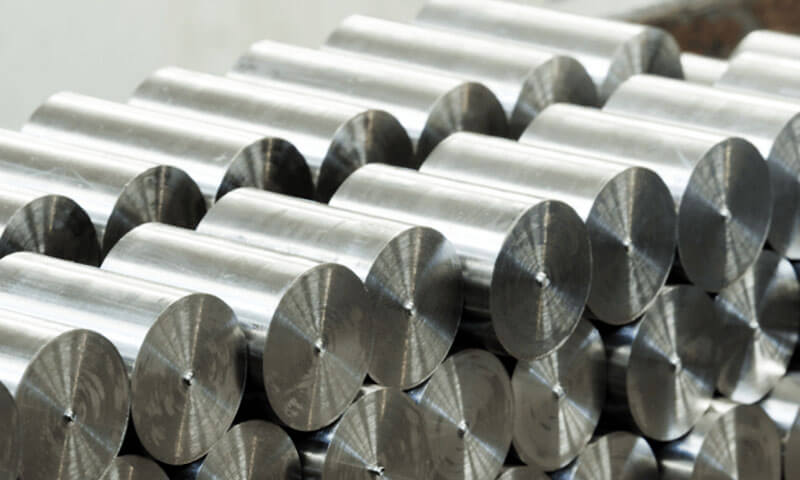
1. การแนะนำ
เหล็กเป็นหนึ่งในวัสดุทางวิศวกรรมที่ใช้กันอย่างแพร่หลายมากที่สุดในโลก, และความหนาแน่นของมันเป็นคุณสมบัติทางกายภาพที่สำคัญที่สุดประการหนึ่งซึ่งควบคุมวิธีการเลือก, ออกแบบ, ที่ผ่านการประมวลผลแล้ว, และนำไปใช้.
ความหนาแน่นส่งผลต่อมวล, ความเฉื่อย, ค่าขนส่ง, โหลดโครงสร้าง, พฤติกรรมการจัดการ, และแม้กระทั่งการใช้พลังงานตลอดวงจรชีวิตของผลิตภัณฑ์.
ด้วยเหตุนี้, ความหนาแน่นของเหล็กไม่ใช่ค่าแค็ตตาล็อกเล็กน้อย. เป็นพารามิเตอร์การออกแบบพื้นฐาน.
2. ความหนาแน่นหมายถึงอะไรในวิศวกรรมวัสดุ
ในด้านวิศวกรรมวัสดุ, ความหนาแน่น อธิบายปริมาณมวลที่บรรจุอยู่ภายในปริมาตรที่กำหนดของวัสดุ.
นี่เป็นหนึ่งในคุณสมบัติทางกายภาพขั้นพื้นฐานที่สุดเพราะจะบอกวิศวกรว่าวัสดุมีความ “กะทัดรัด” แค่ไหนในระดับอะตอมและระดับมหภาค.
วัสดุเช่นเหล็กให้ความรู้สึกหนักและมั่นคงเนื่องจากมีสสารจำนวนมากถูกบรรจุลงในพื้นที่ที่ค่อนข้างเล็ก, ซึ่งเป็นเหตุผลว่าทำไมจึงมีความหนาแน่นค่อนข้างสูง.
ความสัมพันธ์แสดงโดยสมการพื้นฐาน:
ความหนาแน่น = มวล / ปริมาณ
หรือ, ในรูปแบบสัญลักษณ์:
ρ = ม / วี
ที่ไหน:
- R = ความหนาแน่น
- ม = มวล
- วี = ปริมาณ
โดยทั่วไปความหนาแน่นจะวัดเป็นหน่วยต่างๆ เช่น กรัม/ซม.³ หรือ กก./ลบ.ม ในระบบเมตริก, และ ปอนด์/นิ้ว3 หรือ ปอนด์/ฟุต³ ในหน่วยจักรวรรดิ.
จากมุมมองทางวิศวกรรม, ความหนาแน่นคือ ทรัพย์สินที่เข้มข้น. ซึ่งหมายความว่ามูลค่าของมันไม่เปลี่ยนแปลงเพียงเพราะปริมาณของวัสดุเปลี่ยนแปลง.
เหล็กชิ้นเล็กและแผ่นเหล็กขนาดใหญ่มีความหนาแน่นเท่ากัน, แม้ว่ามวลจะต่างกันมากก็ตาม. สิ่งที่เปลี่ยนแปลงคือจำนวนวัสดุทั้งหมด, ไม่ใช่ความหนาแน่นนั่นเอง.
นี่คือเหตุผลว่าทำไมความหนาแน่นจึงมีความสำคัญในการออกแบบและการเลือกใช้วัสดุ.
มันส่งผลต่อน้ำหนัก, ความเฉื่อย, ค่าขนส่ง, โหลดโครงสร้าง, และประสิทธิภาพโดยรวม, แต่ยังคงเป็นคุณลักษณะของวัสดุที่มีความเสถียรไม่ว่าชิ้นส่วนจะมีขนาดเท่าใดก็ตาม.
3. ช่วงความหนาแน่นทั่วไปของเหล็ก
เหล็กกล้าคาร์บอนธรรมดาและเหล็กกล้าอัลลอยด์ต่ำส่วนใหญ่มีความหนาแน่นอยู่ในช่วง 7.75 ถึง 8.05 กรัม/ซม.³, กับ 7.85 กรัม/ซม.³ มักใช้เป็นค่าอ้างอิงทั่วไป. ในแง่เอสไอ, นี่ก็ประมาณนี้ 7,850 กก./ลบ.ม.
ค่านั้นไม่เป็นสากล. เกรดของเหล็กที่แตกต่างกันจะแตกต่างกันเล็กน้อยเนื่องจากองค์ประกอบอัลลอยด์, องค์ประกอบเฟส, และประวัติการประมวลผลล้วนมีอิทธิพลต่อความหนาแน่น.
สแตนเลส, ตัวอย่างเช่น, อาจสูงหรือต่ำกว่าการอ้างอิงเหล็กกล้าคาร์บอนทั่วไปบ้าง ขึ้นอยู่กับองค์ประกอบ.

4. ทำไมความหนาแน่นของเหล็กจึงแตกต่างกันไป
เหล็กไม่ใช่วัสดุชนิดเดียว. เป็นตระกูลโลหะผสมที่มีเหล็กเป็นหลัก, และความหนาแน่นเปลี่ยนแปลงไปตามองค์ประกอบและโครงสร้าง.
ปริมาณคาร์บอน
ปริมาณคาร์บอนส่งผลต่อความหนาแน่นเพียงเล็กน้อยเท่านั้น เนื่องจากคาร์บอนมีอยู่ในปริมาณน้อย. อย่างไรก็ตาม, มันยังคงมีส่วนทำให้เกิดความแตกต่างระหว่างเกรด.
ในกรณีที่ใช้งานได้จริงส่วนใหญ่, ปริมาณคาร์บอนไม่ใช่ตัวขับเคลื่อนหลักของการเปลี่ยนแปลงความหนาแน่น, แต่มันเป็นส่วนหนึ่งของความสมดุลขององค์ประกอบโดยรวม.
องค์ประกอบการผสม
องค์ประกอบโลหะผสมสามารถเพิ่มหรือลดความหนาแน่นได้ ขึ้นอยู่กับมวลอะตอมและความเข้มข้น.
ธาตุอย่างเช่นโครเมียม, นิกเกิล, แมงกานีส, โมลิบดีนัม, วาเนเดียม, และทังสเตนจะเปลี่ยนความหนาแน่นของโลหะผสมขั้นสุดท้าย.
ในเหล็กกล้าไร้สนิม, ตัวอย่างเช่น, นิกเกิลและโครเมียมสามารถเปลี่ยนความหนาแน่นขึ้นหรือลงเล็กน้อยเมื่อเทียบกับเหล็กกล้าคาร์บอนธรรมดา.
โครงสร้างจุลภาค
ความหนาแน่นของเหล็กอาจแตกต่างกันเล็กน้อยตามโครงสร้างเฟส. เฟอร์ไรต์, ออสเทนไนต์, มาร์เทนไซต์, และเบนไนต์ไม่ได้บรรจุอะตอมในลักษณะเดียวกันทุกประการ.
ความแตกต่างมักจะเล็กน้อย, แต่ในทางวิศวกรรมที่แม่นยำ สิ่งเหล่านี้มีความสำคัญ.
อุณหภูมิและสถานะเฟส
ความหนาแน่นเปลี่ยนแปลงไปตามอุณหภูมิ. ขณะที่เหล็กร้อนขึ้น, มันขยายตัว, และความหนาแน่นก็ลดลง.
สิ่งนี้มีความเกี่ยวข้องในการคัดเลือกนักแสดง, การปลอม, การรักษาความร้อน, และบริการอุณหภูมิสูง. ที่อุณหภูมิสูงขึ้น, เหล็กมีปริมาตรเพิ่มขึ้นเล็กน้อยสำหรับมวลเท่ากัน.
5. ความหนาแน่นของตระกูลเหล็กทั่วไป
เพื่อความสม่ำเสมอ, ที่ เกรดทั่วไป มีการแสดงออกใน เรา. การกำหนดสไตล์ เช่น AISI/SAE, มาตรฐาน ASTM, และเทียบเท่าทางการค้าที่ใช้กันทั่วไป.
ค่าด้านล่างนี้คือความหนาแน่นของอุณหภูมิห้องที่ระบุ ซึ่งใช้สำหรับการเปรียบเทียบทางวิศวกรรมและการเลือกใช้วัสดุ.
ความหนาแน่นของเหล็กกล้าคาร์บอน
เหล็กกล้าคาร์บอน เป็นตระกูลโลหะผสมเหล็ก-คาร์บอนที่มีปริมาณโลหะผสมค่อนข้างต่ำ.
ความหนาแน่นของมันแตกต่างกันเพียงเล็กน้อยเท่านั้นในระดับต่ำ-, ปานกลาง-, และเกรดคาร์บอนสูง, แต่เทรนด์ยังมีประโยชน์ในงานออกแบบ: เมื่อปริมาณคาร์บอนเพิ่มขึ้น, ความหนาแน่นลดลงเล็กน้อยมาก.
| หมวดเหล็ก | เกรดทั่วไป | ความหนาแน่น (กรัม/ซม.³) | ความหนาแน่น (กก./ลบ.ม) | ความหนาแน่น (ปอนด์/นิ้ว3) |
| เหล็กกล้าคาร์บอนต่ำ | เอไอเอส 1010, เอไอเอส 1018, เอไอเอส 1020 | 7.85 | 7850 | 0.2836 |
| เหล็กกล้าคาร์บอนปานกลาง | เอไอเอส 1045, เอไอเอส 1050, เอไอเอส 1055 | 7.84 | 7840 | 0.2832 |
| เหล็กกล้าคาร์บอนสูง | เอไอเอส 1080, เอไอเอส 1090, เอไอเอส 1095 | 7.83 | 7830 | 0.2828 |
เหล็กโครงสร้างโลหะผสมต่ำที่มีความแข็งแรงสูง (HSLA) ความหนาแน่น
เหล็ก HSLA ได้รับการเสริมความแข็งแกร่งด้วยการเติมแมงกานีสเล็กน้อย, โครเมียม, โมลิบดีนัม, ไนโอเบียม, วาเนเดียม, หรือองค์ประกอบที่เกี่ยวข้อง.
ความหนาแน่นยังคงใกล้เคียงกับเหล็กกล้าคาร์บอนธรรมดามาก, ดังนั้นความแตกต่างของการออกแบบจึงมาจากความแข็งแกร่งและความเหนียวมากกว่าน้ำหนัก.
| หมวดเหล็ก | เกรดทั่วไป | ความหนาแน่น (กรัม/ซม.³) | ความหนาแน่น (กก./ลบ.ม) | ความหนาแน่น (ปอนด์/นิ้ว3) |
| เหล็ก HSLA ทั่วไป | ASTM A572 กรัม 50, มาตรฐาน ASTM A992, มาตรฐาน ASTM A588 | 7.85 | 7850 | 0.2836 |
| เหล็ก HSLA ทนต่อการสึกหรอ | AR400, AR450, AR500 | 7.82 | 7820 | 0.2825 |
| แรงดัน Cr-Mo/เหล็กโครงสร้าง | เอไอเอส 4130, เอไอเอส 4140, เอไอเอส 8640 | 7.86 | 7860 | 0.2839 |
| เหล็กโครงสร้างผุกร่อน | มาตรฐาน ASTM A588, มาตรฐาน ASTM A242 | 7.84 | 7840 | 0.2832 |
ความหนาแน่นของเหล็กกล้าไร้สนิม
สแตนเลส จำแนกตามโครงสร้างทางโลหะวิทยา. ความหนาแน่นของมันได้รับอิทธิพลจากโครเมียม, นิกเกิล, โมลิบดีนัม, และธาตุผสมอื่นๆ.
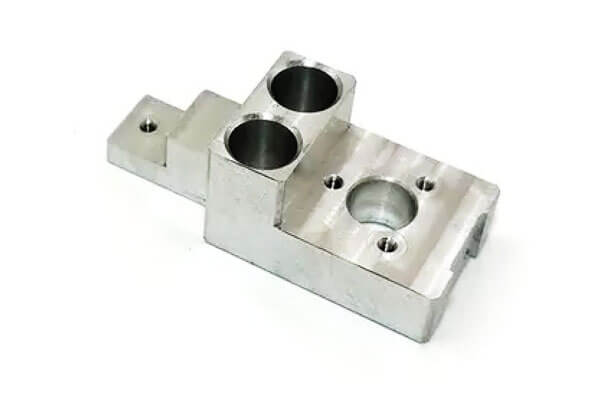
ในบรรดาตระกูลสเตนเลส, เหล็กกล้าไร้สนิมออสเทนนิติก โดยทั่วไปมีความหนาแน่นสูงสุด.
| หมวดเหล็ก | เกรดทั่วไป | ความหนาแน่น (กรัม/ซม.³) | ความหนาแน่น (กก./ลบ.ม) | ความหนาแน่น (ปอนด์/นิ้ว3) |
| เหล็กกล้าไร้สนิมออสเทนนิติก | เอไอเอส 304, AISI 304L | 7.93 | 7930 | 0.2865 |
| เหล็กกล้าไร้สนิมออสเทนนิติก | เอไอเอส 316, AISI 316L | 7.98 | 7980 | 0.2883 |
| ออสเตนนิติก SS อุณหภูมิสูง | AISI 310S | 7.98 | 7980 | 0.2883 |
| สเตนเลสเฟอร์ริติก | เอไอเอส 430, เอไอเอส 409 | 7.75 | 7750 | 0.2799 |
| เหล็กกล้าไร้สนิมมาร์เทนซิติก | เอไอเอส 410, เอไอเอส 420, เอไอเอส 431 | 7.80 | 7800 | 0.2817 |
| ดูเพล็กซ์สแตนเลส | US S32205 (2205), US S32750 (2507) | 7.81 | 7810 | 0.2820 |
เหล็กกล้าเครื่องมือและความหนาแน่นของเหล็กความเร็วสูง
เหล็กกล้าเครื่องมือและเหล็กกล้าความเร็วสูงมักมีทังสเตนเป็นจำนวนมาก, โครเมียม, วาเนเดียม, และโคบอลต์.
องค์ประกอบโลหะผสมเหล่านี้เพิ่มความหนาแน่นเมื่อเทียบกับเหล็กธรรมดา, โดยเฉพาะในเกรดความเร็วสูงและแบริ่งโคบอลต์.
| หมวดเหล็ก | เกรดทั่วไป | ความหนาแน่น (กรัม/ซม.³) | ความหนาแน่น (กก./ลบ.ม) | ความหนาแน่น (ปอนด์/นิ้ว3) |
| เหล็กกล้าเครื่องมือคาร์บอน | เอไอเอส T7, เอไอเอส T8, เอไอเอส T12 | 7.83 | 7830 | 0.2828 |
| เหล็กแม่พิมพ์โลหะผสมต่ำ | เอไอเอส พี20, เอไอเอสไอ H13, Aisi D2 | 7.85 | 7850 | 0.2836 |
| เหล็กความเร็วสูง | Aisi M2, Aisi M35, Aisi M42 | 8.15 | 8150 | 0.2942 |
| โคบอลต์-แบริ่ง HSS | เอไอเอส T15, HS18-1-2-10 | 8.20 | 8200 | 0.2960 |
ความหนาแน่นของเหล็กหน้าที่พิเศษ
เหล็กกล้าฟังก์ชันพิเศษได้รับการออกแบบทางวิศวกรรมสำหรับเงื่อนไขการบริการเฉพาะ เช่น การตัดเฉือนแบบอิสระ, ทนความร้อน, ความหนาแน่นสูง, หรือความหนาแน่นต่ำ.
ความหนาแน่นอาจแตกต่างอย่างเห็นได้ชัดจากเหล็กกล้ามาตรฐาน เนื่องจากการออกแบบโลหะผสมได้รับการปรับให้เหมาะกับการใช้งานมากกว่าการใช้งานโครงสร้างทั่วไป.
| หมวดเหล็ก | เกรดทั่วไป | ความหนาแน่น (กรัม/ซม.³) | ความหนาแน่น (กก./ลบ.ม) | ความหนาแน่น (ปอนด์/นิ้ว3) |
| เหล็กตัดไร้สารตะกั่ว | AISI 12L14, เอไอเอส 1215 | 7.97 | 7970 | 0.2879 |
| เหล็กทนความร้อนโครเมียมสูง | เอไอเอส 309, AISI 310S, เอไอเอส 446 | 7.90 | 7900 | 0.2854 |
| เหล็กโลหะผสมทนความร้อนฐานนิกเกิล | อินคอลอยย์ 800, อินคอลอยย์ 800H | 8.06 | 8060 | 0.2910 |
| เหล็กโครงสร้างเบาความหนาแน่นต่ำ | เกรดเหล็กโลหะผสมความหนาแน่นต่ำพิเศษ | 7.70 | 7700 | 0.2781 |
| เหล็กถ่วงความหนาแน่นสูง | เกรดเหล็กถ่วงโลหะผสมทังสเตน | 8.30 | 8300 | 0.2996 |
6. ความหนาแน่นส่งผลต่อการออกแบบและการผลิตอย่างไร
ความหนาแน่นไม่ได้เป็นเพียงการตรวจวัดในห้องปฏิบัติการเท่านั้น. เป็นตัวกำหนดการตัดสินใจทางวิศวกรรมโดยตรง.

น้ำหนักและการรับน้ำหนักของโครงสร้าง
ผลกระทบที่ชัดเจนที่สุดของความหนาแน่นคือน้ำหนัก. คานเหล็ก, กรอบ, หรือตู้มักจะมีน้ำหนักมากกว่าการออกแบบอะลูมิเนียมที่เทียบเท่ากันมาก.
นั่นอาจเป็นผลเสียต่อการขนส่ง, การบินและอวกาศ, วิทยาการหุ่นยนต์, หรือระบบพกพา. อย่างไรก็ตาม, มวลที่สูงกว่าอาจเป็นข้อได้เปรียบในเรื่องความเสถียร, ทำให้หมาด ๆ, หรือต้องการความเฉื่อย.
ความสมดุลระหว่างความแข็งกับน้ำหนัก
เหล็กมีความหนาแน่น, แต่มันก็แข็งเช่นกัน. ในการใช้งานมากมาย, วิศวกรยอมรับน้ำหนักที่สูงกว่าเนื่องจากเหล็กช่วยให้หน้าตัดเล็กลงเพื่อประสิทธิภาพทางโครงสร้างที่เท่ากัน.
กล่าวอีกนัยหนึ่ง, ความหนาแน่นเพียงอย่างเดียวไม่ได้ตัดสินว่าเหล็กมีประสิทธิภาพหรือไม่. เหล็กอาจจะหนักกว่าตามปริมาตร, แต่ยังคงมีประสิทธิภาพได้ด้วยประสิทธิภาพต่อต้นทุนต่อหน่วย.
การขนส่งและประสิทธิภาพการใช้พลังงาน
ในยานพาหนะ, เครื่องจักร, และอุปกรณ์ขนย้าย, ความหนาแน่นส่งผลต่อการประหยัดน้ำมันเชื้อเพลิง, การเร่งความเร็ว, การเบรก, และความจุของน้ำหนักบรรทุก.
วัสดุที่มีความหนาแน่นต่ำมักนิยมใช้เมื่อการลดมวลให้ผลการดำเนินงานโดยตรง. นิ่ง, เหล็กยังคงพบเห็นได้ทั่วไปเนื่องจากประหยัดและมีความน่าเชื่อถือทางโครงสร้าง.
ข้อควรพิจารณาเกี่ยวกับการตัดเฉือนและการผลิต
ความหนาแน่นของเหล็กยังส่งผลต่อการจัดการในการผลิตอีกด้วย, การออกแบบอุปกรณ์ติดตั้ง, โหลดเครื่องมือ, และการจัดการบางส่วน.
ส่วนที่หนักกว่าจะเคลื่อนย้ายและจัดวางได้ยากกว่า, แต่ความแข็งแกร่งมักจะช่วยได้ในระหว่างการตัดเฉือนหรือการเชื่อม. มวลยังสามารถปรับปรุงการลดแรงสั่นสะเทือนในโครงสร้างเครื่องจักรบางชนิดได้อีกด้วย.
ความเฉื่อยและพฤติกรรมแบบไดนามิก
ในระบบหมุนเวียน, ความหนาแน่นส่งผลต่อโมเมนต์ความเฉื่อย. โรเตอร์เหล็กที่มีความหนาแน่นมากขึ้น, เกียร์, หรือดิสก์เก็บพลังงานจลน์มากขึ้นและต้านทานการเปลี่ยนแปลงความเร็วได้รุนแรงกว่าวัสดุที่เบากว่า.
ที่อาจมีประโยชน์หรือเป็นปัญหาได้ขึ้นอยู่กับการใช้งาน.
7. ความเข้าใจผิดสากล
อันดับแรก, การรักษา 7.85 g/cm³ เป็นความหนาแน่นคงที่สำหรับเกรดเหล็กทั้งหมด ส่งผลให้มีการประมาณค่าน้ำหนักของเหล็กกล้าคาร์บอนสูงสูงเกินไป, ในขณะที่ประเมินน้ำหนักของสแตนเลสต่ำเกินไป.
ที่สอง, ความหนาแน่นทางทฤษฎีสับสนกับความหนาแน่นรวม, โดยไม่สนใจข้อบกพร่องที่มีรูพรุนของเหล็กหล่อ และนำไปสู่การออกแบบโหลดที่ไม่ถูกต้อง;
ที่สาม, ละเลยการเปลี่ยนแปลงความหนาแน่นที่เกิดจากอุณหภูมิสำหรับชิ้นส่วนเหล็กหม้อไอน้ำที่มีอุณหภูมิสูง.
8. ข้อจำกัดโดยธรรมชาติของความหนาแน่นเป็นตัวบ่งชี้การตัดสิน
แม้ว่าความหนาแน่นจะเป็นข้อมูลอ้างอิงที่สำคัญสำหรับการประเมินประสิทธิภาพของเหล็ก, ไม่สามารถนำมาใช้เป็นมาตรฐานการคัดกรองเดียวได้: ความหนาแน่นสูงไม่เท่ากับเหล็กคุณภาพสูง.
ความหนาแน่นสูงมากเกินไปที่เกิดจากองค์ประกอบของโลหะผสมที่มีน้ำหนักมากเกินไปอาจลดความเหนียวและความต้านทานต่อความเย็นของเหล็กได้; เหล็กโลหะผสมน้ำหนักเบาที่มีความหนาแน่นต่ำอาจเสียสละความแข็งแกร่งบางส่วนเพื่อให้บรรลุเป้าหมายที่มีน้ำหนักเบา.
ในการปฏิบัติงานด้านวิศวกรรม, ความหนาแน่นต้องคู่กับความแข็ง, ความเหนียว, ทนต่อการกัดกร่อนและทนต่ออุณหภูมิเพื่อให้การเลือกสรรวัสดุอย่างครอบคลุม.
9. การเปรียบเทียบความหนาแน่นกับวัสดุวิศวกรรมอื่นๆ
เหล็กจะเข้าใจได้ง่ายขึ้นเมื่อเปรียบเทียบกับวัสดุทางวิศวกรรมทั่วไปอื่นๆ.
| วัสดุ | ความหนาแน่นทั่วไป (กรัม/ซม.³) | ความหนาแน่นทั่วไป (กก./ลบ.ม) | ความหนาแน่นทั่วไป (ปอนด์/นิ้ว3) | การตีความทางวิศวกรรม |
| โลหะผสมแมกนีเซียม | 1.70–1.85 | 1700–1850 | 0.061–0.067 | เบามาก, แต่ความแรงและความแข็งลดลง |
| อลูมิเนียมอัลลอยด์ | 2.65–2.80 | 2650–2800 | 0.096–0.101 | เบามาก, ใช้กันอย่างแพร่หลายสำหรับการออกแบบที่คำนึงถึงน้ำหนัก |
| โลหะผสมไทเทเนียม | 4.40–4.60 | 4400–4600 | 0.159–0.166 | เบากว่าเหล็ก, แต่แข็งแกร่งกว่ามากต่อน้ำหนักหนึ่งหน่วย |
| เหล็กหล่อ | 6.90–7.30 น | 6900–7300 | 0.249–0.264 | มีความหนาแน่นน้อยกว่าเหล็กเล็กน้อย, แต่เปราะบางกว่า |
| เหล็กกล้าคาร์บอน | 7.75–7.85 | 7750–7850 | 0.280–0.284 | วัสดุโครงสร้างหนาแน่นมาตรฐาน |
สแตนเลส |
7.70–8.00 น | 7700–8000 | 0.278–0.289 | คล้ายหรือหนาแน่นกว่าเหล็กกล้าคาร์บอนเล็กน้อย |
| ทองแดง | 8.85–8.95 | 8850–8950 | 0.320–0.323 | หนักกว่าเหล็ก, การนำไฟฟ้าที่ดีเยี่ยม |
| ทองเหลือง | 8.40–8.75 | 8400–8750 | 0.304–0.316 | หนักแต่อเนกประสงค์, ลักษณะที่ดีและความสามารถในการแปรรูป |
| โลหะผสมนิกเกิล | 8.20–8.90 | 8200–8900 | 0.296–0.321 | หนาแน่น, ใช้เมื่ออุณหภูมิสูงหรือประสิทธิภาพการกัดกร่อน |
| ทังสเตน | 19.0–19.3 | 19000–19300 | 0.686–0.697 | หนาแน่นมาก, ใช้ในการถ่วงน้ำหนัก, ป้องกัน, และการใช้งานที่มีความหนาแน่นสูง |
10. บทสรุป
โดยทั่วไปความหนาแน่นของเหล็กจะอยู่ที่ประมาณ 7.85 กรัม/ซม.³, แต่ค่าที่แน่นอนจะแตกต่างกันไปตามตระกูลโลหะผสม, โครงสร้างจุลภาค, และอุณหภูมิ.
ที่สำคัญกว่านั้น, ความหนาแน่นไม่ใช่คุณสมบัติโดดเดี่ยว. มันโต้ตอบกับความแข็งแกร่ง, ความฝืด, ค่าใช้จ่าย, ความต้านทานการกัดกร่อน, การผลิต, และประสิทธิภาพการบริการ.
เหล็กยังคงเป็นหนึ่งในวัสดุทางวิศวกรรมที่สำคัญที่สุดอย่างแน่นอน เนื่องจากมีความหนาแน่นอยู่ที่จุดกึ่งกลางที่มีประสิทธิผล: หนักพอที่จะให้ความแข็งแกร่ง, ความมั่นคง, และความแข็งแกร่งเป็นอันมาก, แต่ยังประหยัดและอเนกประสงค์เพียงพอที่จะครองการก่อสร้างและอุตสาหกรรม.
สำหรับนักออกแบบ, การทำความเข้าใจความหนาแน่นของเหล็กหมายถึงการทำความเข้าใจว่ามวลมีอิทธิพลต่อทั้งระบบอย่างไร, ตั้งแต่การผลิตและการขนส่งไปจนถึงต้นทุนการดำเนินงานและตลอดอายุการใช้งาน.
คำถามที่พบบ่อย
ทำไมเหล็กถึงมีความหนาแน่นมาก??
เนื่องจากเป็นโลหะผสมที่มีธาตุเหล็กซึ่งมีโครงสร้างอะตอมแน่นและมีองค์ประกอบโลหะผสมค่อนข้างหนักเมื่อเทียบกับโลหะน้ำหนักเบา.
ความหนาแน่นส่งผลต่อความแข็งแรงของเหล็กหรือไม่?
ไม่ใช่โดยตรง. ความหนาแน่นและความแข็งแรงเป็นคุณสมบัติที่แตกต่างกัน, แม้ว่าทั้งสองจะมีอิทธิพลต่อการตัดสินใจในการออกแบบก็ตาม.
เหล็กความหนาแน่นต่ำกว่าจะดีกว่าเสมอไป?
เลขที่. ความหนาแน่นต่ำสามารถช่วยลดน้ำหนักได้, แต่วัสดุที่ดีที่สุดนั้นขึ้นอยู่กับความแข็งแกร่ง, ความฝืด, ค่าใช้จ่าย, ความต้านทานการกัดกร่อน, และความต้องการใช้งาน.
เหล็กเปรียบเทียบกับอลูมิเนียมเป็นอย่างไร?
เหล็กมีความหนาแน่นกว่ามากและมักจะแข็งแรงกว่าเมื่อใช้งานเป็นกลุ่ม, ในขณะที่อะลูมิเนียมจะเบากว่ามากและดีกว่าสำหรับการออกแบบที่คำนึงถึงน้ำหนัก.
อุณหภูมิเปลี่ยนแปลงความหนาแน่นของเหล็กหรือไม่?
ใช่. เมื่ออุณหภูมิสูงขึ้น, เหล็กขยายตัวและความหนาแน่นลดลงเล็กน้อย.

