

1. การแนะนำ
1.4006 คือ สแตนเลสมาร์เทนซิติก ซึ่งอยู่ตรงกลางระหว่างเหล็กกล้าคาร์บอนธรรมดากับเกรดสเตนเลสที่ทนทานต่อการกัดกร่อนมากกว่า.
โดยทั่วไปจะระบุได้ว่า X12Cr13, และการอ้างอิงของซัพพลายเออร์หลายรายเชื่อมโยงข้ามด้วย เอไอเอส 410 และ uns s41000, แม้ว่าแค็ตตาล็อกบางรายการจะเตือนว่าการกำหนดที่เกี่ยวข้อง เช่น 410S หรือ 410S21 อาจไม่ได้เทียบเท่าโดยตรงเสมอไป.
กล่าวอีกนัยหนึ่ง, เป็นเกรดที่คุ้นเคยและมีเอกลักษณ์ทางอุตสาหกรรมที่ชัดเจน, แต่สิ่งที่ควรตรวจสอบกับมาตรฐานเฉพาะและเงื่อนไขการจัดส่งที่ใช้อยู่.
อะไรทำให้ 1.4006 สิ่งที่น่าสนใจไม่ใช่ความต้านทานการกัดกร่อนสูงสุด, แต่มัน ความสมดุลของความแข็ง, ความแข็งแกร่ง, ความสามารถกล, ความสามารถในการขัดเงา, และประสิทธิภาพการกัดกร่อนปานกลาง.
มันเป็นเฟอร์โรแมกเนติก, รักษาความร้อน, และมีสมบัติทางกลที่ดีหลังจากการดับและแบ่งเบาบรรเทา, ด้วยเหตุนี้จึงปรากฏซ้ำๆ ในปั๊ม, วาล์ว, เพลา, ฟิตติ้ง, และส่วนประกอบทางวิศวกรรมเครื่องกลทั่วไป.
2. คืออะไร 1.4006 สแตนเลส?
1.4006 คือ สแตนเลสมาร์เทนซิติก ระดับ, มักเกี่ยวข้องกับ X12Cr13 ในระบบการกำหนดของยุโรป.
เป็นลูกปืนโครเมียม สแตนเลส ออกแบบมาเพื่อให้เกิดความสมดุลในทางปฏิบัติของ ความต้านทานการกัดกร่อนปานกลาง, ความแข็งแรงเชิงกลที่ดี, การตอบสนองทางแม่เหล็ก, และการชุบแข็งด้วยความร้อน.
ในแง่อุตสาหกรรม, มันเป็นโลหะผสมทางวิศวกรรมเชิงฟังก์ชันมากกว่าโลหะผสมการกัดกร่อนระดับพรีเมี่ยม.
ต่างจากสเตนเลสออสเทนนิติกเช่น 304 หรือ 316, 1.4006 ไม่บรรลุประโยชน์โดยอาศัยความต้านทานการกัดกร่อนเป็นหลัก.
แทน, คุณค่าของมันมาจากวิธีที่มันจะเป็นได้ ชุบแข็งด้วยกรรมวิธีทางความร้อน และใช้ในส่วนประกอบที่ต้องการความแข็งแรง, ความต้านทานการสึกหรอ, และประสิทธิภาพที่มั่นคงในสภาพแวดล้อมการบริการที่มีฤทธิ์กัดกร่อนปานกลาง.
นั่นทำให้มันมีความเกี่ยวข้องโดยเฉพาะในด้านวิศวกรรมเครื่องกล, ระบบปั๊ม, ส่วนประกอบวาล์ว, เพลา, รัด, และชิ้นส่วนอื่นๆ ที่ประสิทธิภาพการรับน้ำหนักมีความสำคัญพอๆ กับความต้านทานต่อสิ่งแวดล้อม.
อัตลักษณ์โลหะวิทยา
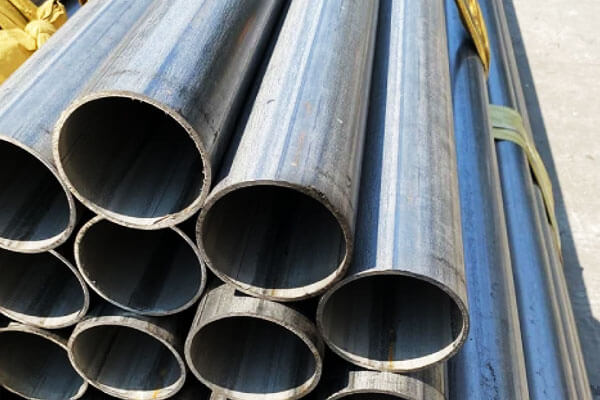
คุณสมบัติที่กำหนดของ 1.4006 เป็นของมัน โครงสร้าง Martensitic. ซึ่งหมายความว่าโลหะผสมสามารถเปลี่ยนผ่านกระบวนการทางความร้อนให้เป็นของแข็งได้, สภาพที่แข็งแกร่ง.
ในสถานะอบอ่อน, มันง่ายกว่าในการสร้างเครื่องจักรและขึ้นรูป; หลังจากดับและทำให้อารมณ์เสีย, มันจะแข็งแกร่งขึ้นและหนักขึ้นอย่างมาก.
พฤติกรรมทางโลหะวิทยานี้เป็นสิ่งที่แตกต่างจากสเตนเลสชนิดอื่นๆ:
- สแตนเลสสตีลออสเทนนิติก โดยทั่วไปจะทนทานต่อการกัดกร่อนและมีความเหนียวมากกว่า, แต่ไม่แข็งตัวง่ายด้วยกรรมวิธีทางความร้อน.
- เหล็กกล้าไร้สนิมเฟอร์ริติก ให้ความต้านทานการกัดกร่อนที่ดีในบางสภาพแวดล้อม, แต่ความสามารถในการแข็งตัวต่ำกว่า.
- Stainless Stainless Martensitic, รวมทั้ง 1.4006, จะถูกเลือกเมื่อ ความแข็งแกร่งและความแข็ง เป็นข้อกำหนดการออกแบบส่วนกลาง.
เกรดเทียบเท่า
1.4006 ได้รับการยอมรับทั่วโลกภายใต้ชื่อเรียกต่างๆ, สร้างความมั่นใจในการทำงานร่วมกันในอุตสาหกรรมต่างๆ:
| มาตรฐาน | การกำหนดเกรด |
| หนึ่ง/ของคุณ | 1.4006, X12Cr13 |
| มาตรฐาน ASTM/ไอซี | 410, uns s41000 |
| เขา | SUS410 |
| กิกะไบต์ | 12CR13 |
ลักษณะสำคัญ
พฤติกรรมแม่เหล็ก
1.4006 เป็น แม่เหล็ก, ซึ่งเป็นผลโดยตรงจากโครงสร้างมาร์เทนซิติก.
สิ่งนี้มีประโยชน์ในการใช้งานที่การตอบสนองทางแม่เหล็กเป็นที่ยอมรับหรือเป็นที่ต้องการด้วยซ้ำ, และยังแยกแยะเกรดจากสเตนเลสออสเทนนิติกได้อย่างชัดเจน.
ความสามารถในการรักษาความร้อน
หนึ่งในเหตุผลหลักที่วิศวกรเลือก 1.4006 ก็คือมันสามารถเป็นได้ แข็งตัวและอารมณ์ เพื่อให้ได้ความสมดุลระหว่างความแข็งแกร่งและความเหนียวที่ลงตัว.
ซึ่งช่วยให้สามารถปรับคุณสมบัติสุดท้ายให้เข้ากับฟังก์ชันของชิ้นส่วนได้.
ความต้านทานการกัดกร่อนปานกลาง
เกรดประกอบด้วยโครเมียม, ซึ่งให้พฤติกรรมของสเตนเลสและมีชั้นออกไซด์แบบพาสซีฟ.
อย่างไรก็ตาม, ความต้านทานการกัดกร่อนของมันคือ ปานกลางมากกว่าโดดเด่น, ดังนั้นจึงเหมาะสมที่สุดกับสภาพแวดล้อมที่รุนแรงเล็กน้อย แทนที่จะได้รับคลอไรด์อย่างรุนแรง.
สามารถแปรรูปได้ดีในสภาวะอ่อน
ก่อนที่จะแข็งตัว, 1.4006 สามารถกลึงได้อย่างมีประสิทธิภาพ. นั่นทำให้น่าสนใจสำหรับส่วนประกอบที่มีความแม่นยำซึ่งผลิตในสภาพที่ค่อนข้างอ่อน จากนั้นจึงอบชุบด้วยคุณสมบัติขั้นสุดท้าย.
ประสิทธิภาพที่เน้นการสึกหรอ
เพราะสามารถชุบแข็งได้, 1.4006 ทำงานได้ดีในส่วนที่มีการเสียดสี, หน้าสัมผัสแบบเลื่อน, หรือการโหลดเชิงกลซ้ำๆ, โดยเฉพาะอย่างยิ่งในกรณีที่ไม่ต้องการประสิทธิภาพการกัดกร่อนของโลหะผสมอย่างเต็มที่.
3. องค์ประกอบทางเคมีของ 1.4006 สแตนเลส
องค์ประกอบด้านล่างนี้สะท้อนถึงช่วง EN/อุตสาหกรรมที่เผยแพร่โดยทั่วไป 1.4006 / X12Cr13.
ความแตกต่างเล็กน้อยอาจปรากฏในเอกสารข้อมูลโดยขึ้นอยู่กับรูปแบบผลิตภัณฑ์และการใช้งานที่ต้องการ, โดยเฉพาะอย่างยิ่งสำหรับปริมาณกำมะถัน.
| องค์ประกอบ | ช่วงองค์ประกอบทั่วไป (มวล %) | บทบาททางโลหะวิทยา |
| คาร์บอน (ค) | 0.08–0.15 | รองรับการก่อตัวของมาร์เทนไซต์, ความแข็ง, และความแข็งแรงหลังการอบชุบด้วยความร้อน. |
| ซิลิคอน (และ) | ≤ 1.00 | ช่วยในการผลิตเหล็กและการกำจัดออกซิเดชั่น; ยังส่งผลต่อความแข็งแกร่งและพฤติกรรมการประมวลผลอีกด้วย. |
| แมงกานีส (มน) | ≤ 1.00 ถึง 1.50 | รองรับการประมวลผลและช่วยควบคุมความสามารถในการทำงานที่ร้อน. |
| ฟอสฟอรัส (ป) | ≤ 0.020 ถึง 0.040 | ปรับให้ต่ำเพื่อรักษาความเหนียวและคุณภาพโดยรวม. |
กำมะถัน (ส) |
≤ 0.015 ถึง 0.020, พร้อมเบี้ยเลี้ยงพิเศษสำหรับสินค้าบางประเภท | ส่งผลต่อความสามารถในการแปรรูป; กำมะถันต่ำเหมาะสำหรับความสามารถในการขัดเงาและเงื่อนไขการบริการบางอย่าง. |
| โครเมียม (Cr) | 11.5–13.5 | องค์ประกอบสแตนเลสหลัก; ให้ความต้านทานการกัดกร่อนและการกัดกร่อนปานกลาง. |
| นิกเกิล (ใน) | ≤ 0.5 ถึง 0.75 | นำเสนอในปริมาณเล็กน้อยเท่านั้น; ไม่เพียงพอที่จะทำให้อัลลอยด์ออสเทนนิติก. |
| เหล็ก (เฟ) | สมดุล | โลหะฐาน. |
องค์ประกอบ Takeaway
1.4006 คือจงใจก สแตนเลสมาร์เทนซิติกแบบลีน: โครเมียมเพียงพอสำหรับพฤติกรรมสเตนเลส, มีคาร์บอนเพียงพอสำหรับการชุบแข็ง, แต่ไม่มากจนกลายเป็นเกรดออสเทนนิติก.
เคมีดังกล่าวเป็นสิ่งที่ทำให้โลหะผสมมีความสมดุลระหว่างความต้านทานการกัดกร่อนปานกลางและความแข็งแรงในการอบชุบด้วยความร้อน.
4. คุณสมบัติทางกายภาพและเชิงกลของ 1.4006 สแตนเลส
มูลค่าทรัพย์สินด้านล่างเป็นตัวเลขที่เผยแพร่โดยตัวแทน. ขึ้นอยู่กับเงื่อนไขการจัดส่งเป็นอย่างมาก, โดยเฉพาะอย่างยิ่งไม่ว่าวัสดุจะอบอ่อนหรือดับแล้วก็ตาม.
| คุณสมบัติ | อบอ่อน / สภาพนุ่มนวล | ดับและอารมณ์ / คิวดีที / คิวที 650 เงื่อนไข | หมายเหตุ |
| ความแข็งแรงของผลผลิต (rp0.2) | ≥ 450 MPa ในข้อมูลผลิตภัณฑ์อบอ่อนด้วยสารละลาย | 552–655 MPa, ทั่วไป 480 MPa; รายการข้อมูลผลิตภัณฑ์บางส่วน ≥ 450 MPa ขั้นต่ำ | การอบชุบด้วยความร้อนช่วยเพิ่มความแข็งแรงให้กับวัสดุ. |
| ความต้านทานแรงดึง (RM) | 650–850 MPa ในข้อมูลผลิตภัณฑ์อบอ่อนด้วยสารละลาย | ≥ 690 MPa, โดยทั่วไปเกี่ยวกับ 720 MPa | ช่วงความแข็งแกร่งแตกต่างกันไปตามรูปแบบและเส้นผ่านศูนย์กลางของผลิตภัณฑ์. |
| การยืดตัว | ≥ 15% | ≥ 20% ในการอ้างอิง QDT ฉบับเดียว | ความเหนียวขึ้นอยู่กับสภาพความร้อนและขนาดของผลิตภัณฑ์. |
| การลดพื้นที่ | ≥ 55% | ≥ 45% | บ่งบอกถึงความเหนียวที่มีความหมายแม้จะมีลักษณะของมาร์เทนซิติกก็ตาม. |
| ความแข็ง | มากถึงประมาณ 220 HB ในแผ่นข้อมูลอบอ่อนหนึ่งแผ่น | ≤ 22 HRC ในสภาพ QDT | ความแข็งเพิ่มขึ้นพร้อมกับการชุบแข็ง; ค่าที่แน่นอนจะแตกต่างกันไปตามเงื่อนไข. |
| ผลกระทบต่อความเหนียว | - | ≥ 27 J ที่ −29°C | มีประโยชน์สำหรับส่วนประกอบที่ต้องการความเหนียวที่อุณหภูมิต่ำ. |
โมดูลัสความยืดหยุ่น |
215 เกรดเฉลี่ย | 215 เกรดเฉลี่ย | โดยพื้นฐานแล้วไม่เปลี่ยนแปลงโดยการบำบัดความร้อนในเอกสารข้อมูลมาตรฐาน. |
| ความหนาแน่น | 7.70 กก./ลบ.ม | 7.70 กก./ลบ.ม | ความหนาแน่นโดยทั่วไปสำหรับเหล็กกล้าไร้สนิมมาร์เทนซิติก. |
| ความร้อนจำเพาะ | 460 เจ/กก.·เค | 460 เจ/กก.·เค | ค่าทรัพย์สินทางกายภาพมาตรฐานที่ 20°C. |
| การนำความร้อน | 30 W/ม·เค | 30 W/ม·เค | มีประโยชน์สำหรับลักษณะการตัดเฉือนและการถ่ายเทความร้อนบางอย่าง. |
| ความต้านทานไฟฟ้า | 0.60 Ω·มม.²/ม | 0.60 Ω·มม.²/ม | ระดับสเตนเลสสตีลมาร์เทนซิติกทั่วไป. |
| ความสามารถในการดึงดูดแม่เหล็ก | เหมาะสม / แม่เหล็กไฟฟ้า | เหมาะสม / แม่เหล็กไฟฟ้า | ลักษณะเฉพาะของเกรดนี้. |
| อุณหภูมิบริการที่แนะนำ | สูงถึงประมาณ 400°C ในเอกสารข้อมูลทางวิศวกรรมฉบับเดียว | หลีกเลี่ยงอุณหภูมิประมาณ 425–525°C เนื่องจาก 475 ความเสี่ยงจากการเปราะ | อุณหภูมิการให้บริการขึ้นอยู่กับการใช้งานและมาตรฐานที่แน่นอน. |
5. การรักษาความร้อน, การผลิต, และการเชื่อม
1.4006 คือ สแตนเลสมาร์เทนซิติกที่ผ่านการอบชุบด้วยความร้อน, และข้อเท็จจริงข้อเดียวนั้นกำหนดพฤติกรรมการประมวลผลส่วนใหญ่.
คุณสมบัติขั้นสุดท้ายไม่ได้รับการแก้ไขเมื่อซื้อ; ได้รับการพัฒนาโดยเส้นทางระบายความร้อนที่เลือกโดยผู้ผลิตหรือผู้ประดิษฐ์.
การรักษาความร้อน
ห่วงโซ่กระบวนการทั่วไปสำหรับ 1.4006 ตรงไปตรงมาในหลักการแต่มีความละเอียดอ่อนในการดำเนินการ. เหล็กจะถูกออสเทนไนซ์ก่อน, จากนั้นก็ดับลง, และอารมณ์ดีขึ้นในที่สุด.
เอกสารข้อมูลทางเทคนิคมักจะวาง อบอ่อนประมาณ 745–825°C, ดับประมาณ 950–1,000°C, และ การแบ่งเบาบรรเทาในช่วง 680–780°C, แม้ว่ารอบที่แน่นอนจะขึ้นอยู่กับรูปแบบผลิตภัณฑ์, ขนาดส่วน, และยอดเงินคงเหลือที่ต้องการ.
ประเด็นสำคัญคือโลหะผสมตอบสนองอย่างรุนแรงต่อการบำบัดความร้อน, ดังนั้นรอบที่เลือกจะเป็นตัวกำหนดความแข็งโดยตรง, ความเหนียว, และส่งผลต่อพฤติกรรม.
การตีความทางวิศวกรรมที่เป็นประโยชน์ก็คือ 1.4006 ไม่ใช่เหล็กสเตนเลส “คุณสมบัติคงที่”. มันคือก สแตนเลสปรับคุณสมบัติได้.
ทำให้เหมาะสำหรับส่วนประกอบที่ต้องตัดเฉือนในสภาวะที่อ่อนลงแล้วจึงแปลงเป็นชิ้นส่วนที่แข็งขึ้น, ส่วนสุดท้ายที่แข็งแกร่งขึ้น.
ในสภาพดับและอารมณ์, ค่าที่เผยแพร่แสดงให้เห็นถึงผลผลิตและความต้านทานแรงดึงที่สูงกว่าในสภาวะอุปทานที่นุ่มนวลกว่าอย่างเห็นได้ชัด, เป็นการยืนยันว่าวงจรความร้อนเป็นส่วนหนึ่งของกลยุทธ์การออกแบบ, ไม่ใช่แค่ขั้นตอนสุดท้ายเท่านั้น.
กำลังหล่อ
กำลังหล่อ 1.4006 เป็นไปได้, แต่มันไม่ใช่พาดหัวข่าวปกติสำหรับเกรดนี้. โลหะผสมมักพบเป็นแท่งหรือผลิตภัณฑ์หลอมสำหรับการตัดเฉือนเป็นส่วนประกอบทางกล.
เมื่อใช้การหล่อ, ยังคงใช้ตรรกะมาร์เทนซิติกสเตนเลสสตีลแบบเดียวกัน: ความสม่ำเสมอทางเคมี, การควบคุมการแข็งตัว, และการบำบัดความร้อนหลังการหล่อถือเป็นสิ่งสำคัญ.
เพราะ 1.4006 มีวัตถุประสงค์เพื่อพัฒนาความแข็งแกร่งที่มีประโยชน์ผ่านการเปลี่ยนแปลงมาร์เทนซิติก, ผลิตภัณฑ์หล่อจะต้องได้รับการจัดการอย่างระมัดระวังเพื่อหลีกเลี่ยงโครงสร้างที่หยาบ, การแบ่งแยก, หรือการกระจายทรัพย์สิน.
นั่นคือเหตุผล, ในทางปฏิบัติ, เหล็กกล้าไร้สนิมมาร์เทนซิติกแบบหล่อมักจะสงวนไว้สำหรับรูปทรงส่วนประกอบซึ่งประสิทธิภาพการหล่อมีมากกว่าข้อดีของสต็อกที่จัดทำขึ้น.
ทำงานร้อนแรง
การทำงานที่ร้อนเป็นแนวทางที่เป็นประโยชน์ในการปรับรูปร่าง 1.4006 ก่อนการตัดเฉือนขั้นสุดท้ายหรือการบำบัดความร้อน.
เอกสารข้อมูลสำหรับรูปแบบผลิตภัณฑ์ที่เทียบเคียงได้บ่งชี้ว่าหน้าต่างขึ้นรูปร้อนโดยทั่วไปจะมีศูนย์กลางอยู่เหนือช่วงการอบอ่อนและต่ำกว่าจุดที่การก่อตัวของตะกรันและการเสื่อมสภาพของคุณสมบัติกลายเป็นปัญหา.
ในมาร์เทนซิติกหนึ่งอัน 1.4006 เอกสารข้อมูลผลิตภัณฑ์, ช่วงการขึ้นรูปร้อนจะได้รับเป็น 1100° C ถึง 800 ° C, ซึ่งสอดคล้องกับความจำเป็นในการรักษาความเป็นพลาสติกที่ใช้งานได้ในขณะที่อยู่ภายในหน้าต่างระบายความร้อนที่มีการควบคุม.
จากมุมมองของการผลิต, การทำงานที่ร้อนมีประโยชน์เนื่องจากช่วยให้โครงสร้างเกรนได้รับการขัดเกลาและสร้างรูปทรงของชิ้นส่วนก่อนที่จะแข็งตัว.
อย่างไรก็ตาม, จะต้องได้รับการจัดการอย่างระมัดระวังมากกว่าการทำงานร้อนของสเตนเลสออสเทนนิติก เนื่องจากเหล็กกล้ามาร์เทนซิติกจะไวต่อประวัติความร้อนและความเปราะบางที่ตามมามากกว่าหากกระบวนการไม่ตรงกับการอบคืนตัวที่เหมาะสม.
ทำงานเย็น
1.4006 สามารถทำงานเย็นได้, แต่การตอบสนองของโลหะผสมไม่เหมือนกับสเตนเลสออสเทนนิติก.
เนื่องจากมีมาร์เทนซิติกและสามารถรักษาความร้อนได้, การทำงานเย็นมักถูกใช้น้อยกว่าเป็นเส้นทางเสริมกำลังหลัก และมักใช้เป็นขั้นตอนการสร้างรูปร่างหรือการตกแต่งขั้นสุดท้ายก่อนการอบชุบด้วยความร้อนขั้นสุดท้าย.
ในกรณีที่มีการแนะนำการเสียรูปแบบเย็น, มันสามารถเพิ่มความแข็งแกร่งและความแข็งได้, แต่ยังเพิ่มแรงในการขึ้นรูปและอาจลดความเหนียวหากกระบวนการถูกผลักมากเกินไป.
ด้วยเหตุผลนั้น, การทำงานเย็นถือเป็นขั้นตอนการควบคุมรูปร่างได้ดีที่สุด ไม่ใช่วิธีการหลักในการพัฒนาอสังหาริมทรัพย์.
เครื่องจักรกล
เครื่องจักรกล ถือเป็นจุดแข็งในทางปฏิบัติประการหนึ่งของ 1.4006 สแตนเลส.
ซัพพลายเออร์หลายรายระบุว่าเป็นเกรดที่เหมาะกับชิ้นส่วนวิศวกรรมเครื่องกลอย่างแม่นยำ เนื่องจากสามารถตัดเฉือนได้อย่างมีประสิทธิภาพในสภาพที่นิ่มกว่าแล้วจึงแข็งตัวในภายหลัง.
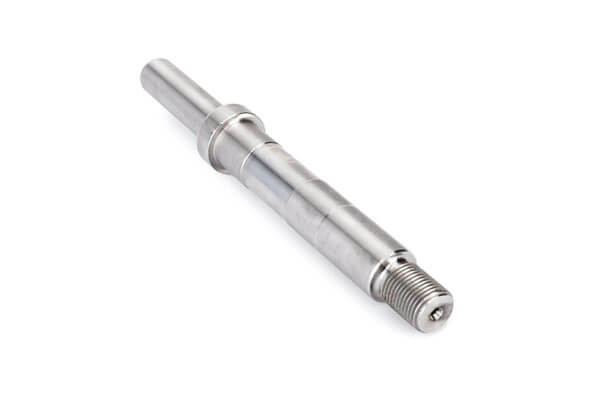
สิ่งนี้มีค่าในเพลา, ชิ้นส่วนวาล์ว, ฟิตติ้ง, และส่วนประกอบกลึงหรือกัดอื่นๆ ที่ต้องมีพิกัดความเผื่อต่ำ.
ข้อได้เปรียบประการที่สองก็คือ โลหะผสมมักมีอยู่ในสถานะการจัดส่งที่รองรับการตัดเฉือนก่อนการอบชุบด้วยความร้อนขั้นสุดท้าย.
ในแง่อุตสาหกรรม, ซึ่งหมายความว่าสามารถจัดเส้นทางการผลิตให้คุ้มค่าได้: เครื่องหยาบก่อน, เสร็จสิ้นการรักษาความร้อนครั้งที่สอง, จากนั้นจึงดำเนินการตกแต่งขั้นสุดท้ายเพียงเล็กน้อยเท่านั้นหากจำเป็น.
ประโยชน์ที่แท้จริงไม่ใช่แค่ความสามารถในการแปรรูปเท่านั้น, แต่ การควบคุมลำดับการผลิต.
การเชื่อม
การเชื่อมก็เป็นไปได้, แต่สเตนเลสมาร์เทนซิติกต้องมีระเบียบวินัยมากกว่าเกรดออสเทนนิติก.
คำแนะนำสำหรับซัพพลายเออร์สำหรับผลิตภัณฑ์ 1.4006/X12Cr13 ที่เทียบเคียงได้ ระบุว่าการเชื่อมสามารถทำได้ด้วยวิธีมาตรฐาน, แต่ อุ่นเครื่องในช่วงประมาณ 150–300°C และ การหลอมหรือการแบ่งเบาบรรเทาหลังการเชื่อม อาจจำเป็นเพื่อลดความเสี่ยงในการแตกร้าวและฟื้นฟูชุดคุณสมบัติที่มีเสถียรภาพมากขึ้น.
กล่าวอีกนัยหนึ่ง, การเชื่อมไม่ได้รับอนุญาต, แต่มีความละเอียดอ่อนต่อกระบวนการ และต้องมีการวางแผนโดยเป็นส่วนหนึ่งของเงื่อนไขวัสดุ, ไม่ถือเป็นการคิดภายหลัง.
ความท้าทายในการเชื่อมมาจากการเปลี่ยนแปลงของมาร์เทนซิติก.
หากบริเวณที่ได้รับผลกระทบจากความร้อนเย็นลงเร็วเกินไป หรือหากไม่สามารถควบคุมไฮโดรเจนและอุปกรณ์ยึดจับได้, โครงสร้างที่เปราะสามารถก่อตัวและความเสี่ยงในการแตกร้าวเพิ่มขึ้น.
นี่คือเหตุผลว่าทำไมผู้ประกอบหลายรายจึงชอบที่จะรักษาแนวเชื่อมให้เรียบง่าย, ใช้การเลือกฟิลเลอร์ที่เหมาะสม, และใช้ความร้อนหลังการเชื่อมเมื่อต้องการบริการ.
6. ความต้านทานการกัดกร่อนและขีดจำกัดการบริการ
โปรไฟล์ความต้านทานการกัดกร่อน
ความต้านทานการกัดกร่อนของ 1.4006 อธิบายได้ดีที่สุดว่า ปานกลาง.
มันทำงานได้ดีใน ก้าวร้าวเล็กน้อย, สภาพแวดล้อมที่ไม่ใช่คลอไรด์ เช่นสบู่, ผงซักฟอก, กรดอินทรีย์, และบริการน้ำหรือไอน้ำ, แต่ไม่ได้มีไว้สำหรับการสัมผัสคลอไรด์ที่รุนแรง.
เหล็กมีความต้านทานการกัดกร่อนในน้ำได้ดีเมื่อขัดเงาและอบคืนตัว, แต่ ไม่ใช่เมื่อมีคลอไรด์.
สรุปขีดจำกัดการให้บริการ
| ด้านการบริการ | ขีดจำกัดในทางปฏิบัติ / คำแนะนำ | ความหมายทางวิศวกรรม |
| สภาพแวดล้อมการกัดกร่อนทั่วไป | มีฤทธิ์กัดกร่อนปานกลาง, สื่อที่ไม่ใช่คลอไรด์ | พอดีกับน้ำ, ไอน้ำ, สบู่, และบริการที่คล้ายกัน. |
| สภาพพื้นผิว | ขัดเงา / เรียบ / ที่ต้องการแบบไร้สารตกค้าง | การตกแต่งพื้นผิวช่วยเพิ่มความต้านทานการกัดกร่อนได้โดยตรง. |
| การสัมผัสกับคลอไรด์ | ไม่เป็นที่ต้องการ | สภาพแวดล้อมที่มีคลอไรด์สามารถเติบโตเกินขอบเขตการกัดกร่อนของโลหะผสมได้อย่างรวดเร็ว. |
| บริการที่มีอุณหภูมิสูง | ประมาณ 400–600°C ขึ้นอยู่กับเอกสารข้อมูลและบรรยากาศ | เหมาะสำหรับความร้อนปานกลาง, บริการไม่รุนแรงที่อุณหภูมิสูง. |
สภาพพื้นผิวมีความสำคัญ
สำหรับ 1.4006, สภาพพื้นผิวไม่ใช่การปรับแบบละเอียด. พื้นผิวที่ขัดเงาหรือขัดเงาจะช่วยปรับปรุงพฤติกรรมการกัดกร่อน, ซึ่งมีความสำคัญอย่างยิ่งในอุปกรณ์ที่โดนน้ำ, ไอน้ำ, หรือสื่อที่ก้าวร้าวเล็กน้อย.
นั่นคือเหตุผลหนึ่งที่เกรดมักปรากฏในเพลา, ส่วนประกอบวาล์ว, และชิ้นส่วนปั๊มที่คุณภาพของผิวสำเร็จเป็นส่วนหนึ่งของข้อกำหนดการใช้งาน.
7. การใช้งานทั่วไปของ 1.4006 สแตนเลส
1.4006 ถูกใช้ที่ไหน ประสิทธิภาพเชิงกล, ความต้านทานการกัดกร่อนปานกลาง, แม่เหล็ก, และการรักษาความร้อน มีความสำคัญมากกว่าการป้องกันการกัดกร่อนสูงสุด.
โดยเฉพาะอย่างยิ่งในชิ้นส่วนที่ต้องกลึงก่อนแล้วจึงชุบแข็งในภายหลัง.
ส่วนประกอบทางวิศวกรรมเครื่องกล
นี่คือพื้นที่การใช้งานหลักสำหรับ 1.4006. มักใช้กับชิ้นส่วนที่ต้องรับน้ำหนัก, ต่อต้านการสึกหรอ, และรักษาความน่าเชื่อถือของมิติหลังการอบชุบด้วยความร้อน.
เอกสารข้อมูลอธิบายว่าส่วนใหญ่ใช้ในวิศวกรรมเครื่องกล.
ตัวอย่างทั่วไป ได้แก่:
- เพลา
- แกนหมุน
- เพลา
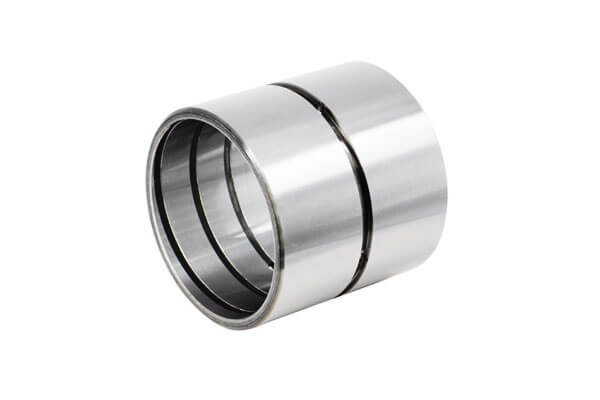
- บูช
- ชิ้นส่วนเครื่องจักร
- ส่วนประกอบที่กลึงอย่างแม่นยำ
ฮาร์ดแวร์ปั๊มและวาล์ว
1.4006 มีการใช้กันอย่างแพร่หลายใน อุตสาหกรรมปั๊ม และ วิศวกรรมชลศาสตร์ เพราะมันผสมผสานการแปรรูปเข้าด้วยกัน, ความแข็ง, และความต้านทานการกัดกร่อนที่เพียงพอสำหรับการบริการที่ดุดันปานกลาง.
ส่วนประกอบทั่วไปได้แก่:
น้ำ, ไอน้ำ, และบริการกระบวนการที่ไม่รุนแรง
เกรดนี้ยังใช้ในส่วนของโครงสร้างที่สัมผัสด้วย น้ำหรือไอน้ำ และในอุปกรณ์สำหรับ กระดาษ, สิ่งทอ, และอุตสาหกรรมอาหาร สภาพแวดล้อมที่มีการกัดกร่อนปานกลางและเรื่องความสะอาด.
ตัวอย่างได้แก่:
- ชิ้นส่วนที่สัมผัสกับไอน้ำ
- ฮาร์ดแวร์บริการน้ำ
- ส่วนประกอบกระบวนการที่มีฤทธิ์กัดกร่อนเล็กน้อย
- หน้าจอและตะแกรง
- อุปกรณ์ติดตั้งทางอุตสาหกรรม
ตัวยึดและชิ้นส่วนที่มีความแม่นยำขนาดเล็ก
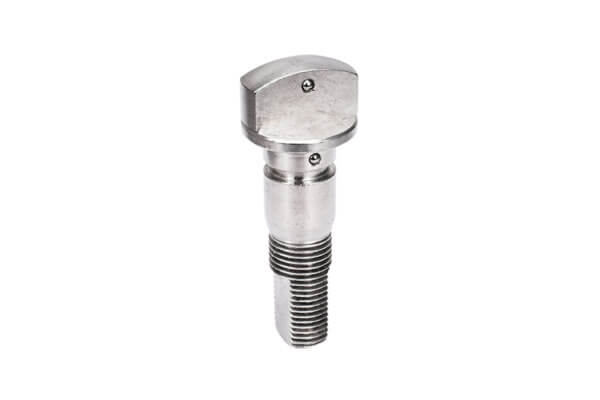
เพราะ 1.4006 สามารถอบชุบด้วยความร้อนและกลึงได้อย่างมีประสิทธิภาพ, มันเหมาะสำหรับ สลักเกลียว, สกรู, ถั่ว, และส่วนประกอบที่ติดตั้งขนาดเล็ก.
8. เปรียบเทียบกับเกรดสเตนเลสอื่นๆ
| ด้าน | 1.4006 | 1.4301 (304) | 1.4404 (316ล) | 1.4021 (420) |
| ครอบครัวสแตนเลส / โครงสร้าง | มาร์เทนซิติก, เหล็กกล้าเฟอร์โรแมกเนติกที่มีคุณสมบัติทางกลที่ดี. | สเตนเลสออสเทนนิติกที่มีความทนทานต่อการกัดกร่อนได้ดีเยี่ยมในหลายสภาพแวดล้อม. | เหล็กกล้าไร้สนิมออสเทนนิติก; ปริมาณคาร์บอนต่ำให้ความต้านทานที่ดีต่อการกัดกร่อนตามขอบเกรนในสภาพการเชื่อม. | มาร์เทนซิติก, เหล็กกล้าไร้สนิมเฟอร์โรแมกเนติก; ใช้ในสภาพชุบแข็งสำหรับการก่อสร้างและการยึดชิ้นส่วนต่างๆ. |
| พฤติกรรมแม่เหล็ก | แม่เหล็ก / แม่เหล็กไฟฟ้า. | โดยพื้นฐานแล้วไม่ใช่แม่เหล็กในสภาวะอบอ่อน, โดยมีการตอบสนองทางแม่เหล็กบ้างหลังจากการทำงานแบบเย็น. | ออสเตนนิติกและความสามารถในการดึงดูดแม่เหล็กต่ำ. | แม่เหล็ก / แม่เหล็กไฟฟ้า. |
ความสามารถในการบำบัดความร้อน |
รักษาความร้อนได้; ส่งมอบเป็นการอบอ่อน, ดับและอารมณ์, หรือดับและอารมณ์สองเท่า. | ไม่สามารถแข็งตัวได้ด้วยการบำบัดความร้อน; ใช้การหลอมสารละลายแทน. | ไม่ได้เลือกสำหรับการชุบแข็ง; โดยทั่วไปจะใช้ในสภาวะอบอ่อนด้วยสารละลายพร้อมประสิทธิภาพการเชื่อมที่ดีเยี่ยม. | ชุบแข็งได้; มีการระบุเงื่อนไข QT700 และ QT800. |
| ความต้านทานการกัดกร่อน | ดีในสารไม่มีคลอไรด์, สภาพแวดล้อมที่มีฤทธิ์กัดกร่อนปานกลาง; พรีนเกี่ยวกับ 14; พื้นผิวขัดเงาช่วยเพิ่มความทนทาน. | ยอดเยี่ยมในหลาย ๆ สภาพแวดล้อม, แต่การกัดกร่อนแบบรูพรุนของคลอไรด์/รอยแยกสามารถเกิดขึ้นได้ และการแตกร้าวจากการกัดกร่อนจากความเค้นสามารถเกิดขึ้นได้ที่อุณหภูมิสูงกว่า 60°C. | ทนต่อการกัดกร่อนได้ดีมาก; ปริมาณคาร์บอนต่ำช่วยรักษาความต้านทานในสภาพการเชื่อม. | ความต้านทานการกัดกร่อนต่ำกว่าเกรดออสเทนนิติกทั่วไป; มีประโยชน์ในสื่อที่มีความก้าวร้าวปานกลาง, แต่ไม่ใช่ทางเลือกที่ดีที่สุดสำหรับการสัมผัสคลอไรด์อย่างรุนแรง. |
ความสามารถในการเชื่อม / การประดิษฐ์ |
เชื่อมได้, แต่ระเบียบวินัยของขั้นตอนมีความสำคัญเนื่องจากเหล็กกล้ามาร์เทนซิติกไวต่อการบำบัดความร้อนและสภาพหลังการเชื่อมมากกว่า. | ประสิทธิภาพการเชื่อมฟิวชั่นที่ยอดเยี่ยม; แข็งตัวได้ง่ายในระหว่างการทำงานเย็น. | พฤติกรรมการเชื่อมที่ดีเยี่ยม; คาร์บอนต่ำช่วยรักษาความต้านทานการกัดกร่อนหลังการเชื่อม. | ความสามารถในการเชื่อมได้ดี, แต่โดยทั่วไปแนะนำให้อุ่นเครื่องและหลังการเชื่อมเพื่อให้ได้ผลลัพธ์ที่ดีที่สุด. |
| อุณหภูมิบริการทั่วไป | สูงถึงประมาณ 400°C. | ต้านทานการเกิดออกซิเดชันได้ดีในการให้บริการเป็นช่วงๆ สูงถึง 870°C และบริการต่อเนื่องถึง 925°C; ไม่แนะนำให้ใช้อย่างต่อเนื่องที่อุณหภูมิ 425–860°C หากต้องการความต้านทานการกัดกร่อนของน้ำ. | เหมาะสำหรับการใช้งานที่อุณหภูมิสูงถึงประมาณ 550°C. | เหมาะสำหรับการใช้งานที่อุณหภูมิสูงถึงประมาณ 550–600°C ขึ้นอยู่กับเอกสารข้อมูลและบริบทของแอปพลิเคชัน. |
แอปพลิเคชันทั่วไป |
วิศวกรรมเครื่องกล, วิศวกรรมชลศาสตร์, ปั๊ม, วาล์ว, ฟิตติ้ง, อุตสาหกรรมเคมีและปิโตรเคมี, คุณสมบัติการตกแต่ง, ส่วนประกอบในครัวเรือน. | อุปกรณ์ใช้งานทั่วไปในสภาพแวดล้อมต่างๆ ที่มีความสำคัญต่อการขึ้นรูปและการกัดกร่อน. | ปั๊ม, วาล์ว, ตลับลูกปืนพิเศษ, อาหาร, กระดาษ, เคมี, ทางการแพทย์, และอุปกรณ์ที่ไวต่อการกัดกร่อนที่คล้ายกัน. | ยานยนต์, ปิโตรเลียม, ปิโตรเคมี, อุปกรณ์ไฮดรอลิก, เครื่องจักร, มีด, ใบมีด, การใช้งานตกแต่งและห้องครัว. |
| พอดีที่สุด | ดีที่สุดเมื่อต้องการความต้านทานการกัดกร่อนปานกลางและความแข็งแรงเชิงกลที่สูงขึ้น. | ดีที่สุดเมื่อความต้านทานการกัดกร่อนทั่วไปดีเยี่ยมและการผลิตที่ง่ายมีความสำคัญมากที่สุด. | ดีที่สุดเมื่อทนต่อการกัดกร่อนได้ดีกว่า 304 เป็นสิ่งจำเป็น, โดยเฉพาะงานเชื่อม. | ดีที่สุดเมื่อมีความแข็ง, พฤติกรรมแม่เหล็ก, และความต้านทานต่อการกัดกร่อนในระดับปานกลางถือเป็นเรื่องสำคัญ. |
9. บทสรุป
1.4006 เหล็กกล้าไร้สนิมเป็นวัสดุทางวิศวกรรมที่เติบโตเต็มที่และมีบทบาทเฉพาะเจาะจงมาก. ไม่ได้ออกแบบมาให้เป็นสเตนเลสสตีลที่ทนต่อการกัดกร่อนได้มากที่สุด, หรือสเตนเลสที่ง่ายที่สุดที่จะมองข้ามในแค็ตตาล็อก.
จุดแข็งของมันคือทำงานได้อย่างน่าเชื่อถือในการใช้งานตามที่ตั้งใจไว้: ชิ้นส่วนที่ต้องการกลไก, สภาพแวดล้อมปานกลาง, และเส้นทางการผลิตที่ได้รับประโยชน์จากการบำบัดความร้อนและความยืดหยุ่นในการตัดเฉือน.
ดูถูกแล้ว, 1.4006 ไม่ใช่ระดับการประนีประนอมในแง่ดูถูก.
มันคือก เหล็กกล้าไร้สนิมมาร์เทนซิติกที่สร้างขึ้นโดยเฉพาะ ซึ่งมีการผสมผสานระหว่างแม่เหล็ก, ความแข็ง, ความสามารถกล, และความต้านทานการกัดกร่อนในระดับปานกลางทำให้เป็นโซลูชั่นที่ใช้งานได้จริงสำหรับส่วนประกอบทางอุตสาหกรรมที่หลากหลาย.
คำถามที่พบบ่อย
เป็น 1.4006 สแตนเลสแม่เหล็ก?
ใช่. เป็นสเตนเลสสตีลมาร์เทนซิติกและเป็นแม่เหล็ก.
เป็น 1.4006 สแตนเลสรักษาความร้อนได้?
ใช่. คุณสมบัติของมันได้รับอิทธิพลอย่างมากจากการดับและแบ่งเบาบรรเทา.
เป็น 1.4006 สแตนเลสทนต่อการกัดกร่อน?
ใช่, แต่เพียงปานกลางเท่านั้น. เหมาะสำหรับสภาพแวดล้อมที่รุนแรงเล็กน้อยถึงปานกลาง, บริการคลอไรด์ไม่รุนแรง.
จุดหลอมเหลวของคืออะไร 1.4006 สแตนเลส?
ช่วงการหลอมละลายของ 1.4006 คือ 1480–1530°C, สูงกว่าเหล็กกล้าคาร์บอนเล็กน้อย, ทำให้สามารถใช้งานในอุณหภูมิที่สูงปานกลางได้ (สูงถึง 600°C).
เป็น 1.4006 ดีกว่า 304 สแตนเลส?
ไม่เป็นสากล. 304 ดีกว่าสำหรับความต้านทานการกัดกร่อน, ในขณะที่ 1.4006 จะดีกว่าเมื่อชุบแข็ง, การตอบสนองทางแม่เหล็ก, และประสิทธิภาพการสึกหรอทางกลมีความสำคัญมากกว่า.

