1. Giới thiệu
UNS C95500 là một trong những đồng nhôm niken quan trọng nhất trong kỹ thuật hiện đại vì nó kết hợp độ bền cao, khả năng chống ăn mòn tuyệt vời, hiệu suất mặc tốt, và độ tin cậy dịch vụ mạnh mẽ trong môi trường khắc nghiệt.
Nó được sử dụng rộng rãi trong phần cứng hàng hải, Thành phần van, vòng bi, ống lót, bánh răng, bộ phận máy bay, và các ứng dụng khác mà hợp kim đồng thông thường không còn đáp ứng được nữa.
Hợp kim này cũng đáng chú ý vì vẫn giữ được độ bền hữu ích ở nhiệt độ cao và hoạt động tốt trong nước biển và các môi trường ăn mòn khác..
Điều khiến C95500 trở nên đặc biệt thú vị là nó không phải là hợp kim “chỉ có một mục đích”.
Nó là một hợp kim hệ thống: giá trị của nó xuất hiện khác nhau tùy thuộc vào việc kỹ sư có tối ưu hóa sự ăn mòn hay không, mặc, độ kín áp lực, tải kết cấu, hoặc sự ổn định nhiệt độ.
2. Đồng nhôm niken UNS C95500 là gì?
UNS C95500 là một nhôm niken đúc đồng thuộc họ đồng-nhôm-sắt-niken.
Nó được thiết kế đặc biệt cho các dịch vụ đòi hỏi khắt khe sức mạnh, chống mài mòn, chống ăn mòn, và độ dẻo dai phải được cân bằng trong một hợp kim thay vì tối ưu hóa riêng lẻ.
Trong thực tế, điều này đặt C95500 vào nhóm đồng thau có kết cấu hiệu suất cao được sử dụng cho phần cứng hàng hải, Thành phần van, ống lót, bánh răng, và các bộ phận dịch vụ khắc nghiệt khác.
Không giống như đồng thau gia công tự do hoặc đồng thau có mục đích chung, C95500 không được chọn vì sự tiện lợi.
Nó được chọn vì thiết kế luyện kim của nó hỗ trợ hiệu suất chịu tải trong môi trường khắc nghiệt, đặc biệt là nơi có nước biển, mài mòn trượt, và thời gian sử dụng lâu dài đều là một phần của bản tóm tắt thiết kế.
Nhận dạng hợp kim
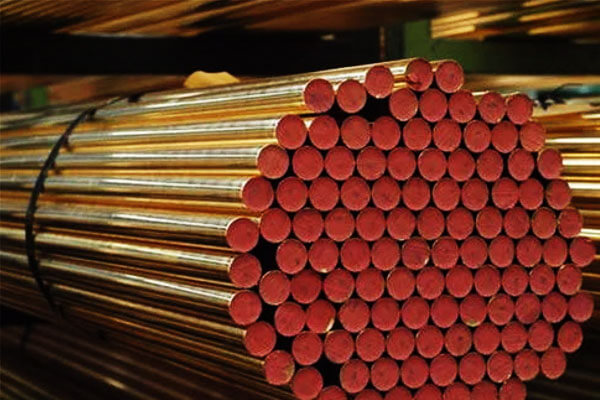
C95500 thuộc về C95000–C95999 Nhóm hợp kim đồng-nhôm-sắt và đồng-nhôm-sắt-niken.
That family classification matters because it distinguishes nickel aluminum bronzes from ordinary brasses and from tin bronzes:
the alloy system is built around aluminum as the principal strengthening element, with iron and nickel added to improve strength, kiểm soát cấu trúc, và hiệu suất dịch vụ.
Trong điều kiện đặc điểm kỹ thuật, C95500 là một cast aluminum bronze rather than a wrought alloy.
That means its typical engineering role is to deliver complex shape plus high performance in the as-cast or heat-treated condition, instead of relying on rolling or drawing to achieve properties.
Thành phần hóa học
Chemical composition according to ASTM B505/B505M-23
| Yếu tố | Thành phần C95500 |
| Củ | 78.0% phút. |
| Fe | 3.0–5,0% |
| TRONG | 3.0–5,5% |
| Al | 10.0–11,5% |
| Mn | lên đến 3.5% |
| Tổng số phần tử được đặt tên | 99.5% phút. |
3. Tính chất vật lý của UNS C95500
| Thuộc vật chất / Thuộc tính chức năng | Đơn vị số liệu | Đơn vị Hoàng gia |
| Tỉ trọng | 7.53 g/cm³ | 0.272 lb/in³ |
| Trọng lượng riêng | 7.53 | 7.53 |
| Độ dẫn điện | 8% IACS | 8% IACS |
| Độ dẫn nhiệt | 41.9 W/m·K | 24.2 Btu/sq ft/giờ/°F |
| Hệ số giãn nở nhiệt | 15.5 × 10⁻⁶ /° C. | 9 × 10⁻⁶ /°F |
| Nhiệt dung riêng | 419 J/kg·K | 0.1 Btu/lb·°F |
| Mô đun đàn hồi | 110 GPa | 16,000 ksi |
| Tỷ lệ Poisson | 0.32 | 0.32 |
| Tính thấm từ, như đúc | 1.32 | 1.32 |
| Tính thấm từ, Tính khí TQ50 | 1.2 | 1.2 |
| điểm nóng chảy, chất lỏng | 1054°C | 1930° F |
| điểm nóng chảy, Solidus | 1038°C | 1900° F |
4. Tính chất cơ học của UNS C95500
UNS C95500 là một high-strength nickel aluminum bronze có hiệu suất cơ học thường được đánh giá trong hai điều kiện được công bố: tiêu chuẩn C95500 đúc liên tục điều kiện và C95500HT được xử lý nhiệt tình trạng.
Các giá trị bên dưới là các đặc tính tiêu biểu ở nhiệt độ phòng được báo cáo cho các dạng sản phẩm ASTM B505/B505M-23.
Tính chất cơ học của C95500 đúc liên tục
| Tài sản | Đơn vị số liệu | Đơn vị Hoàng gia |
| Độ bền kéo, phút. | 655 MPa | 95 ksi |
| Sức mạnh năng suất tại 0.5% sự mở rộng, phút. | 290 MPa | 42 ksi |
| Độ giãn dài trong 2 TRONG. (50 mm), phút. | 10% | 10% |
| độ cứng Brinell, đặc trưng | 208 HBW | 208 HBW |
Tính chất cơ học của C95500HT được xử lý nhiệt
| Tài sản | Đơn vị số liệu | Đơn vị Hoàng gia |
| Độ bền kéo, phút. | 758 MPa | 110 ksi |
| Sức mạnh năng suất tại 0.5% sự mở rộng, phút. | 427 MPa | 62 ksi |
| Độ giãn dài trong 2 TRONG. (50 mm), phút. | 8% | 8% |
| độ cứng Brinell, đặc trưng | 228 HBW | 228 HBW |
5. Chống ăn mòn
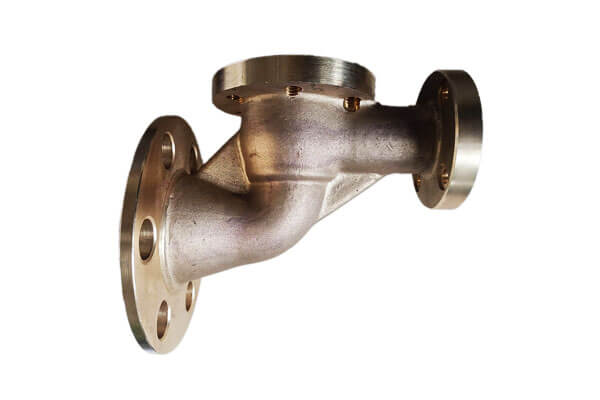
Câu chuyện ăn mòn là một trong những lý do chính khiến C95500 được sử dụng rộng rãi đến vậy. Hợp kim được xác định nhiều lần là có khả năng chống ăn mòn tuyệt vời, bao gồm cả trong nước biển và môi trường biển.
Nó cũng được sử dụng cho thiết bị xử lý nước biển, nước mỏ chua, axit không oxy hóa, Chất lỏng quá trình công nghiệp, ứng dụng xử lý nước thải, và phần cứng hàng hải.
Lý do khiến vấn đề này trở nên quan trọng không chỉ đơn giản là “nó không bị rỉ sét”. Hơn là, C95500 mang lại sự kết hợp có giá trị khác thường: chống ăn mòn cộng với khả năng chống mài mòn cộng với sức mạnh.
Trong nước biển, nhiều vật liệu bị hư hỏng do ăn mòn nói chung, Cavites, xói mòn, hoặc ga lăng. C95500 hấp dẫn vì nó giải quyết được một số chế độ lỗi đó cùng một lúc,
đó là lý do tại sao nó xuất hiện trong các bộ phận của máy bơm và van, ống lót, trục, dịch vụ liên quan đến cánh quạt, và phần cứng hàng hải được tải nặng.
Khả năng chống đa cơ chế này là cốt lõi tạo nên danh tiếng của hợp kim.
Trong dịch vụ đòi hỏi khắt khe, những vật liệu có giá trị nhất không phải là những vật liệu nổi trội ở một đặc tính riêng biệt, nhưng những cái vẫn ổn định qua một số cơ chế lỗi. C95500 là một ví dụ trong sách giáo khoa về nguyên tắc đó.
6. Quan điểm sản xuất
Đúc: Một hợp kim mạnh mẽ, Nhưng không phải là người tha thứ
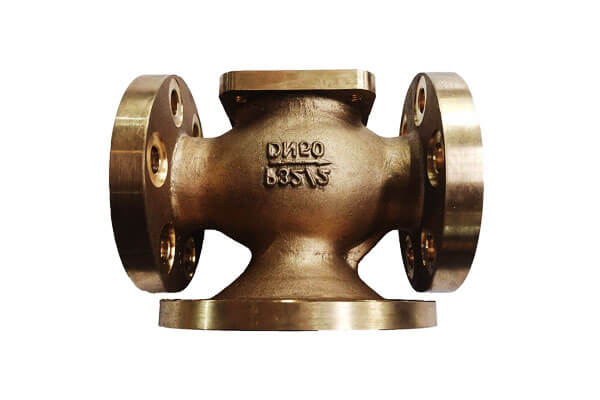
UNS C95500 về cơ bản là hợp kim đúc, và hành vi quá trình của nó phản ánh danh tính đó.
Dữ liệu đúc được công bố mô tả nó có năng suất đúc thấp, xu hướng droit cao, tính lưu động trung bình, xu hướng thoát khí trung bình, và độ co ngót hóa rắn cao.
Sự kết hợp đó kể một câu chuyện kỹ thuật rất rõ ràng: C95500 có thể sản xuất vật đúc hiệu suất cao, nhưng nó đòi hỏi phải luyện tập có kỷ luật, thiết kế cổng âm thanh và tăng âm, và kiểm soát cẩn thận quá trình oxy hóa và cho ăn.
C95500 rất linh hoạt trong thực hành đúc, nhưng nó không tha thứ.
Nó hoạt động tốt trên cát, vỏ bọc, gốm sứ, sự đầu tư, khuôn vĩnh viễn, liên tục, và đúc ly tâm, tuy nhiên mỗi một trong những con đường đó đều yêu cầu kiểm soát cẩn thận việc cho ăn, quản lý oxit, và hành vi hóa rắn.
Phạm vi đóng băng ngắn của nó hỗ trợ truyền âm thanh, nhưng chỉ khi xưởng đúc chủ động ngăn ngừa xỉ, khuyết tật co ngót, và các vấn đề liên quan đến gas.
Đó là lý do tại sao C95500 được coi là loại đồng đúc cao cấp chứ không phải là loại dễ đúc.
Gia công: Hoàn toàn có thể gia công, Nhưng không cắt tự do
C95500 có thể gia công được, nhưng nó không phải là hợp kim đồng được gia công tự do.
Đánh giá khả năng gia công được công bố của nó là 50, xếp nó vào loại có khả năng gia công vừa phải thay vì loại dễ cắt.
Hợp kim có xu hướng tạo ra cuộn tròn, và hướng dẫn kỹ thuật đã xuất bản cảnh báo rằng điều này có thể làm kẹt dụng cụ và tạo ra các khiếm khuyết trên bề mặt do hàn và rách một phần, đặc biệt là trong quá trình gia công lỗ khoan.
Vì lý do đó, cắt khô, điều khiển chip, và chiến lược sử dụng dụng cụ quan trọng hơn nhiều so với chiến lược sử dụng đồng thau cắt tự do.
Một sắc thái xử lý hữu ích là khi gia công nặng đã được thực hiện, Một giảm căng thẳng ở nhiệt độ thấp khoảng 350°C trong ít nhất một giờ được khuyến khích trước khi gia công lần cuối.
Đây không phải chủ yếu là làm cho hợp kim dễ cắt hơn; đó là về việc giảm nguy cơ biến dạng do ứng suất dư và cải thiện độ ổn định chiều cuối cùng.
Nói cách khác, C95500 có thể được gia công hiệu quả, nhưng nó phải được tiếp cận như một loại đồng có cấu trúc đòi hỏi kỷ luật về quy trình, không phải là một đồng thau mềm cửa hàng.
Hàn: Có thể thực hiện được bằng các phương pháp cụ thể, Nhưng không hề dễ dàng
Đặc tính hàn trên đồng nhôm niken bị ảnh hưởng mạnh mẽ bởi màng oxit giàu nhôm bảo vệ hình thành tự nhiên trên bề mặt.
Vì lớp oxit đó, hàn, khoe khoang, và hàn oxy-axetylen thường không được khuyến khích là các tuyến nối chính cho các hợp kim này.
Các quy trình hàn thích hợp hơn được xác định trong hướng dẫn kỹ thuật là TIG/GTAW, MIG/GMAW, MMA, hàn chùm tia điện tử, và hàn ma sát.
Dữ liệu chế tạo được công bố cho C95500 cũng phân loại hàn oxyacetylene như không được khuyến khích, trong khi hàn hồ quang có khí bảo vệ Và hàn hồ quang kim loại tráng được liệt kê là phù hợp.
Sự khác biệt đó là quan trọng: C95500 không phải là hợp kim “hàn ở mọi nơi”, nhưng nó cũng không phải là không thể hàn được.
Nó có thể được nối thành công khi quy trình được chọn với hành vi oxit, đầu vào nhiệt, và lưu ý đến thiết kế chung.
Đối với các bộ phận quan trọng, Đánh giá quy trình hàn và kiểm soát thích hợp các vùng bị ảnh hưởng nhiệt là rất cần thiết vì sự cân bằng tính chất của hợp kim được gắn chặt với cấu trúc vi mô của nó.
Xử lý nhiệt: Đòn bẩy chính cho hiệu suất
Xử lý nhiệt là một trong những lý do quan trọng nhất khiến C95500 được sử dụng rộng rãi trong các dịch vụ đòi hỏi khắt khe.
Hợp kim có thể được xử lý trong chu kỳ làm dịu và nóng nảy điều đó tăng lên sức mạnh bằng chứng, Độ bền kéo cuối cùng, Sức mạnh tác động, và độ cứng, trong khi chỉ cải thiện đôi chút độ dẻo.
Dùng cho đúc đồng nhôm niken loại CuAl10Fe5Ni5, hướng dẫn đã xuất bản mô tả việc sưởi ấm để 900Mùi950 ° C., giữ khoảng một giờ, nước dập tắt, và sau đó ủ ở 600–650°C trong khoảng hai giờ.
Trình tự đó tăng sức mạnh đáng kể trong khi vẫn giữ được độ dẻo dai hữu ích.
Hướng dẫn tương tự cũng lưu ý một hạn chế thực tế quan trọng: hình dạng phức tạp có thể bị biến dạng trong chu kỳ gia nhiệt và làm nguội, vậy một phần hình học, công suất lò, và độ dày của phần đều phải được xem xét trước khi chọn xử lý nhiệt.
Nói cách khác, xử lý nhiệt là một công cụ hiệu suất mạnh mẽ, nhưng nó không miễn phí. Nó chỉ cải thiện lớp vỏ cơ học của hợp kim khi thiết kế thành phần có thể chịu được chu trình nhiệt.
7. Ưu điểm và nhược điểm của UNS C95500
Ưu điểm chính
Độ bền cao với độ dẻo hữu ích.
Khả năng chống nước biển và môi trường xâm thực tuyệt vời.
Hiệu suất chống mài mòn và chống mài mòn mạnh mẽ.
Khả năng chịu nhiệt độ cao tốt.
Không dùng và không từ tính
Nhược điểm chính
Chi phí ban đầu cao
Có thể gia công, nhưng không dễ dàng.
Quá trình đúc đòi hỏi kỹ thuật cao.
Hàn là quá trình nhạy cảm.
Độ dẫn điện thấp.
8. Ứng dụng của UNS C95500
Hàng hải và phần cứng ở nước ngoài
C95500 là một trong những vật liệu được sử dụng nhiều nhất cho dịch vụ hàng hải vì nó kết hợp khả năng chống ăn mòn của nước biển, sức mạnh, và chống mài mòn.
Nó được sử dụng trong hệ thống đường ống và van nước biển, phần cứng hàng hải, các bộ phận liên quan đến cánh quạt, cửa hầm, khớp nối, con dấu, và các thiết bị tàu khác.
The alloy family’s suitability for seawater handling is a major reason for its long-standing reputation in naval and marine engineering.
Van, Bơm, và các thành phần kiểm soát dòng chảy
The alloy is widely used for thân van, van chỗ ngồi, hướng dẫn van, Thành phần van, chất lỏng bơm kết thúc, tuyến, hạt hộp nhồi, và mặt bích bịt kín.
These applications benefit from its combination of corrosion resistance, chống mài mòn, và độ bền cơ học, đặc biệt là nơi có nước, chất lỏng quá trình, or mildly aggressive chemicals are present.
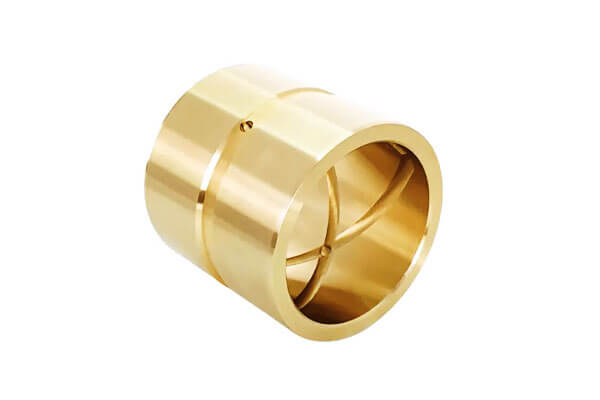
Vòng bi, Ống lót, và mặc các bộ phận
C95500 is frequently selected for vòng bi, ống lót, Mặc tấm, hướng dẫn piston, và các bộ phận máy because it performs well under sliding contact and heavy loading.
Its wear resistance and toughness make it suitable where surface damage, sự giận dữ, or abrasive wear are concerns.
Bánh răng và bộ phận truyền lực
The alloy is used in bánh răng, giun, bánh xe sâu, and related transmission components.
These parts require a material that can tolerate contact stress, maintain dimensional stability, and resist wear over long service intervals. Cân cơ học của C95500 khiến nó trở thành sự lựa chọn thiết thực cho những nhiệm vụ như vậy.
Quy trình công nghiệp và thiết bị phục vụ khắc nghiệt
The alloy is used in thiết bị tẩy chua, ứng dụng xử lý nước thải, hướng dẫn máy nghiền nóng, và phần cứng công nghiệp.
Những ứng dụng này phản ánh khả năng tồn tại của hợp kim trong môi trường ăn mòn, tải cơ khí, và đi xe đạp dịch vụ lặp đi lặp lại.
Trong môi trường công nghiệp, sự kết hợp đó có thể giảm khoảng thời gian bảo trì và cải thiện độ tin cậy.
Phần cứng điện và chuyên dụng
Mặc dù C95500 không phải là hợp kim dẫn điện, nó vẫn xuất hiện ở một số nơi phần cứng điện và các thành phần đặc biệt nơi độ tin cậy của cấu trúc, chống ăn mòn, và đặc tính mài mòn quan trọng hơn độ dẫn điện.
Nó cũng được sử dụng trong phím đàn piano và nhạc cụ, trong đó độ ổn định cơ học và khả năng sản xuất của hợp kim là hữu ích.
9. Phần kết luận
Mỹ C95500 đồng nhôm niken là một hợp kim kỹ thuật có giá trị cao vì nó kết hợp các đặc tính thường khó có được với nhau:
cường độ cao, khả năng chống ăn mòn tuyệt vời, chống mài mòn mạnh, độ dẻo dai tốt, và khả năng phục vụ trong phạm vi nhiệt độ rộng.
Tính chất hóa học của nó được điều chỉnh cẩn thận, hành vi truyền của nó đòi hỏi khắt khe nhưng có thể quản lý được, và phản ứng xử lý nhiệt của nó mang lại cho các nhà thiết kế một đòn bẩy hiệu suất bổ sung khi được yêu cầu.
Về mặt thực tế, C95500 được hiểu rõ nhất là hợp kim có khả năng phục vụ cao.
Điều hấp dẫn nhất là ở chỗ các phương thức sai lỗi được trộn lẫn và không thể tha thứ – nước biển, tải di chuyển, tiếp xúc trượt, nhiệm vụ áp lực, và dịch vụ cơ khí lâu dài.
Đó là lý do tại sao nó vẫn là một trong những loại đồng thau nhôm niken được tôn trọng nhất trong thực hành kỹ thuật..
Câu hỏi thường gặp
C95500 là hợp kim đúc hay hợp kim rèn?
C95500 chủ yếu được sử dụng như một Đúc hợp kim, với các tài liệu tham khảo được xuất bản bao gồm diễn xuất liên tục, cát đúc, đúc ly tâm, và khuôn đúc chính xác.
C95500 có tốt trong nước biển không?
Đúng. Nó được xác định nhiều lần là có khả năng chống ăn mòn tuyệt vời, bao gồm khả năng chống nước mặn, đó là một trong những lý do chính nó được sử dụng trong các hệ thống van và phần cứng hàng hải.
C95500 có thể được xử lý nhiệt không?
Đúng. Hướng dẫn kỹ thuật đã xuất bản cho thấy cả hiệu suất đúc và xử lý nhiệt cho C95500, với xử lý nhiệt tăng cường sức mạnh hơn nữa.
C95500 có dễ gia công không??
Nó có thể gia công được, nhưng không được gia công tự do. Đánh giá khả năng gia công của nó là 50, vì vậy nó là hợp kim có khả năng gia công vừa phải chứ không phải là hợp kim dễ cắt.
Ưu điểm chính của C95500 so với đồng thông thường là gì?
Ưu điểm chính của nó là sự kết hợp giữa cường độ cao, khả năng chống ăn mòn tuyệt vời, và chống mài mòn, đặc biệt là trong môi trường biển hoặc công nghiệp khắc nghiệt.