
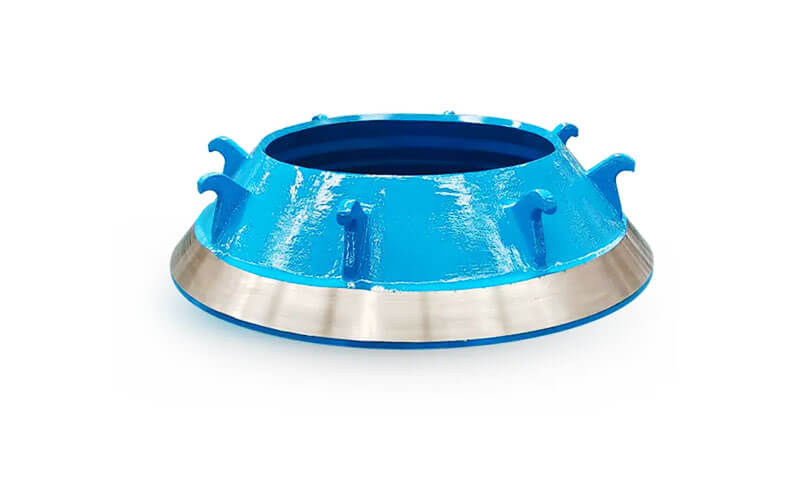
Trong khai thác, sự thi công, Sản xuất ô tô, nông nghiệp, năng lượng, và máy móc hạng nặng, thép hiếm khi được yêu cầu chỉ làm một công việc.
Nó phải mang tải, hấp thụ tác động, tồn tại liên lạc nhiều lần, chống xói mòn hạt, và duy trì sự ổn định kích thước trong chu kỳ dịch vụ dài.
Trong những môi trường đó, chống mài mòn không phải là một tính năng phụ. Đó là một yêu cầu kinh tế và kỹ thuật cốt lõi.
Một bộ phận thép bị mòn quá nhanh sẽ dễ bị hỏng sớm hơn.
Nó làm tăng chi phí bảo trì, rút ngắn thời gian hoạt động của thiết bị, làm tăng nhu cầu tồn kho phụ tùng, và thường trở thành nguyên nhân tiềm ẩn khiến dây chuyền sản xuất hoặc máy móc mất lợi nhuận.
Đó là lý do tại sao thép chịu mài mòn đã trở thành một trong những loại vật liệu có tầm quan trọng chiến lược nhất trong kỹ thuật công nghiệp..
Chống mài mòn không phải là một thuật ngữ tiếp thị mơ hồ. Nó là một đặc tính vật liệu có thể đo lường được hình thành bởi hóa học, độ cứng, cấu trúc vi mô, sự dẻo dai, xử lý nhiệt, và kỹ thuật bề mặt.
1. Khả năng chống mài mòn của thép thực sự có ý nghĩa gì
Khả năng chống mài mòn của thép là khả năng thép chịu được tổn thất vật chất, hư hỏng bề mặt, hoặc suy giảm chức năng do ma sát, mài mòn, sự va chạm, tiếp xúc trượt, xói mòn hạt, hoặc tấn công cơ học hóa học
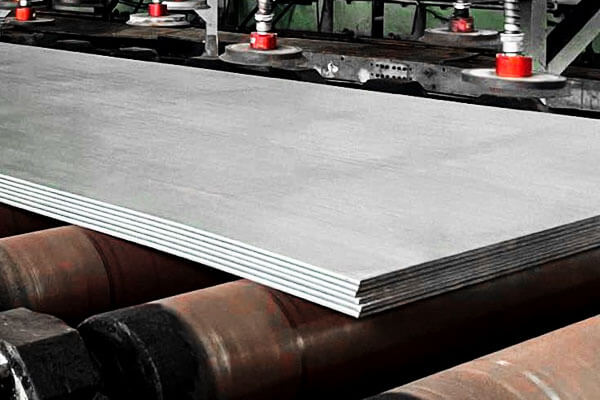
Vật liệu có khả năng chống mài mòn cao có thể:
- giảm khối lượng chậm hơn,
- giữ lại hình dạng bề mặt lâu hơn,
- chống trầy xước và tạo rãnh,
- trì hoãn việc bắt đầu vết nứt,
- và giữ dáng, niêm phong, hoặc chức năng chịu lực theo thời gian.
Do đó khả năng chống mài mòn là một đặc tính của hệ thống, không chỉ là một con số độ cứng. Thép có thể rất cứng nhưng hoạt động kém nếu nó quá giòn.
Một loại thép khác có thể rất cứng nhưng lại bị mòn quá nhanh nếu bề mặt quá mềm.
Hiệu suất mài mòn tốt nhất đến từ sự cân bằng hợp lý của độ cứng, sự dẻo dai, hành vi làm việc chăm chỉ, và sự ổn định vi cấu trúc
Các yếu tố chính kiểm soát khả năng chống mài mòn
| Nhân tố | Ảnh hưởng đến khả năng chống mài mòn |
| Hàm lượng cacbon | Carbon cao hơn có thể làm tăng độ cứng và khả năng chống mài mòn |
| Các yếu tố hợp kim | crom, molypden, vanadi, mangan, niken, và boron có thể cải thiện độ cứng và hiệu suất mài mòn |
| Độ cứng bề mặt | Độ cứng bề mặt cao hơn thường cải thiện khả năng chống trầy xước và thâm nhập |
| Độ dẻo dai của lõi | Ngăn ngừa gãy xương giòn khi bị sốc hoặc tải theo chu kỳ |
| Xử lý nhiệt | Tinh chỉnh cấu trúc vi mô và có thể cải thiện đáng kể tuổi thọ sử dụng |
| Bảo vệ bề mặt | Lớp phủ, khí hóa, thấm nitơ, và lớp phủ có thể kéo dài tuổi thọ mặc |
| Cơ chế liên lạc | Khả năng chống mài mòn phụ thuộc vào việc bộ phận có bị mài mòn hay không, sự va chạm, độ bám dính, xói mòn, hoặc mài mòn hỗ trợ ăn mòn |
2. Sáu chế độ mài mòn công nghiệp điển hình của thép và cơ chế hư hỏng
Mòn thép công nghiệp không phải là một quá trình tổn thất ma sát đơn lẻ.
Theo các dạng căng thẳng khác nhau, phương tiện truyền thông diễn xuất, và đặc điểm hư hỏng, nó được chia thành sáu chế độ phân loại cổ điển.
Việc xác định chính xác các loại mài mòn là tiền đề của việc lựa chọn thép chịu mài mòn mục tiêu và kiểm soát sai sót.
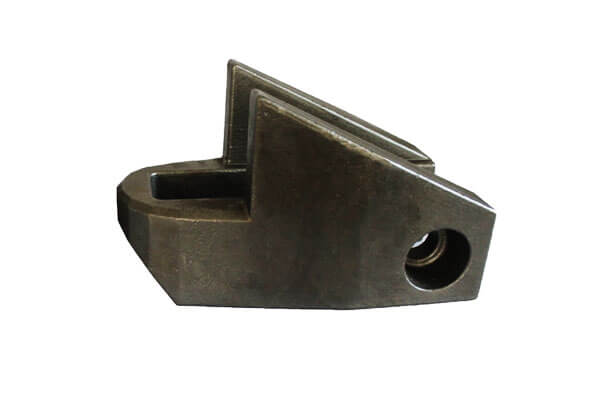
Mặc mài mòn
Mài mòn là chế độ mài mòn công nghiệp phổ biến nhất (hạch toán hơn 60% các hư hỏng liên quan đến mài mòn trong khai thác mỏ và xây dựng), do các hạt rắn cứng bị ép, gãi, và cắt bề mặt thép.
Các hạt cứng như sỏi quặng, cát, và mảnh vụn kim loại tạo ra hiệu ứng cắt vi mô liên tục trên các thành phần thép, dẫn đến bong tróc bề mặt vật liệu dần dần và mất độ dày.
Nó xảy ra rộng rãi trong lớp lót máy nghiền, dụng cụ cắt, thiết bị nghiền khai thác mỏ, và các bộ phận hao mòn máy móc kỹ thuật.
Hai tiểu loại:
- Mài mòn ứng suất thấp: Các hạt lăn hoặc trượt với ứng suất nén thấp (ví dụ., băng tải).
- Mài mòn ứng suất cao: Các hạt bị nghiền nát giữa các bề mặt, gây ra sự cắt xẻ nghiêm trọng (ví dụ., lót máy nghiền bi).
Chất kết dính (dồn dập)
Mòn bám dính xảy ra khi hai bề mặt trượt dưới áp suất cao tạo ra sự hàn cục bộ và sự chuyển dịch vật liệu do nhiệt ma sát quá cao và độ bám dính bề mặt.
Các điểm hàn vi mô bị rách trong quá trình chuyển động tương đối liên tục, dẫn đến trầy xước bề mặt, sự vỡ vụn của vật chất, và lỗi khớp thành phần.
Chế độ này phổ biến trong hệ thống xi lanh-piston động cơ, truyền bánh răng, và bề mặt chịu tải nặng.
Chiến lược phòng ngừa: Sử dụng các vật liệu khác nhau (ví dụ., thép chống lại gang), áp dụng chất bôi trơn rắn (Mos₂, than chì), và duy trì sự bôi trơn thích hợp để ngăn chặn sự cố bôi trơn ranh giới.
Ăn mòn
Mài mòn do tác động của hạt hoặc chất lỏng tốc độ cao gây ra.
Khí tốc độ cao, chất lỏng, hoặc vật liệu hỗn hợp rắn liên tục bắn phá bề mặt thép, gây ra hiện tượng nứt vỡ mỏi và bào mòn vi mô.
Điều này nổi bật trong các thành phần tuabin hàng không vũ trụ, đường ống khai thác mỏ, cánh quạt, và thiết bị phân phối chất lỏng hoạt động trong điều kiện tốc độ cao.
Thông số chính:
- Vận tốc hạt: Tốc độ xói mòn ∝ (vận tốc)^n, trong đó n = 2‑3 đối với kim loại dẻo.
- Góc tác động: Xói mòn cực đại xảy ra ở 20‑40° đối với vật liệu dẻo (Thép) và gần 90° đối với vật liệu giòn (gốm sứ).
mệt mỏi mặc
Dưới tải xen kẽ dài hạn, dao động tuần hoàn, và tác động căng thẳng lặp đi lặp lại, các vết nứt nhỏ dần dần hình thành bên trong và trên bề mặt thép.
Với sự lan truyền vết nứt liên tục, bong tróc vật liệu bề mặt và hư hỏng cấu trúc xảy ra.
Chế độ mài mòn này chiếm ưu thế trong kết cấu thép cầu, trục truyền cơ khí, Các thành phần mang, và thiết bị chịu tải theo chu kỳ.
Thông số kỹ thuật quan trọng: các giới hạn mỏi (giới hạn sức chịu đựng) đại diện cho biên độ ứng suất tối đa mà dưới đó thép có thể tồn tại trong các chu kỳ vô hạn mà không bị phá hủy do mỏi..
Đối với hầu hết các loại thép chịu mài mòn, đây là khoảng 40‑60% độ bền kéo cuối cùng.
Ma sát mỏi mệt mỏi
Khác biệt với trang phục mệt mỏi thuần túy, chế độ này phát sinh từ ma sát khô định kỳ và chuyển động tịnh tiến.
Ma sát tuần hoàn dài hạn tạo ra ứng suất bề mặt tập trung, gây ra các vết nứt vi mô dày đặc và hao hụt vật liệu ngày càng tăng.
Nó rất phổ biến trong các lưỡi máy móc nông nghiệp, bánh răng truyền động công nghiệp, và các cặp ma sát cơ học có chuyển động tịnh tiến thường xuyên.
Ăn mòn
Đây là dạng hư hỏng kết hợp giữa ăn mòn hóa học và mài mòn cơ học..
Bề mặt thép trải qua quá trình oxy hóa, ăn mòn axit-bazơ, và xói mòn điện hóa dưới môi trường ăn mòn, hình thành các lớp ăn mòn lỏng lẻo.
Những lớp ăn mòn mỏng manh này nhanh chóng bị mài mòn do ma sát cơ học., để nền thép tươi tiếp xúc với sự ăn mòn và tuần hoàn mài mòn liên tục.
Các tình huống điển hình bao gồm bể chứa hóa chất, đường ống dẫn chất lỏng ăn mòn, và cơ sở sản xuất thép môi trường biển.
Hiệu ứng tổng hợp: Thiệt hại kết hợp của ăn mòn và mài mòn thường lớn hơn tổng các hiệu ứng riêng lẻ.
Ăn mòn làm suy yếu lớp bề mặt, tăng tốc độ mài mòn, trong khi mặc phơi bày sự tươi mới, kim loại không được bảo vệ, tăng tốc ăn mòn.
Hệ số tổng hợp này có thể cao tới 3‑10× trong môi trường khắc nghiệt.
3. Sáu ưu điểm cốt lõi của thép chịu mài mòn cao
Thép chịu mài mòn chất lượng cao đã trở thành vật liệu phổ biến không thể thiếu trong sản xuất công nghiệp hiện đại, với những lợi thế về hiệu suất toàn diện giúp giải quyết chính xác các vấn đề khác nhau của lỗi hao mòn thiết bị công nghiệp:
| Lợi thế | Cơ sở kỹ thuật | Lợi ích công nghiệp |
| 1. Độ cứng bề mặt cực cao | 400‑750 HBW; ma trận cacbua hợp kim | Giảm tỷ lệ hao mòn tuyến tính xuống 50‑80%; kéo dài tuổi thọ linh kiện. |
| 2. Sức mạnh toàn diện vượt trội | Độ bền kéo cao + độ cứng kết cấu | Cho phép thiết kế gọn nhẹ (phần mỏng hơn); giảm tiêu thụ nguyên liệu thô và trọng lượng bản thân của thiết bị. |
| 3. Độ bền va đập tuyệt vời | Khả năng hấp thụ tải động (20‑50 J Charpy) | Chống gãy xương giòn khi bị sốc và rung; thích hợp cho các điều kiện mài mòn do va đập hỗn hợp. |
| 4. Hiệu suất kết cấu thống nhất | Cấu trúc kim loại nhất quán trên toàn bộ phần | Không có vùng yếu cục bộ; đảm bảo có thể dự đoán được, tuổi thọ sử dụng ổn định theo lô. |
| 5. Khả năng gia công tốt & khả năng hàn | Hỗ trợ cắt thông thường, khoan, hàn | Tương thích với quy trình công nghiệp tiêu chuẩn; không cần dụng cụ đặc biệt. |
| 6. Khả năng chống chịu kép với nhiệt độ cao & ăn mòn | Biến tính hợp kim bằng Cr, TRONG, Mo | Duy trì hiệu suất ở nhiệt độ cao, ẩm ướt, và phương tiện truyền thông ăn mòn. |
4. Ba con đường kỹ thuật có hệ thống để cải thiện khả năng chống mài mòn của thép
Để tối ưu hóa hơn nữa khả năng chống mài mòn của thép thông thường và đáp ứng nhu cầu về điều kiện làm việc công nghiệp khắc nghiệt, sản xuất công nghiệp áp dụng ba hệ thống tối ưu hóa kỹ thuật hoàn thiện và hiệu quả từ nguồn nguyên liệu, cấu trúc bên trong, và bảo vệ bề mặt.
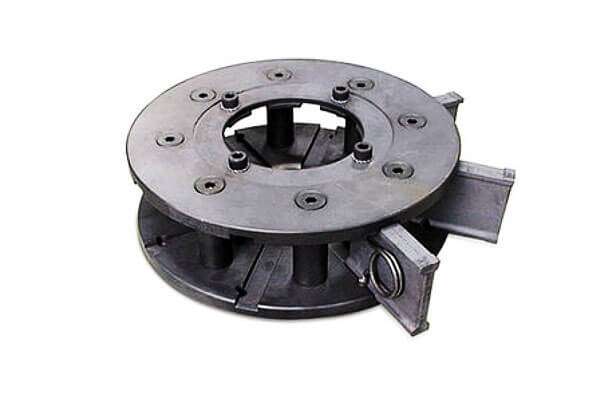
Tối ưu hóa hợp kim thành phần hóa học
Tối ưu hóa hàm lượng carbon cơ bản để cân bằng độ cứng và độ dẻo dai; thêm crom định lượng, molypden, vanadi và các nguyên tố hợp kim vi lượng khác để tạo thành cacbua hợp kim có độ ổn định cao,
tinh chỉnh kết cấu hạt thép, loại bỏ tạp chất bên trong, và tùy chỉnh thép hợp kim chịu mài mòn đặc biệt để mài mòn, kịch bản hao mòn do tác động hoặc ăn mòn.
| Chiến lược | Cơ chế | Điểm ví dụ | Cải thiện hao mòn |
| Điều chỉnh cacbon | Tăng xi măng (Fe₃c) phân số | 0.45% C → 0.60% C | +30-50% khả năng chống mài mòn |
| Bổ sung crom | Các dạng cacbua Cr; tăng độ cứng | 1‑2% Cr | +40‑60% hao mòn (căng thẳng cao độ) |
| Bổ sung molypden | Tinh chế ngũ cốc; tạo thành cacbua Mo₂C | 0.2‑0,5% tháng | +20- Cân bằng độ bền -30% |
| Bổ sung vanadi | Mẫu V₄C₃ (cực kỳ khó khăn, ~2.800 HV) | 0.05‑0,15% V | +50-100% trong môi trường có độ mài mòn cao |
| Bổ sung boron | Tăng độ cứng mà không làm giảm độ dẻo dai | 0.001‑0,005% B | Cho phép các phần mỏng hơn, chi phí hợp kim thấp hơn |
Tăng cường xử lý nhiệt chính xác
Áp dụng các quy trình xử lý nhiệt khoa học bao gồm cả quá trình làm nguội, ủ, cacbon hóa và thấm nitơ.
Độ dốc tăng cường độ cứng bề mặt của các thành phần thép trong khi vẫn giữ được độ dẻo dai cao của ma trận bên trong,
nhận ra sự kết hợp hoàn hảo giữa bề mặt cứng để chống mài mòn và lõi cứng để chống va đập, và cải thiện căn bản hiệu suất chống mài mòn và chống mỏi toàn diện.
| Quá trình | Tham số | Cấu trúc vi mô | độ cứng (HRC) | Tăng sức đề kháng mặc |
| Làm nguội + ủ (Q&T) | 850°C + 200-600°C nhiệt độ | Tiện dụng Martensite | 35‑55 | Đường cơ sở (1×) |
| thấm cacbon + làm dịu | 930°C, 2‑4 giờ | Trường hợp: mactenxit + cacbua; cốt lõi: Ferrite/Pearlite | 58‑63 (trường hợp) | 3‑5× cải tiến |
| thấm nitơ | 520°C, 40‑100 giờ | Trường hợp: nitrat sắt + hợp kim nitrit | 65‑75 | 5‑8× cải thiện |
| nhiệt độ | 850°C + 200° C làm nguội | martensite mịn (giảm căng thẳng nội bộ) | 50‑60 | 1.5‑2× cải tiến |
Công nghệ bảo vệ rào cản bề mặt
Áp dụng các công nghệ biến đổi bề mặt vật lý và hóa học như phủ hợp kim, Thuốc phun nhiệt, mạ điện và thụ động.
Một lớp bảo vệ dày đặc được hình thành trên bề mặt thép để cách ly các hạt ma sát bên ngoài, môi trường ăn mòn và môi trường oxy hóa,
tránh tiếp xúc trực tiếp giữa ma trận thép và nguồn mài mòn, và kéo dài đáng kể tuổi thọ của các bộ phận.
| Công nghệ | Vật liệu phủ | độ dày (ừm) | độ cứng (HV) | Tăng sức đề kháng mặc |
| phun nhiệt (HVOF) | WC‑Co, Cr₃C₂‑NiCr | 50‑300 | 1,000‑1,400 | Lên đến 20× (mài mòn) |
| PVD / lớp phủ CVD | TiN, TiAlN, CrN | 2‑10 | 2,000‑3.500 | Lên đến 10× (chất kết dính) |
| Tấm ốp laze | Thép công cụ, hỗn hợp cacbua | 500‑2.000 | 600‑1.200 | Lên đến 15× (tác động mài mòn) |
| mạ điện | Crom cứng | 50‑250 | 800‑1.000 | Lên tới 8× (mài mòn ít căng thẳng) |
5. Các loại thép chống mài mòn và chiến lược vật liệu
Các họ thép khác nhau được sử dụng tùy thuộc vào điều kiện sử dụng.
| Loại thép / Chiến lược | Logic vật liệu cốt lõi | Độ cứng điển hình / Hồ sơ sức mạnh | Điểm mạnh mặc chính | Ứng dụng phù hợp nhất |
| Dập tắt và tôi luyện Thép hợp kim | Sức mạnh được xây dựng thông qua hợp kim cộng với quá trình làm nguội và ủ; mục tiêu là một khó khăn, kim loại cơ bản có độ bền cao | Độ bền kéo cao, độ cứng vừa phải đến cao, độ dẻo dai mạnh mẽ | Tốt cho tác động kết hợp + dịch vụ mặc | Trục, trục, bộ phận máy hạng nặng, thành phần mài mòn kết cấu |
| Thép cứng | Lớp ngoài cứng với lõi cứng, thường đạt được bằng phương pháp cacbon hóa hoặc làm giàu bề mặt tương tự | Trường hợp rất khó khăn, Lõi cứng | Tuyệt vời cho tiếp xúc trượt và mỏi tiếp xúc | Bánh răng, cam, bộ phận truyền động, linh kiện truyền động chính xác |
| Thép thấm nitơ | Nitơ được khuếch tán vào bề mặt tạo thành chất rắn, lớp mài mòn ổn định với độ biến dạng tối thiểu | Bề mặt rất cứng, sức mạnh cốt lõi vừa phải | Khả năng chống mài mòn mạnh mẽ, băn khoăn, và mài mòn vừa phải | Trục chính xác, chết, khuôn mẫu, Các bộ phận thủy lực, linh kiện có độ chính xác cao |
Thép có hàm lượng carbon cao |
Hàm lượng carbon tăng cao làm tăng độ cứng và khả năng chống mài mòn | Tiềm năng độ cứng cao, độ dẻo dai thấp hơn thép có hàm lượng carbon thấp hơn | Khả năng chống mài mòn và cắt bề mặt tốt | Lớp lót, tấm, ngã, bộ phận máy nghiền, dụng cụ tiếp xúc với đất |
| Thép hợp kim cao | Gói hợp kim được thiết kế đặc biệt cho hiệu suất mài mòn, Độ cứng, và sự ổn định vi cấu trúc | Độ cứng cao, độ dẻo dai thiết kế, độ cứng tuyệt vời | Mạnh mẽ trong điều kiện mài mòn nghiêm trọng và mài mòn hỗn hợp | Thiết bị khai thác, lớp lót hạng nặng, bộ phận hao mòn công nghiệp |
| Thép công cụ | Được thiết kế cho độ cứng rất cao, ổn định kích thước, và chống mài mòn | Độ cứng rất cao, độ dẻo dai từ trung bình đến cao tùy theo cấp | Tuyệt vời trong việc cắt, hình thành, và mặc tiếp xúc nhiều | Chết, cú đấm, khuôn mẫu, công cụ tạo hình, cắt linh kiện |
| Bainit / Thép mài mòn vi hợp kim | Cấu trúc vi mô được kiểm soát mang lại sự cân bằng giữa khả năng chống mài mòn và độ bền | Độ cứng vừa phải đến cao, độ dẻo dai tốt | Chống mỏi và va đập tốt | Linh kiện ô tô, máy móc, bộ phận hao mòn kết cấu |
Hệ thống thép cứng |
Thép cơ bản được phủ một bề mặt lắng đọng có khả năng chịu mài mòn cao | Phụ thuộc vào thép nền cộng với thành phần lớp phủ | Tuyệt vời cho mài mòn bề mặt cực độ | Xô, người nghiền, van, ngã, lớp phủ |
| tráng / Thép chế tạo bề mặt | Khả năng chống mài mòn được cải thiện thông qua lớp phủ, Xịt nhiệt, khí hóa, thấm nitơ, hoặc các lớp tổng hợp | Thay đổi tùy theo cách điều trị | Có thể được điều chỉnh theo cơ chế mài mòn cụ thể | Bộ phận chính xác, dịch vụ chống ăn mòn, linh kiện có giá trị cao |
| Thép không rỉ | Khả năng chống ăn mòn được giữ lại trong khi khả năng chống mài mòn được cải thiện thông qua lựa chọn hoặc xử lý lớp | Sức mạnh từ trung bình đến cao; hiệu suất mặc thay đổi theo cấp | Hữu ích trong điều kiện ẩm ướt, hóa chất, hoặc môi trường vệ sinh | Thiết bị thực phẩm, Các bộ phận biển, xử lý hóa chất, máy bơm, van |
6. Các kịch bản ứng dụng công nghiệp toàn phân khúc của thép chịu mài mòn
Với hiệu suất toàn diện tuyệt vời của nó, Thép chịu mài mòn đã trở thành vật liệu cốt lõi được ưa chuộng cho các bộ phận chịu tải và chịu mài mòn chính trên hầu hết các lĩnh vực công nghiệp nặng:
Khai thác và chế biến khoáng sản
- lót máy nghiền,
- hỗ trợ phương tiện mài,
- tấm máng,
- lót phễu,
- gầu máy xúc,
- và thiết bị sàng lọc.
Xây dựng và vận chuyển đất
- Xô tải,
- lưỡi máy ủi,
- mòn cạnh,
- cắt linh kiện,
- và các bộ phận kết cấu tiếp xúc với mảnh vụn.
Ô tô và vận tải
- bánh răng,
- ổ đĩa thành phần,
- các bộ phận liên quan đến phanh,
- sàn xe tải,
- và các bộ phận cơ khí chịu tải cao.
Nông nghiệp
- lưỡi cày,
- linh kiện máy gặt,
- dụng cụ làm đất,
- thiết bị hạt giống,
- và mài mòn các bộ phận tiếp xúc với đất.
Xử lý năng lượng và hóa học
- đường ống,
- van,
- máy bơm,
- hệ thống xử lý bùn,
- và các thành phần nhiệt độ cao nơi hao mòn và ăn mòn cùng tồn tại.
Sản xuất nặng
- hướng dẫn,
- con lăn,
- chết,
- đồ đạc,
- và các bộ phận của máy hoạt động liên tục.
7. Chống mài mòn vs. Sức mạnh: Một sự khác biệt quan trọng
Một trong những sai lầm phổ biến nhất trong việc lựa chọn vật liệu là cho rằng thép bền tự động là thép chịu mài mòn..
Trong thực hành kỹ thuật, hai tính chất đó có liên quan, nhưng chúng không giống nhau.
Độ bền và độ mài mòn là những vấn đề hư hỏng khác nhau
Sức mạnh là khả năng của thép chống lại sự biến dạng vĩnh viễn hoặc đứt gãy dưới tác dụng của tải trọng.
Nó là một tài sản cơ khí số lượng lớn. Khi các kỹ sư nói về độ bền kéo, sức mạnh năng suất, cường độ nén, hoặc độ bền mỏi, họ đang mô tả cách vật liệu hoạt động như một thành phần cấu trúc.
Đang đeo điện trở, Ngược lại, là một đặc tính hiệu suất bề mặt. Nó mô tả mức độ vật liệu chống lại sự mất bề mặt dần dần do ma sát gây ra., mài mòn, độ bám dính, sự va chạm, hoặc xói mòn.
Một bộ phận có thể có độ bền tuyệt vời và vẫn bị mòn nhanh nếu bề mặt của nó quá mềm, quá phản ứng, hoặc quá kém phù hợp với môi trường tiếp xúc.
Sự khác biệt đó rất quan trọng vì nhiều bộ phận công nghiệp bị hỏng ngay từ bề mặt., không thông qua sự sụp đổ hàng loạt.
Độ bền cao không đảm bảo tuổi thọ lâu dài
Thép cường độ cao không hẳn là sự lựa chọn tốt nhất cho dịch vụ chống mài mòn.
Nếu thép cứng nhưng không đủ cứng ở bề mặt, nó có thể biến dạng cục bộ, mật, cào, hoặc mất vật liệu nhanh chóng khi tiếp xúc nhiều lần.
Nói cách khác, một bộ phận có thể có cấu trúc vững chắc trong khi vẫn mất chức năng do hư hỏng bề mặt.
Điều này đặc biệt quan trọng trong:
- hệ thống liên lạc trượt,
- môi trường mài mòn,
- ứng dụng mỏi tiếp xúc,
- và máy móc dễ bị xói mòn.
Thép có độ bền kéo cao có thể chịu tải tốt, nhưng nếu bề mặt không được thiết kế để chống mài mòn, bộ phận vẫn có thể bị lỗi sớm trong dịch vụ.
Chống mài mòn thường cần độ cứng, nhưng chỉ độ cứng thôi là chưa đủ
Độ cứng là một trong những yếu tố góp phần mạnh nhất vào khả năng chống mài mòn, đặc biệt là trong điều kiện mài mòn và vết lõm chiếm ưu thế.
Bề mặt cứng hơn chống cắt, gãi, và thâm nhập hiệu quả hơn.
Tuy nhiên, nếu độ cứng bị đẩy đi quá xa mà không đủ độ dẻo dai, thép có thể trở nên giòn và hư hỏng do nứt, sứt mẻ, hoặc nứt vỡ.
Chính vì vậy các loại thép chịu mài mòn tốt nhất thường kết hợp:
- một bề mặt cứng,
- nội thất cứng rắn hơn,
- và cấu trúc vi mô ổn định.
Mục tiêu không phải là độ cứng tối đa trong sự cô lập. Mục tiêu là kiểm soát độ bền bề mặt mà không làm mất đi tính toàn vẹn của cấu trúc.
8. Xu hướng tương lai của công nghệ chống mài mòn thép
Thép chống mài mòn được tăng cường nano
Kết tủa có kích thước nano (ví dụ., Tic, VC, NbC) được tinh chế đến 2‑5 nm cung cấp độ cứng cực cao mà không mất độ dẻo.
Những loại thép này đạt được độ cứng >600 HV trong khi vẫn duy trì giá trị tác động Charpy >30 J, đại diện cho một bước đột phá đáng kể trong việc thoả hiệp độ cứng-độ dẻo dai.
Thép chống mài mòn nhẹ
Thép chịu mài mòn cường độ cao tiên tiến với mật độ giảm (thông qua việc bổ sung nhôm) giảm trọng lượng 10‑20%, cải thiện hiệu quả sử dụng nhiên liệu và tính linh hoạt trong vận hành trong thiết bị di động.
Thép chống mài mòn tự bôi trơn
Thép có kết cấu bề mặt có bôi trơn rắn (Mos₂, than chì) giảm hệ số ma sát từ 0,6‑0,8 (thép không bôi trơn) đến 0,1‑0,2, giảm đáng kể độ bám dính và mài mòn.
Giám sát tình trạng thông minh
Cảm biến tích hợp được nhúng trong các bộ phận chịu mài mòn cho phép theo dõi hao mòn theo thời gian thực, dự đoán thời gian sử dụng còn lại và chủ động lên lịch bảo trì—giảm thời gian ngừng hoạt động ngoài dự kiến lên tới 50%.
9. Phần kết luận
Khả năng chống mài mòn của thép là chỉ số hoạt động cốt lõi quyết định tuổi thọ sử dụng, ổn định hoạt động, và lợi ích kinh tế toàn diện của thiết bị công nghiệp.
Các chế độ mài mòn công nghiệp khác nhau đưa ra các yêu cầu về hiệu suất khác nhau đối với độ cứng của thép, sự dẻo dai, sức mạnh, và khả năng chống ăn mòn.
Thép chịu mài mòn chất lượng cao có khả năng chống chịu chính xác trước các hư hỏng cơ học và hóa học khác nhau thông qua thành phần hợp kim được tối ưu hóa, xử lý nhiệt tiêu chuẩn, và công nghệ bảo vệ bề mặt.
Trong sản xuất công nghiệp, lựa chọn khoa học và tối ưu hóa có mục tiêu khả năng chống mài mòn của thép có thể giảm tần suất bảo trì thiết bị một cách hiệu quả, tránh tổn thất ngừng sản xuất do lỗi linh kiện, và đạt được mục tiêu giảm chi phí và cải thiện hiệu quả lâu dài.
Với việc không ngừng nâng cấp sản xuất công nghiệp theo hướng có độ chính xác cao, tải cao, và hoạt động lâu dài, thép chịu mài mòn sẽ được phổ biến và ứng dụng rộng rãi hơn, cung cấp nền tảng vật chất vững chắc cho sự phát triển chất lượng cao của các hệ thống công nghiệp hiện đại.
Câu hỏi thường gặp
Khả năng chống mài mòn của thép là gì?
Đó là khả năng của thép chống lại sự mất mát vật liệu và hư hỏng bề mặt do ma sát, mài mòn, xói mòn, sự va chạm, hoặc tấn công ăn mòn.
Thép không gỉ có phải là thép chịu mài mòn không?
Một số loại không gỉ mòn tốt, nhưng thép không gỉ chủ yếu được chọn để chống ăn mòn.
Tại sao khả năng chống mài mòn lại quan trọng về mặt kinh tế?
Bởi vì nó làm giảm tần suất thay thế, giảm thời gian chết, và cải thiện thời gian hoạt động của thiết bị.
Loại thép nào tốt nhất cho bánh răng?
Thép hợp kim được làm cứng bằng vỏ thường là một lựa chọn mạnh mẽ vì nó kết hợp bề mặt cứng và lõi cứng..
Lớp phủ có thể cải thiện khả năng chống mài mòn của thép?
Đúng. Khó tính, thấm nitơ, khí hóa, và các phương pháp xử lý bề mặt khác có thể cải thiện đáng kể tuổi thọ mài mòn.

