

1. Introduksjon
Duktilitet og formbarhet representerer to fasetter av et materiales evne til å deformeres uten feil.
Duktilitet er definert som kapasiteten til et materiale til å gjennomgå betydelig plastisk deformasjon under strekkspenning,
mens formbarhet refererer til evnen til å deformeres under trykkbelastning, som gjør det mulig å hamre eller rulle materialer til tynne ark.
Begge egenskapene er grunnleggende innen konstruksjon og produksjon, påvirke hvordan komponenter utformes, behandlet, og utnyttet.
I moderne design, ingeniører må vurdere disse egenskapene for å sikre at materialer kan absorbere energi, formes til komplekse geometrier, og opprettholde integritet under operasjonelle belastninger.
Denne artikkelen utforsker duktilitet og formbarhet fra teknisk, Produksjon, og industrielle perspektiver, gi autoritativ innsikt i deres betydning, mål, og praktiske applikasjoner.
2. Hva er duktilitet?
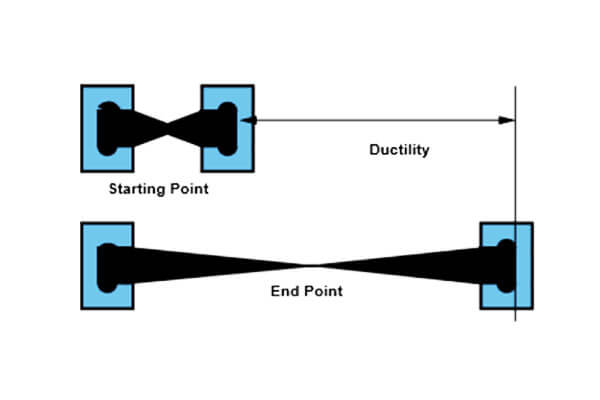
Duktilitet er en nøkkel mekanisk egenskap som beskriver et materiales evne til å gjennomgå betydelig plastisk deformasjon under strekkspenning før brudd.
Enkelt sagt, duktile materialer kan strekkes eller trekkes inn i ledninger uten å gå i stykker, som er avgjørende for mange produksjonsprosesser og ingeniørapplikasjoner.
Hvordan duktilitet fungerer
Når et materiale utsettes for en strekkkraft, den deformeres til å begynne med elastisk - noe som betyr at den går tilbake til sin opprinnelige form når kraften fjernes.
Når den påførte spenningen overskrider materialets elastiske grense, den går inn i det plastiske deformasjonsstadiet, hvor endringene blir permanente.
Omfanget av denne permanente deformasjonen, ofte målt ved prosentvis forlengelse eller reduksjon i areal under en strekktest, indikerer materialets duktilitet.
- Elastisk deformasjon: Midlertidig formendring; materialet gjenvinner sin opprinnelige form.
- Plastisk deformasjon: Permanent endring; materialet går ikke tilbake til sin opprinnelige form når lasten er fjernet.
Hvorfor er duktilitet viktig?
Duktilitet er kritisk i konstruksjon og produksjon av flere grunner:
- Energiabsorpsjon: Duktile materialer kan absorbere og spre energi under støt.
For eksempel, mange bilkomponenter er designet med duktile metaller for å absorbere kollisjonsenergi, og dermed øke passasjersikkerheten. - Formbarhet: Høy duktilitet gjør at materialer enkelt kan formes til komplekse former gjennom prosesser som tegning, bøying, og dyp tegning.
Denne egenskapen er avgjørende ved fremstilling av intrikate deler. - Designsikkerhet: Ingeniører bruker duktilitet som et kriterium for å sikre at strukturer kan tolerere uventede belastninger uten plutselige, katastrofal fiasko.
Å inkludere duktile materialer i design gir en ekstra sikkerhetsmargin, da disse materialene gir advarselsskilt (deformasjon) før fiasko.
3. Hva er formbarhet?
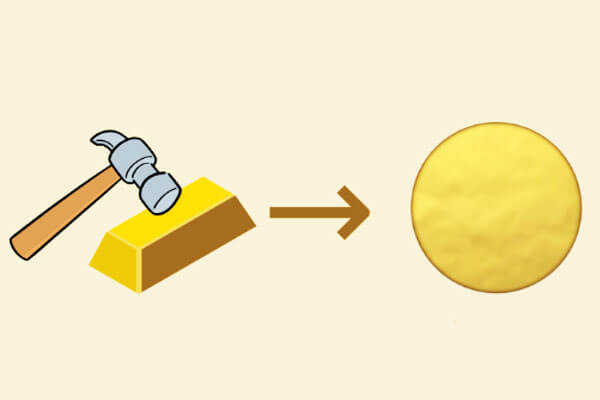
Formbarhet er en viktig mekanisk egenskap som beskriver et materiales evne til å deformeres under trykkkrefter uten å sprekke eller brekke.
Enkelt sagt, formbare materialer kan hamres, rullet, eller presset til tynne ark og komplekse former.
Denne egenskapen er avgjørende for mange produksjonsprosesser, som smiing, Rullende, og stempling,
hvor komponenter må formes til ønskede geometrier samtidig som strukturell integritet opprettholdes.
Hvordan formbarhet fungerer
Når et materiale utsettes for trykkspenning, den gjennomgår plastisk deformasjon som gjør at den kan omformes.
I motsetning til duktilitet, som måles under strekkkrefter, formbarhet refererer spesifikt til deformasjon under trykk.
Ettersom materialet er komprimert, dens atomer glir forbi hverandre, tillater omfattende omforming uten brudd.
Denne evnen til å deformere plastisk under trykkbelastninger gjør formbarheten avgjørende for å danne store, flat, eller intrikate konturerte deler.
Hvorfor er formbarhet viktig?
Formbarhet er avgjørende i produksjon og design av flere grunner:
- Effektive formingsprosesser:
Formbare materialer kan enkelt formes til tynne ark, folier, og komplekse deler gjennom prosesser som valsing og smiing.
For eksempel, aluminiumDen høye formbarheten gjør at den kan rulles inn i slitesterk, lette ark for bruksområder som drikkebokser og flykropper. - Ensartet overflatekvalitet:
Materialer med høy formbarhet har en tendens til å danne jevne overflater når de behandles, som er kritisk for både estetiske og funksjonelle bruksområder.
Glatt, jevne overflater er viktige i bransjer som spenner fra forbrukerelektronikk til karosseripaneler til biler. - Kostnadseffektiv produksjon:
Høy formbarhet reduserer sannsynligheten for at materialet sprekker eller defekter under formingen, fører til mindre avfall og færre produksjonsforsinkelser.
Dette forbedrer den totale produksjonseffektiviteten og kostnadseffektiviteten. - Design fleksibilitet:
Formbarhet gjør det mulig å lage intrikate design og komplekse former som ville være utfordrende å oppnå med sprø materialer.
Designere drar nytte av denne egenskapen da den lar dem innovere og eksperimentere med nye former uten å gå på akkord med materialets ytelse.
Nøkkelaspekter ved formbarhet
- Mål:
Formbarhet vurderes gjennom tester som rulling, bøying, eller kompresjonstester.
Evnen til et materiale til å deformeres til et tynt ark uten å gå i stykker er en direkte indikator på dets formbarhet. - Materielle eksempler:
Metaller som gull, kopper, og aluminium viser høy formbarhet, gjør dem ideelle for applikasjoner der omfattende forming er nødvendig.
For eksempel, gull er så formbart at det kan slås til ekstremt tynne ark (bladgull) til dekorative formål.
De mest duktile metallene - Industriell relevans:
I bransjer som som bil og romfart, formbarhet er avgjørende for å skape lettvekt, komplekse komponenter.
Evnen til å danne metaller uten å gå på akkord med deres styrke er avgjørende for å oppnå både ytelse og estetiske mål.
4. Vitenskapen bak duktilitet og formbarhet
Å forstå det atomære og mikrostrukturelle grunnlaget for duktilitet og formbarhet gir innsikt i hvordan materialer oppfører seg under stress.
Mikrostrukturelle faktorer
Kornstruktur:
Mindre kornstørrelser forbedrer flytestyrken og duktiliteten. Fine korn hindrer dislokasjonsbevegelser, som forbedrer begge egenskapene.
For eksempel, redusere kornstørrelse i stål fra 50 µm til 10 µm kan øke flytegrensen med opptil 50%.
Dislokasjonsdynamikk:
Bevegelsen av dislokasjoner gjennom krystallgitteret under spenning er en primær mekanisme som styrer duktilitet.
Materialer som tillater lettere dislokasjonsbevegelser kan deformeres plastisk mer omfattende uten å gå i stykker.
Fasetransformasjoner:
Varmebehandling og legering kan indusere fasetransformasjoner som endrer mekaniske egenskaper.
Omdannelsen av austenitt til martensitt i stål, for eksempel, øker styrken, men kan redusere duktiliteten.
Legeringselementer:
Elementer som nikkel og karbon kan forbedre duktiliteten ved å modifisere krystallstrukturen og hindre dislokasjonsbevegelse.
Atomiske og molekylære mekanismer
På atomnivå, duktilitet og formbarhet avhenger av arten av atombindinger.
Duktile materialer har bindinger som lar atomer gli over hverandre under spenning, mens formbare materialer omorganiseres lettere under kompresjon.
Denne grunnleggende forskjellen understreker hvorfor noen metaller, som gull og kobber, viser både høy duktilitet og formbarhet, mens keramikk, med sine stive ioniske bindinger, er sprø.
Sammenligning med sprøhet
Sprø materialer, inkludert mye keramikk, ikke gjennomgå betydelig plastisk deformasjon før frakturering.
Denne kontrasten fremhever viktigheten av duktilitet og formbarhet i applikasjoner der energiabsorpsjon og formbarhet er avgjørende.
Mens duktile og formbare materialer tilbyr fordelen med deformasjon uten katastrofal svikt, sprø materialer svikter ofte plutselig under stress.
5. Hva er de viktigste forskjellene mellom duktilitet vs. Formbarhet?
Duktilitet og formbarhet er grunnleggende mekaniske egenskaper som beskriver hvordan materialer reagerer på ulike typer stress.
Mens begge involverer plastisk deformasjon - evnen til å endre form uten å gå i stykker - gjelder de forskjellige typer krefter.
Å forstå disse forskjellene er avgjørende i materialvalg, Produksjon, og konstruksjonsdesign.
Forskjell i stresstype og deformasjonsatferd
- Duktilitet refererer til et materiales evne til å deformeres under strekkspenning (strekk). Et svært duktilt materiale kan trekkes inn i tynne ledninger uten å gå i stykker.
- Formbarhet beskriver et materiales evne til å deformeres under kompressivt stress (klemme). Et formbart materiale kan hamres eller rulles til tynne ark uten å sprekke.
For eksempel, gull er både svært duktil og formbar, gjør den ideell for smykker og elektroniske applikasjoner.
Bly, På den annen side, er ekstremt formbar, men ikke veldig duktil, noe som betyr at den lett kan formes, men strekker seg ikke godt inn i ledninger.
Måle- og testmetoder
Siden duktilitet og formbarhet håndterer ulike typer stress, ingeniører måler dem ved hjelp av distinkte tester:
Duktilitetstesting
- Strekktest: Den vanligste metoden for å måle duktilitet. En prøve strekkes til den går i stykker,
og dens forlengelsesprosent (hvor mye den strekker seg i forhold til dens opprinnelige lengde) og reduksjon i areal (hvor mye tynnere den blir før den går i stykker) er registrert. - Vanlige beregninger:
-
- Forlengelse (%) – Et mål på hvor mye et materiale kan strekke seg før det brytes.
- Reduksjon i området (%) – Indikerer innsnevring av materialet under strekkkraft.
Formbarhetstesting
- Kompresjonstest: Innebærer påføring av en trykkbelastning for å observere hvor mye materialet flater ut eller deformeres uten å sprekke.
- Rulle- og hammertester: Disse bestemmer hvor godt et materiale kan formes til tynne ark.
- Vanlige beregninger:
-
- Reduksjon i tykkelse (%) – Måler hvor mye et materiale kan tynnes uten svikt.
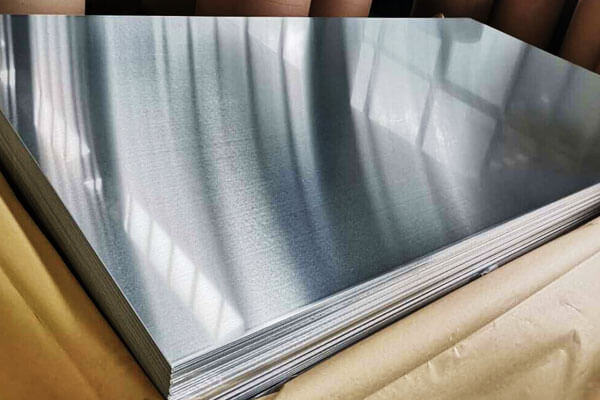
For eksempel, aluminium har høy formbarhet og er mye brukt i folie- og platemetallapplikasjoner, mens kopper, med både høy duktilitet og formbarhet, brukes til elektriske ledninger og rørleggerarbeid.
Mikrostruktur- og atomnivåforskjeller
Evnen til et materiale til å være formbart eller formbart påvirkes av dets indre atomstruktur:
- Duktile materialer har en krystallstruktur som tillater dislokasjoner (defekter i atomarrangementer) å bevege seg lett under strekkbelastning.
Dette betyr at atomer kan skifte posisjon mens de opprettholder kohesjon, lar materialet strekke seg uten å gå i stykker. - Formbare materialer har atomstrukturer som motstår sprekkdannelse når de komprimeres.
I mange tilfeller, de har ansiktssentrert kubikk (FCC) krystallstrukturer, som lar atomer gli forbi hverandre uten å sprekke.
Kornstrukturens rolle og varmebehandling
- Finkornede materialer (liten, tettpakkede krystaller) har en tendens til å være mer formbare fordi de motstår sprekkdannelse under kompresjon.
- Grovkornede materialer viser ofte bedre duktilitet siden større korn tillater lettere bevegelse av dislokasjoner under spenning.
- Varmebehandlingsprosesser som gløding kan forbedre begge egenskapene ved å foredle kornstrukturen og avlaste indre spenninger.
For eksempel, stål kan gjøres mer duktil eller formbar avhengig av varmebehandlingen som brukes. Glødet stål har forbedret duktilitet, mens kaldvalset stål forbedrer formbarheten.
Materialvalg og industrielle applikasjoner
Ingeniører og produsenter må nøye velge materialer basert på om strekk- eller trykkdeformasjon er mer relevant for en bestemt applikasjon.
| Aspekt | Duktilitet (Strekkspenning) | Formbarhet (Komprimerende stress) |
|---|---|---|
| Definisjon | Evne til å strekke seg inn i ledninger | Mulighet for å bli hamret/rullet til ark |
| Primær test | Strekktest (forlengelse, reduksjon i areal) | Kompresjonstest, rullende test |
Påvirkningsfaktor |
Kornstruktur, dislokasjonsbevegelse | Atomisk binding, sprekkmotstand |
| Metaller med høy egenskap | Kopper, Aluminium, Gull, Mildt stål | Gull, Sølv, Bly, Aluminium |
| Vanlige applikasjoner | Trådproduksjon, strukturelle komponenter | Platemetall, myntproduksjon, metallfolier |
| Feilmodus | Halsdannelse etterfulgt av brudd | Sprekker under overdreven kompresjon |
Sammenligningstabell: Duktilitet vs. Formbarhet
| Aspekt | Duktilitet (Strekkspenning) | Formbarhet (Komprimerende stress) |
|---|---|---|
| Definisjon | Et materiales evne til å strekke seg under strekkspenning uten å gå i stykker | Et materiales evne til å deformeres under kompressivt stress uten å sprekke |
| Type deformasjon | Forlengelse (trekke/strukket inn i ledninger) | Utflating (hamret/rullet til ark) |
| Hovedpåvirkende stress | Spenning (trekkkraft) | Komprimering (klemmekraft) |
| Målemetode | Strekkprøving (måling av forlengelse og reduksjon av areal) | Kompresjonstesting, Rullende testing (måling av tykkelsesreduksjon) |
Vanlige beregninger |
- Forlengelse (%) – Mengde strekk før brudd - Reduksjon av areal (%) – Diameterkrymping før feil |
- Reduksjon i tykkelse (%) – Hvor mye et materiale tynnes uten å svikte |
| Krystallinsk strukturpåvirkning | Ansiktssentrert kubikk (FCC) og kroppssentrert kubikk (BCC) strukturer bidrar til høy duktilitet | FCC-strukturer har en tendens til å være mer formbare ettersom de tillater atomskyving |
| Effekt av varmebehandling | Varmebehandling (F.eks., Annealing) forbedrer duktiliteten ved å foredle kornstrukturen | Varmebehandling kan forbedre formbarheten, redusere indre belastninger |
| Tøyningshastighetsfølsomhet | Høy tøyningshastighet reduserer duktiliteten (sprø oppførsel øker) | Høy tøyningshastighet kan forårsake sprekker under ekstrem kompresjon |
| Materielle eksempler (Høy duktilitet) | Gull, Sølv, Kopper, Aluminium, Mildt stål, Platinum | Gull, Sølv, Bly, Kopper, Aluminium |
| Materielle eksempler (Lav duktilitet) | Støpejern, Høyt karbonstål, Glass, Keramikk | Støpejern, Sink, Wolfram, Magnesium |
| Vanlige applikasjoner | – Elektriske ledninger (Kopper, Aluminium) – Strukturelle komponenter (Stål) – Luftfarts- og bildeler |
– Platemetall (Aluminium, Stål) – Mynter (Gull, Sølv) – Folie og emballasjematerialer |
| Feilmodus | Halsing (materialet smalner ved svakt punkt før brudd) | Sprekker (materiale kan gå i stykker under ekstrem kompresjon) |
| Industriell betydning | Kritisk i trådtrekk, strukturelle applikasjoner, og duktile materialer for slagfasthet | Nødvendig for formingsprosesser som valsing, hamring, og trykker |
6. Måling av duktilitet vs. Formbarhet
Nøyaktig måling av duktilitet og formbarhet er avgjørende for å forstå materialadferd og sikre at produktene oppfyller designspesifikasjonene.
Ingeniører og materialforskere er avhengige av standardiserte testmetoder for å kvantifisere disse egenskapene, levere kritiske data for materialvalg og prosessoptimalisering.
Under, vi utforsker metodene som brukes for å måle duktilitet og formbarhet, sammen med nøkkelberegninger og standardprotokoller.
Strekktesting for duktilitet
Strekktesting er fortsatt den vanligste metoden for å evaluere duktilitet. Under denne testen, en prøve trekkes gradvis til den sprekker, og dens deformasjon registreres.
Prosedyre:
- En standardisert prøve er montert i en universell testmaskin.
- Maskinen påfører en kontrollert strekkbelastning med konstant tøyningshastighet.
- Data samles inn for å produsere en stress-tøyningskurve, hvor overgangen fra elastisk til plastisk deformasjon er godt synlig.
Viktige beregninger:
- Prosentvis forlengelse: Måler den totale lengdeøkningen i forhold til den opprinnelige lengden før brudd.
- Reduksjon i området: Indikerer graden av innsnevring eller tverrsnittsreduksjon ved bruddpunktet.
- For eksempel, bløtt stål kan ha forlengelsesverdier i området 20–30%, mens mer sprø materialer kanskje bare vises <5% forlengelse.
Standarder:
- ASTM E8/E8M og ISO 6892 gi detaljerte retningslinjer for strekktesting, sikre pålitelige og repeterbare målinger.
Kompresjons- og bøyetester for formbarhet
Formbarhet vurderes vanligvis ved hjelp av tester som evaluerer hvordan et materiale oppfører seg under trykk- eller bøyekrefter.
Rullende tester:
- I en rulleprøve, materialet føres gjennom ruller for å måle dets evne til å danne tynne ark uten å sprekke.
- Denne testen avslører i hvilken grad et materiale kan bli plastisk deformert under kompresjon.
Bøyeprøver:
- Bøyetester bestemmer fleksibiliteten og evnen til et materiale til å motstå deformasjon uten å sprekke når det utsettes for en bøyebelastning.
Viktige beregninger:
- Formbarhet: Kvantifiseres ved maksimal reduksjon i tykkelse uten feil.
- Bøyevinkel: Vinkelen som et materiale kan bøyes til uten å sprekke.
Standarder:
- ASTM og ISO har etablert protokoller for å evaluere formbarhet, sikre konsistens i målinger på tvers av ulike materialer og bransjer.
Avanserte og instrumenterte testmetoder
For presis, lokaliserte målinger - spesielt i moderne, tynne filmer eller nanostrukturerte materialer – avanserte teknikker som instrumentert innrykktesting (nanoindonation) kan ansettes.
Nanoinnrykk:
- Denne metoden bruker en diamantspiss for å presse inn i materialets overflate og registrerer kraften kontra forskyvningen.
- Den gir detaljert informasjon om lokale mekaniske egenskaper, inkludert hardhet og elastisitetsmodul, som indirekte kan reflektere duktilitet og formbarhet.
Datatolkning:
- Last-forskyvningskurvene oppnådd fra disse testene gir innsikt i materialets deformasjonsoppførsel i mikroskala, utfyller konvensjonelle testmetoder.
7. Faktorer som påvirker duktilitet vs. Formbarhet
Duktilitet og formbarhet er ikke faste materialegenskaper; de påvirkes av flere eksterne og interne faktorer.
Å forstå disse faktorene er avgjørende for ingeniører og produsenter som søker å optimalisere materialer for spesifikke bruksområder.
Under, vi analyserer nøkkelfaktorene som påvirker duktilitet og formbarhet fra flere perspektiver, inkludert materialsammensetning, temperatur, behandlingsmetoder, tøyningshastighet, og miljøforhold.
Materialkomposisjon
Den kjemiske sammensetningen av et materiale spiller en betydelig rolle i å bestemme dets duktilitet og formbarhet.
Rene metaller vs.. Legeringer
- Rene metaller som gull, kopper, og aluminium har en tendens til å ha høy duktilitet og formbarhet på grunn av deres ensartede atomstrukturer og lette dislokasjonsbevegelser.
- Legeringer, som inneholder flere elementer, kan ha økt styrke, men ofte på bekostning av redusert duktilitet og formbarhet.
-
- Eksempel: Tilsetning av karbon til jern øker styrken, men reduserer duktiliteten, noe som resulterer i stål med varierende egenskaper (F.eks., høykarbonstål er sterkere, men mindre duktilt enn bløtt stål).
Rollen til urenheter og andrefasepartikler
- Urenheter kan forstyrre atomstrukturen, fører til redusert duktilitet og formbarhet.
- Eksempel: Oksygeninnholdet i kobber reduserer dets duktilitet betydelig, som er grunnen til at oksygenfritt kobber brukes i høyytelsesapplikasjoner.
Effekt av legeringselementer
- Nikkel og krom forbedrer seigheten til stål, men kan redusere duktiliteten litt.
- Aluminium og magnesium øke formbarheten i visse legeringer, gjør dem mer egnet for rulling og forming.
Temperatureffekter
Temperatur har en dyp innvirkning på både duktilitet og formbarhet, ofte avgjøre om et materiale er egnet for bearbeiding eller påføring.
Høyere temperaturer (Økt duktilitet & Formbarhet)
- Når temperaturen stiger, atomvibrasjoner øker, tillater lettere dislokasjonsbevegelse og plastisk deformasjon.
- Eksempel: Varmvalsing brukes i stålproduksjon pga høyere temperaturer øker formbarheten, forhindrer sprekker under formingen.
Lavere temperaturer (Redusert duktilitet & Formbarhet)
- Ved lave temperaturer, materialer blir sprø på grunn av begrenset atommobilitet.
- Eksempel: Ved minusgrader, stål og aluminiumslegeringer kan oppleve sprøhet, fører til brudd i stedet for duktil deformasjon.
Duktil-til-skjør overgangstemperatur (DBTT)
- Noen materialer, spesielt kroppssentrert kubikk (BCC) metaller som ferritisk stål, Utstilling a duktil til sprø overgang ved lavere temperaturer.
- Eksempel: Konstruksjonsstål som brukes i kaldt klima må konstrueres for å unngå katastrofal svikt på grunn av sprøhet.
Behandlingsmetoder
Ulike metallbearbeidings- og varmebehandlingsprosesser kan forbedre eller forringe duktilitet og formbarhet ved å endre et materiales mikrostruktur.
Kaldt arbeid (Reduserer duktiliteten & Formbarhet)
- Kald rulling, smi, og trekking øker materialstyrken, men reduserer duktiliteten på grunn av arbeidsherding.
- Eksempel: Kaldvalset stål er sterkere, men mindre duktilt enn varmvalset stål.
Varmt arbeid (Øker duktiliteten & Formbarhet)
- Prosesser som varmvalsing, varm smiing, og ekstrudering tillater betydelig plastisk deformasjon uten å sprekke.
- Eksempel: Varmsmiing av aluminiumslegeringer forbedrer formbarheten, gjør det lettere å danne komplekse former.
Varmebehandling
Varmebehandlingsmetoder som f.eks Annealing, Normalisering, og temperering har betydelig innvirkning på duktilitet og formbarhet.
- Annealing reduserer indre spenninger og gjenoppretter duktiliteten ved å omkrystallisere kornstrukturen.
- Temperering forbedrer seighet i stål ved å balansere hardhet og duktilitet.
Belastningsrate (Deformasjonshastighet)
Hastigheten som et materiale deformeres med påvirker dets evne til å strekke seg eller komprimere før svikt.
Langsom deformasjon (Høyere duktilitet & Formbarhet)
- Når et materiale deformeres sakte, atomomorganiseringer har nok tid til å imøtekomme stress, fører til høyere duktilitet og formbarhet.
Rask deformasjon (Nedre duktilitet & Formbarhet)
- En høy tøyningshastighet forhindrer atomomstilling, gjør materialet mer sprøtt.
- Eksempel: Høyhastighetstester viser at materialer kan sprekke ved brå belastning, selv om de er formbare under normale forhold.
Miljøforhold
Eksterne faktorer som korrosjon, utmattelse, og strålingseksponering kan forringe materialegenskaper over tid.
Korrosjon og oksidasjon
- Etsende miljøer svekker atombindinger, fører til sprøhet og redusert duktilitet.
- Eksempel: Hydrogen -omfavnelse oppstår når hydrogenatomer infiltrerer metaller, gjør dem utsatt for plutselig svikt.
Syklisk belastning og tretthet
- Gjentatte spenningssykluser kan forårsake mikrosprekker som reduserer både duktilitet og formbarhet.
- Eksempel: Flymaterialer må motstå tretthetssvikt, som er grunnen til at aluminiumslegeringer er nøye konstruert for holdbarhet.
Strålingseksponering
- I kjernefysiske miljøer, strålingsinduserte defekter i atomstrukturer kan føre til sprøhet.
- Eksempel: Stål fra reaktortrykkbeholdere må være strålingsbestandige for å opprettholde duktilitet over lange driftsperioder.
Sammendragstabell: Nøkkelfaktorer som påvirker duktilitet vs. Formbarhet
| Faktor | Effekt på duktilitet | Effekt på formbarhet | Eksempler |
|---|---|---|---|
| Materialkomposisjon | Legeringer kan redusere duktiliteten | Visse legeringer forbedrer formbarheten | Høykarbonstål er mindre duktilt enn bløtt stål |
| Temperatur | Øker med varme | Øker med varme | Varmvalsing forbedrer begge egenskapene |
| Behandlingsmetoder | Kaldarbeid reduserer duktiliteten, gløding gjenoppretter den | Varmarbeid forbedrer formbarheten | Kaldvalset stål vs. glødet stål |
| Belastningsrate | Høyere tøyningshastigheter reduserer duktiliteten | Høyere tøyningshastigheter reduserer formbarheten | Plutselige støt forårsaker sprø svikt |
| Miljøforhold | Korrosjon og tretthet svekker duktiliteten | Korrosjon kan forårsake sprekker i formbare materialer | Hydrogenskjørhet i stål |
8. Konklusjon
Duktilitet og formbarhet er essensielle egenskaper som dikterer hvordan materialer oppfører seg under ulike typer stress.
Duktilitet gjør at materialer kan strekke seg under strekkbelastninger, som er avgjørende for applikasjoner som krever energiabsorpsjon og fleksibilitet.
Formbarhet, På den annen side, gjør at materialer kan dannes under trykkkrefter, legge til rette for effektive formingsprosesser.
Ved å forstå de underliggende mikrostrukturelle faktorene, testmetoder, og miljøpåvirkninger, ingeniører kan optimalisere materialytelsen for å passe spesifikke bruksområder.
Den datadrevne innsikten og casestudiene som diskuteres i denne artikkelen illustrerer at nøye materialvalg – basert på duktilitet og formbarhet – fører til sikrere, mer holdbar, og mer effektive produkter.
Ettersom produksjonen fortsetter å utvikle seg med digital integrasjon og bærekraftig praksis,
pågående forskning og innovasjon vil ytterligere forbedre disse kritiske egenskapene, sikre at moderne ingeniørkunst møter kravene til et industrilandskap i stadig endring.

