1. Pengenalan
A injap pintu adalah linear, injap hidup/mati yang direka untuk sama ada membuka atau menutup sepenuhnya aliran bendalir melalui saluran paip.
Ia menggunakan pintu gelangsar (atau baji) yang bergerak tegak lurus ke jalan aliran, Menawarkan halangan yang minimum apabila pengedap terbuka dan ketat sepenuhnya apabila ditutup.
Tidak seperti injap pendikit, Injap pintu tidak dimaksudkan untuk peraturan aliran tetapi untuk tujuan pengasingan.
Pembangunan dan evolusi sejarah
Injap pintu masuk kembali ke aplikasi stim awal pada tahun 1800 -an.
Memandangkan sistem perindustrian meningkat dalam kerumitan dan skala, Injap pintu berkembang-dari badan besi cast dan baji buatan tangan ke reka bentuk aloi berprestasi tinggi dengan tempat duduk ketepatan.
Sains Pembuatan dan Bahan Moden telah membolehkan injap yang menahan tekanan yang melampau (> 250 bar) dan suhu (-196 ° C hingga 600 ° C.), menghidangkan minyak menuntut & gas, kuasa, dan proses kimia.
2. Apa itu injap pintu?
A pintu gerbang injap adalah injap penutup penuh yang menggunakan pintu logam (atau baji) Untuk menyekat aliran bendalir.
Dalam kedudukan terbuka sepenuhnya, pintu masuk menarik sepenuhnya dari laluan aliran, mewujudkan petikan yang sama dengan diameter ke saluran paip.

Konfigurasi "lurus" ini meminimumkan rintangan aliran dan kehilangan tekanan, Membuat injap pintu sesuai untuk aplikasi di mana kapasiti aliran maksimum dan ΔP minimum adalah kritikal.
Injap pintu dihasilkan dalam saiz dari DN 10 (¾ ") kepada DN 2000 (80") dan kelas tekanan dari kelas 125 (≈ 19 bar) sehingga kelas 2500 (≈ 413 bar).
Atribut utama:
- Perkhidmatan hidup/mati sahaja: Tidak dimaksudkan untuk pendikit; Pukulan separa boleh menyebabkan hakisan kerusi.
- Pengasingan bi -arah: Menyediakan pengedap yang sama ketat sama ada aliran hulu atau hiliran.
- Petunjuk kedudukan visual: Rising -Syst dan OS&Reka bentuk y membolehkan pengendali melihat sekilas sama ada injap dibuka atau ditutup.
Prinsip operasi
Mekanik Gate-and-Seat
Operasi injap pintu adalah berdasarkan interaksi antara pintu dan tempat duduk dalam badan injap.
Apabila injap ditutup, Gerbang turun dan tempat duduk melawan dua permukaan pengedap (tempat duduk) di badan injap.
Dalam gerbang jenis baji, Bentuk gerbang gerbang memaksa ia erat melawan tempat duduk ketika bergerak ke bawah, Membuat meterai.
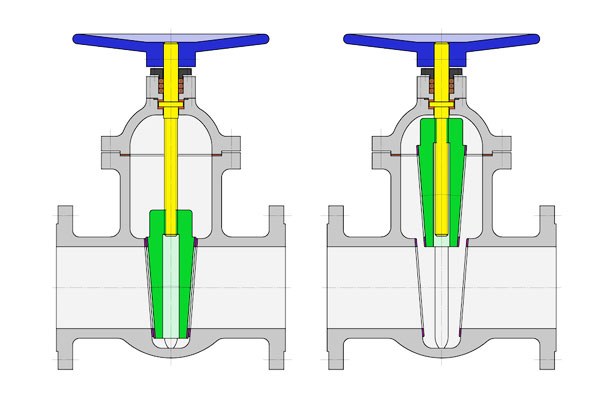
Gerbang jenis selari bergantung pada tekanan bendalir atau daya luaran untuk menekan pintu ke tempat duduk.
Apabila injap dibuka, pintu gerbang ditarik keluar dari jalan aliran, Membenarkan cecair melewati injap dengan halangan yang minimum.
Ciri -ciri kawalan aliran
Di kedudukan terbuka sepenuhnya, Injap pintu menawarkan laluan aliran lurus, mengakibatkan kejatuhan tekanan yang sangat rendah.
Ini menjadikan mereka sesuai untuk aplikasi di mana mengekalkan kadar aliran tinggi dengan kehilangan tenaga yang minimum adalah penting, seperti dalam saluran paip jarak jauh.
Walau bagaimanapun, Injap pintu tidak sesuai untuk aplikasi pendikit.
Apabila sebahagiannya dibuka, pintu gerbang mencipta laluan sempit untuk cecair, yang boleh menyebabkan aliran halaju tinggi, pergolakan, dan haus yang berlebihan di pintu pagar dan tempat duduk.
Ini boleh menyebabkan bunyi bising, getaran, dan jangka hayat injap yang dipendekkan. Akibatnya, Injap pintu terutamanya digunakan untuk perkhidmatan on-off dan bukannya untuk mengawal kadar aliran berterusan.
3. Reka bentuk dan pembinaan injap pintu
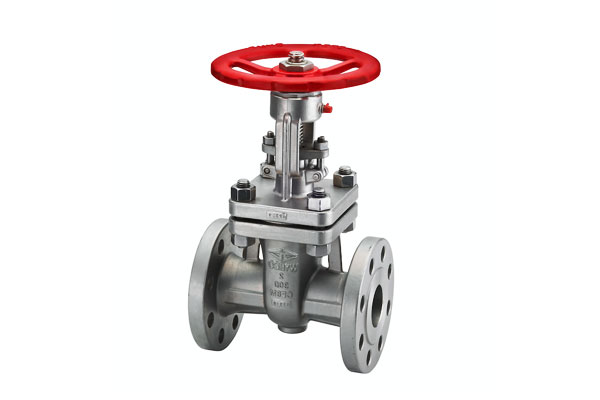
Kebolehpercayaan dan umur panjang engsel injap pintu pada reka bentuk yang teliti dari komponennya, Pemilihan bahan yang bijak, dan kaedah penyambungan akhir yang betul.
Komponen utama
| Komponen | Fungsi & Ciri -ciri |
| Badan | Rumah bahagian dalaman dan mengekalkan tekanan talian. Biasanya dilemparkan atau dipalsukan; Ketebalan dinding badan mengikuti ASME B16.34 untuk menahan kelas 2500 (≈ 413 bar). |
| Bonnet | Meliputi dan menutup ruang badan. Sendi bonet-to-body boleh digerakkan, diikat, atau dikimpal. Menyediakan akses untuk penyelenggaraan. |
| Pintu gerbang (Cakera) | Penghalang bergerak. Reka bentuk termasuk baji pepejal, baji fleksibel (Potongan paksi untuk menyerap pengembangan haba), dan berpecah baji (Dua bahagian bebas untuk penjajaran diri). |
| Tempat duduk | Permukaan yang diwarnai dengan tepat di mana gerbang meterai. Mungkin penting (logam -ke -logam) atau cincin lembut yang boleh diganti (Ptfe, Nikel). |
| Batang | Menghantar gerakan dari penggerak ke pintu gerbang. Biasanya 20 MNV6 atau keluli tahan karat untuk rintangan kakisan. Piawaian Thread (Mis., Acme atau trapezoid) Pastikan perjalanan yang lancar. |
| Pembungkusan & Kelenjar | Menyegel di sekitar batang. Pembungkusan grafit atau PTFE mencapai kadar kebocoran ≤ 10 ³ m³/s; kacang kelenjar memampatkan pembungkusan secara seragam. REPPACKING REPORES PEMERIKSAAN SEAL Integriti. |
| Handwheel/penggerak | Menukar input kawalan manual atau jarak jauh ke dalam pergerakan pintu. Penggerak elektrik menyediakan sehingga 10 000 Tork nm untuk dn > 300 mm atau kelas 1500+ injap. |
Pemilihan bahan
Pilihan bahan didorong oleh tekanan, suhu, kimia cecair, dan kos. Berikut adalah ringkasan bahan biasa dan sampul perkhidmatan mereka:
| Bahan | Aplikasi biasa | Julat suhu | Rintangan kakisan |
| Besi tuang (Dalam 1561) | Air, Steam tekanan rendah | -10 ° C ke 150 ° C. | Sederhana; tidak sesuai untuk media berasid/alkali |
| Keluli karbon (A216 WCB) | Minyak & gas, Steam Perindustrian Umum | -29 ° C ke 425 ° C. | Baik; terdedah kepada kakisan Co₂/h₂s kecuali bersalut |
| Keluli tahan karat (304/316) | Makanan, Farmaseutikal, air laut | -196 ° C ke 550 ° C. | Cemerlang; menentang spektrum bahan kimia yang luas |
| Keluli Alloy (WC6/CRMO) | Stim suhu tinggi, petrokimia | 450 ° C ke 600 ° C. | Kekuatan tinggi; menahan rayapan dan sulfidasi |
| Duplex/Super Duplex SS | Minyak luar pesisir & gas, klorida | -50 ° C ke 300 ° C. | Rintangan yang luar biasa terhadap Pitting dan Tekanan Kakisan |
| Plastik (PVC/CPVC/PP) | Asid, Caustics, air suhu rendah | 0 ° C ke 65 ° C. | Baik untuk asid/pangkalan yang kuat; julat suhu terhad |
Sambungan akhir (flanged, diikat, kimpalan)
Flanged
Sambungan Flanged adalah standard industri untuk injap pintu.
Setiap hujung injap mempunyai rata, bebibir bulat yang pasangan ke flange yang sepadan di saluran paip melalui bolt dan gasket.
Pengaturan ini menyampaikan meterai ketegangan yang dapat menahan tekanan dan suhu yang tinggi, sementara juga membenarkan pemasangan dan penyingkiran pesat untuk penyelenggaraan atau pemeriksaan.
Diikat
Hujung -ujung -sama ada dalaman (perempuan) atau luaran (lelaki)- sama berlaku pada injap kecil (biasanya ≤ dn 50). Mereka menawarkan cepat, solekan sederhana tanpa memerlukan gasket atau bolting.
Walau bagaimanapun, Sampul perkhidmatan mereka terhad: Sambungan benang boleh melonggarkan atau bocor di bawah beban kitaran, Suhu yang melampau, atau perubahan tekanan tinggi, dan oleh itu tidak sesuai untuk sistem kritikal atau tekanan tinggi.
Dikimpal
Kimpalan secara kekal menggabungkan injap ke saluran paip -sama ada melalui soket -weld (untuk ≤ dn 50) atau punggung (Untuk saiz yang lebih besar).
Kaedah ini menghasilkan yang sangat kuat, Sambungan bersama sifar untuk tekanan tinggi, suhu tinggi, atau perkhidmatan kritikal keselamatan.
Perdagangan adalah kerumitan penyelenggaraan: penyingkiran biasanya memerlukan pemotongan dan penyebaran semula saluran paip.
Variasi batang: Rising vs. Batang yang tidak dinaikkan; Skru di luar & yoke (OS&Y)
Rising -stem vs. Tidak menyentuh -batang
- Rising -stem: Benang batang melibatkan pintu gerbang, Oleh kerana injap membuka batang yang kelihatan meluas di atas bonet.
Ini memberikan yang tidak jelas, Petunjuk At -a -Glance kedudukan injap -berharga dalam pemasangan yang besar atau di mana pemeriksaan status pesat diperlukan. - Tidak menyentuh -batang: Batang kekal pada ketinggian tetap dan bertukar dalam bonet; Gerbang bergerak secara dalaman.
Reka bentuk padat ini sesuai dengan ruang terkurung atau paip overhead, menghapuskan kebimbangan pelepasan dan melindungi batang dari bahaya luaran.
Skru di luar & Yoke (OS&Y)
OS&Injap y adalah subtipe reka bentuk batang yang semakin meningkat di mana benang skru kekal luaran ke sempadan tekanan, disokong oleh kuk yang dikimpal. Kelebihan termasuk:
- Penyelenggaraan yang boleh diakses: Utas terdedah tetap bersih dan dilincirkan, Memudahkan penggantian pembungkusan dan pelinciran.
- Petunjuk kedudukan yang jelas: Perjalanan skru yang terdedah secara langsung sepadan dengan kedudukan pintu.
- Keupayaan tekanan tinggi: Biasanya ditentukan untuk diameter besar atau kelas 600+ pemasangan di mana boleh dipercayai, Pengasingan yang kelihatan sangat kritikal.
4. Jenis dan klasifikasi injap pintu
Injap pintu direkayasa dalam konfigurasi yang pelbagai sesuai dengan tekanan yang berbeza -beza, suhu, dan ciri -ciri media.
Berdasarkan reka bentuk badan dan cakera
Injap pintu berbeza terutamanya dalam geometri dan pembinaan cakera mereka (pintu gerbang) Dan bagaimana cakera itu berinteraksi dengan tempat duduk badan.

Pepejal (Tegar) Injap pintu baji
- Geometri: Bujang, cakera tirus yang dimesin dengan sudut kon 3 ° -5 °.
- Mekanisme pengedap: Hubungan logam -ke -logam sebagai cakera yang dipaksa dipaksa ke tempat duduk yang hampir sama.
- Kekuatan:
-
- Ketahanan yang luar biasa dalam perkhidmatan suhu tetap.
- Reka bentuk paling mudah menghasilkan laluan kebocoran yang paling sedikit dan kos pembuatan terendah.
- Batasan:
-
- Terdedah kepada pengikat atau jamming ketika berhadapan dengan pengembangan haba atau misalignment tempat duduk; tork penggerak boleh meningkat sehingga 30 %.
- Tidak sesuai untuk berbasikal terma yang kerap.
Injap pintu baji yang fleksibel
- Geometri: Cakera satu bahagian dengan satu atau lebih slot paksi (Biasanya 1-2 luka) Membenarkannya menjadi flex sebanyak 0.5-1 mm.
- Mekanisme pengedap: Wajah tirus mengekalkan hubungan penuh walaupun di bawah pengembangan berbeza antara cakera dan badan.
- Kekuatan:
-
- Secara automatik mengimbangi misalignment tempat duduk atau herotan dari perubahan suhu (± 50 ° C.).
- Mengekalkan tekanan pengedap seragam, mengurangkan risiko kebocoran di bawah berbasikal haba.
- Batasan:
-
- Kos bahan dan pemesinan sedikit lebih tinggi (kira -kira 10-15 % premium atas baji pepejal).
- Keletihan lentur mesti dipertimbangkan dalam aplikasi kitaran tinggi.
Berpecah (Dwi) Injap pintu baji
- Geometri: Dua cakera separuh bebas dihubungkan dengan longgar oleh musim bunga, pin, atau tali leher.
- Mekanisme pengedap: Setiap separuh menjajarkan secara bebas ke tempat duduk masing -masing, Memastikan hubungan logam -ke -logam seragam.
- Kekuatan:
-
- Bertoleransi terhadap ketidaksempurnaan tempat duduk dan misalignment sehingga 1 mm tanpa menjejaskan meterai.
- Sesuai untuk tekanan tinggi (Kelas 600-1500) dan persekitaran getaran tinggi di mana baji tegar mungkin jem.
- Batasan:
-
- Peningkatan kiraan dan kerumitan; masa inventori dan masa penyelenggaraan boleh berganda.
- Komponen Spring atau PIN Memperkenalkan Tambahan Potongan Potensi Tambahan.
Injap pintu slaid selari
- Geometri: Rata, wajah selari di cakera; Tiada tirus yang wujud.
- Mekanisme pengedap: Mata air luaran atau tekanan sistem menolak cakera ke tempat duduk hiliran; bahu machined sering menghalangi perjalanan.
- Kekuatan:
-
- Kekuatan tempat duduk seragam di seluruh wajah cakera, Tidak kira kedudukan pintu gerbang, mengurangkan tekanan dan pakai setempat.
- Sesuai untuk perkhidmatan yang kasar atau buburan, sebagai kuasa pemisahan yang lebih rendah meminimumkan embedding zarah dan goyah.
- Batasan:
-
- Memerlukan perkakasan tambahan (mata air atau pelabuhan imbangan tekanan), menambahkan kos dan laluan kebocoran yang berpotensi.
- Integriti pengedap bergantung pada daya musim bunga atau tekanan pembezaan yang mencukupi; mungkin tidak boleh mengelak dengan tekanan yang sangat rendah.
Berdasarkan penilaian tekanan tekanan
Injap pintu mesti ditentukan untuk memadankan kedua -dua tekanan operasi maksimum dan suhu sistem.

Piawaian menentukan "kelas" atau "penilaian" diskret yang menjamin keupayaan tekanan injap pada suhu rujukan (biasanya 38 ° C.), Bersama dengan sampul tekanan tekanan yang dibenarkan melampaui titik itu.
Memilih penarafan yang betul memastikan selamat, prestasi bebas kebocoran di bawah semua keadaan perkhidmatan yang dijangkakan.
Piawaian penarafan biasa
| Standard | Penetapan | Tekanan @ 38 ° C. | Julat suhu¹ | Bahan tipikal |
| ANSI/ASME B16.34 | Kelas 150 | ≤ 19 bar | -29 ° C ke 425 ° C² | WCB, CF8m, WC6 |
| Kelas 300 | ≤ 51 bar | -29 ° C ke 425 ° C² | WCB, CF8m, WC6 | |
| Kelas 600 | ≤ 124 bar | -29 ° C ke 425 ° C² | WCB, WC6, Crmo | |
| Kelas 900 | ≤ 196 bar | -29 ° C ke 550 ° C³ | WC6, Crmo | |
| Kelas 1500 | ≤ 258 bar | -29 ° C ke 550 ° C³ | WC6, Crmo, Aloi 625 | |
| Kelas 2500 | ≤ 413 bar | -29 ° C ke 550 ° C³ | Aloi 625, Duplex ss | |
| ISO 5208 / Dari pn | Pn 6 | ≤ 6 bar | 0 ° C ke 120 ° C. | Besi mulur, PVC |
| Pn 10 | ≤ 10 bar | 0 ° C ke 120 ° C. | Besi mulur, Ms | |
| Pn 16 | ≤ 16 bar | -10 ° C ke 150 ° C. | Besi tuang, WCB | |
| Pn 25 | ≤ 25 bar | -10 ° C ke 200 ° C. | WCB, WC6 | |
| Pn 40 | ≤ 40 bar | -10 ° C ke 225 ° C. | WC6, Crmo |
Injap pintu khas

Injap pintu kriogenik
- Ciri reka bentuk: Bonet dilanjutkan (sehingga ketinggian injap 2 ×) untuk mengasingkan pembungkusan dari -196 ° C Cryogen; aloi suhu rendah (A351 CF8m, ASTM A182 F304L).
- Data utama: Kebocoran ≤ 1 × 10⁻7 m³/s; elaun penguncupan haba sehingga 2 mm.
- Gunakan kes: Pemprosesan LNG, Pengagihan gas perindustrian.
Injap pintu suhu tinggi
- Ciri reka bentuk: Badan aloi WC6 atau CRMO, pembungkusan grafit/logam dinilai 600 ° C., Jaket yang dipanaskan stim pilihan.
- Data utama: Kekuatan merayap ≥ 30 MPA dan 550 ° C.; Kelas kebocoran tempat duduk IV (≤ 0.1 % kapasiti) pada suhu tinggi.
- Gunakan kes: Garis stim yang dipanaskan, Relau penapisan.
Injap perkhidmatan yang kasar dan buburan
- Ciri reka bentuk: Trim yang berhadapan dengan keras (bintang, WC -CO Overlays), Seramik/PU Linings, cincin kerusi pengorbanan boleh diganti dalam masa kurang dari satu jam.
- Data utama: Kadar hakisan < 0.05 mm/tahun di 10 M/S Halaju Slurry; Peningkatan Hidup > 5× lebih banyak trim yang tidak dikuatkuasakan.
- Gunakan kes: Tailing Perlombongan, pulpa & Barisan stok kertas, air sarat pasir.
Korosi -tahan / Injap berjajar
- Ciri reka bentuk: PTFE/FEP melayari hingga 3 mm tebal, bahagian keluli tahan karat atau hastelloy membasahi, Pembungkusan dua bibir untuk mengendalikan bahan kimia yang agresif.
- Data utama: Keserasian dengan 98 % H₂so₄, 50 % NaOH; Kadar kebocoran ≤ 1 × 10⁻6 m³/s.
- Gunakan kes: Asid/dos kaustik, Perkhidmatan klorin, garis CIP farmaseutikal.
Injap pintu masuk tekanan
- Ciri reka bentuk: Saluran pintasan dalaman menyamakan tekanan di seluruh cakera; Reka bentuk cakera seimbang mengurangkan daya penutupan yang tidak seimbang sebanyak 60-80 %.
- Data utama: Pengurangan tork penggerak dari 5 000 Nm ke 1 000 Nm pada dn 600 Kelas 900 injap.
- Gunakan kes: Main air diameter besar, Talian paip hidrokarbon tekanan tinggi.
5. Parameter prestasi injap pintu gerbang
Pemilihan injap pintu dan engsel saiz pada tiga metrik prestasi utama: Berapa banyak aliran yang mereka lalui (CV dan penurunan tekanan),
Betapa ketat mereka mengelak (kelas kebocoran), dan berapa banyak daya atau tork yang diperlukan untuk mengendalikannya (keperluan penggerak).

Penurunan tekanan dan pekali aliran (Cv)
Pekali aliran (Cv):
Ditakrifkan sebagai bilangan U.S. gelen seminit (gpm) air di 60 ° F yang akan melalui injap dengan a 1 Penurunan tekanan psi.
Nilai CV biasa:
| Saiz injap (DN/IN) | Kv (m³/h) | Cv (gpm/psi^½) |
| Dn 50 (2") | 50-70 | 60-85 |
| Dn 100 (4") | 200-240 | 240-290 |
| Dn 200 (8") | 800-1 000 | 960-1 200 |
| Dn 300 (12") | 2 500-3 000 | 3 000-3 600 |
Penurunan tekanan:
Injap pintu masuk penuh, Jadi pekali kepala -pukulan (K) Dalam kedudukan terbuka sepenuhnya sangat rendah -jenis 0.03-0.08.
Contohnya, A dn 100 injap lulus 20 m³/h hasil air Δp ≈ 0.05 bar. ΔP rendah meminimumkan tenaga mengepam dan kos operasi dalam sistem saluran paip yang besar.
Kadar kebocoran dan kelas sesak
Kelas kebocoran ANSI/FCI 70-2:
| Kelas | Kebocoran maksimum (% kapasiti injap seminit) |
| Kelas I. | ≤ 10 % |
| Kelas II | ≤ 1 % |
| Kelas III | ≤ 0.1 % |
| Kelas IV | ≤ 0.01 % |
| Kelas V. | ≤ 0.001 % |
| Kelas VI | ≤ 0.00001 % |
- Kelas IV -VI Injap digunakan untuk perkhidmatan kritikal (Mis., Pengasingan stim, cecair beracun atau berbahaya).
- API 598 Ujian:
-
- Ujian Shell: Badan injap bertekanan ke tekanan 1.5 × diberi nilai, Tiada kebocoran yang dibenarkan.
- Ujian tempat duduk: Injap ditutup terhadap tekanan yang dinilai (sebelah hulu), dengan kebocoran yang dibenarkan setiap kelas ANSI/FCI (air atau udara).
Vs yang lembut. Logam duduk:
- Tempat duduk lembut (Ptfe, elastomer) sering mencapai ketegangan kelas VI pada suhu rendah hingga sederhana (< 200 ° C.).
- Tempat duduk logam bergantung pada pemesinan dan tekanan garis yang tepat untuk mengelak, Biasanya kelas IV dalam perkhidmatan suhu tinggi.
Kaedah tork dan penggerak operasi
- Operasi Manual (Handwheel):
-
- Tork yang diperlukan meningkat dengan saiz injap, kelas tekanan, dan ketat tempat duduk.
- Tork manual biasa:
| Saiz injap (Dn) | Kelas 150 Tork (Nm) | Kelas 600 Tork (Nm) |
| Dn 50 | 15-30 | 30-60 |
| Dn 200 | 150-250 | 300-450 |
| Dn 600 | 800-1 200 | 2000-3000 |
- Penggerak elektrik:
-
- Berikan kawalan dan tork yang tepat sehingga ~ 10 000 NM untuk injap tekanan tinggi atau tekanan tinggi.
- Ciri -ciri termasuk maklum balas tork/kedudukan, kelajuan berubah -ubah, dan integrasi dengan DCS/SCADA.
- Penggerak pneumatik:
-
- Gunakan udara termampat (4-8 bekalan bar) untuk memandu omboh atau diafragma, Menyampaikan operasi dan tork berkelajuan tinggi sehingga ~ 5 000 Nm.
- Biasa dalam reka bentuk yang selamat (Spring -Return) Untuk penutupan kecemasan.
- Penggerak hidraulik:
-
- Menggunakan cecair yang tidak dapat dikompresikan untuk menjana tork yang sangat tinggi (5 000-20 000 Nm) dan berbasikal cepat di bawah keadaan yang melampau.
- Sesuai untuk pemasangan jauh atau luar pesisir di mana kuasa elektrik atau udara mungkin terhad.
6. Aplikasi di seluruh industri
Injap pintu masuk/pemisahan yang mantap, Pengedap bi -arah, dan rintangan aliran yang minimum menjadikan mereka sangat diperlukan merentasi spektrum industri proses yang luas.

Minyak & Gas
Hulu:
- Pengasingan Wellhead: Injap pintu (DN 50 -Dn 150; Kelas 1500-2500) Berikan penutupan positif pada pokok Krismas dan tercekik, mengendalikan tekanan sehingga 345 perkhidmatan bar dan masam (H₂s) keadaan.
- Kawalan bendalir penggerudian: Saiz DN 25 -Dn 100 dengan cakera fleksibel mengawal pulangan lumpur dan melindungi pam dari aliran balik.
Midstream:
- Blok saluran paip: DN 600 -DN yang besar 1200 Kelas 600 injap mengasingkan bahagian saluran paip 20-50 km untuk penyelenggaraan atau pigging.
CV injap sering melebihi 3 000 untuk menampung aliran minyak mentah 10 000 m³/h. - Stesen pemampat & Pemeteran skid: Kelas 900-1500 injap menahan tekanan kitaran (hingga 100 kitaran/hari) dan suhu dari -40 ° C (musim sejuk) ke +50 ° C. (Musim panas).
Hiliran:
- Unit proses penapisan: Injap pintu dengan trim tahan kakisan (Hastelloy C -276, Monel) Mengasingkan suhu tinggi (400 ° C.) suapan reaktor dan bahagian bawah penstabil naphtha.
- Terminal LNG: Injap pintu kriogenik (bonet dilanjutkan, Pilihan tempat duduk lembut) Beroperasi pada -162 ° C Pastikan pengasingan bebas bocor semasa pemindahan dan penyimpanan.
Penjanaan kuasa
Perkhidmatan Steam:
- Pengasingan dandang: Injap pintu (DN 100 -Dn 500; Kelas 600-900; WC6/CRMO Badan, Pembungkusan grafit) mengendalikan stim bar 100-160 di 520 ° C., Menyediakan penutupan kritikal keselamatan untuk kawalan pembakar dan gelung superheater.
- Bypass turbin & Talian longkang: Kelas integriti tinggi 1500 injap mengasingkan rangkaian pintasan kecemasan; penggerak pneumatik tindakan cepat ditutup di bawah 5 detik untuk melindungi turbin semasa acara perjalanan.
Penyejukan air & Kondensat:
- Pengasingan kondensor: DN 300 -Dn 800 Kelas 150-300 Cast -iron atau injap pintu keluli karbon mengawal aliran 5 000-15 000 m³/h pada 25-40 ° C.
- Bypass penyelenggaraan: Injap pintu masuk flanged membolehkan pembersihan bundle tiub kondensor tanpa gangguan grid.
Rawatan air dan air sisa
Pengambilan air mentah:
- Pengasingan skrin: Besar -diameter (DN 800 -Dn 2000) aliran injap pintu gerbang besi -besi 10 000-30 000 m³/h dari takungan, dengan penilaian kelas 150-300 hingga sehingga 16 bar.
- Pengasingan stesen pam: DN 150 -Dn 400 injap melindungi pam pelbagai; Opsyen Berdiri Berdiri Menyediakan Kelas VI.
Air kumbahan & Efluen:
- Garis enapcemar: Trim yang tahan lelasan (TUNGSTEN -CARBIDE OVERLYS) Dalam DN 100 -Dn 300 Injap menahan buburan dengan 10-30 % pepejal dan halaju sehingga 3 m/s.
- Bypass pembasmian kuman UV: DN 50 -Dn 150 plastik berbaris (PVC/CPVC) injap pintu menentang bahan kimia penyejuk klorin dan lampu UV pada suhu ambien.
Pemprosesan kimia dan petrokimia
Perkhidmatan yang menghakis:
- Garisan asid/alkali: Injap pintu gerbang PTFE (DN 15 -Dn 200; PN 16 pn 40) mengendalikan 98 % H₂so₄ dan 50 % Naoh di 80 ° C., mencapai kadar kebocoran ≤ 1 × 10 ³ m³/s.
- Klorin & Asid chlorosulfonic: Hastelloy C -276 trim dan pembungkusan grafit double -lip mengekalkan integriti di 120 ° C dan 20 bar.
Proses hidrokarbon:
- Pengasingan makanan tindak balas: Kelas keluli tahan karat 600 injap mengasingkan bahan bakar c₄/c₅ ke dalam reaktor di 200 ° C., meminimumkan kebocoran wap dan pelepasan alam sekitar.
- Unit Penjanaan Glikol: Kelas fleksibel 300 Injap dalam DN 50 -DN 150 mengendalikan saiz 200 ° C glikol kaya dengan pepejal yang terikat.
7. Kelebihan & Kekurangan injap pintu
Kelebihan
- Kehilangan tekanan minimum
Apabila dibuka sepenuhnya, pintu masuk sepenuhnya, Menawarkan laluan aliran lurus dengan pekali kepala serendah 0.03-0.08.
Ini diterjemahkan ke ΔP yang boleh diabaikan, Mengurangkan tenaga mengepam dan kos operasi dalam sistem aliran tinggi. - Positif, Penutupan bi -arah
Gerbang jenis baji (pepejal, fleksibel atau berpecah) menjana tekanan hubungan logam -ke -logam
yang meningkat dengan tekanan garis, Menyampaikan ketegangan ANSI/FCI Kelas IV -VI dalam kedua -dua arah aliran -penting untuk pengasingan yang selamat semasa penyelenggaraan atau kecemasan. - Keserasian media yang luas
Terdapat bahan dari besi tuang dan keluli karbon ke aloi tahan karat dan khas dupleks, injap pintu menampung cecair, gas, dan buburan merentasi spektrum pH dan suhu yang luas (-196 ° C ke +600 ° C.). - Saiz dan penilaian berskala
Dihasilkan dari DN 10 kepada DN 2000 dan kelas ANSI menilai 150 melalui 2500 (atau PN 6 -PN 40), Injap pintu sesuai dengan segala -galanya dari garisan instrumentasi kecil ke injap blok saluran paip yang besar. - Ketahanan & Kos kitaran hayat yang rendah
Dengan dalaman yang mudah (8-12 bahagian utama), hujung flanged untuk akses mudah, dan kerusi yang boleh diganti,
injap pintu yang dikekalkan dengan betul boleh melebihi 20 tahun perkhidmatan dalam peranan pengasingan sekejap -sekejap.

Kekurangan
- Tidak dimaksudkan untuk peraturan aliran
Pembukaan separa mencipta slot sempit yang mempercepat cecair, menyebabkan pergolakan, getaran, dan hakisan kerusi/pintu masuk yang dipercepat -boleh turun sehingga 30 % Selepas kitaran pendikit berulang. - Operasi perlahan & Tork tinggi
Injap besar atau tekanan tinggi mungkin memerlukan 20-60 bertukar menjadi strok sepenuhnya, dan tork penutupan boleh melebihi beberapa ribu nm -yang memerlukan kotak gear atau penggerak berkuasa untuk penggerak pantas atau jauh. - Jejak besar
Terutama dalam Rising -Syst atau OS&Reka bentuk y, Injap pintu masuk menuntut pelepasan menegak yang ketara (hingga 400 Perjalanan batang mm) dan boleh menimbang lebih dari satu tan di dn ≥ 600 saiz mm, Meningkatkan Keperluan Sokongan Struktural. - Kos pendahuluan yang lebih tinggi untuk reka bentuk khusus
Aloi khas, trim fleksibel atau berpecah -bayang, dan kerusi integriti tinggi (lembut atau logam) Premium Perintah 10-30 % lebih daripada jenis injap yang lebih mudah, walaupun sering diimbangi oleh penyelenggaraan yang dikurangkan dan hayat perkhidmatan yang lebih lama.
8. Pemasangan, Operasi, dan penyelenggaraan
Pemasangan & Penjajaran
- Pemeriksaan & Orientasi: Sahkan injap dan dalaman adalah bebas kerosakan dan bersih. Pasang dengan Arah Pipeline Padanan Paus Aliran Aliran.
- Hujung flanged: Align menghadapi selari (< 0.5 mm), Gunakan corak tork silang silang pada bolt.
- Berakhir/dikimpal berakhir: Sapukan sealant yang sesuai pada benang; Terlibat pengimpal bersertifikat untuk sendi punggung atau soket.
- Sokongan: Paip Penjaga Berhampiran Injap (dalam 1-1.5 × injap diameter) untuk mengelakkan tekanan badan dan misalignment.
Permulaan, Shut -down & Pendikit
- Berbasikal perlahan: Buka/tutup dalam 1-2 minit (injap kecil) atau 3-5 minit (besar) Untuk mengelakkan tukul air dan kesan tempat duduk.
- Strok penuh sahaja: Sentiasa beroperasi injap pintu terbuka sepenuhnya atau tertutup - tidak pernah ada pendikit. Untuk kawalan aliran, Pasang Globe atau Injap Kawalan secara siri.
- Penyamaan tekanan: Pada garis tinggi yang berbeza, Gunakan injap pintasan atau penyamaan untuk mengimbangi tekanan sebelum berbasikal.
Pemeriksaan & Penyelesaian masalah
- Pemeriksaan visual: Memeriksa bulanan kebocoran semasa pembungkusan, Bonnet, dan berakhir.
- Pemantauan tork: Perhatikan apa -apa > 10 % Meningkatkan -Menerapkan Haus Tempat Duduk, serpihan, atau kakisan.
- Perkhidmatan pembungkusan: Kacang kelenjar retorque ke spesifikasi; ganti pembungkusan pada tanda pertama rembesan atau degradasi.
- Ubat -ubatan biasa:
-
- Kebocoran: Tempat duduk pangkuan atau mesin; memperbaharui pembungkusan.
- Melekat pintu: Serpihan siram, injap kitaran, Memeriksa kakisan.
- Tork tinggi: Benang batang bersih/pelincir; menyusun semula tempat duduk atau ganti bahagian yang dipakai.
Kos kitaran hayat & Kebolehpercayaan
- Kerosakan kos: Pembelian awal 40%, pemasangan 10%, penyelenggaraan. 30%, downtime ≈ 20%.
- Panjang umur & ROI: Walaupun kos pendahuluan mungkin lebih tinggi, injap pintu yang ditentukan dengan betul sering mengatasi alternatif lebih dari 15-20 tahun dalam perkhidmatan pengasingan -terutamanya dengan penyelenggaraan pencegahan dan bahan berkualiti.
9. Piawaian, Kod & Pematuhan peraturan
Reka Bentuk Gate -Valve, pembuatan, ujian, dan dokumentasi mesti mematuhi piawaian dan peraturan yang diiktiraf untuk memastikan keselamatan, kebolehpercayaan, dan pematuhan undang -undang.
Piawaian antarabangsa
- ASME B16.34 "Injap -Flanged, Diikat, dan hujung kimpalan ”
Mentakrifkan penilaian tekanan tekanan, bahan, dimensi, toleransi, menandakan, dan keperluan pemeriksaan untuk pintu gerbang (dan lain -lain) Injap dalam kelas 150-2500. - API 600 "Injap Gerbang Keluli -Berpakaian dan Butt -Welding berakhir"
Menentukan Keperluan untuk Metal -Sateded, injap pintu keluli bolted -bolted yang digunakan dalam minyak, gas, dan perkhidmatan petrokimia, termasuk bahan, reka bentuk, pemeriksaan, dan ujian. - ISO 5208 "Ujian Tekanan Injap Perindustrian"
Standardkan Shell, tempat duduk, dan prosedur ujian belakang dan kadar kebocoran yang dibenarkan untuk kelas injap yang berbeza (A -f), memastikan pengesahan prestasi yang konsisten di seluruh dunia.
Serantau & Kod Industri
- Ped (2014/68/EU)
Arahan Peralatan Tekanan Eropah Memandakan Keperluan Keselamatan yang penting, Prosedur Penilaian Kesesuaian, dan CE menandakan peralatan bertekanan di atas 0.5 bar, termasuk injap pintu. - ASME B31.3 "Proses Piping"
Mengatur reka bentuk, fabrikasi, perhimpunan, dan pemeriksaan sistem paip dalam bahan kimia, Petroleum, dan industri yang berkaitan; Rujukan Standard Injap untuk Integriti Tekanan dan Keserasian Bahan. - API 6D "Injap Pipeline"
Meliputi reka bentuk, ujian, dan dokumentasi untuk injap yang digunakan dalam pengangkutan saluran paip minyak, gas, dan hidrokarbon, dengan keperluan tambahan untuk pelepasan buruan dan ujian kitaran. - Lahir MR0175/ISO 15156
Menentukan bahan dan kawalan kakisan untuk perkhidmatan masam (Persekitaran H₂s), mandat aloi yang berkelayakan dan had kekerasan untuk mengelakkan keretakan tekanan sulfida.
10. Perbandingan dengan injap lain
| Ciri | Injap pintu | Injap Globe | Injap bola | Injap rama -rama |
| Rintangan aliran | Sangat rendah (K ≈ 0.03-0.08) | Sederhana (K ≈ 5-10) | Sangat rendah (K ≈ 0.05-0.1) | Rendah sederhana (K ≈ 0.2-0.5) |
| Pendikit | Tidak disyorkan | Cemerlang | Adil (Risiko Cavitation) | Baik (tetapi bukan linear cv) |
| Ketegangan tutup | Kelas IV -VI (Tempat duduk logam/lembut) | Kelas IV -V (Tempat duduk logam) | Kelas VI (Tempat duduk lembut) | Kelas IV -VI (Bergantung pada cakera) |
| Bi -arah | Ya | Tidak | Ya | Ya |
| Kelajuan operasi | Perlahan (20-60 bertukar) | Perlahan (15-40 bertukar) | Sangat pantas (¼ -½ giliran) | Cepat (¼ -½ giliran) |
| Julat saiz | DN 10 -Dn 2000+ | DN 10 -Dn 800 | DN 2 -Dn 300 | DN 50 -Dn 2000 |
| Penilaian tekanan | ANSI 150-2500 / PN 6-PN 40 | ANSI 150-900 / PN 6-PN 40 | ANSI 150-600 / PN 6-PN 25 | ANSI 150-600 / PN 6-PN 40 |
| Kos (per dn) | Sederhana | Tinggi | Tinggi | Rendah |
| Penyelenggaraan | Sederhana (pembungkusan, tempat duduk) | Tinggi (banyak bahagian) | Rendah (beberapa bahagian) | Rendah (beberapa bahagian) |
| Jejak & Berat | Besar dan berat dalam saiz besar | Besar | Padat | Padat |
11. Kesimpulan
Injap pintu tetap kekal komponen penting dalam sistem pengendalian cecair di seluruh dunia kerana pembinaannya yang mantap, keupayaan penutupan ketat, dan fleksibiliti merentasi tekanan dan suhu rejim.
Dengan memahami nuansa reka bentuk, pemilihan bahan, dan amalan terbaik penyelenggaraan -dan dengan mematuhi standard industri -jurutera dapat mengoptimumkan prestasi injap dan panjang umur.
Sebagai integrasi digital, Bahan lanjutan, dan pembuatan bahan tambahan membentuk semula industri, injap pintu akan terus berkembang, menyokong generasi selamat yang akan datang, cekap, dan sistem proses yang boleh dipercayai.
Ini: Penyelesaian pemutus injap ketepatan tinggi untuk menuntut aplikasi
Ini adalah penyedia perkhidmatan pemutus injap ketepatan yang khusus, Menyampaikan komponen berprestasi tinggi untuk industri yang memerlukan kebolehpercayaan, Integriti tekanan, dan ketepatan dimensi.
Dari casting mentah ke badan injap dan perhimpunan sepenuhnya machined, Ini Menawarkan penyelesaian akhir-ke-akhir yang direka untuk memenuhi piawaian global yang ketat.
Kepakaran pemutus injap kami merangkumi:
Pelaburan Pelaburan untuk badan injap & Potong
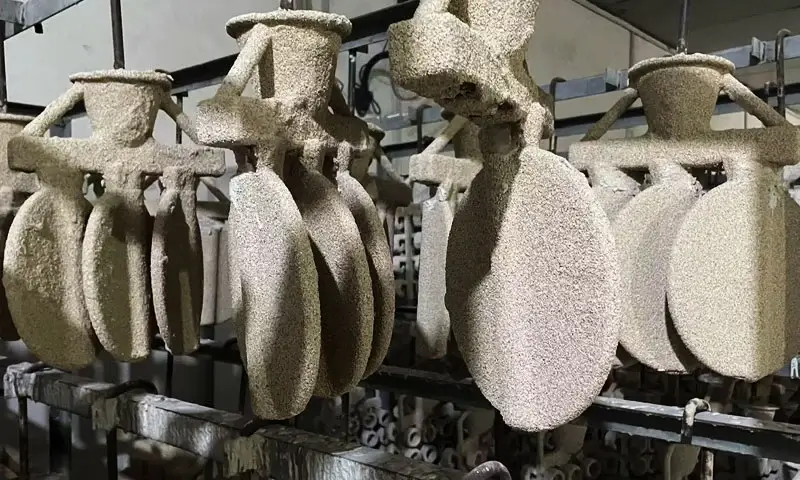
Menggunakan teknologi pemutus lilin yang hilang untuk menghasilkan geometri dalaman yang kompleks dan komponen injap toleransi ketat dengan kemasan permukaan yang luar biasa.
Pemutus pasir & Casting acuan shell
Sesuai untuk badan injap sederhana hingga besar, bebibir, dan bonet-menawarkan penyelesaian kos efektif untuk aplikasi perindustrian yang lasak, termasuk minyak & Penjanaan Gas dan Kuasa.
Pemesinan ketepatan untuk injap sesuai & Integriti meterai
Pemesinan CNC tempat duduk, benang, dan wajah pengedap memastikan setiap bahagian cast memenuhi keperluan prestasi dimensi dan pengedap.
Julat Bahan untuk Aplikasi Kritikal
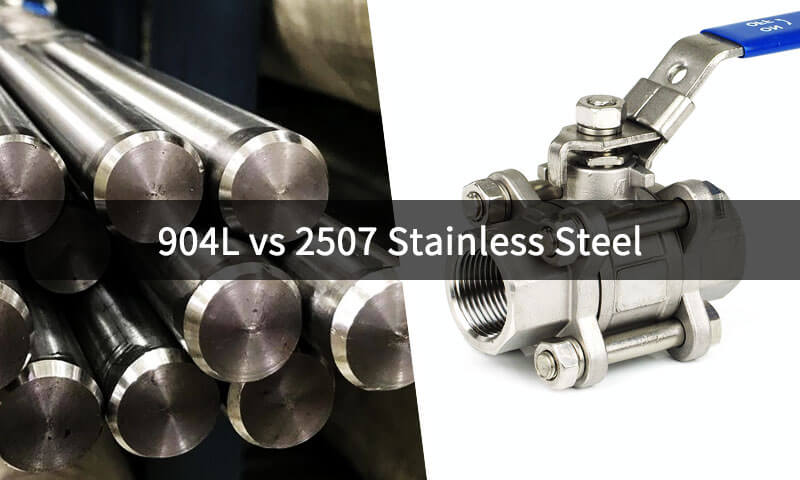
Dari keluli tahan karat (CF8m, CF3m) kepada bahan dupleks dan aloi tinggi, Ini Bekalan Casting Injap yang Dibina Untuk Melakukan Dalam Kakisan, tekanan tinggi, atau persekitaran suhu tinggi.
Sama ada anda memerlukan injap kawalan kejuruteraan adat, injap pintu, periksa injap, atau pengeluaran volum tinggi casting injap perindustrian, Ini Adakah pasangan anda yang dipercayai untuk ketepatan, ketahanan, dan jaminan kualiti.