
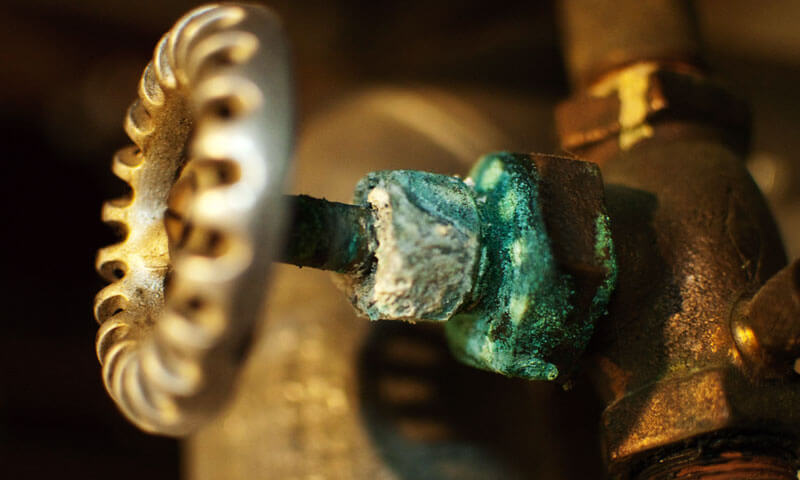
어느 철물점에 들어가든지, 그리고 황동 피팅을 찾을 수 있습니다, 밸브, 장식용 하드웨어.
Ask the salesperson: Does brass rust? 당신이 듣게 될 대답은 '아니요'입니다., brass doesn’t rust. 하지만 그게 엄연히 사실인가요??
대답, 대부분의 재료 과학 문제와 마찬가지로, is both yes and no—depending on how you define rust and what you mean by brass.
이 기사에서는 포괄적인 내용을 제공합니다., multi‑dimensional examination of brass corrosion.
우리는 황동의 야금학을 탐구할 것입니다, 부식의 화학적 성질, 녹과 변색의 구별, the environmental factors that accelerate degradation, and practical strategies for prevention and maintenance.
1. What Is Rust? A Chemical Definition
황동이 녹슬는지에 대한 답변을 드리기 전에, we must define 녹.
The Chemistry of Rust
Rust는 다음의 일반적인 이름입니다. hydrated iron(III) 산화물 (Fe₂O₃·nH₂O). It forms when iron (철) reacts with oxygen (O2) 그리고 물 (h₂o) 전기화학적 과정을 통해:
| 반응 | 방정식 | 설명 |
| Anodic | Fe → Fe²⁺ + 2e e | 철은 양극에서 용해됩니다.. |
| Cathodic | O2 + 2h₂o + 4이자형→ 4OH⁻ | 산소와 물은 전자를 소비합니다.. |
| 전반적인 | 4철 + 3O2 + 6H₂O → 4Fe(오)₃ → 4Fe(오)₃ → 2Fe2O₃·3H2O | Hydrated iron oxide (녹). |
Characteristics of Rust
| 특성 | 설명 |
| 색상 | 적갈색~주황색 갈색 (hydrated); 다른 산화물에서는 검정색 또는 노란색. |
| 구조 | 색다른, 다공성, non‑adherent; 밑에 있는 금속을 보호하지 않습니다.. |
| 용량 | 원래 철 부피의 3-7배로 확장됩니다., 박리 및 구조적 손상을 유발. |
| Required elements | 철 (철), 산소 (O2), 물 (h₂o) (or moisture). |
Critical point: Because brass contains no significant metallic iron, 그것 cannot form rust.
황동 표면에 나타나는 적갈색 또는 녹갈색 변색은 tarnish or patina, 녹슬지 않는다.
2. 황동이란?? Metallurgy and Composition
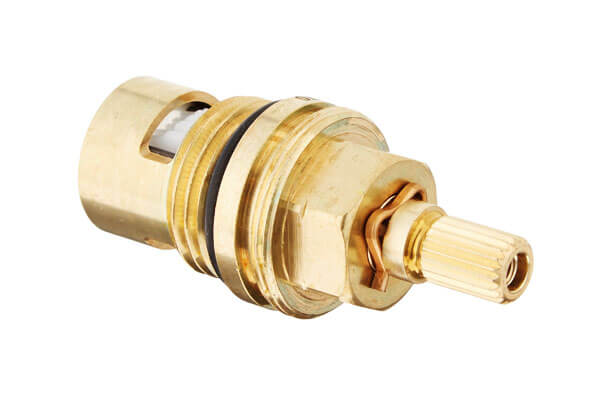
정의 및 구성
놋쇠 is a copper‑zinc (Cu-Zn) 합금. The zinc content ranges from 5% 오버 40%, with additional elements such as lead, 주석, 알류미늄, 규소, or arsenic added for specific properties.
| 유형 | 구리 (%) | 아연 (%) | Other elements | 주요 속성 |
| 알파 황동 | >65 | <35 | – | 두들겨 펼 수 있는, cold‑workable; 예를 들어, 카트리지 황동 (70/30). |
| Alpha‑beta brass | 55‑65 | 35‑45 | – | 더 강력합니다, hot‑workable; 예를 들어, 먼츠메탈 (60/40). |
| Beta brass | <55 | >45 | – | 더 어렵다, 더 취성; 제한된 사용. |
| 납을 첨가한 황동 | 57‑62 | 33‑40 | 1-3% 납 | 우수한 가공성; 예를 들어, C36000 (쾌삭). |
| 주석 황동 | 70‑80 | 15‑25 | 1‑5% Sn | 내식성 향상; 예를 들어, admiralty brass. |
| Arsenical brass | 70‑80 | 15‑25 | 0.02‑0.05% As | 탈아연화 저항. |
The Copper‑Zinc Phase Diagram
Brass is a solid solution of zinc in copper. 아연을 첨가하면 고용체 경화를 통해 합금이 강화되지만 부식 거동도 크게 변경됩니다..
주요 야금 포인트:
- Alpha phase (FCC structure) – ductile, 좋은 내식성.
- Beta phase (BCC structure) – harder, more prone to dezincification.
- 상 균형은 아연 함량과 온도에 따라 달라집니다..
3. How Brass Actually Corrodes
Although brass cannot rust, it remains chemically active and continuously interacts with its surrounding environment.
이러한 상호 작용으로 인해 몇 가지 뚜렷한 부식 메커니즘이 발생합니다., 각각은 서로 다른 전기화학적 원리와 환경 조건에 의해 지배됩니다..
Unlike rusting in steel, brass corrosion generally progresses through a sequence of surface transformations, beginning with mild oxidation and, under more aggressive conditions, developing into localized electrochemical attack.
Initial Surface Tarnishing: The First Stage of Brass Oxidation
황동에서 관찰되는 가장 초기의 가장 일반적인 변화는 다음과 같습니다. tarnishing.
When freshly manufactured brass is exposed to air, 표면의 구리와 아연 원자는 대기 산소와 천천히 반응합니다..
처음에, this reaction forms an extremely thin layer consisting primarily of:
- Copper oxide (Cu₂O and CuO)
- 산화 아연 (ZnO)
This oxide film gradually changes the appearance of brass from its original bright golden color to:
- Light yellow
- 갈색
- Dark brown
- 회색
The rate of tarnishing depends on factors such as:
- 상대습도
- 온도
- 대기 오염
- Sulfur-containing gases
- 지문과 피부 기름
Unlike steel rust, 이 얇은 산화물 층은 조밀합니다, 자기편, and generally protective.
Rather than accelerating degradation, it acts as a barrier that reduces further oxygen diffusion into the underlying alloy.
엔지니어링 관점에서, tarnishing is primarily an aesthetic change and has little impact on the structural performance of brass components.
파티나 형성: Nature’s Protective Coating
실외 환경에 장기간 노출되면, particularly those containing moisture and carbon dioxide, brass undergoes further chemical reactions that lead to the development of a 푸른 녹.
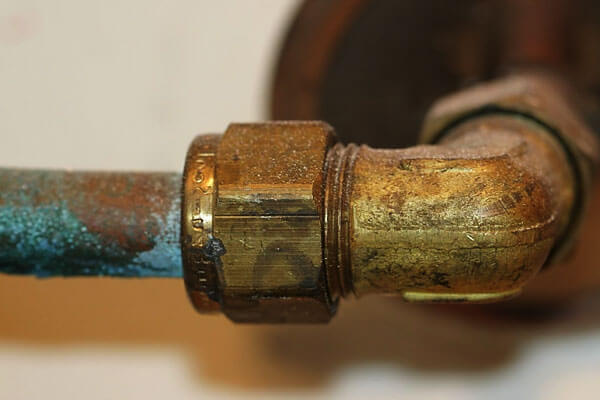
The patina consists mainly of stable corrosion products such as:
- Copper carbonate
- Basic copper carbonate
- Copper hydroxide
- Copper sulfate (in polluted atmospheres)
환경 조건에 따라, 표면은 짙은 갈색부터 역사적인 기념물과 건축학적 특징에서 볼 수 있는 특징적인 녹색 또는 청록색까지 다양한 색상으로 나타날 수 있습니다..
Unlike rust, which is porous and continuously propagates corrosion, a mature patina is dense, 화학적으로 안정하다, and highly protective.
It isolates the underlying alloy from the atmosphere, 후속 부식을 상당히 느리게 합니다..
This natural passivation explains why centuries-old brass sculptures, 장식용 부속품, and heritage architectural elements often retain excellent structural integrity despite prolonged outdoor exposure.
소독: The Most Significant Form of Brass Corrosion
While tarnishing and patina formation are generally benign, 탈아연화 is a destructive corrosion mechanism that can seriously impair the mechanical performance of brass.
Dezincification is a selective leaching process in which zinc, being more electrochemically active than copper, preferentially dissolves from the alloy when exposed to certain electrolytes, particularly chloride-containing water.
As zinc is removed, the remaining material becomes a porous, copper-rich skeleton with greatly reduced strength and pressure-bearing capability.
Typical conditions that promote dezincification include:
- Hot potable water
- 바닷물
- High-chloride solutions
- Stagnant water systems
- 약산성 환경
눈에 보이는 지표는 다음과 같습니다:
- Reddish or pink discoloration
- White deposits composed of zinc corrosion products
- 표면 구멍
- Increased porosity
- 압력을 함유한 부품의 누출
For critical plumbing and marine applications, dezincification-resistant (농촌진흥청) 놋쇠 is specifically engineered with controlled alloying additions to suppress this selective corrosion mechanism and extend service life.
응력 부식 균열: A Hidden Failure Mechanism
또 다른 중요한, 덜 일반적이긴 하지만, 분해 과정은 응력 부식 균열 (SCC).
SCC는 세 가지 조건이 동시에 존재할 때 발생합니다.:
- A susceptible brass alloy
- 지속적인 인장 응력 (either applied or residual)
- A specific corrosive environment, 가장 주목할만한 것은 암모니아 또는 암모늄 화합물을 함유한 것입니다.
Rather than causing uniform material loss, SCC leads to the initiation and propagation of fine cracks, often along grain boundaries.
These cracks can grow with little visible surface corrosion and may ultimately result in sudden, 취성파괴.
Components at particular risk include:
- 밸브 스템
- 압축 피팅
- 패스너
- 스프링스
- Precision machined parts subjected to residual machining stresses
응력 완화 열처리, proper alloy selection, 암모니아가 풍부한 서비스 환경을 피하는 것은 SCC 민감성을 최소화하기 위한 효과적인 전략입니다..
Uniform and Localized Corrosion
공격적인 화학 환경에서, 황동도 경험할 수 있습니다 uniform corrosion, 노출된 전체 표면에 걸쳐 재료가 점진적으로 용해되는 곳, 또는 현지화 된 부식, 공격이 개별 영역에 집중되어 있는 경우.
강산, 강한 알칼리, 특정 산업용 화학물질은 보호 산화막을 용해시킬 수 있습니다., 시간이 지남에 따라 측정 가능한 금속 손실로 이어짐.
Unlike rust, 하지만, 이러한 공정에서는 팽창하는 산화철 스케일이 생성되지 않습니다.. 대신에, 합금이 천천히 얇아지거나 국부적인 구멍이 발생합니다., 전체적인 열화 방식은 철과 강철의 녹이 발생하는 현상과 근본적으로 다릅니다..
따라서, 황동 내구성을 평가하려면 철 재료와 관련된 개념을 적용하기보다는 특정 부식 메커니즘을 이해해야 합니다..
갈바니 부식
When brass is coupled with a more noble metal (예를 들어, 스테인레스 스틸, 구리) in a conductive environment, the brass becomes the anode and corrodes preferentially.
| 커플 | Risk level | 방지책 |
| Brass – stainless steel | 높은 (brass corrodes) | Use insulating washers; avoid direct contact in wet environments. |
| Brass – copper | 낮은 (similar potential) | Usually acceptable. |
| Brass – aluminum | 매우 높습니다 (aluminum corrodes) | Insulation required. |
| Brass – carbon steel | 보통의 (steel corrodes) | Protect steel with coating. |
4. 황동 대. 청동: Corrosion Comparison
Brass and bronze are often confused. Their corrosion behaviour differs due to the primary alloying element (zinc in brass; tin in bronze).
| 재산 | 놋쇠 (Cu-Zn) | 청동 (Cu‑Sn) |
| 1차 합금 원소 | 아연 | 주석 |
| Corrosion mechanism | 소독, general tarnish | Selective tin leaching (희귀한), bronze disease |
| 바닷물 저항 | 가난한 (소독 위험) | 훌륭한 (주석 브론즈, aluminium bronzes) |
| 변색 | 빠른; 녹색/갈색 녹청 | 느리게; 녹색/갈색 녹청 |
| 응력 부식 | 느끼기 쉬운 (암모니아, 수은염) | 일반적으로 저항력이 있음 |
| 바이메탈 부식 | 보통의 (couples with noble metals) | 좋은 (less prone to galvanic attack) |
5. Environmental Factors Affecting Brass Corrosion
Although brass does not rust, 부식 거동은 작동 환경에 따라 크게 달라집니다..
황동에 자연적으로 형성되는 보호 산화막의 안정성은 다음에 의해 크게 영향을 받을 수 있습니다. 습기, 오염물질, 온도, 물화학, ph, 그리고 기계적 스트레스.
Humidity and Moisture
수분은 황동 부식에 영향을 미치는 가장 영향력 있는 요소 중 하나입니다..
Water acts as an electrolyte, 합금 표면과 주변 환경 사이의 전기화학 반응을 가능하게 합니다..
As relative humidity increases, 황동 표면에 얇은 수분막이 점차적으로 발달, 산소 확산 및 이온 수송 촉진.
건조한 공기에서, 산화는 천천히 일어나며 일반적으로 얇은 산화막만 생성합니다., 컴팩트 산화막.
습도가 높아지면서, 산화가 가속화된다, resulting in more pronounced tarnishing and eventual patina formation.
Under continuously wet or submerged conditions, the protective oxide layer may become unstable, increasing the likelihood of localized corrosion.
The influence of humidity on brass corrosion can be summarized as follows:
| 상대습도 / 노출 | Typical Corrosion Behavior | 부식 심각도 |
| 아래에 30% RH | Minimal atmospheric oxidation; surface remains bright for extended periods | 매우 낮음 |
| 30-60% 상대습도 | 점진적인 변색; stable oxide film develops | 낮음~보통 |
| 위에 60% RH | Faster oxidation and discoloration; pollutants may accelerate corrosion | 보통에서 높음 |
| Continuous wetting or immersion | Active electrochemical corrosion; risk of dezincification in stagnant water | 매우 높음 |
Atmospheric Pollutants
Airborne pollutants can dramatically alter the corrosion behavior of brass by interacting with its naturally protective oxide layer.
산업 배출, 해양 에어로졸, and chemical vapors often accelerate surface degradation through specific electrochemical mechanisms.
The most significant atmospheric pollutants affecting brass include sulfur compounds, 클로라이드, 암모니아, and oxidizing gases.
| 오염물질 | Primary Effect on Brass | Corrosion Mechanism |
| Sulfur dioxide (그래서) | 변색 및 어두운 변색이 가속화됨 | 황화구리의 형성 (Cu₂S) |
| 염화물 이온 (소금 스프레이) | 피팅 및 탈아연화 | 수동 산화막의 분해 |
| 암모니아 (NH₃) | 응력 부식 균열 | 인장 응력 하에서 입자 경계 공격 |
| 오존 (O₃) | Accelerated oxidation | 산화물 형성 속도 증가 |
Sulfur Dioxide (그래서)
Sulfur dioxide, commonly found in industrial and urban atmospheres, reacts readily with copper on the brass surface to form copper sulfides.
These compounds produce the characteristic dark brown or black tarnish often observed on brass exposed to polluted air.
이 변색은 일반적으로 피상적이지만, prolonged exposure can accelerate overall oxidation rates and reduce the aesthetic appearance of decorative components.
염화물 함유 환경
Chloride ions are among the most aggressive species affecting brass.
해안 지역, 해양 플랫폼, 담수화 플랜트, and marine equipment are continuously exposed to salt-laden air.
Chlorides destabilize the passive oxide layer and promote:
- 현지화 된 구덩이
- 틈새 부식
- 소독
- Galvanic corrosion when dissimilar metals are present
이러한 애플리케이션의 경우, 해군 황동, 실리콘 황동, or dezincification-resistant (농촌진흥청) brass is typically recommended.
Ammonia Exposure
Although ammonia has little effect on unstressed brass, it becomes highly destructive when combined with residual or applied tensile stress.
이러한 조건에서, ammonia can penetrate grain boundaries and initiate 응력 부식 균열 (SCC).
This phenomenon is particularly dangerous because:
- Cracks may develop without significant material loss.
- Failure can occur suddenly with little external warning.
- Mechanical strength deteriorates long before visible corrosion appears.
밸브 스템과 같은 구성 요소, compression fittings, 스프링, and fasteners require careful alloy selection and stress-relief treatment when ammonia exposure is anticipated.
Ozone and Strong Oxidizing Atmospheres
Ozone is a highly reactive oxidizing agent that increases the rate of oxide film formation on brass surfaces.
While the resulting oxide layer may remain protective under mild conditions, prolonged exposure to high ozone concentrations can accelerate discoloration and surface aging.
온도
Temperature directly affects corrosion kinetics by increasing atomic diffusion, chemical reaction rates, 전기화학적 활동.
일반적으로, every increase in temperature accelerates oxidation and corrosion, although the specific mechanism depends on the alloy and service environment.
| 온도 범위 | Typical Corrosion Behavior |
| –10°C to 40°C | Slow oxidation; protective patina develops gradually |
| 40°C to 80°C | Corrosion reactions accelerate; oxidation may occur two to five times faster than at ambient temperature |
| 80°C 이상 | Increased risk of dezincification, 산화물 농축, 및 온수 부식 |
| Below –100°C | 매우 낮은 부식률; brass retains excellent toughness and ductility |
pH of Aqueous Solutions
pH는 보호 산화막의 안정성과 구리 및 아연의 전기화학적 용해에 모두 영향을 미치기 때문에 수성 환경의 산도 또는 알칼리도는 황동 부식에 큰 영향을 미칩니다..
| pH Range | 부식 심각도 | Dominant Mechanism |
| 아래에 4 (Strongly Acidic) | 높은 | 구리와 아연의 신속한 용해 |
| pH 4–8 (중성~약산성) | 보통의 | 보호 산화물 형성으로 인한 변색 |
| pH 8–12 (Mildly Alkaline) | 낮은 | Stable oxide and hydroxide films provide protection |
| 위에 12 (Strongly Alkaline) | 보통의 | 알칼리성 착화 환경에서의 구리 용해 |
6. Corrosion Products on Brass: What Appears on the Surface?
황동 표면에 나타나는 변색은 녹이 슬지 않습니다.; 구리와 아연 화합물의 혼합물이다..
| 색상 | Primary compound | 형성조건 |
| Bright yellow‑gold | 깨끗한 Cu-Zn 합금 표면 | 갓 가공되거나 광택 처리됨. |
| Reddish‑brown | Cuprous oxide (Cu2O) | Initial oxidation in air. |
| 갈색 / 진한 갈색 | Cupric oxide (CuO) + 산화 아연 (ZnO) | 공기와 습기에 장기간 노출. |
| 회색 / 검은색 | Copper sulfide (Cu₂S) + zinc sulfide | 산업적 분위기 (그래서, h₂s). |
| 녹색 / blue‑green | Basic copper carbonate (Cu₂CO₃(오)2) | 장기간 대기 노출 (푸른 녹). |
| Blue‑green | Copper chloride (CuCl₂) | 선박 / chloride environments. |
| 하얀색 / 가루 같은 | 산화 아연 (ZnO) or zinc carbonate | 우선적인 아연 부식 (탈아연화). |
| 분홍색 / 빨간색 | Copper‑rich residue | 소독 (zinc leached out, copper remains). |
7. Preventing Corrosion in Brass
합금 선택
| 합금 | 내식성 | Suitable environments |
| C87610 / C87850 (실리콘 황동) | 훌륭한 (탈아연 저항성) | 식수, 선박, 화학적인. |
| C87400 / C87500 (실리콘 황동) | 매우 좋은 | 일반산업. |
| C68700 (비소 해군 황동) | 좋은 (water‑resistant) | 응축기, 열교환기. |
| C46400 (해군 황동) | 보통의 (소독 위험) | Freshwater, 선박 (with protection). |
| C36000 (leaded brass) | 가난한 (low corrosion resistance) | Dry indoor, machined parts only. |
표면 처리
| 치료 | 목적 | 방법 |
| 칠일 | Prevents tarnishing | Clear acrylic or polyurethane coating. |
| 패시베이션 | 보호 산화물 층을 형성합니다 | Nitric acid dip (10‑25%, 40‑60°C). |
| 크로메이트 변환 | 내식성 강화 | Chromic acid treatment (노란색 또는 투명). |
| 아노다이징 | Thick oxide layer for wear/corrosion | Anodic oxidation (황동에 제한적으로 사용). |
| 전기도금 | Decorative/protective layer | 니켈, 크롬, 또는 금도금. |
Coatings and Inhibitors
| 코팅 / 억제제 | 애플리케이션 | 유효성 |
| 투명 래커 | 장식 하드웨어 | 좋은 (2-5년). |
| 벤조트리아졸 (BTA) | Corrosion inhibitor for copper alloys | 훌륭한; 보호막을 형성하다. |
| 수성 실러 | Architectural brass | 보통의; 재신청이 필요합니다. |
| 기름 / 밀랍 | 도구 표면 | 일시적인; 재신청 필요. |
8. 황동 청소 및 유지 관리
Although brass is highly resistant to rust and offers excellent long-term durability, its appearance and corrosion resistance can be significantly influenced by proper maintenance.
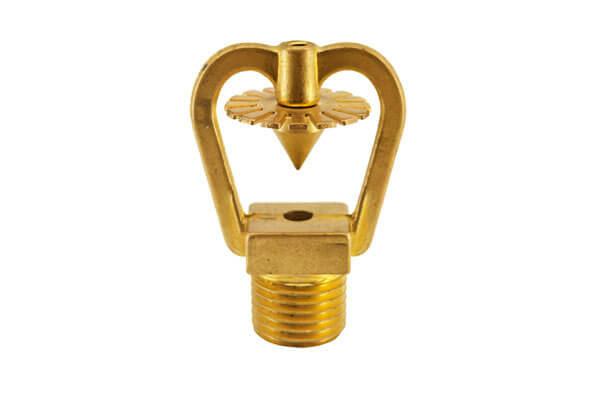
일상적인 유지 관리를 위한 정기 청소
정기적인 cleaning of brass components is the simplest and most effective way to extend the service life.
먼지 제거, 유지, 지문, 염류, 산업 오염 물질은 오염 물질이 산화를 가속화하거나 국부적인 부식을 시작하는 것을 방지하는 데 도움이 됩니다..
대부분의 가정용 및 산업용 애플리케이션용, 부드러운 천에 따뜻한 물과 순한 비눗물을 섞으면 보호 산화막을 손상시키지 않고 표면의 먼지를 제거하기에 충분합니다..
청소 후, 표면은 항상 깨끗한 물로 철저히 헹구고 완전히 건조시켜 잔여 수분이 부식을 촉진하는 것을 방지해야 합니다..
정기적인 청소는 특히 다음과 같은 사람들에게 유익합니다.:
- 장식 하드웨어
- 도어 핸들
- Plumbing fixtures
- 악기
- 정밀 기계 부품
- Electrical hardware
Unlike aggressive polishing, 부드러운 세척으로 매력적인 외관을 유지하면서 천연 산화물 층의 무결성을 보존합니다..
Removing Tarnish
As brass ages, 산화되면 밝은 황금색이 점차 갈색으로 변합니다., dark bronze, or black.
이 변색은 일반적으로 표면에만 국한되며 구조적 악화를 나타내지 않습니다..
여러 가지 청소 방법으로 변색을 효과적으로 제거할 수 있습니다..
Mild Organic Cleaning Solutions
천연산성세제, 소금과 식초를 섞은 것, 베이킹 소다를 섞은 레몬즙 등, are widely used for removing moderate tarnish.
약산은 표면 산화를 용해시키고 부드러운 연마 작용은 원래의 금속 마감을 복원하는 데 도움이 됩니다..
하지만, because these solutions are acidic, 장기간 동안 황동 표면에 남아 있어서는 안 됩니다..
치료 후, 부품을 깨끗한 물로 철저히 헹구고 즉시 건조하여 남아 있는 산성 잔류물을 제거해야 합니다..
These methods are generally suitable for:
- Decorative brass ornaments
- 가정용 비품
- 주방 하드웨어
- Lightly tarnished accessories
상업용 황동 광택제
For heavily tarnished brass, 상업용 연마재는 더욱 빠르고 일관된 결과를 제공합니다..
이러한 제품에는 일반적으로 산화를 제거하고 특유의 황금빛 광택을 복원하는 미세한 연마 입자와 화학적 세척제가 포함되어 있습니다..
연마하면 외관이 크게 향상됩니다., it also removes part of the naturally developed oxide layer and, 어떤 경우에는, the protective patina.
Excessive or frequent polishing may gradually reduce surface protection and alter the appearance of antique or historical brass objects.
그러므로, commercial polishing should be used selectively rather than as routine maintenance.
Cleaning Agents to Avoid
Not all cleaning chemicals are suitable for brass.
가장 중요한 예방 조치 중 하나는 암모니아 기반 세척제를 피하십시오, particularly for stressed or load-bearing brass components.
암모니아는 다음과 같은 효과가 있는 것으로 잘 알려져 있습니다. 응력 부식 균열 (SCC) 민감한 황동 합금.
상대적으로 낮은 농도라도 잔류 또는 인장 응력과 결합되면 결정립 경계를 관통하여 미세한 균열이 발생할 수 있습니다..
이러한 이유로, ammonia-containing cleaning products should never be used on:
- 밸브 구성 요소
- 압축 피팅
- 스프링스
- 패스너
- 카트리지 케이스
- 정밀 기계 부품
비슷하게, 고농축산, 강한 알칼리, abrasive steel wool, and aggressive grinding tools should be avoided unless specifically recommended for industrial restoration.
보호 표면 처리
세척만으로는 향후 산화를 방지할 수 없습니다..
표면을 깨끗하게 청소한 후, many brass components benefit from additional protective treatments that isolate the metal from moisture and atmospheric pollutants.
일반적인 보호 방법은 다음과 같습니다.:
Wax Coatings
미정질 왁스 또는 고품질 페이스트 왁스는 황동 표면 위에 얇은 소수성 장벽을 형성합니다..
왁스 코팅은 여러 가지 장점을 제공합니다.:
- Reduce oxygen exposure
- Repel moisture
- Slow tarnishing
- 표면 모양 유지
- 천연 금속광택 유지
Wax protection is widely used for decorative architectural brass and museum artifacts.
Protective Oils
Light mineral oils are frequently applied to industrial brass components during storage or transportation.
오일 필름은 다음으로부터 보호합니다.:
- 습기
- Fingerprints
- 일시적 대기 산화
오일 코팅은 주기적인 갱신이 필요하지만, they provide an inexpensive solution for short-term corrosion protection.
Lacquer Coatings
Clear lacquer forms a transparent protective barrier that prevents direct contact between the brass surface and the surrounding environment.
래커 코팅은 일반적으로 다음과 같이 적용됩니다.:
- 도어 하드웨어
- 조명 비품
- Decorative trim
- 악기
When properly maintained, lacquer significantly reduces the need for polishing by preventing oxidation from occurring in the first place.
Electroplated Coatings
까다로운 산업용 애플리케이션용, brass may be electroplated with metals such as nickel or chromium.
Electroplating provides:
- 내식성 향상
- Higher wear resistance
- 향상된 장식적 외관
- 화학적 안정성 증가
전기 커넥터는 종종 주석으로 도금됩니다., 은, or gold to maintain low contact resistance while protecting the underlying brass substrate.
천연 녹청 보존
Not all brass should be polished to a bright finish.
For many architectural, 역사적인, 예술적 응용, the naturally developed patina is considered both aesthetically valuable and functionally beneficial.
역사적인 건물과 기념물에서 볼 수 있는 녹색 또는 어두운 청동 표면은 악화의 징후가 아니라 추가 부식을 지연시키는 안정적인 보호 층입니다..
따라서, conservation specialists generally preserve rather than remove mature patina.
For architectural brass exposed to outdoor environments, 유지 관리는 종종 정기적인 청소와 보호 왁스 도포로 구성됩니다., 녹청이 자연스럽게 계속 발달하도록 허용.
9. 황동 부식이 중요한 응용 분야
| 산업 | Typical brass components | Corrosion concerns | 완화 |
| 연관 | 밸브, 피팅, 수도꼭지 | 소독; lead leaching | Use DR brass (C87610, C87850). |
| 선박 | 프로펠러 샤프트, seawater pumps | 소독, 구멍 뚫기 | Use naval brass (C46400) or silicon brass. |
| 전기 같은 | 터미널, 커넥터, 개폐 장치 | 변색 (접촉저항 증가) | Silver or tin plating. |
| 자동차 | 라디에이터, heater cores, 커넥터 | Corrosion from coolants, 염류 | Use arsenical brass; 적절한 냉각수 관리. |
| 건축 | Handrails, door hardware, 지붕 이기 | Atmospheric tarnishing, 푸른 녹 | 래커를 칠하거나 천연 녹청을 허용합니다.. |
| 악기 | 트럼펫, 트롬본, 색소폰 | 변색 (미적인) | 정기적인 청소; lacquer coating. |
| 탄약 | 카트리지 케이스 (C26000) | Season cracking (암모니아) | 스트레스 해소; controlled storage. |
| Consumer hardware | 자물쇠, 경첩, 열쇠 | 변색 (화장품) | 래커; regular polishing. |
10. A Summary Comparison: Brass vs Rust
| 표준 | Rust on iron/steel | Corrosion on brass |
| Chemical definition | Hydrated iron oxide (Fe₂O₃·nH₂O) | Copper and zinc oxides, carbonates, 클로라이드, 황화물. |
| Required element | 철 (철) | 구리 (구리) 그리고 아연 (아연). |
| 색상 | Red‑brown, orange‑brown | 갈색, 검은색, 녹색, blue‑green, red‑pink (탈아연화). |
| 구조 | 색다른, 다공성, non‑adherent | Often adherent (푸른 녹); may be powdery (탈아연화). |
| Volume expansion | 3‑7× (causes spalling) | 최소 내지 보통 (patina is protective). |
| Protective effect | 없음 (녹은 부식을 가속화한다) | 예 (patina slows further corrosion). |
| 방지 | 페인트, 아연 도금하다, 기름, 합금 | DR 합금 선택; 래커; 분리하십시오. |
| 수리하다 | 긁기/제거; 다시 칠하다 | 광택; 활성 부식 제거; 재밀봉하다. |
11. 결론
그래서, 황동이 녹슬나요?? 과학적인 대답은 분명하다: 아니요. 녹은 철과 강철 특유의 부식산물이기 때문에 황동은 녹슬지 않습니다., 황동은 철을 거의 포함하지 않는 구리-아연 합금입니다..
그럼에도 불구하고, brass is not immune to environmental degradation.
서비스 수명 전반에 걸쳐, 산화를 포함한 다양한 부식 과정을 겪습니다., tarnishing, 녹청 형성, 탈아연화, 그리고, under specific conditions, 응력 부식 균열.
이러한 메커니즘은 화학 및 공학적 중요성 모두에서 철 재료의 부식과 근본적으로 다릅니다..
궁극적으로, understanding the distinction between 녹 그리고 황동 부식 엔지니어에게 꼭 필요한, 디자이너, 제조업체, 최종 사용자도 마찬가지.
적절한 합금을 선택하여, 운영 환경을 고려하여, and applying sound maintenance practices,
brass components can deliver outstanding reliability, 우수한 내식성, and an exceptionally long service life in a wide range of industrial and commercial applications.
자주 묻는 질문
Does brass rust in water?
아니요, brass does not 녹 (form iron oxide). 하지만, brass does corrode in water, particularly stagnant or acidic water, where dezincification can occur.
Use dezincification‑resistant brasses for water applications.
내 황동이 녹색으로 변하는 이유는 무엇입니까??
녹색은 보호 녹청입니다. basic copper carbonate (Cu₂CO₃(오)2) .
It forms when brass is exposed to moisture and carbon dioxide over a long period. It is not harmful—it actually protects the metal.
황동은 바닷물에 녹슬나요??
Brass does not rust, but it does corrode in saltwater.
High‑zinc brasses are susceptible to dezincification and pitting in chloride environments. Silicon brasses and bronzes are preferred for marine applications.
Can brass rust like iron?
아니요. Rust is specific to iron and its alloys (강철, 주철). 황동에는 철이 포함되어 있지 않습니다. (except as a trace impurity), so it cannot form rust.
황동에서 녹색 부식을 제거하는 방법?
For mild green patina, 상업용 황동 광택제나 레몬즙과 소금을 섞은 것을 사용하세요.
For heavy or pitted corrosion, professional cleaning and stabilisation (with BTA) may be required.
Does brass turn black?
예. 황 화합물이 포함된 산업 환경에서, brass forms a grey‑black copper sulfide film. This is a form of tarnish, 녹슬지 않는다.

