1. INNGANGUR
Control valve is a critical element in process control loops, used to regulate the flow of fluids by varying the size of the flow passage.
These valves act as final control elements, translating control signals into precise mechanical movement to manipulate process variables such as flow, þrýstingur, hitastig, and level.
Sögulega, control valves have evolved from manually operated devices to fully automated systems integrated with sensors, digital controllers, and predictive analytics.
Their importance is underscored by their pervasive presence in industries that demand high reliability and process accuracy, svo sem olía & bensín, Efni, orkuvinnsla, Lyfjafyrirtæki, Pulp & pappír, og vatnsmeðferð.
2. What Is a Control Valve?
A. stjórna loki is a precision device used to regulate the flow, þrýstingur, hitastig, or level of fluids (vökva, lofttegundir, gufu, or slurries) in a process system by varying the size of the flow passage.
It receives a signal from a process controller and translates that signal into a mechanical motion that adjusts the valve opening, thereby modifying the flow rate or system pressure to maintain the desired process conditions.
Sem final control element in an automated process loop, the control valve plays a critical role in ensuring stable operation, vörugæði, orkunýtingu, and operational safety across various industrial sectors.

Core Working Principle
The basic working principle of a control valve involves modulating the flow area through which the fluid passes.
When a controller detects a deviation from the target setpoint (T.d., pressure too high), it sends a control signal (usually 4–20 mA or digital fieldbus protocols) to the valve actuator.
The actuator moves the valve plug, disk, bolti, or butterfly element to adjust the flow path. This continues until the measured process variable returns to the setpoint.
This feedback control loop comprises:
- Sensor: Measures the process variable (T.d., þrýstingur).
- Stjórnandi: Compares the actual value to the desired value.
- Actuator/Valve: Modifies the fluid flow to correct the deviation.
3. Core Components and Construction of Control Valve
Control valves are precision-engineered devices composed of several critical components.
Each plays a distinct role in modulating fluid flow, ensuring process accuracy, and maintaining system reliability under varying operating conditions.
Valve Body Styles
The valve body is the pressure-retaining enclosure that houses the internal trim and defines the flow path.
The body style directly influences flow capacity, control accuracy, og viðhaldsaðgengi.
Hnattlokar
Globe lokar are the most widely used in control applications due to their superior throttling characteristics.

The internal baffle and linear stem motion provide precise flow regulation across a wide range of pressures and temperatures.
They are ideal for steam, high-pressure gases, and chemical processes where tight control is critical.
Kúluventlar
Featuring a spherical closure element with a through-hole, kúluventlar allow straight-through flow with minimal resistance when fully open.

Though traditionally designed for on/off service, modern V-port or segmented ball designs offer good modulating capabilities.
They are commonly used in oil & bensín, Efni, and utility systems requiring a tight shutoff.
Fiðrildalokar
These valves use a rotating disc mounted on a central shaft to regulate flow. Known for their lightweight construction and cost-effectiveness, they are preferred in large-diameter, low-to-medium pressure systems like HVAC, Vatnsmeðferð, and power plant cooling loops.

Diaphragm Valves
Utilizing a flexible diaphragm to isolate the flow stream from the actuator, these valves are excellent for sanitary, ætandi, or abrasive applications.
Their leak-proof design is often favored in pharmaceutical, Matvinnsla, and ultra-pure water systems.

Plug Valves
With a cylindrical or tapered plug rotating inside the body, plug valves offer high flow capacity and robust sealing.
Suitable for slurry, seigfljótandi vökvi, and corrosive chemicals, they are often used in pulp & pappír, Námuvinnsla, and specialty chemical processes.

Trim Designs
The loki snyrta includes the internal elements that modulate flow: the plug, Sæti, búr, and stem. The trim determines how fluid flow responds to valve movement.
- Linear Trim
Provides a constant gain where equal increments of valve travel produce equal changes in flow. Used in systems requiring uniform response, such as level control. - Equal-Percentage Trim
Flow changes proportionally to the logarithm of valve stroke. Offers finer control at low openings and is suitable for pressure and temperature loops with nonlinear system dynamics. - Quick-Opening Trim
Provides maximum flow at minimal valve opening. Typically used for fast-fill, blástur, or safety relief operations where rapid flow change is required.
Sealing Mechanisms and Materials
Effective sealing ensures control valve integrity under various thermal, þrýstingur, og efnafræðilegar aðstæður.
- Innsigli úr málmi í málm
Designed for high-temperature and high-pressure applications such as steam and hydrocarbon services.
While durable, they may allow minimal leakage (flokkur IV eða V), fer eftir umsókninni. - Teygjanleg innsigli
Made from flexible materials like EPDM, Faston, or NBR, they provide tight shutoff (Flokkur VI) at low-to-moderate temperatures.
Ideal for water, lofti, and light chemicals. Chemical compatibility must be carefully considered. - PTFE (Teflon) Innsigli
Widely used for corrosive and high-purity services due to their excellent chemical resistance and low coefficient of friction.
PTFE seats maintain integrity at moderate temperatures and pressures.
The choice of seal type and material must consider temperature, media properties, required leakage class, og reglugerðarkröfur (T.d., FDA or API compliance).
Actuator Types
The actuator is responsible for converting control signals into mechanical movement, positioning the valve in response to process requirements.
Pneumatic stýringar
Operated using compressed air, these actuators are known for fast response, einfaldleika, and inherent safety in hazardous areas.
Available in spring-return (fail-safe) and double-acting configurations for modulating and on/off service.
Rafstýringar
Driven by electric motors, they provide precise positioning, programmability, and compatibility with digital control systems.
Ideal for applications where air supply is unavailable or where high precision and low operating cost are desired.
Vökvakerfisstýringar
Use pressurized hydraulic fluid to generate high torque or thrust. Best suited for large valves or high-force applications such as pipeline control, neðansjávar, or high-pressure steam systems.
Electro-Hydraulic Actuators
Combine the control precision of electric systems with the power density of hydraulics.
They offer remote control capability, smooth actuation, and are ideal for demanding industrial environments such as offshore platforms and power generation.
Actuator selection must account for valve size, required torque or thrust, control accuracy, fail-safe requirements, og umhverfisþættir (T.d., explosion-proof certification).
4. Material Selection of Control Valve
Frammistaðan, langlífi, and reliability of a control valve are highly dependent on proper material selection.
Different process media, hitastig, þrýstingi, and environmental conditions demand specific materials for valve bodies, snyrtingar, innsigli, and coatings.

Inappropriate material choice can lead to rapid corrosion, rof, leka, eða skelfilegar bilanir.
Common Valve Body Materials
| Efni | Lykileiginleikar | Dæmigert forrit |
| Steypujárn | Lágmarkskostnaður, Góð vélvirkni, limited pressure/temperature rating | HVAC, vatnskerfi, non-corrosive services |
| Kolefnisstál (WCB) | Meiri styrkur, miðlungs tæringarþol | Olía & bensín, gufu, general industrial |
| Ryðfríu stáli (304, 316) | Framúrskarandi tæringarþol, good temperature tolerance | Efni, Matur, Marine, Lyfjafyrirtæki |
| Tvíhliða ryðfríu stáli (2205) | Mikill styrkur, chloride stress cracking resistance | Undan ströndum, Sjó, árásargjarn efni |
| Nikkel málmblöndur (Monel, Inconel) | Superior corrosion and high-temp resistance | Acidic fluids, kjarnorku, Marine |
| Brons / Eir | Góð tæringarþol, hagkvæm | Drykkjarvatn, marine service, light-duty |
| Hastelloy (C-276, C-22) | Outstanding resistance to oxidizing/reducing agents | Sulfuric acid, chlorine, skólp |
Material selection is guided by process fluid chemistry, operating pressure/temperature, and compliance with industry standards (T.d., NACE MR0175 for sour gas).
Snyrtiefni (Internal Wetted Components)
Trim components—such as the plug, Sæti, stilkur, and cage—are in constant contact with the process media and are subject to wear, tæring, and erosion.
Typical Trim Materials:
- Ryðfríu stáli (316, 17-4PH): Almennur tilgangur, good corrosion resistance and strength.
- Monel: Highly resistant to seawater and hydrofluoric acid.
- Hardened Alloys (T.d., 440C.): Mikil hörku, used for abrasive or erosive flows.
- Carbide Coatings (Wolfram, Chromium Carbide): Frábær rofþol.
- Keramik innlegg: For extremely abrasive or high-velocity applications.
Coatings and Surface Treatments
When base materials cannot fully withstand the operating environment, coatings and surface treatments can enhance corrosion, rof, og efnaþol.
| Tegund húðunar | Gagn | Umsókn |
| StelliTe (Cobalt-Chromium Alloy) | Mikil hörku, klæðast viðnám | Trim surfaces for severe services |
| PTFE (Teflon) | Ekki stafur, efnaleysi, Lítill núningur | Innsigli, soft seats in corrosive applications |
| Epoxý / Phenolic Liners | Corrosion and abrasion protection | Afrennsli, slurry, sjóventla |
| Nitriding / Kolvetni | Surface hardening | Improves wear resistance on steel trims |
| Raflaust nikkelhúðun | Tæringarvörn, sérstaklega í súru umhverfi | Petrochemical and food-grade applications |
Elastomer and Soft Seat Materials
Soft-seated control valves often use elastomeric or polymer-based seals for bubble-tight shutoff. The material must be compatible with process chemistry and temperature.
| Seal Material | Eignir | Hitastigssvið (° C.) | Dæmigert notkun |
| PTFE | Efnafræðilega óvirk, wide compatibility, Lítill núningur | –200 to +200 | Acidic or basic fluids, clean services |
| Faston | Good chemical resistance, hár hiti | –20 to +200 | Olía, eldsneyti, organic solvents |
| EPDM | Excellent for water and steam | –40 til +150 | Vatnsmeðferð, HVAC |
| Nbr (Hæ-N) | Good oil resistance, poor with ozone and sunlight | –30 to +120 | Petroleum-based fluids |
| Kalrez | Premium perfluoroelastomer, extreme chemical resistance | –20 to +315 | Árásargjarn efni, Lyfjafyrirtæki |
High-Temperature and Cryogenic Considerations
Háhita forrit (> 400° C.):
- Use materials like Inconel, Ál 625, or Cr-Mo steel.
- Metal-to-metal sealing is preferred over elastomeric.
- Consider thermal expansion and oxidation resistance.
Cryogenic forrit (< –100°C):
- Austenitic ryðfríu stáli (T.d., 304L, 316L) maintain ductility at low temperatures.
- Extended bonnets are required to insulate the stem/actuator from extreme cold.
- PTFE or modified PTFE seats are commonly used due to flexibility and sealability.
5. Design and Selection Criteria
Selecting the appropriate control valve for a given application involves a multi-faceted engineering evaluation.
Key parameters include process fluid characteristics, performance expectations, umhverfisaðstæður, and compliance with industry standards.
A well-matched valve ensures accurate control, Öryggi, og langtímaáreiðanleika.
Process Conditions: Þrýstingur, Hitastig, and Phase
The control valve must be designed to withstand the maximum operating pressure and temperature of the system.
Pressure ratings are typically selected according to ASME or API standards, and materials are chosen to resist thermal and mechanical stress.
- Háþrýstiforrit (T.d., gufulínur, gas injection) require forged bodies, robust trims, and proper seat designs to ensure safety and durability.
- Temperature extremes demand compatible materials—such as stainless steel, Inconel, or Hastelloy for high-temperature, and PTFE or cryogenic-grade steel for low-temperature service.
The phase of the process media (vökvi, bensín, gufu, or multiphase) significantly impacts valve selection:
- Steam service requires valves with excellent thermal resistance and minimal leakage under expansion.
- Gas service demands attention to compressibility effects, flow velocity, and noise.
- Vökvi may necessitate anti-cavitation trims and erosion-resistant materials when flashing is present.
Control Requirements: Nákvæmni, Stöðugleiki, and Response Time
Control performance is driven by how effectively a valve can modulate flow under dynamic conditions.
- Nákvæmni: For high-precision processes—such as those in pharmaceuticals or semiconductor manufacturing—valves must have high repeatability and minimal hysteresis.
Digital positioners and finely machined trims are essential. - Stöðugleiki: In closed-loop systems, valve flow characteristics (Línulegt, jafnt hlutfall) should match the process gain to avoid oscillations or overshoot.
- Svartími: Fast-response actuators are critical in rapid control applications (T.d., turbine bypass, surge control).
Pneumatic or electro-hydraulic actuators with low dead time are often preferred.
Environmental and Regulatory Compliance
Control valves must meet specific industry codes and standards to ensure safe, duglegur, and legal operation in their respective environments.
- API Standards (T.d., API 6D, 598): Specify design, skoðun, and testing for valves used in oil, bensín, and petrochemical sectors.
- ISA Standards (T.d., ISA-75 series): Cover control valve sizing, terminology, próf, and noise evaluation.
- IEC Standards (T.d., IEC 60534, IEC 61508/61511): Apply to electronic control systems, viðmót stýrisbúnaðar, and safety integrity levels (SIL) in Safety Instrumented Systems (SIS).
- ATEX/IECEx: Required for valves installed in hazardous or explosive environments.
Environmental factors—such as corrosive atmospheres, váhrif sjávar, high humidity, and ambient temperature extremes—also influence material choice, actuator enclosure rating (T.d., IP66, NEMA 4X), and sealing mechanisms.
6. Uppsetning, Gangsetning & Maintenance of Control Valve
Proper installation, commissioning, and ongoing maintenance are essential to ensure that control valves perform reliably and accurately throughout their service life.
Bestu starfshættir fyrir uppsetningu
Piping Orientation and Support
- Correct flow direction must be ensured as per valve markings, especially for globe, diaphragm, and angle valves.
- Install valves in positions that allow full access for actuator maintenance and manual override, avoiding upside-down orientations unless specifically rated.
- Proper pipeline alignment skiptir sköpum. Excessive strain or misalignment can distort the valve body or introduce seat leakage.
- Vibration and dynamic forces should be minimized using pipe supports or dampeners. In high-cycle or critical systems, consider installing flexible joints or expansion loops.
Cleanliness and Flushing
- Prior to installation, flush the pipeline to remove debris, welding slag, or rust that could damage the trim or obstruct movement.
- Install strainers or filters upstream in clean service applications like pharmaceuticals or food processing.
Commissioning and Loop Verification
Calibration and Bench Setup
- Actuator stroke and feedback signals must be calibrated against the control signal (typically 4–20 mA or digital protocols like HART or Foundation Fieldbus).
- Check for full travel, seat tightness, and correct trim response under simulated conditions.
Positioner Configuration and Testing
- For digital positioners, configure setpoints, fail-safe behavior, and feedback scaling.
- Run loop tests using control system simulators or handheld communicators to verify signal integrity and response accuracy.
Tightness and Leak Testing
- Perform hydrostatic testing eða pneumatic leak testing in accordance with API 598 eða ISO 5208.
- Inspect sealing surfaces, flange connections, and packing glands for signs of leakage.
Preventive Maintenance Practices
Routine Inspection and Lubrication
- Periodically inspect for wear in seals, stilkur, þéttingar, and diaphragms.
- Apply appropriate lubricants to stem threads or mechanical linkages (as per OEM guidance) to prevent sticking or galling.
Packing and Seal Replacement
- Check stem packing for wear or extrusion. Re-tighten or replace when leakage occurs beyond tolerance.
- Nota live-loaded packing systems for high-cycle or fugitive emission-sensitive environments (T.d., VOC containment in refineries).
Actuator and Positioner Maintenance
- Pneumatic actuators: inspect air lines for moisture, oil contamination, or pressure drops.
- Electric actuators: check motor operation, Rafmagns tengiliði, and gearbox condition.
- Smart positioners: utilize built-in diagnostics to monitor friction, móðursýki, and actuator health.
Spare Parts and Lifecycle Strategy
- Maintain an inventory of critical spare parts: sæti, innsigli, stöngulpakkning, diaphragm kits, þéttingar, and actuator components.
- Fyrir mikilvæg forrit (T.d., emergency shutdown valves), implement a redundancy and spares strategy based on Mean Time Between Failures (MTBF).
- Adopt Condition-Based Maintenance (CBM) eða Predictive Maintenance (PdM) practices using IIoT sensors and digital valve diagnostics.
Common Installation Mistakes to Avoid
| Mistök | Consequence |
| Improper actuator mounting | Reduced control accuracy or actuator failure |
| Lack of pipe support | Valve misalignment, vibration damage |
| Incorrect signal wiring | Loss of control or feedback errors |
| Skipping flushing step | Trim damage due to debris |
| Over-tightening flange bolts | Body warping, sætisleki |
7. Industry‑Specific Applications of Control Valves
Control valves play a pivotal role in virtually every process industry where the precise regulation of flow, þrýstingur, hitastig, or level is critical to system performance.

Olía & Gasiðnaður
- Wellhead Choke Valves: Control high-pressure gas and multiphase flow from reservoirs.
- Pipeline Control: Maintain steady pressure and flow rates across long distances.
- Separator Control: Regulate flow between production separators to optimize phase separation.
- Emergency Shutdown Valves (ESDVs): Integrated into safety systems to isolate hazardous sections.
Orkuvinnsla
- Steam Turbine Bypass Valves: Regulate steam flow during load fluctuations or startup.
- Feedwater Control Valves: Accurately maintain water level in boiler drums.
- Desuperheater Valves: Control the spray water flow to manage steam temperature.
Efna- og jarðolíuiðnaður
- Reactor Inlet/Outlet Valves: Control reactant feed and product discharge.
- Tank Farm Valves: Handle filling, blending, and draining operations.
- Process Control Valves: Manage temperature, PH, and flow in batch/continuous operations.
Vatn og skólphreinsun
- Throttling Valves: Control flow rates in filtration and sedimentation units.
- Level Control Valves: Maintain optimal water levels in reservoirs or clarifiers.
- Forvarnir gegn bakflæði: Avoid contamination of potable water systems.
Matar- og drykkjarvinnsla
- CIP/SIP System Valves: Maintain hygiene during cleaning and sterilization processes.
- Flow Control in Mixing Lines: Regulate the blend of ingredients or additives.
- Pressure Relief Valves: Protect process vessels from overpressure.
Pulp and Paper Industry
- Stock Control Valves: Handle pulp suspensions with variable consistency.
- Bleach Plant Valves: Control aggressive chemicals such as chlorine dioxide.
- Steam and Condensate Control: Optimize energy recovery systems.
Pharmaceutical and Biotechnology
- Batch Dosing and Transfer Valves
- Sterile Steam Control
- Fermentation Feed Valves
8. Advantages and Limitations of Control Valve
Control valves are integral to the automation and safety of modern industrial systems.
Their ability to modulate flow in response to control signals enables precise regulation of pressure, hitastig, level, and other process variables.
Advantages of Control Valves
Precise Flow Regulation
Control valves enable fine modulation of flow rates, þrýstingi, and temperatures in real time.
By responding to control signals from process controllers (T.d., DCS or PLC), they maintain process stability and optimize product quality.
Wide Rangeability
Modern control valves can operate across a broad range of flow conditions.
High-performance trims allow for rangeability ratios of 50:1 til 100:1, making them suitable for processes with highly variable loads.
Fjölhæfni í forritum
Control valves are available in multiple body styles (Globe, bolti, Butterfly, diaphragm) og efni (Kolefnisstál, ryðfríu stáli, Monel, PTFE-lined, o.fl.), allowing customization for different fluids, áföngum (liquid/gas/steam), þrýstingi, og hitastig.
Automation and Integration
Integration with smart positioners, 4–20 mA loops, Hart, Foundation Fieldbus, or PROFIBUS enables advanced control strategies, diagnostics, and remote operation.
In safety systems, control valves can be configured with fail-safe modes and SIL-rated systems for critical shutdown functions.
Energy Efficiency and Cost Savings
By ensuring precise control and reducing process variability, control valves contribute to energy savings, improved throughput, and reduced product waste, particularly in batch and continuous process industries.
Long-Term Reliability
With proper selection, uppsetningu, og viðhald, high-quality control valves offer long operational life, even under severe service conditions such as cavitation, flashing, og ætandi fjölmiðlar.
Limitations of Control Valves
Susceptibility to Wear and Erosion
In high-velocity or abrasive services (T.d., slurries or steam with particulates), valve trims can suffer erosion, leading to leakage or degraded control accuracy.
Cavitation and flashing are also serious risks in some liquid applications.
Complexity in Selection and Sizing
Control valve performance is highly dependent on correct sizing (CV), trim selection, Flæðiseinkenni, og gerð stýrisbúnaðar.
Misapplication can lead to poor controllability, óstöðugleiki, or valve noise/vibration.
Viðhaldskröfur
Moving parts (stilkur, innsigli, sæti) are subject to wear and often require periodic calibration, Smurning, or replacement.
Sealing elements (elastomer/PTFE) can degrade over time under chemical or thermal stress.
Initial Cost and Engineering Effort
Compared to simple on/off valves, control valves are more expensive due to their actuation systems, staðsetningarmenn, and precision trim.
Að auki, proper installation requires skilled personnel and detailed documentation (T.d., P.&IDs, loop diagrams).
Actuation Limitations
Pneumatic actuators, while fast and explosion-proof, may suffer from air supply issues.
Electric actuators may be slower and less suitable in hazardous zones unless properly protected. Vökvakerfi, though powerful, are complex and prone to leakage.
Limitations in Extreme Conditions
Við mjög háan hita (>600° C.), frystingarskilyrði (<−150°C), or in highly corrosive environments, standard valves may require specialized designs and specialized materials, which increases cost and limits availability.
9. Smart Valves and Digital Transformation
Modern control valves are becoming intelligent assets through:
- Embedded Sensors: Stem travel, þrýstingur, hitastig, cycle count, leak detection
- Predictive Maintenance: Anomalies predicted before failure using pattern recognition
- Digital Twin Modeling: Simulate and monitor valves virtually for real-time optimization
- Wireless Communication: Integration into IIoT ecosystems (ISA100.11a, WirelessHART)
10. Niðurstaða
Control valves are far more than simple mechanical flow regulators—they are the dynamic interface between process intelligence and physical operation.
As central components in automatic control systems, they execute precise modulation of flow, þrýstingur, hitastig, and level, enabling safe, stöðugt, and optimized production processes across virtually every industrial sector.
In the context of Industry 4.0, control valves are evolving from analog field devices to smart, self-diagnosing assets.
Digital twins, AI-based condition monitoring, and cloud integration are rapidly becoming part of the valve ecosystem.
Fyrir vikið, their role in plant performance, orkunýtingu, and environmental compliance is more critical than ever.
Þetta: Há nákvæmni loki steypulausnir fyrir krefjandi forrit
Þetta er sérhæfður veitandi Precision Loki Casting Services, skila afkastamiklum íhlutum fyrir atvinnugreinar sem krefjast áreiðanleika, Þrýstings heiðarleiki, og víddar nákvæmni.
Frá hráum steypum til að fullu vélknúnu loki og samsetningar, Þetta býður upp á endalokalausnir sem eru hannaðar til að uppfylla strangar alþjóðlegar staðla.
Sérþekking okkar í lokastjórnuninni felur í sér:
Fjárfesting steypu fyrir loki líkama & Snyrta
Notar glataða vaxsteyputækni til að framleiða flóknar innri rúmfræði og þétta þolhluta ventla með einstakri yfirborðsáferð.
Sandsteypu & Skel mold steypu
Tilvalið fyrir miðlungs til stóra loki líkama, Flansar, og vélarhlífar-með hagkvæmri lausn fyrir harðgerðar iðnaðarforrit, þar á meðal olía & Gas og orkuvinnsla.
Nákvæmni vinnsla fyrir loki passa & Innsigli heiðarleiki
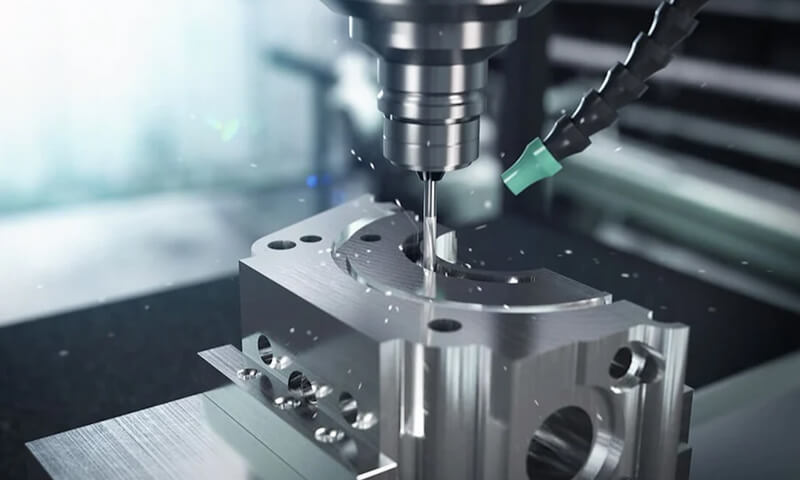
CNC vinnsla af sætum, Þræðir, og innsigli andlit tryggir að allir steypuhlutir uppfylli kröfur um vídd og innsigli.
Efnissvið fyrir mikilvæg forrit
Frá ryðfríu stáli (CF8/CF8M/CF3/CF3M), eir, sveigjanlegt járn, að tvíhliða og háum álfum, Þetta Birgðasali loki byggð til að koma fram í ætandi, háþrýsting, eða háhita umhverfi.
Hvort sem þú þarft sérhannaða stjórnventla, þrýstingslækkandi lokar, Globe lokar, hliðarventlar, eða mikið magn framleiðslu iðnaðarventils, Þetta er traustur félagi þinn fyrir nákvæmni, Varanleiki, og gæðatrygging.