1. Bevezetés
Grey Iron, or Grey cast iron—distinguished by its flaky graphite microstructure—combines cost‑effectiveness, rezgéscsillapítás, és kiváló megmunkálhatóság.
Originating in the early 19th century for steam‑engine cylinders, grey cast iron has since powered applications from automotive brake drums to industrial machine bases.
Ma, it remains a foundational material across autóipar, nehéz gépek, csővezeték, és domestic sectors thanks to its unique blend of properties.
2. Mi az a szürkeöntvény?
Szürke öntöttvas is a type of cast iron that is easily recognizable by the grey color of its fractured surface, which results from the presence of graphite flakes in its microstructure.
These graphite flakes give grey iron its characteristic properties, including excellent damping capacity, jó megmunkálhatóság, és viszonylag alacsony költséggel.
It is the most commonly used form of cast iron and plays a foundational role in both traditional and modern manufacturing industries.

Classification and Grades of Grey Cast Iron
ASTM A48 Classification (MINKET. Standard)
The ASTM A48 standard classifies grey cast iron into grades by minimum tensile strength, measured in ksi (1 ksi = 6.89 MPA).
| ASTM Grade | Minimum Tensile Strength (MPA) | Typical Microstructure | Közös alkalmazások |
|---|---|---|---|
| Osztály 20 | 138 MPA | Predominantly ferritic | Ellensúlyok, decorative castings |
| Osztály 30 | 207 MPA | Ferritic–pearlitic | Motorblokkok, szivattyúház |
| Osztály 40 | 276 MPA | Mostly pearlitic | Brake drums, lendkerék, gépágyak |
| Osztály 50 | 345 MPA | Fine pearlitic, low ferrite | Hengerbetétek, high-load brackets |
-Ben 1561 Osztályozás (European Standard)
Az európai standard en 1561 uses the “EN-GJL” prefix (GJL = Graphit Gusseisen mit Lamellenstruktur, or “lamellar graphite cast iron”) followed by the tensile strength in MPa.
| EN Grade | Min. Szakítószilárdság (MPA) | Keménység (BHN) | Tipikus alkalmazás |
|---|---|---|---|
| EN-GJL-150 | 150 | ~150 | Ornamental parts, light covers |
| HU-GJL-200 | 200 | ~160–170 | Fogaskerékházak, átviteli esetek |
| HU-GJL-250 | 250 | ~180–200 | Cylinder blocks, large castings |
| HU-GJL-300 | 300 | ~220–240 | Brake rotors, heavy-duty housings |
Typical Chemical Composition Range (% súlyonként)
| Elem | Tipikus hatótávolság (%) | Function in Grey Iron |
|---|---|---|
| Szén (C) | 2.5 - - 4.0 | Promotes graphite flake formation; increases castability |
| Szilícium (És) | 1.8 - - 3.0 | Graphitizer; aids carbon precipitation and improves fluidity |
| Mangán (MN) | 0.2 - - 1.0 | Strengthens matrix; promotes pearlite formation |
| Foszfor (P) | ≤ 0.12 (maximum 0.5) | Improves fluidity; excessive amounts cause brittleness (steadite) |
| Kén (S) | ≤ 0.12 | Generally undesirable; forms iron sulfide inclusions |
| Vas (FE) | Egyensúly | Matrix base metal |
4. Fizikai & Mechanikai tulajdonságok
Grey cast iron exhibits a distinctive combination of physical and mechanical properties due to its graphite flake microstructure embedded in a ferrous matrix.
These properties make it highly suitable for a wide range of structural and thermal applications, particularly where vibration damping, hővezető képesség, and castability are essential.

Mechanikai tulajdonságok
The mechanical behavior of grey cast iron is heavily influenced by the graphite flake morphology, matrix type (ferrites, perlit, or mixed), and section thickness.
| Ingatlan | Typical Value Range | Jegyzet |
|---|---|---|
| Szakítószilárdság | 150–350 MPA | Varies by grade (PÉLDÁUL., ASTM A48 Class 20 osztályba 50) |
| Nyomószilárdság | 3–4× tensile strength | High due to graphite flake orientation |
| Keménység | 130–250 BHN | Increases with pearlite content |
| Meghosszabbítás | ~0.5–1% | Very low due to stress concentrations at flake tips |
| Rugalmassági modulus | 70–100 GPa | Lower than steel due to graphite flakes disrupting stress transfer |
Jegyzet: Unlike steel, grey iron exhibits virtually no ductility and fails in a brittle manner under tensile loading.
Fizikai tulajdonságok
| Ingatlan | Tipikus érték | Jelentőség |
|---|---|---|
| Sűrűség | 6.9–7.2 g/cm³ | Slightly lower than steel (~7.85 g/cm³) |
| Hővezető képesség | 35–55 W/m·K | Much higher than ductile or malleable iron; ideal for heat dissipation |
| Fajlagos hőkapacitás | ~ 460 J/kg · K | Comparable to other ferrous metals |
| Coefficient of Expansion | ~10.5–11.5 × 10⁻⁶ /K | Mérsékelt; important for dimension-critical thermal applications |
| Csillapító képesség | 10× that of steel | Excellent vibration and noise absorption |
| Olvadáspont | 1140–1200 ° C | Lower than steel; enhances castability |
Unique Functional Advantages
- Superior Damping Capacity: Thanks to the internal friction created by graphite flakes, grey iron absorbs vibration far better than steel or ductile iron.
This makes it ideal for engine blocks, machine tool beds, and brake components. - Jó hővezető képesség: Its ability to transfer heat efficiently makes grey cast iron a preferred material for cookware, radiator components, and brake discs.
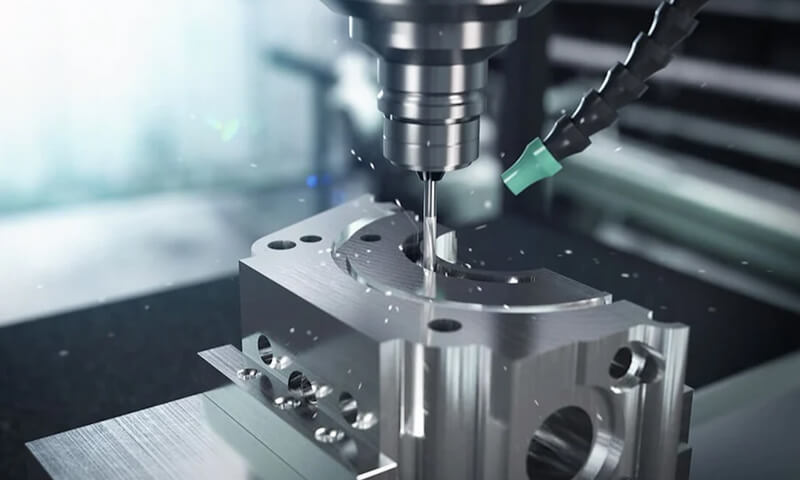
- Kiváló megmunkálhatóság: The presence of graphite acts as a built-in lubricant, reducing tool wear and enabling higher cutting speeds.
Pearlitic grades are harder but still more machinable than many steels.
5. Casting Suitability for Grey Iron
Grey cast iron is one of the most castable metals in the foundry industry, renowned for its excellent fluidity, low melting temperature, and minimal shrinkage.
These characteristics make it ideal for producing complex geometries, large castings, and high-volume parts with reliable dimensional accuracy and surface finish.

Excellent Fluidity
Grey cast iron exhibits exceptional molten flow characteristics due to its relatively low pouring temperature (typically between 1,150–1,250°C) and graphite content.
This fluidity allows it to easily fill intricate molds and thin-walled sections (as thin as 3–5 mm), reducing the risk of cold shuts or misruns.
Low Shrinkage Rate
With a linear solidification shrinkage typically in the range of 0.8–1.0%, grey cast iron maintains superior dimensional stability.
This predictable shrinkage can be accurately compensated for in pattern design, minimizing defects and machining allowances.
Graphite Flake Structure Enhances Castability
The flake graphite in grey iron not only contributes to its mechanical damping and machinability but also assists in feeding during solidification, reducing the likelihood of internal shrinkage porosity.
It acts as a natural micro-riser, improving overall casting soundness.
Magas hővezetőképesség
The high thermal conductivity (typically 50–60 W/m·K) promotes rapid heat dissipation during solidification, helping to control microstructure and reduce thermal cracking risk.
This is particularly advantageous in large castings or high-speed production environments.
Excellent Machinability Post-Casting
Due to the lubricating effect of graphite flakes and relatively low hardness (Brinell 150–250 HB), it can be easily machined without requiring extensive finishing processes.
This lowers post-processing costs and enhances production throughput.
Suitable Casting Methods for Grey Iron
| Öntési módszer | Alkalmazások | Előnyök | Megfontolások |
|---|---|---|---|
| Zöld homok öntés | Motorblokkok, házak, zárójelben | Költséghatékony, újrafelhasználható homok, adaptable to high volume | Requires moisture control and mold uniformity |
| Resin-Bonded Sand Casting | Gépágyak, szivattyú burkolatok, szeleptestek | High dimensional accuracy and surface finish | Higher tooling cost, suited for low-to-medium volumes |
| Héjas penészöntés | Precision industrial components | Excellent dimensional tolerance and surface quality | Drágább, but reduces machining needs |
| Állandó penészöntés | Repetitive geometries like flywheels or pulleys | Good for moderate production runs with fine surface finishes | Limited to simpler shapes due to solid metal mold constraints |
| Centrifugális casting | Csövek, ujjú, rotorok | Sűrűt produkál, hibamentes hengeres alkatrészek | Requires specialized equipment and balanced geometry |
6. Hőkezelés & Megmunkálás
Grey iron rarely undergoes quench‑and‑temper cycles; helyette, foundries apply:
- Annealing/Stress Relief: 650–700 °C for 1–2 hours reduces residual stresses and improves machinability.
- Normalizálás: Fine‑tunes matrix (ferrit vs. perlit) for targeted hardness.
A megmunkálás során, engineers favor:
- Carbide tooling mérsékelt sebességgel (50–80 m/min).
- Rigid workholding to offset low tensile strength.
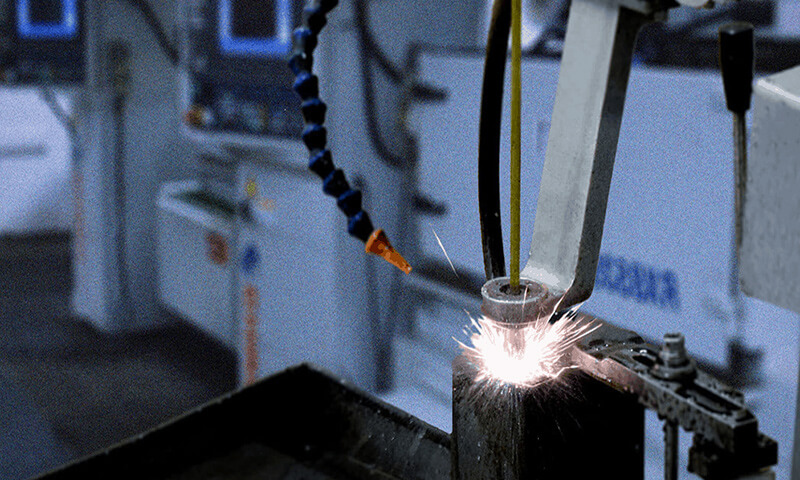
- Coolant use to avoid built‑up edge; graphite flakes facilitate chip breaking.
Post‑machining, grey cast iron achieves felszíni kivitel as low as Ra 1.6 µm with minimal secondary operations.
7. Előnyök és hátrányok
Előnyök:
- Vibration Damping: -Ig 90 % better than steel, reducing noise and fatigue.
- Megmunkálhatóság: Graphite flakes act as chip breakers, lowering tool wear.
- Költséghatékonyság: > 80 % recycled content and lower melting energy than steel.
Hátrányok:
- Low Tensile Ductility: < 2 % elongation limits shock‑loading use.
- Anizotropia: Flake orientation creates directional strength variations (~ 20 %).
- ridegség: Lower impact resistance compared to ductile iron.
8. Alkalmazások & Teljesítmény
Grey cast iron’s property synergy drives its use in:

- Autóipar: Motorblokkok, hengerfejek, brake drums—leveraging thermal conductivity (~ 45 W/m · k) for heat dissipation.
- Nehéz gépek: Fogaskerékházak, machine tool bases—utilizing vibration damping to extend bearing life.
- Építés & Csővezeték: Búcsúfedők, valve bodies—benefiting from corrosion resistance in neutral waters and low cost.
- Domestic Goods: Főzőedény, radiators—ensuring even heat distribution and durability.
9. Összehasonlítás alternatív anyagokkal
Grey cast iron has long served as a foundational material in engineering and manufacturing, but it often competes with alternatives like ductile iron, acél, alumíniumötvözetek, és kompozitok.
Each of these materials brings distinct benefits and trade-offs, making material selection highly application-dependent.
Below is a comparative overview that highlights where grey iron stands about its common substitutes.
Összehasonlító táblázat: Grey Cast Iron vs. Alternatív anyagok
| Ingatlan / Anyag | Szürke öntöttvas | Csillapító vas | Szénacél | Alumíniumötvözetek | Kompozitok |
|---|---|---|---|---|---|
| Sűrűség (G/cm³) | 7.1 - - 7.3 | 7.0 - - 7.2 | 7.8 - - 7.9 | 2.6 - - 2.8 | 1.5 - - 2.0 (változik) |
| Szakítószilárdság (MPA) | 150 - - 400 | 400 - - 700 | 400 - - 900 | 100 - - 400 | 50 - - 500+ (depending on fiber) |
| Meghosszabbítás (%) | <1% (törékeny) | 5 - - 18% | 10 - - 25% | 2 - - 12% | 1 - - 10% |
| Hővezető képesség | Magas (50 - - 60 W/m · k) | Mérsékelt (35 - - 50 W/m · k) | Alacsony – Közepes (20 - - 40 W/m · k) | Magas (120 - - 180 W/m · k) | Alacsony – Közepes (0.2 - - 30 W/m · k) |
| Csillapító képesség | Kiváló | Jó | Szegény | Very Poor | Változó |
| Önthetőség | Kiváló (összetett formák, olcsó költség) | Jó | Mérsékelt (requires more effort) | Moderate–Good (dependent on alloy) | Szegény (typically molded, not cast) |
| Megmunkálhatóság | Kiváló (due to graphite flakes) | Jó | Moderate–Good | Kiváló | Gyenge – Közepes |
| Korrózióállóság | Poor without coating | Gyenge – Közepes | Moderate–Good (with alloying) | Jó (especially 6xxx and 5xxx series) | Kiváló (with design) |
| Költség | Alacsony | Mérsékelt | Mérsékelt - magas | Mérsékelt - magas | Magas (especially for advanced composites) |
gömbgrafitos vas vs. Szürke öntöttvas
- Csillapító vas offers much higher ductility and strength, making it suitable for pressure-containing or dynamic load applications.
Viszont, grey cast iron still outperforms it in damping and cost-efficiency, especially in static structural parts.
Szénacél VS. Szürke öntöttvas
- Steel provides superior tensile properties and ductility, but is more expensive and harder to machine.
Grey iron is preferred for parts requiring vibration control (PÉLDÁUL., gépi bázisok, házak).
Aluminum Alloys vs. Szürke öntöttvas
- Alumínium is significantly lighter and offers excellent corrosion resistance, making it ideal for transport and heat-sensitive components.
Grey iron, másrészt, excels in applications needing rigidity and vibration absorption.
Composites vs. Szürke öntöttvas
- While advanced composites can surpass grey iron in strength-to-weight ratio and corrosion resistance, they are far more costly and difficult to manufacture at scale.
10. Következtetés
Grey iron endures as a sarokkő anyaga annak köszönhetően economic production, built‑in damping, és ease of machining.
By mastering its eutectic graphite formation, casting practices, és tervezési irányelvek, engineers can continue leveraging grey cast iron for reliable, cost‑effective solutions across industries—from the heart of an engine to the base of heavy machinery.
As emerging alloy modifications and hybrid manufacturing techniques evolve, grey cast iron will maintain its role in shaping tomorrow’s engineered components.
EZ a tökéletes választás a gyártási igényekhez, ha magas színvonalra van szüksége Grey Iron castings.