1. Bevezetés
Steel is one of the most critical materials in modern engineering, supporting industries ranging from construction and automotive manufacturing to aerospace and energy infrastructure.
Még, not all steels perform identically. Attól függően, hogy mennyit és milyen ötvözőelemeket tartalmaznak, az acélok gyengén ötvözött acélok és erősen ötvözött acélok családjára oszlanak.
A teljesítmény és a költségek közötti megfelelő egyensúly megtalálása e különbségek megértésében múlik.
Ezért, ez a cikk az gyengén ötvözött acélt vizsgálja (LAS) és erősen ötvözött acél (HAS) több szemszögből – kémia, mechanika, korrózióállóság, feldolgozás, közgazdaságtan, és valós alkalmazások – az anyagválasztás irányításához.
2. What Is Low-Alloy Steel (LAS)?
Az alacsonyan ötvözött acél a vastartalmú anyagok kategóriája, amelyet úgy terveztek, hogy gondosan ellenőrzött ötvözőelemek hozzáadásával kiváló mechanikai teljesítményt és környezeti ellenállást érjenek el..
Az Amerikai Vas- és Acélintézet határozza meg (AISI) mint tartalmazó acélok az összes ötvözettartalom nem haladja meg 5% súlyonként,
az gyengén ötvözött acélok kifinomult egyensúlyt kínálnak a teljesítmény között, gyárthatóság, és költség – igáslóanyagként pozicionálva őket több iparágban.

Kémiai összetétel és mikroszerkezet
A szénacéltól eltérően, amely kizárólag a vas-szén rendszerre támaszkodik,
a gyengén ötvözött acélok számos fémes elemet tartalmaznak, amelyek szinergikusan javítják az anyag tulajdonságait anélkül, hogy alapvetően megváltoztatnák az acél fázisszerkezetét.
A leggyakoribb ötvözőelemek és jellemző szerepük a következők::
- Króm (CR): Növeli a keménységet, oxidációs ellenállás, és magas hőmérsékletű szilárdság.
- Nikkel (-Ben): Javítja a törési szilárdságot, főleg nulla alatti hőmérsékleten.
- Molibdén (MO): Növeli a szilárdságot magas hőmérsékleten és növeli a kúszási ellenállást.
- Vanádium (V): Elősegíti a finom szemcseméretet és hozzájárul a csapadék keményedéséhez.
- Réz (CU): Közepes légköri korrózióállóságot biztosít.
- Titán (-Y -az): Stabilizálja a karbidokat és fokozza a mikroszerkezeti stabilitást.
Ezek az ötvöző elemek befolyásolják a fázisstabilitást, szilárd oldatos erősítés, valamint diszpergált karbidok vagy nitridek képződése.
Ennek eredményeként, az gyengén ötvözött acélok jellemzően mikrostruktúrákat mutatnak, amelyek a következőkből állnak ferrit, perlit, bainit, vagy martenzit, depending on the specific heat treatment and alloy content.
Például, chromium-molybdenum steels (such as AISI 4130 vagy 4140 acél) form tempered martensitic structures after quenching and tempering, offering high strength and wear resistance without sacrificing ductility.
Classification and Designation
Low-alloy steels are classified based on their mechanical behavior, hőkezelési reakció, or intended service environment. Common categories include:
- Edzett és edzett acélok: Known for high strength and toughness.
- Nagy szilárdságú alacsony ötvözet (HSLA) Acélok: Optimized for structural applications with enhanced formability and weldability.
- Creep-Resistant Steels: Designed to maintain strength at elevated temperatures.
- Weathering Steels (PÉLDÁUL., ASTM A588/Corten): Developed for improved atmospheric corrosion resistance.
In the AISI-SAE designation system, low-alloy steels are often identified by four-digit numbers starting with “41”, “43”, “86”, or “87”, indicating specific alloying combinations (PÉLDÁUL., 4140 = 0.40% C, Cr-Mo steel).
3. What Is High-Alloy Steel (HAS)?
High-alloy steel refers to a broad class of steels containing a total alloying element content exceeding 5% súlyonként, often reaching levels of 10% -hoz 30% vagy több, depending on the grade and application.
Unlike low-alloy steel, which improves properties with modest additions, high-alloy steel relies on substantial concentrations of elements
mint például króm (CR), nikkel (-Ben), molibdén (MO), volfrám (W), vanádium (V), és kobalt (Társ) to achieve highly specialized performance characteristics.
These steels are engineered for demanding environments requiring kivételes korrózióállóság, mechanikai erő, magas hőmérsékletű stabilitás, vagy kopásállóság.
Common examples include rozsdamentes acélok, szerszámcél, maraging steels, és szuperötvözetek.

Kémiai összetétel és mikroszerkezet
High-alloy steels possess complex chemistries designed to control the steel’s microstructure at both room and elevated temperatures. Each alloying element plays a precise role:
- Króm (≥12%): Promotes passivation by forming a thin, adherent oxide layer, which is essential for corrosion resistance in stainless steels.
- Nikkel: Enhances toughness, ütköző ellenállás, és korrózióállóság, while also stabilizing the austenitic phase.
- Molibdén: Increases strength at high temperatures and improves resistance to pitting and crevice corrosion.
- Vanadium and Tungsten: Promote fine carbide formation for wear resistance and hot hardness.
- Cobalt and Titanium: Used in tool and maraging steels for solid-solution strengthening and precipitation hardening.
These alloying strategies enable precise phase manipulation, including retention of austenite, formation of martensite, or stabilization of intermetallic compounds and complex carbides.
Például:
- Ausztenites rozsdamentes acélok (PÉLDÁUL., 304, 316): High Cr and Ni contents stabilize a non-magnetic face-centered cubic (FCC) szerkezet, maintaining ductility and corrosion resistance even at cryogenic temperatures.
- Martensitic and precipitation-hardened grades (PÉLDÁUL., 17-4PH, H13 szerszámacél): Feature a body-centered tetragonal (BCT) or martensitic structure that can be significantly hardened by heat treatment.
Classification of High-Alloy Steels
High-alloy steels are generally categorized into the following main types:
| Kategória | Tipikus ötvözetek | Primary Features | Közös alkalmazások |
|---|---|---|---|
| Rozsdamentes acél | 304, 316, 410, 17-4PH | Corrosion resistance via Cr-passivation; some grades offer strength + hajlékonyság | Chemical equipment, orvosi eszközök, építészet |
| Szerszám acél | H13, D2, M2, T1 | Magas keménység, kopásállóság, vörös keménység | Meghal, vágószerszámok, formák |
| Maraging acélok | 18-Ben(250), 18-Ben(300) | Ultra-nagy szilárdságú, szívósság; precipitation hardening of Ni-rich martensite | Űrrepülés, védelem, high-performance mechanical parts |
| Szuperötvözetek | Kuncol 718, Hastelloy, René 41 | Kivételes erő + corrosion/oxidation resistance at high temperatures | Turbinák, sugárhajtóművek, atomreaktorok |
4. Performance Characteristics of Low-Alloy vs High-Alloy Steel
Understanding how low-alloy vs high-alloy steel differs in mechanical and environmental performance is essential for engineers and designers
when selecting materials for structural integrity, service longevity, és költséghatékonyság.
These performance attributes arise not only from chemical composition but also from thermomechanical treatments and microstructural control.
To provide a detailed comparison, the key characteristics are outlined below:
| Ingatlan | Alacsony ötödik acél | Erősen ötvözött acél |
|---|---|---|
| Szakítószilárdság | Jellemzően től 450-850 MPa, depending on heat treatment and grade | Often exceeds 900 MPA, especially in hardened tool steels or maraging grades |
| Hozamszilárdság | Can reach 350–700 MPa oltás és temperálás után | Can surpass 800 MPA, particularly in precipitation-hardened and martensitic steels |
| Hajlékonyság (Meghosszabbítás %) | Moderate to good ductility (10-25%), suitable for forming | Széles körben változik; austenitic grades offer >30%, while tool steels may be <10% |
Keménység |
Eléri 200–350 HB; limited by carbon and alloy levels | Meghaladhatja 600 Főhovasugárzó (PÉLDÁUL., in M2 or D2 steels); ideal for wear-critical applications |
| Kopásállóság | Enhanced by carbides in Cr/Mo grades, but moderate overall | Excellent in tool and die steels due to high carbide volume fraction |
| Törési szívósság | Generally good at low to moderate strength levels | Austenitic steels offer high toughness; some high-strength grades may be notch-sensitive |
| Fáradtság ellenállás | Sufficient for dynamic load applications; sensitive to surface finish and stress | Superior in alloyed martensitic and maraging steels; enhanced crack resistance |
Kúszó ellenállás |
Limited long-term strength above 450° C | Excellent in nickel-rich high-alloy steels; used in turbines, kazán |
| Hőstabilitás | Phase stability and strength degrade above 500-600°C | Retains structural integrity up to 1000° C in superalloys and high-Cr grades |
| Korrózióállóság | Szegénytől közepesig; often needs coatings or inhibitors | Kiváló, especially in stainless steels with >12% CR and Ni-Mo additions |
| Hőkezelhetőség | Readily hardenable via quench and temper cycles | Complex treatments: oldatos izzítás, csapadék keményedés, cryogenic steps |
Hegesztés |
Általában jó; some cracking risk with high-carbon variants | Változó; austenitic grades weld well, others may require preheating or filler metals |
| Megmunkálhatóság | Szép a jóhoz, especially in leaded or resulfurized variants | Can be difficult due to hardness and carbide content (use of coated tools recommended) |
| Megfogalmazhatóság | Suitable for bending and rolling in annealed states | Excellent in annealed austenitic steels; limited in hardened tool steels |
Kulcsfontosságú megfigyelések:
- Erő vs. Toughness Trade-off: High-alloy steels often deliver higher strength, but some grades may lose ductility or toughness.
Low-alloy steels balance these properties effectively for structural use. - Temperature Performance: For high-temperature operations (PÉLDÁUL., erőművek, sugárhajtóművek), high-alloy steels significantly outperform low-alloy counterparts.
- Korrózióvédelem: While low-alloy steels often rely on external coatings, high-alloy steels—especially stainless and superalloys—provide intrinsic corrosion protection via passive oxide films.
- Költség vs. Teljesítmény: Low-alloy steel offers a favorable cost-to-performance ratio for general applications,
whereas high-alloy steel is reserved for scenarios demanding specialized functionality.
5. Alkalmazások az iparágakban
Alacsony ötödik acél
- Építés: Hidak, daruk, betonacél, szerkezeti gerendák
- Autóipar: Axles, keretek, felfüggesztés alkatrészei
- Olaj & Gáz: Pipeline steels (API 5L X70, X80)
- Nehéz gépek: Mining equipment, nyomó edények
Erősen ötvözött acél
- Űrrepülés: Turbina pengék, sugárhajtómű alkatrészek, futómű
- Vegyi feldolgozás: Reaktorok, hőcserélők, szivattyúk
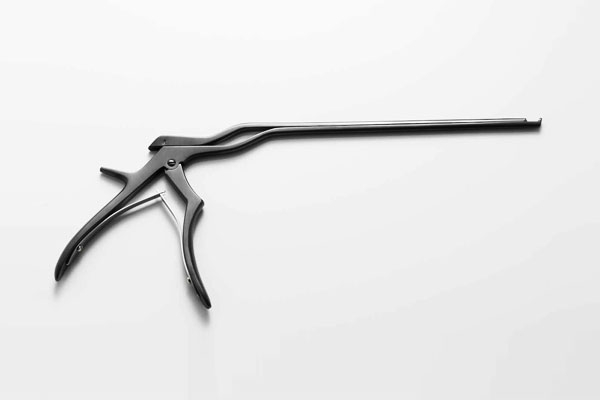
- Orvosi: Műtéti eszközök, ortopéd implantátumok (316L rozsdamentes)
- Energia: Nuclear reactor internals, supercritical steam lines
6. Következtetés
Both low-alloy vs high-alloy steel offer critical benefits, az adott alkalmazás teljesítményigényétől és környezeti kihívásaitól függően.
Az alacsonyan ötvözött acélok kedvező egyensúlyt teremtenek a szilárdság között, feldolgozhatóság, és költség, így ideálisak általános mérnöki felhasználásra.
Erősen ötvözött acélok, másrészt, páratlan mechanikai és környezetvédelmi teljesítményt nyújt az olyan nagy jelentőségű iparágak számára, mint a repülőgépipar, orvosi, és energiatermelés.
A vegyszer megértésével, mechanikai, és az ezen acélcsaládok közötti gazdasági különbségek,
a döntéshozók a biztonság érdekében optimalizálhatják az anyagokat, tartósság, és a teljes birtoklási költség – a mérnöki siker biztosítása a tervrajztól a végtermékig.
EZ a tökéletes választás a gyártási igényekhez, ha magas színvonalra van szüksége ötvözött acél alkatrészek.
Vegye fel velünk a kapcsolatot ma!
GYIK
Is stainless steel considered a high-alloy steel?
Igen. A rozsdamentes acél az erősen ötvözött acélok gyakori típusa. Általában tartalmaz legalább 10.5% króm, amely lehetővé teszi a passzív oxidfilm kialakulását, amely ellenáll a korróziónak.
Sok rozsdamentes acél nikkelt is tartalmaz, molibdén, és egyéb ötvözőelemek.
Can low-alloy steel be used in corrosive environments?
Gyengén ötvözött acélok ajánlata mérsékelt korrózióállóság, különösen akkor, ha olyan elemekkel ötvözik, mint a réz vagy a króm.
Viszont, gyakran megkövetelik védőbevonatok (PÉLDÁUL., horganyzás, festés) vagy katódos védelem ha agresszív vagy tengeri környezetben használják.
How does alloy content affect weldability?
A magasabb ötvözettartalom csökkentheti a hegeszthetőséget a megnövekedett edzhetőség és a repedésveszély miatt.
Az alacsonyan ötvözött acélok általában jobb hegeszthetőséget mutatnak, bár előmelegítés és hegesztés utáni hőkezelés továbbra is szükséges lehet.
Az erősen ötvözött acélok gyakran megkövetelik speciális hegesztési eljárások és töltőfémek.
Are there international standards that distinguish between low and high-alloy steels?
Igen. Szabványok olyan szervezetektől, mint pl ASTM, ASME, Izo, és SAE/AISI meghatározza a kémiai összetétel határait, és ennek megfelelően kategorizálja az acélokat.
Ezek a szabványok meghatározzák a mechanikai tulajdonságokat is, hőkezelési feltételek, és alkalmazások.
Which type of alloy steel is better for high-temperature applications?
Erősen ötvözött acélok, különösen nikkel-alapú szuperfémek vagy magas krómtartalmú rozsdamentes acélok,
jelentősen jobban teljesítenek magas hőmérsékletű környezetben a kúszással szembeni ellenállásuk miatt, oxidáció, és termikus fáradtság.
Az alacsonyan ötvözött acélok jellemzően 500°C feletti hőmérsékleten bomlanak le.
Are high-alloy steels harder to machine and fabricate?
Igen, általában. Erősen ötvözött acélok, különösen a szerszámacélok és az edzett rozsdamentes minőségek, lehet nehezen megmunkálható nagy keménységük és karbidtartalmuk miatt.
Hegeszthetőségük is korlátozott lehet bizonyos minőségeknél. Egymással szemben, sok gyengén ötvözött acél könnyebben hegeszthető, gép, és formája.
Which steel type is more cost-effective?
Gyengén ötvözött acélok szempontjából jellemzően költséghatékonyabbak kezdeti vételár és gyártás.
Viszont, erősen ötvözött acélok ajánlhat a alacsonyabb teljes birtoklási költség igényes alkalmazásokban azok miatt tartósság, kudarcokkal szembeni ellenállás, és csökkentett karbantartási igény.