1. Bevezetés
Olyan mérnöki környezetben, ahol a nulla alatti teljesítmény kritikus, az anyagi megbízhatóság nem sérülhet.
Az ASTM A352 egy széles körben elismert, az ASTM International által kifejlesztett specifikáció, amely éppen ezt a problémát kezeli – öntött szén és gyengén ötvözött acélok szánt nyomást tartalmazó alkatrészek amelyek benne működnek alacsony hőmérsékletű üzemi feltételek.
Ezek az acélok nélkülözhetetlenek az olyan iparágakban, mint az LNG, kriogenika, olaj- és gáz, és energiatermelés, ahol a mechanikai integritás hideg feszültség alatt nem megkérdőjelezhető.
Ez a cikk az ASTM A352 átfogó elemzését tartalmazza, kohászati elveinek feltárása, mechanikai követelmények, alkalmazások, és gyártási vonatkozásai
mérnökök támogatására, specifikátorok, és a beszerzési szakemberek a tájékozott anyagválasztásban.
2. Az ASTM A352 hatálya és célja
ASTM A352 borítók öntvények nyomástartó alkatrészekhez helyen történő működésre tervezték alacsony hőmérsékletek -50°F-ig (-46° C) vagy még lejjebb, évfolyamtól függően.

Ez biztosítja, hogy az öntött acél megőrizze rugalmasságát, szívósság, és a rideg töréssel szembeni ellenállás, amikor ezeknek az igényes környezeteknek vannak kitéve.
Ellentétben az ASTM A216-tal (általános célú öntött szénacélokhoz) vagy A351 (korrózióálló ausztenites rozsdamentes öntvényekhez), Az A352-t alacsony hőmérsékletű alkalmazásokhoz szabták.
Gyakran kettős ASME SA352 tanúsítvánnyal rendelkezik, alkalmassá teszi a nyomástartó edények és a csővezetékek előírásainak való megfelelésre.
3. Az ASTM A352 fokozatok osztályozása
Az ASTM A352 egy sor olyan öntött szén és gyengén ötvözött acélok kifejezetten erre tervezték alacsony hőmérsékletű szolgáltatás nyomást tartalmazó alkatrészekben.
Az osztályozás alapja kémiai összetétel, mechanikai teljesítmény, és szolgáltatási feltételek.
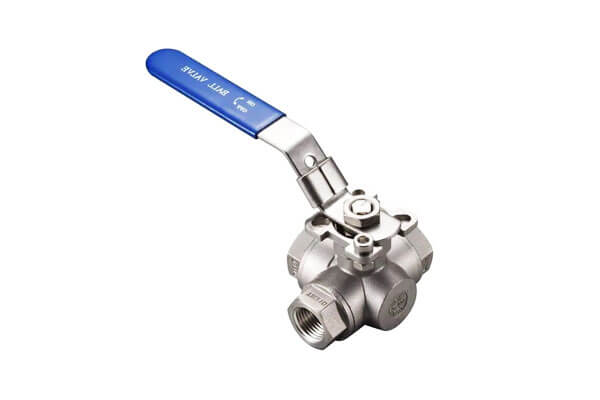
Ezeket a fokozatokat széles körben csoportosítják szénacélok, alacsony ötvözött acélok, és martenzites rozsdamentes acélok, mindegyik egyedi működési igényekhez igazodik.
Az alábbiakban a legelterjedtebb ASTM A352 fokozatok részletes osztályozása látható:
| Fokozat | Beír | Elsődleges ötvöző elemek | Tipikus üzemi hőmérséklet (° C) | Közös alkalmazások |
|---|---|---|---|---|
| LCA | Szénacél | MN, C | -46°C-ig | Alacsony hőmérsékletű csőszerelvények, karimák |
| LCB | Szénacél (Továbbfejlesztett) | -Ben (~0,5%), MN, C | -46°C-ig | Szeleptestek, működtető házak |
| LCC | Szénacél (Nagy hatás) | -Ben (~ 1,0%), MN, C | -46°C-ig | Nyomástartó alkatrészek, kriogén szelepek |
| LC1–LC9 | Alacsony ötvözött acélok | Változó: -Ben, CR, MO, CU | -46°C és -100 °C+ között (ötvözettől függően) | Speciális nyomástartó berendezések zord környezetben |
| CA6NM | Martenzites rozsdamentes acél | 13CR, 4-Ben | -60°C-ig | Gőzturbina alkatrészek, tengervíz szelepek |
UNS számleképezés
Minden ASTM A352 fokozatnak is van megfelelő Egységes Számozási Rendszer (MINKET) a nyomon követhetőséget és az ötvözetek szabványosítását támogató megjelölés:
- LCA – UNS J03000
- LCB – UNS J03001
- LCC – UNS J03002
- CA6NM – US J91540
Összehasonlítás a kovácsolt egyenértékekkel
Míg az ASTM A352 szabályozza öntvény termékek, sok évfolyama lazán összehasonlítható kovácsolt acél specifikációk hasonló alkalmazásokban használják. Például:
- A352LCC nagyjából párhuzamok ASTM A350 LF2 (kovácsolt szénacél)
- CA6NM kohászatilag hasonló a kovácsolthoz 13-4 rozsdamentes acél (AISI 410 Ni-vel)
4. Kémiai követelmények
A táblázat a tipikus maximális és minimális összetételi tartományokat foglalja össze:
| Elem | LCB (%) | LCC (%) | LC1/LC2 (%) | LCB-CR (%) | Funkció |
|---|---|---|---|---|---|
| Szén (C) | 0.24 - - 0.32 | 0.24 - - 0.32 | 0.24 - - 0.32 | 0.24 - - 0.32 | Az alap szilárdsága és keménysége |
| Mangán (MN) | 0.60 - - 1.10 | 0.60 - - 1.10 | 0.60 - - 1.10 | 0.60 - - 1.10 | Deoxidáció, gabonafinomítás |
| Szilícium (És) | 0.40 - - 0.60 | 0.40 - - 0.60 | 0.40 - - 0.60 | 0.40 - - 0.60 | Folyékonyság, deoxidáció |
| Foszfor (P) | ≤ 0.025 | ≤ 0.025 | ≤ 0.025 | ≤ 0.025 | Irányítsd a rideg szegregációt |
| Kén (S) | ≤ 0.015 | ≤ 0.015 | ≤ 0.015 | ≤ 0.015 | A szulfidzárványok szabályozása |
| Nikkel (-Ben) | - - | - - | - - | 1.00 - - 2.00 | Növeli az alacsony hőmérsékleti szívósságot (CR változat) |
| Króm (CR) | - - | - - | - - | 0.25 - - 0.50 | Korrózió/gödrösedésállóság (CR változat) |
| Molibdén (MO) | - - | - - | - - | 0.25 - - 0.50 | Erősség magas/alacsony hőmérsékleten |
| Vanádium (V) | 0.05 - - 0.15 | 0.05 - - 0.15 | 0.05 - - 0.15 | 0.05 - - 0.15 | Gabonafinomítás, szakítószilárdság |
| Réz (CU) | - - | ≤ 0.40 | - - | - - | Javítja az öntvény megmunkálhatóságát |
| Nitrogén (N) | ≤ 0.012 | ≤ 0.012 | ≤ 0.012 | ≤ 0.012 | Szabályozva, hogy megakadályozza a lyukakat |
| Alumínium (Al) | 0.02 - - 0.05 (maximum) | 0.02 - - 0.05 | 0.02 - - 0.05 | 0.02 - - 0.05 | Befoglalás módosítás (deoxidálószer) |
Az ötvözőelemek hatása az alacsony hőmérsékleti szívósságra
- Szén (0.24–0,32%): Egyensúly az erő és a szívósság között; túlzott szén (> 0.32%) növelheti a keménységet és csökkentheti a Charpy-energiát –50 °F és az alatt.
- Mangán (0.60–1,10%): Elősegíti a dezoxidációt az olvadás során, és hozzájárul a szilárd oldat erősítéséhez.
A Mn a hőkezelés során is segíti a perlit/perlit-ferrit keverékek finomítását, a szívósság javítása. - Nikkel (1.00–2,00%) (Csak LCB-CR): A nikkel jelentősen javítja görbe eltolás (NDT műszak) a Charpy átmeneti régióban, lehetővé teszi az acélok képlékeny viselkedését alacsonyabb hőmérsékleten.
- Króm (0.25–0,50%) és molibdén (0.25–0,50%): Ezek az elemek együtt alkotnak karbidok (Cr₇C3, Mo₂C) amelyek késleltetik a szemek növekedését a hőkezelés során és javítják edzhetőség,
ezáltal javítva mind a szakítószilárdságot, mind az alacsony hőmérsékletű szívósságot. - Vanádium (0.05–0,15%): Hatékony gabonafinomítóként működik finom VC csapadék képzésével, amelyek az öntés és hőkezelés során rögzítik az ausztenit szemcsehatárait.
Finomabb szemcseméretű (ASTM 6–8) közvetlenül korrelál a magasabb Charpy V-bevágási energiával kriogén hőmérsékleten.
5. Fizikai tulajdonságok
Sűrűség és hővezetőképesség
- Sűrűség: Hozzávetőlegesen 7.80 G/cm³ (0.283 lb/in³) minden A352 fokozathoz, mivel az ötvöző adalékok (MO, -Ben, CR, V) viszonylag csekélyek (≤ 3% teljes).
- Hővezető képesség:
-
- As-Cast: ~ 30 W/m · k at 20 ° C.
- Normalizált/edzett: Kissé csökkentve (~ 28 W/m · k) a finomabb szemcseszerkezet és az edzett karbidok miatt.
- Kriogén hatás: -100 °C-on, a vezetőképesség szerényen emelkedik (hogy ~ 35 W/m · k) mert a fononszórás csökken,
ami előnyös lehet a gyors hőátadást igénylő alkalmazásoknál (PÉLDÁUL., kriogén szelepek).
Termikus tágulási együttható (CTE) kriogén hőmérsékleten
- CTE (20 °C-tól –100 °C-ig): ~ 12 × 10-6/°C
- CTE (–100 °C és –196 °C között): ~ 11 × 10-6/°C
Az ausztenites rozsdamentes acélokhoz képest (≈ 16 × 10-6/°C), Az A352 öntött acél alacsonyabb hőtágulást mutat, ami előnyös hasonló CTE-vel rendelkező anyagokkal történő csavarozás vagy tömítés esetén (PÉLDÁUL., szénacélok).
A tervezőknek továbbra is figyelembe kell venniük a differenciális tágulást a párosítás során alumínium vagy réz ötvözetek, különösen a kriogén alkalmazásoknál.
6. ASTM A352 öntött acélok mechanikai tulajdonságai
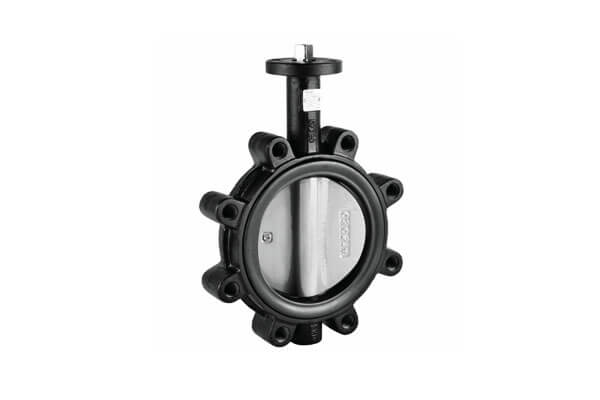
Az ASTM A352 öntött acélokat kifejezetten olyan alkalmazásokhoz tervezték, amelyek nagy szilárdságot és kiváló szívósságot igényelnek alacsony vagy kriogén hőmérsékleten. A mechanikai tulajdonságok a kémiai összetételtől és a hőkezelési eljárásoktól függően kissé eltérnek az egyes fokozatokban. Az alábbiakban több gyakran használt A352 minőség összehasonlítása látható.
Tipikus mechanikai tulajdonságok évfolyamonként
| Fokozat | Beír | Szakítószilárdság (MPA / ksi) | Hozamszilárdság (MPA / ksi) | Meghosszabbítás (%) | Ütésenergia -46°C-on (J / ft-lb) | Keménység (HB) |
|---|---|---|---|---|---|---|
| LCA | Szénacél | 415 min (60 ksi) | 240 min (35 ksi) | 22 min | 27 J (20 ft-lb) | 170–207 |
| LCB | Szénacél | 485–655 (70–95 ksi) | 250 min (36 ksi) | 22 min | 27 J (20 ft-lb) | 170–229 |
| LCC | Szénacél | 485–655 (70–95 ksi) | 250 min (36 ksi) | 22 min | 27 J (20 ft-lb) | 170–229 |
| LC2 | Gyengén ötvözött acél | 485–655 (70–95 ksi) | 275 min (40 ksi) | 20 min | 27 J (20 ft-lb) | 179–229 |
| LC2-1 | Gyengén ötvözött acél | 550–690 (80–100 ksi) | 310 min (45 ksi) | 20 min | 27 J (20 ft-lb) | 197–235 |
| LC3 | Gyengén ötvözött acél | 585–760 (85–110 ksi) | 310 min (45 ksi) | 20 min | 27 J (20 ft-lb) | 197–241 |
CA6NM |
13% CR, 4% Ni Martensitic SS | 655–795 (95–115 ksi) | 450–550 (65–80 ksi) | 15–20 | 40– 120 J (30-90 láb font) hőkezeléstől függően | 200–240 |
| CA15 | 13% Cr Martensitic SS | 620–760 (90–110 ksi) | 450 min (65 ksi) | 15–20 | 20– 40 J (15-30 láb font) | 200–240 |
| CF8M | Ausztenites rozsdamentes (316 típus) | 485 min (70 ksi) | 205 min (30 ksi) | 30 min | Általában nem használják ütési szolgáltatáshoz | 150–180 |
| CD4MCuN | Duplex rozsdamentes acél | 655–795 (95–115 ksi) | 450 min (65 ksi) | 20–25 | 70-100 J (50-75 láb font) | 200–250 |
Megjegyzések a speciális osztályzatokhoz
- CA6NM: Széles körben használják a vízturbinákban, szeleptestek, és annak szivattyúházait kiváló kavitációs ellenállás, hegeszthetőség, és ütközési szilárdság nulla alatti hőmérsékleten.
- CA15: Jó keménységet és korrózióállóságot kínál, de kisebb ütésállóságot, mint a CA6NM, alkalmasabbá téve azt közepes nyomású környezetben.
- CF8M (316 egyenértékű): Bár általában nem része az A352-nek, gyakran alá van vetve ASTM A743 és használt maró hatású, de nem alacsony hőmérsékletű körülmények.
- CD4MCuN: Duplex rozsdamentes minőség a korrózióállóság erős egyensúlyával, erő, és hatásteljesítmény; ideális agresszív környezetekhez, mint pl klorid tartalmú oldatok.
7. ASTM A352 öntött acélok öntési és gyártási folyamatai
Az öntési folyamat áttekintése
Az ASTM A352 öntött acélokat jellemzően felhasználásával állítják elő homoköntés vagy befektetési casting, bonyolultságtól függő választással, méret, és az alkatrész szükséges tűréseit.
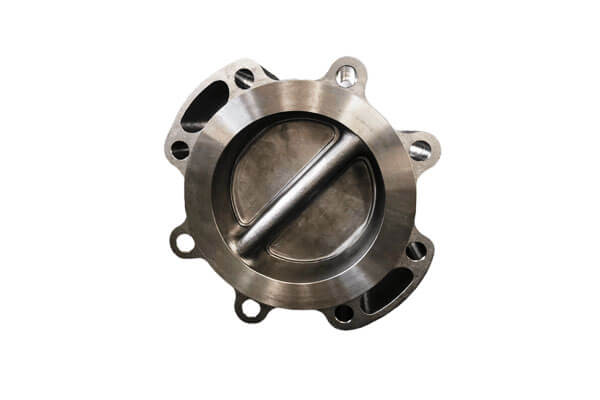
- Homoköntés: Ez továbbra is a legelterjedtebb módszer a nagy szeleptestek előállítására, szivattyúház, és az ASTM A352 szerint meghatározott karimák.
Költséghatékony rugalmasságot kínál bonyolult formák és vastag részek esetén.
Viszont, megköveteli az öntőforma anyagok és az öntési paraméterek aprólékos ellenőrzését az olyan hibák minimalizálása érdekében, mint a porozitás és a zsugorodás. - Befektetési casting: Kisebbre, bonyolultabb alkatrészek, amelyek kiváló felületkezelést és méretpontosságot igényelnek, néha befektetési öntést alkalmaznak.
Ez a módszer kevesebb öntési hibát eredményez, és csökkenti a megmunkálási ráhagyásokat, bár magasabb költségekkel.
Hőkezelés
Utóöntés, Az ASTM A352 acélok szigorúak normalizálás és temperálás a mechanikai tulajdonságok javítására:
- Normalizálás: Jellemzően a 900-950°C, a normalizálás finomítja a szemcseszerkezetet, enyhíti a belső feszültségeket, és javítja a szívósságot.
- Edzés: Végzett időpontban 600-700°C, a temperálás egyensúlyba hozza az erőt és a hajlékonyságot, miközben csökkenti a ridegséget.
- A hőkezelési ciklusokat szigorúan ellenőrzik és dokumentálják, hogy biztosítsák az ASTM előírásoknak való megfelelést, és az öntés során egységes mechanikai tulajdonságokat érjenek el..
Megmunkálás és kikészítés
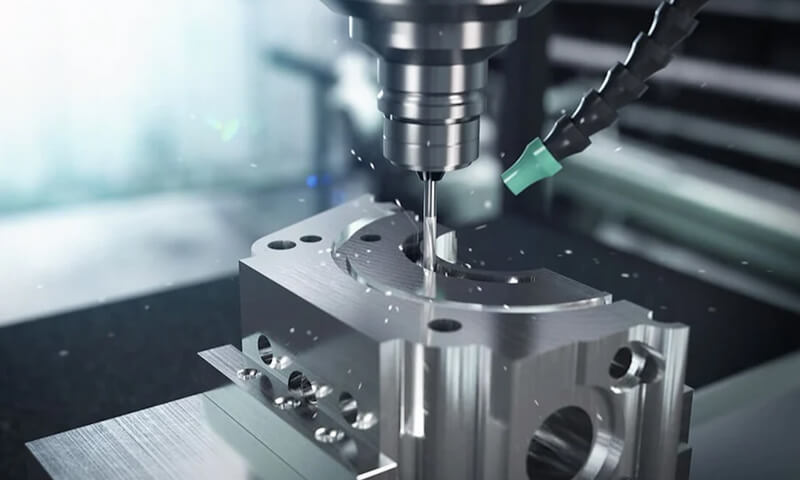
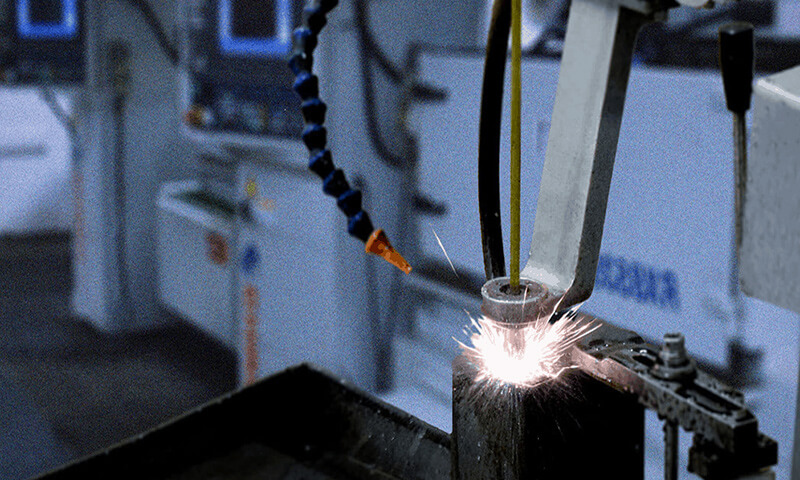
A bonyolult geometriák miatt, öntött ASTM A352 alkatrészek gyakran megkövetelik megmunkálás a végső méretek és tűrések eléréséhez. Ez magában foglalja:
- CNC megmunkálás szelepülésekhez, karimák, és kritikus tömítőfelületek.
- Felszíni kezelések mint a csiszolás és polírozás a korrózióállóság és a tömítési teljesítmény fokozása érdekében.
- A megmunkálási paraméterek az acél minősége és keménysége alapján vannak optimalizálva, hogy minimalizálják a szerszámkopást és a felületi hibákat.
8. Az ASTM A352 öntött acélok előnyei és korlátai
Az ASTM A352 öntött acélokat széles körben használják olyan kritikus alkalmazásokban, ahol szilárdság, szívósság, és az alacsony hőmérsékletű ridegséggel szembeni ellenállás elengedhetetlen.
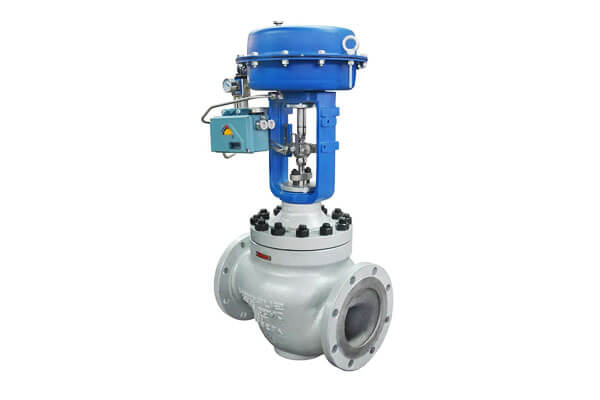
Az ASTM A352 öntött acélok előnyei
Kiváló alacsony hőmérsékleti szívósság
ASTM A352 fokozatok – különösen az LCA, LCB, és LCC – kifejezetten a kriogén és a nulla alatti szolgálatra tervezték.
A Charpy V-bevágás minimális ütési energiaigényével 27 J -46 °C-on, ezek az anyagok biztosítják a szerkezeti integritást és csökkentik a rideg törések kockázatát extrém körülmények között.
Kiváló nyomástartás
Mechanikai szilárdságuk és hajlékonyságuk miatt, Az A352 öntött acélok ideálisak nyomást tartalmazó alkatrészek, mint például a szelepek, szivattyúk, és karimák.
Az olyan minőségek, mint a CA6NM, szintén megnövelt folyáshatárt kínálnak (>550 MPA), támogatja a nagyobb nyomású rendszerterveket.
Jó Castability
Az A352 specifikáció lefedi öntvény acél alkatrészek, lehetővé teszi az összetett geometriákat és a hálóhoz közeli gyártást.
Ez a rugalmasság csökkenti a kiterjedt megmunkálás szükségességét, és lehetővé teszi bonyolult belső járatok vagy házak előállítását, amelyeket egyébként nem kovácsolni vagy megmunkálni..
Sokoldalúság az iparágakban
Az A352 öntvényeket különféle ágazatokban használják, beleértve az olajat is & gáz, petrolkémiai, energiatermelés,
és a kriogenika – mechanikai megbízhatóságuk miatt, dimenziós pontosság, és teljesítmény alacsony hőmérsékleten vagy magas nyomáson.
Korrózió és kopásállóság (ötvözött minőségben)
Az ötvözet osztályok, mint CA6NM kombinációját kínálja korrózióállóság és közepes keménységű (200-260 HBW),
szolgáltatásra alkalmassá téve őket nedves, savas, vagy sós környezetben, mint például a tenger alatti berendezések vagy vegyi üzemek.
Szabványokon alapuló biztosítás
által irányított ASTM szabványok, ezeket az öntvényeket szigorú minőség-ellenőrzésnek vetik alá – ideértve a hőkezelést is, kémiai összetétel, és mechanikai tesztelés – amely biztosítja globális megbízhatóság és nyomon követhetőség.
Az ASTM A352 öntött acélok korlátai
Öntési hibák és változatosság
Mint minden öntési eljárásnál, zsugorodási üregek, porozitás, vagy zárványok előfordulhat. Ezeket a hibákat, ha nem azonosítják és javítják, ronthatja a mechanikai teljesítményt.
Speciális ellenőrzési módszerek, mint pl röntgen és ultrahangos vizsgálat gyakran a kritikus részekhez szükségesek.
Alacsonyabb szívósság a kovácsolt anyagokhoz képest
A jó hajlékonyság ellenére, öntött acélok általában mutatnak alacsonyabb törési szívósság mint a kovácsolt vagy kovácsolt egyenértékűek a szemcseszerkezet és az esetleges öntési hibák miatt.
Ez korlátozhatja a használatukat rendkívül kritikus fáradtsági környezetben.
Hőkezelés érzékenysége
Megfelelő normalizálás és temperálás elengedhetetlenek a szükséges mechanikai tulajdonságok eléréséhez.
A nem megfelelő vagy egyenetlen hőkezelés vezethet maradék stressz, torzítás, vagy akár mikrorepedés— különösen vastag vagy összetett öntvényeknél.
Hegeszthetőségi aggályok
Néhány fokozat, különösen ötvözött acélok (PÉLDÁUL., CA6NM), megkövetelheti szigorú hegesztési eljárások, beleértve előmelegítés, hegesztés utáni hőkezelés (Pwht),
és töltőanyag kiválasztása a ridegedés vagy a korrózióállóság romlása elkerülése érdekében.
Korrózióállóság karbon minőségben
Osztályok, mint például az LCA, LCB, és az LCC korlátozott korrózióállósággal rendelkeznek.
Gyakran igényelnek bevonatok, bélés, vagy külső védelem agresszív környezetben vagy hosszú távú használatra.
Költségmegfontolások az ötvözött változatoknál
Az erősen ötvözött minőségek, mint például a CA6NM vagy LC3, magukban foglalják megnövekedett költségek ötvöző elemek miatt (CR, -Ben, MO) valamint az igényesebb öntési és hőkezelési eljárások.
9. Alkalmazások és esettanulmányok
Kriogén edények és LNG-tárolók
- LCB és LCC szeleptestek:
-
- LNG Az infrastruktúra olyan szelepeket igényel, amelyek rugalmasak maradnak –162 °C (−260 °F).
Míg az LCC -100 °F CVN-besorolása nem biztosítja a teljes rugalmasságot -260 °F-on, biztonsági ráhagyást biztosít a rideg-képlékeny átmenet felett. - Esettanulmány: Egy észak-európai LNG-terminál váltotta fel az A216 WCB szeleptesteket (amely a lehűtési tesztek során eltört) A352 LCC öntvényekkel.
Telepítés után, után alacsony hőmérsékletű repedések nem voltak megfigyelhetők 500 termikus ciklusok.
- LNG Az infrastruktúra olyan szelepeket igényel, amelyek rugalmasak maradnak –162 °C (−260 °F).
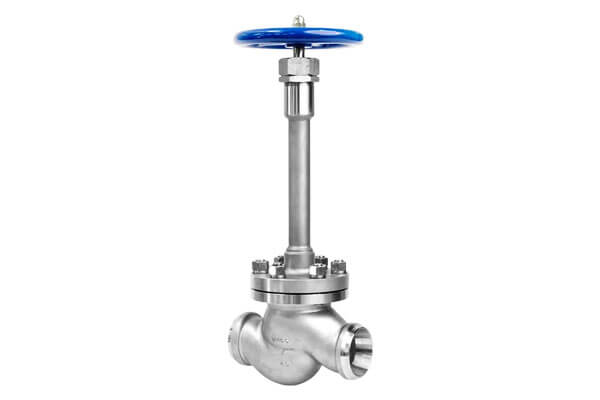
Olaj & Gáz: Szelepek, Karimák, és Csatolások
- Savanyú szolgáltatás (H₂S környezet):
-
- LCB-CR öntvények -val 1.5% -Ben, 0.35% CR, és 0.30% Mo-nak javult az ellenállása szulfidfeszültségű repedés (SSC).
- Esettanulmány: Az Északi-tengeren található tengeri kútfejegységek átmentek a 13% Cr rozsdamentes acélból LCB-CR-re egyes alacsony nyomású alkatrészekhez,
csökkenti az anyagköltséget 20% anélkül, hogy feláldoznánk a savanyúgáz-megfelelőséget (NACE MR0175).
Energiatermelés: Gőz és kazán alkatrészek
- Tápvíz szivattyúházak:
-
- Működés: -20 °C és alacsony nyomású gőz, Az LCB öntvények felváltották a régebbi A216 WCB karimás házakat.
Ennek eredményeként a 30% súlycsökkentés és javított kifáradási élettartam a finomabb mikroszerkezetnek köszönhetően. - Esettanulmány: Egy kombinált ciklusú erőmű Japánban nulla körcsukló vagy magváltó hibáról számolt be, miután az A352 LCB turbina légtelenítő szeleptesteinél aprólékos kapuzási és hűtési gyakorlatokat hajtott végre..
- Működés: -20 °C és alacsony nyomású gőz, Az LCB öntvények felváltották a régebbi A216 WCB karimás házakat.
Petrolkémiai reaktorok és nyomástartó edények
- Utólag hűtött folyékony etilén szivattyúk:
-
- Az etiléngyárak az etilént tárolják és szivattyúzzák itt -104 °C.
Az LCC szivattyúházak elegendő mozgásteret biztosítottak a –73 °C-os tanúsítvány felett, Charpy energia fenntartása 20 J at -104 °C harmadik fél által végzett ellenőrzés során. - Esettanulmány: Egy amerikai. Az öbölparti etilénkomplexum LCC reaktor fúvókáit telepítette.
Felett 150,000 szolgálati órák rideg törések nélkül, még akkor is, ha a karbantartás során nem tervezett -50 °C-os felmelegedésre volt szükség.
- Az etiléngyárak az etilént tárolják és szivattyúzzák itt -104 °C.
10. Összehasonlítás más szabványokkal
A kritikus alkalmazásokhoz szükséges anyagok kiválasztásakor, Alapvető fontosságú annak megértése, hogy az ASTM A352 öntött acélok hogyan viszonyulnak más vonatkozó szabványokhoz.
| Standard | Anyag típusa | Hőmérsékleti tartomány | Korrózióállóság | Tipikus alkalmazások | Kulcsfontosságú jellemzők |
|---|---|---|---|---|---|
| ASTM A352 | Szén & Gyengén ötvözött acélöntvények | Kriogéntől környezetiig (-46°C-ig és az alatt) | Mérsékelt (ötvözet függő) | Szelepek, szivattyúk, nyomó edények | Kiváló szívósság alacsony hőmérsékleten; hőkezelt |
| ASTM A216 | Szénacél öntvények | Környezeti hőmérséklettől magas hőmérsékletig | Alacsony | Általános nyomást tartalmazó alkatrészek | Költséghatékony; nem alkalmas kriogén szolgáltatásra |
| ASTM A351 | Austenit rozsdamentes acél | Környezeti hőmérséklettől magas hőmérsékletig | Magas | Korrozív környezetek | Kiváló korrózióállóság; kevésbé alacsony hőmérsékletű szívósság |
ASTM A217 |
Ötvözött acélöntvények (Króm-molibdén) | Magas hőmérséklet (~1100°F-ig / 593° C) | Közepes vagy magas | Magas hőmérsékletű szelep és szivattyú alkatrészek | Magas hőmérsékletű kiszolgálásra tervezték; jó erő & kúszó ellenállás |
| API 6A | Szén & Ötvözött acél | Olaj & gázkútfej szolgáltatás | Változó | Olajmező berendezések | Megfelel a szigorú olajmező-szolgáltatási követelményeknek |
| -Ben 10213 | Szén & Gyengén ötvözött acélöntvények | Hasonló az ASTM A352-höz | Mérsékelt | Nyomástartó edények és szelepek | európai szabványnak megfelelő |
| HE G5121 | Szén & Gyengén ötvözött acélöntvények | Hasonló az ASTM A352-höz | Mérsékelt | Nyomás alkatrészek | Japán szabvány megfelelője |
11. Feltörekvő trendek és jövőbeli fejlemények
Fejlett Kohászat: Tisztább acélgyártás és gabonafinomítás
- Mikroötvözés nióbiummal (Földrajzi jelzés) és titán (-Y -az):
-
- Nb és Ti formában (Földrajzi jelzés,-Y -az)C kicsapja, hogy a szemcsehatárokat hatékonyabban rögzíti, mint a V önmagában, amihez vezet ASTM 9–10 szemcseméretek még nagy keresztmetszetű öntvényeknél is.
- Javított kriogén szívósság (CVN ≥ 30 J -100 °F-on LCC esetén) prototípus-próbák során mutatták be.
- Vákuumos ív újraolvasztása (MIÉNK):
-
- Kritikus nukleáris vagy mélykriogén öntvényekhez, A VAR kiküszöböli az oldott gázokat és csökkenti a zárvány tartalmát < 1 ppm-CVN-nel ellátott, közel át nem eresztő alkatrészek termelése > 45 J at −150 °F (−100 °C).
Additív gyártás (AM) alacsony hőmérsékletű acél alkatrészekhez
- Elektronsugaras olvadás (EBM) és Szelektív lézerolvadás (SLM) a nikkel–vas–króm porok lehetővé teszik a közel háló alakú előállítást a kis,
bonyolult összetevők (PÉLDÁUL., kriogén érzékelőházak) hagyományosan A352-es öntvényekből készült. - Hibrid öntés – AM: Használata AM öntőformák előállítására a konform hűtőcsatornákkal felgyorsítja a ciklusidőket és javítja az öntvények mikroszerkezeti homogenitását.
Az öntödei vizsgálatok csökkent porozitást és jobb CVN-t mutatnak 15 %.
Digitális Casting: Szimuláció és minőségellenőrzés
- Számítási folyadékdinamika (CFD):
-
- Virtuális kapuzat kialakítás a fémáramlás optimalizálásához, a turbulenciával kapcsolatos hibák csökkentése.
- Előrejelzése megszilárdulási zsugorodás és porozitás felhasználás végeselemes elemzés (Fea).
- Valós idejű megfigyelés:
-
- Beágyazás hőelemek és nyomásátalakítók a formákban azonnali visszajelzést ad az öntési hőmérsékletről és nyomásról, lehetővé teszi a zárt hurkú vezérlést az anomáliák menet közbeni kijavítására.
- Gépi tanulás (ML) a Defect Prediction számára:
-
- A korábbi öntési adatokra kiképzett ML algoritmusok megjósolják a hibás öntvényeket (> 90% pontosság) valós idejű szenzorbemenetek alapján (hőmérséklet gradiens, kapuzási nyomás, kemence kibocsátása).
Új bevonatok és felületkezelések extrém környezetekhez
- Nanokompozit bevonatok:
-
- Ti-Al-N és CrN Az A352-es öntvények belső járataira felvitt PVD-bevonatok ezt mutatják 300 % hosszabb eróziós élettartam a részecskéket tartalmazó kriogén gázáramokban.
- Öngyógyító epoxi bélés:
-
- Beépítése mikrokapszulázott gyógyító szerek amelyek polimereket szabadítanak fel mikrorepedések kialakulásakor, lyukak tömítése a kriogén csövekben kézi karbantartás nélkül.
- Gyémántszerű szén (DLC):
-
- A szivattyú járókerék felületén lévő DLC bevonatok csökkentik a súrlódást és a kavitációt az LNG-szivattyúkban, az MTBF kiterjesztése vel 40%.
12. Következtetés
Az ASTM A352 alapvető anyagspecifikáció azon mérnökök számára, akik alacsony hőmérsékletnek és nagy nyomásnak kitett alkatrészeket terveznek..
Legyen szó kriogén LNG-terminálról vagy sarkvidéki offshore platformról, A352 osztályok, mint az LCC, LCB, és a CA6NM biztosítja az erőt, szívósság, és a modern infrastruktúra által megkövetelt megbízhatóság.
Metalurgiai árnyalatainak megértésével, gyártási követelmények, és az alkalmazás relevanciája, Az iparági szakemberek magabiztosan kiválaszthatják és megadhatják a megfelelő öntési minőséget a biztonság érdekében, hosszú távú teljesítmény.
GYIK
Mire használható az ASTM A352??
Az ASTM A352-t elsősorban öntött acél alkatrészek, például szelepek gyártására használják, szivattyúk, és alacsony hőmérsékletű vagy kriogén üzemre tervezett nyomástartó edények.
Nagy szívóssága és szilárdsága ideálissá teszi olyan igényes ipari környezetben, mint a vegyi feldolgozás és az energiatermelés.
Az ASTM A352 öntvények hegeszthetők?
Igen, Az ASTM A352 öntött acélok hegeszthetők.
Megfelelő előmelegítés, áthaladási hőmérséklet szabályozás, és hegesztés utáni hőkezelés javasolt a mechanikai tulajdonságok megőrzése és a repedés elkerülése érdekében.
Az ASTM A352 öntött acélok korrózióállóak?
Az ASTM A352 acélok közepesen ellenállóak a korrózióval szemben, amely felületkezelésekkel vagy bevonatokkal javítható, a szolgáltatási környezettől függően.