1. परिचय
संक्षिप्त उत्तर है नहीं: एल्युमीनियम में जंग नहीं लगता. जंग लोहे और स्टील जैसे लौह युक्त मिश्र धातुओं से जुड़ा संक्षारण उत्पाद है.
अल्युमीनियम अलग व्यवहार करता है: ऑक्सीजन के संपर्क में आने पर, यह एक पतला रूप बनाता है, कसकर चिपकी हुई एल्युमीनियम ऑक्साइड फिल्म जो परत हटने और ताजा धातु को उजागर करने के बजाय आगे के हमले को धीमा कर देती है.
वह ऑक्साइड फिल्म ही मुख्य कारण है जिसके कारण एल्युमीनियम को व्यापक रूप से प्राकृतिक रूप से संक्षारण प्रतिरोधी धातु माना जाता है.
इसका मतलब यह नहीं है कि एल्यूमीनियम जंग से प्रतिरक्षित है. इसका मतलब है कि संक्षारण तंत्र अलग है.
एल्युमिनियम पर दाग लग सकता है, गड्ढा, गैल्वेनिक हमले का सामना करना, और आक्रामक वातावरण में गिरावट; तकनीकी अर्थ में यह बस "जंग" नहीं बनाता है.
असली सवाल, तब, इसका मतलब यह नहीं है कि एल्युमीनियम में जंग लग जाती है या नहीं, लेकिन किन परिस्थितियों में इसकी सुरक्षात्मक ऑक्साइड परत विफल हो जाती है या अपर्याप्त हो जाती है.
2. जंग को परिभाषित करना: जंग और संक्षारण के बीच महत्वपूर्ण अंतर
जंग क्या है?
जंग एक परिचित लाल-भूरे रंग का जंग उत्पाद है जो तब उत्पन्न होता है जब लोहा या स्टील ऑक्सीजन और नमी के साथ प्रतिक्रिया करता है. यह छिद्रपूर्ण है, ख़राब अनुयायी, और अंतर्निहित धातु की रक्षा नहीं करता है.
नतीजतन, एक बार जंग लगने के बाद जंग फैलना जारी रह सकता है. एल्युमीनियम उस आयरन-ऑक्साइड जंग रसायन का उत्पादन नहीं करता है. बजाय, इसकी सतह तेजी से एक कॉम्पैक्ट एल्यूमीनियम-ऑक्साइड फिल्म विकसित करती है.
संक्षारण बनाम. जंग: एक व्यापक परिप्रेक्ष्य
संक्षारण व्यापक पदार्थ-विज्ञान शब्द है. यह विद्युत रासायनिक या रासायनिक प्रतिक्रियाओं के माध्यम से किसी धातु के पर्यावरणीय क्षरण को संदर्भित करता है.
कई इंजीनियरिंग मिश्र धातुएँ अपनी उपयोगिता के लिए निष्क्रिय फिल्मों पर भरोसा करती हैं; जब वे फ़िल्में स्थानीय स्तर पर विफल हो जाती हैं, इसका परिणाम लोहे के संकीर्ण अर्थ में जंग के बजाय स्थानीयकृत क्षरण होता है जैसे गड्ढा या दरार का क्षरण.

एल्युमीनियम का ऑक्सीकरण: नहीं भरोसा, बल्कि एक सुरक्षा कवच
एल्युमीनियम उस प्रकार के प्रगतिशील ऑक्सीकरण का प्रतिरोध करता है जिसके कारण स्टील में जंग लग जाता है. इसकी खुली सतह ऑक्सीजन के साथ मिलकर एक अक्रिय एल्यूमीनियम-ऑक्साइड फिल्म बनाती है जो केवल एक इंच का कुछ दस लाखवां हिस्सा मोटी होती है.
वह फ़िल्म कसकर चिपक जाती है, पारदर्शी है, और आगे ऑक्सीकरण को रोकता है. अगर यह खरोंच है, यह तेजी से फिर से सील हो जाता है.
| घटना | क्या बनता है | रक्षात्मक? | विशिष्ट उपस्थिति |
| लोहे में जंग लगना | आयरन ऑक्साइड/हाइड्रॉक्साइड | नहीं | लाल भूरा, परतदार, झरझरा |
| एल्यूमिनियम ऑक्सीकरण | एल्युमिनियम ऑक्साइड | हाँ, आम तौर पर | पतला, पारदर्शी, अक्सर अदृश्य |
3. एल्युमीनियम ऑक्सीकरण का विज्ञान: तंत्र और गुण
ऑक्सीकरण प्रक्रिया: तेज़, पतला, और आत्म-सीमित
हवा या नमी के संपर्क में आने पर एल्युमीनियम बहुत तेजी से ऑक्सीकृत हो जाता है, लेकिन प्रतिक्रिया लोहे के क्षरण से बहुत अलग व्यवहार करती है.
ताजा उजागर एल्यूमीनियम पर, एक पतली ऑक्साइड फिल्म लगभग तुरंत ही बन जाती है, और वह फिल्म धातु की सतह पर ऑक्सीजन के परिवहन को धीमा कर देती है.
अधिकांश सामान्य वातावरण में, परिणाम है अदा करना, जंग के अर्थ में दिखाई न देने वाला क्षरण.
देशी ऑक्साइड की परत अत्यंत पतली होती है, पक्षपाती, और वायुमंडलीय सेवा में एल्यूमीनियम को स्वाभाविक रूप से संक्षारण प्रतिरोधी बनाने के लिए पर्याप्त स्थिर है.
यह केंद्रीय धातुकर्म कारण है कि एल्युमीनियम में जंग नहीं लगता है.
जंग झरझरा होता है, गैर-सुरक्षात्मक संक्षारण उत्पाद; एल्यूमीनियम का ऑक्साइड एक कॉम्पैक्ट बैरियर फिल्म है जो आगे की प्रतिक्रिया को प्रोत्साहित करने के बजाय दबा देती है.
व्यवहारिक अर्थों में, एल्युमीनियम की सतह रसायन विज्ञान कई सामान्य परिस्थितियों में स्वयं-सुरक्षात्मक है, यही कारण है कि परिवहन में धातु का व्यापक रूप से उपयोग किया जाता है, निर्माण, और उपभोक्ता उत्पाद.

एल्यूमीनियम ऑक्साइड के प्रमुख गुण (Al₂O₃)
एल्यूमीनियम ऑक्साइड एक सुरक्षात्मक परत के रूप में इतनी अच्छी तरह से काम करने का कारण यह है कि इसकी एक संपत्ति प्रोफ़ाइल है जो लोहे के जंग से मौलिक रूप से अलग है.
जंग खुरदरी होती है, झरझरा, और परतदार, इसलिए यह अंतर्निहित स्टील को प्रभावी ढंग से ढाल नहीं देता है.
इसके विपरीत, एल्युमिनियम ऑक्साइड सघन है, मजबूती से जुड़ा हुआ, और एक उपयोगी पर्यावरणीय विंडो में रासायनिक रूप से स्थिर.
एल्यूमीनियम संक्षारण संदर्भ ध्यान दें कि मूल ऑक्साइड फिल्म मोटे तौर पर स्थिर है पीएच 4 को 8 श्रेणी, जबकि मजबूत अम्ल या क्षार इसे घोल सकते हैं.
अधिक विस्तृत तुलना नीचे दिखाई गई है.
| संपत्ति | एल्युमिनियम ऑक्साइड (Al₂O₃) | लौह ऑक्साइड / जंग (Fe₂O₃·nH₂O और संबंधित जंग उत्पाद) |
| आसंजन | कसकर पालन करनेवाला; धातु की सतह से बंधा रहता है. | ख़राब अनुयायी; झड़ने और अलग होने की प्रवृत्ति होती है. |
| सरंध्रता | देशी फिल्म में बहुत कम सरंध्रता; ऑक्सीजन और नमी के लिए एक प्रभावी अवरोध बनाता है. | अत्यधिक छिद्रपूर्ण और पारगम्य, संक्षारक प्रजातियों को प्रवेश करने की अनुमति देना. |
| रासायनिक स्थिरता | मध्यम वातावरण में स्थिर और सुरक्षात्मक; देशी फिल्म लगभग पीएच 4-8 रेंज में स्थिर है. | एक सुरक्षात्मक फिल्म के रूप में रासायनिक रूप से अस्थिर; नमी और ऑक्सीजन उपलब्ध रहने पर संक्षारण जारी रह सकता है. |
प्रतिरोध पहन |
मुश्किल, घर्षण प्रतिरोधी, और अपघर्षक/सिरेमिक अनुप्रयोगों में उपयोग किया जाता है. | कोमल, नाज़ुक, और आसानी से घिस जाता है. |
| उपस्थिति | प्राकृतिक फिल्म में आमतौर पर पारदर्शी या रंगहीन; एनोडाइज्ड फिल्मों को जानबूझकर रंगीन किया जा सकता है. | आमतौर पर लाल-भूरे से नारंगी-भूरे रंग तक. |
स्व-उपचार तंत्र: महत्वपूर्ण लाभ
एल्यूमीनियम की सबसे मूल्यवान विशेषताओं में से एक ऑक्साइड फिल्म है खुद से उपचार. यदि सतह पर खरोंच है या ताज़ा उजागर हुई है, ऑक्सीजन तुरंत नई एल्यूमीनियम सतह के साथ प्रतिक्रिया करती है और एक ताजा ऑक्साइड परत फिर से बन जाती है.
इसका मतलब यह नहीं है कि एल्युमीनियम सभी प्रकार के क्षरण से प्रतिरक्षित है, लेकिन इसका मतलब यह है कि छोटी सतह क्षति आम तौर पर फैलने जैसा व्यवहार नहीं करती है, लोहे में स्वतः फैलने वाला क्षरण देखा गया.
यह स्व-निष्क्रिय व्यवहार एल्यूमीनियम के हवा में संक्षारण-प्रतिरोधी होने का प्रमुख कारण है.
ऑक्साइड फिल्म अपनी प्राकृतिक अवस्था में केवल कुछ नैनोमीटर मोटी होती है, लेकिन यह कई वातावरणों में आगे के तीव्र हमले को रोकने के लिए पर्याप्त है.
जब एनोडाइज़ किया गया, ऑक्साइड परत अधिक मोटी और अधिक सुरक्षात्मक हो जाती है, यही कारण है कि एनोडाइज्ड एल्यूमीनियम का उपयोग वहां किया जा सकता है जहां उपस्थिति और स्थायित्व दोनों मायने रखते हैं.
4. जब एल्युमीनियम संक्षारणित हो जाता है: ऑक्साइड परत की सीमाएँ
पर्यावरणीय स्थितियाँ जो ऑक्साइड परत को तोड़ देती हैं
अम्लीय और क्षारीय वातावरण
एल्युमीनियम का मूल ऑक्साइड केवल मध्यम पीएच विंडो के भीतर ही स्थिर होता है. अम्लीय परिस्थितियों में, एसिड हमले से ऑक्साइड घुल जाता है; क्षारीय स्थितियों में, यह अल जैसी एल्यूमिनेट प्रजातियाँ बनाकर घुल जाता है(ओह)₄⁻.
व्यवहारिक अर्थों में, मजबूत एसिड और मजबूत क्षार सुरक्षात्मक फिल्म को प्रभावित कर सकते हैं और ताजा एल्यूमीनियम को लगातार उजागर कर सकते हैं.
क्लोराइड युक्त वातावरण
क्लोराइड विशेष रूप से आक्रामक होते हैं क्योंकि वे निष्क्रियता में हस्तक्षेप करते हैं और फिल्म के स्थानीयकृत टूटने को बढ़ावा देते हैं.
पिटिंग पर एक क्लासिक संक्षारण समीक्षा बताती है कि पिटिंग तब होती है जब एक सुरक्षात्मक निष्क्रिय फिल्म टूट जाती है, और क्लोराइड आयन आमतौर पर इसमें शामिल प्रमुख आक्रामक प्रजातियाँ हैं.
इसलिए क्लोराइड युक्त वातावरण एल्यूमीनियम मिश्र धातुओं के लिए सबसे महत्वपूर्ण संक्षारण जोखिमों में से एक है.
उच्च तापमान वाला वातावरण
ऊँचे तापमान पर, देशी ऑक्साइड महत्वपूर्ण रहता है, लेकिन डिज़ाइन की समस्या बदल जाती है.
कोटिंग्स, सतह उपचार, और मिश्र धातु का चयन अधिक महत्वपूर्ण हो जाता है क्योंकि थर्मल एक्सपोज़र ऑक्सीकरण को बढ़ा सकता है और सतह की सुरक्षा को बाधित कर सकता है.
एल्यूमीनियम के लिए, इंजीनियर्ड एनोडिक ऑक्साइड फिल्मों का उपयोग अक्सर सटीक रूप से किया जाता है क्योंकि वे अकेले देशी फिल्म की तुलना में अधिक मजबूत और नियंत्रणीय सुरक्षात्मक बाधा प्रदान करते हैं.

एल्यूमीनियम जंग के सामान्य प्रकार - जंग नहीं
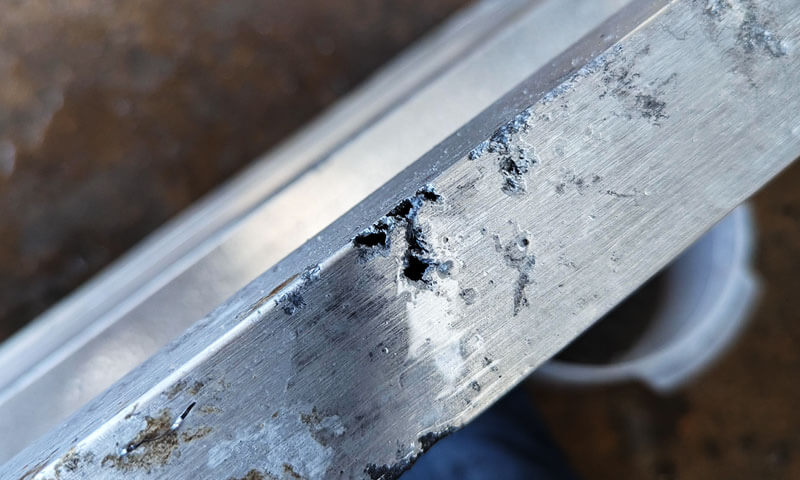
खड्ड का क्षरण
पिटिंग स्थानीयकृत विघटन है जो वहां विकसित होता है जहां निष्क्रिय फिल्म टूट जाती है.
यह एल्यूमीनियम के लिए सबसे महत्वपूर्ण संक्षारण तरीकों में से एक है क्योंकि यह गहरा हो सकता है, स्थानीय, और जल्दी पता लगाना कठिन है. क्लोराइड संदूषण एक क्लासिक ट्रिगर है.
गैल्वेनिक संक्षारण
जब एल्यूमीनियम को नमी की उपस्थिति में विद्युतीय रूप से अधिक उत्कृष्ट धातु से जोड़ा जाता है, एल्युमीनियम प्राथमिकता से संक्षारणित हो सकता है.
यह रसायन शास्त्र के मुद्दे जितना ही एक डिज़ाइन मुद्दा है: असमान-धातु संपर्क, फंसी हुई नमी, और खराब अलगाव जोखिम को बढ़ाता है.
दरार का क्षरण
दरार का क्षरण आश्रय वाले बंद क्षेत्रों में होता है जहां स्थानीय रसायन शास्त्र खुली सतह से भिन्न होता है.
इसका पिटिंग से गहरा संबंध है क्योंकि दोनों निष्क्रिय-फिल्म टूटने और स्थानीय विद्युत रासायनिक असंतुलन से उत्पन्न होते हैं.
फ़िलीफ़ॉर्म संक्षारण
फ़िलीफ़ॉर्म संक्षारण यादृच्छिक रूप में प्रकट होता है, संक्षारण उत्पाद की गैर-शाखाओं वाली सफेद सुरंगें, अक्सर कोटिंग के नीचे या असुरक्षित धातु पर.
यह आम तौर पर ताकत की तुलना में दिखावे के लिए अधिक हानिकारक होता है, हालाँकि पतली शीट में छेद किया जा सकता है.
अंतर कणीय क्षरण
जब मिश्र धातु या ताप उपचार से प्रतिकूल अनाज-सीमा अवक्षेपण उत्पन्न होता है, तो कुछ एल्यूमीनियम मिश्र धातु परिवार इंटरग्रेनुलर हमले के प्रति संवेदनशील होते हैं.
एक उत्कृष्ट उदाहरण उच्च-मैग्नीशियम निर्मित मिश्रधातु है, जहां अनाज की सीमाओं पर लगभग निरंतर Al₈Mg₅ वर्षा से एक्सफ़ोलिएशन या तनाव-संक्षारण क्रैकिंग की संवेदनशीलता बढ़ सकती है.
कुछ स्थितियों में तांबे से भरपूर मिश्रधातुएं अंतर-दानेदार प्रकार के हमले के प्रति भी संवेदनशील हो सकती हैं.
एल्यूमिनियम "सफेद जंग": एक मिथ्या नाम
"सफेद जंग" ठीक से जस्ता और गैल्वेनाइज्ड स्टील से संबंधित है, एल्यूमीनियम नहीं.
जब एल्यूमीनियम सफेद धब्बे या सफेद सतह अवशेष दिखाता है, यह घटना आम तौर पर वास्तविक जंग के बजाय ऑक्साइड धुंधलापन या संक्षारण उत्पाद का एक रूप है.
दूसरे शब्दों में, उपस्थिति "सफेद जंग" के समान दिख सकती है,लेकिन रसायन शास्त्र अलग है.
5. एल्यूमीनियम मिश्र धातु: संरचना संक्षारण प्रतिरोध को कैसे प्रभावित करती है
एल्युमीनियम संक्षारण प्रतिरोध केवल "एल्यूमीनियम" द्वारा निर्धारित नहीं किया जाता है. इंजीनियरिंग अभ्यास में, एल्यूमीनियम भाग का संक्षारण व्यवहार दृढ़ता से उस पर निर्भर करता है मिश्र धातु श्रृंखला, गुस्सा, सूक्ष्म, और पर्यावरण.

प्रमुख मिश्रधातु तत्व और उनका संक्षारण प्रभाव
मैगनीशियम (मिलीग्राम)
मैग्नीशियम एल्यूमीनियम में सबसे महत्वपूर्ण मिश्रधातु तत्वों में से एक है, विशेषकर में 5xxx श्रृंखला.
इसे अक्सर उत्कृष्ट संक्षारण प्रतिरोध से जोड़ा जाता है, विशेष रूप से समुद्री वातावरण में.
मिश्र धातु जैसे 5052 और 5083 व्यापक रूप से उपयोग किया जाता है क्योंकि वे समुद्री जल और वायुमंडलीय संक्षारण के मजबूत प्रतिरोध के साथ अच्छी ताकत का संयोजन करते हैं.
मैग्नीशियम मिश्र धातु को स्थिर सुरक्षात्मक ऑक्साइड व्यवहार बनाए रखने में मदद करता है और क्लोराइड-असर वाले वातावरण में अच्छे प्रदर्शन का समर्थन करता है. यही कारण है कि 5xxx मिश्रधातुएँ आम हैं:
- जहाज निर्माण,
- अपतटीय संरचनाएँ,
- समुद्री हार्डवेयर,
- दबाव वाहिकाओं,
- और परिवहन उपकरण.
तथापि, एक महत्वपूर्ण सीमा है. जब मैग्नीशियम की मात्रा अधिक हो जाती है और मिश्र धातु निरंतर तन्य तनाव के संपर्क में आती है, इसका जोखिम तनाव संक्षारण टूटना बढ़ सकता है.
दूसरे शब्दों में, मैग्नीशियम कई सेटिंग्स में संक्षारण प्रतिरोध में सुधार करता है, लेकिन केवल सही संरचना और सेवा विंडो के भीतर.
ताँबा (घन)
तांबा मुख्य रूप से ताकत बढ़ाने के लिए मिलाया जाता है, विशेषकर में 2xxx श्रृंखला जैसे कि 2024 और 2017.
इन मिश्र धातुओं को महत्व दिया जाता है जहां यांत्रिक प्रदर्शन महत्वपूर्ण होता है, लेकिन तांबा आम तौर पर संक्षारण प्रतिरोध को कम कर देता है.
इसका कारण धातुकर्म है: तांबे से समृद्ध क्षेत्र विद्युत रासायनिक रूप से सक्रिय स्थल बन सकते हैं जो स्थानीय हमले को प्रोत्साहित करते हैं. नतीजतन, 2xxx मिश्रधातुओं का खतरा अधिक होता है:
- अंतर कणीय क्षरण,
- खड़ा,
- और तनाव संक्षारण क्रैकिंग.
इस कारण से, 2xxx मिश्र धातुओं का व्यापक रूप से एयरोस्पेस संरचनाओं में उपयोग किया जाता है जहां ताकत आवश्यक है, लेकिन उन्हें अक्सर एनोडाइजेशन जैसे सुरक्षात्मक उपचार की आवश्यकता होती है, आवरण, या स्वीकार्य स्थायित्व प्राप्त करने के लिए कोटिंग्स.
सिलिकॉन (और)
सिलिकॉन का उपयोग आमतौर पर सुधार के लिए किया जाता है कास्टेबिलिटी, विशेषकर में 3xxx और 4xxx परिवार.
ये मिश्रधातुएं मध्यम संक्षारण प्रतिरोध और अच्छा विनिर्माण व्यवहार प्रदान करती हैं. इनका व्यापक रूप से उपयोग किया जाता है:
- मोटर वाहन घटक,
- कुकवेयर,
- हीट-एक्सचेंजर भाग,
- और कास्ट उत्पाद जहां तरलता और प्रक्रियात्मकता मायने रखती है.
सिलिकॉन आम तौर पर तांबे-समृद्ध मिश्र धातुओं से जुड़ा समान संक्षारण दंड नहीं बनाता है.
बजाय, इसे अक्सर प्रसंस्करण सहायता के रूप में उपयोग किया जाता है जो संक्षारण प्रदर्शन से गंभीर समझौता किए बिना कास्टिंग व्यवहार और यांत्रिक प्रतिक्रिया को नियंत्रित करने में मदद करता है.
जस्ता (एक प्रकार का)
जिंक मुख्य शक्तिवर्धक तत्व है 7xxx श्रृंखला, जैसे मिश्र धातुएँ शामिल हैं 7075 और 7050.
ये उपलब्ध सबसे मजबूत एल्यूमीनियम मिश्र धातुओं में से हैं, लेकिन वे निम्न-मिश्र धातु श्रृंखला की तुलना में संक्षारण संबंधी समस्याओं के प्रति अधिक संवेदनशील होते हैं.
उच्च शक्ति वाले 7xxx मिश्रधातुओं को अक्सर सावधानीपूर्वक चयन की आवश्यकता होती है क्योंकि वे इसके प्रति संवेदनशील हो सकते हैं:
- तनाव संक्षारण टूटना,
- अंतर कणीय क्षरण,
- और आक्रामक वातावरण में संपत्ति की हानि.
इस कारण से, विशेष ताप-उपचार की स्थितियाँ, जैसे कि टी73, इनका उपयोग अक्सर तब किया जाता है जब संक्षारण प्रतिरोध में सुधार करना होता है, भले ही कुछ चरम शक्ति का त्याग करना पड़े.
यहां फिर से, इंजीनियरिंग नियम स्पष्ट है: अधिकतम ताकत का मतलब स्वचालित रूप से अधिकतम स्थायित्व नहीं है.
क्रोमियम (करोड़) और टाइटेनियम (का)
अनाज की संरचना को निखारने और धातुकर्म नियंत्रण में सुधार के लिए क्रोमियम और टाइटेनियम को आमतौर पर थोड़ी मात्रा में मिलाया जाता है.
वे आम तौर पर मुख्य शक्ति तत्व नहीं होते हैं, लेकिन वे एक महत्वपूर्ण सहायक भूमिका निभाते हैं.
ये छोटे-मोटे जोड़ सुधार करने में मदद करते हैं:
- अनाज शोधन,
- संपत्ति की स्थिरता,
- शक्ति स्थिरता,
- और कई मामलों में ताकत और संक्षारण प्रतिरोध के बीच समग्र संतुलन.
एक अच्छा उदाहरण है 6xxx श्रृंखला, जैसे कि 6061 और 6063.
ये मिश्र धातुएँ मुख्य सुदृढ़ीकरण प्रणाली के रूप में मैग्नीशियम और सिलिकॉन का उपयोग करती हैं, जबकि क्रोमियम और टाइटेनियम संरचना को परिष्कृत करने में मदद करते हैं और संक्षारण प्रतिरोध के उपयोगी संयोजन का समर्थन करते हैं, ताकत, और फॉर्मेबिलिटी.
यही कारण है कि 6xxx मिश्रधातुओं को अक्सर सामान्य प्रयोजन इंजीनियरिंग सामग्री माना जाता है.
सामान्य एल्यूमीनियम मिश्र धातु परिवारों द्वारा संक्षारण व्यवहार
| मिश्र धातु परिवार | मुख्य मिश्रधातु तर्क | संक्षारण प्रतिरोध प्रवृत्ति | विशिष्ट इंजीनियरिंग उपयोग |
| 1xxx | लगभग शुद्ध एल्यूमीनियम | बहुत ऊँचा | रासायनिक प्रबंधन, विद्युतीय, वायुमंडलीय सेवा |
| 3xxx | मैंगनीज-मजबूत | बहुत अच्छा | पाटन, उपकरण, कुकवेयर, हीट-एक्सचेंजर भाग |
| 5xxx | मैग्नीशियम-मजबूत | बहुत अच्छा, विशेषकर समुद्री सेवा में | जहाज निर्माण, अपतटीय संरचनाएँ, परिवहन |
6xxx |
मैगनीशियम + सिलिकॉन | अच्छा से बहुत अच्छा | संरचनात्मक बाहर निकालना, फ़्रेम, सामान्य प्रयोजन इंजीनियरिंग |
| 2xxx | तांबे से मजबूत | 1xxx से कम, 3xxx, 5xxx, 6xxx | एयरोस्पेस संरचनाएं जहां ताकत महत्वपूर्ण है |
| 7xxx | जिंक-मजबूत | अक्सर कम; कुछ स्वभावों में एससीसी-संवेदनशील | उच्च शक्ति वाले एयरोस्पेस और रक्षा घटक |
6. एल्युमीनियम की सुरक्षा: संक्षारण प्रतिरोध बढ़ाना
एनोडाइजेशन: ऑक्साइड परत को मोटा करना
एनोडाइजिंग एल्यूमीनियम के लिए सबसे महत्वपूर्ण सतह उपचारों में से एक है क्योंकि यह जानबूझकर ऑक्साइड परत को मोटा और नियंत्रित करता है.
एनोडिक ऑक्साइड फिल्म साहित्य बाधा-प्रकार और झरझरा-प्रकार की फिल्मों को अलग करता है, और ध्यान दें कि सीलबंद छिद्रपूर्ण फिल्मों का उपयोग वहां किया जा सकता है जहां उत्कृष्ट संक्षारण प्रतिरोध की आवश्यकता होती है.
व्यवहारिक अर्थों में, एनोडाइजिंग एल्युमीनियम की प्राकृतिक निष्क्रिय फिल्म को अधिक इंजीनियर्ड सुरक्षात्मक परत में बदल देता है.
सुरक्षात्मक लेप
सुरक्षात्मक कोटिंग्स एल्यूमीनियम और उसके पर्यावरण के बीच एक भौतिक बाधा के रूप में कार्य करती हैं, संक्षारक एजेंटों को धातु की सतह तक पहुंचने से रोकना. सामान्य कोटिंग्स में शामिल हैं:
- पेंट और पाउडर कोटिंग: सौंदर्य और सुरक्षात्मक दोनों उद्देश्यों के लिए एल्यूमीनियम सतहों पर लागू किया जाता है. पाउडर कोटिंग विशेष रूप से टिकाऊ होती है, छिलने के प्रति उत्कृष्ट प्रतिरोध प्रदान करना, लुप्त होती, और संक्षारण.
तथापि, यह कठोर वातावरण में एनोडाइजेशन से कम प्रभावी है, क्योंकि कोटिंग समय के साथ छिल सकती है या टूट सकती है. - रासायनिक रूपांतरण कोटिंग्स: पतला, अनुवर्ती कोटिंग्स (उदा।, क्रोमेट, फास्फेट) जो एल्यूमीनियम पर एक सुरक्षात्मक परत बनाते हैं.
इन कोटिंग्स को अक्सर पेंटिंग से पहले प्राइमर के रूप में उपयोग किया जाता है, आसंजन और संक्षारण प्रतिरोध को बढ़ाना. - सिरेमिक कोटिंग्स: उच्च तापमान अनुप्रयोगों के लिए उपयोग किया जाता है (उदा।, एयरोस्पेस इंजन घटक), सिरेमिक कोटिंग्स 500 डिग्री सेल्सियस से ऊपर के तापमान पर गर्मी प्रतिरोध और संक्षारण सुरक्षा प्रदान करती हैं.
गैल्वेनिक संक्षारण से बचना
एल्यूमीनियम असेंबलियों को नमी की उपस्थिति में अधिक उत्कृष्ट धातुओं के साथ विद्युत युग्मित संपर्क को कम करने के लिए डिज़ाइन किया जाना चाहिए.
अलगाव वाशर, सीलंट, कोटिंग्स, और अच्छी जल निकासी गैल्वेनिक हमले को कम करने में मदद करती है. मिश्रित धातु संरचनाओं में, डिज़ाइन विवरण अक्सर मिश्रधातु से अधिक मायने रखते हैं.
उचित रखरखाव एवं सफाई
सफाई मायने रखती है क्योंकि जमा, नमक फिल्में, फंसी हुई नमी, और संदूषण सभी स्थानीय रसायन विज्ञान को बदल सकते हैं.
एक साफ़, सूखा, और अच्छी जल निकासी वाली एल्युमीनियम सतह पर लंबे समय तक गीली या दूषित रहने वाली सतह की तुलना में दाग पड़ने या स्थानीय हमले की संभावना बहुत कम होती है।.
7. निष्कर्ष: एल्युमीनियम में जंग नहीं लगता—लेकिन यह संक्षारित हो सकता है
प्रश्न का उत्तर देने के लिए "क्या एल्युमीनियम में जंग लग जाता है?“पूर्ण स्पष्टता के साथ: नहीं, एल्युमीनियम में जंग नहीं लगता.
एल्युमीनियम अजेय नहीं है. अम्लीय या क्षारीय मीडिया में, क्लोराइड युक्त वातावरण, दरारों, गैल्वेनिक जोड़े, और कुछ मिश्र धातु/तापमान की स्थितियाँ, निष्क्रिय फिल्म स्थानीय स्तर पर विफल हो सकती है और संक्षारण बढ़ सकता है.
उन मामलों में, सही सवाल यह नहीं है कि "एल्यूमीनियम में जंग क्यों लगी।"?” लेकिन “कौन सा एल्यूमीनियम संक्षारण तंत्र मौजूद है, और इसे कैसे नियंत्रित किया जाना चाहिए?"
इसलिए सबसे सटीक सारांश यही है: एल्युमीनियम में जंग नहीं लगता, लेकिन यह ख़राब हो सकता है - और उस अंतर को समझना ही इसे अच्छी तरह से उपयोग करने की कुंजी है.
पूछे जाने वाले प्रश्न
क्या एल्युमीनियम पानी में जंग खा जाता है??
नहीं. लोहे के अर्थ में एल्युमीनियम में जंग नहीं लगता. यह आमतौर पर एक सुरक्षात्मक ऑक्साइड फिल्म बनाता है, हालाँकि पर्यावरण के आधार पर पानी का धुंधलापन या स्थानीयकृत क्षरण अभी भी हो सकता है.
एल्युमीनियम कभी-कभी सफेद क्यों हो जाता है??
सफेद सतह का अवशेष आमतौर पर ऑक्साइड धुंधलापन या संक्षारण उत्पाद होता है, सच्चा जंग नहीं. "सफेद रतुआ" शब्द का प्रयोग आमतौर पर जस्ता के लिए किया जाता है, एल्यूमीनियम नहीं.
क्या एल्युमीनियम स्टील को छूने पर तेजी से संक्षारणित हो सकता है??
हाँ. नमी की उपस्थिति में असमान-धातु संपर्क से गैल्वेनिक क्षरण हो सकता है, विशेष रूप से यदि जोड़ ठीक से पृथक या लेपित नहीं है.
एनोडाइज्ड एल्यूमीनियम जंग-रोधी है?
कोई भी सामग्री बिल्कुल जंग-रोधी या संक्षारण-रोधी नहीं है. एनोडाइजिंग ऑक्साइड परत को मोटा करके और इसे अधिक सुरक्षात्मक बनाकर संक्षारण प्रतिरोध में सुधार करता है.