1. Introduction
1.4539 stainless steel (EN designation: X1NiCrMoCu25-20-5, commonly known as 904L) represents a “super-austenitic” grade engineered specifically for extreme environments.
Its exceptional corrosion and pitting resistance—especially in the presence of strong acids and seawater—sets it apart from conventional stainless steel grades.
Industries such as oil & gas, chemical processing, and desalination depend on 1.4539 to ensure long-term durability and reliable performance under harsh conditions.
Market research indicates that the global market for high-corrosion alloys is growing steadily, with a projected compound annual growth rate (CAGR) of approximately 6.2% from 2023 to 2030.
In this context, 1.4539’s enhanced performance and lifecycle benefits have become a key driver in high-end applications.
This article examines 1.4539 stainless steel from a multidisciplinary perspective,
covering its historical evolution, chemical composition, microstructural features, physical and mechanical properties, processing techniques, industrial applications, competitive advantages, limitations, and future trends.
2. Historical Evolution and Standards
Development Timeline
1.4539 stainless steel emerged in the 1970s when it was first developed by Avesta in Sweden.
Originally designed to combat sulfuric acid corrosion in the pulp and paper industry, the alloy quickly found applications in harsher environments.
Over the decades, enhancements such as increased copper additions (ranging from 1.0% to 2.0%) were introduced to improve resistance to reducing acids, thereby expanding its utility in chemical and offshore industries.

Key Standards and Certifications
The quality and performance of 1.4539 stainless steel adhere to rigorous European and international standards, including:
- EN 10088-3 and EN 10213-5: These standards dictate the chemical composition and mechanical properties.
- ASTM A240/A479: Define the requirements for plate, sheet, and bar products.
- NACE MR0175/ISO 15156: Certify the material for sour service, ensuring safety in environments with low hydrogen sulfide pressure.
3. Chemical Composition and Microstructure of 1.4539 Stainless Steel
1.4539 stainless steel, also known by its EN designation X1NiCrMoCu25-20-5 (commonly referenced as 904L),
achieves its exceptional performance through a meticulously balanced alloying strategy and finely tuned microstructural design.
The following sections detail its chemical makeup, the resultant microstructure, and the evolutionary steps that differentiate it from earlier stainless grades.
Chemical Composition
| Element | Approximate Range (%) | Functional Role |
|---|---|---|
| Chromium (Cr) | 19–23 | Forms a protective Cr₂O₃ film; enhances overall corrosion and oxidation resistance. |
| Nickel (Ni) | 23–28 | Stabilizes the austenitic structure; improves toughness and low-temperature performance. |
| Molybdenum (Mo) | 4.0–5.0 | Increases resistance to localized (pitting/crevice) corrosion, particularly in chloride-rich environments. |
| Copper (Cu) | 1.0–2.0 | Enhances resistance to reducing acids (e.g., H₂SO₄) and improves overall corrosion performance. |
| Carbon (C) | ≤ 0.02 | Keeps carbide precipitation to a minimum, reducing sensitization risks during welding and high-temperature exposure. |
| Manganese (Mn) & Silicon (Si) | Combined ≤ 2.0 | Improve deoxidation and casting; refine grain structure. |
| Nitrogen (N) | 0.10–0.20 | Strengthens the austenitic matrix; boosts pitting resistance (increases PREN). |
| Titanium (Ti) | Trace (ensures Ti/C ≥5) | Stabilizes the alloy by forming TiC, preventing Cr carbide precipitation, which improves weldability and corrosion resistance. |
Microstructural Characteristics
The optimized chemical composition of 1.4539 stainless steel directly translates into its superior microstructural characteristics:
- Austenitic Matrix:
The primary microstructure consists of a fully austenitic (face-centered cubic, FCC) matrix.
This structure provides excellent ductility, toughness, and high resistance to stress corrosion cracking (SCC).
As a result, the alloy can achieve elongation levels exceeding 40% even at cryogenic temperatures, which is essential for applications requiring extensive deformation or impact resistance. - Phase Control:
Effective management of secondary phases is crucial. The alloy maintains δ-ferrite levels below 1%,
which minimizes the risk of forming the brittle sigma (σ) phase during long-term exposure at elevated temperatures (above 550°C).
This strict phase control preserves the material’s toughness and ensures long-term reliability in high-stress environments. - Heat Treatment Impact:
Controlled solution annealing followed by rapid quenching refines the grain structure, typically achieving ASTM grain size 4–5.
This heat treatment dissolves undesirable carbides and homogenizes the microstructure, thereby enhancing both mechanical strength and corrosion resistance.
The refined grain structure also improves impact toughness and reduces the likelihood of localized stress concentrations. - Benchmarking:
When compared to other high-performance austenitic grades such as ASTM 316Ti and UNS S31635, 1.4539 exhibits a more refined, stable microstructure.
Its elevated levels of Ni and Mo, combined with the unique copper addition, boost its resistance to pitting and crevice corrosion, especially in acidic or chloride-rich environments.
4. Physical and Mechanical Properties of 1.4539 Stainless Steel
1.4539 stainless steel distinguishes itself with a finely balanced combination of mechanical strength, ductility, and corrosion resistance—qualities that make it ideal for demanding environments.
Its optimized alloy design ensures superior performance in high-stress and aggressive chemical settings. Below, we break down its key physical and mechanical properties:

Mechanical Performance
- Tensile Strength:
1.4539 typically exhibits tensile strengths in the range of 490–690 MPa, ensuring that components can support high loads and resist deformation in structural applications.
This strength allows the alloy to maintain robust performance even under dynamic stresses. - Yield Strength:
With a yield strength of at least 220 MPa, the alloy offers a reliable threshold before permanent deformation occurs, ensuring stability during both static and cyclic loading.
This characteristic is critical in safety‑critical applications. - Ductility and Elongation:
The alloy’s elongation, often exceeding 40%, highlights its excellent ductility.
Such high elongation values mean that 1.4539 can absorb significant plastic deformation, which is essential for components subject to impact, vibration, or sudden loads. - Impact Toughness:
In impact tests (e.g., Charpy V-notch), 1.4539 demonstrates high toughness even at low temperatures, frequently exceeding 100 J.
This ability to absorb energy under impact conditions makes it suitable for applications where shock resistance is critical. - Hardness:
Brinell hardness values for 1.4539 typically range between 160 and 190 HB.
This level of hardness helps ensure good wear resistance without compromising ductility, striking a balance that is vital for long-term operational reliability.
Physical Characteristics
- Density:
The density of 1.4539 stainless steel is approximately 8.0 g/cm³, which is consistent with other austenitic stainless steels.
This density contributes to a favorable strength-to-weight ratio, important for applications in aerospace, marine, and high-purity systems. - Thermal Conductivity:
With a thermal conductivity around 15 W/m·K, 1.4539 provides effective heat transfer properties.
This allows the alloy to perform reliably in heat exchangers and other thermal management applications, even when subjected to rapid temperature fluctuations. - Coefficient of Thermal Expansion:
The alloy expands at a rate of approximately 16–17 × 10⁻⁶/K. This predictable expansion behavior is crucial for designing components that must maintain tight dimensional tolerances under varying thermal conditions. - Electrical Resistivity:
Although not its primary function, 1.4539’s electrical resistivity supports its use in environments where moderate electrical insulation is necessary.
Here’s a detailed table outlining the physical and mechanical properties of 1.4539 stainless steel (Alloy 904L):
| Property | Typical Value | Description |
|---|---|---|
| Tensile Strength (Rm) | 490–690 MPa | Indicates the maximum stress the material can withstand before breaking. |
| Yield Strength (Rp0.2) | ≥ 220 MPa | Minimum stress required to produce a 0.2% permanent deformation. |
| Elongation (A5) | ≥ 40% | Excellent ductility; important for forming and shaping operations. |
Impact Toughness |
> 100 J (at -40°C) | High energy absorption; suitable for low-temperature and dynamic environments. |
| Hardness (HB) | ≤ 220 HB | Low hardness enhances machinability and formability. |
Density |
8.0 g/cm³ | Standard density for austenitic stainless steels. |
| Modulus of Elasticity | ~195 GPa | Indicates stiffness; similar to other austenitic grades. |
| Thermal Conductivity | ~15 W/m·K (at 20°C) | Lower than ferritic steels; affects heat dissipation in thermal systems. |
| Thermal Expansion Coefficient | 16–17 × 10⁻⁶ /K (20–100°C) | Indicates dimensional stability across temperature changes. |
| Specific Heat Capacity | ~500 J/kg·K | Moderate heat absorption capability. |
Electrical Resistivity |
~0.95 µΩ·m | Slightly higher than common austenitic grades; affects conductivity. |
| PREN (Pitting Resistance) | 35–40 | High resistance to pitting in chloride-rich environments. |
| Maximum Operating Temperature | ~450°C (continuous service) | Beyond this, sigma phase formation may reduce impact toughness. |
Corrosion and Oxidation Resistance
- PREN (Pitting Resistance Equivalent Number):
1.4539 achieves PREN values typically ranging between 35 and 40, which testifies to its superior resistance against pitting and crevice corrosion.
This high PREN enables the alloy to perform reliably in environments with high chloride levels and other aggressive corrosive agents. - Acid and Marine Resistance:
Data from standard corrosion tests demonstrate that 1.4539 outperforms grades like 316L in reducing and oxidizing acid environments,
such as those encountered in sulfuric or phosphoric acid systems, as well as in marine applications subject to saltwater exposure. - Oxidation Resistance:
The alloy retains its stability when exposed to oxidizing environments at elevated temperatures, ensuring long-term performance in industrial reactors and heat exchangers.
5. Processing and Fabrication Techniques of 1.4539 Stainless Steel
In this section, we explore the key fabrication methods—from casting and forming to machining, welding, and surface finishing—that enable 1.4539 to meet exacting industry standards.
Casting and Forming
Casting Methods:
1.4539 stainless steel adapts well to precision casting techniques, particularly investment casting and sand casting.
Manufacturers actively control mold temperatures—typically around 1000–1100°C—to ensure uniform solidification, thereby minimizing porosity and thermal stresses.
For complex shapes, investment casting delivers near-net-shape components, reducing the need for extensive post-casting machining.
Hot Forming:
When forging or hot rolling, engineers work within a narrow temperature window (approximately 1100–900°C) to prevent carbide precipitation and maintain the desired austenitic structure.
Rapid quenching immediately after hot forming helps stabilize the microstructure, ensuring that the alloy retains its high ductility and excellent corrosion resistance.
Manufacturers often monitor cooling rates closely, as these influence grain refinement and ultimately impact the alloy’s mechanical properties.

Quality Control:
Advanced simulation tools, such as finite element modeling (FEM), and non-destructive evaluation (NDE) methods (e.g., ultrasonic testing, radiography) ensure that casting parameters remain within design specifications.
These techniques help minimize defects like hot cracking and microsegregation, thereby guaranteeing the consistent quality of cast components.
Machining and Welding
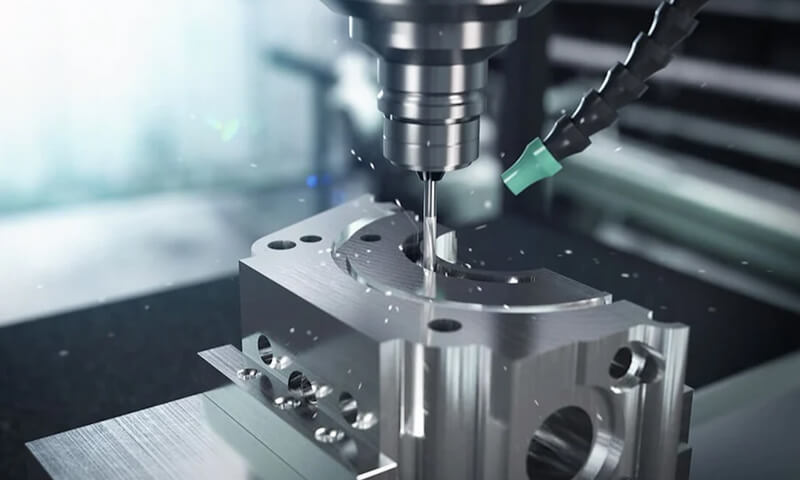
Machining Considerations:
1.4539 presents a moderate-to-high machining challenge, largely due to its austenitic structure and significant work hardening during cutting. Best practices include:
- Use of carbide or ceramic tools with optimized geometries.
- Low cutting speeds and high feed rates to minimize heat generation.
- Application of copious coolant/lubricant, preferably high-pressure emulsion.
- Interrupted cuts should be avoided to reduce notch sensitivity and tool breakage.
Tool wear rates can be up to 50% higher than standard stainless steels like 304 or 316L, necessitating regular tool changes and condition monitoring.
Welding Techniques:
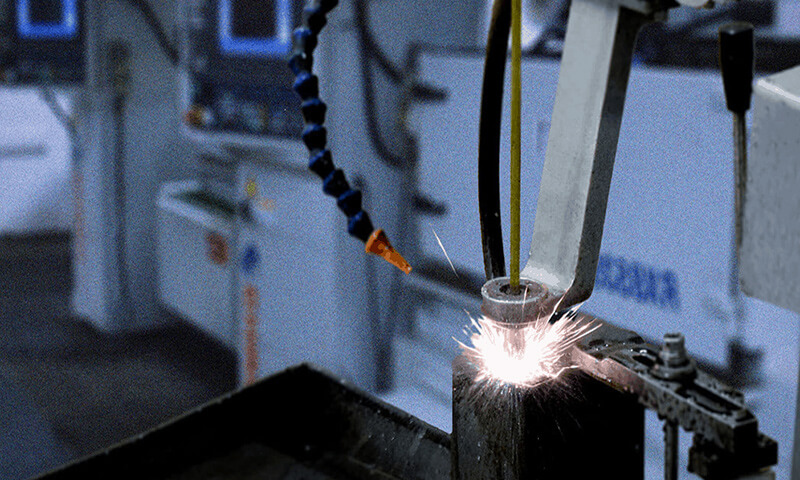
1.4539 is readily weldable using conventional processes such as:
- TIG (GTAW) and MIG (GMAW) with filler metals like ER385.
- SAW and SMAW for thicker sections.
Its low carbon content (≤0.02%) and titanium stabilization mitigate intergranular corrosion risks.
However, heat input must be controlled (<1.5 kJ/mm) to avoid hot cracking or sigma phase formation.
Preheating is generally not required, but post-weld solution annealing and pickling/passivation are often recommended for critical corrosion applications.
Heat Treatment and Surface Finishing
Solution Annealing:
To achieve optimal mechanical and corrosion-resistant properties, 1.4539 undergoes solution treatment at 1050–1120°C, followed by rapid quenching.
This dissolves carbides and homogenizes the microstructure, restoring full corrosion resistance, especially after cold working or welding.

Stress Relief:
For large or highly stressed components, stress relief at 300–400°C is occasionally performed, although prolonged exposure in the 500–800°C range should be avoided due to the risk of sigma phase precipitation.
Surface Treatments:
Surface condition is critical for applications involving hygiene, marine exposure, or chemical resistance. Recommended treatments include:
- Pickling to remove oxides and heat tint.
- Passivation (with citric or nitric acid) to enhance the Cr₂O₃ passive layer.
- Electropolishing, especially for food, pharmaceutical, and cleanroom environments, to reduce surface roughness (Ra < 0.4 µm), improve aesthetics, and enhance corrosion resistance.
In some cases, plasma polishing or laser texturing may be used for advanced applications demanding ultra-smooth finishes or specific surface functionalities.
6. Industrial Applications
1.4539 stainless steel has become a material of choice for numerous industries because of its unique combination of corrosion resistance, mechanical strength, and thermal stability:
- Chemical Processing and Petrochemicals:
It is used in reactor linings, heat exchangers, and piping systems, where aggressive acids and chlorides necessitate high corrosion resistance.
SS 904L Condenser Tubes - Marine and Offshore Engineering:
The alloy is widely employed in pump housings, valves, and structural components that are continuously exposed to seawater and biofouling. - Oil and Gas:
1.4539 is ideal for flanges, manifolds, and pressure vessels operating in sour service environments, where the presence of CO₂ and H₂S requires superior resistance to stress corrosion cracking. - General Industrial Machinery:
Its balanced mechanical properties make it suitable for heavy equipment and construction components. - Medical and Food Industries:
With excellent biocompatibility and the ability to achieve ultra-smooth finishes,
1.4539 serves critical roles in surgical implants, pharmaceutical processing equipment, and food processing systems.
7. Advantages of 1.4539 Stainless Steel
1.4539 stainless steel offers several distinct advantages that position it as a high-performance material for extreme applications:
- Superior Corrosion Resistance:
The optimized alloying of Cr, Ni, Mo, and Cu creates a robust, passive surface oxide layer,
providing exceptional resistance to pitting, crevice, and intergranular corrosion—even in highly aggressive and reducing environments. - Robust Mechanical Properties:
With high tensile strength (490–690 MPa) and yield strength (≥220 MPa), and an elongation of ≥40%, the material reliably withstands both static and cyclic loads. - High-Temperature Stability:
The alloy maintains its physical properties and oxidation resistance at elevated temperatures, making it an ideal candidate for use in industrial reactors and heat exchangers. - Excellent Weldability:
Low carbon levels combined with titanium stabilization ensure minimal sensitization during welding, enabling the production of high-integrity joints. - Lifecycle Cost Efficiency:
Despite its higher initial cost, the extended service life and reduced maintenance requirements significantly lower the total lifecycle cost. - Versatile Fabrication:
The material’s compatibility with diverse manufacturing processes, including casting, machining, and surface finishing.
enables the creation of complex, high-precision components suitable for a wide range of critical applications.
8. Challenges and Limitations
Notwithstanding its impressive performance, 1.4539 stainless steel faces several challenges:
- Corrosion Limitations:
In chloride-rich environments above 60°C, the risk of stress corrosion cracking (SCC) increases, and in the presence of H₂S at low pH, the susceptibility further escalates. - Welding Constraints:
Excessive heat input (exceeding 1.5 kJ/mm) during welding may lead to chromium carbide precipitation, reducing the weld’s ductility by up to 18%. - Machining Difficulties:
Its high work-hardening rate increases tool wear by up to 50% compared to standard 304 stainless steel, complicating machining operations on intricate geometries. - High-Temperature Performance:
Prolonged exposure (over 100 hours) between 550°C and 850°C can trigger sigma-phase formation,
reducing impact toughness by up to 40% and limiting continuous service temperatures to approximately 450°C. - Cost Considerations:
The inclusion of expensive elements such as Ni, Mo, and Cu makes 1.4539 roughly 35% costlier than 304 stainless steel, with additional volatility due to global market fluctuations. - Dissimilar Metal Joining:
When welded with carbon steels (e.g., S235), the risk of galvanic corrosion increases significantly, while low-cycle fatigue life in dissimilar joints can drop by 30–45%. - Surface Treatment Challenges:
Conventional nitric acid passivation may not remove embedded iron particles (<5 μm), requiring additional electropolishing to achieve the ultra-high cleanliness standards needed for medical and food applications.
9. Future Trends and Innovations in 1.4539 Stainless Steel
As industries continue pushing boundaries in corrosion resistance, sustainability, and material performance, the demand for advanced stainless steels like 1.4539 (Alloy 904L) is expected to grow significantly.
Known for its robustness in harsh environments, this super-austenitic alloy is now at the center of several innovations aimed at enhancing its usability, lifespan, and environmental footprint.
Below is a multidisciplinary forecast of where 1.4539 is heading, with insights into metallurgy, digital manufacturing, sustainability, and global market dynamics.

Advanced Alloy Modifications
Modern metallurgical research is actively exploring microalloying strategies to push the performance boundaries of 1.4539:
- Controlled nitrogen additions (0.1–0.2%) are being investigated to improve pitting resistance equivalent numbers (PREN), enhance tensile strength, and delay the onset of stress corrosion cracking.
- Nano-scale additives, such as rare earth elements (e.g., cerium or yttrium), are being tested for grain refinement and oxidation resistance improvement, especially in high-temperature, high-salinity applications.
- Increased molybdenum content (up to 5.5%) in specialized variants is helping target even more aggressive acid service environments,
offering up to 15% better resistance to crevice corrosion in seawater exposure tests.
Integration of Digital Manufacturing Technologies
As part of the Industry 4.0 revolution, the production and application of 1.4539 stainless steel are benefiting from smart manufacturing innovations:
- Digital twin simulations using tools like ProCAST and MAGMASOFT enable real-time control over casting processes, reducing defects such as micro-shrinkage and segregation by up to 30%.
- IoT-enabled sensors embedded in forging and heat treatment lines provide continuous feedback loops, allowing precise control over grain size, heat input, and cooling rates.
- Predictive maintenance models, informed by AI-driven fatigue and corrosion modeling, are helping extend service life in oil & gas systems by 20–25%.
Sustainable Production Techniques
Sustainability is now a central concern for stainless steel producers, and 1.4539 is no exception. Future trends include:
- Closed-loop recycling systems to recover high-value elements like nickel, molybdenum, and copper. Current efforts have shown the potential to reclaim over 85% of alloy content.
- Adoption of electric arc furnace (EAF) melting powered by renewable energy is cutting CO₂ emissions in production by up to 50% compared to traditional blast furnace operations.
- Water-based pickling technologies are being developed to replace aggressive acid baths, aligning with stricter environmental regulations, particularly in Europe and North America.
Enhanced Surface Engineering
Surface enhancement is emerging as a game-changing field for 1.4539, particularly in industries where low friction, bio-compatibility, and surface hygiene are paramount:
- Laser-induced nanostructuring has demonstrated the ability to create self-cleaning and hydrophobic surfaces, extending component life and minimizing biofouling in marine environments.
- Graphene-enhanced PVD coatings reduce wear and friction coefficients by up to 60%, making them ideal for components in sliding contact or abrasive service.
- Plasma nitriding and DLC (diamond-like carbon) treatments are being used to strengthen surface hardness without compromising corrosion resistance—particularly useful in process valves and chemical pumps.
Hybrid and Additive Manufacturing Techniques
Hybrid manufacturing approaches combining additive manufacturing (AM) and traditional methods are gaining traction:
- Selective Laser Melting (SLM) and Direct Energy Deposition (DED) enable near-net-shape fabrication of complex 1.4539 parts, reducing material waste by up to 70%.
- When followed by Hot Isostatic Pressing (HIP) and solution annealing, these AM parts exhibit up to 80% lower residual stress and superior fatigue resistance compared to conventionally machined parts.
- These approaches are especially promising in aerospace, offshore, and custom biomedical applications where precision and part consolidation are critical.
Market Growth Projections and Emerging Sectors
Global demand for corrosion-resistant stainless steels—including 1.4539—is on a steady upward trajectory. According to industry projections:
- The market for high-performance stainless alloys is expected to grow at a CAGR of 6.2–6.7% from 2023 to 2030.
- Growth is especially strong in regions investing heavily in desalination, green hydrogen infrastructure, and advanced chemical manufacturing, including the Middle East, Southeast Asia, and Northern Europe.
- Pharmaceutical and biotech sectors are showing increased interest in 1.4539 for ultra-clean environments, where its resistance to microbial contamination and acid sterilization processes is highly valued.
10. Comparative Analysis with Other Materials
To understand the strategic advantages of 1.4539 stainless steel (Alloy 904L), it’s essential to compare it against other popular corrosion-resistant materials.
These include commonly used stainless steels like 316L, high-performance alloys like Alloy 28 (UNS N08028), and specialized nickel-based alloys such as Hastelloy C-276.
The comparative analysis below focuses on corrosion behavior, mechanical strength, temperature resistance, fabrication characteristics, and overall lifecycle performance.
Comparative Table – 1.4539 Stainless Steel vs. Other Alloys
| Property | 1.4539 (Alloy 904L) | 316L Stainless Steel | Alloy 28 | Hastelloy C-276 | Duplex 2205 |
|---|---|---|---|---|---|
| Nickel (Ni) | 23–28% | 10–14% | 30–32% | >57% | ~5–6% |
| Molybdenum (Mo) | 4.0–5.0% | 2.0–2.5% | 3.0–4.0% | 15–17% | 3.0–3.5% |
| PREN (Pitting Resistance) | 35–40 | ~25 | ~38–40 | >45 | 35–38 |
| Corrosion Resistance | Excellent (acids + chlorides) | Good (moderate chlorides) | Excellent (oxidizing acids) | Outstanding (all media) | Very Good (chlorides) |
SCC Resistance |
Moderate | Moderate | High | Very High | Very High |
| Yield Strength | ≥220 MPa | ~170 MPa | ~240 MPa | ~280 MPa | ~450 MPa |
| Elongation | ≥40% | ~40% | ~35% | ~45% | ~25–30% |
| High Temp Stability | Good to ~450°C | Moderate (~400°C) | Good | Excellent (>600°C) | Moderate (~300–350°C) |
| Weldability | Excellent (Ti-stabilized) | Excellent | Moderate | Requires special control | Fair (phase control) |
Machinability |
Moderate (work-hardening) | Good | Fair | Poor | Fair |
| Fabrication Complexity | Standard stainless methods | Very easy | Requires care | Complex, strict controls | Requires phase balance |
| Lifecycle Cost Efficiency | High (long service life) | Moderate | Moderate | Low (high material cost) | High |
| Relative Material Cost | Medium–High | Low | High | Very High | Medium |
| Typical Applications | Chemical, marine, pharma | Food, pharma, tanks | Nuclear, reactors | Aggressive chemical plants | Piping, pressure vessels |
11. Conclusion
1.4539 stainless steel stands at the forefront of super-austenitic stainless materials.
Its superior pitting resistance and thermal stability make it indispensable for high-demand applications in oil & gas, chemical processing, marine engineering, and high-purity industrial systems.
Innovations in alloy modifications, digital manufacturing, sustainable production, and surface engineering are poised to further enhance its performance, cementing its role as a strategic material for the next generation of industrial applications.
DEZE is the perfect choice for your manufacturing needs if you need high-quality stainless steel products.