A Injap Globe Adakah injap gerakan linear digunakan untuk memulakan, Berhenti, pendikit, dan mengawal aliran bendalir dalam saluran paip.
Dicirikan oleh cakera bergerak (atau pas) dan kerusi cincin pegun dalam badan yang umumnya sfera, Injap Globe menawarkan kawalan aliran yang tepat dengan keupayaan penutupan yang baik.
Pembangunan Sejarah
Berasal pada awal abad ke -19, Injap globe berkembang dari injap palam mudah. Istilah "dunia" berasal dari bentuk sfera badan injap.
Reka bentuk awal diprioritaskan; Menjelang pertengahan abad ke -20, refinements to the plug geometry and seating surfaces enabled better throttling performance.
Kepentingan dalam sistem kawalan bendalir
Hari ini, globe valves are ubiquitous in industries requiring accurate flow regulation—power plants, pemprosesan kimia, rawatan air, minyak & gas, Dan banyak lagi.
Their straightforward design, kemudahan penyelenggaraan, and ability to handle a wide range of pressures and temperatures make them indispensable.
2. Apa itu injap dunia?
A Injap Globe is a linear‑motion, globe‑shaped injap designed to start, Berhenti, or precisely throttle fluid flow in a pipeline.
Unlike quarter‑turn valves (Mis., ball or butterfly), the globe valve’s stem and disk move axially, providing fine control over flow rates and enabling reliable shut‑off.

Ciri utama dan prinsip operasi
- Linear Motion Mechanism
Turning the handwheel or actuator causes the stem to move the disk (atau pas) ke atas dan ke bawah.
When the disk lifts off the seat, fluid can pass; when it descends, Laluan aliran semakin terhad sehingga ditutup sepenuhnya. - Laluan aliran tortuous
Cecair masuk di bawah tempat duduk, membalikkan arah di sekitar cakera, dan keluar melalui saluran keluar.
Laluan "berbentuk s" ini atau "berbentuk z" ini menjana penurunan tekanan yang signifikan -jenis 25-35 % tekanan masuk semasa modulasi -tetapi menyampaikan sangat lancar, throttling yang boleh diramal.
| Kelebihan | Implikasi |
| Kawalan aliran yang tepat | Sesuai untuk memodulasi aplikasi di mana perubahan kecil dalam kedudukan cakera menghasilkan pelarasan aliran yang boleh diramal. |
| Tutup ketat | Menawarkan prestasi ketat kelas IV -VI apabila duduk dan dibungkus dengan betul. |
| Keupayaan tekanan perbezaan yang tinggi | Sesuai untuk aplikasi dengan penurunan tekanan yang besar, seperti pendikit stim. |
3. Pembinaan dan komponen injap dunia

Gaya badan dan bonet (T -Pattern, Y -Pattern, Sudut)
T-corak:
Ini adalah gaya badan yang paling biasa. Dalam injap dunia T-corak, Pelabuhan salur masuk dan keluar berada dalam garis lurus, dan laluan aliran mengubah arah ketika melewati injap, Membuat bentuk seperti "t".
Reka bentuk ini sesuai untuk aplikasi tujuan umum di mana kawalan aliran diperlukan.
Y-corak:
Injap Globe Y-Y-Pattern mempunyai salur masuk dan salur yang ada pada sudut antara satu sama lain, menyerupai huruf "y".
Reka bentuk ini menawarkan laluan aliran yang lebih isien, mengakibatkan penurunan tekanan yang lebih rendah berbanding dengan corak T.
Ia sering digunakan dalam aplikasi di mana meminimumkan kehilangan tekanan adalah penting, seperti dalam sistem kadar aliran tinggi.
Sudut:
Injap Angle Globe mempunyai salur masuk dan saluran keluar yang berada di sudut 90 darjah.
Mereka berguna dalam situasi di mana perubahan arah aliran bendalir diperlukan, or when space constraints in the piping system require a more compact design.
Cakera (Palam), Tempat duduk & Batang
- Cakera (Palam): Controls flow rate by moving against the seat. Common profiles include flat, kontur (cage or plug), and piston.
Palam seimbang (with pressure‑relief holes) reduce operating torque in large or high‑pressure valves. - Tempat duduk: Provides seating surface for the disc. Seats may be integral or replaceable inserts, made of stainless steel, Monel, or soft materials (Ptfe, elastomer) for bubble‑tight shut‑off.
- Batang: Transfers actuator motion to the disc. Available as rising (visual position indication) or non‑rising types, with threaded or guided designs.
A lantern ring and packing gland maintain seal integrity around the stem.
Pembungkusan, kelenjar, dan pertimbangan gasket bonet
The packing is a crucial component that seals the space between the stem and the bonnet, preventing fluid from leaking out of the valve.
It is usually made of materials such as graphite, Ptfe, or braided fibers.
The gland is used to compress the packing, ensuring a tight seal. The bonnet gasket provides a seal between the bonnet and the valve body, preventing leakage at this joint.
Selection of these components depends on factors such as the type of fluid, tekanan operasi, dan suhu.
Kaedah penggerak: Handwheel manual, pneumatik, elektrik, hidraulik
Handwheel manual:
This is the simplest actuation method. A handwheel is attached to the stem, and operators turn it to open or close the valve.
Manual globe valves are commonly used in applications where infrequent operation is required or where automation is not cost-effective.
Pneumatik:
Pneumatic actuators use compressed air to operate the valve. They offer fast operation and are suitable for applications where quick response times are needed.
Pneumatic globe valves are often used in industries where explosion-proof operation is a requirement, such as the oil and gas industry.
Elektrik:
Electric actuators are powered by electricity and can be controlled remotely. They provide precise control and are commonly used in industrial process control systems.
Electric globe valves can be programmed to open, close, or modulate the flow based on various input signals.
Hidraulik:
Hydraulic actuators use hydraulic fluid to generate the force required to operate the valve.
They are capable of providing high torque, making them suitable for large-size valves or applications where significant force is needed to move the disc.
4. Bahan Injap Globe
Selecting the right materials for a globe valve’s badan, Bonnet, Potong, dan anjing laut is crucial to ensure reliable service under specific suhu, tekanan, dan menghakis keadaan.

Badan injap & Bahan bonet
| Bahan | Kelas tekanan biasa | Julat suhu | Atribut utama | Aplikasi biasa |
| Besi tuang / Besi mulur | Classes 125–250 | -10 ° C ke 230 ° C. | Cost‑effective; Rintangan haus yang baik; Rintangan kakisan sederhana | HVAC, Pengagihan air, low‑pressure steam |
| Keluli karbon (Mis., WCB) | Classes 150–600 | -29 ° C ke 400 ° C. | Kekuatan tinggi; boleh dikimpal; ekonomik | Minyak & gas, penjanaan kuasa, industri umum |
| Keluli tahan karat (304/316) | Classes 150–900 | -196 ° C ke 600 ° C. | Rintangan kakisan yang sangat baik; good strength at elevated temperatures | Kimia, Farmaseutikal, makanan & minuman |
| Keluli Alloy (Mis., 2.5CR -1MO, 5Cr–½Mo) | Classes 150–2500 | Hingga 565 ° C. (Bergantung pada aloi) | Enhanced creep and oxidation resistance | High‑temperature steam, Reaktor petrokimia |
| Aloi nikel (Mis., Monel, Hastelloy) | Classes 150–2500 | -196 ° C ke 700 ° C. | Superior resistance to acids, klorida, sulfida | Air laut, sour gas service, harsh chemical environments |
Bahan trim
| Trim Component | Bahan | Service Highlights |
| Cakera & Tempat duduk | Gangsa | Good for water and mild chemicals; geseran rendah |
| 316 Keluli tahan karat | Rintangan kakisan yang luas; kekuatan sederhana | |
| Monel (Ni -cu) | Excellent resistance to seawater and acids | |
| Stellite® Overlay (Co–Cr) | Exceptional wear and erosion resistance; kekerasan tinggi | |
| Batang | 17–4 PH Stainless Steel | Kekuatan tinggi; Rintangan kakisan yang baik |
| 410/420 Keluli tahan karat | Ekonomik; wear‑resistant in less corrosive media |
Pengedap & Bahan pembungkusan
- Tempat duduk lembut (Ptfe, Mengintip)
-
- Had suhu: PTFE up to ~200 °C; PEEK up to ~260 °C
- Kelebihan: Bubble‑tight shut‑off (ANSI/FCI Class VI); excellent chemical compatibility
- Tempat duduk logam (Tahan karat, Monel)
-
- Had suhu: Hingga 600 °C or higher
- Kelebihan: High‑temperature service; rintangan hakisan dan peronggaan; ANSI/FCI Class IV sealing
- Packing Options
-
- Grafit: –200 °C to 650 ° C.; geseran rendah; good leak control in high‑temp steam
- Ptfe: –200 °C to 260 ° C.; Kekurangan kimia; low stem torque
- Aramid or Synthetic Fibers: Hingga 350 ° C.; reinforced for abrasive media
5. Jenis dan Variasi Injap Globe
To tailor globe valves to diverse process needs, manufacturers combine body patterns, plug designs, Bahan tempat duduk, and specialized trims.
T -Pattern vs.. Y -Pattern vs.. Injap Globe Angle
T -Pattern Globe Injap
- Fluid Dynamics: 180° flow reversal creates a strong turbulence zone just below the seat, aiding mixing but increasing erosion risk on the downstream side.
- Mechanical Trade‑Offs: Simple casting reduces cost and face‑to‑face dimension, but the higher pressure drop (ΔP ≈ 20–30 %) demands more pump or compressor power.
- Aplikasi & Case Example: Widely used in feedwater control at power plants (Kelas ANSI 300 T‑pattern valves regulating boiler feed at 250 °C/25 bar).

Y -Pattern Globe Injap
- Fluid Dynamics: 45° offset minimizes acceleration and deceleration of fluid, reducing cavitation potential in high ΔP services.
- Mechanical Trade‑Offs: Longer body length (hingga 30 % lebih) and complex core machining raise cost, but durability in erosive slurries extends maintenance intervals.
- Aplikasi & Case Example: Chemical metering of viscous polymer solutions (Mis., 17‑4 PH Y‑pattern globe valves controlling monomer feed at 200 °C/15 bar).

Injap Globe Angle
- Fluid Dynamics: Right‑angle turn within a single casting eliminates need for elbows, lowering installation complexity and leak points.
- Mechanical Trade‑Offs: Limited to smaller sizes (≤ 4″) due to stress concentration at the turn; self‑draining feature prevents water hammer in condensate return lines.
- Aplikasi & Case Example: Steam trap drip lines (carbon‑steel angle globe valves with Stellite trim in Class 600 service at 315 ° C.).

Seimbang vs. Reka bentuk palam yang tidak seimbang
- Unbalanced plug: In an unbalanced plug design, the fluid pressure acts on one side of the disc, creating a force that needs to be overcome by the actuator to move the disc.
This design requires more force from the actuator, especially in high-pressure applications. - Balanced plug: A balanced plug design equalizes the fluid pressure on both sides of the disc, reducing the force required to operate the valve.
This makes it easier to open and close the valve, especially in high-pressure systems, and can lead to lower operating costs and longer actuator life.
Soft -sated vs. Versi yang dipasang logam
Soft -sated
- Bahan tempat duduk: Ptfe, Mengintip, or elastomers.
- Kelas kebocoran: ANSI/FCI Class VI (bubble‑tight).
- Batasan: Temperature ≤ 200 ° C. (Ptfe), ≤ 260 ° C. (Mengintip).
- Gunakan kes: Farmaseutikal, makanan & minuman, fine chemicals.
Logam -duduk
- Bahan tempat duduk: Keluli tahan karat, Monel, Stellite overlays.
- Kelas kebocoran: ANSI/FCI Class IV.
- Suhu: Hingga 600 °C or higher.
- Gunakan kes: High‑temperature steam, erosive or abrasive fluids.
Reka bentuk injap dunia khusus
- Injap dunia kriogenik
-
- Ciri -ciri: Extended bonnet; aloi suhu rendah (Mis., 304L., 316L ss).
- Julat suhu: Turun hingga -196 ° C.
- Permohonan: Lng, Penyimpanan dan pemindahan kriogenik.
- Injap globe suhu tinggi
-
- Ciri -ciri: Keluli Alloy (Mis., 2.25CR -1MO, 5Cr–½Mo), jaket penyejuk.
- Julat suhu: 600-800 ° C..
- Permohonan: Stim superheated, Reaktor petrokimia.
- Pelbagai peringkat / Trim anti -cavitation
-
- Reka bentuk: Siri peringkat pendikit untuk mengurangkan tekanan secara bertahap.
- Manfaat: Menurunkan bunyi bising sebanyak 10-20 dB dan menghalang kerosakan peronggaan.
- Permohonan: Tinggi ΔP (> 20 bar) perkhidmatan, suntikan air, desuperheating.
6. Ciri -ciri Prestasi Injap Globe
Injap Globe dihargai kerana penutupan yang tepat dan boleh dipercayai, Tetapi prestasi mereka mesti difahami di pelbagai aspek:
had tekanan tekanan, tingkah laku kawalan aliran, prestasi kebocoran, Mitigasi peronggaan/bunyi, dan ketahanan jangka panjang. Berikut adalah analisis terperinci yang disokong oleh data biasa.

Penilaian tekanan -tekanan
Injap Globe dinilai mengikut ANSI/ASME B16.34, Menentukan tekanan kerja maksimum yang dibenarkan pada suhu yang diberikan. A representative rating for carbon‑steel bodies is:
| Kelas ANSI | 300 ° f (150 ° C.) | 500 ° f (260 ° C.) | 800 ° f (425 ° C.) | 1000 ° f (540 ° C.) |
| 150 | 285 psi (1.97 MPA) | 255 psi (1.76 MPA) | 220 psi (1.52 MPA) | 185 psi (1.28 MPA) |
| 300 | 740 psi (5.10 MPA) | 700 psi (4.83 MPA) | 660 psi (4.55 MPA) | 620 psi (4.28 MPA) |
| 600 | 1480 psi (10.2 MPA) | 1440 psi (9.93 MPA) | 1380 psi (9.52 MPA) | 1320 psi (9.10 MPA) |
| 900 | 2220 psi (15.3 MPA) | 2160 psi (14.9 MPA) | 2080 psi (14.3 MPA) | 2000 psi (13.8 MPA) |
| 1500 | 3700 psi (25.5 MPA) | 3620 psi (24.9 MPA) | 3500 psi (24.1 MPA) | 3380 psi (23.3 MPA) |
| 2500 | 6250 psi (43.1 MPA) | 6100 psi (42.1 MPA) | 5900 psi (40.7 MPA) | 5700 psi (39.3 MPA) |
Nota: Ratings vary by body material; stainless‑steel and alloy‑steel bodies may see up to ±10 % adjustments. Always consult manufacturer data sheets and relevant codes.
Pekali aliran (Cv) & Kawalan Kawalan
- Pekali aliran (Cv): Indicates gallons per minute (Gpm) air di 60 °F that will flow with a 1 Penurunan tekanan psi. Typical Cv values:
| Saiz injap | T‑Pattern Cv | Y‑Pattern Cv |
| ½″ (15 mm) | 1.5 | 2.0 |
| 2" (50 mm) | 25 | 30 |
| 6" (150 mm) | 200 | 240 |
| 12" (300 mm) | 800 | 950 |
Pertimbangan reka bentuk kebocoran dan tempat duduk
Leak-tightness is a critical performance characteristic of globe valves.
The design of the seat, including its material, bentuk, dan kemasan permukaan, plays a major role in determining the leak-tightness of the valve.
Soft-seated valves typically offer better leak-tightness compared to metal-seated valves, but metal-seated valves can be designed to meet specific leakage requirements, such as API 598 leakage class VI for gas-tight shut-off.
Cavitation & Kawalan bunyi
- Cavitation Threshold: Occurs when ΔP across the trim exceeds approximately 30 bar, leading to vapor bubble collapse and trim damage.
- Trim anti -cavitation: Staged pressure reduction in 3–5 chambers can limit pressure drop per stage to < 10 bar, virtually eliminating cavitation.
- Noise Attenuation:
-
- Standard trims generate 90–100 dB(A) at high ΔP.
- Multi‑stage trims reduce noise by 10–20 dB(A), achieving levels ≤ 80 dB(A).
Durability and maintenance
The durability of a globe valve depends on factors such as the quality of materials, the operating conditions, and the frequency of maintenance.
Valves made from high-quality materials and with proper surface treatments can have a long service life.
Penyelenggaraan tetap, including inspection of the valve seat, cakera, batang, dan pembungkusan, lubrication of moving parts, and replacement of worn-out components, is essential for ensuring the durability and reliable operation of the valve.
7. Selection and Sizing of Globe Valve
Process requirements: kadar aliran, penurunan tekanan, end‑use media
The first step in selecting a globe valve is to understand the process requirements.
This includes determining the maximum and minimum flow rates, the allowable pressure drop across the valve, and the nature of the fluid (Mis., menghakis, kasar, viscous).
These factors will influence the size, Jenis, and material of the valve.

Valve sizing calculations and standards (Isa, IEC)
Valve sizing is a critical process to ensure that the valve can handle the required flow rate while maintaining an acceptable pressure drop.
Standards such as those set by the Instrumentation, Sistem, and Automation Society (Isa) and the International Electrotechnical Commission (IEC) provide guidelines for valve sizing calculations.
These calculations typically involve using the flow coefficient (Cv) of the valve and the process parameters to determine the appropriate valve size.
Actuator sizing and control considerations
Once the valve size is determined, the actuator needs to be sized appropriately.
The actuator must be able to generate enough force or torque to operate the valve under all operating conditions.
Control considerations also play a role, such as the type of control signal (Mis., 4-20 mA, 0-10 V) and the desired level of control precision.
Economic trade‑offs (initial cost vs. operating cost)
When selecting a globe valve, there is an economic trade-off between the initial cost and the operating cost.
A more expensive valve with better materials and features may have a lower operating cost due to longer service life, lower maintenance requirements, and better performance.
Sebaliknya, a cheaper valve may have a higher initial cost savings but could result in higher operating costs over time due to more frequent repairs and replacements.
8. Pemasangan, Operasi, dan penyelenggaraan
Proper orientation and piping layout
Globe valves should be installed in the correct orientation, with the flow direction indicated on the valve body matching the actual flow direction in the pipeline.
The piping layout around the valve should allow for easy access for operation and maintenance. Adequate support should be provided to the piping to prevent excessive stress on the valve.
Commissioning checks and preventive maintenance
Before putting a globe valve into service, commissioning checks should be performed.
These include checking for proper installation, ensuring that the valve operates smoothly, and verifying the tightness of all connections.
Preventive maintenance programs should be established to regularly inspect the valve, lubricate moving parts, and replace worn-out components.
This can help prevent unexpected failures and extend the life of the valve.
Mod kegagalan biasa dan penyelesaian masalah (packing leaks, memakai tempat duduk)
Common failure modes of globe valves include packing leaks, memakai tempat duduk, Kakisan batang, and actuator failure.
Packing leaks can be caused by improper installation, wear of the packing material, or excessive pressure. Seat wear can occur due to erosion, kakisan, or frequent operation.
Troubleshooting these issues involves identifying the root cause and taking appropriate corrective actions, such as replacing the packing, repairing or replacing the seat, or addressing the underlying cause of corrosion.
Repair vs. menggantikan: spare parts and refurbishment
When a globe valve fails, a decision needs to be made whether to repair or replace it.
The availability of spare parts, the cost of repair compared to replacement, dan sejauh mana kerosakan adalah faktor yang mempengaruhi keputusan ini.
Dalam beberapa kes, membaik pulih injap boleh menjadi pilihan kos efektif, terutamanya jika badan injap dan komponen utama lain masih dalam keadaan baik.
9. Applications of Globe Valve
Injap Globe digunakan secara meluas dalam industri, komersial, dan sistem utiliti kerana mereka Keupayaan pendikit yang sangat baik, Tutup ketat, dan Reka bentuk yang mantap.

Aplikasi perindustrian
Penjanaan kuasa
- Kawalan stim dalam dandang dan turbin
- Sistem peraturan air suapan
- Baris permulaan dan pintasan
Petrokimia & Penapisan
- Kawalan proses dalam lajur penyulingan, penukar haba, dan reaktor
- Minyak bahan api, penyejuk, dan suntikan kimia sistem
Minyak & Gas (Upstream and Downstream)
- Sistem tercekik dan membunuh
- Dehidrasi gas dan pemanis
- Garis pemisahan dan suntikan
Kimia & Farmaseutikal
- Kawalan aliran ketepatan untuk asid, pelarut, dan reaktan
- Pemprosesan batch dan garis dos
Air & Rawatan Air Sisa
- Peraturan aliran dalam sistem penapisan dan pembasmian kuman
- Bypass pam dan kawalan tahap aplikasi
- Proses pengkloranan dan peneutralan
HVAC & Perkhidmatan bangunan
- Air sejuk dan gelung air panas kawalan
- Pemanasan stim sistem di bangunan komersial
- Injap kawalan zon untuk kecekapan tenaga
Marin dan Pembuatan Kapal
- Peraturan Sistem Ballast
- Sistem penyejukan dan bahan bakar enjin
- Garis pemadam kebakaran
Aeroangkasa & Pertahanan
- Kawalan cecair dan gas tekanan tinggi dalam ujian berdiri
- Sistem Sokongan Tanah Pesawat
- Sistem pembuangan/pembuangan peluru berpandu
Cryogenic & Specialty Gases
- Nitrogen cecair, oksigen, argon, dan Lng kawalan
- Digunakan dalam pemisahan gas dan loji pencairan
10. Pros and Cons of Globe Valve
Injap Globe digunakan secara meluas kerana mereka Keupayaan pendikit yang sangat baik dan Tutup yang boleh dipercayai, Tetapi mereka juga datang dengan batasan tertentu.
Pros of Globe Valve
Excellent Throttling Capability
- Membolehkan peraturan aliran yang tepat merentasi pelbagai keadaan.
- Sesuai untuk aplikasi yang memerlukan penyesuaian atau modulasi aliran kerap.
Good Shut-Off Performance
- Memberi meterai yang ketat apabila ditutup, meminimumkan kebocoran.
- Sesuai untuk kedua -dua tugas pengasingan dan kawalan.
Shorter Stroke Compared to Gate Valves
- Memerlukan pergerakan batang yang kurang untuk membuka atau menutup sepenuhnya, Mengurangkan masa penggerak.
Versatile Body Configurations
- Tersedia dalam T-corak, Y-corak, and angle designs to suit different piping layouts and flow requirements.
Penyelenggaraan yang mudah
- Top-entry design allows for straightforward disassembly and access to internal components.
- Seats and discs are often replaceable.
Directional Flow Control
- Designed for specific flow direction, enhancing efficiency in control applications.
Suitable for High-Pressure and High-Temperature Applications
- Available in forged or cast construction with materials that can handle extreme conditions.
Cons of Globe Valve
Penurunan tekanan yang lebih tinggi
- Due to the change in flow direction through the valve body, globe valves cause significant pressure loss.
- Not ideal for systems requiring low-resistance flow.
Requires More Force or Larger Actuators
- The flow resistance and tight shutoff create higher operating torque, especially under high-pressure conditions.
Pembinaan yang lebih kompleks
- More parts than simpler valve types like gate or ball valves, which can increase cost and maintenance.
Arah aliran penting
- Must be installed with correct orientation; reverse flow can damage internal components or reduce performance.
Tidak sesuai untuk buburan atau cecair yang sangat likat
- The tortuous flow path and potential for seat erosion make them unsuitable for abrasive or thick fluids.
Reka bentuk yang lebih berat dan bulkier
- Generally more massive than other valves of equivalent size and pressure class, which may affect piping support design.
11. Piawaian, Ujian, dan pensijilan
- Bahan & Dimensi:
-
- API 602 (small bore), API 609 (rama -rama), ISO 5752
- MSS SP‑61 (tightness), MSS SP‑25 (menandakan)
- Testing Procedures:
-
- Ujian Shell (1.5× PN), ujian tempat duduk (1.1× PN), backseat test
- Jaminan kualiti:
-
- NACE MR0175 (perkhidmatan masam), PED 2014/68/EU, ASME B16.34
12. Perbandingan injap dunia dengan jenis injap lain
| Ciri | Injap Globe | Injap pintu | Injap bola | Injap rama -rama | Injap diafragma |
| Flow Control Ability | ★★★★★ Excellent throttling | ★☆☆☆☆ Poor, bukan untuk pendikit | ★★☆☆☆ Limited control | ★★☆☆☆ Moderate control | ★★★☆☆ Moderate throttling |
| Laluan aliran | Curved, high flow resistance | Lurus, minimal resistance | Lurus melalui, very low resistance | Partially blocked, rintangan rendah hingga sederhana | Aliran lancar dengan lif diafragma |
| Penurunan tekanan | Sederhana hingga tinggi | Rendah | Sangat rendah | Rendah hingga sederhana | Rendah hingga sederhana |
| Kelajuan pembukaan/penutupan | Sederhana (manual/automatik) | Perlahan (strok panjang) | Cepat (Quarter-turn) | Sangat pantas (Reka bentuk padat) | Perlahan (Bergantung pada keanjalan diafragma) |
| Prestasi pengedap | ★★★★★ Cemerlang | ★★★ ☆☆ Baik | ★★★★ ☆ Baik di bawah tekanan | ★★★ ☆☆ Fair | ★★★★★ Cemerlang, Tiada ruang mati |
Media yang sesuai |
Cecair, gas, menghakis atau likat | Air bersih, cecair karat rendah | Cecair/gas bersih, bukan particulate | HVAC, Air bersih, Aliran kelantangan besar | Menghakis, viscous, cecair sanitari |
| Keperluan ruang | Agak besar | Besar | Medium | Padat | Kecil hingga sederhana |
| Penyelenggaraan | Mudah (dalaman boleh diganti) | Struktur mudah, kurang penyelenggaraan | Kompleks (injap keseluruhan sering dikeluarkan) | Penyelenggaraan yang mudah | Penggantian diafragma mudah |
| Aplikasi biasa | Peraturan aliran, kawalan tekanan | Terbuka/tutup penuh, Sistem air | Tutup cepat, pengasingan kecemasan | HVAC, rawatan air, saluran paip besar | Makanan, Farmaseutikal, aliran menghakis/steril |
13. Trend dan inovasi yang muncul
Posisi Injap Pintar dan Integrasi IIOT
Penyepaduan Posisi Injap Pintar dengan Internet Perindustrian Perkara (Iiot) is revolutionizing the monitoring and control of globe valves.
These advanced positioners continuously track key parameters such as valve position, tekanan, suhu, dan getaran.
Data is transmitted to a centralized system for real-time diagnostics and predictive maintenance.
Lapisan lanjutan dan rawatan permukaan
Cutting-edge surface treatments and coatings are enhancing valve durability and efficiency.
Materials with high resistance to corrosion, Hakisan, and fouling are being applied to critical components like valve discs and seats.
Jenis salutan:
- Salutan seramik: Increase wear resistance and service life in abrasive environments
- PTFE and epoxy coatings: Improve corrosion resistance in chemical processing
- Hydrophobic surfaces: Reduce fluid adhesion and fouling
14. Kesimpulan
Globe valves are an integral part of fluid control systems across a vast array of industries.
Their unique design, which combines a linear motion mechanism with a spherical body, enables them to provide precise flow control and reliable shut-off capabilities.
From the selection of appropriate materials based on fluid characteristics and operating conditions to the various types and variations available, globe valves can be tailored to meet specific application requirements.
Sebagai teknologi terus berkembang, emerging trends and innovations such as smart valve integration, Bahan lanjutan, and energy-efficient designs are set to further enhance the performance and capabilities of globe valves.
These developments will not only improve the efficiency and safety of industrial operations but also contribute to a more sustainable future.
Ini: Penyelesaian pemutus injap ketepatan tinggi untuk menuntut aplikasi
Ini adalah penyedia perkhidmatan pemutus injap ketepatan yang khusus, Menyampaikan komponen berprestasi tinggi untuk industri yang memerlukan kebolehpercayaan, Integriti tekanan, dan ketepatan dimensi.
Dari casting mentah ke badan injap dan perhimpunan sepenuhnya machined, Ini Menawarkan penyelesaian akhir-ke-akhir yang direka untuk memenuhi piawaian global yang ketat.
Kepakaran pemutus injap kami merangkumi:
Pelaburan Pelaburan untuk badan injap & Potong
Menggunakan teknologi pemutus lilin yang hilang untuk menghasilkan geometri dalaman yang kompleks dan komponen injap toleransi ketat dengan kemasan permukaan yang luar biasa.
Pemutus pasir & Casting acuan shell
Sesuai untuk badan injap sederhana hingga besar, bebibir, dan bonet-menawarkan penyelesaian kos efektif untuk aplikasi perindustrian yang lasak, termasuk minyak & Penjanaan Gas dan Kuasa.
Pemesinan ketepatan untuk injap sesuai & Integriti meterai
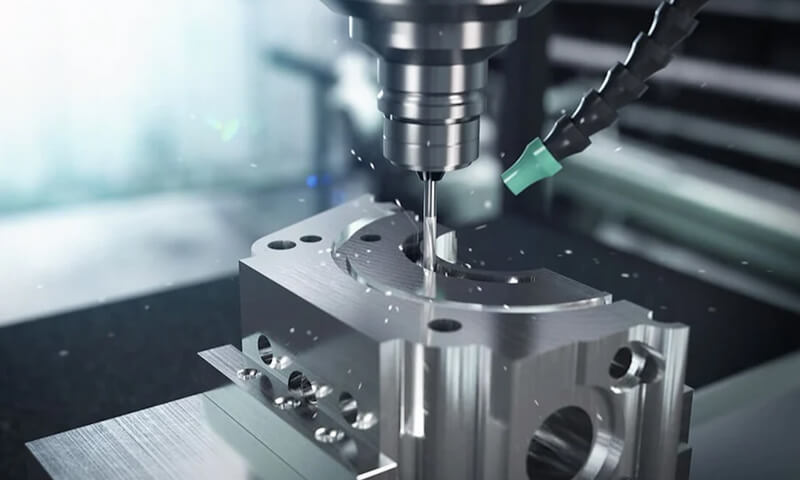
Pemesinan CNC tempat duduk, benang, dan wajah pengedap memastikan setiap bahagian cast memenuhi keperluan prestasi dimensi dan pengedap.
Julat Bahan untuk Aplikasi Kritikal
Dari keluli tahan karat (CF8m, CF3m), tembaga, besi mulur, kepada bahan dupleks dan aloi tinggi, Ini Bekalan Casting Injap yang Dibina Untuk Melakukan Dalam Kakisan, tekanan tinggi, atau persekitaran suhu tinggi.
Sama ada anda memerlukan injap kawalan kejuruteraan adat, tekanan mengurangkan injap, Injap Globe, injap pintu, atau pengeluaran volum tinggi casting injap perindustrian, Ini Adakah pasangan anda yang dipercayai untuk ketepatan, ketahanan, dan jaminan kualiti.