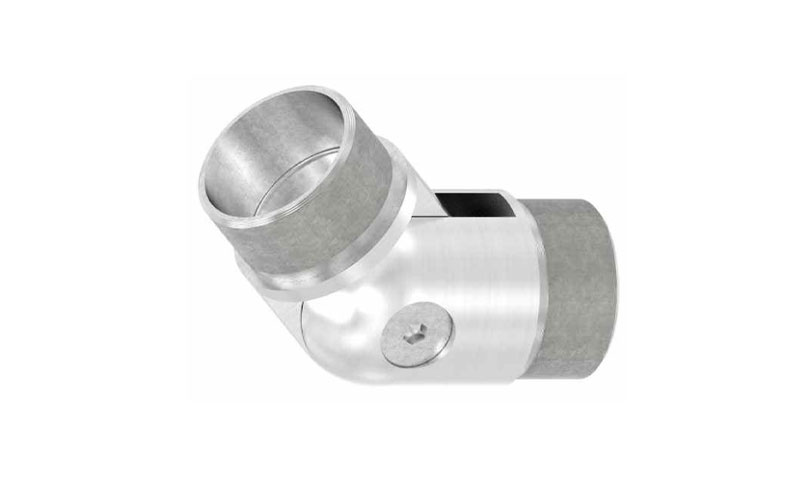
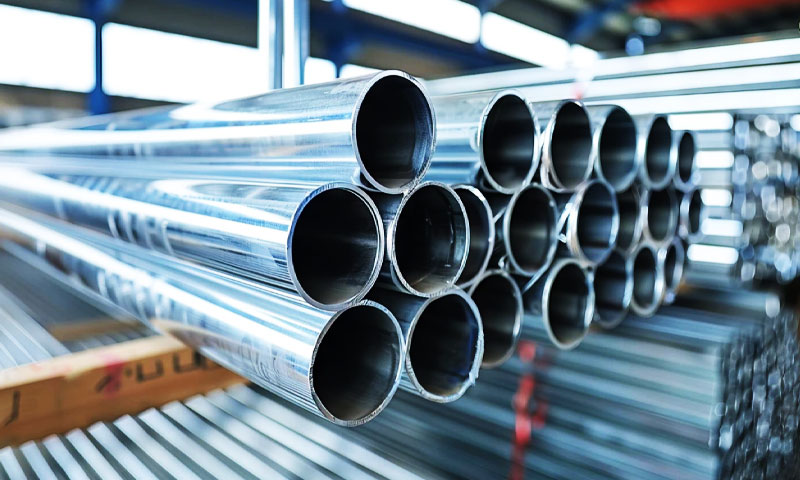
Properties of Cast Stainless Steel
1. Introduction Cast stainless steels combine corrosion resistance, good mechanical strength and castability for complex shapes. They are used where […]
Properties of Cast Stainless Steel Read More »
1. Introduction Cast stainless steels combine corrosion resistance, good mechanical strength and castability for complex shapes. They are used where […]
Properties of Cast Stainless Steel Read More »
1. Introduction Monel alloys are a family of nickel–copper (Ni–Cu) based materials known for excellent corrosion resistance, particularly in seawater,
What Are the Different Types of Monel Alloys? Read More »
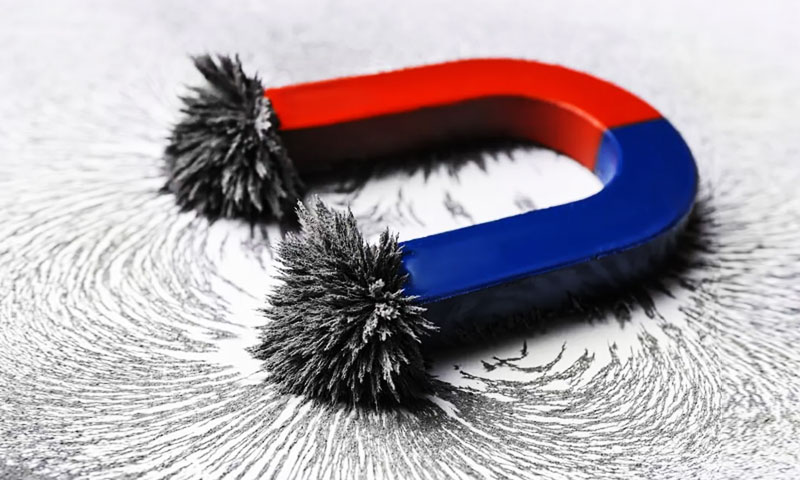
1. Introduction Gray (grey) cast iron is a ferromagnetic engineering material whose magnetic behaviour is set by the iron matrix
Magnetic Properties of Gray Cast Iron Read More »
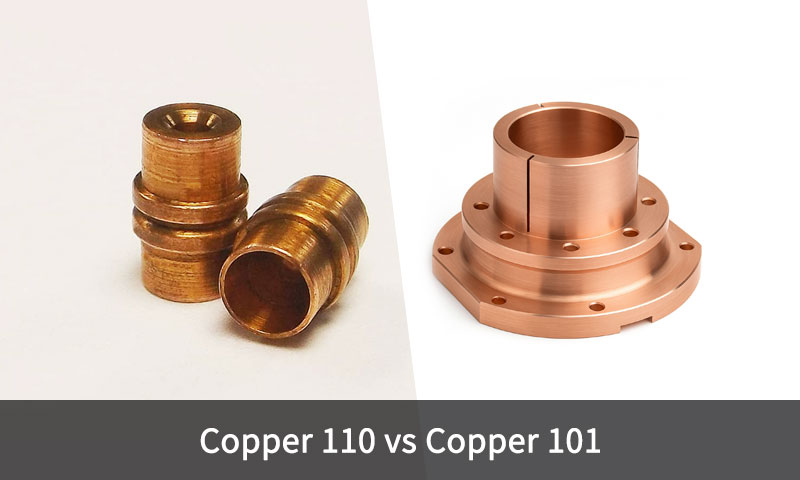
1. Introduction Copper remains a cornerstone of modern engineering, celebrated for its exceptional electrical and thermal conductivity, corrosion resistance, and
Copper 110 vs 101: Complete Technical Comparison Read More »
1. Introduction 300-Series Austenitic Stainless Steel is the workhorse family of stainless alloys used across industry because it combines corrosion
Features and Benefits of 300-Series Austenitic Stainless Steel Read More »
1. Introduction Ductile iron, also known as nodular or spheroidal graphite iron, is a cast iron renowned for its excellent
65-45-12 Ductile Iron: Composition, Properties & Applications Read More »
1. Introduction Gray iron vs ductile iron are two of the most widely used types of cast iron, each offering
Gray Iron vs Ductile Iron: Key Differences Read More »
1. Introduction ASTM A536 is the standard specification for ductile iron castings, widely used across industries such as automotive, construction,
ASTM A536 Ductile Iron Read More »
1. Introduction Iron castings play a pivotal role in modern engineering, underpinning applications from automotive powertrains to municipal infrastructure. Among
Ductile Iron vs Cast Iron: Which Material Reigns Supreme? Read More »
1. Introduction Cobalt traces its roots to the early 18th century, named from the German kobold or “goblin,” a nod
Cobalt Metal: Properties, Uses, and Industrial Importance Read More »
1. Introduction ASTM A216 WCB is one of the most commonly used cast carbon steels in industrial equipment manufacturing, particularly
ASTM A216 WCB: Material for Industrial Valves & Pressure Vessels Read More »
1. Introduction Magnesium alloy is a metallic material primarily based on magnesium, with the addition of other elements to enhance
Magnesium Alloy: Properties, Processing, Applications Read More »
1. Introduction Zinc alloy is a metallic material primarily composed of zinc, with the addition of other elements to enhance
Zinc Alloy: Properties, Applications & Benefits Read More »
1. Introduction Brass vs bronze, two prominent copper-based alloys, have served civilization for millennia. While their warm metallic sheen and
Brass vs Bronze: Key Differences Read More »
1. Introduction Magnesium die casting represents a unique convergence of lightweight performance and high-volume manufacturability. As the lightest structural metal,
Magnesium Die Casting: Lightweight Metal Solutions Read More »
1. Introduction In the realm of high-temperature engineering, selecting the right stainless steel alloy is critical to ensuring durability, safety,
SUS 310S vs. AISI 314 Stainless Steel Read More »
1. Introduction 1.4762 stainless steel—also known as X10CrAlSi25 in DIN/EN parlance and AISI 446 or UNS S44600 in American standards—represents
1.4762 Stainless Steel (AISI 446) – High-Temperature Ferritic Alloy Read More »
1. Introduction Ductile cast iron, often called nodular cast iron or spheroidal graphite iron. In 1948, Keith Millis discovered that
What Is Ductile Cast Iron? Read More »