
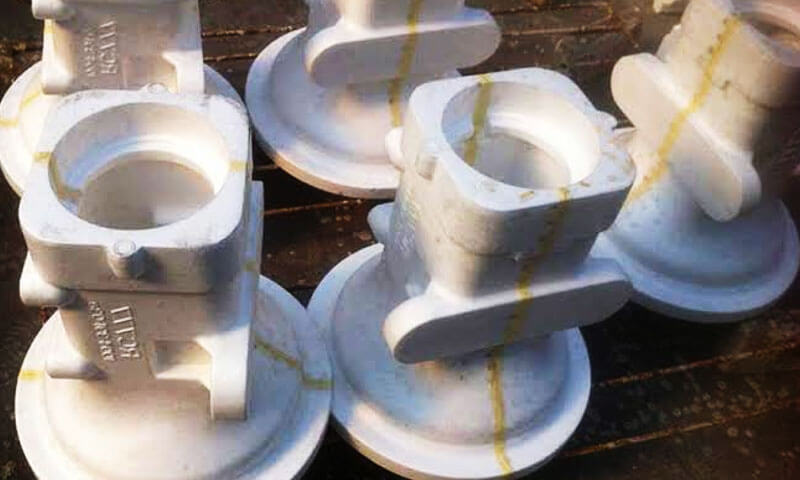
Lost foam casting (LFC), also known as expendable pattern casting, has established itself as a transformative near-net-shape manufacturing technology in the modern foundry industry, valued for its ability to produce complex, dimensionally accurate castings with high material utilization and low environmental impact.
At the core of the LFC process lies the expandable foam pattern, which acts as a sacrificial template that vaporizes completely upon contact with molten metal.
The chemical composition, thermal degradation behavior and physical properties of the raw foam beads directly determine the quality of the final casting, making bead selection one of the most critical upstream decisions in lost foam casting production.
One of the most persistent and intractable quality challenges in lost foam casting is carbon-related defects, which originate from incomplete pyrolysis of the foam pattern. Improper bead selection not only elevates rejection rates but also restricts the application of lost foam casting to high-grade alloy and precision structural castings.
This article systematically analyzes the mechanism of pattern pyrolysis and its impact on casting quality, compares the physicochemical and process characteristics of four mainstream foam bead systems, and establishes material-specific selection criteria aligned with different casting alloys and production requirements.
1. What Are Lost Foam Casting Foam Beads?
Lost Foam Casting (LFC) foam beads are expandable thermoplastic polymer beads used to manufacture expendable foam patterns for the Lost Foam Casting process.
These beads are pre-expanded with steam, aged, and molded into the exact shape of the final casting.
During pouring, the foam pattern is vaporized and replaced by molten metal, eliminating the need for traditional mold cavity removal.
Unlike ordinary packaging foam, casting-grade foam beads are specially engineered to achieve controlled expansion, high dimensional accuracy, low thermal residue, and predictable pyrolysis behavior under molten metal temperatures.
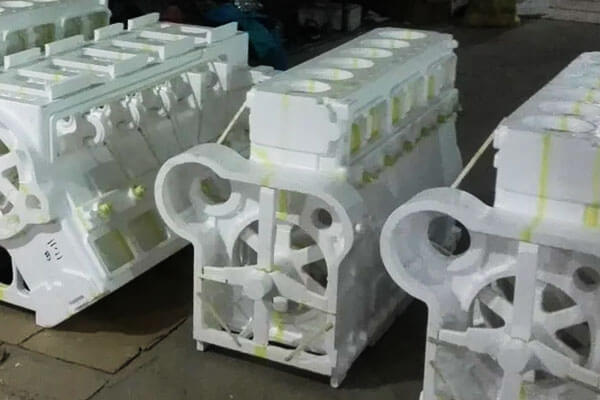
The Role of Foam Beads in Lost Foam Casting
In Lost Foam Casting, the foam pattern is not merely a disposable model—it is an integral part of the casting process.
When molten metal enters the mold, the foam undergoes rapid thermal decomposition (pyrolysis), producing gaseous and solid decomposition products.
The behavior of the foam during this stage directly affects:
- Surface finish of the casting
- Dimensional accuracy
- Mold filling performance
- Gas evolution
- Carbon pickup
- Inclusion defects
- Overall casting quality
For this reason, selecting the correct foam bead material is just as important as choosing the appropriate alloy or refractory coating.
2. Impact of Foam Pattern Pyrolysis Products on Casting Quality
The expendable foam pattern is one of the defining characteristics of Lost Foam Casting (LFC), distinguishing it from conventional sand casting and investment casting.
Unlike traditional molds, where the cavity is fully formed before pouring, the foam pattern remains inside the mold and is progressively replaced by molten metal during filling.
Consequently, the thermal decomposition behavior of the foam is not simply a material property—it becomes an integral part of the casting process, directly influencing metal flow, mold filling, solidification, and the final quality of the casting.
Process Characteristics of Foam Pattern Pyrolysis
During pouring, molten metal at temperatures ranging from approximately 1,400°C to 1,700°C rapidly heats the foam pattern.
Instead of disappearing instantaneously, the polymer undergoes a series of complex thermochemical reactions, including melting, depolymerization, thermal cracking, oxidation, carbonization, and gasification.
These reactions occur simultaneously with the advancement of the molten metal front, making the decomposition of the foam pattern a highly dynamic process.
The pyrolysis products generally include:
- Carbon dioxide (CO₂)
- Carbon monoxide (CO)
- Water vapor (H₂O)
- Methane (CH₄) and other light hydrocarbons
- Free graphitic carbon
- Solid carbonaceous or carbide residues
Unlike conventional casting processes, where molten metal fills an empty cavity, Lost Foam Casting requires the foam pattern to decompose and vacate the mold cavity at precisely the same rate as the advancing metal.
If the decomposition rate is too slow, the metal flow may be obstructed, resulting in defects such as misruns, cold shuts, or incomplete filling.
Conversely, excessively rapid gas generation may exceed the permeability of the refractory coating and sand mold, leading to gas entrapment, porosity, or mold instability.
This synchronized interaction between metal filling, foam pyrolysis, gas evacuation, and solidification creates a narrow processing window, making foam decomposition one of the most critical factors governing process stability and casting quality.
Effects of Gaseous Products and Free Carbon
The thermal decomposition of foam patterns generates various gaseous species, primarily carbon dioxide (CO₂), carbon monoxide (CO), water vapor (H₂O), methane (CH₄), hydrogen, and other low-molecular-weight hydrocarbons.
When the refractory coating possesses adequate permeability and the gating, vacuum, and venting systems are properly designed, these gases can be rapidly discharged through the coating and dry sand without adversely affecting casting quality.
More challenging is the formation of free carbon during pyrolysis.
Depending on local temperature, oxygen availability, and metal flow conditions, part of the carbon generated from polymer decomposition is converted into finely dispersed graphite particles.
A significant portion of these particles is captured by the refractory coating or transported out of the mold cavity by the escaping gases.
However, the remaining carbon may become entrained in the molten metal, where it can dissolve into the alloy or accumulate at the metal front.
Small amounts of uniformly dispersed free carbon generally have little influence on the overall integrity of the casting.
However, when turbulent metal flow concentrates these particles in localized regions, they can produce macroscopic defects such as carbon inclusions, lustrous carbon deposits, surface carbon spots, or localized carburization.
These defects not only impair surface appearance but may also alter the chemical composition and microstructure of the casting, particularly in alloys that are sensitive to carbon pickup, such as ductile iron and cast steel.
Hazards of Solid Carbonaceous Residues
Among all pyrolysis products, solid carbonaceous residues present the greatest challenge to Lost Foam Casting.
These residues, which include carbonized polymer fragments and carbide-like particles formed during incomplete thermal decomposition, cannot be removed by gas evacuation or effectively absorbed by the refractory coating.
Instead, they become entrapped within the molten metal or remain attached to the casting surface throughout solidification.
Solid residues are responsible for many of the most persistent defects associated with Lost Foam Casting, including carbon inclusions, slag-like deposits, surface scabs, internal contamination, and localized carburization.
In addition to degrading the surface finish, these defects can reduce mechanical strength, impair pressure tightness, decrease fatigue resistance, and increase machining costs.
For high-integrity components, they often become the limiting factor preventing compliance with stringent quality standards and nondestructive inspection requirements.
Reducing the formation of solid residues is therefore one of the most effective approaches to improving casting quality.
Under otherwise identical process conditions, foam materials with higher gasification efficiency and lower residue generation consistently produce cleaner castings with fewer carbon-related defects.
Consequently, selecting casting-grade foam beads with appropriate polymer chemistry, controlled particle size, and excellent thermal decomposition characteristics is a fundamental prerequisite for achieving stable production, high first-pass yield, and reliable casting performance in Lost Foam Casting.
3. Characteristics of Mainstream Expandable Foam Beads for Lost Foam Casting
The performance of a foam pattern in Lost Foam Casting is fundamentally determined by the chemical composition of the expandable foam beads from which it is produced.
Different polymer systems exhibit distinct thermal decomposition mechanisms, gasification efficiencies, and residue generation behaviors, all of which directly influence casting quality.
Commercial casting-grade expandable foam beads can be broadly classified into four categories:
Expandable Polystyrene (EPS), Styrene–Methyl Methacrylate Copolymer (STMMA), Expandable Polymethyl Methacrylate (EPMMA), and FD Modified Copolymer.
These materials differ primarily in the proportion of polystyrene (PS) and polymethyl methacrylate (PMMA) within their molecular structures.
Since PS and PMMA undergo fundamentally different pyrolysis reactions, their carbon residue characteristics and casting performance also vary significantly.
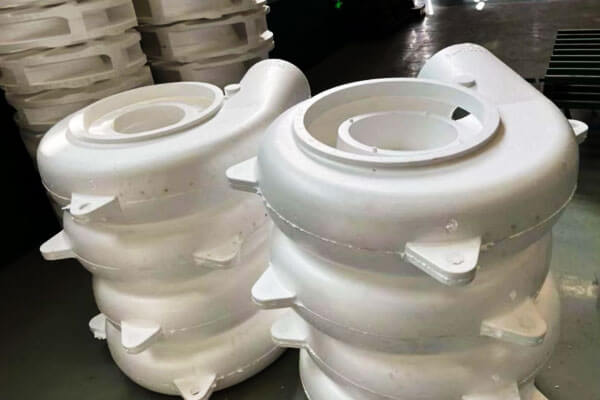
EPS (Expandable Polystyrene) Beads
EPS is the most widely used expandable foam material and has served as the conventional pattern material for Lost Foam Casting for decades.
It is manufactured by suspension polymerization of styrene monomer, followed by impregnation with a low-boiling hydrocarbon blowing agent, typically pentane.
The molecular backbone of EPS consists entirely of repeating styrene units, each containing eight carbon atoms and eight hydrogen atoms.
Consequently, EPS possesses an exceptionally high carbon content of approximately 92 wt.%, the highest among all commercially available casting foam materials.
The aromatic benzene rings within the polystyrene chain exhibit outstanding thermal stability and are highly resistant to oxidative decomposition.
During pouring, the polymer cannot be completely gasified, causing a considerable proportion of the carbon to remain as solid carbonaceous residue.
This incomplete pyrolysis substantially increases the likelihood of carbon inclusions, carbon pickup, surface carbon deposits, and other carbon-related casting defects.
Furthermore, commercial EPS grades often contain stabilizers, flame retardants, or processing additives that can further increase the quantity of non-volatile residue generated during thermal decomposition.
Although EPS offers excellent moldability, low production cost, and mature processing technology, its relatively poor gasification characteristics limit its suitability for high-quality or defect-sensitive castings.
Today, EPS is primarily employed for general-purpose gray iron castings where carbon contamination requirements are less stringent.
STMMA (Styrene–Methyl Methacrylate Copolymer) Beads
STMMA is a specially developed expandable copolymer designed to improve the thermal decomposition characteristics of conventional EPS while maintaining good molding performance.
It is produced by suspension copolymerization of styrene and methyl methacrylate (MMA), using peroxide initiators and low-boiling hydrocarbon blowing agents.
A typical STMMA formulation contains approximately 70% PMMA and 30% PS by mass, reducing the overall carbon content of the material to around 63 wt.%.
The incorporation of PMMA significantly changes the pyrolysis mechanism.
During pouring, the PMMA component readily depolymerizes into volatile monomers, resulting in a more complete gasification process and substantially lower solid residue formation than pure EPS.
Compared with EPS, STMMA provides higher gas evolution, cleaner decomposition, and a marked reduction in carbon-related casting defects.
At the same time, it retains favorable processing characteristics, including stable pre-expansion, good bead fusion, and reliable dimensional accuracy.
Because it offers an excellent balance between casting quality, production efficiency, and material cost,
STMMA has become the preferred foam material for most medium- and high-grade Lost Foam Casting applications, including ductile iron, high-chromium iron, pressure-retaining components, and precision gray iron castings.
EPMMA (Expandable Polymethyl Methacrylate) Beads
EPMMA represents the highest-performance foam material currently available for Lost Foam Casting.
Unlike copolymer systems, its molecular structure consists entirely of polymethyl methacrylate, with polymer chains rich in ester functional groups (–COOCH₃).
The ester linkage possesses relatively low bond energy, while the α-hydrogen adjacent to the ester group is highly reactive.
Upon heating, the polymer preferentially undergoes β-scission, initiating a rapid “zipper” depolymerization mechanism that sequentially converts the polymer chain back into methyl methacrylate (MMA) monomer.
At typical casting temperatures of approximately 1500°C, the liberated MMA monomer is further oxidized into low-molecular-weight gaseous products such as carbon dioxide (CO₂), carbon monoxide (CO), methane (CH₄), and other volatile compounds.
As a result, EPMMA leaves virtually no solid carbonaceous residue after decomposition.
This nearly complete gasification provides the lowest risk of carbon inclusions, carburization, and residue-related defects among all commercial expandable bead materials.
Consequently, EPMMA is widely recognized as the optimum choice for high-integrity castings requiring exceptional metallurgical cleanliness, such as precision ductile iron, high-alloy cast iron, aerospace components, and critical pressure-containing castings.
Its widespread application, however, is constrained by higher raw material costs, longer processing cycles, and more stringent manufacturing requirements.
FD Modified Copolymer Beads
FD Modified Copolymer is a cost-optimized expandable foam material developed to bridge the performance gap between conventional EPS and high-performance STMMA.
Its polymer composition contains a higher proportion of polystyrene than STMMA but significantly less than pure EPS, resulting in an intermediate carbon content and improved thermal decomposition characteristics.
Compared with EPS, FD copolymer produces noticeably less solid carbon residue and exhibits higher gasification efficiency, thereby reducing the occurrence of carbon inclusions and surface carbon defects.
Although its performance does not fully match that of STMMA or EPMMA, it offers a practical compromise between casting quality and production cost.
For foundries seeking to upgrade from traditional EPS without substantially increasing material expenses, FD Modified Copolymer provides an economical solution.
It is particularly suitable for standard gray iron castings, automotive housings, pump bodies, machine components,
and other applications where moderate improvements in casting cleanliness and defect reduction are desired while maintaining competitive production costs.
4. Comparison of Process Parameters and Physicochemical Properties
Selecting expandable foam beads for Lost Foam Casting requires evaluating both processing characteristics and casting performance.
While polymer composition determines the thermal decomposition behavior of the foam, its manufacturability depends on factors such as pre-expansion conditions, bead fusion, and aging stability.
Likewise, the physicochemical properties of the finished beads—including particle size, volatile content, carbon content, and gas evolution—directly influence pattern quality, gasification efficiency, and the likelihood of casting defects.
Comparison of Pre-Expansion Process Parameters
| Parameter | EPMMA | STMMA | FD Modified Copolymer | EPS |
| Pre-expansion Temperature (°C) | 95–105 | 95–105 | 90–95 | 90–95 |
| Steam Pressure (MPa) | 0.03–0.05 | 0.03–0.05 | Atmospheric Pressure | Atmospheric Pressure |
| Holding Time (s) | 40–60 | 40–60 | 15–25 | 15–25 |
| Aging Time (h) | 24–48 | 24–48 | 8–24 | 8–24 |
Comparison of Physicochemical and Casting Performance Properties
| Property | EPMMA | STMMA | FD Modified Copolymer | EPS |
| Bead Particle Size (mm) | 0.25–0.85 | 0.25–0.85 | 0.35–1.25 | 0.35–1.80 |
| Maximum Expansion Ratio (120°C, 10 min) | 40–65 | 65–75 | 50–70 | 50–70 |
| Volatile Content (%) (150°C, 1 h) | 10.50–11.50 | 9.00–10.00 | 6.50–7.50 | 4.50–6.50 |
| Bulk Density (g/mL) | 0.550–0.560 | 0.530–0.600 | 0.500–0.650 | 0.590–0.600 |
| Carbon Content (wt.%) | 45 | 63 | 82 | 92 |
| Gas Evolution at 1000°C (mL/g) | 900 | 800 | 700 | 600 |
Overall, these comparisons demonstrate a clear performance trend: from EPS to FD Modified Copolymer, STMMA, and EPMMA, carbon content decreases progressively, gasification efficiency improves, and the potential for carbon-related defects is significantly reduced.
At the same time, the processing requirements become increasingly demanding, requiring higher pre-expansion temperatures, controlled steam pressure, and longer aging periods to ensure stable bead expansion and consistent pattern quality.
5. Bead Selection Criteria Based on Casting Material and Service Conditions
Selecting the appropriate expandable foam beads is a critical step in Lost Foam Casting because different casting alloys exhibit distinct pouring temperatures, solidification behaviors, fluidity characteristics, and sensitivities to carbon contamination.
No single foam material is suitable for every application. Instead, bead selection should be based on a comprehensive evaluation of the alloy system, casting geometry, quality requirements, service conditions, and production cost.
Conventional Gray Iron Castings
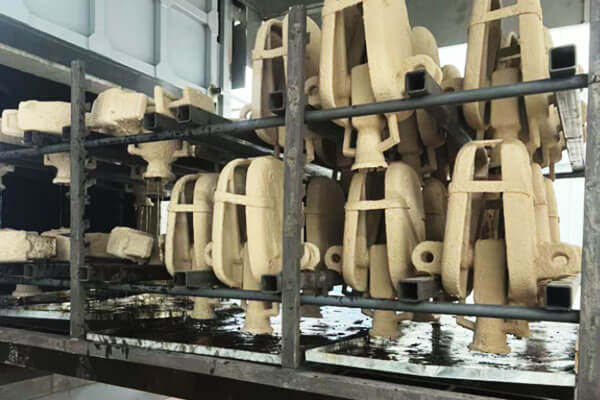
Gray iron is one of the most suitable alloys for Lost Foam Casting due to its excellent casting characteristics.
With a carbon equivalent typically ranging from 3.7% to 4.1% and a liquidus temperature of approximately 1200–1230°C, gray iron provides a relatively wide pouring temperature window.
Since it contains few oxidation-sensitive alloying elements, the molten metal can be superheated by more than 300°C, providing sufficient thermal energy for complete foam decomposition.
In addition, gray iron generally solidifies in a directional manner and exhibits excellent molten metal fluidity.
These characteristics allow entrained carbon particles and decomposition residues to migrate toward the casting surface before solidification, significantly reducing the risk of internal carbon inclusions.
For conventional gray iron products such as gearbox housings, engine blocks, clutch housings, motor casings, pump bodies, and hydraulic valve bodies, FD Modified Copolymer is generally the most economical and practical choice.
Compared with conventional EPS, FD beads substantially reduce carbon residue, minimize carburization and carbon slag defects, and improve first-pass yield while maintaining competitive production costs.
For castings requiring superior surface quality or tighter internal quality control, STMMA may be selected as an upgrade.
High-Chromium Iron and Pressure-Tight Castings
Pressure-retaining components and high-alloy cast irons impose much stricter quality requirements than ordinary gray iron castings.
Products such as pump casings, pressure valves, compressor housings, and high-strength structural components must maintain excellent pressure tightness, mechanical properties, and internal cleanliness.
Even small amounts of carbon inclusions or carburization may lead to leakage, reduced fatigue strength, or failure during nondestructive inspection.
For these applications, PMMA-based copolymer beads are strongly recommended. STMMA provides significantly cleaner pyrolysis than EPS and effectively reduces carbon-related defects under normal production conditions.
Where the highest level of metallurgical cleanliness is required, particularly for critical pressure-containing or safety-related castings, EPMMA is the preferred material because of its nearly residue-free thermal decomposition and minimal risk of carbon pickup.
Ductile Iron Castings
Ductile iron presents a more demanding casting environment than gray iron. Its carbon equivalent generally ranges from 4.1% to 4.7%, with a liquidus temperature of approximately 1250–1270°C.
To preserve the effectiveness of magnesium nodularizing treatment and prevent excessive magnesium fade, pouring temperatures are usually limited to about 1450°C, resulting in a relatively low superheat, typically below 200°C.
This reduced thermal margin shortens the time available for complete foam gasification.
At the same time, ductile iron exhibits lower fluidity and tends to solidify in a near-simultaneous manner, making it difficult for entrained carbon particles to float to the casting surface before solidification.
Consequently, ductile iron castings are considerably more susceptible to subsurface carbon inclusions, internal carburization, and carbon slag defects.
For most ductile iron applications, STMMA is the recommended foam material because it combines high gasification efficiency with low residue generation, thereby reducing carbon defects at their source.
For premium ductile iron castings requiring exceptional internal soundness or compliance with rigorous nondestructive testing standards, EPMMA provides the highest level of process reliability.
Steel Castings
Among all common casting alloys, steel is the most challenging material for Lost Foam Casting. Carbon steel typically contains less than 0.5% carbon and has a liquidus temperature close to 1500°C.
Due to its relatively poor fluidity, pouring temperatures must often be increased to 1620–1700°C to ensure complete mold filling.
However, excessive superheating can promote oxidation, grain coarsening, and overheating defects, so the allowable superheat is generally limited to approximately 200°C.
Steel also solidifies rapidly within a narrow freezing range, leaving little opportunity for incompletely decomposed carbon particles to escape from the molten metal.
As a result, residual carbon and carbide particles generated during foam pyrolysis are easily trapped inside the casting, making carburization and carbon inclusions particularly difficult to control.
For high-quality steel castings, the preferred manufacturing route is the hollow shell (burn-out) process, in which the foam pattern is removed before pouring to create a cavity containing minimal residual carbon.
This method effectively eliminates the primary source of carbon contamination while preserving the geometric advantages of Lost Foam technology.
When direct Lost Foam Casting is employed, EPMMA should be selected because its nearly complete gasification minimizes carbon pickup and improves metallurgical cleanliness.
High-Manganese Steel, Cooling Plates, and Counterweight Castings
Certain industrial castings, including blast furnace cooling plates, high-manganese wear-resistant components, and heavy counterweights, are relatively tolerant of limited internal carbon contamination.
Nevertheless, the large quantity of surface carbon residue generated by conventional EPS frequently results in extensive grinding, cleaning, and coating repair operations, increasing overall manufacturing costs.
Replacing standard EPS with casting-grade copolymer materials can substantially reduce surface carbon deposits and improve surface finish, thereby lowering post-processing time and labor costs.
For these products, FD Modified Copolymer often provides the most cost-effective solution, while STMMA may be selected when higher surface quality or improved dimensional consistency is required.
Bonded and CNC-Machined Large Foam Patterns
Large castings such as machine tool beds, heavy equipment bases, wind turbine components, and stamping dies are often produced in small quantities and cannot be manufactured using conventional steam-molded foam tooling.
Instead, large foam blocks are bonded together and subsequently machined by CNC equipment to produce the required pattern geometry.
The surface quality of these machined patterns depends heavily on bead size. Standard EPS foam boards are commonly manufactured from relatively coarse beads exceeding 0.9 mm in diameter.
During CNC machining, individual beads are easily dislodged, leaving deep pits and bead pull-out marks that are faithfully reproduced on the casting surface.
Simply increasing foam density cannot eliminate this problem because the defect originates from bead size rather than density.
For precision-machined patterns, foundry-grade foam boards manufactured from fine beads smaller than 0.9 mm, particularly those based on STMMA, produce much smoother machined surfaces with minimal bead pull-out.
The resulting foam patterns exhibit superior dimensional accuracy and surface integrity, significantly reducing surface finishing operations after casting.
6. Supplementary Quality Control Principles for Bead Specification
Selecting the appropriate foam bead material is only the first step toward achieving stable casting quality in Lost Foam Casting.
Even when the correct polymer system is chosen, variations in bead quality, expansion consistency, and pattern manufacturing can significantly affect the thermal decomposition behavior of the foam and, consequently, the quality of the finished casting.
Therefore, foam bead specification should be supported by a comprehensive quality control system covering raw material inspection, pattern production, and process verification.
Select Bead Grade According to Casting Quality Requirements
The required quality level of the casting should always determine the foam bead specification rather than material cost alone.
Castings with stringent requirements for internal soundness, pressure tightness, mechanical properties, or surface finish demand foam materials with superior gasification characteristics and minimal solid residue generation.
For general-purpose gray iron castings, cost-effective copolymer grades such as FD Modified Copolymer generally provide sufficient performance.
Medium- and high-grade ductile iron and alloy iron castings should preferentially use STMMA, while EPMMA is recommended for premium castings where carbon pickup and inclusions must be minimized.
Selecting a lower-grade foam solely to reduce material costs often leads to higher rejection rates and increased finishing expenses, ultimately increasing total production cost.
Maintain Consistent Bead Particle Size Distribution
Uniform bead size is essential for producing foam patterns with consistent density, smooth surfaces, and predictable decomposition behavior.
Excessively wide particle-size distributions can result in uneven bead fusion, local density variations, and inconsistent gasification rates during pouring.
Fine, uniform beads provide several advantages:
- Improved pattern surface quality
- Better dimensional accuracy
- More uniform coating thickness
- Reduced bead pull-out during machining
- More stable thermal decomposition
For precision castings and CNC-machined foam patterns, fine-bead materials are particularly important for achieving superior surface finish.
Control Foam Pattern Density
Pattern density directly influences both the mechanical strength of the foam and the amount of decomposition products generated during pouring.
If the pattern density is too high:
- More polymer enters the mold cavity
- Gas evolution increases
- Carbon residue generation rises
- Mold filling resistance becomes greater
Conversely, excessively low-density patterns may suffer from:
- Poor dimensional stability
- Pattern deformation
- Surface damage during handling
- Reduced molding accuracy
Therefore, pattern density should be optimized according to casting size, wall thickness, alloy type, and pouring conditions rather than simply minimized.
Ensure Stable Pre-Expansion and Aging
The quality of pre-expanded beads has a decisive influence on pattern consistency.
Parameters such as steam temperature, expansion pressure, holding time, and aging duration should be carefully controlled to ensure uniform expansion throughout the bead batch.
Adequate aging allows internal pressure within the beads to stabilize as air gradually diffuses into the cells while excess blowing agent diffuses out. Properly aged beads exhibit:
- Stable dimensions
- Improved bead fusion
- Reduced shrinkage
- Consistent molding performance
- Better dimensional accuracy
Insufficient aging may result in uneven expansion, poor fusion, and deformation of the finished pattern.
Verify Thermal Decomposition Performance
Material specifications alone cannot fully represent casting performance.
Foam beads from different manufacturers may exhibit significant differences in decomposition behavior despite having similar chemical compositions.
Whenever possible, foundries should evaluate key thermal properties, including:
- Gas evolution volume
- Residual carbon content
- Pyrolysis residue
- Thermal decomposition rate
- Ash content
These indicators provide a more accurate assessment of the foam’s suitability for specific casting applications than polymer type alone.
Match Foam Beads with Coating and Process Parameters
The decomposition characteristics of foam beads must be compatible with the overall Lost Foam Casting process.
Foam material, refractory coating, vacuum level, pouring temperature, and gating design should be optimized as an integrated system rather than considered independently.
For example:
- High-gasification materials require coatings with sufficient permeability to evacuate decomposition gases efficiently.
- Low-residue PMMA-based materials can achieve their full performance only when paired with appropriate coating permeability and stable vacuum conditions.
- Dense foam patterns or low-permeability coatings may slow gas evacuation, increasing the risk of gas defects regardless of bead quality.
Proper coordination between foam material and process parameters ensures stable mold filling, efficient gas removal, and minimal carbon-related defects.
7. Conclusion
Foam bead selection is far more than a pattern manufacturing decision—it is a decisive factor in the metallurgical success of the Lost Foam Casting process.
The thermal decomposition characteristics of the foam directly influence gas evolution, carbon residue formation, defect generation, and the overall integrity of the final casting.
Among commercially available materials, EPS remains attractive for its low cost and ease of processing but produces the highest carbon residue, making it suitable only for less demanding applications.
STMMA has become the preferred material for most industrial Lost Foam castings, offering an excellent compromise between processing efficiency, gasification performance, and casting quality.
EPMMA delivers the cleanest decomposition and virtually residue-free gasification, making it the optimal choice for high-value, high-integrity castings where defect control is paramount.
Ultimately, the optimal foam bead specification should always be determined by considering the casting alloy, pouring temperature, solidification behavior, quality requirements, and production economics as an integrated system.
Need Professional Lost Foam Casting Solutions?
DEZE provides comprehensive Lost Foam Casting services, from engineering support to full-scale production, helping customers achieve high-quality castings with improved efficiency and lower manufacturing costs.
- Custom Lost Foam Casting for iron, steel, and alloy castings
Foam pattern design and optimization
Casting process and gating system engineering
Material selection and DFM (Design for Manufacturability) review
Prototype development and mass production
Strict quality inspection and machining services
Contact DEZE‘s engineering team today for a free project evaluation and expert Lost Foam Casting solutions tailored to your application.
FAQs
Why can’t EPS beads be used for all lost foam castings?
EPS has a carbon content as high as 92% and produces large amounts of solid carbon residue during pyrolysis, which causes carburization, carbon spots and other defects.
While acceptable for low-grade castings with high carbon tolerance, it cannot meet the quality requirements of ductile iron, steel and pressure-tight components.
Which bead grade offers the best balance between cost and quality for most foundries?
STMMA copolymer beads are the industry’s mainstream medium-to-high grade choice.
They reduce solid residue dramatically compared with EPS at a moderate cost premium, making them suitable for the majority of ductile iron and high-quality gray iron production.
Is EPMMA always better than STMMA?
EPMMA delivers lower carbon residue, but it is more expensive and requires stricter pre-expansion process control.
For most gray and ductile iron applications, STMMA provides sufficient quality at lower cost. EPMMA is only justified for highly carbon-sensitive steel castings and premium precision components.
Does finer bead size always produce better casting surface finish?
Finer beads produce smoother pattern surfaces and better as-cast finish, but they also increase raw material cost and require more careful pre-expansion control.
Bead size should be matched to wall thickness and surface requirements rather than maximized universally.

