1. 導入
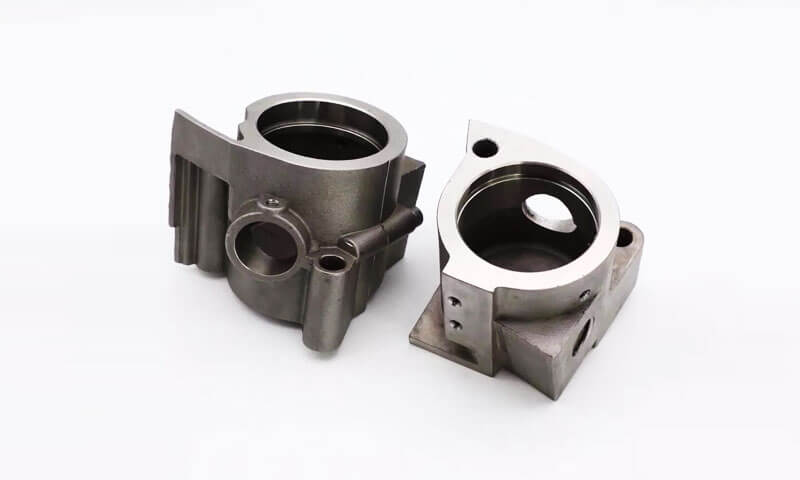
UNS C95500 は、高い強度を兼ね備えているため、現代工学において最も重要なニッケル アルミニウム青銅の 1 つです。, 優れた耐食性, 優れた摩耗性能, 過酷な環境下でも強いサービス信頼性を実現.
船舶用ハードウェアに広く使用されています, バルブコンポーネント, ベアリング, ブッシング, 歯車, 航空機部品, 通常の銅合金では不十分なその他の用途.
この合金は、高温でも有用な強度を維持し、海水やその他の攻撃的な媒体の中で優れた性能を発揮することでも注目に値します。.
C95500 が特に興味深いのは、それが「単一用途」合金ではないことです。.
システム合金です: その値は、エンジニアが腐食を最適化しているかどうかに応じて異なります。, 着る, 耐圧性, 構造荷重, または温度安定性.
2. UNS C95500 ニッケルアルミニウム青銅とは?
UNS C95500 は 鋳造ニッケルアルミニウム ブロンズ 銅-アルミニウム-鉄-ニッケル系.
これは、要求の厳しいサービス向けに特別に配合されています。 強さ, 耐摩耗性, 耐食性, そして靭性 個別に最適化するのではなく、1 つの合金でバランスをとる必要がある.
実際に, これにより、C95500 は船舶用ハードウェアに使用される高性能構造用青銅のグループに入れられます。, バルブコンポーネント, ブッシング, 歯車, およびその他の重要な保守部品.
快削黄銅や汎用青銅とは異なります。, C95500 は便宜上選ばれたものではありません.
冶金学的設計が過酷な環境での耐荷重性能をサポートするため、この製品が選ばれています。, 特に海水のある場所では, 滑り摩耗, と長い耐用年数はすべて設計概要の一部です.
合金のアイデンティティ
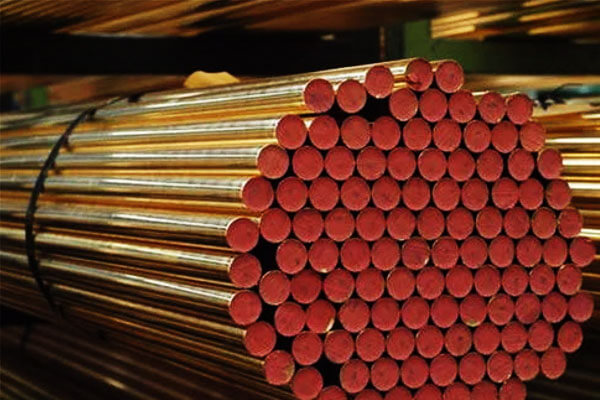
C95500はに属します C95000~C95999 銅-アルミニウム-鉄および銅-アルミニウム-鉄-ニッケル合金のファミリー.
このファミリー分類は、ニッケルアルミニウム青銅を通常の真鍮や錫青銅と区別するため重要です。:
合金システムは主要な強化要素としてアルミニウムを中心に構築されています, 強度を高めるために鉄とニッケルが添加されています, 構造制御, そしてサービスパフォーマンス.
仕様的には, C95500は 鋳造アルミニウム青銅 鍛造合金ではなく.
つまり、その典型的なエンジニアリングの役割は、鋳放しまたは熱処理された状態で複雑な形状と高い性能を提供することです。, 特性を実現するために圧延や延伸に依存するのではなく.
化学組成
ASTM B505/B505M-23に準拠した化学組成
| 要素 | C95500の構成 |
| 銅 | 78.0% 分. |
| 鉄 | 3.0–5.0% |
| で | 3.0-5.5% |
| アル | 10.0-11.5% |
| ん | まで 3.5% |
| 名前付き要素の合計 | 99.5% 分. |
3. UNS C95500の物性
| 物理的な / 機能的特性 | メートル単位 | インペリアル単位 |
| 密度 | 7.53 g/cm3 | 0.272 ポンド/インチ3 |
| 比重 | 7.53 | 7.53 |
| 電気伝導率 | 8% IACS | 8% IACS |
| 熱伝導率 | 41.9 W/m・K | 24.2 Btu/平方フィート/時/°F |
| 熱膨張係数 | 15.5 ×10⁻⁶ /°C | 9 × 10⁻⁶ /°F |
| 比熱容量 | 419 J/kg・K | 0.1 Btu/lb·°F |
| 弾性率 | 110 GPa | 16,000 クシ |
| ポアソン比 | 0.32 | 0.32 |
| 透磁率, as-cast | 1.32 | 1.32 |
| 透磁率, TQ50 焼き戻し | 1.2 | 1.2 |
| 融点, 液体 | 1054℃ | 1930°F |
| 融点, ソリッド | 1038℃ | 1900°F |
4. UNS C95500の機械的性質
UNS C95500 は 高強度ニッケルアルミニウム青銅 その機械的性能は通常、公表されている 2 つの条件で評価されます。: 標準 連続鋳造 C95500 状態と 熱処理済み C95500HT 状態.
以下の値は、ASTM B505/B505M-23 製品フォームについて報告されている代表的な室温特性です。.
連続鋳造C95500の機械的性質
| 財産 | メートル単位 | インペリアル単位 |
| 抗張力, 分. | 655 MPa | 95 クシ |
| 降伏強さ 0.5% 拡大, 分. | 290 MPa | 42 クシ |
| 伸び 2 で. (50 mm), 分. | 10% | 10% |
| ブリネル硬さ, 典型的な | 208 HBW | 208 HBW |
熱処理後のC95500HTの機械的性質
| 財産 | メートル単位 | インペリアル単位 |
| 抗張力, 分. | 758 MPa | 110 クシ |
| 降伏強さ 0.5% 拡大, 分. | 427 MPa | 62 クシ |
| 伸び 2 で. (50 mm), 分. | 8% | 8% |
| ブリネル硬さ, 典型的な | 228 HBW | 228 HBW |
5. 耐食性
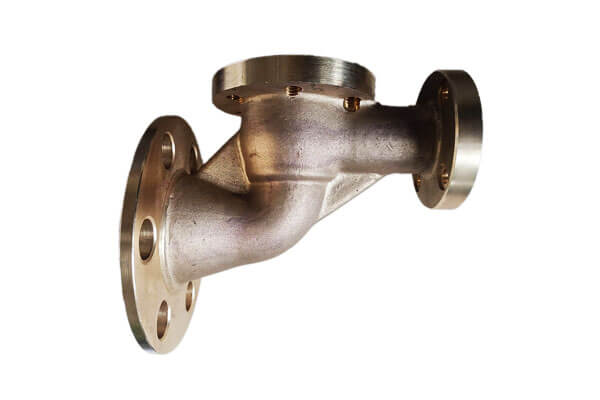
腐食の話は、C95500 が非常に広く使用されている主な理由の 1 つです. この合金は次のような特徴を持っていることが繰り返し確認されています。 優れた耐食性, を含む 海水 海洋環境と.
海水を扱う機器にも使用されています, 酸っぱい鉱山の水, 非酸化性酸, 産業プロセス流体, 下水処理用途, および船舶用ハードウェア.
重要な理由は単に「錆びない」というだけではありません。それよりも, C95500 は非常に価値のある組み合わせを提供します: 耐食性プラス耐摩耗性プラス強度.
海水中, 多くの材料は全体的な腐食によって破損します, キャビテーション, 浸食, かじり. C95500 は、これらの障害モードのいくつかに一度に対処できるため、魅力的です。,
そのため、ポンプやバルブのコンポーネントに使用されるのです。, ブッシング, シャフト, プロペラ関連サービス, 重負荷の船舶用ハードウェア.
このマルチメカニズムの抵抗力がこの合金の評判の核心です.
要求の厳しいサービスで, 最も価値のある材料は、1 つの独立した特性に優れた材料ではありません。, ただし、いくつかの障害メカニズムにわたって安定した状態を維持するもの. C95500 はその原理の教科書的な例です.
6. ものづくりの視点
鋳造: 強力な合金, しかし寛容ではない
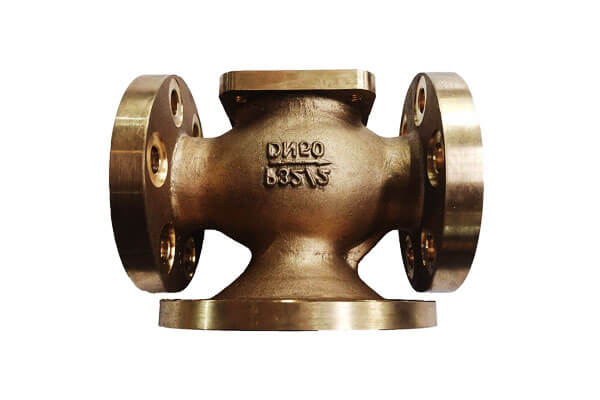
UNS C95500 は基本的に鋳造合金です, そしてそのプロセスの動作はそのアイデンティティを反映します.
公開された鋳造データでは、鋳造歩留まりが低いと記載されています, ドロッシング傾向が高い, 中程度の流動性, 中程度のガス発生傾向, 高い凝固収縮率.
この組み合わせは非常に明確なエンジニアリング ストーリーを物語ります: C95500は高性能鋳物を製造できます, しかし、それには規律ある溶解の練習が必要です, サウンドゲートとライザーデザイン, 酸化と供給を注意深く制御する.
C95500はキャスティング練習において汎用性が高い, しかしそれは容赦しない.
全体的に優れたパフォーマンスを発揮します 砂, シェル, セラミック, 投資, 永久型, 連続, そして遠心鋳造, しかし、これらの経路のいずれも、給餌の慎重な制御を必要とします。, 酸化物管理, と凝固挙動.
凍結範囲が短いため、サウンドキャストがサポートされます。, ただし、鋳造工場がドロッシングを積極的に防止する場合に限ります。, 収縮欠陥, ガス関連の問題.
このため、C95500 は簡単な鋳造ブロンズではなく、高級鋳造ブロンズとみなされます。.
機械加工: 完全に機械加工可能, ただし快削ではない
C95500は機械加工可能, ただし快削銅合金ではありません。.
公表されている機械加工性評価は次のとおりです。 50, これにより、容易に切削できるクラスではなく、中程度の被削性のカテゴリに分類されます。.
合金は生成する傾向があります カールした切りくず, 公開されたエンジニアリング ガイダンスでは、これにより工具が詰まり、部分的な溶接や引き裂きによって表面に欠陥が生じる可能性があると警告しています。, 特に穴加工時.
そのため, ドライカット, 切りくず制御, 快削真鍮の場合よりも、工具の戦略がはるかに重要です。.
加工のニュアンスが役立つのは、重加工がすでに実行されている場合です。, ある 約 350°C で少なくとも 1 時間の低温応力除去 最終加工前にお勧めします.
これは合金を切断しやすくすることが主な目的ではありません。; 残留応力による歪みのリスクを軽減し、最終的な寸法安定性を向上させることが重要です。.
言い換えると, C95500は効率よく加工可能, しかし、プロセス規律を必要とする構造用ブロンズとしてアプローチする必要があります。, ソフトショップの真鍮のようなものではありません.
溶接: 特定の方法で可能, しかし、一般的には簡単ではありません
ニッケルアルミニウム青銅の溶接挙動は、表面に自然に形成されるアルミニウムを豊富に含む保護酸化膜によって強く影響されます。.
その酸化皮膜のせいで, はんだ付け, ろう付け, および酸素アセチレン溶接は一般的に推奨されません。 これらの合金の主な接合ルートとして.
エンジニアリング ガイドで特定されているより適切な溶接プロセスは次のとおりです。 TIG/GTAW, ミグ/GMAW, MMA, 電子ビーム溶接, そして摩擦溶接.
C95500 の公開された製造データも分類されています 酸素アセチレン溶接は推奨されません, その間 ガスシールドアーク溶接 そして 被覆金属アーク溶接 適切なものとしてリストされています.
その区別が重要です: C95500 は「どこでも溶接できる」合金ではありません, しかし、溶接できないわけではありません.
酸化物の挙動を考慮したプロセスを選択すると正常に接合できます。, 熱入力, ジョイントデザインを念頭に置いて.
重要な部品については, 合金の特性バランスは微細構造と密接に関係しているため、溶接手順の認定と熱影響部の適切な制御が不可欠です。.
熱処理: パフォーマンスを左右する重要な要素
C95500 が要求の厳しいサービスで広く使用されている最も重要な理由の 1 つは熱処理です。.
合金は次の方法で加工できます。 焼き入れと焼き戻しのサイクル それは増加します 耐力, 究極の引張強度, 衝撃強度, そして硬さ, 延性はわずかに向上しますが、.
鋳造CuAl10Fe5Ni5系ニッケルアルミニウム青銅用, 出版されたガイドでは、加熱について説明しています。 900–950°C, 約間保持する 1時間, 水の消光, そしてテンパリング 600–650℃ 約2時間.
このシーケンスにより、有用な靭性を維持しながら強度が大幅に向上します.
同じガイダンスでは、重要な実際的な制限についても言及しています: 複雑な形状は加熱と焼入れのサイクル中に変形する可能性があります, パーツのジオメトリ, 炉容量, 熱処理を選択する前に、断面の厚さをすべて考慮する必要があります.
言い換えると, 熱処理は強力なパフォーマンスツールです, しかしそれは無料ではありません. コンポーネントの設計が熱サイクルに耐えられる場合にのみ、合金の機械的エンベロープが改善されます。.
7. UNS C95500 の長所と短所
主な利点
優れた延性を備えた高強度.
海水や攻撃的な媒体に対する優れた耐性.
強力な摩耗と耐かじり性能.
優れた高温能力.
非浸漬および非磁性
主な欠点
初期費用が高い
機械加工も可能です, しかし簡単ではありません.
キャストには技術が要求されます.
溶接はプロセスに左右されます.
電気伝導率が低い.
8. UNS C95500の適用
海洋 およびオフショアハードウェア
C95500 は、海水耐食性を兼ね備えているため、船舶用途で最も確立された材料の 1 つです。, 強さ, そして耐摩耗性.
で使用されています 海水配管とバルブシステム, 船舶用ハードウェア, プロペラ関連部品, ハッチング, カップリング, シール, およびその他の船内設備.
この合金ファミリーが海水の取り扱いに適していることが、海軍および海洋工学における長年の評判の主な理由です。.
バルブ, ポンプ, およびフロー制御コンポーネント
この合金は広く使用されています バルブ本体, バルブ 席, バルブガイド, バルブコンポーネント, ポンプ流体端, 腺, ボックスナッツの詰め物, およびシールフランジ.
これらの用途では、耐食性の組み合わせの利点が得られます。, 耐摩耗性, そして機械的強度, 特に水のあるところ, プロセス流体, または軽度に攻撃的な化学物質が存在する.
ベアリング, ブシュ, および摩耗部品
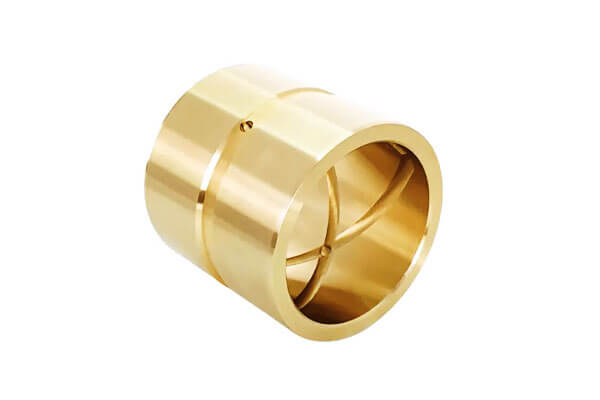
C95500 はよく選ばれます。 ベアリング, ブッシング, プレートを着用してください, ピストンガイド, そして機械部品 滑り接触や高荷重下でも優れた性能を発揮します。.
耐摩耗性と靭性が高いため、表面に損傷がある場所に適しています。, かじりつく, または摩耗が懸念される.
歯車・動力伝達部品
合金が使用されているのは、 歯車, 虫, ウォームホイール, および関連するトランスミッションコンポーネント.
これらの部品には接触応力に耐えられる材料が必要です, 寸法安定性を維持する, 長いサービス間隔にわたって摩耗に耐えます. C95500 のメカニカルバランスにより、このような任務に実用的な選択肢になります。.
産業プロセスおよび過酷なサービスに耐える機器
合金が使用されているのは、 酸洗い装置, 下水処理用途, ホットミルガイド, および産業用ハードウェア.
これらの用途は、腐食性媒体に耐える合金の能力を反映しています。, 機械的負荷, サービスサイクルを繰り返す.
産業環境で, この組み合わせにより、メンテナンス間隔が短縮され、信頼性が向上します。.
電気および特殊ハードウェア
C95500は導電性合金ではありませんが、, それはまだ一部で表示されます 電気ハードウェア 構造的な信頼性が求められる特殊コンポーネント, 耐食性, 摩耗挙動は導電性よりも重要です.
などでも使用されています ピアノの鍵盤と楽器, 合金の機械的安定性と製造容易性が役立つ場合.
9. 結論
米国 C95500 ニッケル・アルミニウム・ブロンズは、多くの場合一緒に得るのが難しい特性を兼ね備えているため、価値の高いエンジニアリング合金です。:
高強度, 優れた耐食性, 強い耐摩耗性, 良好な靭性, 広い温度範囲にわたる保守性.
その化学的性質は慎重に調整されています, キャスティング動作は要求が厳しいですが、扱いやすいです, また、その熱処理応答により、設計者は必要に応じてさらなるパフォーマンスを発揮できます。.
実務的には, C95500 は、過酷な使用に耐える合金として最もよく理解されています。.
最も説得力があるのは、故障モードが混在し、容赦のない海水です。, 移動負荷, 滑り接触, 加圧デューティ, 長寿命の機械サービス.
それが、エンジニアリング現場で最も尊敬されるニッケル アルミニウム ブロンズの 1 つである理由です。.
よくある質問
C95500 は鋳造合金ですか、それとも鍛造合金ですか?
C95500 は主に 鋳造合金, 連続キャストをカバーする公開された参考文献付き, 砂鋳造, 遠心鋳造, 精密鋳造フォーム.
C95500は海水に適していますか?
はい. であることが繰り返し確認されています。 優れた耐食性, 含む 耐塩水性, これが、船舶用ハードウェアやバルブ システムに使用される主な理由の 1 つです。.
C95500は熱処理できますか?
はい. 公開されたエンジニアリング ガイドでは、C95500 の鋳放しと熱処理の両方の性能が示されています。, 熱処理によりさらに強度が増しました.
C95500は加工しやすいですか?
機械加工可能です, ただし自由加工ではない. その被削性評価は次のとおりです。 50, したがって、これは容易に切断できる合金ではなく、中程度の機械加工性を備えた合金です。.
通常のブロンズと比べた C95500 の主な利点は何ですか?
その主な利点は、以下の組み合わせです。 高強度, 優れた耐食性, そして耐摩耗性, 特に過酷な海洋環境や産業環境では.