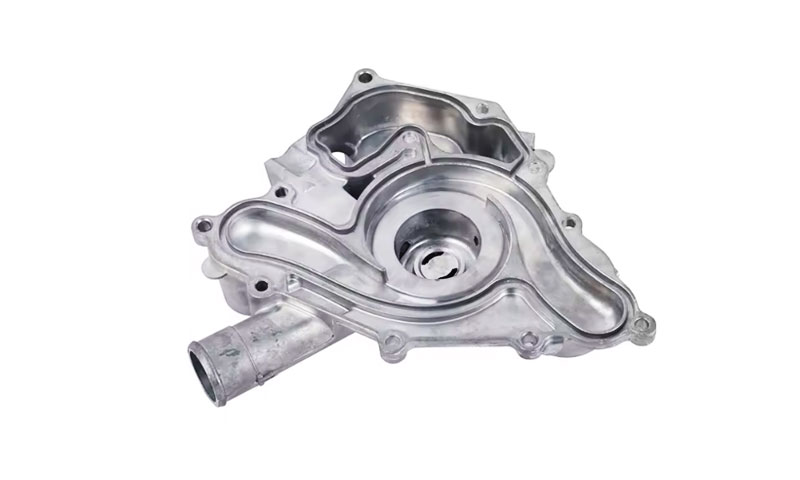
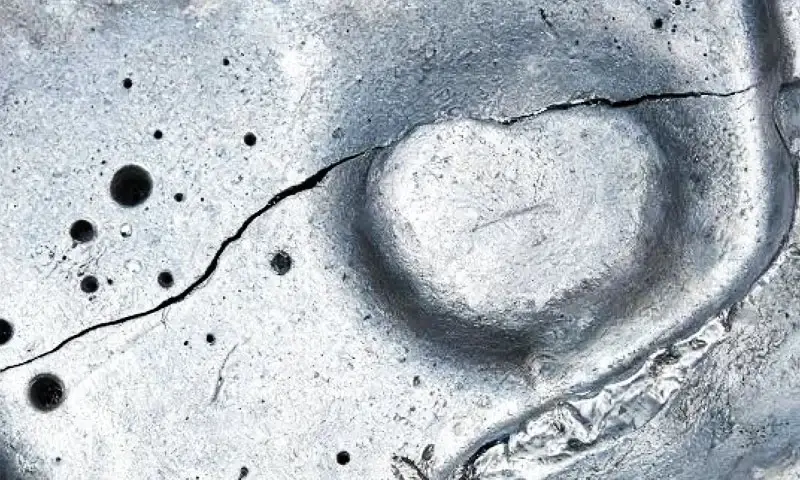
鋳物ひび割れの調査に長い間呼ばれています, そして私がいつも最初にすることは、「亀裂を直す方法」についての会話を止めて、より基本的な質問に方向転換することです。: それはどのような亀裂ですか?
高温引き裂きと低温亀裂は同じ問題のバリエーションではないため. 異なる温度で形成されます, さまざまなメカニズムによって, さまざまな場所で, 異なる形態を持つ, そしてそれらは異なる、時には正反対の是正措置を必要とします.
熱い涙を冷たい亀裂として扱うショップは、悪寒を加えて注ぐ温度を下げ続け、なぜ欠陥が続くのか疑問に思います.
低温亀裂を高温亀裂として扱うショップは、ゲートの調整を続け、実際に鋳物を開く残留応力には決して対処しません。.
この記事では、両方の種類の欠陥を体系的に扱います。: メカニズム, 形態, 原因, 予防策, あらゆる是正措置の前に行うべき鑑別診断.
1. 鋳物ひび割れとは?
鋳造 亀裂は、凝固またはその後の冷却中の変形に耐える金属の能力を超える引張応力によって引き起こされる破壊です。.
2 つの主要なタイプの最も重要な違いは次のとおりです。 亀裂が入ったとき.
熱い涙 凝固の終わり近くまたはその直後に起こる, 鋳物がまだ高温にあり、強度と延性が非常に限られている場合.
この段階では, 堅固な樹枝状骨格が形成されている, しかし液体金属の薄膜は樹状突起の間に残ります。.
収縮が制限され、残りの液体が展開中の分離に適切に供給できない場合, 亀裂は主に粒界に沿って発生し、伝播します。. これは粒界亀裂として知られています.
コールドクラッキング 鋳物が冷却されて弾性状態になった後に発生します。.
この段階では, 金属は完全に固体です, しかし、不均一な冷却と制限された収縮により、残留引張応力が発生する可能性があります。. これらの応力が合金の極限強度を超えると、, 鋳物のひび割れ.
熱い涙とは異なります, 低温亀裂は一般に、粒界に沿ってではなく、粒内を通って伝播します。, 粒内亀裂として知られるメカニズム.
この違いを理解することは、欠陥を正確に特定し、プロセスを修正するために不可欠です。.
どちらの欠陥も引張応力を伴いますが、, 熱間引き裂きは主に脆弱な半固体段階に関連しています, 一方、低温割れは凝固した鋳物の残留応力に関係します。.
| 特徴 | ホットティアリング | コールドクラッキング |
| 形成段階 | 凝固の終了または直後 | 冷却して弾性状態にした後 |
| 伝播経路 | 粒界に沿って (粒界) | 穀物を通して (粒内) |
| 破面 | 酸化した, 全体的に金属光沢がない | 比較的きれい, 金属光沢またはわずかな酸化を伴う |
| 亀裂形状 | 不規則, 多くの場合、表面は広く、内部は狭い | 比較的均一な幅, 直線またはジグザグ |
| 典型的な場所 | ホットスポット, コーナー, そして突然のセクション変更 | 高い引張応力がかかる領域 |
| 検出可能性 | 外部から見える場合もあれば、内部に留まる場合もあります | 肉眼でも見えることが多い |
これらの欠陥を区別する鍵は、亀裂の形態を組み合わせることです, 破面特性, 外観のみに依存するのではなく、金属組織学的証拠を利用する.
この違いにより、是正措置が凝固と供給に焦点を当てるべきか、それとも冷却条件と残留応力制御に焦点を当てるべきかが決まります。.
2. ホットティアリング: 原因, 特徴, とその形成メカニズム
高温裂傷は、凝固の最終段階またはその直後に発生する高温亀裂欠陥です。, 鋳物の強度と延性が非常に限られている場合.
特に鋳鋼でよく見られます, 順応性のある鋳鉄, および特定のアルミニウム合金鋳物.
根本的な原因は、 半固体鋳物の収縮を抑制. 金属が固まるにつれて, 接続された樹枝状骨格が形成され始めますが、液体金属は樹状突起アームの間に残ります。.
この骨格が自由に収縮できず、残った液体が進行中の分離に適切に供給できない場合, 粒界が開いて高温の裂け目を形成する可能性があります.
樹状構造の関係を理解する, 液体供給, 熱応力, この欠陥を防ぐには金型の拘束が不可欠です.
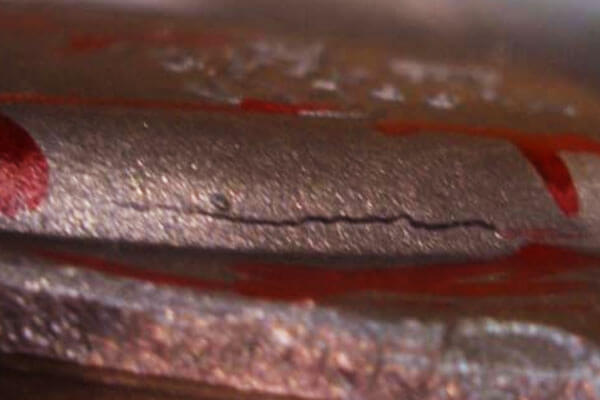
形成メカニズム: 凝固骨格と液膜
溶けた金属が金型に入るとき, 熱は主に金型壁を介して伝達されます。. したがって、凝固は一般に鋳造表面から始まり、内部に向かって進行します。.
凝固の後期段階では, 樹状突起が成長し、徐々に結合して連続した固体骨格を形成します。. この時点で, 鋳物は固体状態の収縮を受け始めます.
しかし, 構造はまだ完全にしっかりしていません: 相互接続された樹状突起の間に残留液体金属の薄膜が残る.
These liquid films are important because they provide the last opportunity for liquid metal to compensate for local separation and contraction.
If the dendritic skeleton can contract freely, it may accommodate the resulting strain without cracking.
しかし, 砂型, コア, adjacent casting sections, and other rigid structures can restrict this movement. The resulting tensile stress acts on the weak semi-solid network.
When the tensile stress or imposed strain exceeds the material’s limited strength and deformation capacity at that temperature, the dendrites separate along their boundaries and a hot tear develops.
The risk is particularly high in regions where solidification is nearly complete but the remaining liquid films have become thin and poorly connected.
なぜ、一部の熱い涙は治り、他の涙は残るのか
高温引き裂きの重要な要素は、液体金属が進行中の分離に供給できるかどうかです。.
樹枝状結晶間の小さな開口部が自動的に永久的な鋳造欠陥になるわけではありません.
樹枝状ネットワークが徐々に分離し、近くに十分な液体金属が残っている場合, 液体が開口部に流れ込み、分離を補うことができます。. したがって、欠陥は最終的に固化する前に修復される可能性があります。.
しかし, 開口部の展開が早すぎる場合, 残った液体は患部に到達できません, または、供給チャネルがすでに切断されています, 別れは修復できない.
亀裂は凝固後も残り、永久的な熱間引き裂き欠陥となります。.
これはその理由を説明します 供給は収縮制御の問題であるだけでなく、熱による破れの防止の重要な部分でもあります。.
適切なライザーデザイン, 送液経路, および凝固制御はすべて、金属が完全に固体になる前に開口部を補正できるかどうかに影響します。.
どの合金が熱間引き裂きを受けやすいか?
合金の凝固範囲と凝固モードは、熱間引裂き感受性に大きな影響を与えます。.
| 合金の凝固挙動 | 熱烈な傾向 | 冶金学的説明 |
| 広い凍結範囲 | 高い | 合金は比較的広い温度範囲にわたって脆弱な半固体状態に留まります。 |
| どろどろまたはスポンジ状の固化 | 高い | 固体粒子間に液膜が残る一方で、弱い樹枝状ネットワークが発達する |
| 凍結範囲が狭い | 比較的低い | 脆弱な半固体の間隔が短くなる |
| ほぼ一定温度で凝固する共晶組成 | 全体的に低い | 凝固は狭い温度範囲で発生します, 脆弱な状態の期間を短縮する |
広い凝固範囲を持つ合金の場合, 樹状突起骨格は比較的長期間弱いままになる可能性があります. このインターバル中に, 適度な収縮ひずみでも粒界剥離を引き起こす可能性があります.
比較すると, 凝固範囲が狭い合金は、一般に脆弱な半固体段階をより早く通過します。.
ほぼ一定の温度で凝固する共晶組成物は、通常、これらの凝固挙動の中で熱間引裂傾向が最も低くなります。.
この冶金学的違いは、鋳造プロセスの設計に直接影響します。.
凝固範囲が異なる合金には、異なる供給方法が必要になる場合があります, ゲート構成, およびカビ抑制制御, 同じ鋳物工場で生産されたとしても.
熱応力と収縮応力: 2 つの主な原動力
高温裂傷は、相互作用する 2 つのストレス源と関連しています: 凝固構造内の熱応力と外部拘束による収縮応力.
熱応力 鋳物の異なる領域が異なる速度で冷却および凝固するために発生します。.
より高温の領域にある固体粒子の骨格は、すでに硬くなっている周囲のセクションによって拘束される可能性があります。. これにより、局所的な引張応力が生じ、外部または表面下の高温引裂きの原因となる可能性があります。.
収縮応力 鋳物が凝固および冷却中に自由に収縮できない場合に生じる.
凝固する鋳物の外殻は線形収縮を経験します, ただし、その動きは次のような理由で制限される可能性があります。:
- 砂中子と中子サポート.
- 鋳型壁と鋳物砂の機械的強度.
- 鋳肌と金型間の摩擦.
- 異なる鋳造セクション間の強固な接続.
- 正常な収縮を妨げるゲートおよびライザー システム.
これらの拘束により、鋳造シェル内に引張応力が発生します。. ホットスポットは、周囲のセクションがすでに固まっているにもかかわらず、熱くて弱いままであるため、特に脆弱です。.
鋭いコーナーと急激なセクションの移行により、応力がさらに集中します, それらをホットティア開始の一般的な場所にする.
実際に, 熱間引き裂きは通常、熱勾配の複合効果によって起こります。, 収縮ひずみ, 不十分な送液, 金型の崩壊性が不十分である.
熱間引き裂きの形態と特徴
熱い涙には、冷たい亀裂と区別するのに役立つ独特の巨視的および微視的特徴があります。.
彼らの典型的な特徴は次のとおりです。:
- 不規則な形状: 亀裂は曲線に沿って進みます, 曲がりくねっています, でこぼこの道, 多くの場合、幅は可変です.
- 破れた外観: 骨折が部分的につながっているように見えることがある, きれいな分離ではなく不規則な表面がある.
- 不均一な開口部: 外部の高温裂傷は、鋳造表面で比較的幅が広く、内部に向かって狭くなることがよくあります。.
- 酸化破面: 亀裂は高温で形成され、露出した表面が酸化するため、一般に亀裂には金属光沢がありません。.
- 粒界伝播: 亀裂は主に粒界に沿って発生します.
- 樹状突起の特徴: 内部の高温裂傷により、破断面に樹枝状構造が見られる場合があります.
鋼鋳物では, 破断面は暗いかほぼ黒であることが多い. アルミニウム合金鋳物では, 通常は濃い灰色に見えます.
外部からの熱い涙
鋳造表面に外部の熱い亀裂が見られます. それらは一般的に次の場所で発生します。:
- 鋭い角と内角.
- 肉厚の急激な変化.
- 局所的にゆっくりと凝固する領域.
- 機械的拘束や応力集中が高い領域.
特徴的な外観は、表面の開口部が比較的広く、内部に向かって狭くなるということです。. 重症の場合, 亀裂は鋳造断面全体に広がる可能性があります.
内なる熱い涙
内部の熱い亀裂は通常、最後に固化する領域で発生します。, 孤立したホットスポットや重いセクションなど.
形状は非常に不規則です, そしてその破面には樹枝状の特徴が含まれる場合があります.
これらの欠陥は必ずしも鋳物の表面にまで及ぶわけではありません, 目視検査による識別が困難になる.
クリティカルな鋳造用, X線撮影テスト (RT), 超音波検査 (ユタ州), または破壊的な切断や金属組織検査が必要になる場合があります。, 欠陥の大きさに応じて, 向き, と場所.
| タイプ | 一般的な場所 | 可視性 | 適切な検査 |
| 外部の熱い涙 | 表面, コーナー, とセクションの移行 | 通常は表示されます | 目視検査と表面NDT |
| 内部の熱い涙 | 最後に固化する内部領域 | 一般的には見えない | RT, ユタ州, またはセクショニングと金属組織学 |
鋳物製造における熱間引き裂きの主な原因
基本的なメカニズムは低強度凝固区間での収縮の抑制ですが、, いくつかの生産要素がリスクを増大させる可能性がある.
鋳造構造と形状
- 壁の厚さが不均一であると、冷却速度と収縮に差が生じます。.
- 鋭い内部コーナーにより引張応力が集中.
- 過度の分岐と複雑な分岐点により、複数の制限された収縮経路が作成されます.
- 外枠とリブにより、鋳造品の自由な収縮が妨げられる場合があります。.
- ホイール型鋳物において, 湾曲したスポークは、収縮の柔軟性を向上させるために考慮される可能性があります.
設計の目的は、断面の厚さの急激な変化や過度の構造剛性を避けることです。.
ゲートおよびライザー システム
ゲートおよびライザー システムは、鋳物の収縮を不必要に制限することなく、効果的な充填と供給を提供する必要があります。.
ライザーの位置がフラスコバーに近すぎるか、ライザー間の砂が非常に圧縮され機械的に強くなるように配置されていると、局所的な収縮が制限される可能性があります。.
ゲートの位置が不適切だと、個別に収縮する必要があるセクション間に固い接続が作成される可能性もあります。.
ライザーのサイズには慎重な最適化が必要です. ライザーのサイズが小さすぎると、供給能力が不十分になる可能性があります, 一方、ライザーが大きすぎたり、位置が適切でなかったりすると、追加のホットスポットや機械的拘束が生じる可能性があります。.
合金組成と溶湯の品質
特定の合金元素と不純物は、凝固範囲に影響を与え、熱間引裂き感受性を高める可能性があります。, 粒界特性, 高温延性.
鋳鋼および鋳鉄では, 過剰な硫黄とリンは特に望ましくない.
これらの元素は、凝固中に低融点成分を促進したり、粒界を弱めたりする可能性があります。.
溶融物の清浄度が低いと亀裂が悪化する可能性もあります. 酸化物含有物やその他の非金属汚染物質は冶金学的完全性を妨げ、凝固構造の信頼性を低下させる可能性があります。.
したがって、合金と生産の要件に応じて、適切な精製と溶融処理を適用する必要があります。.
時期尚早のシェイクアウト
鋳物を型から外すのが早すぎると、急速かつ不均一な冷却にさらされる可能性があります。.
これにより熱勾配が増大し、亀裂が悪化する可能性があります。, 特に断面の厚さに大きな違いがある大型の鋳物やコンポーネントの場合.
鋳型は、鋳物が安全なシェイクアウトと取り扱いに十分な強度を獲得するまで、十分な熱保護を提供する必要があります。.
熱裂傷を防ぐ方法
効果的な予防には鋳造設計の調整された制御が必要です, 合金の品質, 給餌条件, とカビの挙動.
鋳造ジオメトリの改善
適度に均一な壁厚を維持し、コーナーやセクションの移行部に十分なフィレットを使用します。.
収縮を制限する過度のリブの交差や硬い構造接続を避けてください。. ホイール型鋳物用, 湾曲したスポークは、設計が許せば収縮に対応するのに役立つ場合があります.
溶融品質の向上
適切な精製および溶融処理手順を使用して、酸化物介在および溶存ガスを制御します。.
硫黄を保管しておく, リン, 指定された組成制限内のその他の有害な不純物.
適切な化学制御により、信頼性の高い凝固に必要な高温延性と冶金的一貫性を維持できます。.
ゲートの最適化, 給餌, 固化と固化
不必要な機械的拘束を避けながら、最後に凝固する領域への適切な供給を確保するために、ゲートとライザーの位置とサイズを決定します。.
適切な凝固シーケンスを促進し、鋳造セクション間の過度の温度差を削減します。.
同時凝固は、冷却と収縮の差を減らすのに役立つため、特定の形状では有益です。. しかし, 無差別に適用されるべきではない.
方向性凝固と効果的なライザー供給を必要とする鋳物には、特定の凝固要件をサポートするプロセス設計が必要です.
金型の滞留時間を制御し、崩壊性を向上
砂型が断熱効果を発揮, 冷却中に厚い部分と薄い部分をより均一な温度に近づけることができます。.
適切な金型滞留時間により、温度差とそれに伴う熱応力が軽減されます。.
金型とコアの折りたたみ性も同様に重要です. 鋳物が十分な強度を獲得した後, フラスコの重りを取り除く, クランプ装置を緩める, または、選択した金型拘束を解放すると、収縮に対する抵抗が減少する可能性があります。.
大型鋳物用, 注湯後に鋳型砂や中子砂を部分的に除去すると、収縮抵抗が軽減され、より均一な冷却が促進される場合があります。, 鋳物が十分な構造安定性を持っている場合.
コントロールシェイクアウトとハンドリング
早期のシェイクアウトや急激な冷却を避けてください. シェイクアウト中, クリーニング, と交通, 衝撃を防ぐ, 絞る, 過度の機械的負荷.
これらの予防措置は、大規模な場合に特に重要です。, 複雑な, または比較的脆い鋳物.
必要に応じて応力除去熱処理を適用します
高い残留応力を持つ鋳物には、その後の冷間亀裂のリスクを軽減するために応力除去熱処理が必要になる場合があります。.
ゲートおよびライザーの取り外しまたは溶接の修理後に追加の処理が必要になる場合があります, depending on the material specification and component requirements.
It is important to distinguish the purpose of this treatment: stress relief primarily addresses residual stress in the solidified casting.
It cannot repair an existing hot tear or replace the need to correct the original solidification and feeding problems.
3. コールドクラッキング: 原因, 特徴, とその形成メカニズム
Cold cracking is a casting defect that develops after the metal has completely solidified and cooled into the elastic state. 冷却中, different sections of the casting contract at different rates.
If this contraction is restricted by the casting structure, sand mold, コア, またはゲーティングシステム, residual tensile stresses develop.
When the local stress exceeds the ultimate strength of the alloy, 鋳物のひび割れ.
熱い涙とは異なります, which develops along grain boundaries in the semi-solid structure, cold cracking generally propagates through the grains (transgranular cracking).
したがって、残留応力と密接に関係しています, 不均一な冷却, 構造的拘束, 材料の靭性が不十分である.
コールドクラックは引張応力がかかる領域で特に発生しやすい, 特に鋭角なコーナーでは, セクション遷移, 強固な構造接続, 収縮が機械的に制限されている領域.
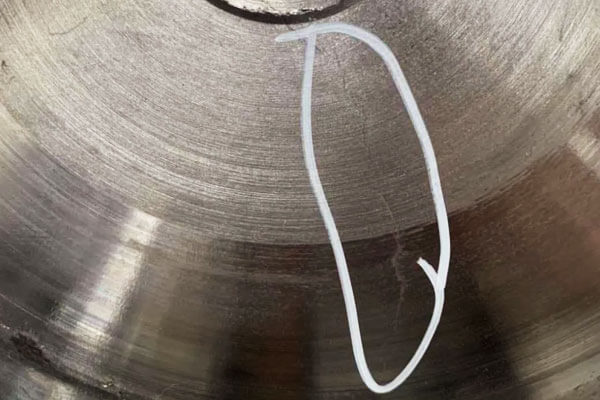
形成メカニズムと代表的な特徴
固化後, 鋳物は熱を失い続け、熱収縮を起こします。. しかし, 異なるセクションがまったく同じ速度で冷却されることはほとんどありません.
一般に、薄い部分は厚い部分よりも早く冷却されます。, コア間, 金型壁, 接続が固定されていると、特定の領域が自由に収縮できなくなる場合があります。.
これらの違いにより内部引張応力が発生します. 鋳物が十分な延性と靭性を備えている場合, 結果として生じる歪みの一部に対応できる.
しかし, 蓄積された応力が材料の強度を超えた場合, 亀裂が発生し、固体金属を通って伝播する.
冷間割れの典型的な特徴は次のとおりです。:
- 亀裂形状: 比較的狭い, かなり均一な幅で. 亀裂の経路は通常、大きく湾曲した不規則なものではなく、直線またはジグザグになります。.
- 伝播方向: 一般に粒内, 粒界をたどるのではなく、個々の粒を通って広がる.
- 破面: 比較的きれい, 金属光沢またはわずかな酸化を示すことが多い.
- 亀裂の深さ: 鋳造品のかなりの部分を通って、または断面全体に及ぶ場合もあります。.
- 典型的な場所: 高い引張応力がかかる領域, 特に鋭角なコーナー付近, 突然のセクション変更, 堅固な接続, およびコア拘束領域.
低温亀裂の破断面は、一般に高温亀裂の破面よりも滑らかできれいです。.
しかし, 合金の組成によって外観が異なる場合があります, 冷却条件, 検査までの経過時間.
重要な冶金学的特徴は亀裂の伝播経路です. 半固体構造には粒界に沿った残留液膜が含まれているため、熱い涙は粒界に沿って流れます。.
完全凝固後に低温亀裂が発生する, 金属が連続した固体構造になり、過度の引張応力がかかると粒子が破壊される場合.
冷間割れの主な原因
冷間割れは、鋳造応力が凝固した合金の強度を超えると発生します。. したがって, 残留応力を増加させたり、材料の強度や靱性を低下させる要因があれば、リスクが増大する可能性があります。.
鋳造構造と幾何学的拘束
不均一な肉厚は鋳造応力の一般的な原因です. 薄い部分は厚い部分よりも早く冷却され、収縮します。, 温度差と不均一な収縮が生じる.
鋳物構造によりこれらの部分が単独で収縮できない場合, 内部引張応力が増加する.
硬質鋳造構造は、その形状により通常の収縮が制限されるため、特に脆弱です。.
典型的な例としては、 均一な壁, 内部に大きな砂中子を備えた薄肉箱型鋳物.
壁の厚さは比較的均一かもしれませんが、, 大きなコアは鋳造壁の内側への収縮を機械的に抑制できます。.
これにより一時的な収縮応力が発生します. 生じた引張応力が合金の強度を超える場合, コールドクラックが発生する可能性があります.
鋭い角, 突然のセクションの移行, 硬い接合部は局所的な領域に応力が集中するため、リスクがさらに高まります。.
不適切なゲートとライザーの設計
ゲートとライザーの配置は、冷却の均一性と鋳造収縮の自由度の両方に影響を与える可能性があります.
肉厚が不均一な鋳物用, placing an ingate in a heavy section may further delay the cooling of that region.
This increases the temperature difference between thick and thin sections, potentially intensifying thermal stress during subsequent cooling.
Gating arrangements can also create direct mechanical restraint. Because an ingate is generally thinner than the casting section it connects to, it may solidify first.
As the main casting continues to contract, the solidified gate can restrict its movement.
Tensile stress may then concentrate in the casting wall, particularly in the region between two ingates, increasing the possibility of cold cracking.
Risers and other connections should therefore be positioned to provide effective feeding without unnecessarily restricting the casting’s contraction.
過剰なモールドとコアの強度
Molding sand and core sand must provide sufficient strength to maintain cavity geometry during pouring and solidification.
しかし, excessively high hot strength or dry strength can prevent the mold and core from yielding as the casting contracts.
If the sand system has poor hot collapsibility, the casting remains mechanically restrained during cooling. The resulting tensile stress may become high enough to initiate cold cracks.
This is particularly important for large castings, complex core assemblies, and components with extensive internal surfaces.
Foundries must balance mold stability with adequate collapsibility rather than maximizing sand strength without considering contraction behavior.
不利な化学組成と材料の脆さ
Alloy composition directly affects the strength, 延性, and toughness of castings.
鋼鋳物では, excessive carbon and alloying-element contents can increase hardenability and promote brittle microstructures under certain cooling conditions.
This may reduce the casting’s ability to accommodate contraction strain.
Phosphorus is another important harmful element. When the phosphorus mass fraction in steel exceeds 0.05% (ω(P) > 0.05%), cold brittleness increases, making the material more susceptible to brittle fracture and cold cracking.
In gray cast iron, excessive graphitization-inhibiting elements can promote carbide formation and increase contraction-related stress. The resulting reduction in toughness can further increase cracking susceptibility.
Chemical composition should therefore remain within the specified material grade, with particular attention to elements that influence brittleness and low-temperature mechanical properties.
時期尚早のシェイクアウトと不適切な清掃
Shakeout timing has a direct influence on cooling stress and casting integrity.
If a casting is removed from the mold too early, it may experience rapid and uneven cooling.
The temperature difference between thick and thin sections can increase, producing additional thermal stress before the casting has developed sufficient resistance to cracking.
Cleaning operations can introduce further mechanical loads. Removing sand at excessively high temperatures, striking the casting during shakeout, or applying impact and squeezing forces during cleaning and transportation may initiate cracks or extend existing ones.
For large or structurally complex castings, shakeout temperature and handling procedures should be controlled according to the alloy, casting mass, およびセクションの厚さ.
コールドクラッキングを防ぐ方法
Effective cold-cracking prevention focuses on reducing residual tensile stress, 材料の靭性の向上, 冷却中に鋳物が自由に収縮できるようにします。.
均一な冷却と応力集中の低減を実現する設計
適度に均一な壁厚を維持し、内側のコーナーとセクションの移行部に十分なフィレットを使用します。.
正常な収縮を制限する過度に硬い構造や複雑な接合部を避けてください。.
可能な限り, 形状を調整して局所的な応力集中を軽減し、さまざまなセクションがより自由に収縮できるようにします。.
ゲートとライザーの配置を最適化する
この配置により局所冷却が不必要に遅れる場合は、重いセクションにインゲートを配置しないでください。.
収縮を抑制する硬い接続を作成せずに、充填と供給をサポートするゲートとライザーを配置します。.
薄いゲートは早期に固化し、その後の主要鋳物の収縮を制限する可能性があるため、特に注意を払う必要があります。.
モールドとコアの折りたたみ性の向上
鋳物砂と中子砂の熱間強度と乾燥強度を制御. 金型システムは、冷却中に十分な崩壊性を提供しながら、注入中に寸法安定性を維持する必要があります。.
大型鋳物用, 鋳物に十分な強度がある場合は、選択した鋳型砂または中子砂を注入後に除去してもよい. これにより、機械的拘束が軽減され、鋳造品がより均一に収縮するのに役立ちます。.
合金の化学組成を制御する
炭素および合金元素を指定された組成範囲内に保つ. 鋼鋳物では, リンの管理に特に注意を払う.
を超えるリン質量分率 0.05% 該当する材料仕様で下限が必要な場合は避けるべきです.
ねずみ鋳鉄用, 黒鉛化阻害元素を制御して過剰な炭化物の形成と靭性の低下を回避します。.
シェイクアウトとクリーニング条件の制御
鋳物を早めに型から取り外さないでください. シェイクアウト前に温度差と残留応力を軽減するために十分な冷却時間を確保します。.
Avoid cleaning castings at excessively high temperatures and prevent impact, 絞る, or rough handling during sand removal, 切断, と交通.
必要に応じて応力除去熱処理を適用します
Castings with high residual stress should receive appropriate stress-relief heat treatment according to their material grade and technical requirements.
This is particularly important for large, 剛性, and dimensionally sensitive components.
Additional stress relief may also be required after gate and riser cutting or weld repair, depending on the casting specification and repair procedure.
Stress relief helps reduce residual tensile stress, but it should complement—not replace—improvements in casting geometry, mold collapsibility, 合金組成, and cooling control.
4. 鑑別診断: 私が使用するチェックリスト
Before selecting corrective measures, the first task in a casting defect investigation is to determine whether the crack is a hot tear or a cold crack.
Although both defects may appear as fractures on the casting surface, their formation mechanisms are fundamentally different.
Treating them as the same defect can lead to ineffective adjustments—for example, changing the pouring temperature when the actual problem is excessive residual stress, or modifying the mold when the root cause is inadequate feeding during final solidification.
In a defect review meeting, I use the following five-step checklist. No single feature should be treated as conclusive.
The diagnosis should combine crack morphology, fracture-surface condition, propagation path, 位置, and the production timeline.
ステップ 1: 亀裂の形状を調べる
Start with the external morphology, including the crack’s direction, 幅, and overall profile.
- 熱い涙: Usually irregular, tortuous, and uneven in width. The opening may be relatively wide at the casting surface and narrow toward the interior. Branching or discontinuous features may also appear.
- コールドクラッキング: Generally has a more uniform width and follows a relatively straight or zigzag path. It may extend across a substantial portion of the casting section.
Crack shape provides a useful initial indication, but it is not sufficient for final identification.
Casting geometry, 合金組成, and the direction of crack propagation can all influence the visible appearance.
ステップ 2: 破面を調べる
The fracture surface often provides stronger evidence than the external crack shape. Carefully inspect its color, oxidation condition, そして金属光沢.
- 熱い涙: Typically produces a dark, oxidized fracture surface with little or no metallic luster.
This appearance is associated with crack formation at high temperatures, 露出した金属が周囲の大気と反応すると. - コールドクラッキング: 通常、金属光沢のある比較的きれいな破断面を示します。, 特に鋳物が冷えた後に亀裂が生じた場合.
亀裂が長期間露出したままになっていると、多少の酸化が依然として発生する可能性があります.
破断面は、鋳物の取り扱いおよび保管履歴に関連して解釈する必要があります.
冷間亀裂が長時間露出したままになると酸化する可能性があります, 一方、高温の引き裂きは合金や雰囲気に応じて異なる表面特性を示す場合があります。.
ステップ 3: 亀裂の伝播経路を決定する
外部証拠が決定的でない場合, 金属組織検査は 2 つのメカニズムを区別するのに役立ちます.
- 熱い涙: 通常、凝固の最終段階で粒界に沿って伝播します。.
内部破面には樹枝状の特徴が残っている可能性がある, 半固体構造内の分離を示します. - コールドクラッキング: 一般に、粒界に沿ってではなく、粒内を通って伝播します。.
金属組織学的検査により、凝固後の引張応力に関連する粒内破壊経路が明らかになる可能性があります.
内部亀裂の場合, 破断面の樹枝状の特徴は、高温引裂の特に有用な証拠です。.
しかし, サンプルの準備と破面の汚染は解釈に影響を与える可能性があります, したがって、金属組織所見は他の検査結果と併せて考慮する必要があります.
ステップ 4: 亀裂の位置を確認する
亀裂の位置は、応力を発生させた可能性のある条件を特定するのに役立ちます。, ただし、欠陥の種類を独立して確認するものではありません.
熱間引き裂きが発生しやすい箇所には以下のものがあります。:
- ホットスポットと最後に固化する領域.
- 鋭い角と壁の厚さの急激な変化.
- 凝固収縮を制限する強固な構造接続.
- Areas with inadequate feeding or poor liquid-metal supply during final solidification.
冷間亀裂に一般的に関連する場所には次のようなものがあります。:
- Regions exposed to high residual tensile stress.
- Areas between two ingates or near rigid gating connections.
- Thin-wall castings with large cores that restrict contraction.
- Heavy-to-thin section transitions where cooling rates differ significantly.
An important distinction is that corners, セクション遷移, and rigid connections can be susceptible to both defects.
The decisive question is whether the fracture developed while the metal was still semi-solid or after it had fully solidified.
ステップ 5: 亀裂がいつ形成されたかを確認する
The time when a crack is discovered is not necessarily the time when it formed. Review the entire production history, from solidification and shakeout to cleaning, ストレージ, そして機械加工.
- 熱い涙: Often becomes visible during shakeout or initial inspection because the fracture formed during the final stages of solidification. Its oxidized surface provides additional evidence of high-temperature formation.
- コールドクラッキング: May develop during cooling after solidification and become visible during shakeout, クリーニング, ストレージ, または機械加工. A relatively clean fracture surface can support this diagnosis.
Do not automatically classify a crack discovered after machining as a cold crack. Machining may simply expose a pre-existing internal hot tear.
必要に応じて, compare the defect location with machining records and use radiographic testing, 超音波検査, or sectioning to determine whether the crack existed before machining.
5. 結論
Casting cracks are primarily related to tensile stress, but their formation mechanisms depend on the solidification and cooling stages.
Hot tearing develops when a semi-solid dendritic structure cannot withstand contraction strain and the remaining liquid cannot adequately feed the developing separation.
Cold cracking occurs after solidification when residual tensile stress exceeds the strength of the solidified metal.
For foundries, effective prevention starts with correct defect identification. Hot-tearing control should focus on solidification behavior, 給餌条件, 合金組成, 鋳造ジオメトリ, and mold collapsibility.
Cold-cracking prevention requires particular attention to cooling uniformity, 構造的拘束, shakeout timing, material toughness, and stress-relief treatment.
で この技術, casting quality control involves evaluating material composition, コンポーネントの形状, mold and core design, 凝固挙動, and post-casting processes as an integrated system.
By identifying the actual cracking mechanism and correcting its underlying process causes, manufacturers can reduce scrap rates, improve casting reliability, and deliver components that meet demanding dimensional and mechanical requirements.
よくある質問
鋳物の高温亀裂と低温亀裂の違いは何ですか?
Hot tears form at the end of solidification, propagate along grain boundaries, and have an oxidized, irregular fracture surface.
Cold cracks form after the casting cools to the elastic state, propagate through the grains, and have a clean, uniform-width fracture with metallic luster.
どの合金が熱間引き裂きを最も起こしやすいか?
Alloys with a wide freezing range and mushy or spongy solidification are most prone.
Narrow freezing range alloys are less prone, and eutectic composition alloys that solidify at a constant temperature are the least prone.
金型とコアの設計はどのようにして亀裂を減らすことができるか?
Improving mold and core collapsibility (yielding) reduces the restraint on contraction.
Removing flask weights early, loosening clamps, and digging out sand after pouring for large castings all reduce contraction stress.
熱い涙は自然に治るのか?
はい, 場合によっては. If the dendrite skeleton is pulled apart slowly and enough liquid metal flows into the opening to feed it, the tear heals. If the opening cannot be fed, the tear remains as a defect.