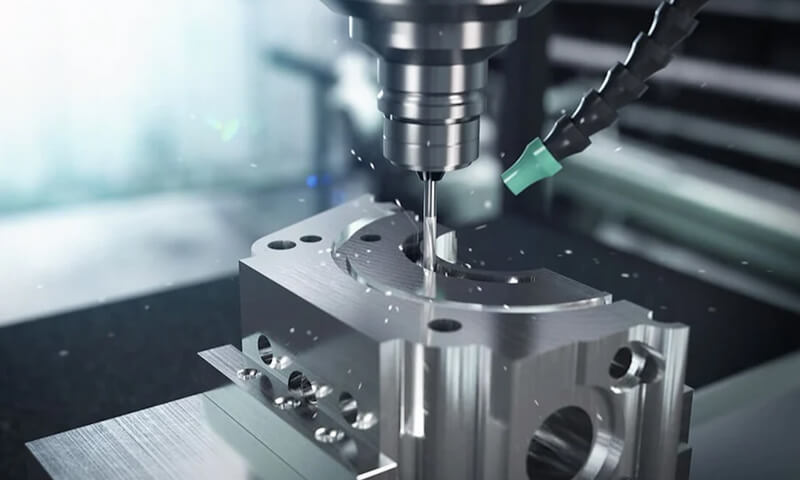
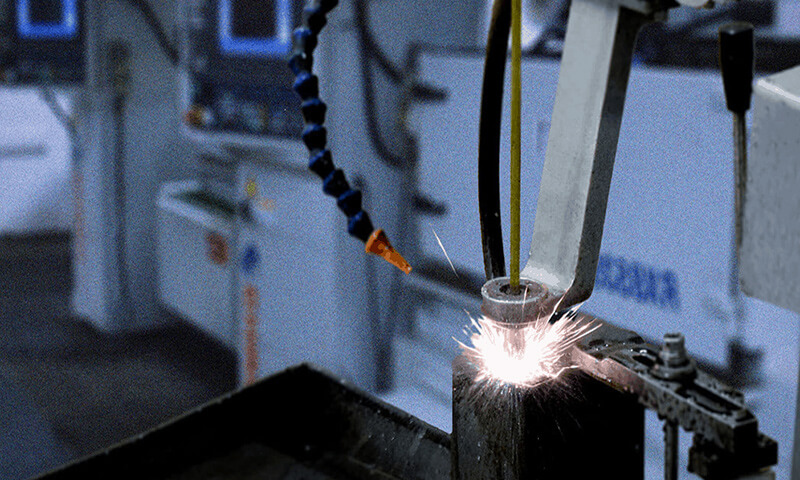
1. INNGANGUR
Grátt járn vs sveigjanlegt járn eru tvær af mest notuðu tegundunum af steypujárni, hver og einn býður upp á einstaka eiginleika og kosti sem gera þá ómissandi í margs konar atvinnugreinum.
Sem meðlimir steypujárnsfjölskyldunnar - járn-kolefni-kísilblendi sem myndast með því að steypa bráðnum málmi í mót - eru bæði efnin metin fyrir styrkleika þeirra, Vélhæfni, steypuhæfni, og hagkvæmni.
2. Hvað er steypujárn?
Steypujárn er hópur járn-kolefnisblöndur með kolefnisinnihald venjulega meira en 2%.
Það er framleitt með því að bræða grájárn - venjulega unnið úr járngrýti - í ofni og hella bráðna málminum í mót til að mynda æskileg form.
Niðurstaðan er erfið, brothætt, og sterkt efni sem býður upp á framúrskarandi steypingarhæfni og fjölbreytt úrval af vélrænni eiginleikum eftir sértækri samsetningu þess og meðferð.
Almenn samsetning
Grunnsamsetning steypujárns inniheldur:
- Járn (Fe) - frumþátturinn
- Kolefni (C.) – 2,0–4,0%, stuðla að steypuhæfni og hafa áhrif á hörku og stökkleika
- Kísil (Og) – 1,0–3,0%, sem stuðlar að grafítmyndun við storknun
- Spormagn af Mangan (Mn), brennisteini (S), Og fosfór (P.) getur líka verið til staðar
Helstu eiginleikar steypujárns:
- Framúrskarandi steypuhæfni: Rennur vel í flókin mót, sem gerir það tilvalið fyrir flókin form
- Góð vélhæfni: Sérstaklega í ákveðnum flokkum eins og gráu járni
- Hár þjöppunarstyrkur: Gerir það hentugt til að bera álag í burðarvirki
- Frábær titringsdeyfing: Dregur úr hávaða og hreyfingum í vélum og búnaði
- Hagkvæm: Ódýrt að framleiða í miklu magni
Algengar tegundir steypujárns:
| Tegund steypujárns | Grafítform | Lykileiginleikar | Dæmigert forrit |
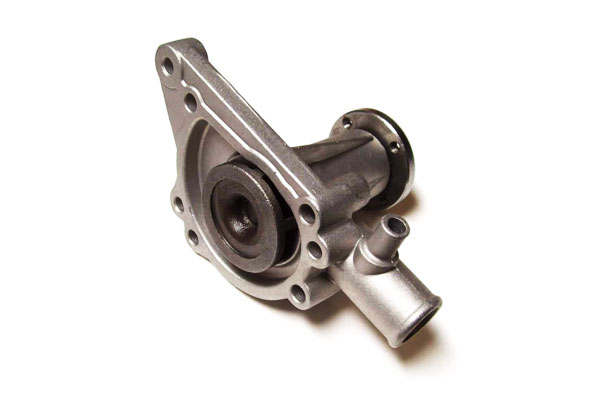
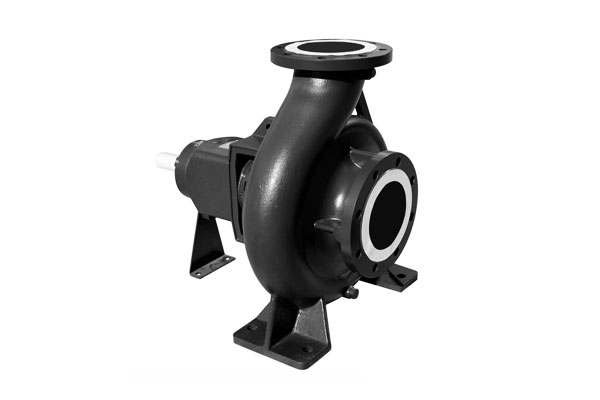
| Grátt járn | Grafítflögur | Frábær titringsdeyfing, Góð vélvirkni, hár þrýstistyrkur, brothætt | Vélarblokkir, bremsur, vélargrundvöll, dæluhús |
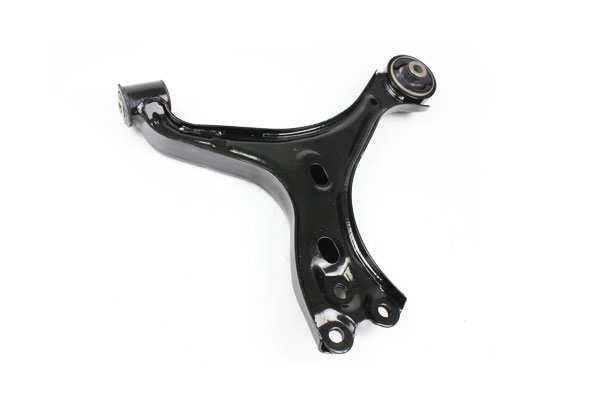
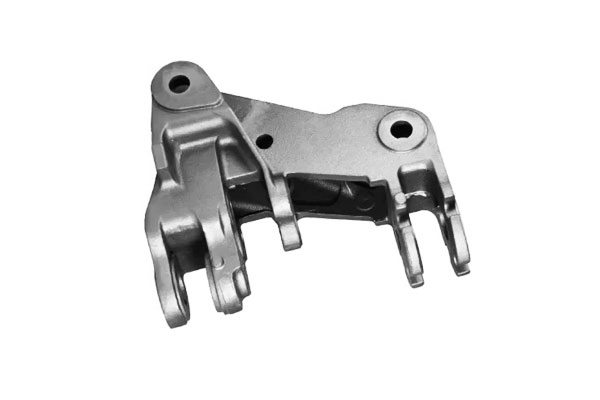
| Sveigjanlegt járn | Kúlulaga (hnúður) grafít | Mikill togstyrkur, góð sveigjanleiki, Þreytuþol | Pípur, sveifarásar, fjöðrunararmar, vindmyllur |
| Hvítt járn | Sementít (ekkert ókeypis grafít) | Einstaklega hart og slitþolið, mjög brothætt | Mill liners, klæðast plötum, Hlutar til slurry dælu |
| Sveigjanlegt járn | Tempera kolefnishnúðar | Miðlungs styrkur og sveigjanleiki, höggþolið, vinnanlegur | Lagnafestingar, sviga, litlar steypur með flókna rúmfræði |
3. Hvað er grátt járn?
Grátt járn, einnig þekktur sem grátt steypujárn, er algengasta gerð steypujárns. Það er nefnt eftir gráa litnum á brotfleti þess, sem er vegna nærveru grafítflögur í örbyggingu sinni.
Þessar grafítflögur skapa ósamfellu í járngrunninu, sem gefur gráu járni sitt einkennandi útlit og vélræna eiginleika.
Smásjá
Það sem einkennir grátt járn er þess flögu grafít uppbyggingu felld inn í fylki af Ferrite, perlulit, eða sambland af hvoru tveggja.
Þessar flögur myndast við storknun og bera ábyrgð á efninu:
- Framúrskarandi Titring demping
- Gott hitaleiðni
- High þrýstistyrkur
Samt, skarpar brúnir flöganna virka sem streituþéttni, sem draga verulega úr togstyrk og gera efnið brothætt undir spennu eða höggi.
Einkunnir og viðmið
Grátt járn er flokkað eftir Togstyrkur, oft tilnefnd með stöðlum eins og ASTM A48. Sem dæmi má nefna:
- Bekk 20 (CL20): Lítill styrkur, framúrskarandi vélhæfni
- Bekk 30 (CL30): Almenn notkun
- Bekk 40 (CL40): Meiri styrkur, hentugur fyrir burðarhluta
Hærri flokkanúmer gefa til kynna hærri togstyrk, venjulega náð með því að stilla kælihraða eða álinnihald.
Helstu eiginleikar:
- Hár þjöppunarstyrkur
- Frábær dempunargeta
- Léleg sveigjanleiki og höggþol
Dæmigerð notkun á gráu járni
Hagkvæmni og frammistaða gráa járns í þjöppunarráðandi forritum gerir það að leiðarljósi efni fyrir:
- Vélarkubbar og strokkahausar
- Bremsudiska og tunnur
- Vélarrúm og undirstöður
- Gírkassar og hús
- Dælur og lokar
4. Hvað er sveigjanlegt járn?
Sveigjanlegt járn, einnig þekktur sem hnúðótt steypujárn eða kúlulaga grafítjárn (SGI), er gerð steypujárns sem býður upp á verulega bætta vélræna eiginleika fram yfir grátt járn — sérstaklega m.t.t. sveigjanleika, Togstyrkur, Og höggþol.
Lykilmunurinn liggur í lögun grafítsins innan örbyggingar málmsins. Í sveigjanlegu járni, grafít myndast sem kúlulaga hnúðar, frekar en flögur eins og í gráu járni.
Þessi hringlaga formgerð lágmarkar streitustyrk, sem gerir sveigjanlegu járni kleift að teygjast eða afmyndast án þess að brotna - þess vegna er nafnið "seigið".
Smásjá
- Hnúðótt grafít: Kúlulaga agnir (5–20 μm í þvermál) sem draga úr streitueinbeitingu, leyfa plast aflögun.
- Fylki: Sérsniðin með hitameðhöndlun - ferrítísk (Hertogar), perlulitur (sterkur), eða bainitic (hár styrkur og hörku).
Einkunnir og viðmið
ASTM A536 - Staðlað forskrift fyrir sveigjanlega járnsteypu
- 60-40-18 → 60 ksi togþol, 40 ksi ávöxtun, 18% lenging
- 80-55-06 → Meiri styrkur, miðlungs sveigjanleiki
- 100-70-03 → Mjög hár styrkur, lágt sveigjanleiki
ISO 1083 – Alþjóðleg heiti fyrir kúlulaga grafítjárn
- EN-GJS-400-15 (svipað og ASTM 60-40-18)
- EN-GJS-700-2 (svipað og ASTM 100-70-03)
Helstu eiginleikar:
- Miklu meiri styrkur og sveigjanleiki
- Meiri höggþol
- Betri þreytuþol, tilvalið fyrir hringlaga hleðslu
- Heldur nokkurri dempunargetu, þó minna en grátt járn
Algeng notkun sveigjanlegs járns
Þökk sé frammistöðueiginleikum þess, sveigjanlegt járn er mikið notað í:
- Bifreiðaríhlutir: sveifarásar, stjórnvopnum, öxulhús
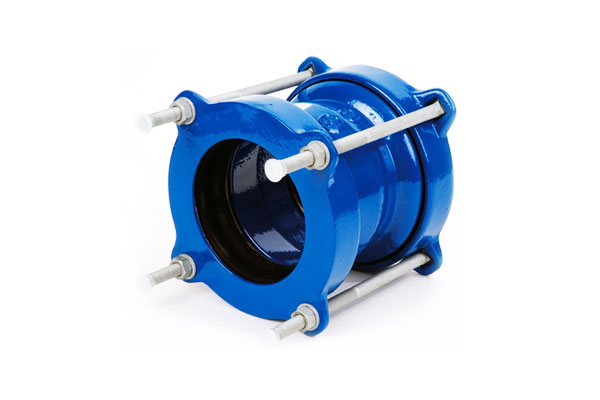
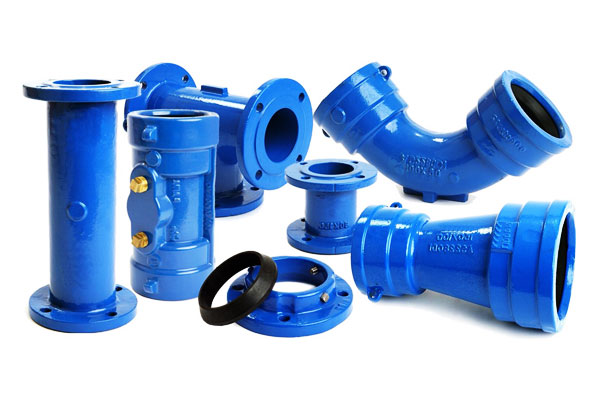
- Vatns- og frárennsliskerfi sveitarfélaga: sveigjanleg járnrör og festingar
- Þungur búnaður: gír, tengi, sviga, burðarhlutar
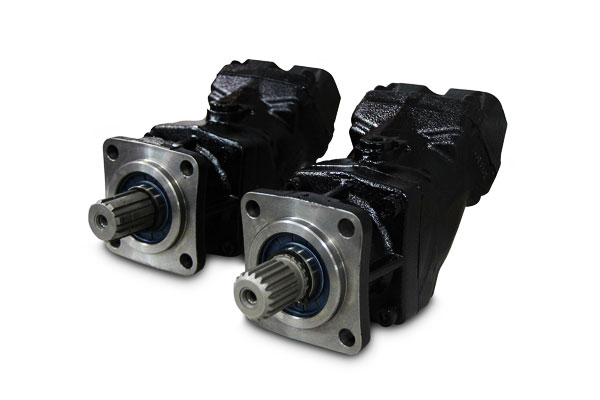
- Orkugeirinn: vindmyllur, vökvakerfi
- Járnbrautar- og námubúnaður: brautarhlutar, legur
5. Samanburður á efnasamsetningu
Báðar málmblöndurnar eru fyrst og fremst samsettar úr járni (Fe), sem og kolefni (C.) og sílikon (Og), en lúmskur munur og aukefni greina þá að:
| Element | Grátt járn (%) | Sveigjanlegt járn (%) | Athugasemdir |
| Kolefni (C.) | 2.5 - 4.0 | 3.0 - 4.0 | Hærra kolefni stuðlar að grafítmyndun |
| Kísil (Og) | 1.8 - 3.5 | 1.8 - 3.0 | Kísill bætir vökva og grafítgerð |
| Mangan (Mn) | 0.2 - 1.0 | 0.1 - 0.5 | Stjórnar styrkleika og vinnur gegn brennisteini |
| Brennisteinn (S) | 0.02 - 0.12 | 0.005 - 0.03 | Lítið brennisteins sem þarf í sveigjanlegu járni fyrir hnúðamyndun |
| Fosfór (P.) | 0.1 - 0.2 | 0.02 - 0.05 | Venjulega haldið lágu fyrir sveigjanleika |
| Magnesíum (Mg) | - | 0.03 - 0.06 | Bætt við sveigjanlegu járni til að búa til hnúðótt grafít |
| Nikkel (In), Kopar (Cu), Króm (Cr) | Spormagn, getur verið mismunandi | Má bæta við fyrir tæringarþol eða styrkleika |
6. Samanburður á eðlisfræðilegum eiginleikum á gráu járni vs sveigjanlegu járni
| Eign | Grátt járn | Sveigjanlegt járn | Athugasemdir |
| Þéttleiki | ~6,9 - 7.3 g/cm³ | ~7,0 - 7.3 g/cm³ | Mjög svipaður þéttleiki, örlítið hærra fyrir sveigjanlegt járn vegna málmblöndunar |
| Bræðslumark | 1140 - 1300 ° C. | 1140 - 1300 ° C. | Báðir hafa sambærileg bræðslusvið |
| Hitaleiðni | 35 - 55 W/m · k | 30 - 45 W/m · k | Grátt járn leiðir hita almennt betur |
| Stuðull hitauppstreymis | 10 - 12 x10⁻⁶ /°C | 11 - 13 x10⁻⁶ /°C | Sveigjanlegt járn hefur aðeins meiri þenslu |
| Mýkt (Stuðull Young) | 100 - 170 GPA | 160 - 210 GPA | Sveigjanlegt járn er verulega stífara |
| Hlutfall Poissons | 0.25 - 0.28 | 0.27 - 0.30 | Loka gildi, með sveigjanlegu járni aðeins hærra |
| Sérstök hitastig | ~460 J/kg·K | ~460 J/kg·K | Næstum eins |
| Hörku (Brinell) | 140 - 300 Hb | 170 - 340 Hb | Sveigjanlegt járn hefur tilhneigingu til að vera harðara |
| Segulgegndræpi | Ferromagnetic | Ferromagnetic | Bæði eru ferromagnetic efni |
7. Samanburður á vélrænum eiginleikum á gráu járni vs sveigjanlegu járni
| Vélræn eign | Grátt járn | Sveigjanlegt járn | Athugasemdir |
| Togstyrkur | 170 - 370 MPA | 350 - 700 MPA | Sveigjanlegt járn hefur verulega hærri togstyrk |
| Ávöxtunarstyrkur | 90 - 250 MPA | 250 - 450 MPA | Sveigjanlegt járn sýnir hærri uppskeruþol |
| Lenging (Sveigjanleika) | 0.5 - 3% | 10 - 18% | Sveigjanlegt járn er mun sveigjanlegra, leyfa betri aflögun fyrir brot |
| Áhrifsstyrkur | Lágt (léleg höggþol) | High (góð höggþol) | Sveigjanlegt járn þolir höggálag mun betur |
| Mýkt | 100 - 170 GPA | 160 - 210 GPA | Sveigjanlegt járn er stífara og sterkara við teygjanlega aflögun |
| Hörku (Brinell) | 140 - 300 Hb | 170 - 340 Hb | Örlítið meiri hörku í sveigjanlegu járni |
| Þreytustyrkur | Minni þreytuþol | Meiri þreytuþol | Hnútlaga grafítbygging sveigjanlegs járns bætir þreytulífið |
| Þjöppunarstyrkur | High (~700 MPa) | High (~600 - 900 MPA) | Báðir hafa góðan þrýstistyrk; grátt járn hefur tilhneigingu til að skara fram úr |
8. Framleiðsla og steypa
Bæði grátt járn og sveigjanlegt járn eru framleidd með viðurkenndum steypuaðferðum, en vinnsla þeirra er mismunandi vegna sérstakra örbygginga og vélrænna krafna.
Grájárnsframleiðsla:
- Bræðsla og málmblöndun: Grátt járn er venjulega brætt í kúpuofnum eða rafknúnum örvunarofnum. Grunnsamsetningin inniheldur járn, kolefni (aðallega sem grafít), og sílikon.
Blönduefni eins og mangan, brennisteini, og fosfór er stjórnað til að hámarka steypu og grafítmyndun. - Steypuaðferðir: Algengasta ferlið er Sandsteypu, studdi fyrir sveigjanleika og hagkvæmni, sérstaklega fyrir flókna eða stóra íhluti eins og vélarblokkir, vélargrundvöll, og bremsutunnur.
- Storknun: Grafít myndast sem flögur innan járngrunnsins við kælingu, veitir framúrskarandi titringsdeyfingu en leiðir til stökkleika.
- Vélhæfni: Flögugrafítbygging grájárns virkar sem smurefni við vinnslu, sem gerir það auðveldara að vinna en sveigjanlegt járn.
Sveigjanlegt járnframleiðsla:
- Bráðnun og meðferð: Sveigjanlegt járn byrjar úr svipuðu hráefni, brætt í örvunar- eða ljósbogaofnum.
Lykilmunurinn liggur í hnúðameðferð- að bæta magnesíum eða cerium við bráðið járn til að umbreyta grafítflögum í kúlulaga hnúða. - Steypuaðferðir: Sveigjanlegt járn er oft steypt með Sandsteypu eða Fjárfesting steypu fyrir nákvæma hluta.
Stýrður kælihraði og samsetningastillingar tryggja hnúðótta grafítmyndun og vélræna eiginleika. - Microstructure Control: Kúlulaga grafítið dregur úr streitustyrk og eykur sveigjanleika og seigleika.
- Hitameðferð: Sveigjanlegt járn má hitameðhöndlað (annealed, staðlað, eða ausinn) Til að auka vélrænni eiginleika, þ.mt togstyrk og þreytuþol.
- Vélhæfni: Örlítið krefjandi í vél vegna meiri styrkleika og seiglu samanborið við grátt járn en samt góð vélhæfni þegar notuð eru viðeigandi verkfæri.
9. Tæringarþol og ending
Tæringarþol og langtímaþol eru mikilvægir þættir þegar valið er á milli grájárns og sveigjanlegs járns, sérstaklega fyrir forrit sem verða fyrir erfiðu umhverfi.
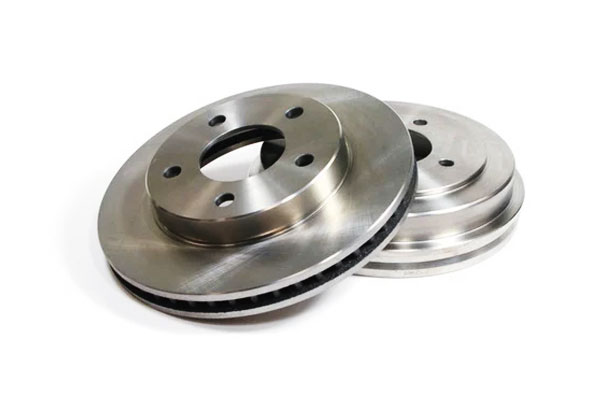
Grátt járn:
- Tæringarhegðun: Grátt járn er í meðallagi tæringarþol í þurru umhverfi en er næmt fyrir ryð þegar það verður fyrir raka, sérstaklega ef sölt eða súr aðstæður eru til staðar.
Grafítflögurnar geta búið til ör-galvanískar frumur með járngrunninu, flýta fyrir staðbundinni tæringu. - Yfirborðsvörn: Til að auka endingu, gráir járnhlutar fá oft hlífðarhúð eins og málningu, dufthúð, eða galvaniserun.
Í sumum tilvikum, Sérhæfðar tæringarþolnar málmblöndur eða fóður eru notaðar fyrir árásargjarnt umhverfi. - Varanleiki: Þó að grátt járn hafi framúrskarandi slitþol, tæring getur dregið úr líftíma íhluta í utandyra eða blautum notkun án fullnægjandi verndar.
Sveigjanlegt járn:
- Bætt tæringarþol: Kúlulaga grafítbyggingin í sveigjanlegu járni dregur úr streitustyrk og skapar einsleitara fylki, sem hefur tilhneigingu til að bæta tæringarþol samanborið við grátt járn.
- Aukin yfirborðsmeðferð: Sveigjanlegir járnhlutar nota venjulega hlífðarhúð eins og epoxýfóður, sinkhúðun, eða pólýúretan málningu, sérstaklega til notkunar í vatns- og skólplagnakerfi.
- Kaþódísk vernd: Í neðanjarðar eða í kafi, Sveigjanleg járnrör eru oft með bakskautsvörn til að draga úr tæringu.
- Ending við erfiðar aðstæður: Þökk sé meiri hörku og sveigjanleika, sveigjanlegt járn þolir vélrænt álag við tæringarferli betur en grátt járn, stuðla að lengri endingartíma við hringrásarhleðslu og ætandi umhverfi.
10. Kostnaðarsamanburður
- Hráefni: Grátt járn kostar $1–$3/kg; sveigjanlegt járn kostar $ 1,5– $ 4,5 / kg (30–50% hærra) vegna Mg/Ce hnútalyfja.
- Vinnsla: Grátt járn þarfnast engrar eftirmeðferðar; sveigjanlegt járn gæti þurft að glæða ($0.2–$0,5/kg aukalega).
- Lífsferilskostnaður: Sveigjanlegt járn býður oft upp á lægri langtímakostnað í notkun með mikilli streitu (T.d., rör: 50-árs líftími vs. 30 ár fyrir grájárn).
11. Lykilmunur á gráu járni og sveigjanlegu járni
Að skilja grundvallarmuninn á gráu járni og sveigjanlegu járni er lykilatriði til að velja viðeigandi efni byggt á umsóknarkröfum.
| Lögun | Grátt járn | Sveigjanlegt járn |
| Grafít formgerð | Flögnuð grafítflögur | Kúlulaga (hnúður) grafít |
| Togstyrkur | ~150–400 MPa | ~400–700 MPa |
| Lenging | 1–3% | Allt að 18% |
| Þjöppunarstyrkur | High | Í meðallagi til hátt |
| Höggþol | Lágt (brothætt) | High (Hertogar) |
| Titringsdempun | Framúrskarandi | Gott en minna en grátt járn |
| Vélhæfni | Auðvelt (grafít virkar sem smurefni) | Erfiðara (erfitt fylki) |
| Castability | Framúrskarandi, færri galla | Gott, krefst stjórnunar á hnútum |
| Samdráttartilhneiging | Lágt | Örlítið hærra |
| Kostnaður | Lægra | Hærri vegna málmblöndu og eftirlits |
| Dæmigert forrit | Vélarblokkir, vélargrundvöll | Pípur, Bifreiðar hlutar, burðarvirki |
12. Að velja á milli grás og sveigjanlegt járns
- Forgangsraða dempun/titringsstýringu: Grátt járn (T.d., vélarblokkir, rennibekkir).
- Þarftu styrk / sveigjanleika: Sveigjanlegt járn (T.d., sveifarásar, rör).
- Kostnaðarviðkvæmt, Lágstreita forrit: Grátt járn (T.d., brunahlífar).
- Kvikt álag/áhrifaáhætta: Sveigjanlegt járn (T.d., fjöðrunaríhlutir).
13. Niðurstaða
Grátt járn vs sveigjanlegt járn, báðar tegundir steypujárns, þjóna sérstökum hlutverkum: grátt járn skarar fram úr í litlum tilkostnaði, titringsdempuð, og þjöppunarálagsforrit, en sveigjanlegt járn ræður ríkjum í mikilli streitu, kraftmikið, og áhrifahættulegar aðstæður.
Ágreiningur þeirra, á rætur í grafítformfræði, gera þær óbætanlegar í nútíma verkfræði, tryggja áframhaldandi mikilvægi þeirra í bifreiðum, innviði, og vélar.
Algengar spurningar
Er sveigjanlegt járn sterkara en stál?
Já - sveigjanlegt járn getur keppt við lágt til miðlungs kolefnisstál (~400–600 MPa), þó það sé minna sveigjanlegt.
Má hitameðhöndla grátt járn?
Nei - það heldur stökkleika vegna grafítflaga og batnar ekki með hitameðferð.
Af hverju að nota grátt járn fyrir vélarblokkir?
Frábær titringsdeyfing þess, Varma stöðugleiki, og lítill kostnaður gerir það tilvalið fyrir vélaríhluti.
Hversu lengi endast sveigjanleg járnrör?
Með réttri húðun og uppsetningu, þeir ná oft 50–100+ ára þjónustu.
Eru báðar tegundir endurvinnanlegar?
Já, bæði eru 95% endurvinnanlegt, með endurunnu gráu/sveigjanlegu járni 90% af upprunalegum eignum.