904L er a ofur austenítískt ryðfrítt stál þróað til að þola mjög súrt umhverfi, einkum notkun brennisteinssýru og fosfórsýru.
Það er hátt nikkel, króm, Molybden, og koparinnihald veitir framúrskarandi viðnám gegn almennri tæringu, pitting, og tæringu á rifum á meðan viðhaldið er framúrskarandi mótunarhæfni og suðuhæfni.
2507, Hins vegar, er a ofur tvíhliða ryðfríu stáli sem sameinar um það bil jöfn hlutföll af austeníti og ferríti.
Þessi einstaka tvífasa örbygging skilar næstum tvöföldum vélrænni styrk en hefðbundið austenítískt ryðfrítt stál á sama tíma og það veitir einstaka viðnám gegn klóríðvöldum gryfju., Tæring á sprungu, og stress tæringu sprunga.
Fyrir vikið, 2507 hefur orðið valið efni fyrir úthafspalla, sjóafsöltunarstöðvar, neðansjávarleiðslur, og annað erfið klóríðríkt umhverfi.
Val á milli 904L og 2507 er ekki spurning um „betra“ eða „verra“. Það er stefnumótandi ákvörðun sem verður að vega tæringarþol á móti vélrænni styrk, suðuhæfni gegn kostnaði, og framboð á móti frammistöðu.
1. Að skilja 904L og 2507 Ryðfríu stáli
Þó bæði 904L og 2507 flokkast sem afkastamikil ryðfríu stális, þær tilheyra mismunandi málmvinnslufjölskyldum og voru þróaðar til að leysa mismunandi verkfræðilegar áskoranir.
Að skilja samsetningu þeirra, Smásjá, og hönnunarheimspeki er grunnurinn að því að velja viðeigandi efni fyrir ætandi eða sterka notkun.
Hvað er 904L ryðfrítt stál?
904L er a lág kolefnis, háblendi austenítískt ryðfrítt stál sérstaklega þróað fyrir forrit sem krefjast framúrskarandi tæringarþols í árásargjarnu efnaumhverfi.
Samanborið við staðlaðar austenitískar einkunnir eins og 304L og 316L, 904L inniheldur verulega hærra magn af Nikkel (In), króm (Cr), Molybden (Mo.), Og kopar (Cu), gefur það framúrskarandi viðnám gegn afoxandi sýrum, hola af völdum klóríðs, og sprungu tæringu.
Upphaflega kynnt til að meðhöndla brennisteinssýru í efnavinnslustöðvum, 904L er nú mikið notað í iðnaði þar sem langtímaþol við mjög ætandi aðstæður er nauðsynleg,
þar á meðal efnavinnsla, olía og gas, sjávarverkfræði, lyfjaframleiðslu, kvoða og pappír, og afbrennslukerfi fyrir útblástursloft.

Austenitísk ryðfríu stáli flokkun
904L tilheyrir ofur austenítískt ryðfrítt stál fjölskyldu. Fullkomlega austenitísk örbygging þess býður upp á nokkra kosti:
- Framúrskarandi tæringarþol í margs konar efnaumhverfi
- Frábær sveigjanleiki og seigja, jafnvel við frosthitastig
- Ósegulmagnaðir eiginleikar í glæðu ástandi
- Frábær mótun og suðuhæfni
- Mikil viðnám gegn tæringu á milli korna vegna lágs kolefnisinnihalds
Ólíkt tvíhliða ryðfríu stáli, 904L treystir ekki á blandaða ferrítísk-austenítíska uppbyggingu fyrir styrk.
Í staðinn, Frammistöðu þess er náð með háu málmblöndunarstigi sem eykur bæði tæringarþol og málmvinnslustöðugleika.
Þróunarsaga
904L ryðfrítt stál var upphaflega þróað á sjöunda áratugnum til að takast á við tæringarvandamál í brennisteinssýruframleiðslu og áburðarframleiðslu, þar sem hefðbundið ryðfrítt stál sýndi ófullnægjandi viðnám.
Verkfræðingar leituðust eftir málmblöndu sem getur viðhaldið burðarvirki til að draga úr súru umhverfi án þess að fórna suðuhæfni eða framleiðslugetu.
Með tímanum, framfarir í málmvinnslu og framleiðslutækni stækkuðu notkun 904L í offshore verkfræði, hitaskipti, Þrýstingaskip, og vinnslubúnaði með miklum hreinleika.
Í dag, það er enn eitt þekktasta ofur austenitíska ryðfríu stálið fyrir ætandi iðnaðarnotkun.
Lykileinkenni
904L ryðfríu stáli býður upp á frábært jafnvægi á tæringarþol, frammistöðu framleiðslu, og hörku. Skilgreiningareiginleikar þess eru ma:
- Framúrskarandi viðnám gegn brennisteinssýru, fosfór, og lífrænar sýrur
- Mikil viðnám gegn gryfju- og sprungutæringu í umhverfi sem inniheldur klóríð
- Frábær suðuhæfni án þess að þörf sé á hitameðhöndlun eftir suðu í mörgum forritum
- Yfirburða hörku bæði við umhverfis- og frosthita
- Lítið næmi fyrir næmi vegna lágs kolefnisinnihalds
- Góð mótun fyrir flókna tilbúna íhluti
Þessir eiginleikar gera 904L sérstaklega hentugan fyrir þrýstihylki, geymslutankar, Leiðslukerfi, og varmaskiptar sem verða fyrir árásargjarnum efnamiðlum.
Alþjóðlegir staðlar
904L ryðfríu stáli er staðlað samkvæmt mörgum alþjóðlegum forskriftum, tryggja alþjóðlegt efnissamkvæmni og skiptanleika.
| Standard | Tilnefning |
| BNA | N08904 |
| ASTM | ASTM A240, ASTM A182, ASTM A312, ASTM A276 |
| In | In 1.4539 |
| Frá | X1NiCrMoCu25-20-5 |
| ISO | ISO 15510 |
| Hann er | SUS 904L |
Hvað er 2507 Ryðfríu stáli?
2507 er a ofur tvíhliða ryðfríu stáli hannað til að sameina framúrskarandi tæringarþol austenítísks ryðfríu stáls með miklum styrk ferrítísks ryðfríu stáls.
Jafnvæg örbygging þess samanstendur af u.þ.b 50% austenít og 50% Ferrite
Vegna yfirburða styrks og endingar, 2507 er mikið notað í olíu- og gasvinnslu á hafi úti, neðansjávarbúnaður, afsöltun sjós, sjávarverkfræði, Efnavinnsla, og önnur forrit sem verða fyrir mjög ætandi klóríðumhverfi.

Super Duplex Ryðfrítt stál flokkun
2507 tilheyrir ofur tvíhliða ryðfríu stáli fjölskyldu, sem einkennist af:
- Tvífasa ferrít-austenít örbygging
- Hátt króm- og mólýbdeninnihald
- Köfnunarefnisblöndur fyrir aukinn styrk og tæringarþol
- Frábært viðnám gegn tæringarsprungum
- Hár flæðistyrkur - um það bil tvöfalt meiri en hefðbundið austenítískt ryðfrítt stál
Jafnvæg örbygging gerir kleift 2507 að skila einstaka samsetningu af vélrænni frammistöðu og tæringarþoli sem ekki er hægt að ná með fullkomlega austenítískum málmblöndur eingöngu.
Þróunarsaga
Tvíhliða ryðfrítt stál var upphaflega þróað til að sigrast á takmörkunum hefðbundins austenítísks ryðfríu stáls í klóríðríku umhverfi.
Sem olíuvinnsla á hafi úti, afsöltun sjós, og djúpsjávarverkfræði stækkaði seint á tuttugustu öld, verkfræðingar þurftu efni sem geta staðist staðbundna tæringu en viðhalda háum vélrænni styrk.
2507 Ryðfrítt stál kom fram sem úrvals ofur tvíhliða einkunn með auknu krómi, Molybden, og köfnunarefnisinnihald, bætir verulega viðnám gegn gryfju, Tæring á sprungu, og stress tæringu sprunga.
Í dag, það er talið eitt áreiðanlegasta ryðfríu stálinu fyrir erfiða þjónustu á sjó og á sjó.
Tvífasa örbygging
Skilgreiningaratriðið í 2507 er vandlega stjórnað tvífasa uppbygging þess, sem venjulega samanstendur af:
- Um það bil 50% Ferrite
- Um það bil 50% Austenite
Þessi jafnvægi örbygging veitir nokkra verkfræðilega kosti:
- Hár afrakstur og togstyrkur
- Framúrskarandi hörku
- Frábær viðnám gegn klóríðálags tæringarsprungum
- Aukin þreytuárangur
- Bætt viðnám gegn staðbundinni tæringu
- Betri víddarstöðugleiki undir vélrænni hleðslu
Samt, viðhalda þessu örbyggingarjafnvægi krefst strangrar eftirlits við hitameðferð og suðu til að forðast myndun skaðlegra millimálmfasa.
Lykileinkenni
2507 Ryðfrítt stál er viðurkennt fyrir framúrskarandi samsetningu vélrænna og tæringarþolinna eiginleika, þar á meðal:
- Sérstakt viðnám gegn gryfju- og sprungutæringu
- Frábær tæringarþol gegn klóríðálagi
- Næstum tvöfalt uppskeruþol 904L
- Hár þreytustyrkur fyrir hringlaga hleðslu
- Góð höggþol
- Frábær tæringarþol sjós
- Minni kröfur um veggþykkt vegna meiri styrkleika
Þessir eiginleikar gera 2507 Ryðfrítt stál tilvalið efni fyrir burðarhluta sem starfa við háan þrýsting og alvarlegar tæringarskilyrði.
Alþjóðlegir staðlar
2507 ryðfríu stáli fellur undir nokkra alþjóðlega viðurkennda efnisstaðla.
| Standard | Tilnefning |
| BNA | S32750 |
| ASTM | ASTM A240, ASTM A182, ASTM A276, ASTM A789, ASTM A790 |
| In | In 1.4410 |
| Frá | X2CrNiMoN25-7-4 |
| ISO | ISO 15156 (Olía & Gasþjónusta) |
2. Samanburður á efnasamsetningu: 904L vs 2507 Ryðfríu stáli
Efnasamsetning ryðfríu stáli ákvarðar í grundvallaratriðum örbyggingu þess, tæringarþol, vélrænni eiginleika, suðuhæfni, og þjónustuframmistöðu.
904L treystir á hátt nikkel, Molybden, og kopar innihald til að auka viðnám gegn afoxandi sýrum og almennri tæringu,
meðan 2507 nær yfirburða vélrænni styrk og klóríðþol með vandlega jafnvægi samsetningu af króm, Molybden, Köfnunarefni, og tvíbýli (austenít-ferrít) Smásjá.
| Element (wt%) | 904L (US N08904) | 2507 (US S32750) | Aðalaðgerð |
| Króm (Cr) | 19.0–23.0 | 24.0–26,0 | Bætir oxunarþol, passivation, og hola tæringarþol |
| Nikkel (In) | 23.0–28,0 | 6.0–8,0 | Stöðugt austenít, eykur hörku og tæringarþol |
| Molybden (Mo.) | 4.0–5.0 | 3.0–5.0 | Bætir gryfjuna, Tæring á sprungu, og sýruþol |
| Köfnunarefni (N) | ≤0,10 | 0.24–0,32 | Eykur styrk og holaþol, gerir austenít stöðugleika |
| Kopar (Cu) | 1.0–2.0 | ≤0,50 | Eykur viðnám gegn brennisteins- og fosfórsýrum |
Kolefni (C.) |
≤0,020 | ≤0,030 | Lítið kolefni lágmarkar karbíðúrkomu og tæringu á milli korna |
| Mangan (Mn) | ≤2,0 | ≤1,2 | Bætir heita vinnanleika og afoxun |
| Kísil (Og) | ≤1,0 | ≤0,8 | Bætir oxunarþol og steypufljótleika |
| Fosfór (P.) | ≤0,045 | ≤0,035 | Stjórnað til að viðhalda hörku |
| Brennisteinn (S) | ≤0,035 | ≤0,020 | Lágt brennisteinn bætir suðuhæfni og tæringarþol |
| Járn (Fe) | Jafnvægi | Jafnvægi | Matrix efni |
3. Samanburður á vélrænni eiginleika: 904L vs 2507 Ryðfríu stáli
Vélrænni eiginleikar 904L og 2507 endurspegla í grundvallaratriðum mismunandi örbyggingu þeirra: austenitic vs. Tvíhliða.
| Vélræn eign | 904L (annealed) | 2507 (lausn glæðið) | Mismunur |
| Togstyrkur (MPA) | 520-680 | 700-850 | 2507 er 20-30% sterkari. |
| Afrakstursstyrkur (0.2%, MPA) | 220 | 550 | 2507 er 2,5× sterkari. |
| Lenging (%) | ≥35 | ≥25 | 904L er sveigjanlegri. |
| Hörku (Hb) | 150-180 | 250-300 | 2507 er verulega erfiðara. |
Höggþol (Charpy, J.) |
>100 (við stofuhita) | 70-100 (við stofuhita) | Hvort tveggja er erfitt; 904L heldur hörku við frosthitastig. |
| Mýktarstuðull (GPA) | 195 | 200 | Svipað. |
| Þreytustyrkur (10⁷ hringrás, MPA) | 250-300 | 400-450 | 2507 hefur yfirburða þreytuþol. |
| Skriðþol | Gott | Miðlungs (takmörkuð við ≤300°C) | 904L er betra við hækkað hitastig. |
| Sveigjanleg til brothætt umskipti | Engin (austenítískt) | -50°C (Tvíhliða) | 904L er hentugur fyrir frystingu; 2507 er takmörkuð. |
4. Samanburður á tæringarþol: 904L vs 2507 Ryðfríu stáli
Tæringarþol er aðalástæðan fyrir því að verkfræðingar velja háblendi ryðfríu stáli. Þó bæði 904L og 2507 standa sig verulega betur en staðlaðar einkunnir eins og 304 og 316L,
þeir skara fram úr í mismunandi ætandi umhverfi vegna mismunandi álblöndu og örbyggingar.
Almennt, 904L stendur sig einstaklega vel við að draga úr sýrum, en 2507 veitir yfirburða viðnám gegn staðbundinni tæringu af völdum klóríðs og sprungu á álagstæringu.

Almennt tæringarþol
Báðar málmblöndur þróa stöðugt krómríkt óvirkt oxíðlag sem verndar undirliggjandi málm gegn samræmdri tæringu.
Samanborið við hefðbundið ryðfrítt stál, bæði efni bjóða upp á:
- Frábær tæringarþol í andrúmsloftinu
- Mikil oxunarþol
- Frábær iðnaðar tæringarárangur
- Langur endingartími
Samt, Ákjósanlegt þjónustuumhverfi þeirra er verulega mismunandi.
Pitting tæringarþol
Pitting tæring er staðbundið form árásar sem á sér stað þegar óvirka kvikmyndin brotnar niður, sérstaklega í lausnum sem innihalda klóríð.
Vegna þess að 2507 inniheldur:
- Hærra króm
- Svipað mólýbden
- Miklu hærra köfnunarefni
það sýnir töluvert meiri mótstöðu gegn gryfju.
| Efni | Dæmigert PREN | PITING mótspyrna |
| 316L | 24-27 | Gott |
| 904L | 35-38 | Framúrskarandi |
| 2507 | 42–45 | Framúrskarandi |
2507 er því ákjósanlegur kostur fyrir sjólagnir, Offshore pallur, Afsalunarplöntur, og sjóbúnaðar.
Tæringarþol sprungu
Sprungutæring myndast oft undir þéttingum, Flansar, boltar, innlán, eða stöðnun vatns þar sem súrefni tæmist.
Þó að báðar málmblöndur gangi vel, 2507Hærri PREN og tvíhliða uppbygging veita meiri viðnám, sérstaklega í heitu klóríðríku umhverfi.
Stress tæring sprunga (Scc)
Sprungur á streitutæringu stafar af samsettum áhrifum togspennu og ætandi miðla, sérstaklega klóríð.
Þetta er einn mikilvægasti munurinn á efnunum tveimur.
- 904L býður upp á bætta SCC viðnám samanborið við venjulegar austenitískar einkunnir en getur samt verið næm við alvarlegar klóríð aðstæður.
- 2507, með tvíhliða örbyggingu sinni, veitir framúrskarandi viðnám gegn klóríðvöldum SCC og er mikið notað í olíu- og gaskerfum á hafi úti þar sem slíkar bilanir eru mikið áhyggjuefni.
Brennisteinssýruþol
| Umhverfi | 904L | 2507 |
| 10‑40% H₂SO4 við 20‑80°C | Framúrskarandi | Miðlungs |
| Þynnið H₂SO4 (<10%) | Framúrskarandi | Gott |
| Heitt þykkt H2SO4 (>70%) | Gott | Aumingja |
904L er yfirburða álfelgur til meðhöndlunar með brennisteinssýru vegna koparinnihalds. 2507kopar er takmarkaður við ≤0,5%, gefur það miklu minni viðnám gegn afoxandi sýrum.
5. Hitaþol og suðuþol
Hitaþol
| Parameter | 904L | 2507 |
| Hámarks stöðugt þjónustuhitastig | 300-400°C | ≤300°C |
| Hámarkshiti til skamms tíma | 450° C. | 350° C. |
| Oxunarþol | Gott (allt að 600°C) | Gott (allt að 500°C) |
| Skriðþol | Gott | Takmarkað (tvíhliða fasi óstöðugur >300° C.) |
| Næmingaráhætta | Lágt (lítið kolefni) | Lágt (lítið kolefni + Köfnunarefni) |
Gagnrýnin athugasemd: 2507 ætti ekki nota hér að ofan 300° C. í langan tíma.
Yfir þessu hitastigi, tvíhliða örbyggingin getur brotnað niður - myndar skaðlegan sigma fasa, sem stökknar efnið og dregur úr tæringarþol.
904L er hægt að nota í allt að 400°C (og í stuttan tíma allt að 450°C) án verulegs niðurbrots í fasa.
Suðuhæfni
| Weldability þáttur | 904L | 2507 |
| Suðueinkunn | Framúrskarandi | Gott (krefst hæfra suðumanna) |
| Forhitun krafist | Nei | Nei |
| Fyllingarmálmur | Passar 904L (ER385) | Samsvörun 2507 (T.d., ER2594) |
| Hitainntaksstýring | Ekki gagnrýnisvert | Gagnrýnið (halda milligangi <150° C.) |
| Hitameðferð eftir suðu | Ekki krafist | Ekki krafist |
| Hætta á heitum sprungum | Lágt | Lágt |
| Hætta á sigma fasa | Engin | High (hæg kæling eða mikil hitainntak) |
| Bakhreinsun krafist | Nei (fyrir loftforrit) | Já (fyrir hágæða suðu) |
Lykilinnsýn: 904L er auðveldara að suða en 2507. Fullkomlega austenítísk uppbygging þess er fyrirgefandi, án hættu á sigma fasa myndun.
2507tvíhliða uppbygging krefst strangt eftirlit með hitainntaki, millihitastig (<150° C.), og kælihraða til að koma í veg fyrir útfellingu á sigma fasa eða of mikið ferrít/austenít ójafnvægi.
6. Vinnanleiki og framleiðsla
Verulegur munur á álblöndu og örbyggingu milli 904L og 2507 ryðfríu stáli hefur bein áhrif á vinnsluhegðun, framleiðsluaðferðir, kröfur um verkfæri, og framleiðslukostnaði.
Samanburður á vélhæfni
| Eign | 904L ryðfríu stáli | 2507 Ryðfríu stáli |
| Hlutfallsleg vélhæfni (Aisi 1212 = 100%) | 35–40% | 20–30% |
| Skurðaröfl | Miðlungs | High |
| Verkfæraklæðnaður | Í meðallagi til hátt | High |
| Vinnuherðandi tilhneiging | Mjög hátt | Miðlungs |
| Flísmyndun | Langt og strengt | Styttri en erfiður |
| Verkfæri sem mælt er með | Carbide verkfæri | Premium karbít eða keramik |
| Möguleiki á yfirborðsfrágangi | Framúrskarandi | Gott |
Vinnslueiginleikar 904L
904L inniheldur einstaklega mikið magn af nikkel og mólýbdeni, sem veita framúrskarandi tæringarþol en einnig auka sveigjanleika og seigleika.
Fyrir vikið, efnið sýnir mikla vinnuherðingu við vinnslu.
Dæmigert áskoranir eru ma:
- Hröð hörðnun á vinnslu yfirborði.
- Aukin hitamyndun á skurðsvæðinu.
- Erfiðleikar við að brjóta flís.
- Meiri slit á verkfærum samanborið við venjulegar austenitískar einkunnir.
Ráðlagðar vinnsluaðferðir eru ma:
- Notar beittar karbítinnskot með jákvæðu hrífu.
- Viðhalda stöðugum niðurskurði þegar mögulegt er.
- Notaðu rausnarlegt kælivökvaflæði til að dreifa hita.
- Velja hóflegan skurðarhraða og hærri straumhraða.
- Forðastu endurteknar grunnar skurðir sem stuðla að vinnuherðingu.
Dæmigert vinnsluferli eru ma:
- CNC beygja
- CNC fræsun
- Borun
- Þráðavinnsla
- Nákvæmar frágangsaðgerðir
Vinnsla Eiginleikar 2507
Vinnsluerfiðleikarnir sem tengjast 2507 stafa fyrst og fremst af miklum styrk og hörku frekar en of mikilli vinnuherðingu.
Samanborið við 904L, 2507 leiðir venjulega af sér:
- Hærra skurðarálag.
- Meiri slit á verkfærum.
- Aukin titringshætta.
- Minni leyfilegur skurðarhraði.
Vel heppnuð vinnsla á 2507 krefst almennt:
- Hástífar vélar.
- Úrvalshúðuð karbítinnlegg.
- Háþrýstingskælirskerfi.
- Fínstillt rúmfræði verkfæra.
- Lægri snúningshraði með fullnægjandi straumhraða.
Þó að vinnslukostnaður sé almennt hærri, betri vélrænni styrkur 2507 gerir hönnuðum oft kleift að draga úr hlutaþykkt, að hluta til að bæta upp aukinn framleiðslukostnað.
Samanburður á mótun
| Mynda eign | 904L | 2507 |
| Kalt mótunarhæfni | Framúrskarandi | Gott |
| Djúp teikning | Framúrskarandi | Miðlungs |
| Beygjugeta | Framúrskarandi | Gott |
| Teygjumyndun | Framúrskarandi | Miðlungs |
| Springback tilhneiging | Miðlungs | High |
904L Kostir
Hin fullkomlega austenítíska uppbygging veitir framúrskarandi sveigjanleika og seigleika, sem gerir 904L mjög hentugan fyrir:
- Djúpdregin skip
- Flókið lagnakerfi
- Efnageymslutankar
- Lyfjavinnslubúnaður
Efnið virkar sérstaklega vel í notkun sem felur í sér mikla aflögun eða þéttan beygjuradíus.
2507 Kostir
Þó minna mótanlegt en 904L, 2507 Tilboð:
- Meiri burðarvirki stífleiki.
- Betri burðargeta.
- Minni kröfur um veggþykkt.
Samt, framleiðendur verða að gera grein fyrir auknu afturhlaupi við beygjuaðgerðir, oft krefjast ofbeygjubóta.
7. Samanburður á árangri í fjárfestingum: 904L vs 2507 Ryðfríu stáli
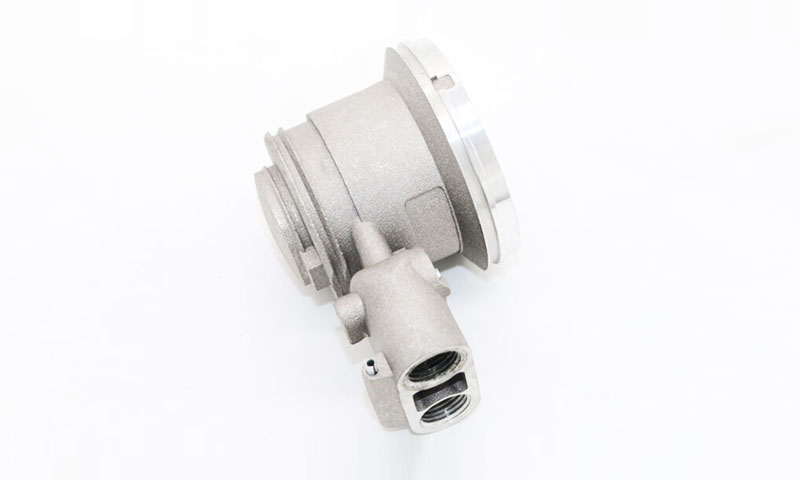
Fjárfesting steypu, einnig þekktur sem týnd vaxsteypa, er nákvæmt framleiðsluferli sem er mikið notað til að framleiða flókna íhluti úr ryðfríu stáli með framúrskarandi víddarnákvæmni, flóknar rúmfræði, Slétt yfirborðsáferð, og minni kröfur um vinnslu.
Samanborið við hefðbundnar steypuaðferðir, fjárfestingarsteypa veitir yfirburða stjórn á lögun íhluta og yfirborðsgæði, sem gerir það tilvalið fyrir krefjandi notkun í efnavinnslu, olía og gas, sjávarverkfræði, orkukerfi, og iðnaðarbúnaður.
| Fjárfestingarsteypuþáttur | 904L | 2507 |
| Vökvi | Gott (hátt nikkel) | Miðlungs (tvíhliða hefur lægri vökva) |
| Storknunarsamdráttur | Miðlungs (~2%) | Miðlungs-hár (~2-3%) |
| Tilhneiging til að rífa heitt | Lágt | Miðlungs (Tvíhliða) |
| Skeljasamspil | Lágt (kísilsól skeljar) | Lágt |
| Helluhitastig (° C.) | 1550-1650 | 1550-1650 |
| Hitameðferð krafist | Lausnglæðing (1040-1100°C) + svala | Lausnglæðing (1020-1100°C) + svala |
| Ndt / skoðun | Röntgenmyndataka, litarefni skarpskyggni | Röntgenmyndataka, litarefni skarpskyggni, ferrítmæling |
| Stöðugleika einkunn | Framúrskarandi | Gott |
Helstu atriði:
- 904L kastar vel vegna mikils nikkelinnihalds (gott flæði, lítil oxun).
- 2507 kastar vel en krefst vandlegrar stjórnunar á kælihraða til að ná réttu austenít-ferrít jafnvægi (50/50). Hröð kæling frá lausnarglæðingu er nauðsynleg.
- Ferrítmæling: Fyrir 2507 fjárfestingarsteypur, ferrítinnihaldið verður að mæla (venjulega 35-65%) til að tryggja fasajafnvægi og tæringarþol.
8. Iðnaðarforrit
904L ryðfríu stáli er fyrst og fremst valið fyrir umhverfi sem felur í sér árásargjarnar sýrur, sérstaklega brennisteinssýra og fosfórsýra, þar sem mikið nikkel- og koparinnihald veitir framúrskarandi tæringarþol.
2507 ryðfríu stáli, sem ofur tvíhliða ryðfríu stáli, er æskilegt fyrir forrit sem krefjast blöndu af miklum vélrænni styrk, framúrskarandi klóríðþol, og yfirburða viðnám gegn sprungum gegn álagstæringu, sérstaklega í sjávar- og sjóumhverfi.

Efnavinnsluiðnaður
904L Umsóknir úr ryðfríu stáli
Efnavinnsluiðnaðurinn er eitt mikilvægasta notkunarsvið 904L ryðfríu stáli.
Vegna mikils nikkelinnihalds (um það bil 23–28%) og kopar viðbót, 904L veitir framúrskarandi viðnám gegn afoxandi sýrum, sérstaklega brennisteinssýru.
Dæmigert forrit eru ma:
- Brennisteinssýru geymslutankar.
- Sýruflutningsleiðslur.
- Kljúfar og blöndunarílát.
- Hitaskipti.
- Uppgufunartæki.
- Dæla líkama.
- Loki íhlutir.
- Innréttingar til efnavinnslu.
2507 Umsóknir úr ryðfríu stáli
Þó 2507 er venjulega ekki valið til að draga mjög úr súru umhverfi, það skilar sér einstaklega vel í efnaferlum sem innihalda klóríð.
Dæmigert forrit eru ma:
- Klóríðvinnslubúnaður.
- Efnageymslukerfi.
- Varmaskiptarar sem verða fyrir saltlausnum.
- Vinnsla lagnakerfi.
Olíu- og gasiðnaður
Olíu- og gasiðnaðurinn krefst efnis sem þolir háþrýsting, hækkað hitastig, og mjög ætandi umhverfi sem inniheldur klóríð, brennisteinsvetni, og sjó.
2507 Umsóknir úr ryðfríu stáli
2507 er mikið notað í olíu- og gasstarfsemi á hafi úti vegna framúrskarandi styrkleika og tæringarþols.
Dæmigert íhlutir eru ma:
- Lokar neðansjávar.
- Úthafspalllagnir.
- Flæðilínur.
- Naflaslöngur.
- Þrýstingsstýribúnaður.
- Dæluíhlutir.
- Fjölbreytikerfi.
904L Umsóknir úr ryðfríu stáli
904L er einnig hægt að nota í olíu- og gasaðstöðu, sérstaklega þar sem efnafræðileg tæringarþol er mikilvægara en hár vélrænni styrkur.
Umsóknir eru m.a:
- Efnasprautukerfi.
- Sýrumeðferðarbúnaður.
- Vinnslueiningar.
- Sérhæfð lagnakerfi.
Umsóknir um sjávarverkfræði
Sjávarumhverfi er meðal erfiðustu aðstæðna fyrir málmefni vegna þess að sjór inniheldur mikinn styrk klóríðjóna.
2507 Umsóknir úr ryðfríu stáli
2507 er eitt af ákjósanlegustu ryðfríu stálunum fyrir sjávarnotkun.
Dæmigert notkun felur í sér:
- Sjókælikerfi.
- Lagnir um borð.
- Marine dælur.
- Skipulag á hafi úti.
- Íhlutir varmaskipta.
- Afsöltunarbúnaður.
904L Umsóknir úr ryðfríu stáli
904L stendur sig einnig vel í sjávarumhverfi en er almennt valið fyrir sérhæfða notkun sem krefst framúrskarandi yfirborðsfrágangs og tæringarþols.
Sem dæmi má nefna:
- Sjávarskreytingaríhlutir.
- Nákvæmar festingar.
- Lúxus búnaðaríhlutir.
- Tæringarþolnar festingar.
Afsöltunariðnaður
Afsöltunarstöðvar verða fyrir þéttum sjó sem inniheldur mjög mikið klóríðmagn.
2507 Umsóknir úr ryðfríu stáli
2507 hefur orðið stórt efnisval fyrir nútíma afsöltunarkerfi.
Dæmigert forrit eru ma:
- Háþrýstidæluhlutir.
- Andstæða osmósulögn.
- Pækilhringrásarkerfi.
- Þrýstihylki.
- Hitaskipti.
904L Umsóknir úr ryðfríu stáli
904L má nota í afsöltunarbúnað þar sem þörf er á framúrskarandi tæringarþoli en vélræn álag er í meðallagi.
Umsóknir eru m.a:
- Lágþrýstingslögn.
- Efnaskammtakerfi.
- Aukabúnaður.
Lyfja- og matvælaiðnaður
904L Umsóknir úr ryðfríu stáli
- Dauðhreinsuð vinnsluílát.
- Hreinsað vatnskerfi.
- Geymslutankar.
- Tæki til rannsóknarstofu.
- Háhreinar lagnir.
2507 Umsóknir úr ryðfríu stáli
2507 er sjaldgæfara í lyfjanotkun en má velja þar sem mikils styrks og klóríðþols er krafist.
Sem dæmi má nefna:
- Háþrýstiferliskerfi.
- Lyfjaferli sem innihalda klóríð.
- Vökvameðhöndlunarbúnaður í iðnaðar mælikvarða.
Orkuframleiðsluiðnaður
2507 Umsóknir úr ryðfríu stáli
Virkjanir þurfa oft efni sem þola kælivatnstæringu og mikið vélrænt álag.
Dæmigert forrit:
- Eimsvalakerfi.
- Kælivatnslagnir.
- Hitaskipti.
- Hjálparkerfi ketils.
- Útblásturshreinsibúnaður.
904L Umsóknir úr ryðfríu stáli
904L er almennt notað í:
- Brennisteinshreinsunarkerfi fyrir útblástursloft.
- Sýrumeðferðarkerfi.
- Efnameðferðarbúnaður.
Framúrskarandi viðnám gegn brennisteini sem inniheldur efnasambönd gerir það dýrmætt í mengunarvarnarkerfum.
Kvoða- og pappírsiðnaður
Kvoða- og pappírsiðnaðurinn felur í sér útsetningu fyrir efnum eins og klóríðum, brennisteinssambönd, og bleikiefni.
904L Umsóknir úr ryðfríu stáli
Notað fyrir:
- Bleikjabúnaður.
- Efnafræðilegir skriðdrekar.
- Sýruþolnar lagnir.
2507 Umsóknir úr ryðfríu stáli
Notað fyrir:
- Bleikturna.
- Meltingarmenn.
- Endurheimtarkerfi.
- Vinnslubúnaður sem inniheldur klóríð.
9. Alhliða samanburður: 904L vs 2507 Ryðfríu stáli
Eftirfarandi tafla gefur yfirgripsmikinn verkfræðilegan samanburð á milli 904L ofur austenitískt ryðfrítt stál Og 2507 ofur tvíhliða ryðfríu stáli frá mörgum sjónarhornum.
| Samanburðarflokkur | 904L ryðfríu stáli (US N08904) | 2507 Super tvíhliða ryðfríu stáli (US S32750) |
| Efnisflokkun | Ofur austenitískt ryðfrítt stál | Ofur tvíhliða ryðfríu stáli |
| Málmvinnslu uppbygging | Alveg austenítísk einfasa uppbygging | Tvífasa uppbygging: um það bil 50% Ferrite + 50% Austenite |
| Aðal hönnunarmarkmið | Hámarks tæringarþol í árásargjarnu efnaumhverfi | Hár styrkur ásamt frábærri tæringarþol klóríðs |
| Alþjóðlegir staðlar | ASTM A240 / A182 / A312, In 1.4539, US N08904 | ASTM A240 / A182 / A790, In 1.4410, US S32750 |
| Króm (Cr) | 19–23% | 24–26% |
| Nikkel (In) | 23–28% | 6–8% |
| Dæmigert PREN gildi | Um það bil 35–38 | Um það bil 42–45 |
| Þéttleiki | Um það bil 8.0 g/cm³ | Um það bil 7.8 g/cm³ |
| Ávöxtunarstyrkur | ≥220 MPa | ≥550 MPa |
| Togstyrkur | ≥490 MPa | ≥800 MPa |
| Almennt tæringarþol | Framúrskarandi | Framúrskarandi |
| Pitting tæringarþol | Framúrskarandi | Framúrskarandi |
| Tæringarþol sprungu | Mjög gott | Framúrskarandi |
| Klóríð streitutæringu sprunguþol | Gott | Framúrskarandi |
| Sjóviðnám | Mjög gott | Framúrskarandi |
| Brennisteinssýruþol | Framúrskarandi | Miðlungs til gott |
| Fosfórsýruþol | Framúrskarandi | Gott |
| Lífræn sýruþol | Framúrskarandi | Mjög gott |
Afköst við háan hita |
Betri langtíma hitastigsgeta (~400–450°C) | Takmarkast af fasastöðugleika (~300–350°C) |
| Lághitaþolni | Framúrskarandi | Framúrskarandi |
| Segulmagnaðir eiginleikar | Ósegulmagnaðir í glæðu ástandi | Örlítið segulmagnaðir vegna ferrítfasa |
| Vinnuherðandi tilhneiging | Sterkur | Mjög sterkur |
| Vélhæfni | Erfitt | Erfiðara |
| Kröfur um skurðarverkfæri | Mælt er með karbítverkfærum | Mælt er með háþróuðum húðuðum karbítverkfærum |
| Formanleiki | Framúrskarandi | Miðlungs |
| Köld vinnugeta | Framúrskarandi | Takmarkað |
| Suðuhæfni | Framúrskarandi | Gott en krefst strangs eftirlits |
| Flækjustig suðu | Tiltölulega auðvelt | Hærra vegna áfangajafnvægiskrafna |
| Hitameðferð eftir suðu | Yfirleitt óþarfi | Venjulega óþarfi en ferlistjórnun er mikilvæg |
| Krafa um hitameðferð | Lausn annealing | Lausnglæðing með ströngu fasastýringu |
| Erfiðleikar við stjórn á örbyggingu | Miðlungs | High |
| Fjárfestingarerfiðleikar | High | Mjög hátt |
| Kröfur um stjórnunarferli steypu | Efnafræði álfelgur og yfirborðsgæðaeftirlit | Efnafræði, storknun, og fasajafnvægisstýring |
| Heitt sprunguhætta við steypu | Lágt | Miðlungs |
| Aðskilnaðarnæmi | Miðlungs | Hærra |
| Dæmigert fjárfestingarsteypuhlutir | Efnalokar, sýruþolnar dælur, lyfjahlutar | Úthafslokar, sjódælur, neðansjávarhlutar |
Besta umsóknarumhverfið |
Árásargjarnt efna- og súrt umhverfi | Klóríð-ríkur, háþrýsting, sjávarumhverfi |
| Dæmigerð atvinnugrein | Efnavinnsla, Lyfjafyrirtæki, Pulp & pappír, áburður | Olía & bensín, Offshore Engineering, Afsalun, Marine |
| Þrýstiburðargeta | Miðlungs | Framúrskarandi |
| Möguleiki á minnkun veggþykktar | Takmarkað | Hátt vegna yfirburðar styrks |
| Viðhaldsþörf | Lítið í efnaumhverfi | Mjög lágt í sjávarumhverfi |
| Kostnaður við líftíma | Minni viðhald í súrri þjónustu | Minni viðhald í sjó og háþrýstiþjónusta |
Efnislegur kostnaður |
Mjög hátt vegna mikils nikkelinnihalds | Hátt vegna álblöndu og vinnslukröfur |
| Helstu kostir | Einstaklega sýruþol, Framúrskarandi suðuhæfni, yfirburða sveigjanleika | Framúrskarandi styrkur, Klóríðviðnám, SCC viðnám |
| Helstu takmarkanir | Minni styrkur, hærri efniskostnaður | Erfiðari tilbúningur og hitatakmarkanir |
| Ráðlagt úrval | Veldu hvenær efnatæringarþol og sveigjanleiki í framleiðslu eru forgangsverkefni | Veldu þegar vélrænni styrkur og klóríðþol eru mikilvæg |
10. Niðurstaða
904L og 2507 eru tvær tæringarþolnar ryðfríu stáltegundir í efsta flokki með mismunandi tæknilegar leiðir og viðbótarkosti.
904L, sem a ofur austenítískt ryðfrítt stál, skarar fram úr í mjög ætandi efnaumhverfi þar sem viðnám gegn afoxandi sýrum er nauðsynlegt.
Hátt nikkel- og koparinnihald veitir framúrskarandi vörn gegn brennisteinssýru, Fosfórsýra, og lífrænar sýrur en viðhalda framúrskarandi suðuhæfni, hörku, og framleiðslugetu.
2507, sem a ofur tvíhliða ryðfríu stáli, táknar aðra hönnunarheimspeki.
Með jafnvægi ferrít-austenít uppbyggingu þess og háu króm-mólýbden-köfnunarefnisblendikerfi, það skilar framúrskarandi vélrænni styrk og framúrskarandi viðnám gegn tæringu af völdum klóríðs.
Þessir eiginleikar gera það að ákjósanlegu efni fyrir úthafspalla, sjókerfi, Afsalunarplöntur, og háþrýsti iðnaðarbúnaður.
Það er enginn alhliða sigurvegari á milli þessara tveggja efna. Besta valið fer algjörlega eftir þjónustuumhverfinu, vélrænni hleðsluskilyrði, Kröfur til framleiðslu, og lífsferilskostnaðarsjónarmið.
Algengar spurningar
Hvort er betra fyrir sjóinn, 904L eða 2507 Ryðfríu stáli?
2507 er greinilega betri fyrir sjóþjónustu.
Umtalsvert hærra PREN gildi þess gefur miklu hærra mikilvægu holu- og sprungutæringarhitastig, og tvífasa uppbygging þess veitir mun betri tæringarþol klóríðálags.
904Ekki er mælt með L til langtímadýfingar í sjó, sérstaklega í heitum eða kyrrstæðum sjó með sprungum.
Dós 904L og 2507 Ryðfrítt stál er notað til skiptis?
Nei. Þeir þjóna mismunandi forritum. Notkun 904L í heitum sjó mun líklega leiða til gryfju eða SCC. Að nota 2507 í brennisteinssýru mun leiða til hraðrar tæringar. Valið verður að vera umhverfissértækt.