1. परिचय
डक्टाइल आयरन खो गया फोम कास्टिंग (डीआई-एलएफसी) एक नवीन विनिर्माण तकनीक है जो लचीले लोहे के बेहतर यांत्रिक गुणों को खोए हुए फोम पैटर्न की ज्यामितीय स्वतंत्रता के साथ जोड़ती है.
इस प्रक्रिया में, घटक की एक फोम प्रतिकृति - आमतौर पर विस्तारित पॉलीस्टाइनिन से बनाई जाती है (ईपीएस) या विस्तारित पॉलीप्रोपाइलीन (ईपीपी)- लेपित किया जाता है और बिना बंधी रेत में दबा दिया जाता है.
जब लचीला लोहा पिघलाया जाता है (1,400-1,450 डिग्री सेल्सियस) डाला जाता है, झाग वाष्पीकृत हो जाता है, धातु को गुहा भरने और कोर या विभाजन रेखाओं के बिना जटिल आकृतियों को पुन: उत्पन्न करने की अनुमति देता है.
मूल रूप से 1950 के दशक में एल्यूमीनियम मिश्र धातुओं के लिए विकसित किया गया था, खोई हुई फोम कास्टिंग फोम पैटर्न प्रौद्योगिकियों में प्रगति के माध्यम से विकसित हुई है, आग रोक कोटिंग्स, और लचीले लोहे को समायोजित करने के लिए प्रक्रिया नियंत्रण.
आज, डक्टाइल आयरन खो गया फोम कास्टिंग ऑटोमोटिव में जोर पकड़ रहा है, भारी उपकरण, और ऊर्जा क्षेत्र-जहां हल्के हैं, पेचीदा, और टिकाऊ कास्टिंग की मांग लगातार बढ़ रही है.
2. What Is Ductile Iron Lost Foam Casting?
नमनीय लोहे फोम कास्टिंग खो गया (डीआई-एलएफसी) is a near-net-shape manufacturing technique that marries the design freedom of lost foam patterns with the superior mechanical performance of ductile iron.
In ductile iron lost foam casting, a sacrificial foam replica—commonly made from expanded polystyrene (ईपीएस) या विस्तारित पॉलीप्रोपाइलीन (ईपीपी)—is coated with a refractory slurry and embedded in unbonded sand.
कब molten ductile iron (approximately 1,400–1,450 °C) मोल्ड में डाला जाता है, the foam instantly vaporizes, allowing the metal to flow into the precise cavity left behind.

Key distinctions from conventional sand casting include:
- One-Time “Disappearing” Pattern: No parting lines or cores are required; the foam pattern is consumed during casting.
- डिज़ाइन जटिलता: बाधित, पतले खंड (<2 मिमी), आंतरिक चैनल, and integrated features become feasible without secondary machining.
- सतही गुणवत्ता & सहिष्णुता: Achieves as-cast surface finishes of Ra 6–12 µm and dimensional tolerances around ±0.5 %.
लाभ उठाकर नमनीय लोहे—alloyed with magnesium or rare earth elements to spheroidize graphite—this process delivers:
- Enhanced Fluidity: Better mold filling than gray iron, reducing misruns and cold shuts.
- उच्च लचीलापन (2-18 % बढ़ाव): Absorbs residual thermal stresses and minimizes cracking.
- Mechanical Robustness: Tensile strengths of 400–700 MPa and impact toughness of 40–60 J.
एक साथ, these attributes enable ductile iron lost foam casting foundries to produce complex components with 20-30 % lower tooling and post-processing costs compared to traditional sand casting, while meeting stringent performance requirements in automotive, भारी उपकरण, और ऊर्जा अनुप्रयोग.
3. The Lost Foam Casting Process for Ductile Iron
The फोम कास्टिंग खो गया (आंदोलन) process for ductile iron transforms a disposable foam pattern into a high-integrity metal component through a sequence of precisely controlled steps. Below is an in-depth look at each stage:

3.1 Foam Pattern Creation
- सामग्री: विस्तारित पॉलीस्टाइनिन (ईपीएस) at 16–32 kg/m³ density or Expanded Polypropylene (ईपीपी) at 50–80 kg/m³ for larger, पुन: प्रयोज्य पैटर्न.
- Pattern Fabrication: CNC hot-wire cutting is common for 2D profiles; additive approaches (foam 3D printing) enable complex geometries and rapid iteration for prototype runs.
- आयामी सटीकता: ±0.5 mm for most features; critical surfaces can be machined or coated to tighter tolerances prior to molding.
3.2 Coating and Pattern Assembly
- Refractory Coating: A water-based ceramic slurry (उदा।, colloidal silica with fine alumina) is applied in 200–400 µm layers to the foam.
- सुखाने: एक समान आवरण बनाने के लिए प्रत्येक कोट को 80-100 डिग्री सेल्सियस पर फ्लैश-ड्राई किया जाता है जो गैस पारगम्यता को नियंत्रित करता है (लक्ष्य Ks ≈ 1 × 10⁻⁹ वर्ग मीटर) और रेत के कटाव को रोकता है.
- पैटर्न असेंबली: एकाधिक फोम तत्व, गेटिंग सिस्टम, और गेटिंग को अनुकूलित करने और डालने वाले चैनलों को कम करने के लिए राइजर को एक ही क्लस्टर में वेल्डेड या चिपकाया जाता है.
3.3 Sand Embedding and Compaction
- रेत विशिष्टता: 15-30 के साथ अनबंधित सिलिका रेत % जुर्माना, औसत अनाज का आकार 200-400 µm, समर्थन और पारगम्यता का संतुलन सुनिश्चित करता है.
- एम्बेडिंग: लेपित पैटर्न क्लस्टर को एक फ्लास्क में रखा गया है, और रेत डाला जाता है, हल्के से कंपन हुआ (<0.5 जी त्वरण) 30-40 हासिल करने के लिए % सरंध्रता.
- भेद्यता: उच्च शून्य अंश फोम वाष्प को गैस फंसने के बिना बाहर निकलने की अनुमति देता है, दोष-मुक्त भरण के लिए महत्वपूर्ण.
3.4 Pouring Molten Ductile Iron
- पिघला हुआ पैरामीटर: तन्य लोहे को 1,400-1,450 डिग्री सेल्सियस पर इंडक्शन या कपोला भट्ठी में पिघलाया जाता है; रासायनिक संरचना (सी: 3.4 %, और: 2.5 %, मिलीग्राम: 0.04 %) डालने से पहले सत्यापित किया जाता है.
- तकनीकी के लिए: एक बॉटम-पोर गेटिंग सिस्टम या मल्टीपल इनगेट्स लामिना का प्रवाह सुनिश्चित करता है (0.5-1.0 मी/से) और स्लैग समावेशन को रोकता है.
- फोम वाष्पीकरण: संपर्क पर, फोम पैटर्न ~200 डिग्री सेल्सियस पर वाष्पीकृत हो जाता है; आग रोक कोटिंग में क्षण भर के लिए गैसें होती हैं, धातु को गुहा को साफ़-साफ़ भरने की अनुमति देना.
3.5 Metal Solidification
- दिशात्मक ठोसकरण: ताप डूब जाता है (ठंड लगना) और राइजर नियंत्रित जमने को बढ़ावा देते हैं, सिकुड़न सरंध्रता को कम करना.
- शीतलन दर: पतले खंडों में लगभग 2-5 डिग्री सेल्सियस/सेकंड एक मिश्रित फेरिटिक-पर्लिटिक मैट्रिक्स उत्पन्न करता है; मोटे खंडों में धीमी गति से ग्रेफाइट नोड्यूल निर्माण में मदद मिलती है.
3.6 हिला दो, सफाई, और फेटलिंग
- हिला दो: 30-60 मिनट ठंडा होने के बाद, रेत हिलकर दूर चली जाती है, रफ कास्टिंग का खुलासा.
- सफाई: शॉट ब्लास्टिंग या रासायनिक सफाई अवशिष्ट कोटिंग और फोम चार को हटा देती है.
- ग्रीज़: द्वार, राइजर, और फ्लैश को काटने या पीसने से हटा दिया जाता है; रा को प्राप्त करने के लिए महत्वपूर्ण सतहों को फिनिश-मशीनीकृत किया जा सकता है 1.6 माइक्रोन.
4. धातुकर्म परिप्रेक्ष्य
की पूरी क्षमता का दोहन करने के लिए एक मजबूत धातुकर्म समझ आवश्यक है डक्टाइल आयरन खो गया फोम कास्टिंग (डीआई-एलएफसी).

Alloy Composition and Design Principles
लचीले लोहे के गुण इसकी रासायनिक संरचना के प्रति अत्यधिक संवेदनशील होते हैं. खोई हुई फोम कास्टिंग में उपयोग की जाने वाली विशिष्ट संरचना को नोड्यूल गठन को बढ़ावा देने के लिए इंजीनियर किया गया है, नियंत्रण मैट्रिक्स संरचना, और कास्टिंग दोषों से बचें:
| तत्व | विशिष्ट सीमा (भार%) | समारोह |
| कार्बन (सी) | 3.2-3.8 | ग्रेफाइट वर्षा को बढ़ावा देता है |
| सिलिकॉन (और) | 2.0-3.0 | फेराइट को मजबूत करता है, ग्रेफाइट आकार को बढ़ाता है |
| मैंगनीज (एम.एन.) | 0.1–0.3 | डीऑक्सीडाइज़र; पर्लाइट अतिवृद्धि को सीमित करता है |
| मैगनीशियम (मिलीग्राम) | 0.03–0.05 | फ्लेक ग्रेफाइट को गोलाकार में परिवर्तित करता है |
| सेरियम/दुर्लभ पृथ्वी (दोबारा) | 0.01-0.03 | ग्रेफाइट को परिष्कृत करता है; नोड्यूल आकृति विज्ञान में सुधार करता है |
| गंधक (एस) & फास्फोरस (पी) | ≤ 0.02 & ≤ 0.10 | भंगुरता और सरंध्रता को कम करने के लिए नियंत्रित |
Nodule Formation and Matrix Control
फोम पायरोलिसिस से कार्बन निकलता है, लोहे की कार्बन सामग्री को 0.05-0.1% तक बढ़ाना. इसे सुनिश्चित करने के लिए सख्त एमजी नियंत्रण की आवश्यकता है >90% गोलाकार ग्रेफाइट (बनाम. 85% रेत ढलाई में).
मैट्रिक्स आम तौर पर है 50/50 फेराइट/पियरलाइट, संतुलन शक्ति (450-600 एमपीए) और लचीलापन (10-15% बढ़ाव).
Microstructure Evolution During Lost Foam Casting
The thermal-solidification environment of DI-LFC differs significantly from sand casting:
- Vaporization Dynamics: Foam vaporizes at ~600°C, generating local gas pressure that stabilizes molten metal front and slows heat extraction.
- Controlled Solidification: Foam mold acts as an insulator, promoting directional solidification and reducing hot spots.
- Resulting Microstructure:
-
- Fine skin zone: Finer nodules and increased ferrite near surface
- Core region: Pearlite-rich, higher strength zone
- Interface cleanliness: Absence of sand contact reduces surface inclusions
The cooling rate ranges from 1–5 °C/s depending on section thickness and mold configuration, affecting nodule count and matrix.
यांत्रिक विशेषताएं
Ductile iron cast via lost foam casting demonstrates competitive mechanical performance:
| संपत्ति | विशिष्ट मूल्य | टिप्पणी |
| तन्यता ताकत (संघ राज्य क्षेत्रों) | 400-700 एमपीए | Depends on matrix type |
| नम्य होने की क्षमता (0.2% PS) | 250-450 एमपीए | Higher in pearlitic matrices |
| बढ़ाव | 10-18% | Enhanced by ferritic content and nodule shape |
| प्रभाव क्रूरता (सीवीएन) | 40-60 जे | कमरे का तापमान; higher with ferrite |
| बैगन कठोरता (मॉडिफ़ाइड अमेरिकन प्लान) | 180-280 | Correlates with pearlite fraction |
| थकान की सीमा | ~200 एमपीए | Fine nodules enhance fatigue resistance |
5. Design for Ductile Iron Lost Foam Casting
Designing components for फोम कास्टिंग खो गया नमनीय लोहे requires a strategic approach that leverages the process’s unique advantages while addressing its technical constraints.
पारंपरिक रेत ढलाई के विपरीत, this method eliminates parting lines, कोर, and draft angles, offering engineers extraordinary geometric freedom.
तथापि, successful application demands careful attention to pattern behavior, thermal dynamics, and material characteristics throughout the design phase.
Geometric Freedom: Enabling Complex Functional Designs
One of the most transformative benefits of lost foam casting is its ability to realize intricate geometries that would be impractical—or even impossible—using traditional casting or forging techniques.
Key advantages include:
- Undercuts and Internal Cavities: Lost foam casting supports highly intricate internal structures without the use of removable cores.
उदाहरण के लिए, differential housings in automotive applications often include undercuts for axle shafts with only 5 mm clearance, eliminating the need for secondary machining.
Designs with undercuts up to 20% of part depth are achievable. - पतली दीवार वाली संरचनाएँ: The excellent fluidity of ductile iron allows the casting of wall sections as thin as 3 मिमी.
This is particularly beneficial for applications requiring lightweighting.
In agricultural equipment, brackets with 3 mm wall sections in non-load-bearing areas and up to 15 mm in high-stress zones have achieved weight reductions of 15–20% compared to traditional sand-cast components. - Integrated Functional Features: Assemblies traditionally fabricated through welding—such as 5-piece hydraulic manifolds—can be consolidated into a single casting.
This integration reduces component count by 40–60% and eliminates weld joints, which are responsible for up to 30% of failure incidents in certain pressure applications.
Pattern Consolidation and Gating Strategy
The foam pattern in lost foam casting is not merely a placeholder; it defines the entire casting outcome.
Design engineers must treat the pattern as an integral part of the product development process.
- Foam Pattern Uniformity: Variations in foam density can lead to inconsistent vaporization rates during pouring.
उदाहरण के लिए, ए 30 kg industrial valve body integrating multiple subcomponents may require graded foam densities—higher density (0.03 g/cm g) in thicker regions to slow vaporization, and lower density (0.015 g/cm g) गैस फंसने से बचाने के लिए पतले क्षेत्रों में. - एकीकृत गेटिंग डिजाइन: गेट्स को सांचे में जोड़ने के बजाय फोम पैटर्न में बनाया जाता है, जैसा कि पारंपरिक रेत ढलाई में होता है. प्रभावी गेटिंग सिस्टम:
-
- अशांति को कम करने के लिए पिघली हुई धातु को 5-15 सेमी/सेकेंड के बीच वेग पर वितरित करें.
- पतली दीवारों वाले क्षेत्रों में सीधे प्रवाह से बचने के लिए तैनात किए गए हैं, स्थानीय ओवरहीटिंग और सतह दोषों को कम करना.
- कई छोटे भागों के लिए "ट्री" कॉन्फ़िगरेशन का उपयोग किया जा सकता है, प्रति गेटिंग सिस्टम 3-5 घटकों के साथ संतुलित धातु वितरण की अनुमति देता है.
Dimensional Tolerances and Shrinkage Allowances
रेत ढलाई की तुलना में लचीले लोहे की खोई हुई फोम कास्टिंग बेहतर आयामी सटीकता प्रदान करती है, लेकिन डिजाइनरों को ठोसकरण संकोचन और फोम व्यवहार का ध्यान रखना चाहिए.
- आयामी क्षमताएँ:
-
- रैखिक सहनशीलता: नीचे के हिस्सों के लिए ±0.5 मिमी 500 मिमी; तक के घटकों के लिए ±0.1 मिमी प्रति मीटर 6 लंबाई में मीटर.
- समतलता: Typically within ±0.3 mm/m—critical for sealing surfaces like valve or pump bodies.
- Hole positioning: Accurate to within ±0.2 mm, often eliminating the need for secondary reaming in hydraulic applications.
- सिकुड़न मुआवजा: Ductile iron shrinks by 1.0–1.2% during solidification in lost foam casting—slightly higher than in sand casting due to faster cooling. Foam patterns must be oversized accordingly.
- उदाहरण के लिए, ए 100 mm final feature requires a 101.2 mm foam dimension.
Modern CAD software with casting-specific algorithms can automate these calculations and reduce dimensional deviation errors by up to 70%.
Surface Finish and Coating Effects
Surface finish in lost foam casting is governed by both the foam pattern texture and the refractory coating applied to its surface.
- Foam Pattern Quality:
-
- Smooth EPS patterns (आरए 6.3 माइक्रोन) typically yield castings with surface finishes around Ra 12.5–25 µm.
- For precision surfaces, foam patterns are post-machined to Ra 3.2 माइक्रोन, enabling final cast surfaces in the Ra 6.3–12.5 µm range.
- Refractory Coating Selection:
-
- Silica-based coatings (0.5–1 mm thick) are suitable for general structural applications, achieving Ra 12.5–25 µm.
- Zirconia-based coatings (1–2 mm thick, with 5–10 µm particle sizes) are used in high-sealing applications such as hydraulic housings, where surface smoothness is essential and leakage rates must be below 0.1 सीसी/मिनट.
- Coating Permeability: Optimal permeability is in the range of 10–20 Darcy. Excessively porous coatings can cause sand adhesion or gas-related defects, increasing surface roughness by up to 50%.
6. Manufacturing Considerations for Ductile Iron Lost Foam Casting
खोई हुई फोम कास्टिंग का उपयोग करके लचीले लोहे के घटकों का उत्पादन (आंदोलन) प्रक्रिया सामग्री पर सटीक नियंत्रण की मांग करती है, उपकरण पैरामीटर, और प्रक्रिया की शर्तें.
हर चरण - फोम पैटर्न के उत्पादन से लेकर पिघली हुई धातु डालने तक - सीधे कास्टिंग अखंडता को प्रभावित करता है, आयामी परिशुद्धता, और समग्र लागत दक्षता.

Foam Pattern Material Selection
विस्तारित पॉलीस्टाइनिन (ईपीएस) खोए हुए फोम पैटर्न के लिए मानक सामग्री है, लेकिन कुछ अनुप्रयोगों को विस्तारित पॉलीप्रोपाइलीन जैसे वैकल्पिक फोम से लाभ हो सकता है (ईपीपी).
| फ़ोम प्रकार | घनत्व (g/cm g) | विशेषताएँ | आवेदन टिप्पणी |
| ईपीएस | 0.015-0.03 | प्रभावी लागत, अच्छा वाष्पीकरण, बढ़िया सेल आकारों में उपलब्ध है | अधिकांश अनुप्रयोगों के लिए पसंदीदा |
| ईपीपी | 0.03–0.06 | उच्च शक्ति, थर्मल रेज़िज़टेंस, धीमा वाष्पीकरण | बड़े पैटर्न या उच्च तापीय भार के लिए उपयोग किया जाता है |
| हाइब्रिड फोम | रिवाज़ | मिश्रित ईपीएस/ईपीपी या परिवर्तनीय घनत्व | एक कास्टिंग के भीतर श्रेणीबद्ध प्रदर्शन के लिए डिज़ाइन किया गया |
Coating Formulation and Application
लचीले लोहे की खोई हुई फोम कास्टिंग में, the foam pattern is coated with a refractory slurry to form a protective barrier between the pattern and molten metal.
The coating typically consists of refractory materials (उदा।, alumina or zircon), बाँधने (such as sodium silicate or phenolic resin), and additives for improved flow and adhesion.
The coating is applied by dipping or spraying and then dried at 60–80°C to achieve a uniform thickness (0.5-2 मिमी).
This layer prevents sand infiltration, regulates gas escape during foam vaporization, and influences the final surface finish of the casting.
Proper permeability (12–18 Darcy) and adhesion strength (>2 एमपीए) are critical for preventing defects like porosity or metal penetration.
Sand Embedding and Compaction
In ductile iron lost foam casting, unbonded silica sand is used to surround and support the foam pattern during pouring.
The embedding process involves placing the coated foam pattern into a flask and filling it with dry, fine-grain silica sand (typically 90–150 mesh) to ensure uniform support and permeability.
Compaction is achieved through controlled vibration (50–60 Hz), which allows the sand to flow and densely pack around the pattern, reaching a bulk density of 65–70%.
Vacuum assistance (-0.05 को -0.08 एमपीए) is often applied during compaction and pouring to stabilize the mold and enhance gas evacuation.
Proper compaction ensures dimensional accuracy, minimizes pattern distortion, and supports defect-free casting.
तन्य लौह के लिए भट्ठी और डालने का कार्य पैरामीटर
Ductile iron for lost foam casting is typically melted in medium-frequency induction furnaces, offering precise temperature control and low gas pickup.
The ideal pouring temperature ranges from 1,350°C to 1,400°C, which is higher than in conventional sand casting to ensure complete vaporization of the foam pattern.
Chemical composition must be tightly controlled:
- कार्बन: 3.5–3.8% for good fluidity
- सिलिकॉन: 2.0–2.8% to promote spheroidal graphite
- मैगनीशियम: 0.04–0.06% to ensure nodularity
- गंधक: <0.03% to prevent graphite degeneration
Pouring should be steady, at rates of 0.5-2 किग्रा/से, maintaining a smooth metal front (5–15 cm/s) to avoid turbulence, ग़लत चलाना, and gas entrapment.
7. गुणवत्ता नियंत्रण और दोष शमन
- सामान्य दोष: सरंध्रता (1-3 % by volume), समावेश, ग़लत चलाना, veining
- प्रक्रिया की निगरानी: Thermocouples in mold, coating viscosity checks
- एनडीटी: अल्ट्रासोनिक परीक्षण (केन्द्र शासित प्रदेशों) to detect internal porosity ≥1 mm; radiography for critical parts
- धातुविज्ञान & यांत्रिक परीक्षण: Per ASTM A897 for ductile iron: लचीला, कठोरता, and Charpy V-notch tests
8. डक्टाइल आयरन के फायदे फोम कास्टिंग
असाधारण ज्यामितीय जटिलता
- No Parting Lines or Draft Angles: Enables creation of intricate shapes such as undercuts, आंतरिक गुहाएँ, and lattice structures.
- Thin-Wall Capability: Wall thicknesses as low as 3 मिमी are achievable, compared to 6–8 mm in conventional sand casting.
पैटर्न एकीकरण और असेंबली में कमी
- Design Consolidation: Multiple components can be cast as a single piece, reducing part count by 30-60%.
- Reduced Welding/Assembly: Eliminates joining operations, which are typically failure-prone in high-pressure applications.
प्रक्रिया दोहराव और स्वचालन
- Robust for High Volumes: With proper process control, lost foam casting is well-suited to automated production environments (उदा।, ऑटोमोटिव).
- Sand Reusability: तक 95% of unbonded sand is recyclable, minimizing environmental impact and raw material cost.
बेहतर सतह फिनिश और सहनशीलता
- सतह खत्म: Achieves Ra values of 12.5-25 μm, superior to green sand castings (Ra 50–100 μm).
- आयामी सटीकता: Linear tolerances of ± 0.5 मिमी for parts under 500 mm reduce or eliminate machining.
सामग्री दक्षता और लागत बचत
- कम सामग्री अपशिष्ट: Near-net shape casting reduces excess material and machining allowances.
- Lower Tooling and Production Costs: Disposable foam patterns avoid the need for expensive, complex coreboxes.
तन्य लौह की यांत्रिक अखंडता
- High Strength and Ductility: तक तन्य शक्ति 700 एमपीए and elongation up to 18%, outperforming gray iron and some steels.
- थकान प्रतिरोध: लचीले लोहे में ग्रेफाइट नोड्यूल दरार प्रतिरोध और दीर्घकालिक स्थायित्व में सुधार करते हैं.
9. डक्टाइल आयरन के अनुप्रयोगों ने फोम कास्टिंग को खो दिया
उच्च प्रदर्शन के उत्पादन के लिए कई उद्योगों में डक्टाइल आयरन लॉस्ट फोम कास्टिंग का व्यापक रूप से उपयोग किया जाता है, ज्यामितीय रूप से जटिल घटक. प्रमुख अनुप्रयोग क्षेत्रों में शामिल हैं:

मोटर वाहन उद्योग
- निलंबन नियंत्रण हथियार
- निकास कई गुना
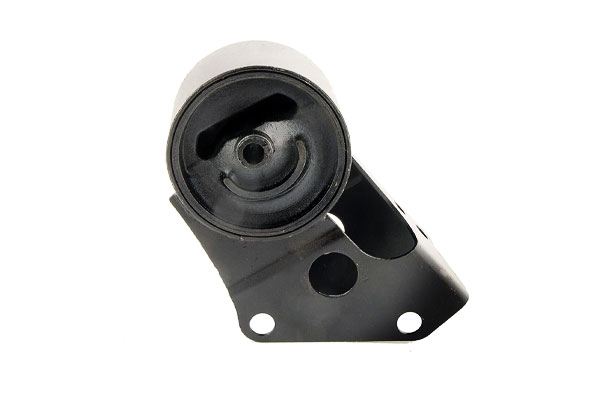
- इंजन चढ़ता है
- विभेदक आवास
- ब्रैकेट और क्रॉसमेम्बर
भारी मशीनरी और कृषि उपकरण
- हाइड्रोलिक वाल्व बॉडीज
- पंप और मोटर आवास
- गियरबॉक्स और ट्रांसमिशन केस
- इंजन बेड और सपोर्ट फ्रेम
विद्युत एवं ऊर्जा क्षेत्र
- टरबाइन आवरण
- कंप्रेसर आवास
- पंप प्ररित करनेवाला
- पाइपलाइन कनेक्टर और फिटिंग
औद्योगिक उपकरण और बुनियादी ढाँचा
- असर आवास
- मशीन टूल बेस
- संरचनात्मक कोष्ठक
- मैनहोल कवर और जल निकासी घटक
उभरते और उन्नत अनुप्रयोग
- प्रोटोटाइप एयरोस्पेस घटक
- इलेक्ट्रिक वाहन मोटर हाउसिंग
- 3डी-मुद्रित पैटर्न-आधारित कास्टिंग
- कस्टम कम मात्रा वाले औद्योगिक हिस्से
10. अन्य कास्टिंग प्रक्रियाओं की तुलना
| मानदंड | फोम कास्टिंग खो गया | हरा सैंड कास्टिंग | धातु - स्वरूपण तकनीक | शेल मोल्ड कास्टिंग |
| पैटर्न प्रकार | एकल-उपयोग फोम पैटर्न | पुन: प्रयोज्य लकड़ी/धातु पैटर्न | मोम पैटर्न (खो गया) | गरम धातु पैटर्न |
| ज्यामितीय जटिलता | उत्कृष्ट - अंडरकट्स, आंतरिक चैनल, कोई बिदाई रेखा नहीं | मध्यम - बिदाई आवश्यकताओं द्वारा सीमित | उत्कृष्ट - उच्च परिशुद्धता & बढ़िया विवरण | अच्छा - मध्यम जटिल भागों के लिए उपयुक्त |
| सतह खत्म (आरए) | 12.5-25 µm (ठेठ), 6.3-12.5 µm (महीन कोटिंग के साथ) | 25-50 µm | 3.2–6.3 माइक्रोन | 6.3-12.5 µm |
| आयामी सटीकता | ± 0.5 मिमी / 500 मिमी | ±1.5 मिमी / 500 मिमी | ± 0.1–0.5 मिमी / 100 मिमी | ± 0.5 मिमी / 300 मिमी |
| न्यूनतम दीवार की मोटाई | 3 मिमी (अच्छे प्रवाह और कोटिंग्स के साथ संभव है) | ≥6 मिमी | ≥1.5 मिमी | 3-5 मिमी |
| उपकरणन लागत | मध्यम - फोम टूलींग की आवश्यकता है | कम | उच्च - मोम टूलींग और सिरेमिक खोल | मध्यम |
| उत्पादन मात्रा उपयुक्तता | निम्न से उच्च - जटिल के लिए उपयुक्त, मध्यम मात्रा में उत्पादन | मध्यम से बहुत ऊँचा | निम्न से मध्यम मात्रा | मध्यम मात्रा |
| सामग्री अनुकूलता | नमनीय लोहे, सलेटी लोहा, इस्पात, अल्युमीनियम | चौड़ा - लोहा, अल्युमीनियम, कांस्य, इस्पात | वाइड - सुपरअलॉय, स्टील्स, टाइटेनियम | लोहा, इस्पात, अल्युमीनियम |
| प्रसंस्करण के बाद की आवश्यकताएँ | निम्न से मध्यम - न्यूनतम फ़्लैश या विभाजन रेखाएँ | उच्च - चमकती, गेटिंग हटाना | मध्यम - शैल हटाना और गेटिंग करना | मध्यम |
| समय सीमा | मध्यम-पैटर्न उत्पादन में समय लगता है | लघु - विशेष रूप से बुनियादी ज्यामिति के लिए | लंबा - बहु-चरणीय साँचे और खोल निर्माण | मध्यम |
| विशिष्ट अनुप्रयोग | इंजन कोष्ठक, वाल्व बॉडीज, हाइड्रोलिक मैनिफोल्ड्स | पंप आवास, इंजन ब्लॉक, मशीन आधार | एयरोस्पेस वैन, सटीक प्रत्यारोपण | गियरबॉक्स, दबाव आवरण, कवर |
11. चुनौतियाँ और भविष्य की दिशाएँ
- उच्च-मात्रा संगति: फोम घनत्व और रेत संघनन में परिवर्तनशीलता स्केल-अप को सीमित करती है; स्वचालन (रोबोटिक डालना, एआई-संचालित निगरानी) इसे संबोधित कर रहा है.
- डिजिटल एकीकरण: 3डी स्कैनिंग और सिमुलेशन (उदा।, मैग्मासॉफ्ट) पैटर्न डिज़ाइन का समय कम करें 50%.
- मिश्र धातु विकास: नाइओबियम के साथ सूक्ष्ममिश्रण (0.05–0.1%) तन्य शक्ति को बढ़ाता है 700 लचीलापन बरकरार रखते हुए एमपीए.
- उन्नत कोटिंग्स: नैनोकम्पोजिट कोटिंग्स (अल्युमिना + कार्बन नैनोट्यूब) द्वारा पारगम्यता में सुधार 30%.
12. निष्कर्ष
डक्टाइल आयरन लॉस्ट फोम कास्टिंग का विलय होता है गांठदार लोहे की यांत्रिक उत्कृष्टता साथ फोम पैटर्न की डिजाइन स्वतंत्रता, कॉम्प्लेक्स के कुशल उत्पादन को सक्षम करना, उच्च-प्रदर्शन घटक.
पैटर्न प्रौद्योगिकी में निरंतर प्रगति, कोटिंग्स, और प्रोसेस सिमुलेशन ऑटोमोटिव में डीआई-एलएफसी की प्रतिस्पर्धात्मकता को और बढ़ाने का वादा करता है, भारी उपकरण, और ऊर्जा बाज़ार.
ये बलिदान लोहे की कास्टिंग सेवाएं
पर यह, हम उन्नत कास्टिंग प्रौद्योगिकियों के एक पूर्ण स्पेक्ट्रम का उपयोग करके उच्च-प्रदर्शन वाले लोहे की कास्टिंग देने में विशेषज्ञ हैं.
क्या आपकी परियोजना लचीलेपन की मांग करती है हरी रेत कास्टिंग, की सटीकता शेल -मोल्ड या धातु - स्वरूपण तकनीक, की ताकत और स्थिरता धातु का मोल्ड (स्थायी मोल्ड) कास्टिंग, या घनत्व और पवित्रता द्वारा प्रदान की गई केंद्रत्यागी और फोम कास्टिंग खो गया,
यह आपके सटीक विनिर्देशों को पूरा करने के लिए इंजीनियरिंग विशेषज्ञता और उत्पादन क्षमता है.
हमारी सुविधा प्रोटोटाइप विकास से लेकर उच्च-मात्रा विनिर्माण तक सब कुछ संभालने के लिए सुसज्जित है, कठोर द्वारा समर्थित गुणवत्ता नियंत्रण, सामग्री का पता लगाने की क्षमता, और धातुकर्म विश्लेषण.
से ऑटोमोटिव और ऊर्जा क्षेत्र को बुनियादी ढाँचा और भारी मशीनरी, यह कस्टम कास्टिंग समाधान प्रदान करता है जो धातुकर्म उत्कृष्टता को जोड़ता है, आयामी सटीकता, और दीर्घकालिक प्रदर्शन.
पूछे जाने वाले प्रश्न
खोई हुई फोम कास्टिंग प्रक्रिया के लिए लचीले लोहे का चयन क्यों करें?
तन्य लौह शक्ति का उत्कृष्ट संयोजन प्रदान करता है, लचीलापन, और कास्टेबिलिटी. इसकी उच्च तरलता जटिल फोम पैटर्न के सटीक पुनरुत्पादन का समर्थन करती है,
जबकि इसके यांत्रिक गुण-जैसे बढ़ाव (2-18%) और तन्य शक्ति (400-700 एमपीए)- मांग वाले उद्योगों में संरचनात्मक अनुप्रयोगों के अनुरूप.
खोए हुए फोम कास्टिंग डक्टाइल आयरन की सीमाएँ क्या हैं??
सीमाओं में फोम की गुणवत्ता और पैटर्न हैंडलिंग के प्रति संवेदनशीलता शामिल है, पैटर्न उत्पादन के लिए अधिक समय सीमा,
और कोटिंग पारगम्यता और डालने के तापमान के सावधानीपूर्वक नियंत्रण की आवश्यकता. बहुत बड़े या कम आयतन वाले भागों के लिए, टूलींग की लागत भी एक कारक हो सकती है.
यह प्रक्रिया सतह की फिनिश को कैसे प्रभावित करती है??
सतह का खुरदरापन पैटर्न और दुर्दम्य कोटिंग पर निर्भर करता है.
विशिष्ट सतह फिनिश रा से लेकर होती है 12.5 को 25 माइक्रोन. उच्च गुणवत्ता वाले फोम और ज़िरकोनिया-आधारित कोटिंग्स के साथ, रा का मान उतना ही कम है 6.3 μm प्राप्त किया जा सकता है.
क्या डक्टाइल आयरन लॉस्ट फोम कास्टिंग पर्यावरण के अनुकूल है?
हाँ, इसके कई पर्यावरणीय लाभ हैं. फोम अवशेष न्यूनतम और गैर विषैले होते हैं, रेत 90-95% पुनर्चक्रण योग्य है,
और यह प्रक्रिया पारंपरिक कास्टिंग में पाए जाने वाले बाइंडरों और कोर रेत की आवश्यकता को समाप्त कर देती है, अपशिष्ट और उत्सर्जन को कम करना.
क्या इस विधि का उपयोग उच्च मात्रा में उत्पादन के लिए किया जा सकता है??
बिल्कुल. स्वचालित फोम मोल्डिंग लाइनों और अनुकूलित डालने का कार्य प्रणाली के साथ, the process supports high-volume runs—especially for automotive and industrial components.
तथापि, pattern tooling and setup must be amortized over larger quantities for economic viability.