

1. Introduction
Hastelloy HG-30 is renowned for its superior resistance to corrosive media and high-temperature stability.
Designed for use in environments where materials are exposed to aggressive chemicals and extreme conditions,
HG-30 plays a critical role in the construction of reactor vessels, heat exchangers, and high-performance components.
Over the past few decades, the evolution of the Hastelloy family has led to significant breakthroughs, and HG-30 now embodies decades of innovation in nickel alloy technology.
Market research projects that the demand for high-performance nickel-based alloys will continue to grow at a compound annual growth rate (CAGR) of approximately 4.5% over the next decade.
This surge is driven by stringent industrial requirements and the increasing need for reliable, long-lasting materials in severe operating environments.
This article takes an in-depth, multi-faceted look at Hastelloy HG-30, offering insights into its unique chemical composition, mechanical performance, fabrication methods, and prospects.
2. What is Hastelloy HG-30?
Hastelloy HG-30 is a nickel-based alloy specifically formulated for demanding applications where both mechanical strength and corrosion resistance are paramount. This alloy distinguishes itself from other Hastelloy variants through a finely tuned balance of nickel, chromium, molybdenum, tungsten, and trace elements that enhance its durability. By resisting aggressive acids and oxidizing conditions, HG-30 ensures reliable performance even in the most challenging chemical environments.
3. Chemical Composition and Microstructure
Hastelloy HG-30 stands out among nickel-based alloys due to its carefully balanced chemical composition and engineered microstructure, which together drive its exceptional performance in harsh environments.
Chemical Composition
| Element | Typical Composition (%) | Function |
|---|---|---|
| Nickel (Ni) | 60–65 | Provides a highly stable base structure with excellent corrosion resistance and thermal stability. |
| Chromium (Cr) | 20–25 | Enhances oxidation resistance, passivation layer formation, and high-temperature stability. |
| Molybdenum (Mo) | 5–10 | Improves resistance to localized corrosion such as pitting and crevice corrosion. |
| Tungsten (W) | 2–5 | Contributes to creep strength, hardness, and resistance to high-temperature deformation. |
| Iron (Fe) | <5 | Enhances structural stability and overall alloy strength. |
| Cobalt (Co) | <3 | Provides additional heat resistance and improves wear performance. |
| Manganese (Mn), Silicon (Si) | <1 | Aid in deoxidation and improve workability. |
Microstructural Characteristics
The microstructure of HG-30 is engineered to optimize both its mechanical and chemical properties.
It features a stable face-centered cubic (FCC) structure that promotes ductility and strength, along with fine, evenly distributed precipitates that enhance wear resistance.
Grain refinement and controlled phase distribution ensure that the alloy delivers consistent performance even under cyclic loading and thermal stress.
Classification within the Hastelloy Family
Hastelloy alloys are categorized based on their primary applications:
- C-series (e.g., HG-30, C-22, C-276): Optimized for acid corrosion resistance.
- X-series (e.g., Hastelloy X): Designed for high-temperature aerospace applications.
- G-series (e.g., Hastelloy G-35): Developed for phosphoric and sulfuric acid environments.
4. Key Physical and Mechanical Properties of Hastelloy HG-30
Hastelloy HG-30 is engineered to offer exceptional mechanical strength, corrosion resistance, and thermal stability, making it a top choice for demanding industrial applications.
This section explores its strength, hardness, corrosion resistance, and thermal properties, providing a comprehensive understanding of its capabilities.

Strength and Hardness
Hastelloy HG-30 possesses a strong balance of tensile strength, yield strength, and hardness,
making it ideal for environments that require both structural integrity and resistance to mechanical stress.
Mechanical Properties of Hastelloy HG-30
| Property | Value | Comparison with Other Alloys |
|---|---|---|
| Tensile Strength (MPa) | 750–900 | Higher than C-22, comparable to C-276 |
| Yield Strength (MPa) | 300–400 | Higher than stainless steels (e.g., 316L: ~200 MPa) |
| Hardness (Rockwell B Scale) | 90–95 HRB | More rigid than Inconel 625, slightly softer than C-276 |
| Elongation (% in 50mm) | 40–50% | Excellent ductility for complex forming |
| Modulus of Elasticity (GPa) | ~205 | Offers good flexibility while maintaining toughness |
Corrosion Resistance
Hastelloy HG-30 is primarily valued for its exceptional corrosion resistance in highly aggressive environments, including strong acids, chlorides, and oxidizing agents.
Its high nickel, chromium, and molybdenum content provides excellent protection against pitting, crevice corrosion, and stress corrosion cracking (SCC).
Corrosion Resistance Performance
| Corrosive Environment | Resistance Level | Comparison with Other Alloys |
|---|---|---|
| Hydrochloric Acid (HCl) | Excellent | Outperforms stainless steel, similar to C-276 |
| Sulfuric Acid (H₂SO₄) | Outstanding | Better than C-22, highly resistant at high concentrations |
| Chloride-Induced SCC | Superior | Stronger than C-22 and Inconel 625 |
| Oxidizing Agents (e.g., nitric acid, ferric chloride) | High | Comparable to C-276, superior to stainless steel |
| Seawater/Brine Exposure | Excellent | Minimal risk of pitting and crevice corrosion |
Thermal Stability and Conductivity
Hastelloy HG-30 is engineered to perform well at elevated temperatures, making it an excellent choice for power plants, aerospace, and high-temperature processing equipment.
Thermal Properties of Hastelloy HG-30
| Property | Value | Comparison with Other Alloys |
|---|---|---|
| Melting Point (°C) | 1350–1400°C | Higher than 316L stainless steel (~1400°C) |
| Thermal Conductivity (W/m·K) | 10–12 | Lower than copper, comparable to C-276 |
| Thermal Expansion Coefficient (μm/m·K) | 11.5 | Less expansion than Inconel 625, making it stable at high temperatures |
| Oxidation Resistance | High | Resists scaling and degradation at elevated temperatures |
5. Processing and Fabrication Techniques of Hastelloy HG-30
Hastelloy HG-30 is a high-performance nickel-based alloy that requires specialized processing techniques
to maintain its superior mechanical strength, corrosion resistance, and thermal stability.
Due to its unique composition, it presents challenges in machining, welding, and heat treatment.
This section explores the most effective methods for manufacturing, machining, welding,
and heat treating HG-30, along with the associated challenges and solutions.
Manufacturing Methods
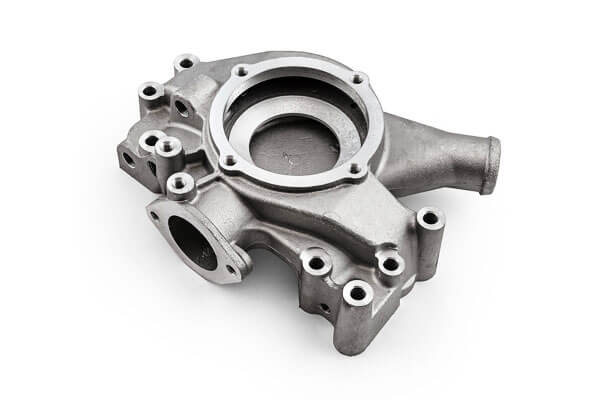
Hastelloy HG-30 can be processed using various manufacturing techniques, including casting, forging, rolling, and powder metallurgy.
Each method affects the alloy’s microstructure, mechanical properties, and final performance.
Common Manufacturing Processes
| Process | Description | Advantages | Challenges |
|---|---|---|---|
| Casting | Molten HG-30 is poured into a mold and solidified | Produces complex shapes, cost-effective for large parts | Prone to segregation and porosity |
| Forging | Material is shaped under high pressure | Enhances grain structure, improves strength | Requires high-force equipment |
| Rolling | Alloy is passed through rollers to achieve desired thickness | Produces thin sheets and plates, improves uniformity | Requires precise temperature control |
| Powder Metallurgy | Metal powder is compacted and sintered to form solid components | Allows for near-net shaping, minimizes waste | High processing cost, complex sintering conditions |
Machining Hastelloy HG-30
Due to its high strength, work hardening tendency, and low thermal conductivity, machining Hastelloy HG-30 can be challenging.
It requires special cutting tools, controlled feed rates, and optimized cooling techniques.
Challenges in Machining HG-30
- Work Hardening: The material hardens quickly under mechanical stress, making cutting more difficult.
- Low Thermal Conductivity: Heat does not dissipate efficiently, leading to tool wear.
- High Tool Wear Rate: Requires advanced cutting tools for prolonged performance.
Recommended Machining Practices
| Factor | Best Practice |
|---|---|
| Cutting Tool Material | Carbide or ceramic tools with a high heat resistance |
| Cutting Speed (m/min) | 20–40 (lower than stainless steel to prevent overheating) |
| Feed Rate (mm/rev) | 0.1–0.3 (moderate to prevent excessive tool wear) |
| Lubrication & Cooling | High-pressure coolant systems to reduce heat buildup |
| Chip Control | Use of positive rake angles and chip breakers to prevent clogging |
Welding and Joining Techniques
Welding Hastelloy HG-30 requires precise control of heat input, filler materials, and shielding gases to avoid defects like hot cracking, porosity, and oxidation.
Recommended Welding Methods
| Welding Technique | Suitability for HG-30 | Advantages | Challenges |
|---|---|---|---|
| GTAW (TIG) | Highly recommended | Produces high-quality welds, excellent control | Requires precise shielding gas protection |
| GMAW (MIG) | Suitable for larger structures | Faster deposition, better for thick sections | Higher risk of oxidation if shielding gas is insufficient |
| Laser Welding | Ideal for precision welding | Minimal heat-affected zone, excellent for small components | High initial investment cost |
| Electron Beam Welding (EBW) | Used for aerospace applications | Deep penetration, minimal distortion | Requires vacuum chamber |
Heat Treatment and Post-Processing
Heat treatment is crucial for optimizing the mechanical properties and corrosion resistance of Hastelloy HG-30.
Proper post-processing also helps remove residual stresses, refine grain structure, and improve surface finish.
Recommended Heat Treatment Procedures
| Process | Purpose | Temperature Range (°C) | Cooling Method |
|---|---|---|---|
| Solution Annealing | Dissolves unwanted phases, improves ductility | 1100–1200°C | Rapid water quenching |
| Stress Relief Annealing | Reduces residual stresses after machining | 800–900°C | Air cooling or controlled cooling |
| Aging Treatment | Enhances mechanical properties | 600–700°C | Controlled furnace cooling |
Surface Treatment and Finishing
Surface treatments enhance the performance of Hastelloy HG-30 by improving corrosion resistance, wear resistance, and aesthetics.
Common Surface Treatments
| Process | Purpose | Applications |
|---|---|---|
| Electropolishing | Reduces surface roughness, enhances corrosion resistance | Chemical processing, semiconductor industry |
| Passivation | Removes contaminants, enhances oxide layer | Medical devices, aerospace |
| Plasma Nitriding | Increases hardness and wear resistance | High-stress mechanical components |
| Coatings (PTFE, Ceramic, PVD) | Adds additional protective layers | Aerospace, marine, and chemical plants |
6. Applications and Industrial Uses of Hastelloy HG-30
Chemical Processing:
Utilized in reactor vessels, heat exchangers, and piping systems, HG-30 reduces corrosion rates by up to 40% compared to stainless steels, extending service life and reducing downtime.
Power Generation:
Employed in turbine components, boiler parts, and heat recovery systems, HG-30 withstands high temperatures and thermal cycling, making it ideal for nuclear and fossil fuel plants.
Aerospace:
Used for engine parts, brackets, and fasteners, the alloy offers an excellent strength-to-weight ratio and resistance to stress corrosion cracking, meeting strict aerospace standards.
Marine and Offshore:
Applied in pump housings, valves, and structural supports, HG-30 delivers superior resistance to saltwater-induced pitting and crevice corrosion, ensuring longevity in harsh environments.
Specialized Industrial Equipment:
Critical for components like catalytic converters and high-pressure fluid systems, HG-30 provides robust mechanical integrity and corrosion resistance for demanding industrial applications.
7. Advantages Over Other Alloys
Hastelloy HG-30 offers a range of advantages that distinguish it from other high-performance alloys, making it an optimal choice for demanding applications.
Superior Corrosion Resistance:
HG-30 exhibits exceptional resistance to a wide variety of corrosive environments, including aggressive acids and chloride-rich solutions.
For instance, in tests with hydrochloric and sulfuric acids, HG-30 showed corrosion rates up to 40% lower than those of conventional stainless steels like 316L.
This makes it highly suitable for chemical processing and petrochemical applications where long-term durability is critical.
Balanced Mechanical Properties:
With a tensile strength in the range of 750–900 MPa and a yield strength of 300–400 MPa, HG-30 strikes an ideal balance between strength and ductility.
Unlike some other nickel-based alloys that may sacrifice toughness for corrosion resistance,
HG-30 maintains robust mechanical integrity under high stress, ensuring reliable performance in dynamic and high-pressure environments.
High-Temperature Stability:
Designed for use in extreme conditions, HG-30 maintains its structural stability at elevated temperatures.
Its melting point of around 1350–1400°C and stable phase structure ensure that
it performs reliably in applications such as power generation and aerospace, where thermal cycling and high heat are prevalent.
Cost-Effectiveness Over the Lifecycle:
Although nickel-based alloys are generally more expensive upfront, the longevity and low maintenance requirements of HG-30 result in lower overall lifecycle costs.
Its extended service life and reduced frequency of component replacement mean that industries can achieve significant cost savings over time, particularly in high-demand applications.
Design Flexibility and Versatility:
HG-30’s excellent combination of properties allows for the fabrication of complex, precision-engineered components.
Its balanced performance makes it a versatile material, suitable for diverse applications ranging from reactor vessels and heat exchangers to aerospace components and marine equipment.
This versatility gives engineers the freedom to design parts that meet exacting standards without compromising on reliability.
Enhanced Reliability in Harsh Environments:
When compared to alternatives like Hastelloy C-22, C-276, and even Inconel 625, HG-30 consistently delivers high performance under aggressive conditions.
Its enhanced resistance to stress corrosion cracking and pitting makes it particularly advantageous in environments where material failure is not an option.
8. Challenges and Limitations
Despite its outstanding performance, Hastelloy HG-30 faces several challenges that manufacturers must address to maximize its benefits.
Understanding these limitations is crucial for optimizing processing parameters and ensuring reliable performance in severe environments.
Below are some of the key challenges associated with HG-30, along with potential strategies to mitigate them:
Processing Complexity:
HG-30’s high strength and work-hardening characteristics make machining and forming more challenging than with more ductile alloys.
For instance, its rapid work hardening demands the use of advanced carbide or ceramic cutting tools and strict control of cutting speeds.
As a result, production costs can be higher compared to standard stainless steels. Manufacturers need to invest in precision tooling and robust process controls to maintain consistent quality.
Weldability Concerns:
While HG-30 can be welded using advanced techniques such as GTAW (TIG) or laser beam welding,
its high alloy content and tendency to form hard, brittle phases during welding can lead to defects like hot cracking or porosity.
To mitigate these issues, it is essential to optimize welding parameters and employ suitable filler materials that match its composition.
Moreover, post-weld heat treatment often becomes necessary to relieve residual stresses and restore ductility.
High Material Cost:
Nickel-based alloys like HG-30 inherently carry higher material costs compared to conventional alloys, such as stainless steel.
This increased cost can impact large-scale production, especially when budget constraints are critical.
However, the long service life and reduced maintenance requirements of HG-30 often offset the initial expense, providing a lower total cost of ownership over the component’s lifecycle.
Quality Control and Defect Management:
Maintaining consistent quality in HG-30 components demands rigorous process control.
Variations in processing conditions can lead to defects such as porosity, shrinkage, or uneven microstructure, which compromise performance.
Advanced simulation tools and real-time monitoring systems help predict and manage these defects, but they add complexity and require skilled personnel to interpret data and implement corrective measures.
Thermal Expansion and Residual Stress:
In high-temperature applications, differential thermal expansion and residual stresses can lead to distortion or dimensional inaccuracies.
To address this, manufacturers employ stress-relief annealing and precise heat treatment cycles, which help stabilize the material but also add extra processing steps and energy consumption.
9. Comparative Analysis with Other Alloys
It is important to understand how HG-30 measures up against other alloys used in similar applications, such as Hastelloy C-276, Inconel 625, and high-grade stainless steels like 316L.
| Property | Hastelloy HG-30 | Hastelloy C-276 | Inconel 625 | 316L Stainless Steel |
|---|---|---|---|---|
| Corrosion Resistance | Excellent in acidic and chloride-rich environments | Superior resistance to pitting and crevice corrosion | Strong oxidation resistance but less effective in acids | Moderate resistance, less effective in strong acids |
| Tensile Strength | 750–900 MPa | 700–850 MPa | 930–1030 MPa | 485–620 MPa |
| Yield Strength | 300–400 MPa | 280–350 MPa | 415–550 MPa | 170–310 MPa |
Ductility (Elongation) |
40–50% | 40–45% | 30–40% | 40–50% |
| Thermal Stability | Excellent under thermal cycling | High stability under extreme conditions | Superior at ultra-high temperatures | Moderate, susceptible to oxidation |
| Fabrication | Good weldability and machinability | Challenging due to high work hardening | Difficult to machine due to hardness | Easy to machine and weld |
Cost |
High initial cost, lower lifecycle cost | High cost due to complex processing | Very high due to Ni content and processing | Lower initial cost, but higher maintenance |
| Application Suitability | Ideal for chemical processing, power plants, aerospace | Best for highly corrosive environments | Preferred for extreme heat applications | Common in general industrial and food-grade applications |
| Lifecycle Performance | Long service life with minimal maintenance | Long-lasting but requires precise processing | Durable but requires specialized maintenance | Lower longevity in aggressive environments |
10. Future Trends and Innovations
Looking ahead, the future of Hastelloy HG-30 appears promising as ongoing innovations and market demands continue to drive improvements in both processing technology and material performance.
Technological Advancements:
Automation and robotics are increasingly integrated into die casting and finishing processes, enhancing precision and consistency.
Real-time monitoring systems and advanced simulation software enable manufacturers to optimize processing parameters and predict defect formation, reducing waste and improving product quality.
Recent developments in digital twin technology are expected to further refine production efficiency,
with some studies forecasting a 30% improvement in yield over traditional methods.
Alloy Development and Enhanced Compositions:
Researchers are exploring modifications to the traditional A380 alloy composition by incorporating nano-alloying elements.
These innovations aim to enhance mechanical strength, corrosion resistance, and thermal stability even further.
Ongoing research is focused on achieving finer-grain structures and more uniform phase distribution, which can lead to significant improvements in performance under extreme operating conditions.
The integration of advanced heat treatment processes is also expected to optimize the alloy’s microstructure, pushing its performance boundaries.
Sustainability and Environmental Impact:
As environmental regulations become more stringent, the demand for eco-friendly production methods is growing.
Manufacturers are increasingly adopting closed-loop recycling systems and energy-efficient processing techniques to minimize the environmental footprint of alloy production.
Innovations in low-emission casting and the use of recycled aluminum are likely to play a major role,
with current estimates suggesting that recycling can reduce energy consumption by up to 95% compared to primary production.
Market Projections and Growth:
The global market for high-performance nickel-based alloys is projected to grow steadily, driven by increased demand in sectors such as chemical processing, aerospace, and power generation.
Market analysts predict a compound annual growth rate (CAGR) of approximately 4.5% over the next decade, indicating robust expansion driven by technological and sustainability advancements.
Integration with Smart Manufacturing:
The rise of Industry 4.0 is transforming production lines, with smart sensors, IoT devices, and advanced analytics becoming standard.
These technologies enable predictive maintenance and process optimization,
ensuring that Hastelloy HG-30 components meet exacting performance standards while reducing downtime and costs.
11. Conclusion
Hastelloy HG-30 represents a pinnacle in high-performance, nickel-based alloys.
Its carefully engineered composition delivers exceptional corrosion resistance, mechanical strength, and thermal stability, making it indispensable in industries that operate under extreme conditions.
While challenges such as fabrication complexities and high material costs persist, ongoing innovations in processing technology and alloy development continue to enhance their performance and sustainability.
DEZE is the perfect choice for your manufacturing needs if you need high-quality Hastelloy products.

