1. Introduction
A413 aluminum alloy is a specialized high-pressure die-casting (HPDC) alloy recognized for its exceptional thermal conductivity, castability, and balanced mechanical properties.
Designed for intricate, thin-walled components, it is widely used in automotive, electronics, and industrial applications where lightweight construction, dimensional accuracy, and efficient heat dissipation are essential.
Compared to other aluminum die-casting alloys, such as A380 and A360, A413 stands out due to its superior fluidity, reduced shrinkage, and improved resistance to hot cracking.
These characteristics make it a preferred choice for complex castings that require both precision and durability.
With the growing demand for high-performance aluminum alloys, particularly in sectors like electric vehicles (EVs), renewable energy, and high-tech electronics, A413 is gaining more attention.
This article provides a comprehensive analysis of its composition, properties, processing methods, applications, advantages, challenges, and future trends to understand its role in modern manufacturing.
2. What is A413 Aluminum Alloy?
Classification:
A413 is a high-performance aluminum-silicon (Al-Si) alloy that is specifically designed for high-pressure die casting (HPDC) applications.
It is categorized under the 4xx.x series, where the primary alloying element is silicon.
This alloy is engineered to balance superior castability, excellent thermal conductivity, and adequate mechanical strength,
making it suitable for a wide range of applications requiring precise, thin-walled, and lightweight components.

Design Purpose:
A413 was developed primarily to offer superior thermal conductivity, enhanced fluidity, and reduced porosity compared to other die-casting alloys like A380 and A360.
Its composition allows it to perform well in both heat management and structural integrity, even under high thermal and mechanical stress.
This makes A413 particularly valuable in industries where both heat dissipation and strength are critical, such as automotive and electronics.
3. Chemical Composition and Microstructure
Chemical Composition
The chemical composition of A413 aluminum alloy plays a pivotal role in determining its mechanical properties, fluidity, and overall performance in high-pressure die casting applications.
It is specifically engineered to achieve a balance between strength, castability, and corrosion resistance.
The key alloying elements in A413 are primarily silicon (Si), copper (Cu), magnesium (Mg), iron (Fe), and zinc (Zn). Below is a breakdown of the typical composition:
| Element | Composition (%) | Function |
|---|---|---|
| Silicon (Si) | 10.5 – 13.5 | Enhances fluidity, reduces shrinkage, improves wear resistance, and increases castability. |
| Copper (Cu) | ≤ 1.0 | Increases mechanical strength and hardness, improves wear resistance, but may reduce corrosion resistance. |
| Magnesium (Mg) | ≤ 0.3 | Improves corrosion resistance and structural integrity. |
Iron (Fe) |
≤ 0.6 | Controls shrinkage during casting but excessive amounts can negatively affect ductility. |
| Zinc (Zn) | ≤ 0.5 | Enhances overall durability and contributes to increased strength. |
| Aluminum (Al) | Balance | Provides the base structure of the alloy and contributes to its overall properties. |
Microstructural Characteristics
The microstructure of A413 plays a vital role in its performance, particularly in high-pressure die casting applications.
The alloy typically solidifies into a structure composed of aluminum-rich dendrites and eutectic silicon phases, both of which contribute to its mechanical properties and casting behavior.
- Grain Structure: A413 forms fine-grained aluminum-rich dendrites during the cooling process.
These dendrites are well-distributed throughout the matrix, enhancing the overall mechanical properties and improving the alloy’s strength and wear resistance.
The fine-grain structure also helps in reducing the occurrence of hot cracking and porosity during casting. - Eutectic Phase: The eutectic silicon phase is a key feature of A413. The uniform distribution of the eutectic phase contributes to improved fluidity during the die-casting process.
It also helps in reducing casting defects such as shrinkage cavities and porosity.
This phase is particularly beneficial in applications requiring high-dimensional accuracy and surface finish. - Performance Impact: The refined microstructure of A413 minimizes common casting defects
such as hot cracking, porosity, and shrinkage, which are often seen in high-pressure die-castings of less refined alloys.
Its low iron content ensures good ductility and avoids brittle fracture, contributing to better durability in high-stress applications.
4. Physical and Mechanical Properties
A413 aluminum alloy is valued for its balanced set of physical and mechanical properties. Below, we analyze the key physical and mechanical properties of A413 aluminum alloy.
Strength and Hardness
A413 aluminum alloy offers a moderate level of mechanical strength while maintaining lightweight characteristics. Here are the typical strength values for A413:
- Tensile Strength: 200 – 250 MPa (megapascals)
- Yield Strength: 140 – 180 MPa
- Hardness (Brinell): 70 – 90 HB (Hardness Brinell)
While A413 does not match the strength levels of alloys like A380, which are designed for higher mechanical load-bearing applications,
A413 strikes an ideal balance for thin-walled castings and components that require good strength-to-weight ratios.
The addition of copper and silicon in the alloy improves the hardness and wear resistance,
making it suitable for applications like engine parts and machinery components where strength is required but weight must be kept low.
Ductility and Elongation
Despite its strength, A413 maintains adequate ductility for complex casting shapes, especially in thin-walled sections. The alloy exhibits:
- Elongation at Break: 3 – 8%
This level of ductility is crucial for components exposed to dynamic stresses or that undergo thermal cycling, such as those used in the automotive and electronics industries.
The alloy’s ability to undergo deformation without cracking allows for the production of detailed, intricate parts that require a high degree of flexibility.
Thermal Conductivity
One of the standout properties of A413 is its high thermal conductivity, which is essential for heat management in demanding applications such as:
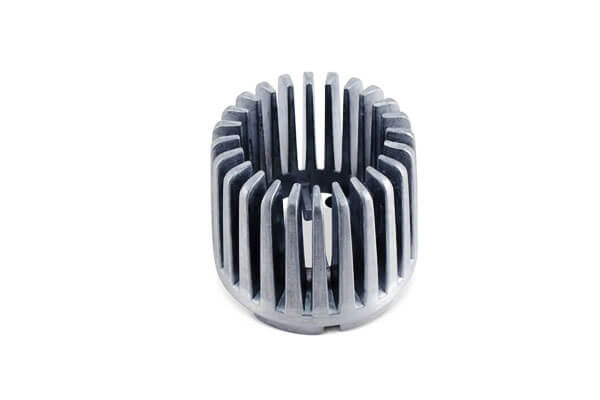
- Heat Sinks for Electronics
- Automotive engine blocks and transmission components
- Industrial machinery exposed to high temperatures
The thermal conductivity of A413 is approximately 150 – 160 W/m·K, which is significantly higher than many other aluminum alloys, including A380 and A356.
This makes A413 a prime candidate for applications where heat dissipation is a priority, enabling better thermal management and reducing the risk of overheating in high-performance components.
Corrosion Resistance
A413 demonstrates good corrosion resistance, especially when compared to cast iron or other ferrous-based alloys.
The silicon content in A413 enhances its resistance to oxidation and corrosion in most environments. It performs particularly well in moderately corrosive settings.
Although it offers solid protection against corrosion, A413 is more susceptible to galvanic corrosion in marine environments when in contact with dissimilar metals.
Therefore, additional surface treatments such as anodizing or powder coating may be applied to further improve its resistance to harsh conditions.
5. Processing and Fabrication Techniques
The processing and fabrication techniques used for A413 aluminum alloy are key to unlocking its full potential in various high-performance applications.
A413’s characteristics, such as its excellent fluidity and thermal conductivity, allow it to excel in high-pressure die casting, but the alloy still requires precise process control to achieve optimal performance.
Below, we explore the most important processing techniques for A413, focusing on die casting, machining, and post-processing methods.
Die Casting Suitability
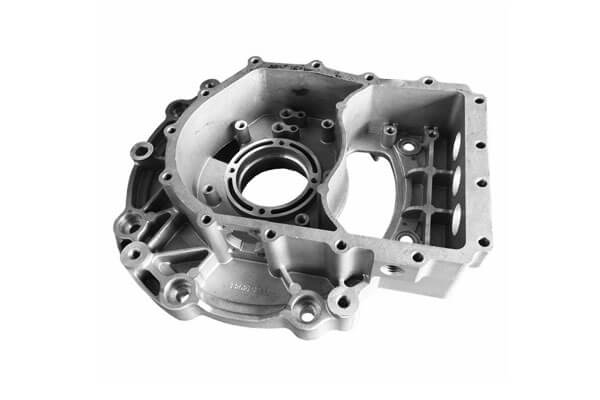
A413 is ideally suited for high-pressure die casting due to its outstanding fluidity and ability to fill intricate mold cavities, especially in thin-walled components.
Die casting is a popular method for producing complex parts with high dimensional accuracy, and A413’s properties ensure high-quality castings with minimal defects.
Fluidity and Mold Filling
A413’s superior fluidity allows it to fill intricate and thin-walled molds effectively, which is particularly important for highly detailed parts.
The alloy’s low viscosity in the molten state ensures smooth flow into complex mold cavities, which is critical for producing fine details and sharp edges.
This excellent fluidity also reduces the likelihood of defects such as cold shuts, which can occur when the material fails to fill the mold during casting.
Optimal Process Parameters
For the best results with A413, it’s essential to carefully control various casting parameters:
- Mold Temperature: Typically, 250°C to 350°C (482°F to 662°F). This ensures the mold is hot enough to allow proper flow while also cooling at a rate that prevents defects.
- Injection Speed: The injection speed should be optimized to avoid turbulence, which could lead to porosity or air entrapment.
- Cooling Rate: A rapid cooling rate is generally employed to minimize shrinkage and improve the alloy’s mechanical properties.
However, care must be taken not to cool too quickly, as this can result in thermal stresses or cracking.
Defect Mitigation
Despite A413’s excellent fluidity, careful process control is still required to avoid defects. Some of the common defects in A413 die casting include:
- Porosity: The formation of small voids within the casting due to trapped gas or shrinkage.
- Hot Cracking: A phenomenon that occurs when the casting solidifies too quickly and leads to cracks at the mold/core interface.
To mitigate these issues, manufacturers use various strategies:
- Vacuum Die Casting: Employing a vacuum during the casting process can reduce gas porosity by evacuating air from the mold cavity.
- Incorporating Alloy Modifications: Adding modifiers to the alloy can further enhance its resistance to cracking during solidification.
Machining and Post-Processing
After casting, A413 components may require further machining or surface treatment to meet the final product specifications.
The alloy’s machinability is generally good, but it presents certain challenges due to its material properties.
Machining Considerations
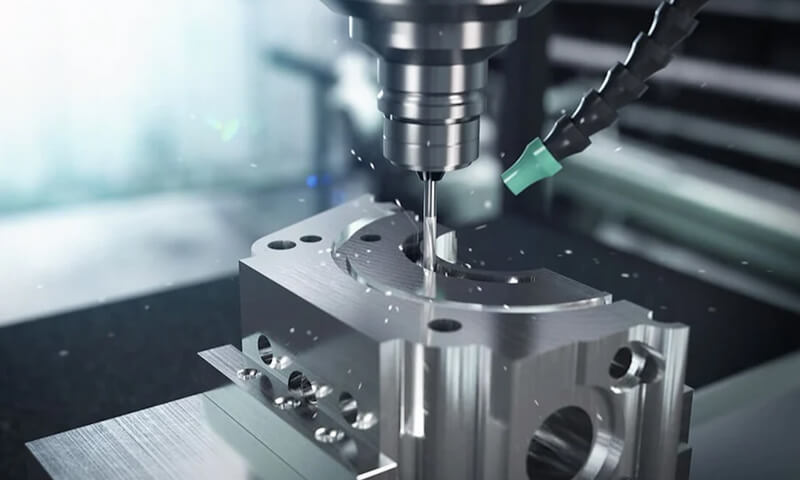
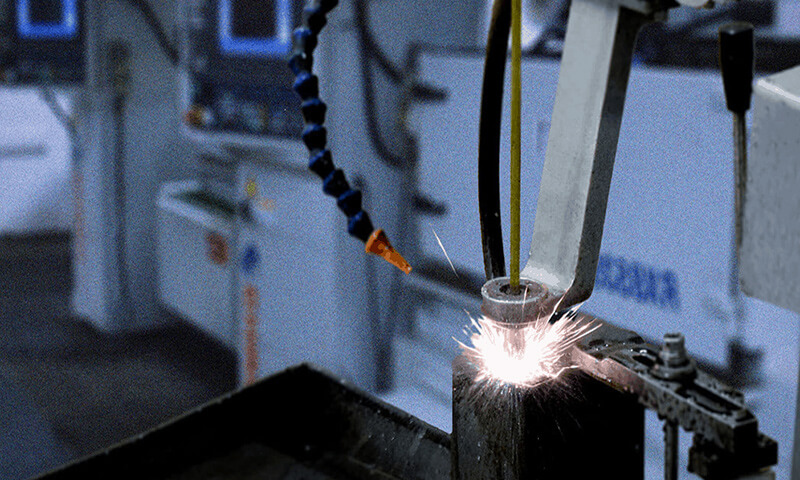
While A413 has good ductility, it can still be difficult to machine due to its tendency to work-harden during cutting operations.
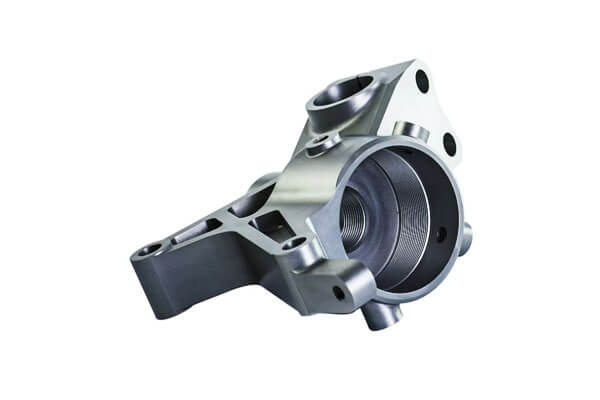
As a result, manufacturers often use the following strategies to improve machining efficiency:
- Use of Carbide or Ceramic Tools: These tools are preferred for machining A413 because they offer superior hardness and wear resistance compared to conventional steel tools.
This helps extend tool life and reduce the need for frequent replacements. - Optimized Cutting Parameters: To minimize tool wear and improve surface finishes, it’s crucial to optimize cutting speeds, feed rates, and depths of cut.
For example, low cutting speeds combined with higher feed rates help prevent excessive heat buildup during machining. - High-Pressure Coolant Systems: Implementing coolant during machining can help control temperature and improve the quality of the cut.
High-pressure coolant jets can also aid in removing debris from the cutting area, reducing the risk of tool wear and improving precision.
Surface Finishing Techniques
A413 often undergoes post-casting surface treatments to enhance its appearance, corrosion resistance, and wear resistance. Some common surface finishing techniques for A413 include:
- Anodizing: A popular technique for aluminum alloys, anodizing involves an electrolytic process that forms a durable oxide layer on the surface,
improving corrosion resistance and enhancing the material’s aesthetic appeal. - Powder Coating: Powder coating provides a protective finish that is resistant to scratching and weathering, making it ideal for outdoor applications and consumer electronics.
- Shot Peening: This technique involves bombarding the surface with small steel balls to improve surface finish and fatigue resistance.
It is commonly used for high-stress components in automotive and aerospace applications.
Heat Treatment (Optional)
Although A413 aluminum alloy does not undergo heat treatment in the traditional sense (as it is primarily a casting alloy), some post-casting processes can improve its mechanical properties:
- T5 Tempering: This is the most commonly used heat treatment process for A413. It involves heating the casting to around 200°C (392°F) and then rapidly cooling it.
This process can improve the strength and hardness of the alloy, making it more suitable for high-load applications. - T6 Tempering: Less common for A413, but in some instances,
T6 heat treatment can be used to achieve higher mechanical properties by aging the alloy at 175°C – 205°C (347°F – 401°F) for a prolonged period.
This process is generally applied for specific high-performance applications where strength is the priority.
6. Advantages of A413 Over Other Die-Casting Alloys
A413 aluminum alloy stands out among other die-casting alloys due to its unique combination of properties that make it particularly well-suited for a wide range of applications.
Below are the key advantages of A413 compared to other die-casting alloys:
Superior Castability
- High Fluidity: A413 has exceptional fluidity, allowing it to fill intricate molds with precision and minimal porosity.
This makes it ideal for producing complex geometries and thin-walled components. - Reduced Shrinkage: The high silicon content in A413 minimizes shrinkage during solidification, resulting in dense and defect-free castings.
This is a significant advantage over alloys like A356, which may require additional processing to achieve similar results.
Excellent Dimensional Stability
- Tight Tolerances: A413 maintains excellent dimensional accuracy during and after the casting process.
This reduces the need for secondary machining operations, saving time and cost compared to less stable alloys such as A380. - Resistance to Warping: Its ability to resist warping under thermal cycling conditions ensures consistent part performance, making it preferable for applications requiring long-term reliability.
Balanced Mechanical Properties
- Moderate Strength and Ductility: While not as strong as some high-performance alloys (e.g., A390), A413 offers sufficient strength and ductility for most industrial applications.
It strikes a balance between mechanical performance and ease of casting, unlike brittle alloys that sacrifice formability for strength. - Wear Resistance: A413 provides moderate wear resistance, which is adequate for many structural and functional parts,
especially when compared to softer alloys like pure aluminum or low-silicon compositions.
Cost-Effectiveness
- Affordability: A413 is relatively inexpensive compared to specialized alloys like A390 or A360.
Its lower cost, combined with its excellent castability and minimal post-processing requirements, makes it a cost-effective choice for large-scale production runs. - Scrap Recycling: The alloy’s composition allows for easier recycling and reuse of scrap material, further reducing manufacturing costs.
Thermal Conductivity
- Efficient Heat Dissipation: A413 exhibits higher thermal conductivity than many other die-casting alloys, such as A380.
This property is critical for applications involving heat management, such as heat sinks and engine components, where efficient heat dissipation is essential for performance and longevity.
Versatility in Applications
- Wide Range of Uses: A413’s balanced properties allow it to be used across various industries, from automotive and electronics to consumer goods and industrial machinery.
Its versatility surpasses that of more specialized alloys, which are often limited to niche applications. - Adaptability to Complex Designs: The alloy’s ability to accommodate intricate designs without compromising quality gives it an edge over less fluid alloys,
enabling manufacturers to create innovative and lightweight components.
Reduced Hot Cracking
- Improved Casting Integrity: Compared to alloys with lower silicon content, A413 is less prone to hot cracking during the casting process.
This leads to higher yields, lower scrap rates, and improved overall production efficiency.
7. Applications of A413 Aluminum Alloy
A413 aluminum alloy is highly valued in industries that require lightweight, durable, and thermally efficient components.
Its excellent thermal conductivity, fluidity, and mechanical properties make it suitable for a wide range of applications.
Automotive Industry
A413 is used in engine components, transmission parts, and lightweight structural elements.
Its high thermal conductivity helps dissipate heat in engine blocks and transmission housings, while its strength ensures durability.
It also plays a key role in reducing vehicle weight, particularly in electric vehicles, without compromising structural integrity.
Electronics and Heat Management
In electronics, A413 is used for heat sinks and enclosures, where its thermal conductivity helps manage heat dissipation from sensitive components.
It also serves as a material for circuit board housings, protecting electronic parts from damage and overheating.
Industrial Equipment
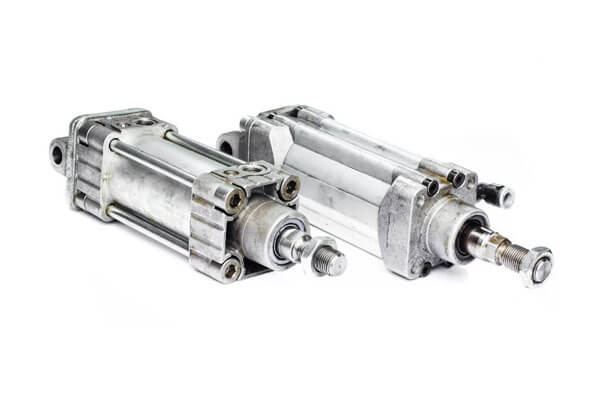
A413 is found in pump housings and machinery parts that undergo high thermal and mechanical stress.
Its thermal conductivity ensures efficient heat management, while its fluidity allows for the production of detailed, complex parts. It is also used in general die casting applications across various industries.
Consumer Products
A413 is used in consumer appliances like refrigerators and air conditioners, offering durability and heat resistance.
Its aesthetic appeal and ease of casting into intricate shapes make it ideal for high-end consumer electronics and appliance housings.
8. Challenges and Limitations of A413 Aluminum Alloy
- Lower Mechanical Strength: A413 has lower tensile and yield strength compared to alloys like A380, limiting its use in high-load applications.
Reinforcement or design adjustments may be needed. - Machining Difficulties: Its low thermal conductivity and tendency to work-harden can accelerate tool wear, requiring advanced tools and optimized machining parameters.
- Surface Finish Inconsistencies: Maintaining uniform surface finish, especially in thin sections,
can be challenging due to mold temperature and cooling variations. Post-processing techniques can address this. - Higher Material Costs: A413 is more expensive than standard alloys like A380 due to its specialized composition, though its benefits often justify the cost in specific applications.
- Process Sensitivity: Variations in casting parameters can lead to defects such as porosity and shrinkage. Precise control and advanced monitoring are necessary to ensure quality.
9. Future Trends and Innovations in A413 Aluminum Alloy
- Advancements in Die Casting Technology: Automation and real-time process monitoring are improving casting efficiency by up to 30%, reducing defects like porosity and hot cracking.
- Alloy Modifications: Microalloying and nano-additives are expected to increase tensile strength by 10% and improve fluidity, making A413 suitable for demanding applications.
- Sustainability and Energy Efficiency: Energy-efficient die casting processes and enhanced aluminum recycling reduce energy consumption and carbon footprint, making A413 more environmentally friendly.
- Smart Manufacturing: Integration of Industry 4.0 technologies, such as IoT and predictive analytics, will optimize production, reduce downtime, and improve product quality.
- Expanding Market Demand: Demand for A413 is growing in industries like automotive, electronics, and renewable energy, driven by the need for lightweight, durable materials.
- Enhanced Surface Treatments: Advanced coatings and surface treatments will improve corrosion resistance and wear properties, extending the alloy’s lifespan in demanding environments.
10. Comparative Analysis with Other Alloys
The table below summarizes key differences between A413 and other commonly used die-casting alloys:
| Property | A413 (Optimized for Heat Dissipation) | A380 (General-Purpose) | A360 (High Corrosion Resistance) | ADC12 (Asian Standard) |
|---|---|---|---|---|
| Thermal Conductivity (W/m·K) | 130–150 | 96 | 120 | Comparable to A413 |
| Fluidity | Excellent – Ideal for thin-walled castings | Good | Moderate | Excellent |
| Tensile Strength (MPa) | ~240 | ~310 | ~280 | ~300 |
Yield Strength (MPa) |
~120 | ~170 | ~160 | ~155 |
| Corrosion Resistance | Moderate | Lower | High | Moderate |
| Hot Cracking Resistance | Superior | Moderate | Lower | Comparable to A413 |
| Application Focus | Heat sinks, electronic enclosures, precision castings | General automotive and industrial castings | Marine and corrosion-critical components | Consumer electronics and general casting |
11. Conclusion
A413 aluminum alloy is an essential material in high-performance die casting, particularly for applications requiring heat dissipation, precision, and lightweight design.
With continuous advancements in die casting technology, smart manufacturing, and alloy modifications, A413 is set to play an even bigger role in future industrial developments.
DEZE is the perfect choice for your manufacturing needs if you need high-quality A413 aluminum alloy die casting services.
Related articles:
https://langhe-industry.com/a383-aluminum-alloy/
https://langhe-industry.com/a380-aluminum-alloys-for-die-casting/