1. Introduktion
Gruvindustrin står inför några av de tuffaste driftsmiljöerna, med maskiner som ständigt utsätts för extrema förhållanden som nötning, inverkan, och kemisk korrosion.
Gruvutrustning såsom krossar, kvarnar, och slurrypumpar utsätts för obeveklig stress, resulterar i frekventa fel och betydande driftsavbrott. Detta påverkar i slutändan produktiviteten, säkerhet, och lönsamhet.
Utrustningsfel på grund av slitagerelaterade skador leder till kostsamma stillestånd, kräver reparationer eller utbyten och medför höga underhållskostnader.
De ekonomiska konsekvenserna av sådana störningar är betydande, påverkar både kortsiktigt kassaflöde och långsiktig lönsamhet.
Den växande efterfrågan på högre produktivitet i gruvdrift förstärker bara vikten av slitstyrka för att säkerställa smidig och effektiv drift.
Således, att implementera avancerade lösningar som slitstarka gjutgods är avgörande för att mildra dessa problem och bibehålla optimal prestanda.
Rollen av slitstarka gjutgods
Slitstarka gjutgods är avgörande för att förbättra hållbarheten hos gruvutrustning.
Dessa gjutgods är designade med avancerade legeringsmaterial som ger överlägsen motståndskraft mot nötning, inverkan, och kemiskt slitage.
Genom att införliva de senaste innovationerna inom materialvetenskap och precisionsgjutningstekniker,
tillverkare kan skapa delar som erbjuder inte bara bättre prestanda utan också en längre livslängd för gruvkomponenter.
Minskningen av slitagerelaterade fel leder till färre avbrott, vilket ökar den övergripande effektiviteten i gruvdriften.
Avancerade slitstarka gjutgods ger viktiga fördelar i gruvindustrin genom:
- Minska utrustningsfel och stilleståndstid.
- Sänka underhålls- och utbyteskostnader.
- Öka operativ effektivitet och lönsamhet.
2. Förstå slitagemekanismer i gruvdrift
Typer av slitage i gruvutrustning
Gruvdrift innebär olika typer av slitage, var och en påverkar utrustningen på olika sätt:
- Slipande slitage: Denna typ av slitage uppstår när hårda partiklar eller material slipar mot metallytor, vilket gör att materialet eroderar med tiden.
Gruvmaskiner som används vid malmkrossning och malning, såsom kvarnfoder och krosshammare, är mycket känsliga för nötande slitage.
Den konstanta friktionen mellan hårda mineraler och metallkomponenter påskyndar materialnedbrytningen. - Stötslitage: Frekvent, kraftiga kollisioner mellan maskiner och material orsakar detta slitage, vilket är särskilt vanligt i krossar och kvarnar.
Krockkrafterna belastar komponenterna upprepade gånger, leder till trötthet, krackning, och i slutändan materiellt misslyckande. - Frätande/erosivt slitage: I gruvdrift, många komponenter, speciellt i flytgödseltransportsystem, utsätts för frätande vätskor och kemikalier.
Den kombinerade effekten av dessa aggressiva miljöer och höga vätskehastigheter försämrar utrustningen, eroderande komponenter som slurrypumpar och ventiler.
Erosionen förvärras under förhållanden som involverar nötande partiklar som bärs av slammet.
Kritiska komponenter som kräver slitstyrka
Flera gruvutrustningskomponenter utsätts för det hårdaste slitaget och drar därmed mest nytta av slitstarka gjutgods:

- Krossar: Käftplattor, konfoder, och slaghammare genomgår både nötande och stötslitage under krossningsprocessen.
- Slipkvarnar: Kulkvarnsfoder och malkulor utsätts för kraftigt slitage då de kontinuerligt maler malm.
- Transportörer: Transportörsystem hanterar stora volymer malm, utsätter komponenterna för kontinuerlig nötning.
Nyckeldelar som rännfoder, lediga, och bältesskrapor är alla benägna att bära. - Grävmaskiner & Lastare: Komponenter som skoptänder, spade läppar, och styrplattor
uppleva höga nivåer av stötar och nötande slitage på grund av konstant kontakt med stenar, smuts, och malm. - Slampumpar: Impellers och höljeskomponenter i slurrypumpar är utsatta för korrosion, erosion, och nötning från vätskeblandningen av kemikalier, vatten, och slipande partiklar.
3. Materialvetenskap för slitstarka gjutgods
Materialsammansättningen och egenskaperna hos slitstarka gjutgods är hörnstenen i deras prestanda inom gruvutrustning.
Förstå förhållandet mellan materialval, bearbetning,
och slitagemekanismer är avgörande för att skapa komponenter som tål de extrema förhållandena vid gruvdrift.
Rätt kombination av legeringar, värmebehandlingar, och metallurgiska processer påverkar avsevärt hållbarheten och prestandan hos dessa gjutgods.
Detta avsnitt dyker in i nyckellegeringarna, deras egenskaper, och värmebehandlingens och metallurgins roll för att förbättra slitstyrkan.
Nyckellegeringar och deras egenskaper
Materialen som används i slitstarka gjutgods måste uppvisa exceptionell seghet, hårdhet, och motstånd mot slitage.
Flera legeringar sticker ut i detta avseende, var och en utformad för specifika gruvtillämpningar:
Vitt järn med hög krom (HCWI)
- Hårdhet: 600+ Hb
- Egenskaper: HCWI-legeringar är kända för sin enastående nötningsbeständighet, vilket till stor del beror på bildandet av hårda karbidfaser i järnmatrisen.
Närvaron av krom och kol möjliggör bildning av kromkarbider, som förbättrar materialets hårdhet och förmåga att motstå nötande slitage.
Detta gör den idealisk för applikationer som involverar slipning, förkrossande, och fräsning där material som stenar och malm snabbt kan slita ner vanliga stålkomponenter.
Höga krom slitstarka gjutgods - Ansökningar: HCWI används vanligtvis för fräsliners, krosshammare, och slipande bollar.
Dessa komponenter drar nytta av legeringens höga hårdhet, vilket minskar slitaget under längre användningsperioder i nötande miljöer.
Manganstål (Hadfield stål)
- Hårdhet: 200–550 HB (beror på graden av arbetshärdning)
- Egenskaper: Manganstål är unikt i sin förmåga att härda, vilket innebär att dess hårdhet ökar med stöten och friktionen den upplever under drift.
Det är ett idealiskt material för miljöer med hög påverkan, eftersom dess seghet förbättras när den absorberar energi.
Denna arbetshärdande förmåga gör manganstål särskilt effektivt i utrustning som utsätts för repetitiva, stötar med hög kraft, såsom krossar, spade hinkar, och grävmaskiner. - Ansökningar: Manganstål används vanligtvis för käftplattor, krossar, och lastarskopor på grund av dess anmärkningsvärda slagtålighet och arbetshärdande egenskaper.

Nickelhårda strykjärn och kompositmaterial
- Egenskaper: Nickelbaserade legeringar och kompositmaterial är designade för hög seghet och förbättrad motståndskraft mot både nötning och korrosion.
Nickellegeringar utmärker sig i mycket erosiva miljöer där kemiskt slitage och fysiskt slitage är vanliga.
De erbjuder bättre korrosionsbeständighet jämfört med andra hårda legeringar, vilket gör dem idealiska för slurrypumpar och hydrocykloner som utsätts för slipande slam och frätande vätskor. - Ansökningar: Nickellegeringar används vanligtvis i slurrypumpar, hydrocykloner,
och annan utrustning som utsätts för mycket korrosiva och nötande miljöer, såsom de som finns i kemiska och syrabearbetningsoperationer.
Värmebehandling och metallurgiska förbättringar
När slitstarka legeringar gjuts till komponenter, materialets mikrostruktur kan förbättras ytterligare genom olika värmebehandlingar.
Dessa processer förbättrar hårdheten, seghet, och slitstyrka för att förlänga livslängden på delarna.
Släckning och härdning
- Behandla: Härdning och härdning är vanliga värmebehandlingsprocesser som förbättrar hårdheten och segheten hos gjutgods.
Komponenterna värms upp till hög temperatur och kyls sedan snabbt ned (släckt) i vatten eller olja.
Denna process härdar legeringen, gör den mer motståndskraftig mot slitage.
Den efterföljande härdningsprocessen innebär att materialet återupphettas till en lägre temperatur för att lindra påfrestningar och förbättra dess duktilitet, minskar därmed risken för sprödhet och sprickbildning. - Gynn: Härdning och härdning ökar komponenternas slitstyrka samtidigt som en optimal balans mellan hårdhet och seghet bibehålls.
Denna process är avgörande för komponenter som krossfoder, som behöver uthärda kraftiga krafter utan att spricka.
Östlig härdning
- Behandla: Austempering är en annan värmebehandlingsteknik som främst används för högkolhaltiga stål och järn.
Det går ut på att värma upp materialet till en temperatur där austenitfasen bildas, följt av snabb kylning i ett bad av smält salt.
Denna process resulterar i bildandet av en bainitisk mikrostruktur, som ger högre seghet än konventionell härdning samtidigt som den bibehåller hög hårdhet. - Gynn: Austempering är idealisk för komponenter som behöver en kombination av seghet och nötningsbeständighet, såsom slipning av kvarnfoder och vissa typer av skoptänder.
Den höga hårdheten säkerställer slitstyrka, medan den förbättrade segheten förhindrar sprickbildning vid stötar.
Karbidbildning
- Behandla: Karbidbildning är en avgörande metallurgisk process vid tillverkning av HCWI-legeringar.
Under gjutning, kol och krom samverkar för att bilda hårda karbidpartiklar i järnmatrisen.
Dessa karbider är extremt hårda och förbättrar avsevärt slitstyrkan hos gjutgodset.
Fördelningen och koncentrationen av dessa karbider påverkar den totala slitstyrkan och slaghållfastheten hos gjutgodset. - Gynn: Karbidbildning är en av de främsta orsakerna till den höga nötningsbeständigheten hos HCWI,
vilket gör det lämpligt för applikationer som fräsliners, krosshammare, och andra delar som utsätts för kraftigt nötning.
Jämförande analys av material
Att välja det bästa materialet för en given gruvapplikation innebär att balansera avvägningar mellan hårdhet, seghet, kosta, och andra prestationsfaktorer.
Att förstå de relativa fördelarna och nackdelarna med olika legeringar är avgörande för tillverkare och ingenjörer när de ska välja rätt material för specifika applikationer.
| Material | Hårdhet | Seghet | Kosta | Bästa applikationer |
|---|---|---|---|---|
| Vitt järn med hög krom | 600+ Hb | Måttlig till låg | Måttlig till hög | Kvarnfoder, krossar, slipande bollar |
| Manganstål | 200–550 HB | Hög | Låg till måttlig | Käftplattor, lastarskopor, krosshammare |
| Nicklegeringar | 450–550 HB | Måttlig | Hög | Slampumpar, hydrocykloner |
| Keramikförbättrade kompositer | 800+ Hb | Låg | Hög | Slipande media, specialiserade slitagekomponenter |
HCWI vs. Manganstål
Medan HCWI är hårdare och ger överlägsen slitstyrka, den kan vara sprödare vid stötbelastning jämfört med manganstål.
Mangan stål, med sin unika förmåga att härda under påverkan, är ofta valt för komponenter som möter upprepade, högenergipåverkan.
Den viktigaste avvägningen är mellan hållbarhet (nötningsmotstånd) och seghet (slagmotstånd), och valet beror på gruvdriftens specifika karaktär.
Keramiska förstärkningar i gjutgods
Keramiskt förstärkta material kombinerar den extrema hårdheten hos keramik med segheten hos metalliska legeringar.
Dessa kompositer används ofta i områden där maximal hårdhet krävs, såsom slipmedia eller specialiserade slitkomponenter.
Dock, keramiska förstärkningar tenderar att vara spröda, vilket begränsar deras tillämpningar i miljöer med stor påverkan.
Trots denna begränsning, dessa material erbjuder betydande fördelar i specifika applikationer där nötningsbeständighet är kritisk, och slagkrafterna är lägre.
Nickellegeringar vs. Kromjärn
Nickellegeringar ger bättre korrosionsbeständighet än krombaserade legeringar, vilket gör dem idealiska för användning i slurrypumpar och annan utrustning som utsätts för hårda, erosiva kemikalier.
Dock, kromjärn, särskilt HCWI, är vanligtvis mer kostnadseffektiva när nötningsbeständighet är det primära problemet,
eftersom de ger utmärkta slitegenskaper utan de höga kostnaderna för nickellegeringar.
4. Tillverkningsprocesser för slitstarka gjutgods
Gjuttekniker
De gjutningsteknik vald för att producera slitstarka komponenter beror på faktorer som komponentens geometri, storlek, och den nödvändiga precisionen hos delen:
- Sandgjutning: Denna metod är idealisk för stora och tjockväggiga komponenter som kvarnfoder och krossar. Det är kostnadseffektivt för storskalig produktion.
- Investeringsgjutning: Denna teknik ger högprecisionsgjutgods, vilket är idealiskt för intrikata geometrier, såsom pumphjul eller slampumpshölje.
- Centrifugalgjutning: Denna metod används för cylindriska komponenter som bussningar och liners, säkerställer enhetliga materialegenskaper genom hela gjutningen.

Eftergjutande behandlingar
Eftergjutningsbehandlingar kan ytterligare förbättra slitstyrkan hos gjutna delar:
- Ytteknik: Tekniker som hardfacing, termisk sprutning,
och laserbeklädnad kan användas för att lägga till ett skyddande lager på gjutytan, vilket ökar dess motståndskraft mot slitage och förlänger dess livslängd. - Icke-förstörande testning (Ndt): Kvalitetskontroll är avgörande för att säkerställa tillförlitligheten hos slitstarka gjutgods.
NDT-metoder som röntgen, ultraljudstestning, och magnetisk partikelinspektion används vanligtvis för att upptäcka potentiella defekter i gjutgods innan de tas i bruk.
Hållbarhet i produktionen
När miljöhänsyn växer, hållbarhet i gjutningsprocessen blir allt viktigare:
- Återvinning av metallskrot: Återvinning av skrot minskar efterfrågan på jungfruliga material, sänka produktionsprocessens koldioxidavtryck.
- Energieffektiv smältning: Att implementera energieffektiva metoder i gjuterier hjälper till att minska den totala miljöpåverkan från gjutgodsproduktion.
5. Industriapplikationer och fallstudier
I det här avsnittet, vi utforskar nyckeltillämpningar av slitstarka gjutgods i gruvutrustning och
presentera verkliga fallstudier som belyser fördelarna med dessa material för att förbättra gruvdriften.
Crusher Liners i Hard Rock Mining
Problem:
Inom hårdbergsbrytning, krossar utsätts för extrema krafter på grund av den höga nötningsförmågan hos material som granit, basalt, och malm.
Traditionella krossfoder i manganstål kräver ofta frekventa byten på grund av överdrivet slitage, vilket resulterar i kostsamma stillestånd och ökade underhållskostnader.
Lösning:
Vitt järn med hög krom (HCWI) valdes som ett alternativt material för krossfodrarna.
HCWI-legeringar erbjuder överlägsen nötningsbeständighet på grund av bildandet av hårda kromkarbidfaser i järnmatrisen,
vilket gör dem mycket mer hållbara jämfört med standard manganstål.
Resultat:
Introduktionen av HCWI liners förlängde livslängden för krosskomponenter med 35%, avsevärt minska frekvensen av byten.
Denna minskning av stilleståndstiden minskade inte bara underhållskostnaderna utan förbättrade också driftseffektiviteten, eftersom krossarna kunde fungera längre innan de behöver bytas ut.
Dessutom, gruvbolaget observerade färre driftsavbrott, bidra till ett stabilare produktionsflöde.
Slurry Pump Impellers i sura miljöer
Problem:
I gruvdrift som involverar flytgödselhantering (TILL EXEMPEL., vid bearbetning av mineraler eller avfall), pumphjul utsätts för både nötning från fasta partiklar och korrosion från sura vätskor.
Traditionella material misslyckas ofta snabbt på grund av kombinationen av dessa svåra förhållanden, leder till frekventa byten och driftstörningar.
Lösning:
Nickelbaserade legeringar valdes för slurrypumphjulen.
Nickellegeringar ger utmärkt korrosionsbeständighet, speciellt i sura miljöer, samtidigt som tillräcklig seghet bibehålls för att motstå slammets nötande natur.
I vissa fall, kompositmaterial ingick också, ytterligare förbättra både nötningsbeständigheten och korrosionsbeständigheten hos pumphjulen.
Resultat:
Användningen av nickelbaserade legeringar förlängde livslängden för slurrypumphjulen med 40%, vilket direkt bidrog till minskade stillestånds- och underhållskostnader.
Dessutom, den förbättrade korrosionsbeständigheten förbättrade pumparnas övergripande tillförlitlighet, säkerställa en mer konsekvent flytgödseltransport i bearbetningsanläggningen.
Innovationer inom transportörsystem
Problem:
Transportörsystem i gruvdrift utsätts ofta för hårt slitage från slipande material som krossad malm, smuts, och sand.
Transportördelar som rännfoder och bandskrapor utsätts för betydande slitage över tiden, leder till täta byten och högre driftskostnader.
Lösning:
För att ta itu med detta, modulära slitstarka gjutgods introducerades i designen av transportörsystem.
Dessa gjutningar, tillverkade av material med hög hårdhet som HCWI eller keramiskt förstärkta kompositer, användes för slitstarka komponenter som liners och bältesskrapor.
Den modulära designen möjliggjorde även enkelt och snabbt utbyte av slitna komponenter utan att behöva stänga av hela transportörsystemet.
Resultat:
De modulära slitstarka gjutgodset minskade underhållstiden med 50%, tillåta gruvdrift att upprätthålla kontinuerlig produktion.
Hållbarheten hos dessa komponenter minskade också behovet av frekventa byten av delar, leder till långsiktiga kostnadsbesparingar och minskat materialspill.
Dessutom, effektiviteten hos transportörsystemet förbättrades eftersom det kunde transportera material utan avbrott, även i slitstarka miljöer.
Grävskopor och skoveltänder
Problem:
Grävskopor och skoveltänder utsätts för extremt slitage på grund av hög slagbelastning och nötande material, som grus, sten, och smuts.
Slitaget på dessa komponenter leder ofta till stillestånd, minska effektiviteten i gruvdriften.
Lösning:
Mangan stål (Hadfield stål) valdes ut för grävskoporna och skoveltänderna.
Dess arbetshärdande egenskaper gör den idealisk för att hantera slagkrafter, som de man stöter på under grävning, samtidigt som den bibehåller utmärkt seghet även under upprepad stress.
Dessutom, vissa komponenter ythärdades med tekniker som laserbeklädnad för att ytterligare förbättra deras slitstyrka.
Resultat:
De arbetshärdande egenskaperna hos manganstål gjorde att grävskoporna och skoveltänderna kunde hålla betydligt längre på fältet.
Underhållsintervallen förlängdes med 30–40 %, och utbytesfrekvensen minskade, vilket resulterar i lägre driftskostnader och förbättrad maskintillgänglighet.
Materialets seghet minimerade också risken för komponentfel, öka den övergripande tillförlitligheten hos gruvutrustningen.
6. Standarder och tester för slitstarka gjutgods
För att garantera att dessa gjutgods uppfyller de erforderliga prestandastandarderna, strikta globala kvalitetsriktmärken och rigorösa testmetoder följs.
Det här avsnittet belyser de viktigaste industristandarderna och testprocesserna som används för att bedöma kvaliteten på slitstarka gjutgods.
Globala kvalitetsriktmärken
För att säkerställa tillförlitligheten hos slitstarka gjutgods, tillverkare följer etablerade internationella standarder som reglerar deras prestanda.
Dessa standarder hjälper till att säkerställa att gjutgodset är tillräckligt hållbara för att klara de svåra förhållandena vid gruvdrift.
ASTM A532: Nötningsbeständigt gjutjärn
ASTM A532 är en standard som definierar egenskaperna hos nötningsbeständiga gjutjärn som används i gruvutrustning.
Den specificerar nödvändig hårdhet och mikrostruktur av material, särskilt högkromvita strykjärn, som ger utmärkt nötningsbeständighet.
Dessa material används vanligtvis i krossfoder, kvarnar, och annan utrustning som utsätts för slitage.
Iso 21988: Metoder för slitagetestning
Iso 21988 anger riktlinjerna för testning av slitstarka material.
Den tillhandahåller standardiserade metoder för att simulera de slitageförhållanden som material möter i gruvdrift, såsom nötning, erosion, och korrosion.
Genom att följa denna standard, tillverkare kan säkerställa att gjutgods är tillförlitliga och hållbara för verklig gruvdrift.
Laboratorie- och fälttester
Förutom att följa globala standarder, tillverkare utför både laboratorie- och fälttester för att validera prestandan hos slitstarka gjutgods.
Dessa tester simulerar verkliga förhållanden för att utvärdera hur väl materialen klarar de utmaningar de kommer att möta i gruvdrift.
ASTM G65: Test av torr sand/gummihjul
De ASTM G65 test används för att simulera slitageförhållanden genom att utsätta material för torr sand och ett gummihjul.
Detta test hjälper tillverkare att avgöra hur väl gjutgods kommer att motstå nötning i applikationer som krossar och kvarnar.
Fältförsök: Tester i verkliga världen
Medan laboratorietester ger värdefulla insikter, fältförsök tillhandahålla verkliga data om hur slitstarka gjutgods presterar i faktiska gruvmiljöer.
Dessa försök hjälper till att utvärdera hur gjutgods håller sig under extrema förhållanden, såsom höga temperaturer, exponering för frätande kemikalier, och situationer med hög nötning.
7. Utmaningar och lösningar i slitstarka gjutgods
Slitstarka gjutgods förbättrar avsevärt utrustningens livslängd och driftseffektivitet,
Det finns flera utmaningar som tillverkare och gruvoperatörer står inför när det gäller att säkerställa optimal prestanda.
Vanliga smärtpunkter inom industrin
Balansera kostnad vs. Prestanda
En av de största utmaningarna vid val av slitstarka material är att balansera kostnad och prestanda.
Premiumlegeringar med hög nötningsbeständighet, såsom högkrom vitt järn (HCWI) och manganstål, kommer ofta med högre förhandskostnader.
Även om dessa material förlänger livslängden för gruvutrustning, den initiala investeringen kan bli betydande, speciellt för mindre operatörer.
- Lösning: Tillverkare och operatörer kan optimera sin materialvalsprocess genom att noggrant analysera avvägningarna mellan kostnad och nytta baserat på förväntad slitage och utrustningsanvändning.
Dessutom, framsteg i tillverkningsprocesser, såsom precisionsgjutning och additiv tillverkning, hjälpa till att sänka produktionskostnaderna samtidigt som hög materialprestanda bibehålls.
Till exempel, hybridmaterial eller kompositlegeringar kan erbjuda en mer kostnadseffektiv lösning genom att kombinera styrkorna hos olika metaller, ger bra slitstyrka till ett lägre pris.
Störningar i försörjningskedjan
Specialiserade legeringar och material, såsom vitjärn med hög kromhalt och avancerade kompositer, kommer ofta från begränsade leverantörer.
Detta kan leda till störningar i leveranskedjan, produktionsförseningar, och ökade kostnader på grund av knapphet eller geopolitiska faktorer.
- Lösning: För att mildra denna utmaning, gruvföretag kan samarbeta nära med gjuterier och materialleverantörer för att säkerställa en stadig tillgång på högkvalitativa material.
Dessutom, tillverkare undersöker alternativ,
som att återvinna metallskrot eller utveckla lokala leveranskedjor för kritiska råvaror, att minska beroendet av långa leveranskedjor.
Tekniska begränsningar
Sprödhet i legeringar med hög hårdhet
Höghårda legeringar, såsom högkrom vitt järn, ger utmärkt nötningsbeständighet men tenderar att vara spröd.
Denna sprödhet ökar risken för sprickbildning och brott vid stötbelastningar, vilket kan leda till katastrofala skador på utrustningen och dyrt stillestånd.
- Lösning: En av de mest effektiva lösningarna på denna utmaning är utvecklingen av material med optimerade mikrostrukturer.
Till exempel, forskare fokuserar på legeringskompositioner som främjar seghet samtidigt som de bibehåller hög hårdhet,
såsom tillägg av vissa element (TILL EXEMPEL., nickel eller molybden) för att förbättra slaghållfastheten hos legeringar med hög hårdhet.
Dessutom, värmebehandlingsprocesser som härdning och austempering kan förbättra duktiliteten hos dessa material utan att offra deras slitstyrka.
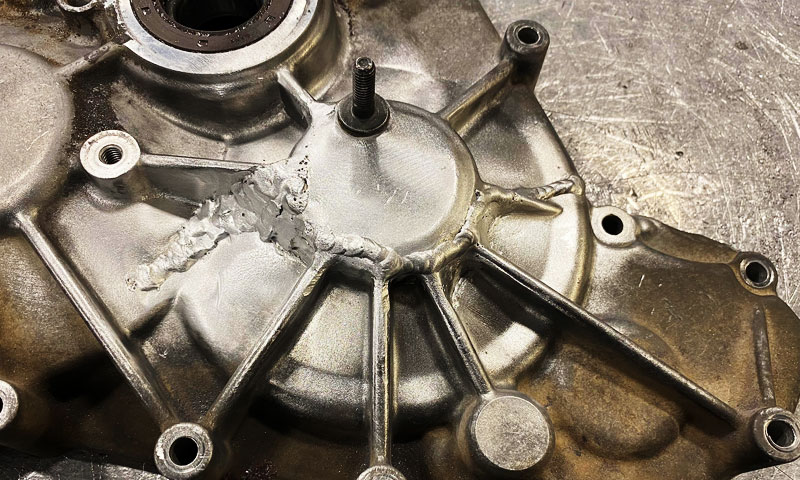
Svets- och reparationsutmaningar för slitna gjutgods
Utslitna gjutgods är ofta svåra att reparera, speciellt när de är gjorda av material med hög hårdhet som HCWI eller keramiska kompositer.
Dessa material är utmanande att svetsa på grund av deras höga hårdhet och låga svetsbarhet, vilket kan leda till dålig vidhäftning och ineffektiva reparationer.
- Lösning: För att ta itu med denna fråga, tillverkare har utvecklat specialiserade svetstekniker och material,
såsom svetsstänger med hög hårdhet och ytbeklädnadsmetoder, att reparera slitna gjutgods mer effektivt.
I vissa fall, slitstarka beläggningar som hårdbeläggning och termisk sprutning kan användas för att återställa komponenternas ytintegritet utan att svetsa.
Dessutom, innovativa teknologier som laserbeklädnad och elektronstrålesvetsning erbjuder mer exakta och effektiva sätt att reparera slitna delar.
Optimeringsstrategier
AI-drivna slitsimuleringsverktyg
Att förutsäga slitagemönster för gruvutrustning är avgörande för att optimera underhållsscheman och säkerställa livslängden hos slitstarka gjutgods.
Traditionella metoder för förutsägelse av slitage är ofta tidskrävande och oprecisa, vilket gör det svårt att planera för driftstopp på utrustningen effektivt.
- Lösning: Integreringen av artificiell intelligens (AI) och maskininlärning (Ml) teknologier i slitsimuleringsverktyg revolutionerar förmågan att förutsäga slitagebeteende exakt.
Dessa avancerade verktyg använder realtidsdata från sensorer inbäddade i gruvutrustning för att simulera slitage under olika driftsförhållanden,
möjliggör mer exakta förutsägelser av komponentlivslängd och optimerade underhållsstrategier.
Detta proaktiva tillvägagångssätt för underhåll minskar oväntade haverier och maximerar utrustningens drifttid.
Samarbete mellan OEM och metallurger
Att optimera slitstarka gjutningsprestanda kräver nära samarbete
mellan tillverkare av originalutrustning (OEM -tillverkare) och metallurger för att designa skräddarsydda lösningar skräddarsydda för specifika gruvdrifter.
Gruvmiljöer är olika, med varierande nivåer av nötning, inverkan, och korrosion, och generiska gjutningslösningar ger kanske inte alltid optimal prestanda.
- Lösning: Samarbetspartnerskap mellan OEM, materialvetare, och metallurger är viktiga för att utveckla skräddarsydda lösningar.
Genom att analysera specifika gruvförhållanden och slitagemekanismer, dessa samarbeten möjliggör skapandet av legeringar och gjutkonstruktioner som är optimerade för en viss applikation.
Dessutom, detta samarbete hjälper OEM-företag att få insikter om materiella beteenden under verkliga förhållanden, ger dem möjlighet att kontinuerligt förbättra sin gjutningsteknik.
8. Framväxande trender och innovationer
Avancerade slitstarka material
Nästa generation av slitstarka material lovar ännu mer hållbarhet:
- Nano-strukturerade legeringar: Dessa legeringar förbättrar hårdheten samtidigt som de bibehåller flexibiliteten, vilket gör dem mer effektiva för att hantera både nötning och stötslitage.
- Gradientmaterial: Dessa material har varierande hårdhetsnivåer från ytan till kärnan, så att de kan hantera extrem stress mer effektivt.
Digitalisering inom slitageövervakning
Användningen av IoT-aktiverade sensorer integrerade i gruvutrustning möjliggör spårning av slitage i realtid, ger värdefulla insikter för prediktivt underhåll.
Detta minskar stilleståndstiden genom att identifiera problem innan de orsakar utrustningsfel.
Additiv tillverkning av slitdelar
- 3D-tryckta formar: Additiv tillverkning möjliggör snabb prototypframställning och anpassning av slitdelar, vilket är särskilt värdefullt för komponenter med låg volym eller högt specialiserade.
9. Slutsats
Slitstarka gjutgods är oumbärliga för att minska stilleståndstiden, underhållskostnader, och öka den totala produktiviteten i gruvdrift.
Med pågående framsteg inom materialvetenskap, tillverkningstekniker, och prediktivt underhåll, framtiden för slitstarka gjutgods ser lovande ut.
Gruvföretag som använder de senaste innovationerna inom slitstarka material och produktionstekniker kommer att vara väl positionerade för att ligga i framkant i en mycket konkurrenskraftig och krävande bransch.
Om du letar efter slitstarka gjutgods av hög kvalitet, vald DETTA är det perfekta beslutet för dina tillverkningsbehov.