1. Pengenalan
Keluli alat D2 telah lama diiktiraf untuk rintangan haus yang luar biasa dan kestabilan dimensi, menjadikannya ruji dalam aplikasi kerja sejuk.
Berasal daripada kemajuan awal abad ke-20 dalam teknologi pengaloian, D2 ialah karbon tinggi, keluli kromium tinggi yang menetapkan penanda aras untuk alatan yang beroperasi dalam keadaan haus yang teruk.
Artikel ini menyelidiki sifat, pemprosesan, dan aplikasi keluli alat D2, menjawab soalan utama tentang kesesuaiannya untuk pelbagai industri.
Dengan meneroka komposisi kimianya, sifat fizikal dan mekanikal, protokol rawatan haba, dan cabaran pemesinan,
Kami berhasrat untuk memberikan pemahaman yang menyeluruh tentang sebab D2 kekal sebagai pilihan pilihan untuk menuntut keperluan perkakas.
2. Komposisi kimia
D2 alat keluli berhutang rintangan haus yang luar biasa dan kestabilan dimensi kepada kimia aloi yang direka dengan teliti.
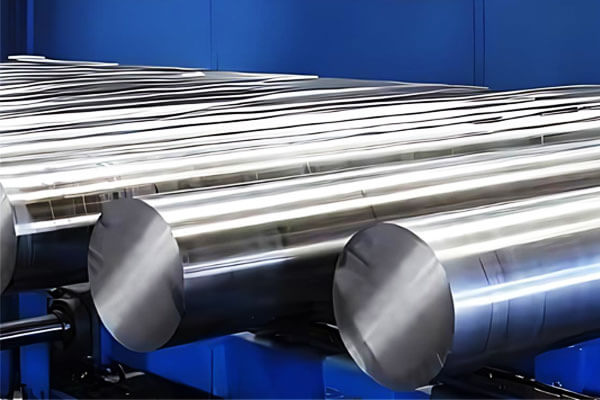
Dengan menggabungkan kandungan karbon tinggi dengan penambahan strategik kromium, Molybdenum, dan Vanadium, ahli metalurgi mencipta matriks yang kaya dengan karbida keras yang menahan lelasan dan mengekalkan kelebihan pemotongan di bawah beban berat.
Elemen Penggabungan Utama dan Peranannya
| Elemen | Kandungan biasa (%) | Peranan Metalurgi |
|---|---|---|
| Karbon (C) | 1.40 - 1.60 | Membentuk simentit dan karbida kromium kompleks; secara langsung berkorelasi dengan kekerasan dan rintangan haus |
| Chromium (Cr) | 11.00 - 13.00 | Menggalakkan pembentukan karbida M₇C₃ dan M₂₃C₆ yang keras; menambah rintangan kakisan; Meningkatkan Hardenability |
| Molybdenum (Mo) | 0.70 - 1.40 | Menapis karbida terdahulu; meningkatkan keliatan dan kekerasan merah; melambatkan pertumbuhan bijirin semasa austenitizing |
| Vanadium (V) | 0.30 - 1.10 | Mencipta karbida jenis MC yang sangat keras yang meningkatkan pengekalan tepi dan menahan keretakan mikro |
| Mangan (Mn) | ≤ 1.00 | Bertindak sebagai deoxidizer; membantu dalam kebolehkerasan tetapi boleh mengurangkan keliatan jika ditambah secara berlebihan |
| Silikon (Dan) | ≤ 1.00 | Deoxidizer; menyumbang secara sederhana kepada kekuatan dan menyumbang kepada morfologi karbida |
Ciri-ciri Fasa Karbida
Rintangan haus D2 berpunca daripada a sistem dwi-karbida:
Karbida Kaya Kromium (M₇c₃, M₂₃c₆)
- Karbida kromium ini kelihatan sebagai mendakan berhalangan atau bersudut dalam matriks martensit terbaja.
- Mereka kira kira-kira 30-40% struktur mikro mengikut isipadu, memberikan rintangan pukal terhadap haus kasar.
MC Karbida Kaya dengan Vanadium
- Zarah MC skala nano (kaya dengan vanadium dan karbon) agihkan secara seragam ke seluruh keluli.
- Malah a 5-10% pecahan isipadu karbida MC secara mendadak meningkatkan pengekalan tepi dengan menghalang permulaan retak.
3. Jenama dan Piawaian Setara
Keluli alat D2 sejajar dengan beberapa spesifikasi antarabangsa. Di bawah ialah persamaan utama sehingga penamaan ASTM:
| Standard/Jenama | Penetapan | Setara | Wilayah |
|---|---|---|---|
| AISI/SAE | D2 (AS T30402) | - | Amerika Syarikat |
| Dari | 1.2379 | D-2 | Jerman/Eropah |
| Dia | SKD11 | D-2 | Jepun/Asia |
| BS | BS 1407M40 | D-2 | UK |
| Afnor | X210Cr12 | D-2 | Perancis |
| ASTM | A681 | D-2 | Antarabangsa |
4. Sifat mekanikal
Keluli alat D2 mengimbangi kekerasan melampau dengan keliatan yang mencukupi, membolehkannya menahan haus yang tinggi sambil menentang kegagalan rapuh.

Jadual di bawah meringkaskan metrik mekanikal utamanya dalam keadaan dipadamkan dan dibakar (biasanya 60 HRC), diikuti dengan perbincangan ringkas tentang implikasinya.
| Harta | Nilai tipikal | Unit | Nota |
|---|---|---|---|
| Kekuatan tegangan (σₜ) | 2 000 - 2 200 | MPA | Kekuatan muktamad yang tinggi menyokong beban berat dalam operasi kerja sejuk. |
| Kekuatan hasil (σᵧ 0.2%) | 1 850 - 2 000 | MPA | Ubah bentuk plastik minimum di bawah daya mampatan tinggi mengekalkan ketepatan dimensi. |
| Kekerasan Rockwell C | 58 - 62 | HRC | Kekerasan permukaan yang luar biasa memastikan rintangan lelasan yang unggul. |
| Kekerasan Brinell (Hbw) | 700 - 750 | Hbw | Sepadan dengan HRC untuk rujukan silang dalam piawaian antarabangsa. |
| Impak Charpy V-Notch | 10 - 15 | Joules | Penyerapan tenaga yang mencukupi menghalang keretakan bencana dalam aplikasi ricih dan pemangkasan. |
| Pemanjangan pada rehat | 2 - 3 | % | Kemuluran terhad; reka bentuk mesti mengambil kira kapasiti ubah bentuk yang rendah dalam bahagian yang mengeras. |
| Modulus Keliatan | 20 - 25 | MJ/m³ | Kawasan di bawah lengkung tegasan-terikan mengukur penyerapan tenaga keseluruhan sebelum patah. |
5. Sifat fizikal
Di luar prestasi mekanikalnya, Keluli alat D2 mempamerkan satu set ciri fizikal yang mempengaruhi aliran haba, kestabilan dimensi, dan tingkah laku elektromagnet dalam perkhidmatan.
Di bawah ialah ringkasan sifat fizikal utamanya dalam pengerasan (60 HRC) keadaan:
| Harta | Nilai tipikal | Unit | Nota & Implikasi |
|---|---|---|---|
| Ketumpatan | 7.75 g/cm³ | Lebih berat daripada air, menjejaskan jisim mati dan pengendalian. | |
| Modulus Young (Modulus elastik) | 205 GPA | Kekakuan yang tinggi memastikan pesongan keanjalan yang minimum di bawah beban. | |
| Nisbah Poisson | 0.28 | Menunjukkan penguncupan sisi yang sederhana apabila diregangkan. | |
| Kekonduksian terma | 20 W/m · k | Kekonduksian terma yang agak rendah membantu pengekalan haba pada muka perkakas. | |
| Kapasiti haba tertentu | 460 J/kg · k | Tenaga yang diperlukan untuk menaikkan suhu, relevan untuk reka bentuk pembajaan dan pelindapkejutan. | |
| Pekali pengembangan haba | 11.5 μm/m · k | Kesan pengembangan terma adalah sederhana, memudahkan kelegaan die yang ketat sepanjang kitaran suhu. | |
| Resistiviti elektrik | 0.70 μΩ · m | Kerintangan yang lebih tinggi daripada keluli aloi rendah, mempengaruhi parameter EDM dan tingkah laku pemanasan elektrik. | |
| Kebolehtelapan magnet (Relatif μᵣ) | 1.002 | Hampir sama dengan ruang kosong; mengesahkan bukan magnet D-2 (Diamagnetic) watak dalam kebanyakan aplikasi. | |
| Kekerasan Rockwell C (Tipikal, dipadamkan / marah) | 60 HRC | Walaupun sifat mekanikal, kekerasan mempengaruhi sentuhan permukaan, geseran, dan penjanaan haba yang digunakan. |
6. Rawatan haba & Pemprosesan
Mengoptimumkan prestasi keluli alat D2 bergantung pada rawatan haba yang tepat dan pemprosesan yang teliti.
Dengan mengawal penyepuhlindapan, austenitizing, pelindapkejutan, pembiakan, dan langkah kriogenik pilihan,
pengilang menyesuaikan kekerasan keluli, ketangguhan, dan kestabilan dimensi untuk menuntut tugasan yang bekerja dengan sejuk.

Penyepuh dan melegakan tekanan
Tujuan: Lembutkan D2 untuk pemesinan, melegakan tekanan sisa, dan sfera karbida.
- Prosedur: Panaskan perlahan-lahan ke 800-820 ° C., tahan untuk 2-4 jam, kemudian sejukkan dalam relau di 20 ° C/jam ke 650 ° C., diikuti dengan penyejukan udara.
- Hasil: Mencapai ~240 HBW, dengan karbida bersfera seragam yang meminimumkan haus alatan pada bahagian tepi pemotong dan mengelakkan kerepek.
Sebelum sebarang kitaran pengerasan, gunakan a melegakan pra-tekanan pada 650 ° C. untuk 1 jam untuk menghilangkan tegasan akibat pemesinan.
Pengerasan (Austenitizing dan Quenching)
Objektif: Berubah kepada martensit dan larutkan karbida yang mencukupi untuk rintangan haus maksimum.
Austenitizing:
- Suhu: 1 020-1 040 ° C.
- Masa rendam: 15-30 minit (bergantung pada ketebalan seksyen)
- Atmosfera: Relau suasana terkawal atau mandi garam untuk mengelakkan penyahkarburan dan pengoksidaan.
Pelindapkejutan:
- Media: Minyak suam (50-70 ° C.) atau udara untuk herotan yang minimum; pemadam air garam (400–500 °C) untuk penyejukan yang lebih cepat dan mengurangkan tekanan.
- Kawalan penyelewengan: Gunakan lekapan atau teknik pelindapkejutan yang terganggu, terutamanya untuk geometri yang kompleks.
Hasilnya: Hasil ~62 HRC maksimum dan matriks martensit dengan halus, karbida tersebar.
Kitaran Pembajaan
Matlamat: Seimbangkan kekerasan dan keliatan, mengurangkan kerapuhan, dan melegakan tekanan.
- Pembasmian suhu rendah (150-200 ° C.):
-
- Hasil: Kekerasan kekal 60-62 HRC, dengan ketangguhan yang sederhana. Sesuai untuk aplikasi yang menuntut rintangan haus yang melampau dan pengekalan tepi.
- Pembiakan suhu sederhana (500–550 °C):
-
- Hasil: Kekerasan menurun kepada 55-58 HRC manakala keliatan meningkat sebanyak 20-30%. Terbaik untuk alatan yang terdedah kepada hentakan atau kejutan sederhana.
- Prosedur: Melakukan dua berturut-turut kitaran pembajaan, memegang 2 jam masing -masing, diikuti dengan penyejukan udara.
Rawatan kriogenik
Tujuan: Menukar austenit tertahan kepada martensit dan menapis taburan karbida.
- Proses: Selepas pelindapkejutan, sejuk ke -80 ° C. (ais kering/etanol) untuk 2 jam, kemudian kembali ke suhu bilik.
- Manfaat: Meningkatkan kekerasan dengan 2–3 HRC dan sedikit meningkatkan rintangan haus tanpa kehilangan keliatan yang ketara.
Melegakan Tekanan Akhir dan Meluruskan
Mengikuti pembajaan (dan rawatan kriogenik, jika digunakan), menjalankan a pelepasan tekanan akhir pada 150-200 ° C. untuk 1 jam. Langkah ini menstabilkan dimensi dan meminimumkan risiko meledingkan semasa perkhidmatan.
7. Kebolehkerjaan & Fabrikasi
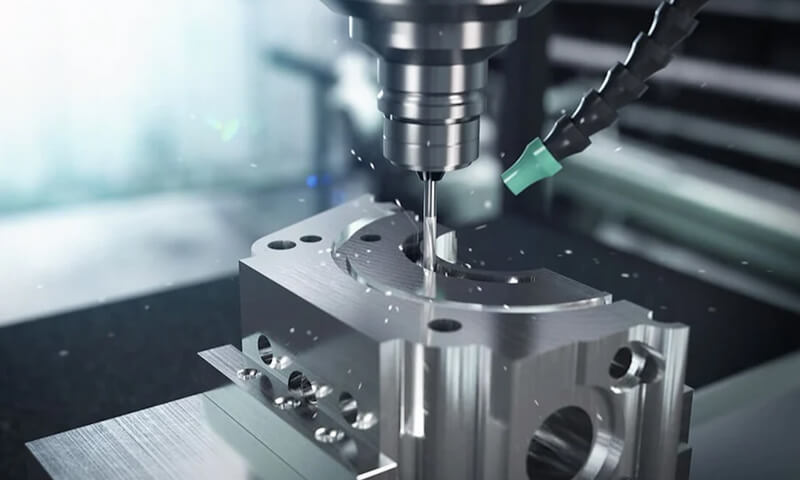
Kandungan karbida tinggi keluli alat D2 dan struktur mikro pra-keras menimbulkan cabaran unik semasa pemesinan dan fabrikasi.
Dengan memilih alatan yang sesuai, mengoptimumkan parameter pemotongan, dan mengikuti amalan kimpalan dan kemasan khusus,
pengilang boleh menghasilkan dengan tepat, bahagian berkualiti tinggi sambil mengekalkan sifat tahan haus D2.

Pemesinan dikeraskan D2
Walaupun disepuh D2 (~240 HBW) mesin dengan mudah, banyak aplikasi bermula dengan stok pra-keras (50 ± 2 HRC). Dalam keadaan begini:
- Perkakas:
-
- Sisipan karbida dengan lapisan TiC atau TiCN menahan lelasan daripada kromium keras dan karbida vanadium.
- Boron nitrida padu polihabluran (PCBN) cemerlang untuk pengasaran volum tinggi permukaan yang mengeras.
- Parameter pemotongan:
-
- Kelajuan: 60–90 m/min untuk karbida; 100–150 m/min untuk PCBN.
- suapan: 0.05–0.15 mm/rev untuk mengimbangi hayat alat dan kemasan permukaan.
- Kedalaman pemotongan: 0.5-2 mm; hantaran cetek mengurangkan daya pemotongan dan penjanaan haba.
- Penyejuk: Penyejuk banjir atau penghantaran melalui alat meminimumkan tepi terbina dan terus memotong zon di bawah 200 ° C., menghalang penarikan karbida.
secara peralihan, menerima pakai cadangan ini meningkatkan integriti permukaan dan ketepatan dimensi, kritikal untuk alatan toleransi ketat.
Kimpalan dan Pembaikan
Kimpalan D2 memerlukan kawalan berhati-hati untuk mengelakkan keretakan dan mengekalkan matriks martensit:
- Pra-panas: Bawa bahagian ke 200-300 ° C. untuk mengurangkan kecerunan haba.
- Suhu interpass: Kekalkan 200-250 ° C. antara pas untuk mengurangkan tekanan sisa.
- Logam Pengisi: Gunakan aloi rendah, rod kekerasan tinggi (Mis., AWS A5.28 ER410NiMo) serasi dengan kimia D2.
- Rawatan haba pasca kimpalan: Menghilangkan tekanan di 500 ° C. untuk 2 jam, kemudian perangai mengikut Seksyen 5 untuk memulihkan keliatan dan kekerasan.
Langkah-langkah ini meminimumkan keretakan akibat hidrogen dan memastikan zon kimpalan sepadan dengan prestasi logam asas.
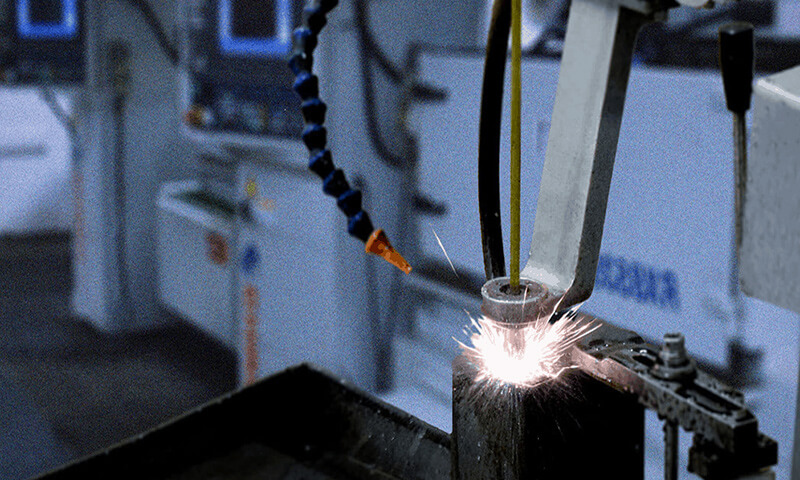
Pengisaran dan Pemesinan Nyahcas Elektrik (EDM)
Untuk geometri yang rumit dan kemasan halus, kaedah bukan konvensional cemerlang:
- Pengisaran:
-
- Pemilihan Roda: Gunakan roda aluminium-oksida atau boron nitrida padu (46A60H–54A80H) dengan ikatan lembut untuk mengelakkan kaca.
- Parameter: Suapan ringan (0.01–0.05 mm) dan kelajuan roda yang tinggi (30 m/s) hasil Ra ≤ 0.4 μm.
- EDM:
-
- Die Sinking atau Wire EDM mewujudkan rongga kompleks tanpa mendorong tekanan mekanikal.
- Cecair dielektrik: Minyak hidrokarbon dengan pembilasan terkawal menghalang pemendapan semula karbida.
- Kadar Pemesinan: Biasanya 0.1–0.5 mm³/min, bergantung pada geometri elektrod dan tetapan kuasa.
Menggabungkan EDM dan pengisaran ketepatan membolehkan komponen D2 mencapai bentuk hampir bersih dan kemasan cermin sambil mengekalkan kekerasan penuh keluli alat.
Kemasan dan Salutan Permukaan
Untuk memanjangkan lagi hayat alat, pertimbangkan pilihan penamat ini:
- Menggilap: Pengilat akhir kepada Ra ≤ 0.2 µm mengurangkan geseran dan lekatan serpihan.
- Salutan PVD: Titanium nitride (Timah) atau aluminium titanium nitrida (Emas) lapisan menambah keras, permukaan geseran rendah, meningkatkan hayat haus sehingga 50%.
- Nitriding: Nitriding gas suhu rendah (500 ° C.) meresap nitrogen untuk membentuk bekas yang mengeras, meningkatkan kekerasan permukaan kepada HRC 70+ tanpa memesongkan dimensi teras.
8. Aplikasi Utama Keluli Alat Kerja Sejuk D2
Imbangan rintangan haus dan sut keliatan D2:
- Kerja dingin mati: Kosong, membentuk, dan operasi pemangkasan melebihi 1 juta kitaran.
- Memotong bilah: Pisau ricih berkelajuan tinggi mengekalkan tepi tajam di bawah buburan yang melelas.
- Set tebuk dan mati: Prestasi yang boleh dipercayai dalam komponen setem untuk industri automotif dan perkakas.
- Pakai bahagian: Rollers, pin ejektor, dan sesendal dalam persekitaran lelasan tinggi.
- Sisipan alatan berbantukan aditif: Sisipan acuan hibrid menggabungkan D2 dengan saluran penyejukan konformal.
9. Perbandingan Prestasi: D2 lwn. Keluli Alat Lain
Keluli alat kerja sejuk D2 diiktiraf secara meluas untuk rintangan haus yang luar biasa dan keliatan sederhana.
Walau bagaimanapun, dalam memilih keluli alat untuk aplikasi pembuatan, adalah penting untuk membandingkan D2 dengan keluli alat popular lain untuk menilai pertukaran dalam prestasi, ketahanan, dan kos.
Bahagian ini menyediakan perbandingan terperinci D2 dengan A-2, M-2, dan S-7, disokong oleh data dan cerapan kes dunia sebenar.
Jadual Perbandingan Keluli Alat
| Harta / Jenis Keluli | D-2 | A-2 | M-2 | S-7 |
|---|---|---|---|---|
| Kekuatan Utama | Pakai rintangan | Ketangguhan & kestabilan dimensi | Kekerasan merah & prestasi pemotongan | Rintangan kesan |
| Kekerasan (HRC) | 55–62 | 57–62 | 62–66 | 54–58 |
| Pakai rintangan | ★★★★ ☆ | ★★★ ☆☆ | ★★★★★ | ★★ ☆☆☆ |
| Ketangguhan | ★★ ☆☆☆ | ★★★★ ☆ | ★★ ☆☆☆ | ★★★★★ |
| Kebolehkerjaan | ★★ ☆☆☆ | ★★★★ ☆ | ★☆☆☆☆ | ★★★ ☆☆ |
| Kekerasan Merah | ★★ ☆☆☆ | ★★ ☆☆☆ | ★★★★★ | ★★ ☆☆☆ |
| Kestabilan Rawatan Haba | ★★★ ☆☆ | ★★★★ ☆ | ★★ ☆☆☆ | ★★★ ☆☆ |
| Aplikasi terbaik | Kosong, pemangkasan, pukulan | Membentuk mati, blok perkakas | Pemotong berkelajuan tinggi, latihan | Pahat, suntikan mati, Hammers |
| Tahap kos | Medium | Medium | Tinggi | Medium |
10. Kesimpulan
Keluli alat kerja sejuk D2 menonjol kerana gabungan rintangan haus yang tiada tandingannya, kestabilan dimensi, dan kestabilan terma.
Fleksibilitinya merentasi pelbagai aplikasi—daripada kerja sejuk tradisional kepada teknik pembuatan aditif yang baru muncul—menjadikannya bahan yang amat diperlukan dalam pembuatan moden.
Memahami nuansa komposisi kimia D2, sifat mekanikal, dan teknik pemprosesan memperkasakan
jurutera dan pereka bentuk untuk memanfaatkan potensi penuhnya, memastikan prestasi optimum dan kecekapan dalam projek mereka.