1. Įvadas
Terminis apdorojimas yra vienas iš svarbiausių apdailos etapų investuojant liejant, nes liejimo būklė retai atspindi galutinę mechaninę būseną, kurios reikia sukonstruotai daliai..
Plačiąja metalurgine prasme, terminis apdorojimas reiškia kontroliuojamas šildymo ir vėsinimo operacijas, naudojamas mechaninėms savybėms pakeisti, metalurginė struktūra, arba liekamojo streso būsena;
aliuminio lydiniuose, pavyzdžiui, jis dažnai naudojamas specialiai termiškai apdorojamų lietinių lydinių stiprumui ir kietumui padidinti.
Investicinės dalys gali būti beveik neto formos, bet po sukietėjimo jiems vis tiek dažnai reikia savybių derinimo.
Svarbiausia, kad investicinis liejimas sukuria geometriją, o terminis apdorojimas padeda sukurti efektyvumą.
Dėl šio darbo pasidalijimo procesas yra toks galingas didelės vertės gamyboje, ypač kai matmenų tikslumas, metalurginis patikimumas, ir tarnavimo laikas yra svarbūs vienu metu.
2. Ką reiškia terminis apdorojimas investuojant į liejimą
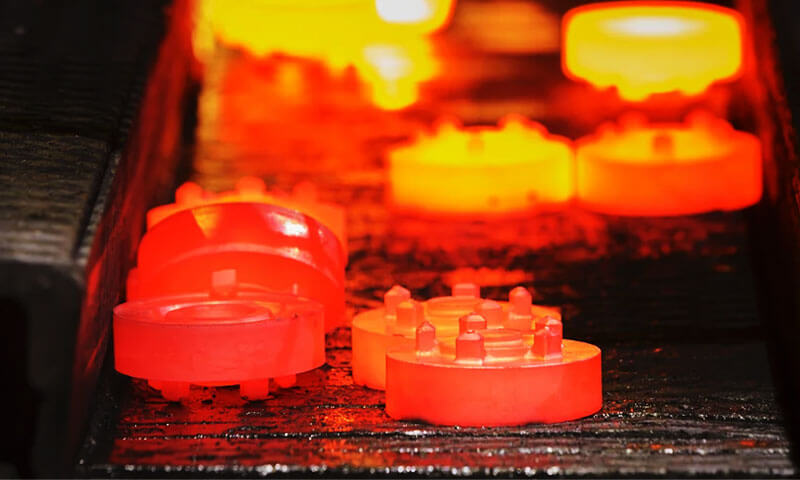
Terminis apdorojimas in Investicijų liejimas reiškia kontroliuojamą terminių ciklų taikymą lietam komponentui po sukietėjimo, siekiant sąmoningai pakeisti jo vidinę struktūrą ir savybes..
Priklausomai nuo lydinio sistemos ir galutinio panaudojimo, tai gali apimti streso mažinimą, gydymas tirpalu, senėjimas, atkaitinimas, normalizuojantis, gesinimas, grūdinimas, homogenizuojantis, arba šių žingsnių deriniai.
Skirtingai nuo paprasto pakartotinio pašildymo, terminis apdorojimas yra tiksli metalurginė operacija.
Temperatūros profilis, mirkymo laikas, šildymo greitis, aušinimo būdas, krosnies atmosfera, ir apkrovos išdėstymas turi įtakos galutiniam rezultatui.
Lietinis komponentas gali atrodyti identiškai prieš ir po apdorojimo, tačiau demonstruoja dramatiškai skirtingą mechaninį elgesį, atsparumas korozijai, ir matmenų stabilumas.
Investicijų atrankoje, terminio apdorojimo poreikis dažnai yra ypač didelis, nes liejamos mikrostruktūros gali būti stambios, atskirti, arba termiškai įtemptas.
Tikslas yra padaryti vidinę struktūrą vienodesnę, stabilesnis, ir labiau tinka numatytai eksploatavimo sąlygai.
3. Pagrindiniai lydinių šeimos terminio apdorojimo būdai
Terminis apdorojimas yra viena iš svarbiausių po liejimo operacijų investicinio liejimo procese.
Liejinys jau gali būti geometriškai tikslus po sukietėjimo, tačiau jis dar nėra visiškai sukurtas, kol jo mikrostruktūra nebuvo pakoreguota, kad būtų užtikrintas reikiamas stiprumo derinys, kietumas, ausmingumas, Tvirtumas, atsparumas korozijai, ir matmenų stabilumas.
Tikslus terminio apdorojimo būdas visų pirma priklauso nuo lydinio šeima, nes kiekviena metalurginė sistema skirtingai reaguoja į šiluminį ciklą.

Plieno investicinių liejinių terminis apdorojimas
Plieniniai liejiniai apima daugybę lydinių, įskaitant angliniai plienai, legiruotų plienų, nerūdijantis plienas, Įrankių plienai, ir kritulių kietėjimo klasės.
Skirtingai nuo aliuminio liejinių, kurie visų pirma priklauso nuo kritulių stiprinimo, plieno liejiniams gali prireikti kelių skirtingų šiluminių maršrutų, priklausomai nuo lydinio sistemos ir galutinių aptarnavimo reikalavimų.
Praktiškai, terminis apdorojimas nėra pasirenkamas plieno liejinių apdailos etapas;
dažnai nuo stadijos priklauso, ar liejinys tampa minkštas ir tinkamas apdirbti, kietas ir atsparus dilimui, kietas ir atsparus smūgiams, arba matmenų stabilus ir atsparus korozijai.
Toliau aprašyti dažniausiai naudojami plieno liejinių terminio apdorojimo būdai.
Homogenizacija
Homogenizavimas yra aukštoje temperatūroje naudojamas apdorojimas, skirtas sumažinti cheminė segregacija ir kompozicijos kitimas, susidarantis kietėjimo metu.
Kadangi plieno liejiniai atvėsta iš išlydytos būsenos esant stipriam šiluminiam gradientui, legiravimo elementai gali lokaliai susikoncentruoti tam tikrose mikrostruktūros srityse.
Homogenizacija tai pašalinama kaitinant liejinį iki artimos temperatūros, bet žemiau, solidus ir išlaikant jį pakankamai ilgai, kad kietojo kūno difuzija tolygiau perskirstytų legiravimo elementus.
Praktinė homogenizacijos vertė yra ta, kad ji sukuria vienodesnę metalurgijos pradinę būklę.
Homogenizuotas liejinys nuosekliau reaguoja į vėlesnes terminio apdorojimo operacijas, tokias kaip apdorojimas tirpalu, grūdinimas, arba senėjimas.
Tai taip pat sumažina riziką, kad dėl vietinių cheminių pokyčių visos detalės mechaninis veikimas bus netolygus.
Tirpalo terminis apdorojimas
Dažniausiai taikomas tirpalo terminis apdorojimas austenitiniai nerūdijantys plienai, nuo kritulių kietėjantis nerūdijantis plienas, ir tam tikros specializuotos lydinių sistemos.
Tikslas yra ištirpinti nepageidaujamas nuosėdas ir antrosios fazės daleles, susidariusias liejant ir aušinant, sukuriant homogeniškesnę vienfazę struktūrą.
Šiame procese, liejinys pašildomas iki tirpimo temperatūros, kur legiravimo elementai tampa visiškai tirpūs bazinėje matricoje.
Po pakankamo laikymo laiko, dalis greitai gesinama, kad ištirptų elementai sulaikytų persotintame kietame tirpale.
Šis greitas aušinimas yra būtinas, nes lėtas aušinimas leistų ištirpusiems elementams pakartotinai nusodinti ir susilpnintų numatomą gydymo poveikį.
Tirpalo terminis apdorojimas yra ypač svarbus, kai galutinės lydinio savybės priklauso nuo kontroliuojamos mikrostruktūros, o ne nuo liejimo būsenos..
Senėjimas
Senėjimas, Taip pat žinomas kaip kritulių grūdinimas arba Amžius sukietėjimas, naudojamas po apdorojimo tirpalu kietėjančiame nerūdijančiame pliene ir susijusiuose lydiniuose.
Jo tikslas yra sukurti didelį stiprumą ir kietumą formuojant smulkią, lydinio matricos viduje tolygiai paskirstytos antrosios fazės dalelės.
Senėjimo metu, liejinys vėl pašildomas iki temperatūros, žymiai žemesnės už apdorojimo tirpalu temperatūrą ir palaikomas kontroliuojamą laikotarpį.
Šiame etape, persotintieji legiravimo elementai nusėda kaip labai smulkios dalelės.
Šios dalelės trukdo dislokacijos judėjimui, kuri yra pagrindinė stiprumo ir kietumo padidėjimo priežastis.
Senėjimas yra labai efektyvus būdas korozijai atsparų, bet mechaniškai vidutinio stiprumo liejinį paversti didelio stiprumo inžineriniu komponentu.
Pusiausvyra tarp temperatūros, laiko, ir nuosėdų dydis yra labai svarbus: nepakankamas senėjimas nepakankamai išvysto jėgos, o per didelis senėjimas gali sumažinti didžiausią kietumą ir pakeisti numatomą savybių profilį.
Normalizavimas
Normalizavimas yra plačiai naudojamas anglinio plieno ir mažai legiruoto plieno investiciniai liejiniai.
Jis skirtas patobulinti liejamų grūdelių struktūrą, sumažinti liekamąjį įtampą, ir pagerinti mechanines savybes bei apdirbamumą.
Normalizuojančiame cikle, Liejinys kaitinamas virš viršutinės kritinės temperatūros į visiškai austenitinę sritį, o po to atšaldomas oru.
Palyginti su lėtesniu aušinimu, kuris natūraliai atsiranda keraminiame apvalkale arba po iškratymo, aušinimas oru sukuria smulkesnę ir vienodesnę mikrostruktūrą.
Toks tobulinimas paprastai pagerina stiprumą, Tvirtumas, ir matmenų stabilumas.
Normalizavimas dažnai naudojamas kaip pirmosios pakopos gydymas kelių etapų cikle.
Pavyzdžiui, liejinys gali būti normalizuotas, o po to grūdinamas, arba normalizuojamas, o paskui gesinamas ir grūdinamas, priklausomai nuo norimo savybių balanso.
Grūdinimas
Grūdinimas naudojamas martensitiniai nerūdijantys plienai, angliniai plienai, legiruotų plienų, ir įrankių plienas kai reikalingas didelis kietumas ir didelis stiprumas.
Liejinys kaitinamas iki austenitizacijos temperatūros, kuriame plienas visiškai virsta austenitu, o po to greitai gesinamas aliejuje, vanduo, polimero tirpalas, arba priverstinis oras, priklausomai nuo lydinio tipo ir profilio storio.
Greitas gesinimas paverčia struktūrą martensitu, sunki ir metastabili fazė.
Taip gaunamas labai didelis kietumas, bet taip pat sukelia trapumą ir didelį vidinį įtampą.
Dėl tos priežasties, grūdinimas retai būna paskutinis žingsnis. Paprastai po jo atliekamas grūdinimas, kad liejinį būtų galima naudoti realiai.
Grūdinimas yra būdas, naudojamas esant atsparumui dilimui, krašto išlaikymas, arba didelis statinis stiprumas yra svarbesni už formuojamumą ar plastiškumą.
Grūdinimas
Grūdinimas atliekamas po grūdinimo ir yra būtinas norint, kad grūdintas liejinys būtų tinkamas naudoti.
Grūdinimo tikslas – sumažinti gesintos martensitinės struktūros trapumą, išsaugant kiek įmanoma daugiau stiprumo ir kietumo..
Sukietėjęs liejinys vėl pašildomas iki temperatūros, gerokai žemesnės už apatinę kritinę temperatūrą,
paprastai yra platus diapazonas, priklausomai nuo lydinio ir tikslinių savybių, ir tada palaikomas tam tikrą laikotarpį prieš atvėsinant oru.
Šis procesas pašalina vidinį įtampą, keičia martensitinę struktūrą, ir sukuria galutinį stiprumo derinį, kietumas, ir kietumas, reikalingas naudoti.
Grūdinimas nėra tik korekcijos žingsnis; tai yra galutinio savybių rinkinio dizaino dalis.
Grūdinto plieno liejinys be grūdinimo paprastai yra per trapus praktiniam inžineriniam pritaikymui.
Santraukos lentelė
| Terminio apdorojimo maršrutas | Pagrindinės lydinių šeimos | Pirminis tikslas | Pagrindinis turto rezultatas |
| Homogenizacija | Plieno liejiniai su segregacijos rizika | Sumažinkite cheminius pokyčius | Vienodesnė struktūra |
| Terminis tirpalo apdorojimas | Austenitinis nerūdijantis, nuo kritulių kietėjantis nerūdijantis | Ištirpinkite nuosėdas ir antrąsias fazes | Homogeninė matrica |
| Senėjimas | Nuo kritulių kietėjantis nerūdijantis ir su jais susiję lydiniai | Formą stiprinančios nuosėdos | Didesnis stiprumas ir kietumas |
| Normalizavimas | Anglies plienas, mažai legiruoto plieno | Patikslinkite grūdų struktūrą, sumažinti stresą | Geresnis tvirtumas ir apdirbamumas |
| Grūdinimas | Martensitinis nerūdijantis, Anglies plienas, įrankių plieno | Gesindami suformuokite martensitą | Didelis kietumas ir stiprumas |
| Grūdinimas | Grūdinto plieno liejiniai | Sumažinkite trapumą po gesinimo | Subalansuotas kietumas ir kietumas |
Aliuminio investicinių liejinių terminis apdorojimas
Aliuminio investiciniai liejiniai remiasi kitokiu metalurginiu mechanizmu nei plienas.
Jų atsakas į terminį apdorojimą visų pirma grindžiamas tirpalo stiprinimas ir kritulių grūdinimas, o ne martensitinė transformacija.
Dėl tos priežasties, aliuminio liejiniai dažniausiai gaminami tokiomis sąlygomis kaip T4, T6, T61, ir T51, kurių kiekvienas reiškia skirtingą jėgos balansą, ausmingumas, ir matmenų stabilumas.
T4 – terminis apdorojimas tirpalu
T4 sąlyga sukuriama tirpalu termiškai apdorojant liejinį, kad pagrindiniai legiravimo elementai ištirptų aliuminio matricoje, po to gesinamas vandeniu, kad jie liktų persotintame kietame tirpale.
Ši sąlyga dažnai pasirenkama, kai reikia gero formavimo ir vidutinio stiprumo.
Inžinerinis tikslas:
- Užtikrinkite vidutinį mechaninį veikimą
- Išsaugokite geresnį formavimąsi nei visiškai pasenusios sąlygos
- Sukurkite stabilų atspirties tašką vėlesniam šaltam darbui ar tolesniam senėjimui
T4 dažnai naudojamas, kai liejinys vis dar formuojamas arba kai projektavimo prioritetai nėra orientuoti į maksimalų stiprumą.
T6 – tirpalo terminis apdorojimas ir dirbtinis senėjimas
T6 yra plačiausiai naudojama ir svarbiausia aliuminio liejinių terminio apdorojimo sąlyga.
Jį sudaro terminis tirpalo apdorojimas, Vandens gesinimas, ir tada dirbtinis senėjimas kontroliuojamoje aukštesnėje temperatūroje.
Šis kelias plačiai naudojamas konstrukciniams liejiniams, nes užtikrina stipriausią standartinį mechaninių savybių balansą.
Inžinerinis tikslas:
- Maksimaliai padidinkite jėgą
- Padidinti kietumą
- Pateikite standartinį pramoninio našumo lygį laikantiems liejiniams
Daugeliui aliuminio lydinių, T6 yra atskaitos sąlyga, kai pagrindinis tikslas yra mechaninis veikimas.
T61 – tirpalo terminis apdorojimas ir kontroliuojamas dirbtinis senėjimas
T61 yra modifikuota T6 versija. Paprastai tai yra vyresnio amžiaus liga, o tai reiškia, kad jis paaukoja nedidelį kiekį jėgos mainais į geresnį laidumą ir labiau kontroliuojamą savybių balansą.
Inžinerinis tikslas:
- Šiek tiek sumažinkite T6 stiprumo smailę
- Pagerinti laidumą
- Pateikite skirtingą paslaugų savybių balansą
T61 yra naudingas, kai elektrinės ar šiluminės charakteristikos yra svarbesnės nei absoliutus mechaninis maksimumas.
T51 – streso mažinimas per tiesioginį dirbtinį senėjimą
T51 naudojamas, kai liejinys yra dirbtinai sendinamas tiesiai iš liejimo arba termiškai stabilizuotos būklės, be visos T6 apdorojimo tirpalu ir gesinimo sekos.
Ši sąlyga sukuria mažesnį stiprumą nei T6, tačiau tai suteikia didelį matmenų stabilumo pranašumą.
Inžinerinis tikslas:
- Sumažinkite liekamąjį stresą
- Pagerinkite matmenų nuoseklumą
- Sumažinkite tiksliųjų mazgų iškraipymo riziką
T51 ypač vertingas liejiniams, kur geometrijos stabilumas yra svarbesnis už maksimalų stiprumą.
Nikelio pagrindo superlydinių investiciniai liejiniai
Nikelio pagrindo investiciniai liejiniai užima reiklesnę našumo kategoriją, ypač aviacijos erdvėje, galia, ir kitose aukštos temperatūros aplinkose.
Mikrostruktūros vienodumo apdorojimas tirpalu
Lieto nikelio pagrindo superlydiniuose, tirpalo apdorojimo etapu siekiama sumažinti dendritinį cheminį nehomogeniškumą, paveldėtą kietėjimo metu.
Mikrostruktūra po liejimo paprastai yra chemiškai nevienoda, ir apdorojimas tirpalu padeda perskirstyti legiravimo elementus, kad medžiaga nuosekliau reaguotų eksploatuojant.
Tai yra pagrindinė priežastis, kodėl terminis ciklas gali stipriai paveikti valkšnumą.
Senėjimas jėgos ugdymui
Po tirpalo, senstant vystosi stiprėjanti nuosėdų struktūra.
Superlydiniuose, ryšys tarp terminio apdorojimo ir eksploatacinių savybių yra ypač glaudus dėl atsparumo valkšnumui, stiprumas aukštoje temperatūroje, ir ilgalaikis stabilumas labai priklauso nuo to, kaip vystosi nuosėdų struktūra.
Štai kodėl nikelio pagrindu pagaminti superlydiniai dažnai termiškai apdorojami kontroliuojamoje atmosferoje arba vakuume, priklausomai nuo oksidacijos jautrumo ir kokybės reikalavimų.
Svarbu atmosferos kontrolė
Lietojo nikelio lydinio terminis apdorojimas gali būti atliekamas tokioje atmosferoje kaip egzoterminė, endoterminė, sausas vandenilis, sausas argonas, arba vakuuminis.
Tai svarbu, nes terminio apdorojimo aplinka gali turėti įtakos oksidacijai, paviršiaus būklė, ir tolesnis apdailos elgesys.
Didelės vertės liejimui, atmosferos kontrolė yra kokybės sistemos dalis, ne tik krosnies detalė.
Investiciniai liejiniai kobalto pagrindu
Investiciniai liejiniai kobalto pagrindu užima skirtingą, bet ne mažiau svarbią nišą.
Jie naudojami dilimui atspariuose, atsparus korozijai, ir biomedicinos taikymas, ir jų terminis apdorojimas dažnai yra susijęs su karbido evoliucija, matricos stabilizavimas, ir kietumo kontrolė.
Naujausi investicinio kobalto lydinių tyrimai rodo, kad terminis apdorojimas gali labai pakeisti ir mikrostruktūrą, ir kietumą., įskaitant karbidų morfologijos ir pasiskirstymo keitimą.
Didelio anglies kiekio kobalto pagrindu pagamintiems superlydiniams, terminis poveikis laikui bėgant ir temperatūrai gali paversti tarpdendritinio karbido tinklą į kitas karbido formas,
Tai reiškia, kad terminio apdorojimo grafikas tiesiogiai veikia galutinę stiprumo ir stabilumo pusiausvyrą.
Kitaip tariant, kobalto liejiniai nėra termiškai apdorojami vien tam, kad būtų sumažintas stresas.; jie yra termiškai apdorojami, kad būtų galima valdyti labai specifinę karbidu varomą metalurgiją.
4. Kur terminis apdorojimas tinka investicijų liejimo darbo eigai
Terminis apdorojimas paprastai atliekamas po to, kai liejinys sukietėja, buvo pašalintas iš apvalkalo, ir buvo išvalytas nuo užtvarų ir likusių investicinių medžiagų.
Daugelyje darbo eigų, ištiesinimas arba grubus apdirbimas gali įvykti prieš arba po terminio apdorojimo, priklausomai nuo jautrumo iškraipymui ir lydinio elgsenos.
Tiksli seka yra proceso sprendimas, nėra universali taisyklė, nes kiekvienas lydinys skirtingai reaguoja į terminį poveikį ir mechaninį valdymą.
Praktiškas būdas galvoti apie srautą yra toks:
- Rašto ir apvalkalo kūrimas
- Pilimas ir kietėjimas
- Nokautas / lukšto pašalinimas
- Valymas ir vartų pašalinimas
- Terminis apdorojimas
- Tiesinimas, apdirbimas, arba galutinė apdaila
- Patikra ir sertifikavimas
Seka parenkama taip, kad būtų išvengta įtampų, nuslopinti nereikalingus iškraipymus, ir išsaugoti matmenų pranašumus, dėl kurių investicinis liejimas visų pirma buvo patrauklus.
5. Pagrindiniai proceso kintamieji, kurie kontroliuoja rezultatus
Temperatūra
Temperatūra lemia, ar gydymas tik sumažina stresą, ar iš esmės pakeičia fazės struktūrą ir kritulių elgesį.
Skirtas nuo kritulių kietiems lydiniams, temperatūros langas yra kritinis: per žemas, o transformacija nebaigta; per aukštai, ir dalis gali prarasti numatytą mikrostruktūrą arba pradėti tirpti pažeidžiamose vietose.
Laikas
Laikymo laikas kontroliuoja, kiek vyksta difuzijos sąlygoti pokyčiai.
Nikelio pagrindo superlydiniuose, tirpalo gydymo grafikas gali būti ilgas ir brangus, bet jis reikalingas norint ištirpinti nepageidaujamas paveldėtas fazes ir homogenizuoti liejimo struktūrą.
Atmosfera
Krosnies atmosfera yra svarbi, nes oksidacija ir užteršimas gali pabloginti paviršiaus kokybę ir apsunkinti apdailą pasroviui.
Lietojo nikelio lydinio terminis apdorojimas gali būti atliekamas tokioje atmosferoje kaip egzoterminė, endoterminė, sausas vandenilis, sausas argonas, arba vakuuminis, priklausomai nuo lydinio ir kokybės reikalavimų.
Numalšinimo sunkumas
Gesinimas yra ne tik vėsinimas; tai struktūrinis „užšaldymo“ žingsnis.
Aušinimo greitis nustato, ar aukštoje temperatūroje tirpalo būsena išlaikoma pakankamai ilgai, kad vėliau senėjimas veiktų kaip numatyta.
Jei gesinimas per lėtas, lydinys gali prarasti dalį ką tik sukurto stiprinimo potencialo.
Tvirtinimo ir detalių geometrija
Dideli arba plonasieniai liejiniai yra ypač jautrūs iškraipymui kaitinant ir gesinant.
Šiluminių gradientų ir liekamojo įtempio derinys gali sukelti deformaciją, sukti, arba matmenų poslinkis, todėl tvirtinimas ir apkrovų išdėstymas yra terminio apdorojimo konstrukcijos dalis.
6. Nauda, Kompromisai, ir bendros rizikos
Terminio apdorojimo nauda akivaizdi: stipresnės mechaninės savybės, geresnis matmenų stabilumas po įtampos pašalinimo, pagerintas mikrostruktūros vienodumas, ir lydiniams būdingų eksploatacinių savybių padidėjimo, pvz., atsparumo valkšnumui ar atsparumo dilimui.
Aukštos temperatūros nikelio pagrindo liejiniams, vertė gali būti lemiama; aliuminio liejiniams, jis dažnai apibrėžia detalės galutinę naudojimo klasę.
Kompromisai yra vienodai realūs. Terminis apdorojimas padidina išlaidas, laiko, energijos naudojimas, ir proceso sudėtingumą.
Tai taip pat sukelia riziką: iškraipymas, gesinti įtrūkimus, oksidų susidarymas, per didelis senėjimas, nepilnametis senėjimas, arba savybių sklaida, jei temperatūros vienodumas yra blogas.
Štai kodėl terminis ciklas turi būti traktuojamas kaip kontroliuojamas gamybos procesas, o ne kaip įprasta krosnies operacija.
Kitaip tariant, terminis apdorojimas vertingas, nes pagerina detalę, bet čia taip pat gali būti pažeistas geras atliejimas, jei nesilaikoma proceso lango.
7. Ateities tendencijos
Terminio apdorojimo ateitis investicinio liejimo srityje juda link griežtesnės proceso kontrolės, trumpesni ciklai, geresnis modeliavimas, ir energiją taupančiam krosnies darbui.
Didelės vertės liejiniams, ypač superlydiniai, yra stipri motyvacija sutrumpinti brangių ilgo ciklo tirpalų gydymą, neprarandant mikrostruktūrinės kokybės.
Literatūra apie vienkristalinius ir kryptingai sukietėjusius superlydinius rodo, kad tirpalo ciklai gali būti ilgi ir brangūs, Tai aiškiai skatina optimizuoti terminio apdorojimo dizainą.
Kita kryptis – stipresnė liejimo modeliavimo ir terminio apdorojimo integracija.
Jei kietėjimo istorija yra geriau prognozuojama, terminio apdorojimo grafiką galima pasirinkti protingiau, sumažinti bandymų ir klaidų metodą ir sumažinti liekamojo įtempio ar iškraipymo riziką.
Tai natūralus kitas žingsnis siekiant didelio patikimumo investicijų liejimo.
8. Išvada
Terminis apdorojimas nėra antrinė investicijų liejimo operacija; tai vienas iš procesų, nulemiančių, ar liejimas tampa didelio našumo dalimi.
Aliuminio sistemose tai leidžia sustiprinti kritulius, nikelio pagrindo superlydiniuose pašalina kietėjimo paveldėjimą ir palaiko atsparumą šliaužimui, kobalto lydiniuose jis pagerina mikrostruktūrą, o plieno liejiniuose jis nustato galutinį turto balansą.
Bendra tema yra ta, kad investicinis liejimas suteikia detalei formą, tačiau terminis apdorojimas suteikia jai naudingą inžinerinį elgesį.
Kai šiluminis ciklas suprojektuotas gerai, rezultatas yra liejinys, kuris yra ne tik beveik tinklinės formos, bet ir paruoštas aptarnavimui.
Kai jis suprojektuotas blogai, dalis gali prarasti tuos privalumus, kuriuos turėjo suteikti investicinis liejimas.
Štai kodėl terminis apdorojimas nusipelno būti traktuojamas kaip pagrindinis dizaino sprendimas, ne baigiamoji mintis.
DUK
Ar investiciniams liejiniams visada reikalingas terminis apdorojimas?
Ne. Kai kurie liejiniai naudojami kaip išlieti, tačiau norint pasiekti reikiamą stiprumą, daugelį svarbių dalių reikia termiškai apdoroti, ausmingumas, streso būsena, arba veikimas aukštoje temperatūroje.
Kodėl liejami superlydiniai taip stipriai priklauso nuo terminio apdorojimo?
Kadangi liejamo superlydinio struktūroje yra dendritinis cheminis nehomogeniškumas ir paveldimos fazės iš kietėjimo.
Šiai mikrostruktūrai koreguoti ir optimizuoti naudojamas tirpalo terminis apdorojimas ir senėjimas.
Ar terminis apdorojimas keičia matmenis?
Taip. Terminis apdorojimas gali sumažinti arba perskirstyti liekamąjį stresą, ir tai taip pat gali sukelti terminio ciklo iškraipymus, tvirtinimas, arba gesinimas nėra tinkamai kontroliuojamas.
Kodėl krosnies atmosfera yra svarbi?
Kadangi kaitinimo metu atmosfera veikia oksidaciją ir paviršiaus būklę.
Lieti nikelio pagrindo lydiniams, ASM pažymi, kad atkaitinimui arba apdorojimui tirpalu dažniausiai naudojamos vakuuminės ir apsauginės dujų atmosferos..
Koks yra pagrindinis aliuminio liejinių terminio apdorojimo pranašumas?
Pagrindinis pranašumas yra kritulių stiprinimas: lydinys kaitinamas, užgesintas, ir pasenę, todėl išvysto daug didesnį stiprumą ir kietumą nei išlietas.