1. Įvadas
C93200 švinuota alavo bronza užima ypatingą vietą inžinerinėje praktikoje, nes išsprendžia problemą, kuri iškyla daugybėje mašinų: kaip pagaminti pakankamai tvirtą guolio medžiagą, pakankamai slidus, pakankamai apdirbamas, ir pakankamai ekonomiškas, kad būtų galima naudoti dideliu mastu.
Tai ne pati kiečiausia bronza, nei stipriausias, nei pats atspariausias korozijai visoje vario lydinių šeimoje. Jo svarba slypi kitur.
C93200 yra labai subalansuotas guolis bronzinis, kurio antifrikcinio elgesio derinys, Aparatas, slėgio sandarumas, ir aptarnavimo patikimumas padarė jį viena iš plačiausiai naudojamų pramoninės įrangos guolių medžiagų.
2. Kas yra C93200 švino alavo bronza?
C93200 yra a daug švino turinti skarda bronza skirta pirmiausia guolis, įvorė, ir bendrosios dėvėjimo paslaugos.
Jis plačiai pripažįstamas kaip SAE 660, žymėjimas, atspindintis ilgalaikį standartinio bronzos guolių vaidmenį pramoninėse mašinose.
Praktine inžinerine prasme, C93200 yra vertinamas, nes jis sujungia geras antifrikcinis elgesys, pakankamai stiprumo, puikus apdirbamumas, ir patikimas atsparumas korozijai viename vario lydinyje.
Skirtingai nuo konstrukcinių bronzų, kurios daugiausia parenkamos siekiant maksimalios apkrovos, Pasirinktas C93200 subalansuotas tribologinis veikimas.
Tai reiškia, kad jis sukurtas veikti realiomis kontaktinėmis sąlygomis: besisukantys velenai, slydimo paviršiai, vidutinės apkrovos, ir tepimo režimai, kurie dažnai yra ne tokie idealūs.
Štai kodėl jis tapo viena iš plačiausiai naudojamų bronzos rūšių siurblių guoliams ir įvorėms., staklės, variklius, ir bendroji mechaninė įranga.

Savybės
Geras antifrikcinis veikimas
C93200 sukurtas slankiojančiam kontaktui. Jame esantis švino kiekis padeda sumažinti trintį ir pagerinti prisitaikymą, o alavo ir bronzos matrica suteikia guolio eksploatacijai reikalingą stiprumą.
Dėl šio derinio jis taip dažnai apibūdinamas kaip bendrosios paskirties guolių bronza.
Puikus apdirbamumas
Vienas iš pagrindinių C93200 privalumų yra tai, kad jis puikiai tinka guolio bronzos apdirbimui.
Paskelbtais duomenimis jam priskiriamas apdirbamumo įvertinimas 70, todėl jis yra praktiškas gaminant tikslius gręžinius, veidai, ir guolių geometrijos po liejimo.
Pakankamas stiprumas ir kietumas vidutinio sunkumo paslaugai
C93200 nėra didelio stiprumo bronza struktūrine prasme, tačiau jis suteikia pakankamai tempimo stiprumo, derliaus stiprumas,
ir kietumas už vidutinės apkrovos ir vidutinis greitis, kurios yra dažniausiai pasitaikančios guolių eksploatavimo sąlygos.
Geras atsparumas korozijai
Lydinys plačiai naudojamas siurbliuose, su vožtuvais susiję komponentai, ir mašinos, veikiamos pramoninėje arba silpnai korozinėje aplinkoje, nes jos pasižymi pakankamu atsparumu korozijai ir atsparumu dilimui.
Taip pat pažymima, kad jai netaikomas cinkavimas.
Transliacijos praktiškumas
C93200 galima įsigyti keliais nustatytais liejimo būdais, įskaitant Išcentrinis, tęstinis, Nuolatinis pelėsis, ir smėlio liejimas, todėl jis pritaikomas tiek atsarginei gamybai, tiek gatavų dalių gamybai.
Lygiaverčiai pavadinimai UNS C93200
| Standartas / sistema | Lygiavertis žymėjimas |
| SAE | SAE 660, SAE J461, SAE J462 |
| ASTM | ASTM B271, ASTM B30, ASTM B505, ASTM B584, ASTM B763 |
| QQ-C-390 |
3. Cheminė C93200 švino alavo bronzos sudėtis
Tiksli C93200 cheminė sudėtis yra kruopščiai kontroliuojama, kad būtų pasiektos norimos savybės.
Tipiška kompozicija, pagal ASTM B505 nepertraukiamai liejamai medžiagai, yra pateikta toliau esančioje lentelėje
| Elementas | Sudėties diapazonas (%) |
| Cu | 81.0–85,0 |
| Pb | 6.0–8.0 |
| Sn | 6.3–7.5 |
| Zn | 2.0–4.0 |
| Į | iki 1.0 |
| Sb | iki 0.35 |
| Fe | iki 0.20 |
| P | iki 0.15 |
| S | iki 0.08 |
| Ir | iki 0.005 |
| Al | iki 0.005 |
4. C93200 fizinės ir mechaninės savybės
Fizinės savybės
Žemiau pateiktos vertės yra tipinės nuolatinio liejimo vertės kambario temperatūroje.
| Nuosavybė | JAV paprotys | Metrika |
| Lydymosi temperatūra – skystis | 1790 ° F. | 977 ° C. |
| Lydymosi temperatūra – solidus | 1570 ° F. | 854 ° C. |
| Tankis | 0.322 lb/in³ | 8.91 g/cm³ |
| Savitasis svoris | 8.91 | 8.91 |
| Elektros laidumas | 12% IACS | 0.07 MS/m |
| Šilumos laidumas | 33.6 Btu/ft²·hr·°F | 58.2 W/m · k |
| Šiluminio plėtimosi koeficientas | 10 × 10⁻⁶ /°F | 17.3 × 10⁻⁶ /°C |
| Specifinė šiluminė talpa | 0.09 Btu/lb·°F | 377.1 J/kg · k |
| Tamprumo modulis | 14,500 ksi | apie 100 GPA |
Mechaninės savybės
| Nuosavybė | JAV paprotys | Metrika |
| Tempimo stiprumas, min. | 35 ksi | 241 MPA |
| Derlingumo stiprumas esant 0.5% pratęsimas, min. | 20 ksi | 138 MPA |
| Pailgėjimas į 2 į. / 50 mm, min. | 10% | 10% |
| Brinelio kietumas, tipiškas | 65 BHN | 65 BHN |
| Apdirbamumo įvertinimas | 70 | 70 |
| Izod poveikis | 5.9 ft·lbf | 8 J |
| Suspaudimo jėga | 45,700 psi | 315 MPA |
| Nuovargio stiprumas | 16,000 psi | 110 MPA |
| Puasono koeficientas | 0.34 | 0.34 |
5. Atsparumas korozijai C93200

Bendras korozijos elgesys
C93200 paprastai laikomas a korozijai atspari guolių bronza o ne korozijai būdingas lydinys.
Paskelbtuose medžiaginiuose užrašuose aprašoma, kad ji turi pagrįstas atsparumas korozijai ir atkreipkite dėmesį, kad jis tinkamas naudoti daugybė aplinkų ir daug pramoninių chemikalų.
Jis taip pat ne kartą identifikuojamas kaip netaikomas dezincifikavimas, tai yra svarbus praktinis pranašumas vario ir cinko turinčiose paslaugų aplinkose.
Spektaklis jūros vandenyje, sūrymas, ir šlapias aptarnavimas
Viena iš svarbiausių praktinių C93200 privalumų yra jo elgsena jūros vanduo ir sūrymas.
Keliose paskelbtose nuorodose teigiama, kad lydinys turi pagrįstas atsparumas korozijai jūros vandeniui ir sūrymui,
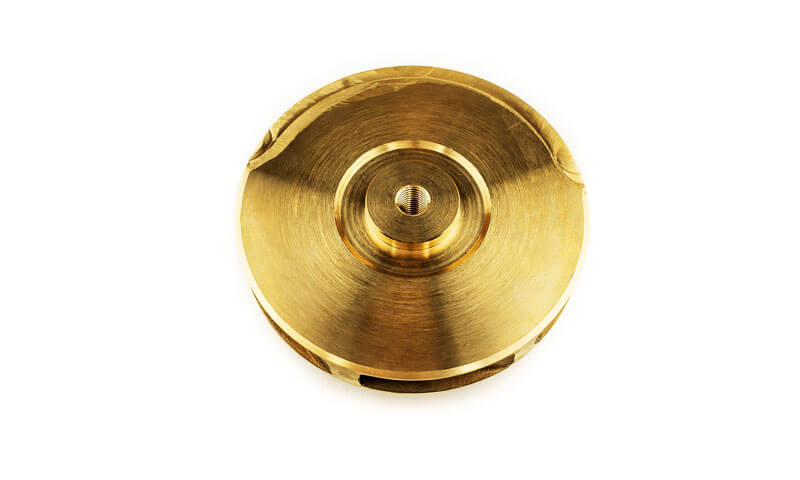
todėl jis dažniausiai naudojamas siurblio komponentai, vožtuvo komponentai, siurblio sparnuotės, ir įvorės veikiami drėgnoje arba vidutiniškai druskingoje aplinkoje.
Pramoninių mašinų atsparumas korozijai
C93200 taip pat naudojamas staklės, bendrojo naudojimo guoliai, hidraulinio preso komponentai, atraminės poveržlės, ir automobilių furnitūra, ir tuose taikymo sąrašuose ne kartą pabrėžiamas atsparumas korozijai daugybė aplinkų ir daug pramoninių chemikalų.
Tai rodo, kad lydinys neapsiriboja paprastu šlapiuoju būdu; jis taip pat gerai tinka mišriai terminei, tepimas, ir atmosferos poveikis, nustatytas pramoninėse mašinose.
Praktinė reikšmė yra ta, kad C93200 turi naudingą balansą atsparumas korozijai + antifrikcinis elgesys + Aparatas.
Mašinų gamintojams, šis derinys yra svarbus, nes guolių lydinys turi atlaikyti ne tik judėjimą ir apkrovą, bet ir realaus pasaulio teršalus, alyvos, aušinimo skysčiai, ir aplinkos drėgmę, kuri lydi pramoninę veiklą.
Todėl C93200 korozijos profilis yra jo platesnės tribologinės vertės dalis, nėra atskira funkcija.
6. Perdirbimas ir gamyba

Liejimas
C93200 iš esmės yra a bronzos liejimas, ir vienas iš jo praktinių privalumų yra tai, kad jį galima gaminti keliais nustatytais liejimo būdais, įskaitant nuolatinis liejimas, išcentrinis liejimas, Smėlio liejimas, ir nuolatinis liejimas į formą.
Dėl tokio universalumo jis naudingas tiek gaminant atsargas, tiek gaminant beveik tinklo formos dalis, ypač guolyje, įvorė, ir bendrosios mašinų komponentų tiekimo grandinės.
Paskelbti lydinio duomenys taip pat rodo, kad C93200 turi a didelis liejimo derlius, vidutinio sklandumo, vidutinė dujų susidarymo tendencija, ir mažas susitraukimas kietėjant,
Tai yra palankus derinys garso liejiniams su santykinai valdomais proceso nuostoliais gaminti.
Tai pasakė, „palankus“ nereiškia „atleidžiantis“. Kaip ir dauguma nešančių bronzas, C93200 vis dar apdovanoja drausmingą lydalo valdymą, stabilaus liejimo praktika, ir geras vartų ir šėrimo dizainas.
Jo gamybinė vertė atsiranda dėl to, kad jį galima patikimai išlieti į praktiškas inžinerines formas, kartu išlaikant antitrinties ir apdirbamumo charakteristikas, dėl kurių jis yra naudingas eksploatuojant..
Apdirbimas
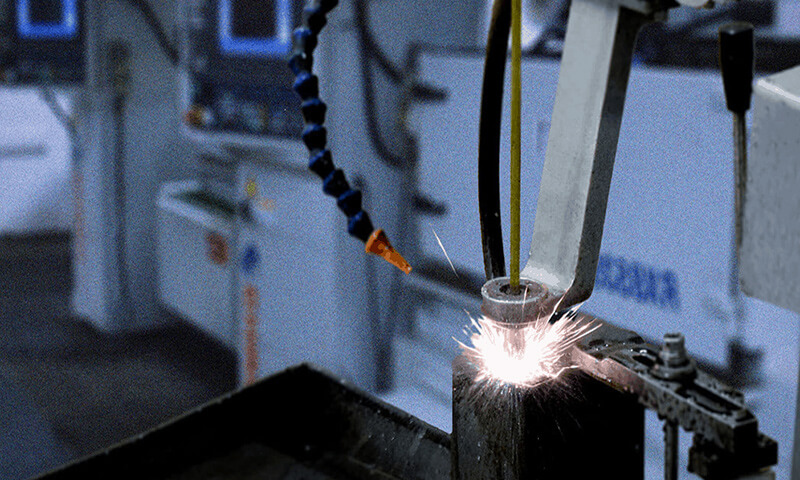
Tarp guolių bronzos, C93200 yra plačiai vertinamas dėl apdirbimo.
Jis paskelbtas apdirbamumo įvertinimas yra 70, Dėl to jis gerokai viršija daugelį konstrukcinių bronzų ir yra labai praktiškas antriniam apdirbimui po liejimo.
Tai svarbu, nes guolių komponentams dažnai reikia tikslių gręžinių, veidai, grioveliai, ir pritaikytus paviršius, ir lydinys, kuris yra švariai apdirbamas, sumažina įrankių naštą, ciklo laikas, ir gamybos savikaina.
Apdirbimo pranašumas nėra atsitiktinis. C93200 yra a švino alavo bronza, o švinas prisideda prie drožlių lūžimo ir sutepimo pjovimo metu.
Štai kodėl šis lydinys gali būti išlietas į beveik tinklinę formą, o vėliau apdirbamas, netapdamas gamybos kliūtimi..
Prisijungimas: Geriausiai tinka litavimui ir litavimui
C93200 yra daug labiau suderinamas su litavimas ir litavimas nei naudojant įprastą suvirinimą.
Paskelbtas gamybos duomenų greitis litavimas kaip puikus ir litavimas kaip geras, kol oksiacetileno suvirinimas, dujomis ekranuotas lankinis suvirinimas, ir dengto metalo lankinis suvirinimas nerekomenduojamas šiam lydiniui.
Šis modelis atitinka numatytą lydinio, kaip bronzos liejimo ir mašininio guolių, o ne į suvirinimą orientuotos konstrukcinės medžiagos, vaidmenį..
Terminis apdorojimas
C93200 tinka ne reaguoti į įprastą stiprinamąjį terminį apdorojimą.
Paskelbti duomenys rodo, kad a stresą mažinanti 500°F temperatūra / 260° C., bet lydinys neįgyja reikšmingos kietėjimo reakcijos dėl gesinimo ir grūdinimo ar kietėjimo kritulių ciklų.
Tai svarbus skirtumas: terminis apdorojimas čia daugiausia naudojamas liekamajam stresui sumažinti, kad lydinys nebūtų transformuojamas į didesnio stiprumo medžiagų klasę.
7. C93200 bronzos privalumai ir apribojimai
Privalumai
- geras antifrikcinis elgesys
- geras apdirbamumas
- pakankamas stiprumas ir kietumas guoliams eksploatuoti
- atsparumo slėgiui charakteristikos
- platus prieinamumas ir pažįstamas apdorojimo elgesys
- patikimas veikimas esant vidutinei apkrovai, vidutinio greičio programos
- Savaime sutepa: Išsklaidyta švino fazė suteikia būdingą tepimą, apsauganti ribinio tepimo arba laikino tepalo praradimo metu.
- Atsparumas korozijai: Geras atsparumas daugeliui korozinių aplinkų, būdingas bronzos lydiniams.
Apribojimai
- netinka ekstremalioms apkrovoms ar smūgiams
- ne didelio stiprumo konstrukcinė bronza
- Jis nėra termiškai apdorojamas dideliam sustiprinimui
- nėra idealu, kai suvirinimas yra pagrindinis gamyboje
- nėra geriausias pasirinkimas, jei pritaikymui reikalingas labai didelis atsparumas dilimui esant stipriam tepimui
- Aplinkos problemos: Švino kiekis kelia susirūpinimą dėl aplinkos ir sveikatos, todėl kai kuriose programose nustatomi reglamentai ir skatinama naudoti bešvines alternatyvas.
8. C93200 švino skardos bronzos panaudojimas

C93200 plačiai naudojamas tokiuose komponentuose kaip:
- bendros paskirties įvorės
- dyzelinio variklio riešo kaiščių įvorės
- kuro siurblio įvorės
- hidraulinio preso pagrindiniai įdėklai
- staklių guoliai
- pagrindiniai veleno guoliai
- valcavimo staklyno guoliai
- ritininiai guoliai
- pakabos guoliai
- atraminės poveržlės
- siurblio sparnuotės
- vandens siurblio įvorės
- sujungimo įvorės
- automobilių furnitūra
- bendrosios mašinų dalys
9. C93200 vs. Konkuruojantys lydiniai
Žemiau esančioje lentelėje palyginama C93200 su C95400 ir C95500, nes tai yra du praktiškiausi konkuruojantys vario lydiniai guoliuose, dėvėti, ir korozijai atspari paslauga.
| Palyginimo elementas | C93200 | C95400 | C95500 |
| Lydinių šeima / vaidmenį | Aukšto švino alavo bronza; SAE 660 guolių bronza, naudojama kaip bendrosios paskirties guolių ir įvorių lydinys. | Aliuminio bronza; plataus naudojimo konstrukcinė ir dėvima bronza. | Nikelio aliuminio bronza; griežtos eksploatacijos bronzos su stipria jūrine ir nusidėvėjimo padėtimi. |
| Chemijos parašas | Cu 81,0–85,0 %, Pb 6,0–8,0 %, Sn 6,3–7,5 % | Cu 83.0% min., Al 10,0–11,5 % | Cu 78.0% min., Al 10,0–11,5 %, 3,0–5,5 proc. |
| Tankis | 8.91 g/cm³. | 7.45 g/cm³. | 7.53 g/cm³. |
| Elektros laidumas | 12% IACS. | 13% IACS. | 8% IACS. |
| Šilumos laidumas | 33.6 Btu/ft²·hr·°F. | 33.9 Btu/ft²·hr·°F. | 24.2 Btu/ft²·hr·°F. |
| Tamprumo modulis | 14,500 ksi. | 15,500 ksi. | 16,000 ksi. |
Tipinis tempiamasis stipris kambario temperatūroje |
35 ksi minimumas nuolatinio liejimo sąlygomis. | 85 ksi minimumas nuolatinio liejimo sąlygomis. | 95 ksi minimumas nuolatinio liejimo sąlygomis. |
| Tipinė takumo riba kambario temperatūroje | 20 ksi minimumas nuolatinio liejimo sąlygomis. | 32 ksi minimumas nuolatinio liejimo sąlygomis. | 42 ksi minimumas nuolatinio liejimo sąlygomis. |
| Pailgėjimas | 10% minimumas. | 32% minimumas ištisinio metimo standartinėje eilėje. | 42% minimumas ištisinio metimo standartinėje eilėje. |
| Apdirbamumo įvertinimas | 70. | 60. | 50. |
| Liejimo ypatybės | Didelis liejimo derlius; mažas apnašas; vidutinio sklandumo; vidutinis dujų susidarymas; mažas susitraukimas kietėjant. | Mažas liejimo derlius; didelis apnašas; vidutinio sklandumo; vidutinis dujų susidarymas; didelis susitraukimas kietėjant. | Mažas liejimo derlius; didelis apnašas; vidutinio sklandumo; vidutinis dujų susidarymas; didelis susitraukimas kietėjant. |
Prisijungimas / Gaminimas |
Litavimas puikus; litavimas geras; suvirinimo metodai paprastai nerekomenduojami; streso mažinimas 500 ° F temperatūroje. | Litavimas geras; litavimas geras; dujomis ekranuoto lankinio ir dengto metalo lankinio suvirinimo gera; Galimas gydymas tirpalu. | Litavimas geras; litavimo mugė; dujomis ekranuoto lankinio ir dengto metalo lankinio suvirinimo gera; Galimas apdorojimas tirpalu ir atkaitinimas. |
| Tipiškas paslaugų akcentas | Bendrosios paskirties guoliai, įvorės, poveržlės, siurblio komponentai, automobilių furnitūra, ir vidutinės apkrovos nusidėvėjimo paslauga. | Suvirinimo pistoletai, guoliai, guolių segmentai, dideli laikantys varžtai, riešutai, ir pramoninės susidėvinčios dalys. | Jūrų techninė įranga, langų apkaustai, muzikos instrumentai, guoliai, riešutai, ir sunkios eksploatacijos korozijos / susidėvėjimo dalys. |
10. Išvada
C93200 švino alavo bronza, arba SAE 660, išliko pramonės standartas dėl vienos paprastos priežasties: tai veikia.
Jis sujungia tinkamą guolių veikimo derinį, Aparatas, išliejamumas, ir praktinių jėgų efektyviai išspręsti labai dažną inžinerinę problemą.
C93200 nėra žavinga medžiaga, ir tai nėra aukščiausios kokybės lydinys. Tai patikimas, gerai subalansuotas, labai eksploatuojamas guolis bronzinis.
Ta pusiausvyra yra jos vertės esmė. Inžinerijos srityje, geriausia medžiaga dažnai nėra ta, kuri turi įspūdingiausią vieną numerį, bet tas, kuris nuosekliai veikia visoje liejimo grandinėje, apdirbimas, susirinkimas, ir aptarnavimas.
DUK
Koks pagrindinis skirtumas tarp C93200 ir kitų bronzų?
Pagrindinis skirtumas yra jo švino turinys (6-8%), kuris užtikrina puikų apdirbamumą ir savaiminio tepimo savybes, todėl idealiai tinka guoliams.
Kitos bronzos gali teikti pirmenybę stiprumui (Pvz., aliuminio bronza) arba atsparumas korozijai be tokio pat tepimo lygio.
Ar C93200 gali būti termiškai apdorotas sukietėjimui?
Ne, C93200 nėra termiškai apdorojamas grūdinimui. Jo mechaninės savybės pasiekiamos išlietos. Bet koks terminis apdorojimas paprastai skirtas tik stresui sumažinti.
Ar C93200 tinka jūrinei aplinkai?
C93200 pasižymi dideliu atsparumu korozijai, įskaitant sūrų vandenį, todėl jis tinka kai kurioms jūrinėms reikmėms, ypač guoliams ir įvorėms, kurie nėra veikiami labai agresyvių sąlygų arba didelio srauto, kur gali kilti erozijos ir korozijos problema.
Tačiau, reiklesnei jūrinei aplinkai, gali būti teikiama pirmenybė specializuotai jūrinei bronzai.
Kokios yra aplinkosaugos problemos, susijusios su C93200?
Švino kiekis C93200 kelia susirūpinimą dėl aplinkos ir sveikatos, ypač švino išplovimo ir poveikio atžvilgiu.
Kai kurių regionų taisyklės skatina naudoti bešvines alternatyvas, ypač geriamojo vandens sistemose arba įrenginiuose su tiesioginiu kontaktu su žmonėmis.