1. INNGANGUR
Í hröðu framleiðslulandslagi nútímans, skurðartækni er lykilatriði í mótun efna af nákvæmni og skilvirkni.
Með tækniframförum, framleiðendur hafa nú aðgang að ýmsum skurðaraðferðum, hver veitir mismunandi þörfum og forritum.
Meðal vinsælustu valkostanna eru EDM (Rafmagns losun), Laser, Vatnsþota, og plasmaskurður.
Hver aðferð hefur einstaka eiginleika, styrkleika, og takmarkanir, sem gerir það nauðsynlegt að skilja hvaða tækni hentar best tilteknum verkþörfum þínum.
Þetta blogg ber ítarlega saman þessar fjórar skurðartækni, hjálpa þér að taka upplýsta ákvörðun.
2. Hvað er CNC skurður?
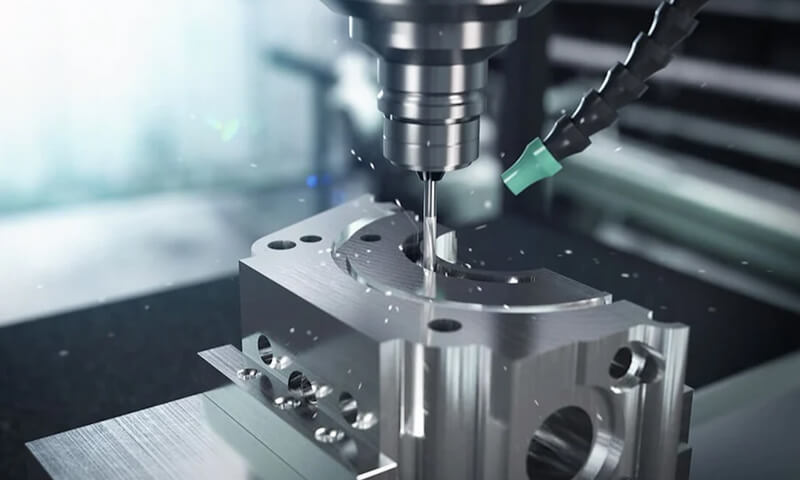
CNC (Tölvutala stjórn) cutting er háþróuð framleiðslutækni sem notar tölvustýrða vélar til að framkvæma nákvæmar skurðir, mótun, og borun á ýmsum efnum, þar á meðal málmar, plast, Viður, og samsetningar.
Þessi tækni hefur gjörbylt efnisvinnslu, bjóða upp á óviðjafnanlega nákvæmni, skilvirkni, og endurtekningarhæfni.
Hvernig virkar CNC skurður?
CNC skurðarferlið hefst með því að búa til stafræna hönnun í tölvustýrðri hönnun (Cad) Hugbúnaður, sem býr til ítarlegt líkan af viðkomandi vöru.
Þessari CAD skrá er síðan breytt í véllesanlegar leiðbeiningar, stýrir hreyfingum CNC vélarinnar.
Með því að nota þessar leiðbeiningar, CNC vélin stýrir skurðarverkfærum nákvæmlega til að framkvæma hönnunina, að ná ítarlegum og nákvæmum niðurskurði.
3. Yfirlit yfir skurðartæknina
Í nútíma framleiðslu, nokkur skurðartækni er notuð til að móta og skera efni í nákvæma íhluti.
Hver tækni hefur einstaka styrkleika og hentar fyrir mismunandi gerðir efna, flókið hönnun, og framleiðslukröfur.
Hér að neðan er yfirlit yfir fjórar vinsælar skurðartækni: EDM (Rafmagns losun), Laserskurður, WaterJet Cutting, Og Plasma klippa.
EDM (Rafmagns losun)
Skilgreining:
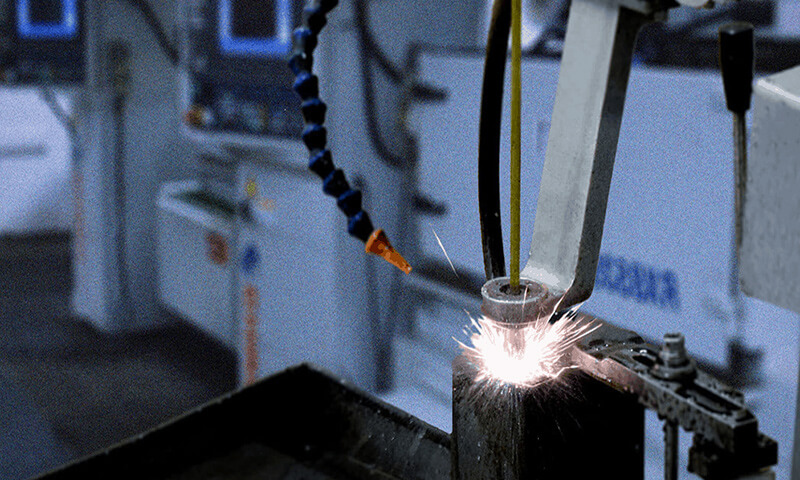
EDM notar rafmagnsneista til að eyða efni úr vinnustykki. Það er ekki vélrænt ferli, sem þýðir að engin skurðarverkfæri snerta efnið líkamlega.
Í staðinn, rafhleðslur eru notaðar til að bræða og fjarlægja efni af yfirborði vinnustykkisins.

Forrit:
EDM er tilvalið til að skera harða málma og framleiða flókna hönnun, eins og þau sem notuð eru við verkfæragerð, myglaframleiðslu, og íhluta í geimferðum.
Lykilatriði:
- Einstaklega mikil nákvæmni, fær um að framleiða fínar upplýsingar.
- Hentar fyrir efni sem erfitt er að vinna með hefðbundnum aðferðum.
- Hægur skurðarhraði en mjög nákvæmur fyrir lítil, flóknir hlutar.
Laserskurður
Skilgreining:
Laserskurður notar einbeittan ljósgeisla til að bræða, brenna, eða gufa upp efni meðfram skurðarbrautinni.
Lasernum er nákvæmlega stjórnað af tölvu til að ná nákvæmum skurðum í ýmsum efnum.

Forrit:
Laserskurður er vinsæll í atvinnugreinum eins og bílaiðnaði, Aerospace, og skilti til að skera þunna til meðalþykka málma, plast, og tré.
Lykilatriði:
- Býður upp á mikla nákvæmni og hreinan skurð.
- Tilvalið til að klippa flókin form og fín smáatriði.
- Virkar best með þynnri efni en þolir þykkari málma á minni hraða.
WaterJet Cutting
Skilgreining:
Vatnsstraumsskurður notar háþrýstivatnsstraum, Oft blandað við svarfefni, að skera í gegnum efni.
Það er kaldskurðarferli, sem þýðir að enginn hiti kemur við sögu, sem útilokar hitaáhrifasvæði.

Forrit:
Notað í atvinnugreinum eins og steinskurði, Aerospace, bifreiðar, og matvælavinnslu.
Waterjet cutting er fær um að skera mikið úrval af efnum, allt frá málmum og keramik til plasts og gúmmí.
Lykilatriði:
- Fjölhæfur og getur skorið mikið úrval af efnum án þess að breyta efniseiginleikum.
- Engin hitaskekkja, sem gerir það tilvalið fyrir hitaviðkvæm efni.
- Hægari en laserskurður en þolir mun þykkari efni.
Plasma klippa
Skilgreining:
Plasmaskurður notar rafjónað gas (plasma) að skera málma með því að hita þá upp í háan hita og blása burt bráðnu efninu.
Þetta ferli er almennt notað til að skera málma með háa bræðslumark.

Forrit:
Plasmaskurður er mikið notaður við framleiðslu á málmplötum, smíði, og skipasmíði til að skera þykkari málma, svo sem stál, Ál, og ryðfríu stáli.
Lykilatriði:
- Hraður skurðarhraði, tilvalið fyrir stórframleiðslu.
- Aðallega notað fyrir leiðandi málma.
- Getur framleitt grófari brúnir miðað við aðrar skurðaraðferðir, en hentugur til að skera þykk efni.
4. EDM vs Laser vs Waterjet vs Plasma: Hver er besta CNC skurðaraðferðin
Þegar þú velur rétta CNC skurðartækni fyrir verkefnið þitt, að skilja kosti og takmarkanir hverrar aðferðar er nauðsynlegt.
Hér er stuttur samanburður á EDM, Laser, Vatnsþota, og plasmaskurður til að hjálpa þér að ákvarða hver hentar best fyrir þarfir þínar
EDM skurður vs laserskurður: Nákvæmur samanburður
1. Efnisleg eindrægni
-
- Styrkur: Tilvalið fyrir leiðandi efni eins og hert stál, Títan, wolframkarbíð, og öðrum rafleiðandi málmum.
- Takmarkanir: Takmarkað við efni sem geta leitt rafmagn, útiloka óleiðandi efni eins og keramik eða plast.
- Laserskurður:
-
- Styrkur: Fjölhæfur, fær um að skera mikið úrval af efnum, þar á meðal málma (Ál, ryðfríu stáli, kopar), plast, Viður, Keramik, samsetningar, og jafnvel sum efni.
- Takmarkanir: Minna áhrifarík á mjög endurskinsefni án viðeigandi stillinga á leysistillingum.
2. Nákvæmni og nákvæmni
- EDM skurður:
-
- Vikmörk: Ná mjög þröngum þolmörkum, oft niður í ±0,0005 tommur.
- Upplýsingar: Frábært til að framleiða fín smáatriði og flóknar rúmfræði án vélrænnar álags á efnið.
- Yfirborðsáferð: Framleiðir hágæða yfirborðsáferð, draga úr þörf fyrir aukaaðgerðir.
- Laserskurður:
-
- Vikmörk: Nær venjulega vikmörkum um ±0,005 tommur, sem er samt mjög nákvæm en ekki eins þétt og EDM.
- Upplýsingar: Fær um flókna skurði og litla eiginleika, þó minna hentugur fyrir mjög fínar upplýsingar miðað við EDM.
- Yfirborðsáferð: Skilar hreinum brúnum með lágmarks burrum, þó að svæði sem verða fyrir hita gæti þurft eftirvinnslu.
3. Skurðarhraði
- EDM skurður:
-
- Hraði: Yfirleitt hægari vegna eðlis ferlisins, sérstaklega fyrir flókna hönnun og hörð efni.
- Forrit: Best fyrir framleiðslu í litlu magni þar sem nákvæmni vegur þyngra en hraði.
- Laserskurður:
-
- Hraði: Hraðari fyrir þunn efni og einfaldari skurð. Samt, hraði minnkar verulega með þykkari efnum.
- Forrit: Hentar bæði fyrir litla og mikla framleiðslu, fer eftir efnisþykkt og margbreytileika.
4. Þykktarhæfileikar
- EDM skurður:
-
- Svið: Þolir efni allt að nokkra tommu þykkt, sérstaklega áhrifarík fyrir mjög harða eða flókna hluta.
- Forrit: Tilvalið fyrir loftrýmisíhluti, mót, og deyja sem krefjast mikillar nákvæmni og styrks.
- Laserskurður:
-
- Svið: Takmarkað við u.þ.b 1 tommu fyrir flesta málma, þó að sumir leysir geti skorið aðeins þykkari efni.
- Forrit: Almennt notað til að framleiða málmplötur, Bifreiðar hlutar, og rafeindaíhluti.
5. Hitaáhrifasvæði (Haz)
- EDM skurður:
-
- Áhrif: Ekkert svæði sem hefur áhrif á hita, varðveita efniseiginleika og heilleika.
- Kostir: Kemur í veg fyrir varma röskun og breytingar á hörku efnisins, mikilvægt fyrir viðkvæma eða hitaviðkvæma notkun.
- Laserskurður:
-
- Áhrif: Býr til svæði sem hefur áhrif á hita, sem getur breytt efniseiginleikum nálægt skurðbrúninni.
- Sjónarmið: Gæti þurft eftirvinnslu til að fjarlægja eða draga úr HAZ áhrifum, sérstaklega fyrir mikilvæg forrit.
6. Kostnaður og skilvirkni
- EDM skurður:
-
- Upphafskostnaður: Hærra vegna sérhæfðs búnaðar og uppsetningartíma.
- Rekstrarkostnaður: Lægri rekstrarkostnaður eftir uppsetningu, sérstaklega fyrir lágt hljóðstyrk, vinnu með mikilli nákvæmni.
- Orkunotkun: Tiltölulega lítil orkunotkun miðað við laserskurð.
- Laserskurður:
-
- Upphafskostnaður: Mikil stofnfjárfesting fyrir laserkerfi.
- Rekstrarkostnaður: Hærri rekstrarkostnaður er knúinn áfram af orkunotkun og viðhaldi.
- Orkunotkun: Veruleg orkunotkun, sérstaklega fyrir öfluga leysigeisla.
7. Umhverfisáhrif
- EDM skurður:
-
- Úrgangsstjórnun: Lágmarks sóun, en krefst varkárrar förgunar á rafvökva sem notaður er við skurðarferlið.
- Sjálfbærni: Lítil umhverfisáhrif í heildina.
- Laserskurður:
-
- Úrgangsstjórnun: Myndar gufur og ryk, krefst loftræstingar og síunarkerfis.
- Sjálfbærni: Meiri orkunotkun stuðlar að stærra kolefnisfótspori.
Niðurstaða: Að velja á milli EDM og Laser Cutting
Fyrir mikla nákvæmni og hörð efni: Ef verkefnið þitt krefst mikillar nákvæmni, sérstaklega þegar unnið er með hörð efni eins og hert stál eða títan, EDM klippa er frábær kostur.
Það skarar fram úr í að framleiða fín smáatriði án þess að valda hitaskemmdum, sem gerir það tilvalið fyrir loftrými, Lækningatæki, og verkfæraforrit.
Fyrir fjölhæfni og háhraða framleiðslu: Þegar fjölhæfni og hraði eru í forgangi, og þú ert að fást við margs konar efni, þar á meðal þynnri málma, plast, eða samsett efni,
laserskurður býður upp á sannfærandi lausn. Hæfni þess til að meðhöndla fjölbreytt efni og ná háhraðaframleiðslu gerir það hentugt fyrir atvinnugreinar eins og bíla, Rafeindatækni, og málmframleiðsla lak.
Laserskurður vs Waterjet Cutting: Alhliða samanburður
1. Efnisleg eindrægni
- Laserskurður:
-
- Styrkur: Mjög fjölhæfur, fær um að skera málma (Ál, ryðfríu stáli, kopar), plast, Viður, Keramik, samsetningar, og jafnvel sum efni.
- Takmarkanir: Minna áhrifaríkt á mjög endurskinsefni eins og kopar eða ál án viðeigandi aðlögunar á leysistillingum.
Hentar ekki fyrir málmlaus efni sem gleypa ekki leysiorku á skilvirkan hátt.
- WaterJet Cutting:
-
- Styrkur: Sker nánast hvaða efni sem er, þar á meðal málmar, steini, Gler, samsetningar, Gúmmí, og plasti. Tilvalið fyrir efni sem eru viðkvæm fyrir hita.
- Takmarkanir: Afköst geta orðið fyrir áhrifum af mjög hörðum eða slípandi efnum, en samt fjölhæfari en laserskurður hvað varðar efnisgerðir.
2. Nákvæmni og nákvæmni
- Laserskurður:
-
- Vikmörk: Nær mikilli nákvæmni með vikmörkum um ±0,005 tommur, sem gerir það hentugt fyrir ítarlegar og flóknar skurðir.
- Yfirborðsáferð: Skilar hreinum brúnum með lágmarks burrum, þó að svæði sem verða fyrir hita gæti þurft eftirvinnslu.
- Upplýsingar: Frábært fyrir litla eiginleika og fínar smáatriði en hentar síður fyrir mjög flóknar rúmfræði miðað við vatnsgeisla.
- WaterJet Cutting:
-
- Vikmörk: Veitir miðlungs nákvæmni með vikmörkum um ±0,005 tommur, sambærilegt við laserskurð.
- Yfirborðsáferð: Framleiðir slétta brún án hitaáhrifa, koma í veg fyrir varma röskun.
- Upplýsingar: Fær um að meðhöndla flókin form og útlínur án þess að tapa nákvæmni, Að gera það tilvalið fyrir flókna hönnun.
3. Skurðarhraði
- Laserskurður:
-
- Hraði: Hraðari fyrir þunn efni og einfaldari skurð. Samt, hraði minnkar verulega með þykkari efnum.
- Forrit: Hentar til framleiðslu á þunnu efni í miklu magni, eins og plötusmíði og rafeindatæknihlutir.
- WaterJet Cutting:
-
- Hraði: Almennt hægari en laserskurður, sérstaklega fyrir flóknar skurðir. Samt, viðheldur jöfnum hraða í ýmsum efnisþykktum.
- Forrit: Best fyrir lítið til miðlungs magn framleiðslu þar sem nákvæmni og fjölhæfni efnis skipta sköpum.
4. Þykktarhæfileikar
- Laserskurður:
-
- Svið: Takmarkað við u.þ.b 1 tommu fyrir flesta málma, þó að sumir leysir geti skorið aðeins þykkari efni.
- Forrit: Almennt notað til að framleiða málmplötur, Bifreiðar hlutar, og rafeindaíhluti.
- WaterJet Cutting:
-
- Svið: Sker efni á skilvirkan hátt upp að 1 fótþykkt, sem gerir það hentugt fyrir mjög þykk efni.
- Forrit: Tilvalið til að skera þykka málma, steini, Gler, og önnur efni sem leysisskurður ræður ekki við á áhrifaríkan hátt.
5. Hitaáhrifasvæði (Haz)
- Laserskurður:
-
- Áhrif: Býr til svæði sem hefur áhrif á hita, sem getur breytt efniseiginleikum nálægt skurðbrúninni.
- Sjónarmið: Gæti þurft eftirvinnslu til að fjarlægja eða draga úr HAZ áhrifum, sérstaklega fyrir mikilvæg forrit.
- WaterJet Cutting:
-
- Áhrif: Ekkert svæði sem hefur áhrif á hita, varðveita efniseiginleika og heilleika.
- Kostir: Kemur í veg fyrir varma röskun og breytingar á hörku efnisins, mikilvægt fyrir viðkvæma eða hitaviðkvæma notkun.
6. Kostnaður og skilvirkni
- Laserskurður:
-
- Upphafskostnaður: Mikil stofnfjárfesting fyrir laserkerfi.
- Rekstrarkostnaður: Hærri rekstrarkostnaður er knúinn áfram af orkunotkun og viðhaldi.
- Orkunotkun: Veruleg orkunotkun, sérstaklega fyrir öfluga leysigeisla.
- WaterJet Cutting:
-
- Upphafskostnaður: Hóflegur stofnkostnaður vegna vatnsstraumkerfa.
- Rekstrarkostnaður: Hærri rekstrarkostnaður vegna vatns- og slípiefnanotkunar.
- Orkunotkun: Minni orkunotkun miðað við laserskurð.
7. Umhverfisáhrif
- Laserskurður:
-
- Úrgangsstjórnun: Myndar gufur og ryk, krefst loftræstingar og síunarkerfis.
- Sjálfbærni: Meiri orkunotkun stuðlar að stærra kolefnisfótspori.
- WaterJet Cutting:
-
- Úrgangsstjórnun: Vistvænt, endurvinnir vatn, og lágmarkar sóun. Slípiefni þarf að farga á réttan hátt.
- Sjálfbærni: Minni umhverfisáhrif í heildina, sérstaklega þegar notað er endurvinnanlegt slípiefni.
Niðurstaða: Að velja á milli leysis- og vatnsdæluskurðar
Fyrir þunn efni og háhraða framleiðslu: Ef verkefnið þitt felur í sér að skera þunnt efni eins og málmplötur, plast, eða samsett efni, og þú þarfnast háhraðaframleiðslu,
laserskurður býður upp á skilvirka og nákvæma lausn. Hæfni þess til að meðhöndla fjölbreytt efni og ná háhraðaframleiðslu gerir það tilvalið fyrir atvinnugreinar eins og bíla, Rafeindatækni, og málmframleiðsla lak.
Fyrir þykk efni og fjölhæfni efnis: Þegar unnið er með þykk efni eins og málma, steini, Gler, eða samsett efni, eða ef þú þarft að forðast svæði sem verða fyrir hita, vatnsstraumskurður sker sig úr.
Það skarar fram úr í að klippa þykk efni með nákvæmni og viðhalda efnisheildleika, sem gerir það hentugt fyrir notkun í byggingariðnaði, Aerospace, og sérsmíði.
Waterjet Cutting vs Plasma Cutting: Nákvæmur samanburður
1. Efnisleg eindrægni
- WaterJet Cutting:
-
- Styrkur: Sker nánast hvaða efni sem er, þar á meðal málmar (stál, Ál, Títan), steini, Gler, Gúmmí, plast, og samsetningar. Það er sérstaklega gagnlegt fyrir efni sem eru viðkvæm fyrir hita.
- Takmarkanir: Afköst geta orðið fyrir áhrifum af mjög hörðum eða slípandi efnum, en býður samt upp á víðtæka fjölhæfni.
- Plasma klippa:
-
- Styrkur: Fyrst og fremst áhrifarík fyrir leiðandi efni, sérstaklega málma eins og stál, Ál, og kopar. Tilvalið fyrir þykka málma.
- Takmarkanir: Takmarkað við rafleiðandi efni, útiloka ekki leiðandi valkosti eins og keramik eða tré.
2. Nákvæmni og nákvæmni
- WaterJet Cutting:
-
- Vikmörk: Veitir mikla nákvæmni með vikmörkum um ±0,005 tommur.
- Yfirborðsáferð: Framleiðir sléttar brúnir án hitaáhrifa, koma í veg fyrir varma röskun.
- Upplýsingar: Fær um að meðhöndla flókin form og útlínur án þess að tapa nákvæmni, Að gera það tilvalið fyrir flókna hönnun.
- Plasma klippa:
-
- Vikmörk: Minna nákvæmur, með vikmörkum allt að ±0,020 tommur.
- Yfirborðsáferð: Þetta skapar grófari brún miðað við vatnsgeisla, þarf oft eftirvinnslu til að ná sléttari frágangi.
- Upplýsingar: Hentar fyrir einfaldari skurð og minna ítarlega vinnu vegna minni nákvæmni.
3. Skurðarhraði
- WaterJet Cutting:
-
- Hraði: Almennt hægari en plasmaskurður, sérstaklega fyrir flóknar skurðir. Samt, viðheldur jöfnum hraða í ýmsum efnisþykktum.
- Forrit: Best fyrir lítið til miðlungs magn framleiðslu þar sem nákvæmni og fjölhæfni efnis skipta sköpum.
- Plasma klippa:
-
- Hraði: Einstaklega hratt fyrir þykka málma, sem gerir það tilvalið fyrir framleiðslu í miklu magni. Hraðari skurðarhraði fyrir þykkari efni samanborið við vatnsgeisla.
- Forrit: Hentar fyrir hraðskurð og stór verkefni, sérstaklega í atvinnugreinum sem krefjast skjóts afgreiðslutíma.
4. Þykktarhæfileikar
- WaterJet Cutting:
-
- Svið: Sker efni á skilvirkan hátt upp að 1 fótþykkt, sem gerir það hentugt fyrir mjög þykk efni.
- Forrit: Tilvalið til að skera þykka málma, steini, Gler, og önnur efni sem plasmaskurður ræður ekki við á áhrifaríkan hátt.
- Plasma klippa:
-
- Svið: Virkar vel með efni allt að 6 tommur þykkt, sérstaklega áhrifarík fyrir þykka málma.
- Forrit: Almennt notað til að skera þykkar málmplötur í iðnaði eins og skipasmíði, smíði, og þungavinnuvélaframleiðsla.
5. Hitaáhrifasvæði (Haz)
- WaterJet Cutting:
-
- Áhrif: Ekkert svæði sem hefur áhrif á hita, varðveita efniseiginleika og heilleika.
- Kostir: Kemur í veg fyrir varma röskun og breytingar á hörku efnisins, mikilvægt fyrir viðkvæma eða hitaviðkvæma notkun.
- Plasma klippa:
-
- Áhrif: Myndar verulegt hitaáhrifasvæði, sem getur breytt efniseiginleikum nálægt skurðbrúninni.
- Sjónarmið: Gæti þurft eftirvinnslu til að fjarlægja eða draga úr HAZ áhrifum, sérstaklega fyrir mikilvæg forrit.
6. Kostnaður og skilvirkni
- WaterJet Cutting:
-
- Upphafskostnaður: Hóflegur stofnkostnaður vegna vatnsstraumkerfa.
- Rekstrarkostnaður: Hærri rekstrarkostnaður vegna vatns- og slípiefnanotkunar.
- Orkunotkun: Minni orkunotkun miðað við plasmaskurð.
- Plasma klippa:
-
- Upphafskostnaður: Lægri stofnkostnaður og hóflegur rekstrarkostnaður, sem gerir það hagkvæmt fyrir mikið magn.
- Rekstrarkostnaður: Hóflegur rekstrarkostnaður, knúin áfram af rekstrarvörum eins og rafskautum og lofttegundum.
- Orkunotkun: Tiltölulega meiri orkunotkun, sérstaklega fyrir öflug plasmakerfi.
7. Umhverfisáhrif
- WaterJet Cutting:
-
- Úrgangsstjórnun: Vistvænt, endurvinnir vatn, og lágmarkar sóun. Slípiefni þarf að farga á réttan hátt.
- Sjálfbærni: Minni umhverfisáhrif í heildina, sérstaklega þegar notað er endurvinnanlegt slípiefni.
- Plasma klippa:
-
- Úrgangsstjórnun: Myndar gufur og krefst loftræstikerfis til að stjórna losun.
- Sjálfbærni: Meiri umhverfisáhrif vegna orkunotkunar og hugsanlegrar losunar frá niðurskurðarferlum.
Niðurstaða: Að velja á milli vatnsstraums og plasmaskurðar
Fyrir nákvæmni og fjölhæfni efnis: Ef verkefnið þitt krefst mikillar nákvæmni og tekur til fjölbreytts efnis, þar á meðal þeir sem eru viðkvæmir fyrir hita, vatnsgeislaskurður er frábær kostur.
Það skarar fram úr í að framleiða fínar upplýsingar og viðhalda efnisheildleika, sem gerir það tilvalið fyrir notkun í geimferðum, sérsmíði, og listræn viðleitni.
Fyrir hraða og þykkan málmskurð: Þegar unnið er með þykka málma og krefst hraðs, skilvirkan skurð, plasmaskurður sker sig úr.
Hraði hans og skilvirkni í meðhöndlun á þykkum málmplötum gerir hann hentugur fyrir atvinnugreinar eins og skipasmíði, smíði, og þungavinnuvélaframleiðsla, þar sem mikil framleiðsla er nauðsynleg.
EDM Cutting vs Plasma Cutting: Nákvæmur samanburður
1. Efnisleg eindrægni
- EDM skurður:
-
- Styrkur: Tilvalið fyrir leiðandi efni eins og hert stál, Títan, wolframkarbíð, og öðrum rafleiðandi málmum.
- Takmarkanir: Takmarkað við efni sem geta leitt rafmagn, útiloka óleiðandi efni eins og keramik eða plast.
- Plasma klippa:
-
- Styrkur: Fyrst og fremst áhrifarík fyrir leiðandi efni, sérstaklega málma eins og stál, Ál, og kopar. Tilvalið fyrir þykka málma.
- Takmarkanir: Takmarkað við rafleiðandi efni, svipað og EDM, en hentar betur fyrir þykkari og minna flókinn skurð.
2. Nákvæmni og nákvæmni
- EDM skurður:
-
- Vikmörk: Ná mjög þröngum þolmörkum, oft niður í ±0,0005 tommur.
- Yfirborðsáferð: Framleiðir hágæða yfirborðsáferð án vélrænnar álags á efnið, draga úr þörf fyrir aukaaðgerðir.
- Upplýsingar: Frábært til að framleiða fín smáatriði og flóknar rúmfræði án þess að valda hitaskemmdum.
- Plasma klippa:
-
- Vikmörk: Minna nákvæmur, með vikmörkum allt að ±0,020 tommur.
- Yfirborðsáferð: Þetta skapar grófari brún miðað við EDM, þarf oft eftirvinnslu til að ná sléttari frágangi.
- Upplýsingar: Hentar fyrir einfaldari skurð og minna ítarlega vinnu vegna minni nákvæmni.
3. Skurðarhraði
- EDM skurður:
-
- Hraði: Yfirleitt hægari vegna eðlis ferlisins, sérstaklega fyrir flókna hönnun og hörð efni.
- Forrit: Best fyrir framleiðslu í litlu magni þar sem nákvæmni vegur þyngra en hraði.
- Plasma klippa:
-
- Hraði: Einstaklega hratt fyrir þykka málma, sem gerir það tilvalið fyrir framleiðslu í miklu magni. Hraðari skurðarhraði fyrir þykkari efni samanborið við EDM.
- Forrit: Hentar fyrir hraðskurð og stór verkefni, sérstaklega í atvinnugreinum sem krefjast skjóts afgreiðslutíma.
4. Þykktarhæfileikar
- EDM skurður:
-
- Svið: Þolir efni allt að nokkra tommu þykkt, sérstaklega áhrifarík fyrir mjög harða eða flókna hluta.
- Forrit: Tilvalið fyrir loftrýmisíhluti, mót, og deyja sem krefjast mikillar nákvæmni og styrks.
- Plasma klippa:
-
- Svið: Virkar vel með efni allt að 6 tommur þykkt, sérstaklega áhrifarík fyrir þykka málma.
- Forrit: Almennt notað til að skera þykkar málmplötur í iðnaði eins og skipasmíði, smíði, og þungavinnuvélaframleiðsla.
5. Hitaáhrifasvæði (Haz)
- EDM skurður:
-
- Áhrif: Ekkert svæði sem hefur áhrif á hita, varðveita efniseiginleika og heilleika.
- Kostir: Kemur í veg fyrir varma röskun og breytingar á hörku efnisins, mikilvægt fyrir viðkvæma eða hitaviðkvæma notkun.
- Plasma klippa:
-
- Áhrif: Myndar verulegt hitaáhrifasvæði, sem getur breytt efniseiginleikum nálægt skurðbrúninni.
- Sjónarmið: Gæti þurft eftirvinnslu til að fjarlægja eða draga úr HAZ áhrifum, sérstaklega fyrir mikilvæg forrit.
6. Kostnaður og skilvirkni
- EDM skurður:
-
- Upphafskostnaður: Hærra vegna sérhæfðs búnaðar og uppsetningartíma.
- Rekstrarkostnaður: Lægri rekstrarkostnaður eftir uppsetningu, sérstaklega fyrir lágt hljóðstyrk, vinnu með mikilli nákvæmni.
- Orkunotkun: Tiltölulega lítil orkunotkun miðað við plasmaskurð.
- Plasma klippa:
-
- Upphafskostnaður: Lægri stofnkostnaður og hóflegur rekstrarkostnaður, sem gerir það hagkvæmt fyrir mikið magn.
- Rekstrarkostnaður: Hóflegur rekstrarkostnaður, knúin áfram af rekstrarvörum eins og rafskautum og lofttegundum.
- Orkunotkun: Tiltölulega meiri orkunotkun, sérstaklega fyrir öflug plasmakerfi.
7. Umhverfisáhrif
- EDM skurður:
-
- Úrgangsstjórnun: Lágmarks sóun, en krefst varkárrar förgunar á rafvökva sem notaður er við skurðarferlið.
- Sjálfbærni: Lítil umhverfisáhrif í heildina.
- Plasma klippa:
-
- Úrgangsstjórnun: Myndar gufur og krefst loftræstikerfis til að stjórna losun.
- Sjálfbærni: Meiri umhverfisáhrif vegna orkunotkunar og hugsanlegrar losunar frá niðurskurðarferlum.
Niðurstaða: Að velja á milli EDM og plasmaskurðar
Fyrir mikla nákvæmni og hörð efni: Ef verkefnið þitt krefst mikillar nákvæmni, sérstaklega þegar unnið er með hörð efni eins og hert stál eða títan, EDM klippa er frábær kostur.
Það skarar fram úr í að framleiða fín smáatriði og viðhalda efnisheildleika án þess að valda hitaskemmdum, sem gerir það tilvalið fyrir loftrými, Lækningatæki, og verkfæraforrit.
Fyrir hraða og þykkan málmskurð: Þegar unnið er með þykka málma og krefst hraðs, skilvirkan skurð, plasmaskurður sker sig úr.
Hraði hans og skilvirkni í meðhöndlun á þykkum málmplötum gerir hann hentugur fyrir atvinnugreinar eins og skipasmíði, smíði, og þungavinnuvélaframleiðsla, þar sem mikil framleiðsla er nauðsynleg.
5. Samanburðartafla
| Lögun | EDM skurður | Laserskurður | WaterJet Cutting | Plasma klippa |
|---|---|---|---|---|
| Efnisleg eindrægni | Leiðandi efni | Ýmis efni | Nánast hvaða efni sem er | Leiðandi efni |
| Nákvæmni | ±0,0005 tommur | ±0,005 tommur | ±0,005 tommur | ±0,020 tommur |
| Skurðarhraði | Hægur | Hratt (þunnt), Hægur (þykkt) | Miðlungs | Hratt |
| Þykktarhæfileikar | Nokkrar tommur | ~1 tommur | Allt að 1 fótur | Allt að 6 tommur |
| Kostnaður | Hærri upphafsstafur, lægri ops | Hár upphafsstafur, hár ops | Hóflegur upphafsstafur, hár ops | Lægri upphafsstafur, hófleg ops |
| Umhverfisáhrif | Lágmarks sóun, og vökvaförgun | Veruleg orkunotkun | Vistvænt, lágmarks sóun | Hitamyndun, Loftræsting |
6. Niðurstaða
Val á réttu skurðartækni fer eftir mörgum þáttum eins og gerð efnis, nauðsynleg nákvæmni, framleiðslurúmmál, og takmarkanir á fjárlögum.
Hver aðferð færir einstaka kosti á borðið.
Hvort sem þú metur óviðjafnanlega nákvæmni EDM, fjölhæfni Laser, umhverfisvænni Waterjet, eða hraða Plasma, það er til skurðaraðferð sem hentar öllum framleiðsluáskorunum.
Með því að skilja styrkleika og takmarkanir hverrar aðferðar, framleiðendur geta valið bestu skurðartæknina til að uppfylla framleiðslumarkmið sín.
Fyrir sérfræðiráðgjöf og sérsniðnar lausnir, ráðfærðu þig við fagfólk í iðnaði——Þetta.