1. INNGANGUR
The bifreiðar iðnaður er að ganga í gegnum skipulagsbreytingar.
Rafvæðing, losunarþrýstingur, hækkandi orkukostnað, strangari öryggiskröfur, og væntingar neytenda um drægni og frammistöðu neyða framleiðendur til að endurskoða hvernig farartæki eru hönnuð og smíðuð.
Í þessu samhengi, léttvigt er ekki lengur aukaverkfræðileg markmið. Það hefur orðið kjarna stefnumótandi lyftistöng.
Meðal margra léttvigtartækni sem er í boði í dag, álsteypa sker sig úr vegna þess að það gerir meira en að draga úr massa. Það breytir arkitektúr ökutækisins.
Það gerir samþjöppun hluta kleift, dregur úr flóknu samsetningu, bætir framleiðslu skilvirkni, og styður breytinguna frá hefðbundnum fjölþátta yfirbyggingu yfir í mjög samþætta palla.
Með öðrum orðum, álblöndu steypa er ekki bara efnisleg staðgengill. Það er ný iðnaðarbraut.
2. Af hverju léttvigt skiptir meira máli en nokkru sinni fyrr
Fyrir hefðbundin brunabíla, þyngdarlækkun bætir sparneytni, meðhöndlun, hemlun, og losunarárangur. Fyrir rafbíla, álagið er enn hærra.
Hvert kíló sem er fjarlægt úr líkamsbyggingunni getur dregið úr rafhlöðuþörf, lengja aksturssvið, bæta hröðun, og auðvelda hitauppstreymi og fjöðrunarálag.
Léttþyngd skapar því samsett áhrif. Léttari líkami þarf minni orku til að hreyfa sig. Minni rafhlaða gæti dugað fyrir sama drægi.
Minni rafhlaða pakki getur lækkað kostnað og dregið enn frekar úr massa ökutækis. Þessi jákvæða viðbragðslykkja gerir létta hönnun sérstaklega verðmæta á rafmagnstímabilinu.
Samt sem áður snýst léttvægt ekki bara um að nota léttara efni. Raunverulega áskorunin er að minnka massa án þess að skerða öryggi við árekstur, stífleiki, Varanleiki, framleiðsla, eða kostnaður.
Það er þar sem álsteypa hefur orðið sífellt mikilvægara.

3. Af hverju álsteypa hefur orðið stefnumótandi lausn
Álblendi býður upp á hagstæða samsetningu lágþéttleika, Góð tæringarþol, og framúrskarandi steypuþol.
Þegar það er sameinað nútímalegt deyja steypu tækni, það getur framleitt flókið, íhlutir í miklu magni með mikla endurtekningarhæfni í víddum og verulegri samþættingu byggingarinnar.
Mikilvægasti kosturinn er ekki bara þyngdartap. Það er sameining.
Hefðbundin stálbygging krefst oft margra stimplaðra hluta sem þarf að sjóða, hnoðað, tengt, eða boltað saman.
Hvert viðmót bætir við kostnaði, tíma, þolbreytingar, og hugsanlega bilunarpunkta. Stórar álsteypur geta skipt út mörgum hlutum fyrir einn byggingarlega fínstilltan íhlut.
Þetta einfaldar aðfangakeðjuna, dregur úr aðkomustarfsemi, og bætir framleiðslu skilvirkni.
Þessi breyting er sérstaklega aðlaðandi fyrir rafbíla, þar sem undirlagsarkitektúr, rafhlöðu umbúðir, undirgrind að aftan og framan, og hægt er að endurhanna hrunvirki í kringum færri en stærri steypta íhluti.
4. Frá hlutafækkun til endurhönnunar byggingar
Hið sanna gildi álsteypu kemur fram þegar verkfræðingar hætta að hugsa um að skipta um hluta og byrja að hugsa í skilmálar af endurhönnun arkitektúrs.
Vel hannaður steyptur hluti getur framkvæmt nokkrar aðgerðir í einu. Það getur veitt uppbyggingu stuðning, festingarpunktar, álagsflutningsleiðir, og staðbundin styrking í einum hluta.
Þessi fjölnota hæfileiki er einn af stærstu styrkleikum tækninnar.
Það gerir verkfræðingum kleift að hanna í kringum virkni frekar en í kringum eldri framleiðslumörk.
Hagnýtt, það þýðir:
- færri festingar og styrkingar,
- færri suðusauma,
- lægri samsetningarflækjustig,
- betri endurtekningarhæfni,
- og minnkað tækifæri fyrir víddaruppsetningarvillur.
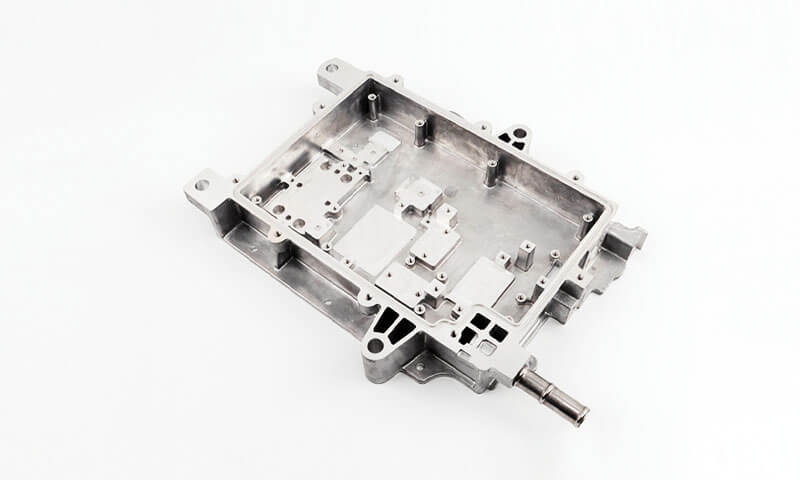
Þetta er ástæðan fyrir því að álsteypa er í auknum mæli notuð, ekki bara fyrir hlífar eða hlífar sem ekki eru burðarvirki, en fyrir líkama-í-hvítu og burðarvirki undireiningar.
5. Framleiðslukosturinn: Hraði, Samræmi, og Skala
Háþrýstisteypa er sérstaklega hentugur fyrir bílaframleiðslu vegna þess að hún styður stóra framleiðslu með framúrskarandi hringrásarhagkvæmni.

Þegar deyja og ferlið er komið á stöðugleika, framleiðslu getur verið mjög endurtekið.
Þetta skiptir máli í atvinnugrein þar sem einingakostnaður, afköst, og samkvæmni ræður úrslitum.
Annar kostur er sveigjanleiki í rúmfræði. Deyjasteypa getur framleitt þunna veggi, rifbein, yfirmenn, uppsetningareiginleikar, og flókin umskipti í einni aðgerð.
Þetta gerir það mögulegt að búa til íhluti sem væri erfitt eða dýrt að framleiða með stimplun og suðu.
Fyrir bílaframleiðendur, hagfræðileg rökfræði er sannfærandi. Stór steyptur hluti gæti þurft meiri fjárfestingu í verkfræði og verkfærum, en það getur dregið úr vinnu, flókið búnaður, sameining skref, og samsetningarkostnaður í kjölfarið.
Á líftíma stórs palls, sparnaður á kerfisstigi getur verið umtalsverður.
6. Tæknilega skiptingin: Af hverju það er ekki alhliða staðgengill
Þrátt fyrir kosti þess, deyjasteypu úr áli er ekki fullkomin staðgengill fyrir hvert burðarvirki.
Aðaláskorunin er örbyggingargæði. Við háþrýstingssteypu, málmnum er sprautað hratt inn í deyjaholið.
Sá hraði er gagnlegur til að fylla flókin form, en það getur líka lokað gasi, mynda porosity, og búa til staðbundna galla.
Þessi mál geta dregið úr sveigjanleika, Þreytuþol, og árangur í hrun ef ekki er vandlega stjórnað.
Þess vegna eru steyptir álhlutar ekki sjálfkrafa jafngildir unnu áli eða stáli í öllum aðstæðum.
Steypt uppbygging getur verið sterk í stöðuálagi en viðkvæmari fyrir þreytu eða höggi ef innri gæði eru ekki nægilega mikil.
Fyrir mikilvæg bifreiðamannvirki, þetta krefst vandaðs jafnvægis á efnisvali, ferli stjórn, og burðarvirkishönnun.
Með öðrum orðum, vandamálið er ekki hvort steypa getur gert hlutinn.
Raunveruleg spurning er hvort hluturinn geti mætt vélrænni, Varanleiki, og öryggiskröfur um líftíma ökutækisins.
7. Verkfræði ferlið, Ekki bara Alloy
Frammistaða álsteypuhlutans fer eftir meira en efnafræði málmblöndunnar. Það fer eftir allri ferli keðjunnar.
Lykilþættir eru m.a:
- bráðna hreinleika,
- lofttæmisstjórnun,
- deyja hitastýring,
- hönnun hliðar og loftræstingar,
- skotprófílstýring,
- storknunarhraði,
- og meðferð eftir steypu.
Hver þessara breyta hefur áhrif á porosity, yfirborðsgæði, vélrænni samkvæmni, og dreifingu galla. Þess vegna er nútíma deyjasteypa í auknum mæli fræðigrein ferliverkfræði frekar en einföld málmmótun.
Eftir því sem íhlutir verða stærri og mikilvægari í uppbyggingu, Stöðugleiki ferlisins verður mikilvægari en nokkru sinni fyrr.
Lítið frávik í bræðslugæðum eða fyllingarhegðun getur leitt til galla á burðarsvæði.
Þetta er ein af ástæðunum fyrir því að stórar steypur krefjast miklu strangari eftirlits en minni hefðbundnir steypuhlutar.
8. The Rise of Gigacasting
Ein áhrifamesta þróunin á þessu sviði er uppgangur gigacasting: notkun ofurstórra deyja til að skipta um margar undireiningar í ökutækisbyggingu.
Gigacasting táknar róttækt form samþættingar. Í stað þess að setja saman marga smærri hluti í afturgólf eða framhlið, framleiðendur geta steypt einum stórum hluta sem inniheldur marga hagnýta eiginleika.
Þessi nálgun getur dregið verulega úr hlutafjölda og einfaldað líkamsbyggingu.
Samt, gigacasting er ekki algild lausn. Því stærri sem steypa er, því meiri kröfur eru gerðar til mótunarhönnunar, varmastjórnun, fyllingarhegðun, gallaeftirlit, og viðgerðarstefnu.
Það vekur einnig spurningar um mát, hrunviðgerð, og sveigjanleika pallsins.
Mjög samþætt mannvirki getur verið mjög skilvirkt í byggingu, en erfiðara að gera við eftir skemmdir.
Þess vegna, Gigacasting ætti að skilja sem sértæka stefnu, ekki sængurformúla. Það er best notað þar sem samþætting bætir raunverulega heildarvöruna og framleiðslukerfið.
9. Sjálfbærni: Léttþyngd verður að passa við efnisábyrgð
Álsteypu er oft tengd sjálfbærni vegna þess að léttari farartæki eyða almennt minni orku við notkun. Það er satt, en heildarmynd umhverfismála er flóknari.
Frumframleiðsla áls er orkufrek. Ef aðfangakeðjan er kolefnisþung, umhverfisávinningi af léttvigt er hægt að vega upp á móti að hluta.
Af þessum sökum, Framtíð álsteypu veltur ekki aðeins á nýsköpun í ferlinu, en einnig um stefnu í hráefni.
Endurunnið ál er sérstaklega mikilvægt hér. Hringlaga álframboðskeðja getur verulega bætt umhverfissnið steyptra bifreiðaíhluta.
Hagnýtt, þetta þýðir betri ruslflokkun, hreinni endurunnin málmblöndur, bætt endurbræðslukerfi, og hönnunarval sem styður bata við lífslok.
Sjálfbærni, því, er ekki aukaávinningur. Það er skilyrði fyrir langtíma samkeppnishæfni álsteypu.
10. Kostnaður og iðnvæðing: Raunveruleg hindrunin er kerfissamþætting
Ein ástæða þess að álsteypa hefur vakið mikla athygli er sú að hún býður upp á sjaldgæfa samsetningu tæknilegs og framleiðslugildis.. En iðnættleiðing er enn háð hagfræði.
Verkfærakostnaður fyrir stóra steypta hluta er hár. Ferlið krefst einnig háþróaðs búnaðar, stöðugt efnisframboð, og ströng gæðatrygging.
Ekki sérhver planta getur iðnvætt stórfellda deyjasteypu strax. Þess vegna hefur tæknin tilhneigingu til að dreifa fyrst í stórum kerfum þar sem hægt er að afskrifa kostnað á margar einingar.
Að auki, breiðari hönnun ökutækja verður að vera tilbúin fyrir það. Stóran steyptan hluta er ekki einfaldlega hægt að setja inn í núverandi arkitektúr án endurhönnunar.
Mannvirkin í kring, sameiningaraðferðir, viðgerðar rökfræði, og birgjanet verða öll að laga sig saman.
Þetta er lykilinnsýn í iðnaði: álsteypa heppnast þegar allt kerfið breytist, ekki bara efnið.
11. Mörg sjónarhorn: hvers vegna iðnaðurinn hallast að
OEM sjónarhorn: Arkitektúr, Kostnaður, og hraða
Fyrir bílaframleiðendur, Sterkustu rökin fyrir álsteypu eru ekki þyngdin ein; það er byggingarhagkvæmni.
Vel hönnuð burðarsteypa getur dregið úr fjölda suðu, festingar, og millisvigar, sem einfaldar samsetningu líkama í hvítu og getur lækkað heildarframleiðslukostnað á líftíma pallsins.
Reuters greindi frá í 2023 að risastórar álsteypuvélar væru að hjálpa bílaframleiðendum að einfalda framleiðslu og draga úr kostnaði um allt að 40% á sumum svæðum, á meðan brautryðjendastarf Tesla hjálpaði til við að gera hugmyndina almenna.
En OEMs eru líka að læra að tæknin er ekki algilt svar.
Reuters greindi frá í 2024 að Tesla vék til baka frá næstu kynslóð gígacasting áætlun í einu lagi, halda íhaldssamari þriggja hluta undirvagnsstefnu í staðinn.
Það er mikilvægt merki: iðnaðurinn er ekki lengur að spyrja hvort stórar steypur séu mögulegar, en hversu langt ætti að ýta þeim fyrir kostnað, Sveigjanleiki, og áhættan byrjar að vega þyngra en ávinningurinn.
Sjónarhorn birgja: ferlaagi verður afurðin
Fyrir steypur og búnaðarbirgja, álsteypu er í auknum mæli nákvæmnisfyrirtæki frekar en hrávörufyrirtæki.
Árangur veltur á bræðslugæðum, lofttæmisstjórnun, deyja varmastjórnun, hliðarhönnun, uppgerð, skotstjórn, og meðferð eftir steypu.
Því stærri sem steypa er, því þrengri getur ferliglugginn orðið. Galli sem væri þolanlegur í litlum festingu gæti orðið óviðunandi í burðarvirku afturgólfi eða höggturni.
Þetta er ástæðan fyrir því að tæknileg mörk færast í átt að ofurstórum steypum, eignauppbygging á staðnum, og sértæk vinnsla frekar en einföld uppbygging.
Sjálfbærnisjónarmið: ál er aðeins eins grænt og aðfangakeðja þess
Umhverfismálið fyrir álsteypu er sterkt, en það er skilyrt.
Í efni Aluminum Association kemur fram að endurunnið ál sé 94% minna kolefnisfrekt en frumál og að eitt prósent aukning á endurvinnslu við lok líftíma getur dregið úr fótspori frá vöggu til grafar 1,000 kg af áli um u.þ.b 80 kg CO2e.
Það þýðir að sjálfbærni snið steypu er mjög háð gæðum ruslsins, stefnu um endurunnið efni, og getu til að viðhalda hringflæði.
Létt ökutækis yfirbygging úr kolefnisríku frumáli er ekki sjálfbært sjálfbært; léttari líkami úr endurunnu eða kolefnissnauðu áli getur verið.
Þess vegna er hringlaga hagkerfisrökin ekki viðbót. Það er hluti af iðnaðarrökfræðinni.
Ef álsteypa á að verða ríkjandi akstursbraut í bifreiðum, það verður að para saman við endurunnið hráefni, skilvirk endurbræðsla, og hönnunarval sem einfaldar aðskilnað við lífslok.
Annars, léttvigt getur fært losun uppstreymis frekar en að útrýma henni.
Neytenda- og lífsferilssjónarmið: svið, meðhöndlun, og viðgerð
Frá sjónarhóli ökumanns, léttur bætir skilvirkni, lipurð, og oft á bilinu. Samt er neytendum líka annt um viðgerðarhæfni, tryggingarkostnaður, og endingu.
Stórar steypur geta verið mjög skilvirkar í framleiðslu, en þeir geta flækt viðgerðir á árekstri ef skemmdir breiðast út í meiriháttar samþætt mannvirki frekar en útskiptanlega undireiningu.
Það skapar hönnunarspennu: því ágengara sem farartæki er sameinað í nokkra helstu steypta hnúta, því mikilvægara verður að hugsa um þjónustuskiptingu, áætlun um hrunskipti, og viðgerðarhagfræði á hönnunarstigi.
Þetta er ein ástæðan fyrir því að markaðurinn dregur í átt að sértækri samþættingu frekar en ósjálfrátt „kasta öllu“ hugsun.
12. Niðurstaða
Deyjasteypa úr áli hjálpar bílaiðnaðinum að komast á nýja braut.
Það gerir léttari farartæki kleift, samþættari mannvirki, einfaldari samsetningarkerfi, og nýjar aðferðir við byggingarlist rafknúinna farartækja.
Á sama tíma, það neyðir verkfræðinga til að takast á við nýjar tæknilegar kröfur: porosity control, burðarvirki sannprófun, viðgerðarstefnu, og hringlaga efnisnotkun.
Þessi samsetning er það sem gerir tæknina svo mikilvæga. Það er ekki bara léttari leið til að gera hluti. Það er önnur leið til að hugsa um hönnun ökutækja.
Framtíð léttvigtar bíla mun ekki tilheyra neinu einu efni. En álsteypa hefur þegar sannað að það getur endurmótað leikreglurnar.
Það stendur á mótum byggingarverkfræði, háþróaðri framleiðslu, og iðnaðarumbreytingu — og þess vegna á það skilið að líta á hana sem nýja braut fyrir bílaiðnaðinn.