सीएनसी टर्निंग क्या है?
सीएनसी टर्निंग एक विनिर्माण प्रक्रिया है जिसमें सामग्री की छड़ों को एक चक में रखा जाता है और घुमाया जाता है, जबकि वांछित आकार बनाने के लिए सामग्री को हटाने के लिए एक काटने वाले उपकरण को टुकड़े में डाला जाता है।. इस प्रक्रिया का उपयोग आम तौर पर गोल या ट्यूबलर आकार बनाने के लिए किया जाता है, इसके अतिरिक्त, सीएनसी मोड़ जटिल बाहरी ज्यामिति और आंतरिक छिद्रों के निर्माण की अनुमति देता है, जिसमें विभिन्न धागों की मशीनिंग शामिल है、षट्कोण.
सीएनसी टर्निंग प्रक्रिया अवलोकन
1. वर्कपीस की तैयारी
सामग्री चयन: प्रक्रिया वर्कपीस के लिए उपयुक्त सामग्री चुनने से शुरू होती है, जो धातु हो सकता है, प्लास्टिक, लकड़ी, या अन्य सामग्री.
दबाना: वर्कपीस को सीएनसी खराद के चक में जकड़ दिया गया है. चक वर्कपीस को सुरक्षित रूप से पकड़ता है और मशीनिंग प्रक्रिया के दौरान इसे घुमाता है.
2. प्रोग्रामिंग
सीएडी/सीएएम सॉफ्टवेयर: इंजीनियर कंप्यूटर-एडेड डिज़ाइन का उपयोग करते हैं (पाजी) उत्पादित किए जाने वाले हिस्से का एक विस्तृत मॉडल बनाने के लिए सॉफ्टवेयर. इस मॉडल को फिर कंप्यूटर-एडेड मैन्युफैक्चरिंग में आयात किया जाता है (कैम) मशीनिंग निर्देश उत्पन्न करने के लिए सॉफ्टवेयर.
जी कोड: सीएएम सॉफ्टवेयर डिज़ाइन को जी-कोड में अनुवादित करता है, एक ऐसी भाषा जिसे सीएनसी मशीनें समझती हैं. इस कोड में टूल मूवमेंट के लिए सभी निर्देश शामिल हैं, स्पिंडल गति, फ़ीड दरें, और अन्य पैरामीटर.
3. मशीन सेटअप
उपकरण चयन: उपयुक्त काटने के उपकरण का चयन किया जाता है और सीएनसी खराद के बुर्ज में लोड किया जाता है. सामान्य उपकरणों में टर्निंग टूल शामिल हैं, बोरिंग बार, और थ्रेडिंग उपकरण.
उपकरण अंशांकन: प्रत्येक उपकरण को यह सुनिश्चित करने के लिए कैलिब्रेट किया जाता है कि वह वर्कपीस के सापेक्ष सही ढंग से स्थित है. इसमें टूल ऑफसेट सेट करना और यह सुनिश्चित करना शामिल है कि मशीन की समन्वय प्रणाली ठीक से संरेखित है.
4. यंत्र रीति
स्पिंडल रोटेशन: सीएनसी खराद का स्पिंडल वर्कपीस को पूर्व निर्धारित गति से घुमाता है. गति का चयन सामग्री और वांछित सतह फिनिश के आधार पर किया जाता है.
उपकरण आंदोलन: काटने के औज़ार पकड़े हुए, बुर्ज X और Z अक्षों के साथ चलता है (और कभी-कभी Y अक्ष) घूमने वाले वर्कपीस के साथ उपकरणों को जोड़ने के लिए. सीएनसी प्रणाली गति को सटीक रूप से नियंत्रित करती है.
सामग्री हटाना: काटने का उपकरण नियंत्रित तरीके से वर्कपीस से सामग्री को हटा देता है.
5. गुणवत्ता नियंत्रण
परीक्षण प्रक्रिया में: जैसे-जैसे मशीनिंग आगे बढ़ती है, यह सुनिश्चित करने के लिए माप लिया जाता है कि भाग निर्दिष्ट आयामों और सहनशीलताओं को पूरा करता है. इसमें मैन्युअल माप या स्वचालित जांच प्रणाली शामिल हो सकती है.
अंतिम निरीक्षण: एक बार मशीनिंग पूरी हो जाए, भाग को मशीन से हटा दिया जाता है और आयामी सटीकता के लिए गहन निरीक्षण किया जाता है, सतह खत्म, और अन्य गुणवत्ता मानदंड.
6. प्रोसेसिंग के बाद
डिबुरिंग और फिनिशिंग: मशीनी हिस्से को अक्सर डिबरिंग जैसी अतिरिक्त प्रक्रियाओं से गुजरना पड़ता है (तेज किनारों को हटाना), घर्षण, या वांछित अंतिम गुण प्राप्त करने के लिए कोटिंग.
विधानसभा: यदि भाग किसी बड़ी असेंबली का घटक है, इसे आवश्यकतानुसार अन्य भागों के साथ जोड़ा जा सकता है.
सीएनसी टर्निंग ऑपरेशन के प्रकार
सीएनसी टर्निंग में टर्निंग सेंटर पर किए गए विभिन्न ऑपरेशन शामिल होते हैं, शामिल:
- का सामना करना पड़: उपकरण को पूरे भाग में लंबवत रूप से फीड करके वर्कपीस के घूर्णी अक्ष के लंबवत एक सपाट सतह को काटना.
- मोड़: वर्कपीस के बाहरी व्यास से सामग्री हटाना, पतला भाग बनाने के लिए या तो समानांतर या कोण पर.
- ड्रिलिंग: भाग के घूर्णन अक्ष के साथ छेद बनाना. उन्नत केंद्र विभिन्न अभिविन्यासों में ड्रिल कर सकते हैं.
- उबाऊ: छेद की भीतरी दीवार में एक काटने का उपकरण डालकर मौजूदा छेद को बड़ा करना.
- सूत्रण: वर्कपीस के आंतरिक या बाहरी व्यास पर धागे काटना.
- ग्रूविंग/विभाजन: ओ-रिंग ग्रूव्स जैसी सुविधाएं बनाना या ग्रूविंग टूल का उपयोग करके तैयार हिस्से को स्टॉक से अलग करना.
- गूँथना: सामग्री को संपीड़ित करके बाहरी व्यास पर हीरे का पैटर्न बनाना, आमतौर पर पकड़ जोड़ने के लिए उपयोग किया जाता है.
सीएनसी टर्निंग मशीनों के प्रकार
क्षैतिज खराद: आमतौर पर सामान्य टर्निंग ऑपरेशन के लिए उपयोग किया जाता है.
लंबवत खराद: बड़े और भारी वर्कपीस के लिए आदर्श.
स्विस-प्रकार के खराद: छोटे के लिए डिज़ाइन किया गया, परिशुद्धता भाग.
सामान्य टर्निंग टूलींग प्रकार
ऊबाउ बार: मौजूदा छिद्रों को बड़ा करता है.
बिदाई उपकरण: वर्कपीस से टुकड़े काटता है.
ग्रूविंग टूल: खांचे या खाँचे बनाता है.
थ्रेडिंग टूल: वर्कपीस पर धागे बनाता है.
प्रपत्र उपकरण: वर्कपीस को एक विशिष्ट प्रोफ़ाइल में आकार देता है.
टर्निंग अनुप्रयोगों में आमतौर पर किन सामग्रियों का उपयोग किया जाता है?
सीएनसी टर्निंग एक बहुमुखी विनिर्माण प्रक्रिया है जो विभिन्न प्रकार की सामग्रियों के साथ काम कर सकती है. यहां टर्निंग अनुप्रयोगों में उपयोग की जाने वाली कुछ सबसे आम सामग्रियां दी गई हैं:
धातुओं:
- अल्युमीनियम - हल्का और मशीन में लगाने में आसान, अक्सर एयरोस्पेस में उपयोग किया जाता है, ऑटोमोटिव, और उपभोक्ता उत्पाद.
- इस्पात - स्टेनलेस स्टील सहित विभिन्न प्रकार, उपकरण इस्पात, और कार्बन स्टील, निर्माण में उपयोग किया जाता है, उत्पादन, और ऑटोमोटिव उद्योग.
- टाइटेनियम - मजबूत और हल्का, एयरोस्पेस और चिकित्सा अनुप्रयोगों के लिए आदर्श.
- पीतल - इसकी चालकता और सौंदर्य अपील के कारण विद्युत और सजावटी अनुप्रयोगों के लिए अच्छा है.
- ताँबा - इसकी उत्कृष्ट तापीय और विद्युत चालकता के लिए उपयोग किया जाता है.
- पीतल - अपने पहनने के प्रतिरोध और संक्षारण प्रतिरोध के लिए जाना जाता है.
- मैगनीशियम - हल्का और मजबूत, इलेक्ट्रॉनिक्स और एयरोस्पेस में उपयोग किया जाता है.
- टंगस्टन - बहुत कठोर और गर्मी प्रतिरोधी, टूलींग जैसे विशेष अनुप्रयोगों में उपयोग किया जाता है.

प्लास्टिक:
- एक्रिलिक (पीएमएमए) - पारदर्शी और मशीन में आसान, प्रदर्शन और प्रकाश व्यवस्था के लिए उपयोग किया जाता है.
- पेट (एक्रिलोनिट्राइल ब्यूटाडीन स्टाइरीन) - टिकाऊ और प्रभाव-प्रतिरोधी, आमतौर पर प्रोटोटाइपिंग और विनिर्माण में उपयोग किया जाता है.
- पीसी (पॉलीकार्बोनेट) - पारदर्शी और प्रभाव-प्रतिरोधी, सुरक्षा उपकरण और इलेक्ट्रॉनिक्स में उपयोग किया जाता है.
- तिरछी (पॉलीथर ईथर केटोन) - उच्च तापमान और रसायन प्रतिरोधी, एयरोस्पेस और चिकित्सा उपकरणों में उपयोग किया जाता है.
- नायलॉन (पॉलियामाइड) -मजबूत और लचीला, गियर और यांत्रिक भागों में उपयोग किया जाता है.
- पीवीसी (पॉलीविनाइल क्लोराइड) - कठोर और किफायती, निर्माण और साइनेज में उपयोग किया जाता है.
- पालतू (पॉलीथीन टैरीपिथालेट) - पैकेजिंग और कंटेनरों में उपयोग किया जाता है.
- polypropylene (पीपी) - लचीला और रासायनिक रूप से प्रतिरोधी, पैकेजिंग और चिकित्सा उपकरणों में उपयोग किया जाता है.

सम्मिश्र:
- कार्बन फाइबर प्रबलित पॉलिमर (सीएफआरपी) - उच्च शक्ति-से-वजन अनुपात, एयरोस्पेस और ऑटोमोटिव में उपयोग किया जाता है.
- फाइबरग्लास प्रबलित पॉलिमर (एफआरपी) - मजबूत और हल्का, निर्माण और मोटर वाहन में उपयोग किया जाता है.
- केवलर - उच्च तन्यता ताकत और कट प्रतिरोध, सुरक्षात्मक गियर और कवच में उपयोग किया जाता है.
चीनी मिट्टी की चीज़ें और कांच:
- एल्यूमिना - इलेक्ट्रॉनिक घटकों और पहनने-प्रतिरोधी भागों में उपयोग किया जाता है.
- सिलिकन कार्बाइड - कठोर और पहनने के लिए प्रतिरोधी, अपघर्षक अनुप्रयोगों में उपयोग किया जाता है.
- zirconia - मजबूत और जैव अनुकूल, दंत चिकित्सा और चिकित्सा अनुप्रयोगों में उपयोग किया जाता है.
- काँच -पारदर्शी और भंगुर, ऑप्टिकल घटकों और सजावटी वस्तुओं में उपयोग किया जाता है.
लकड़ी और लकड़ी आधारित सामग्री:
- ठोस जंगल - फर्नीचर और सजावटी वस्तुओं में उपयोग किया जाता है.
- एमडीएफ (मध्यम घनत्व फाइबरबोर्ड) - फर्नीचर और कैबिनेटरी में उपयोग किया जाता है.
- प्लाईवुड - निर्माण और फर्नीचर में उपयोग किया जाता है.
अनुप्रयोगों को मोड़ने के लिए सामग्री का चयन करते समय, एप्लिकेशन आवश्यकताओं जैसे कारकों पर विचार करें, यांत्रिक विशेषताएं, लागत, और उपलब्धता. यदि आपके मन में कोई विशिष्ट परियोजना है, मुझे बताओ, और मैं यह निर्धारित करने में आपकी सहायता कर सकता हूं कि आपकी आवश्यकताओं के लिए कौन सी सामग्री सबसे उपयुक्त हो सकती है.
सीएनसी टर्निंग के लाभ
शुद्धता: सीएनसी टर्निंग उच्च परिशुद्धता और दोहराव प्रदान करता है, कई हिस्सों में लगातार गुणवत्ता सुनिश्चित करना.
क्षमता: स्वचालित नियंत्रण सेटअप और मशीनिंग के लिए आवश्यक समय को कम कर देता है, उत्पादन क्षमता में वृद्धि.
जटिल आकार: जटिल ज्यामिति और जटिल विवरण तैयार करने में सक्षम जिन्हें मैन्युअल रूप से हासिल करना मुश्किल या असंभव होगा.
FLEXIBILITY: सामग्री और अनुप्रयोगों की एक विस्तृत श्रृंखला के लिए उपयुक्त, प्रोटोटाइप से लेकर बड़े पैमाने पर उत्पादन तक.
श्रम में कमी: मैन्युअल हस्तक्षेप की आवश्यकता को कम करता है, मानवीय त्रुटि के जोखिम को कम करना और सुरक्षा में सुधार करना.
सीएनसी टर्निंग के अनुप्रयोग
सीएनसी टर्निंग और मशीनिंग प्रक्रियाएं विभिन्न विनिर्माण क्षेत्रों के लिए अत्यधिक फायदेमंद हैं. नीचे हम टर्निंग ऑपरेशन के अनुप्रयोगों पर एक संक्षिप्त नज़र डालेंगे.
मोटर वाहन उद्योग
ऑटोमोबाइल के घटकों के निर्माण में सीएनसी टर्निंग ऑपरेशन काफी आम है जो वाहन की कार्यप्रणाली को बेहतर बनाने में मदद करता है. यह प्रक्रिया सिलेंडर ब्लॉक जैसे धातु घटकों और डैशबोर्ड घटकों जैसे प्लास्टिक घटकों के निर्माण के साथ संगत है.
विद्युत उद्योग
सीएनसी टर्निंग सर्किट बोर्ड बनाने के लिए उपयुक्त है, अन्य विद्युत घटकों के बीच. चूँकि यह एक अत्यंत सटीक मशीनिंग प्रक्रिया है, उत्पाद इलेक्ट्रॉनिक रूप से कुशल हैं, सभी आवश्यकताओं और विशिष्टताओं को पूरा करना.
एयरोस्पेस उद्योग
विमानन उद्योग को इसकी उच्च आयामी सटीकता के कारण सीएनसी टर्निंग और मशीनिंग जैसी प्रक्रिया की आवश्यकता होती है. वे शटल और विमान फास्टनरों और आंतरिक घटकों के लिए स्टील भागों को डिजाइन करने के लिए उपयुक्त हैं.
के बीच क्या अंतर है सीएनसी मिलिंग और मोड़?
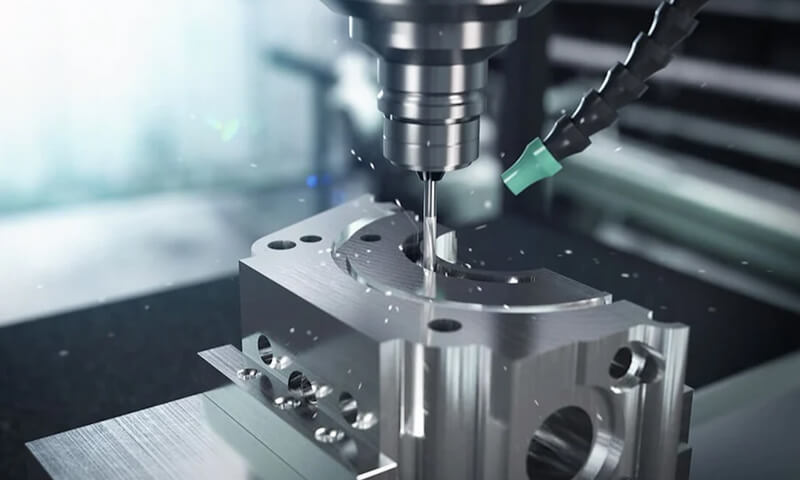
सीएनसी मिलिंग मुख्य रूप से वर्कपीस की सतह पर उपकरण को घुमाने और घुमाने से की जाती है और इसका उपयोग अक्सर फ्लैट को संसाधित करने के लिए किया जाता है, घुमावदार सतहें और भागों के जटिल आकार, जैसे गियर, धारणीयता, भागों के गोले, और इसी तरह.
सीएनसी टर्निंग मुख्य रूप से वर्कपीस को घुमाने और वर्कपीस पर उपकरण के साथ काटने से महसूस की जाती है और अक्सर बेलनाकार आकार के हिस्सों को संसाधित करने के लिए उपयोग किया जाता है, जैसे शाफ्ट, बीयरिंग, धागे, वगैरह.
टर्निंग और मिलिंग समानताएँ
दोनों प्रक्रियाएं, मोड़ना और मिलिंग करना, अवांछित सामग्री को हटाने के लिए घटिया विनिर्माण का उपयोग करें, अपशिष्ट चिप्स का उत्पादन. वे स्टॉक सामग्री में भिन्न हैं, मशीनिंग के तरीके, और उपकरण लेकिन दोनों उन्नत सीएनसी तकनीक का उपयोग करते हैं. इंजीनियर CAD सॉफ़्टवेयर का उपयोग करके मशीनों को प्रोग्राम करते हैं, पर्यवेक्षण को कम करना और मानवीय त्रुटि को कम करना, जो लगातार गुणवत्ता के लिए गति और विश्वसनीयता को बढ़ाता है.
एल्यूमीनियम जैसी धातुओं के लिए टर्निंग और मिलिंग उपयुक्त हैं, इस्पात, पीतल, ताँबा, और टाइटेनियम, साथ ही विभिन्न थर्मोप्लास्टिक्स. तथापि, वे रबर और सिलिकॉन जैसी सामग्रियों के लिए उपयुक्त नहीं हैं (बहुत नरम) या सिरेमिक (बहुत कठिन).
दोनों तकनीकें गर्मी उत्पन्न करती हैं और इस समस्या को प्रबंधित करने के लिए अक्सर काटने वाले तरल पदार्थ का उपयोग करती हैं.
सीएनसी मिलिंग और सीएनसी टर्निंग के बीच चयन कैसे करें
सीएनसी मिलिंग को आमतौर पर जटिल आकार वाले भागों के उत्पादन के लिए सबसे अनुशंसित तरीका माना जाता है, जबकि सीएनसी टर्निंग सरलता के लिए भी उतनी ही अच्छी है, गोल आकार.
बहरहाल, सीएनसी मिलिंग और सीएनसी टर्निंग दोनों का उपयोग क्रमिक रूप से किया जा सकता है जब किसी हिस्से को जटिल आकार और बेलनाकार विशेषताओं दोनों की आवश्यकता होती है. क्योंकि ऐसी परिस्थितियाँ हो सकती हैं जहाँ दोनों ऑपरेशन प्रक्रियाओं की आवश्यकता होती है.
व्यावसायिक सलाह:
यदि आप इस बारे में अनिश्चित हैं कि किस प्रक्रिया का उपयोग करना है या आपको अपने हिस्से के निर्माण के सबसे कुशल तरीके पर मार्गदर्शन की आवश्यकता है, पेशेवर मशीनिंग सेवाएँ किराये पर लेने पर विचार करें. DEZE आपकी विशिष्ट आवश्यकताओं और जिस हिस्से का आप उत्पादन करना चाहते हैं उसकी विशेषताओं के आधार पर आपको सूचित निर्णय लेने में मदद कर सकता है.
DEZE की सीएनसी टर्निंग क्षमता
अत्याधुनिक सीएनसी मशीनें
हमारी सटीक सीएनसी मशीनिंग क्षमताओं में सीएनसी टर्निंग शामिल है, सीएनसी मिलिंग, और सटीक विशिष्टताओं के लिए टर्न-मिलिंग. यह आपके हिस्सों के लिए उच्च सटीकता और आपके उत्पादन के लिए उच्च दक्षता सुनिश्चित करता है और तेजी से सक्षम बनाता है, कुशल, और एकल प्रोटोटाइप का बड़े पैमाने पर उत्पादन में लागत प्रभावी रूपांतरण.

कुशल टर्निंग संचालन
हमारे सीएनसी लेथ लाइव टूलींग के साथ कुशल बोरिंग संचालन प्रदान कर सकते हैं. बोरिंग हेड को एक से माउंट करें, दो, या टेलस्टॉक या रोटेट हेड में कई कटर और समान सटीकता और कठोरता मापदंडों के साथ गहरे या बड़े व्यास के छेद की प्रक्रिया करते हैं. इससे आपका समय बचता है और भागों को मोड़ने की सटीकता अधिक होती है.
निष्कर्ष
सीएनसी टर्निंग एक अत्यधिक कुशल और सटीक मशीनिंग प्रक्रिया है जिसका उपयोग बेलनाकार और सममित भागों को बनाने के लिए किया जाता है. मशीन टूल्स के नियंत्रण को स्वचालित करके, यह उच्च सटीकता और दोहराव के साथ जटिल आकृतियों के उत्पादन की अनुमति देता है. यह प्रक्रिया आधुनिक विनिर्माण का अभिन्न अंग है, विभिन्न उद्योगों के लिए उच्च गुणवत्ता वाले घटकों का उत्पादन करने की क्षमता प्रदान करना, ऑटोमोटिव सहित, एयरोस्पेस, चिकित्सा, और अधिक.
सामग्री संदर्भ:HTTPS के://Waykenrm.com/blogs/what-is-cnc-turning/
पूछे जाने वाले प्रश्न
1. सीएनसी टर्निंग कितनी सटीक है?
सीएनसी टर्निंग ±0.001 मिमी जितनी सख्त सहनशीलता प्राप्त कर सकता है, प्रयुक्त मशीन और टूलींग पर निर्भर करता है.
2. क्या सीएनसी टर्निंग का उपयोग छोटे भागों के लिए किया जा सकता है??
हाँ, सीएनसी टर्निंग छोटे और बड़े दोनों घटकों के लिए उपयुक्त है, इसे विभिन्न अनुप्रयोगों के लिए बहुमुखी बनाना.
3. सीएनसी टर्निंग मशीनें कैसे प्रोग्राम की जाती हैं??
सीएनसी टर्निंग मशीनों को जी-कोड का उपयोग करके प्रोग्राम किया जाता है, जो मशीन की गतिविधियों और संचालन के लिए निर्देश प्रदान करता है.