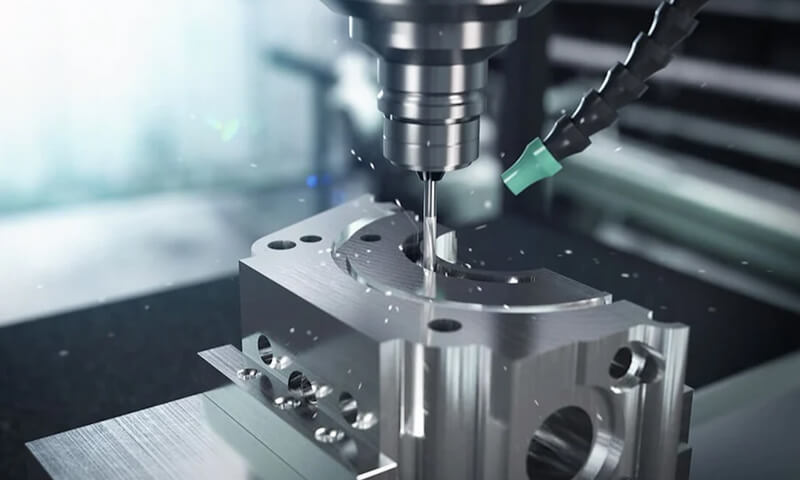
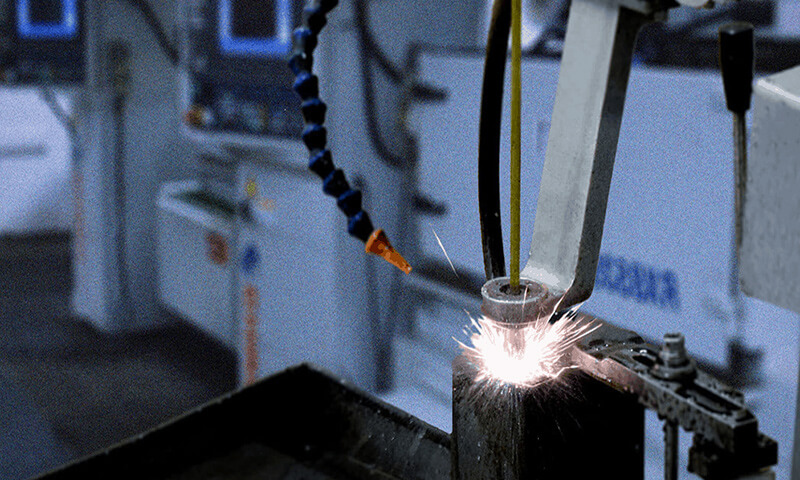
1. परिचय
Valves serve as the linchpin of fluid-handling systems in oil & गैस, विद्युत उत्पादन, water treatment and food processing.
तथापि, harsh operating conditions—corrosive chemicals, उच्च तापमान, abrasive particles and cyclic stresses—quickly degrade untreated valve surfaces.
By applying the right surface treatment, engineers can boost corrosion resistance by over 90 %, extend wear life by 3–5×, and maintain reliable sealing for millions of on/off cycles.
This article explores valve surface engineering from fundamentals through cutting-edge trends, with data-backed insights and active guidance for valve manufacturers and end users alike.
2. Fundamentals of Surface Treatment for Valves
Valve surface treatment manipulates the outermost microns of a component, creating properties that diverge from the bulk substrate.
Whereas a valve body might boast tensile strength above 400 एमपीए, its unprotected surface corrodes at rates up to 0.2 mm/year in seawater.
Applying the right finish flips that dynamic, reducing corrosion rates to below 0.005 मिमी/वर्ष.
Key performance criteria include:
- संक्षारण प्रतिरोध: Measured by salt‐spray testing (एएसटीएम बी 117), where uncoated steel may fail in 24 घंटे, while a quality nickel‐phosphorus coating endures over 1 000 घंटे.
- प्रतिरोध पहन: Quantified via pin‐on‐disk abrasion tests, coatings like tungsten carbide HVOF deliver hardness above 1 200 एचवी, outperforming steel substrate (250 एचवी) by nearly fivefold.
- सतह की कठोरता: Microhardness measurements (एएसटीएम ई384) confirm thermal nitriding boosts surface hardness to 600–1 000 एचवी.
- Friction and Sealing: Lower friction coefficients (एम < 0.2) in PTFE‐based polymeric coatings help valves achieve bubble‐tight shutoff, especially in ball and butterfly valves.
To qualify a treatment, engineers rely on a battery of tests—salt‐spray, microhardness, आसंजन (cross‐hatch), सरंध्रता (electrochemical impedance)—to validate that coatings withstand real‐world stresses.
3. Major Surface Treatment Technologies
Surface treatment technologies enhance valve performance by forming protective or functional layers that combat corrosion, घिसाव, and environmental degradation.
Each technique has its own strengths, ideal use cases, और सामग्री अनुकूलता.
3.1 Electrochemical Processes
Electrochemical surface treatments are widely used in the valve industry to improve corrosion resistance, wear performance, and surface uniformity.
These processes use electrical or chemical energy to deposit or transform materials on the valve surface.
Their precision and adaptability make them suitable for both large industrial valves and small, उच्च परिशुद्धता घटक.
3.1.1 विद्युत
विद्युत is a process in which a metal layer is deposited on a valve component by passing an electric current through an electrolyte containing the metal ions to be deposited.

This technique is particularly effective for improving corrosion resistance, सतह की कठोरता, और सौंदर्यशास्त्र.
Common Electroplated Materials:
- निकल (में): Enhances corrosion and wear resistance; commonly used in chemical, तेल & गैस, and marine valves.
- क्रोमियम (करोड़): Offers a hard, चिकना, and decorative finish; ideal for valve stems and seating surfaces.
- जस्ता (एक प्रकार का): बलिदान संक्षारण संरक्षण प्रदान करता है; often used for low-pressure, atmospheric applications.
लाभ:
- Controlled thickness (typically 5–50 µm)
- Good adhesion to steel, पीतल, and aluminum substrates
- Cost-effective and scalable
सीमाएँ:
- May require post-treatment (उदा।, baking) to relieve hydrogen embrittlement
- Line-of-sight process; complex geometries may suffer from uneven deposition
3.1.2 इलेक्ट्रोलेस प्लेटिंग
Unlike electroplating, electroless plating does not rely on external electrical current.
बजाय, it uses a controlled chemical reaction to deposit a uniform coating on all exposed surfaces—regardless of geometry.

This method is especially valuable for internal valve passages, धागे, and blind cavities.
Common Coating Systems:
- Nickel–Phosphorus (Ni–P): Offers uniform thickness and excellent corrosion resistance. High-phosphorus versions (>10% पी) resist aggressive media like acids and seawater.
- Nickel–Boron (Ni–B): Provides superior hardness (>900 एचवी) और पहनने का प्रतिरोध.
- Copper and Cobalt alloys: Used for niche chemical compatibility and lubrication applications.
लाभ:
- Highly uniform coating (विशिष्ट मोटाई: 10-50 µm)
- No need for electrical contact points
- Suitable for complex, high-precision valve components
सीमाएँ:
- Slower deposition rates compared to electroplating
- More complex chemistry and bath maintenance
3.1.3 Conversion Coatings
Conversion coatings chemically modify the valve surface to form protective oxide or phosphate layers.
These are often used as standalone treatments or primers for further coatings (उदा।, paint or powder coating).
Main Types:
- अदा करना (स्टेनलेस स्टील के लिए): Removes free iron and enhances corrosion resistance by enriching the chromium oxide layer.
- Phosphating: Produces a crystalline phosphate layer that improves paint adhesion and provides mild corrosion resistance.
- एक प्रकार का होना (primarily for aluminum valves): Electrochemically forms a thick, stable oxide layer that resists corrosion and can be dyed for aesthetics.
लाभ:
- Improves paint/coating adhesion
- Enhances corrosion resistance without significantly altering dimensions
- Environmentally adaptable (some processes are RoHS-compliant)
सीमाएँ:
- Thin films (आम तौर पर <5 माइक्रोन) may not offer sufficient protection in harsh environments without a topcoat
- Not suitable for all metals (उदा।, limited effect on carbon steel)
3.2 Thermal Spray and Physical Deposition
Thermal spray and physical deposition methods create robust, टूट फुट प्रतिरोधी, and corrosion-proof coatings by mechanically or chemically bonding material to a valve’s surface.
These high-energy techniques deliver thicker, denser films than electrochemical processes, making them ideal for severe service conditions.
3.2.1 Flame, एचवीओएफ, and Plasma Spraying
पहला, ज्योति, high-velocity oxy-fuel (एचवीओएफ), and plasma spraying all project molten or semi-molten particles onto the valve substrate at high speed.
नतीजतन, the particles flatten and bond, forming a continuous, tightly adherent coating up to 500 माइक्रोन मोटा.
- Flame Spraying
-
- सामग्री: अल्युमीनियम, जस्ता, and simple alloys
- विशिष्ट मोटाई: 100-300 µm
- फ़ायदे: Low equipment cost, good corrosion protection for general-purpose valves
- सीमाएँ: Lower bond strength (15–25 MPa) and higher porosity (~5%) than HVOF
- HVOF Spraying
-
- सामग्री: Tungsten carbide–cobalt (WC-Co), क्रोमियम कार्बाइड, निकल मिश्र धातु
- विशिष्ट मोटाई: 100-500 µm
- फ़ायदे: High bond strength (तक 70 एमपीए), कम सरंध्रता (<1%), and hardness exceeding 1 200 एचवी
- उदाहरण: Erosion-resistant trim in slurry or sand-laden media reduces wear volume by over 85% compared to bare steel
- Plasma Spraying
-
- सामग्री: Ceramic oxides (Al₂O₃, ZrO₂), metal–ceramic blends
- विशिष्ट मोटाई: 150-500 µm
- फ़ायदे: Exceptional thermal stability (operating temperatures up to 1 000 ° C) और रासायनिक जड़ता
- सीमाएँ: Higher capital cost and need for specialized safety measures
3.2.2 PVD and CVD (Physical and Chemical Vapor Deposition)
इसके विपरीत, PVD and CVD deposit ultra-thin, high-performance films in vacuum chambers.
These atom-by-atom processes yield coatings just 1–5 माइक्रोन मोटा, but they deliver outstanding hardness, संक्षारण प्रतिरोध, and precise control.

- भौतिक वाष्प जमाव (पीवीडी)
-
- कोटिंग्स: टाइटेनियम नाइट्राइड (टिन), क्रोमियम नाइट्राइड (सी.आर.एन), हीरे जैसा कार्बन (डीएलसी)
- कठोरता: > 2 000 एचवी
- आसंजन: > 50 एमपीए (खरोंच परीक्षण)
- लाभ: Minimal dimensional change, extremely low friction (एम < 0.1), and superior wear resistance for critical valve seats and stems
- रासायनिक वाष्प जमाव (सीवीडी)
-
- कोटिंग्स: सिलिकन कार्बाइड, boron carbide, silicon nitride
- फ़ायदे: Conformal coverage of complex geometries, high chemical inertness, and temperature resistance up to 1 200 ° C
- विचार: सटीक तापमान नियंत्रण की आवश्यकता है (400-1 100 ° C) and longer cycle times
सारांश, thermal spray techniques excel when valves operate in abrasive, कटाव का, या उच्च तापमान वाला वातावरण, delivering thick, durable barriers.
इस दौरान, PVD and CVD serve niche applications where ultra-thin, high-hardness coatings and tight tolerances prove critical—often in high-precision or sanitary valve components.
3.3 Polymeric and Composite Coatings
Polymeric and composite coatings deliver versatile, durable protection for valves in corrosive, रासायनिक, and outdoor environments.
By combining organic resins with reinforcing fillers or inorganic particles, these coatings balance corrosion resistance, यांत्रिक शक्ति, and finish quality.
3.3.1 epoxy, पोलीयूरीथेन, and Fluoropolymer Systems
epoxy, polyurethane, and fluoropolymer coatings each offer unique advantages:
- Epoxy Coatings
Epoxy resins cure into dense, cross-linked films (50-150 μm) that resist chemical attack and moisture ingress.
ए 75 µm epoxy layer can withstand over 1 000 hours in a salt-spray chamber (एएसटीएम बी 117) before white rust appears.
इसके अतिरिक्त, epoxies adhere superbly to steel substrates, making them ideal primers or standalone finishes for water valves and general industrial service. - Polyurethane Coatings
Polyurethane finishes deliver flexibility and abrasion resistance at thicknesses of 60–120 µm.
They resist UV degradation significantly better than epoxies, retaining gloss and color after 2 000 hours of QUV exposure.
नतीजतन, designers choose urethanes for outdoor valves and architectural applications where both aesthetics and durability matter. - Fluoropolymer Coatings (पीटीएफई, FEP, पीवीडीएफ)
Fluoropolymers resist virtually all chemicals and operate across −50 °C to 150 ° C.
A typical 25 µm PTFE coating cuts static friction coefficients below 0.05, enabling bubble-tight shutoff in ball and butterfly valves.
आगे, their non-stick surface repels fouling and simplifies cleaning in sanitary or chemical processing plants.
3.3.2 Powder Coatings and Hybrid Organic–Inorganic Films
Powder and hybrid coatings combine ease of application with robust performance:
- Thermoset पाउडर कोटिंग्स
Applied electrostatically and cured at 150–200 °C, powder coatings form 60–150 µm films that marry corrosion protection with vibrant color options.
Recent advances deliver salt-spray resistance exceeding 1 000 घंटे, along with impact strength over 50 जे, ideal for municipal valve bodies and outdoor enclosures.
Powder Coating Butterfly Valves - Hybrid Organic–Inorganic Films
By integrating silica or ceramic nanoparticles into polymer matrices, hybrid films achieve higher hardness (तक 600 एचवी) and superior chemical resistance.
These coatings bridge the gap between pure polymer layers and thick thermal sprays,
providing 30–100 µm protection with minimal dimensional change—perfect for tight-tolerance valve trims and precision assemblies.

In combination, polymeric and composite coatings offer cost-effective, environmentally friendly solutions.
They excel where thick, uniform barriers and color-coded finishes enhance both performance and user safety.
3.4 Thermochemical Surface Hardening
Thermochemical treatments diffuse alloying elements into the valve substrate at elevated temperatures, creating a hardened surface layer without adding a discrete coating.
These methods enhance wear resistance, थका हुआ जीवन, and load-bearing capacity—critical for components like stems, सीटें, and actuating mechanisms.
3.4.1 nitriding
nitriding introduces nitrogen into steel at 500–580 °C, forming hard nitrides within the surface to depths of 0.1-0.6 मिमी.

This process boosts surface hardness to 600-1 000 एचवी, घर्षण कम करता है, and improves fatigue strength by 20–30%. Common variants include:
- गैस नाइट्राइडिंग uses ammonia gas; it yields uniform case depths and is suitable for complex geometries.
- प्लाज्मा नाइट्राइडिंग employs an electrical discharge in a low-pressure ammonia atmosphere, offering precise control over case depth and minimal distortion.
- Salt-Bath Nitriding provides fast cycle times and consistent results but requires careful handling of molten salt media.
Nitrided valve stems exhibit up to 5× longer wear life under cyclic actuation compared to unprocessed steel.
3.4.2 carburizing, Boriding, and Carbonitriding
These treatments diffuse carbon, बोरान, or both into steel to form hard, wear-resistant layers:
- carburizing takes place at 900-950 डिग्री सेल्सियस, infusing carbon to depths of 0.5-1.5 मिमी. शमन के बाद, surface hardness reaches 550–650 HV, ideal for high-load applications.
- Boriding (Borocarburizing) introduces boron (and optionally carbon) पर 700-900 डिग्री सेल्सियस, producing an ultra-hard (तक 1 400 एचवी) iron boride layer of 10-30 µm मोटाई.
Borided valve components resist abrasive wear and galling exceptionally well. - Carbonitriding combines carbon and nitrogen diffusion at 800–880 °C, achieving surface hardness of 650–800 HV with case depths of 0.2-0.8 मिमी.
This hybrid approach balances toughness and wear resistance.
In abrasive or high-pressure valve trims, borided seals and carburized spindles can extend service intervals by 3-4× relative to untreated parts.
4. Valve Surface Treatment in Special Environments
Valves often operate under extreme conditions that accelerate wear, जंग, and failure.
Tailoring surface treatments to each service environment transforms a vulnerable component into a durable, high‐performance asset.
नीचे, we examine four demanding scenarios—marine/offshore, high‐temperature/high‐pressure, abrasive/slurry, and sanitary/food‐grade—and recommend optimal finishes backed by performance data.
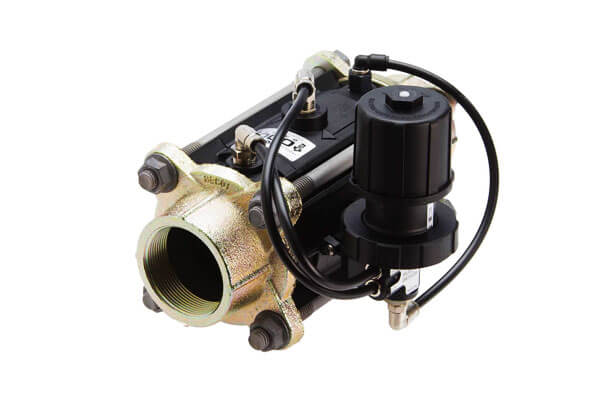
समुद्री और अपतटीय अनुप्रयोग
Saltwater immersion and airborne chloride severely challenge valve metallurgy.
Uncoated carbon steel corrodes at rates up to 0.15 मिमी/वर्ष समुद्री जल में, जबकि ए 25 µm electroless nickel‐phosphorus layer can reduce that to 0.005 मिमी/वर्ष.
To meet these demands:
- इलेक्ट्रोलेस निकल (Ni–P, ≥12 % पी): Offers uniform coverage on complex geometries, resists pitting in salt spray tests beyond 2 000 घंटे (एएसटीएम बी 117), and maintains surface hardness of 550–650 HV.
- Duplex Stainless Linings: Applying a thin (20-30 µm) Ni–P coat over duplex stainless grades (उदा।, 2205) combines galvanic and barrier protection.
- Fluoropolymer Overcoats: ए 25 µm PTFE topcoat seals micro‐porosities, further lowering corrosion rates and preventing biofouling.
High-Temperature and High-Pressure Service
भाप, hot oil, and supercritical fluids push valve materials to their thermal limits. पर 400 ° C, bare steel forms scaling oxides that spall under cyclic loads. बजाय:
- Thermal Spray Ceramic Coatings (Al₂O₃–13 % TiO₂ by plasma spray): Withstand continuous exposure up to 1 000 ° C, reduce oxidation rates by 70 %, and resist thermal fatigue.
- CVD Silicon Carbide (सिक): Provides a conformal, 2–5 µm barrier sustaining pressures beyond 1 000 छड़ और तापमान तक 1 200 ° C without degradation.
- nitriding: Gas or plasma nitriding at 520 ° C yields a 0.4 मिमी hardened case (800 एचवी) that tolerates elevated stress and minimizes creep in valve stems.
Abrasive and Slurry Media
Coal‐fired plants, खनन संचालन, and wastewater treatment expose valves to particulate‐laden flows that erode metallic surfaces at rates over 5 mg/cm²/hour.
Effective defenses include:
- HVOF Tungsten Carbide–Cobalt (WC-Co) Sprays: Produce coatings 200–400 µm thick with porosity below 1 %.
In ASTM G76 slurry tests, these layers reduce erosion volume by 85 % compared to untreated steel. - Boriding: Forms a hard (1 200-1 400 एचवी) iron boride layer of 20–30 µm, delivering exceptional resistance to cavitation and particulate impingement.
- Polyurethane Liners: For lower‐temperature slurries, 5–8 mm rubber‐polymer linings absorb impact and abrasion, द्वारा सेवा जीवन का विस्तार 2–3×.
खाना, फार्मास्युटिकल, and Sanitary Environments
Hygienic processes demand surfaces that resist bacterial adhesion, tolerate frequent cleaning, and avoid contaminant shedding.
Critical requirements include surface roughness आरए < 0.5 माइक्रोन and FDA‐approved materials:
- Electropolished Stainless Steel (304/316एल): Achieves Ra < 0.4 माइक्रोन, eliminating crevices and facilitating CIP/SIP routines.
- PTFE/Liner Coatings: A thin (10-20 µm) fluoropolymer coat provides non‐stick properties, रासायनिक जड़ता, and temperature resistance up to 150 ° C.
- Chrome‐Free Passivation: Uses nitric or citric acid to enrich the chromium oxide surface without hexavalent chromium, ensuring regulatory compliance (यूरोपीय संघ 2015/863).
5. Valve Surface Treatment Effect Comparison
Selecting the appropriate valve surface finishing involves balancing mechanical performance, रासायनिक प्रतिरोध, पर्यावरणीय जोखिम, और लागत.
Different surface engineering methods provide distinct advantages,
and their effectiveness can be compared across several key criteria: संक्षारण प्रतिरोध, प्रतिरोध पहन, तापमान सहनशीलता, सतह की कठोरता, कोटिंग की मोटाई, और लागत प्रभावशीलता.
| इलाज | संक्षारण प्रतिरोध | प्रतिरोध पहन | अधिकतम तापमान (° C) | सतह की कठोरता (एचवी) | मोटाई (माइक्रोन) | लागत क्षमता |
|---|---|---|---|---|---|---|
| विद्युत | ★★☆ | ★★☆ | 200 | 200–850 | 10-50 | ★★★ |
| Electroless Ni-P | ★★★★ | ★★★☆ | 450 | 500–1,100 | 25-100 | ★★☆ |
| HVOF WC-Co | ★★★☆ | ★★★★★ | 1,000 | 1,200–1,600 | 100-400 | ★★☆ |
| पॉलिमर कोटिंग्स | ★★★☆ | ★★☆ | 200 | 50-200 | 50-150 | ★★★★ |
| nitriding | ★★☆ | ★★★★ | 550 | 800–1,200 | 200-600 | ★★★ |
| Boriding | ★★☆ | ★★★★★ | 800 | 1,200–1,400 | 10-50 | ★★ |
6. चयन मानदंड & Life-Cycle Considerations for Valve Surface Treatments
Selecting the right valve surface treatment is a critical engineering decision that directly impacts प्रदर्शन, विश्वसनीयता, and total cost of ownership.
Instead of focusing solely on the initial coating cost, a well-informed approach considers सामग्री अनुकूलता, operational environment, long-term maintenance, और विनियामक अनुपालन.
Material Compatibility and Galvanic Corrosion Risks
वाल्व निकाय, उपजा, सीटें, and trims are typically made of materials like carbon steel, स्टेनलेस स्टील, कांस्य, or high-performance alloys.
The surface treatment must be compatible with the substrate to avoid:
- Adhesion failure due to thermal expansion mismatches
- गैल्वेनिक संक्षारण, especially in seawater or dissimilar metal assemblies
- हाइड्रोजन समृद्धि, a risk in some electrochemical coatings (उदा।, electroplated high-strength steel)
Operational Environment and Performance Demands
Different environments impose varied stress conditions:
- संक्षारक वातावरण (उदा।, समुद्री, रासायनिक संयंत्र): Favor electroless nickel-phosphorus or fluoropolymer coatings
- उच्च तापमान अनुप्रयोग (उदा।, भाप लाइनें): Require ceramic thermal sprays or nitrided surfaces
- Abrasive Flows (उदा।, slurry valves): Benefit from HVOF coatings or boriding
Lifecycle Cost vs. Capital Expenditure
While some surface treatments (उदा।, HVOF or duplex coatings) are expensive upfront, they can dramatically extend service life, डाउनटाइम कम करना, श्रम, and spare part costs.
Decision-makers should evaluate:
- Mean Time Between Failures (एमटीबीएफ) improvements
- Reduced maintenance frequency
- Spare part availability and lead times
Maintenance and Repair Considerations
Certain surface finishing allows in-situ repairs, while others require full component replacement. उदाहरण के लिए:
- Epoxy coatings can be recoated or touched up
- HVOF or ceramic coatings may need full re-application using specialized equipment
- Thin PVD coatings may be difficult to inspect or refurbish
Regulatory and Environmental Compliance
Increasingly stringent regulations require manufacturers to consider:
- RoHS and REACH compliance (उदा।, limits on hexavalent chromium, नेतृत्व करना)
- VOC emissions in polymer coatings
- Eco-toxicity and recyclability of coating materials
7. निष्कर्ष और भविष्य का दृष्टिकोण
Valve surface treatment no longer represents a simple “paint job.” Instead, they form a strategic layer engineered for specific environments, balancing cost, प्रदर्शन, और अनुपालन.
आगे बढ़ते हुए, expect smarter coatings that self-heal and self-report, greener chemistries that eliminate heavy metals, and fully automated production lines ensuring flawless, repeatable finishes.
By staying abreast of these advances, engineers can design valve systems that deliver reliability, क्षमता, and longevity in the toughest conditions.
8. How do I choose the right surface treatment for my valve?
यह is a professional valve manufacturer offering a comprehensive range of high-quality valves and advanced surface treatment services.
We specialize in customized solutions tailored to meet diverse application requirements and industry standards.
If you are looking for reliable, उच्च प्रदर्शन custom valves, कृपया स्वतंत्र महसूस करें हमसे संपर्क करें. Our team is ready to provide expert support and tailored solutions.
पूछे जाने वाले प्रश्न
What types of valves does DEZE manufacture?
DEZE manufactures a wide range of industrial valves, including gate valves, गेंद वाल्व, तितली वाल्व, ग्लोब वाल्व, जांच कपाट, और नियंत्रण वाल्व.
These are available in various sizes, दबाव वर्ग, and materials to suit applications in water treatment, पेट्रो, विद्युत उत्पादन, एचवीएसी, और अधिक.
Do you offer valve customization services?
हाँ. We provide fully customized valve solutions based on your project requirements, including dimensions, दबाव रेटिंग, अंत कनेक्शन, सामग्री चयन, और सतह परिष्करण.
Our engineering team will work with you to ensure the final product meets all technical specifications and performance standards.
Are DEZE valves compliant with international standards?
हाँ. Our valves are manufactured according to major international standards, शामिल:
- एएनएसआई/एएसएमई (अमेरिकी)
- DIN/EN (European)
- वह (जापानी)
- एपीआई, आईएसओ, and GB मानकों
We also support third-party inspection and certification based on customer requirements.
What is the typical lead time for custom valves?
Lead times depend on the complexity of the valve design and surface treatment requirements. For standard valves, delivery usually ranges from 2 को 4 हफ्तों.
Custom or specialty valves may require 6 को 8 हफ्तों या अधिक. We always aim to meet project timelines efficiently.
How can I request a quote or technical consultation?
You can reach out to us via our website contact form, ईमेल, or phone.
Please provide basic project details such as valve type, आकार, सामग्री, परिचालन की स्थिति, and surface treatment needs. Our team will respond promptly with a tailored solution and quotation.