1. परिचय
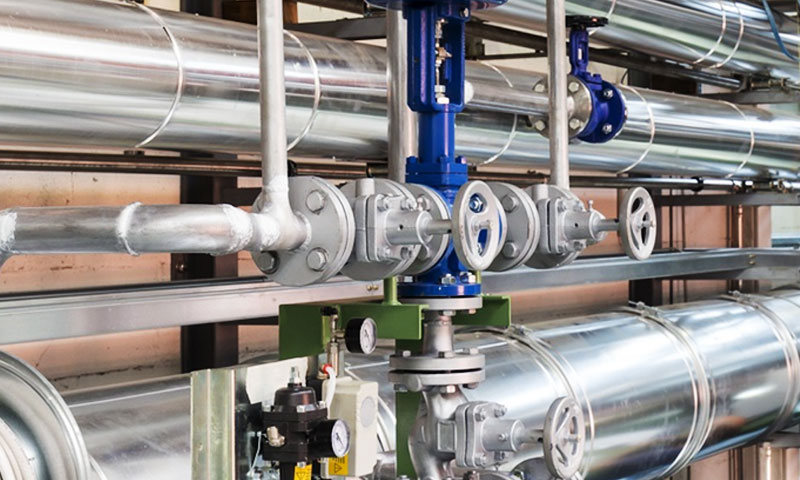
A Steam trap is an automatic valve used in steam systems to discharge condensate, वायु, और non-condensable gases जीवित भाप के नुकसान की अनुमति दिए बिना.
औद्योगिक और वाणिज्यिक दोनों भाप प्रणालियों में महत्वपूर्ण घटकों के रूप में कार्य करना, वे सुनिश्चित करते हैं थर्मल दक्षता, सिस्टम विश्वसनीयता, और परिचालन सुरक्षा.
ऐतिहासिक दृष्टि से, भाप जाल प्राथमिक यांत्रिक उपकरण थे, लेकिन प्रगति के साथ पदार्थ विज्ञान, नियंत्रण प्रौद्योगिकियां, और ऊर्जा निगरानी,
आधुनिक जाल अब डिजिटल डायग्नोस्टिक्स और पूर्वानुमानित रखरखाव उपकरणों को एकीकृत करते हैं, ऊर्जा के प्रति जागरूक औद्योगिक संचालन में उन्हें पहले से कहीं अधिक आवश्यक बना दिया गया है.
2. How Steam Traps Work?
स्टीम ट्रैप स्वचालित होते हैं वाल्व जो भाप प्रणालियों में महत्वपूर्ण भूमिका निभाते हैं: वे कंडेनसेट को लगातार अलग करना और बाहर निकालना, वायु, और गैर-संघनित गैसें (NCGs) जबकि मूल्यवान जीवित भाप को बनाए रखना.
संरक्षण के लिए यह चयनात्मक निष्कासन आवश्यक है थर्मल दक्षता, उपकरण दीर्घायु, और सिस्टम विश्वसनीयता.
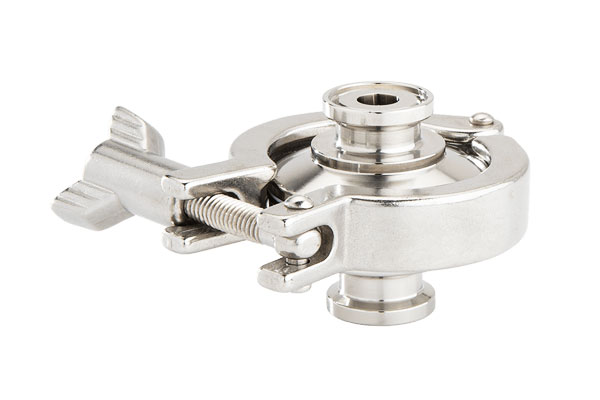
भाप जाल का संचालन तीन मूलभूत तत्वों द्वारा नियंत्रित होता है भौतिक संपत्ति अंतर भाप के बीच, संघनन, और गैसें:
- घनत्व का अंतर
- तापमान अंतराल
- दबाव/वेग में अंतर
ये भौतिक भेद जाल के सक्रियण तंत्र का आधार बनते हैं - चाहे वह यांत्रिक हो, थर्मास्टाटिक, या थर्मोडायनामिक.
Core Thermodynamics: Steam vs. Condensate Behavior
भाप के बीच के अंतर को समझना, संघनन, और गैर-संघनित गैसें (NCGs) यह समझना आवश्यक है कि भाप जाल कैसे कार्य करते हैं.
भाप
भाप कम घनत्व वाला एक उच्च-ऊर्जा वाष्प है - लगभग से लेकर 0.5 को 6 किग्रा/वर्ग मीटर के बीच परिचालन दबाव पर 1 को 100 छड़.
इसका तापमान से मेल खाता है संतृप्ति तापमान किसी दिए गए दबाव पर (उदा।, 100डिग्री सेल्सियस पर 1 छड़, 184डिग्री सेल्सियस पर 10 छड़).
भाप बड़ी मात्रा में वहन करती है अव्यक्त गर्मी, जो इसे थर्मल प्रक्रियाओं के लिए अत्यधिक कुशल बनाता है.
Condensate
Condensate यह तब बनता है जब भाप ऊष्मा विनिमय के दौरान इस गुप्त ऊष्मा को छोड़ती है.
यह आमतौर पर एक सघन तरल पदार्थ है 900-950 किग्रा/वर्ग मीटर-और अक्सर संतृप्ति तापमान से ठंडा होता है, के रूप में जाना जाता है उपशीतलित संघनन.
कुछ शर्तों के तहत, खासकर जब दबाव तेजी से गिरता है, घनीभूत कर सकते हैं द्वितीयक भाप में फ्लैश करें, presenting challenges for effective drainage.
Non-condensable gases (NCGs)
Air and non-condensable gases (NCGs), such as oxygen and carbon dioxide, enter the system during startup or form due to corrosion.
These gases are denser than steam but lighter than condensate, and they act as thermal insulators.
If not properly vented, they can reduce heat transfer efficiency by up to 50%, especially in heat exchangers and process vessels.
Essential Functions of a Steam Trap
To maintain steam system performance, a steam trap must reliably perform three key functions:
Efficient Condensate Removal
Accumulated condensate reduces heat transfer surface area and impairs thermal performance.
उदाहरण के लिए, 25% waterlogging in a heat exchanger can cause up to a 30% drop in thermal efficiency.
Steam traps must discharge condensate immediately upon formation to avoid such losses.
Ventilation of Air and Non-Condensable Gases
During startup, steam systems are filled with air. If not vented, this air causes air locks, blocking steam flow and slowing heat-up.
Because air has very low thermal conductivity (0.026 W/m·K compared to 0.6 W/m·K for steam), it severely impacts efficiency.
An effective steam trap should vent NCGs rapidly—ideally within 10 minutes of startup.
Retention of Live Steam
Live steam contains valuable latent heat (~2,200 kJ/kg at 10 छड़). Any steam loss directly translates to wasted energy.
भले ही 1% steam leak in a high-pressure system can waste over 1,000 kWh/day.
इसलिए, a high-quality steam trap must seal tightly in the presence of steam, allowing only condensate and gases to exit.
3. Major Types of Steam Trap
Steam traps are categorized primarily based on their operating principles—how they detect and differentiate between live steam, संघनन, और गैर-संघनित गैसें.
The three main categories are:
- Mechanical traps — operate on density differences
- Thermodynamic traps — rely on pressure and velocity effects
- Thermostatic traps - तापमान परिवर्तन पर प्रतिक्रिया करें
Mechanical Traps
यांत्रिक जाल महत्वपूर्ण उपयोग करते हैं घनत्व अंतर वाल्व तंत्र को सक्रिय करने के लिए भाप और घनीभूत के बीच.
उनमें आम तौर पर एक फ्लोट या उलटी बाल्टी होती है जो घनीभूत स्तर में परिवर्तन के जवाब में चलती है.
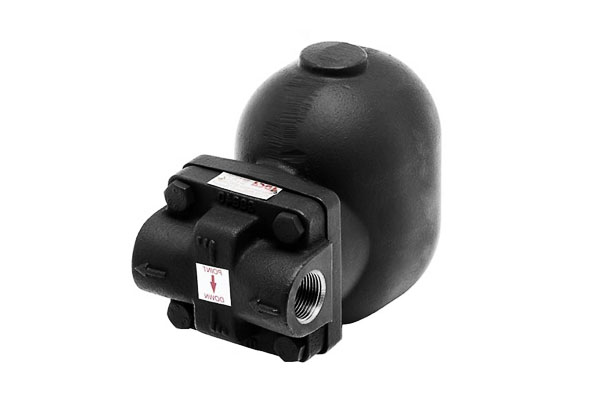
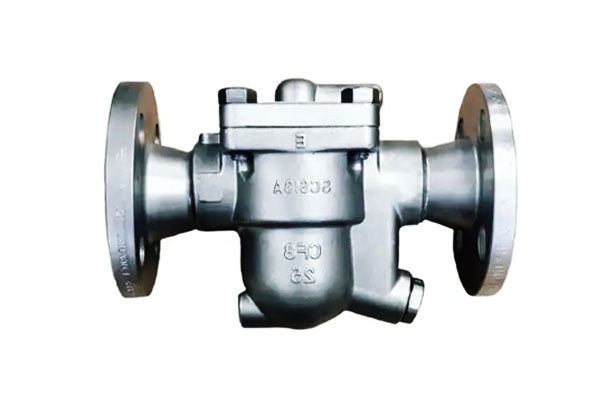
Float & Thermostatic (एफ&टी) Traps
- काम के सिद्धांत:
एक एफ का मूल&टी ट्रैप एक कक्ष के अंदर एक फ्लोट तंत्र है. जैसे ही घनीभूत प्रवेश करता है, यह जाल के शरीर को भर देता है, जिससे फ्लोट ऊपर उठ जाता है.
यह ऊपर की ओर गति यांत्रिक रूप से एक वाल्व से जुड़ी होती है जो कंडेनसेट को डिस्चार्ज करने के लिए खुलती है.
जब घनीभूत स्तर गिरता है, फ्लोट गिरता है, जीवित भाप के नुकसान को रोकने के लिए वाल्व को कसकर बंद करना.
इसके साथ ही, जाल के शीर्ष पर एक थर्मोस्टेटिक वायु वेंट तापमान अंतर को महसूस करके हवा और अन्य गैर-संघनित गैसों को हटा देता है: ठंडी हवा के कारण वेंट वाल्व खुल जाता है, जबकि गर्म भाप इसे बंद कर देती है.
Float & थर्मास्टाटिक भाप जाल - Advantages of Working Principle:
The float mechanism allows near-continuous condensate discharge at steam temperature, providing excellent thermal efficiency.
The thermostatic vent ensures fast air removal, especially critical during system startup. - अनुप्रयोग:
Widely used in heat exchangers, large process vessels, and other equipment with fluctuating steam loads requiring efficient air venting and reliable condensate drainage.
Inverted Bucket Traps
- काम के सिद्धांत:
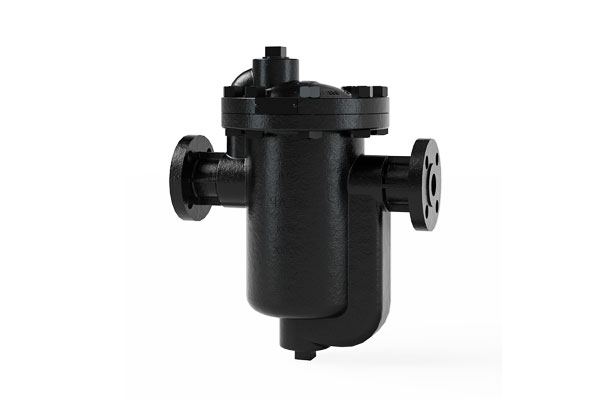
The inverted bucket trap contains a hollow, upside-down bucket suspended inside the trap body.
When condensate fills the trap, the bucket sinks, opening the valve to discharge the condensate.
As steam enters, it fills the bucket, increasing buoyancy and causing the bucket to rise. This upward movement closes the valve, preventing steam from escaping.
भाप या घनीभूत की उपस्थिति के आधार पर इन दोनों स्थितियों के बीच जाल चक्र होता है, रुक-रुक कर स्राव उत्पन्न करना.Inverted Bucket Traps - प्रमुख विशेषताएँ:
चक्रीय संचालन बड़े घनीभूत भार को प्रभावी ढंग से संभालता है और एक मजबूत तंत्र प्रदान करता है जो कम चलने वाले भागों के कारण कम खराब होता है।.
तथापि, उचित संचालन के लिए स्टार्टअप के दौरान बाल्टी को कंडेनसेट से भरा होना चाहिए. - अनुप्रयोग:
स्टीम मेन के लिए आदर्श, टपकते पैर, और स्थिर भाप दबाव वाले अन्य स्थान जहां रुक-रुक कर निर्वहन स्वीकार्य है.
Thermodynamic Traps
थर्मोडायनामिक जाल किसके आधार पर संचालित होते हैं? दबाव और वेग अंतर की गतिशीलता भाप और संघनन के बीच, बर्नौली के सिद्धांत का उपयोग करके गति में परिवर्तन किया जाता है.
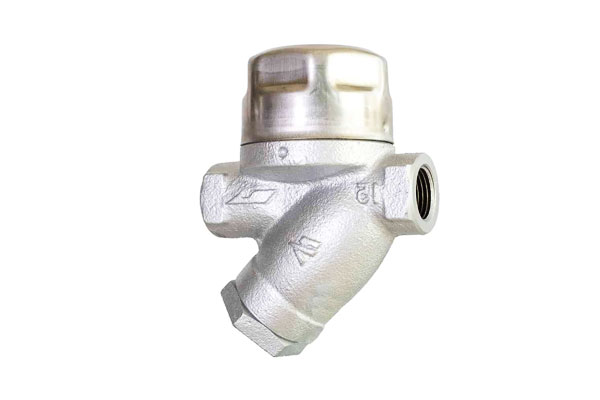
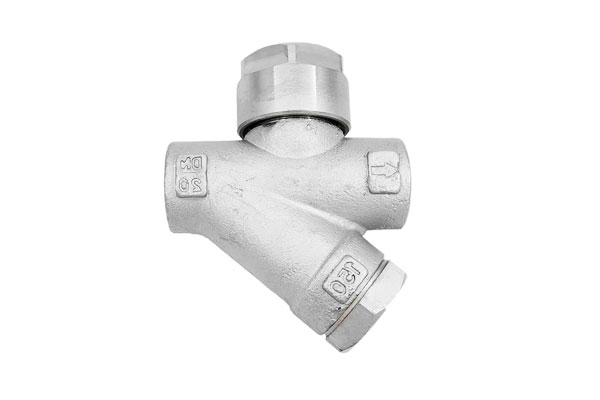
डिस्क (Snap) Traps
- काम के सिद्धांत:
डिस्क ट्रैप में एक सपाट धातु डिस्क है जो वाल्व सीट पर बैठी है. जब घनीभूत जाल में प्रवेश करता है, यह डिस्क को थोड़ा ऊपर उठाता है, निर्वहन की अनुमति.
तथापि, as flash steam forms beneath the disc due to pressure drop and high velocity, it creates a high-velocity jet and reduced pressure under the disc.
This dynamic effect forces the disc down against the seat, closing the trap tightly.
When condensate cools or pressure conditions change, the disc lifts again, repeating the cycle rapidly. The rapid opening and closing (snap action) make the disc trap very responsive.Disc Traps - लाभ:
This design is compact, rugged, और न्यूनतम रखरखाव की आवश्यकता होती है. It can tolerate dirt and scale better than many mechanical traps and works well under superheated steam conditions. - सीमाएँ:
The snap action can cause noise (बकवास), and disc traps may perform poorly at very low loads or pressures. - अनुप्रयोग:
Commonly used on steam mains, long steam tracing lines, and outdoor installations where robustness and freeze resistance are important.
Thermostatic Traps
Thermostatic traps rely on the difference in temperature between live steam and condensate (या हवा) to open or close the valve.
They use temperature-sensitive elements that physically deform with heat.
Bimetallic Element Traps
- काम के सिद्धांत:
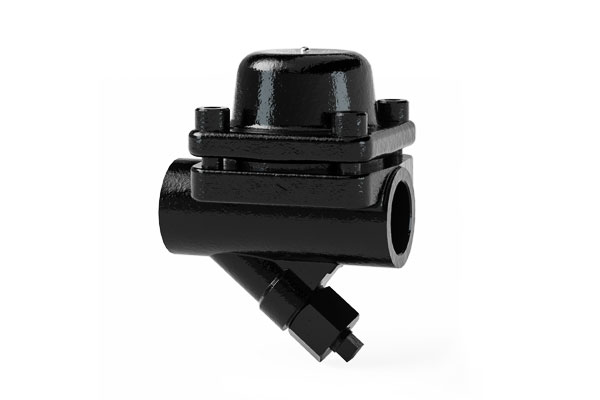
These traps incorporate a bimetallic strip made from two metals with different thermal expansion coefficients.
When cooler condensate or air contacts the bimetallic element, it contracts or bends, opening the valve to discharge fluids.
As steam at saturation temperature reaches the trap, the element heats up, causing it to expand or straighten, which closes the valve to retain live steam.
This action is gradual and temperature-dependent, allowing precise control based on thermal conditions.Bimetallic Element Steam Traps - अनुप्रयोग:
Particularly suited for high-pressure steam systems and superheated steam where accurate temperature control is required, जैसे स्टरलाइज़र और आटोक्लेव. - लाभ & सीमाएँ:
टिकाऊ और व्यापक दबाव रेंज को संभालने में सक्षम, लेकिन यांत्रिक जाल की तुलना में उनका प्रतिक्रिया समय धीमा हो सकता है और बहुत कम घनीभूत भार के साथ कठिनाई हो सकती है.
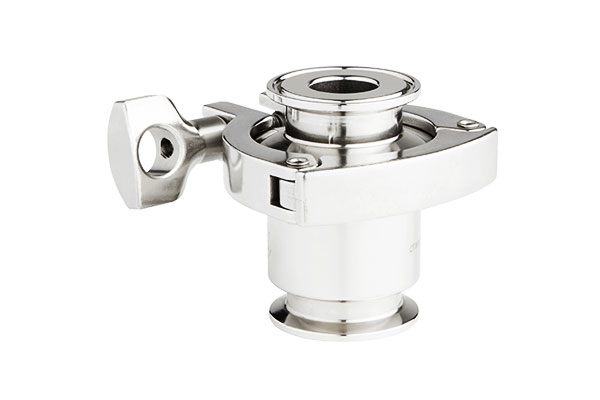
Balanced Pressure (Expansion Element) Traps
- काम के सिद्धांत:
द्रव से भरा कैप्सूल या धौंकनी भाप द्वारा गर्म करने पर फैलती है, डिस्चार्ज वाल्व बंद करना.
जब संघनन या वायु कैप्सूल को ठंडा कर देती है, यह सिकुड़ता है, opening the valve to discharge fluids.
क्योंकि कैप्सूल एक असम्पीडित द्रव से भरा होता है, सिस्टम दबाव में उतार-चढ़ाव होने पर भी यह वाल्व को बंद रखता है, इसलिए इसका नाम "संतुलित दबाव" पड़ा।संतुलित दबाव जाल - अनुप्रयोग:
भाप अनुरेखण के लिए उपयोग किया जाता है, नसबंदी, और छोटे हीट एक्सचेंजर्स जहां चिकने होते हैं, शांत संचालन वांछनीय है. - लाभ & सीमाएँ:
हवा और गैर-संघनित गैसों को बाहर निकालने में उत्कृष्ट, लेकिन पानी के हथौड़े के प्रति संवेदनशील हो सकता है और लंबे समय तक उपयोग के बाद कैप्सूल तत्व को बदलने की आवश्यकता हो सकती है.
तुलनात्मक अवलोकन
| पहलू | यांत्रिक (एफ&टी, बाल्टी) | Thermodynamic (डिस्क) | Thermostatic (Bimetallic, Expansion) |
| Control Principle | घनत्व (तरल स्तर) | Pressure/velocity (dynamic forces) | तापमान (थर्मल विस्तार) |
| Condensate Discharge | निरंतर (एफ&टी) या रुक-रुक कर (बाल्टी) | रुक-रुक कर तेज साइकिल चलाना | तापमान पर निर्भर, क्रमिक |
| एयर वेंटिंग क्षमता | उत्कृष्ट (एफ&थर्मोस्टेटिक वेंट के साथ टी) | विशेष वेन्टिंग के बिना गरीब | उत्कृष्ट |
| गंदगी और पैमाने की सहनशीलता | अच्छा (विशेषकर बाल्टी प्रकार) | उच्च (मजबूत डिस्क) | मध्यम |
| अनुप्रयोग उपयुक्तता | प्रक्रिया उपकरण, हीट एक्सचेंजर्स | भाप मुख्य, अनुरेखक, बाहरी | अनुरेखण, नसबंदी, संवेदनशील उपकरण |
| लोड परिवर्तन पर प्रतिक्रिया | तेज़ और स्थिर | शोर हो सकता है, कम भार पर कम स्थिर | मध्यम, तापमान में कमी से प्रतिक्रिया में देरी हो सकती है |
| फ्रीज प्रतिरोध | मध्यम | उच्च | कम से मध्यम |
4. Selection Criteria of Steam Trap
इष्टतम सिस्टम प्रदर्शन सुनिश्चित करने के लिए किसी दिए गए एप्लिकेशन के लिए उपयुक्त स्टीम ट्रैप का चयन करना महत्वपूर्ण है, ऊर्जा दक्षता, और उपकरण दीर्घायु.
चयन प्रक्रिया में ट्रैप ऑपरेशन को प्रभावित करने वाले कई कारकों पर विचार करना चाहिए, टिकाऊपन, और रखरखाव.
Operating Pressure and Temperature Ranges
- सिस्टम दबाव:
स्टीम सिस्टम के अधिकतम और न्यूनतम ऑपरेटिंग दबाव को संभालने के लिए स्टीम ट्रैप को रेट किया जाना चाहिए.
Mechanical traps, जैसे कि फ्लोट ट्रैप, perform reliably across a broad pressure range (from low to very high pressures), while thermodynamic traps are generally better suited for moderate to high pressures but may underperform at very low pressures. - Temperature Conditions:
The trap material and type must tolerate the steam saturation temperature and potential superheated steam conditions.
Thermostatic traps excel in handling superheated steam, whereas some mechanical traps may be affected by temperature extremes.
Required Condensate Capacity
- Condensate Load:
The trap must accommodate the maximum condensate flow rate, typically expressed in kg/h or lb/h.
Undersized traps risk flooding and waterlogging; oversized traps may cycle inefficiently or cause steam loss. - भार परिवर्तनशीलता:
उतार-चढ़ाव वाले कंडेनसेट लोड वाले सिस्टम उत्तरदायी तंत्र वाले जाल से लाभान्वित होते हैं (उदा।, तैरने वाले जाल) निरंतर भाप हानि या संघनन निर्माण से बचने के लिए.
द्रव लक्षण
- संक्षारण और संदूषक:
स्टीम सिस्टम में संक्षारक पदार्थ या बॉयलर ब्लोडाउन या प्रक्रिया तरल पदार्थ से कण पदार्थ शामिल हो सकते हैं.
संक्षारण प्रतिरोधी सामग्री से निर्मित जाल (स्टेनलेस स्टील, कांस्य) ऐसे वातावरण में पसंद किया जाता है.
इसके अतिरिक्त, गंदगी-सहिष्णु डिजाइन (उदा।, थर्मोडायनामिक जाल) विफलता के जोखिमों को कम करें. - फ़्लैशिंग और सबकूलिंग:
कंडेनसेट फ्लैशिंग तब होती है जब उच्च तापमान वाले कंडेनसेट में दबाव में गिरावट का अनुभव होता है, द्वितीयक भाप का उत्पादन.
जालों को चमकती भाप की बढ़ी हुई मात्रा को बिना मिसफायरिंग या लीक के संभालना चाहिए.
Cycle Rate and Response Time
- चक्र आवृत्ति:
उच्च चक्र दर ऐसे जाल की मांग करती है जो अत्यधिक घिसाव के बिना तेजी से खुलने और बंद होने में सक्षम हों (डिस्क ट्रैप यहां उपयुक्त हैं).
इसके विपरीत, फ्लोट प्रकार जैसे निरंतर डिस्चार्ज ट्रैप स्थिर भार के लिए सुचारू प्रवाह प्रदान करते हैं. - वायु और गैर-संघनित गैसों पर प्रतिक्रिया:
हवा और एनसीजी का प्रभावी निकास, खासकर स्टार्टअप के दौरान, ऊर्जा हानि को कम करता है और गर्मी हस्तांतरण सतहों की सुरक्षा करता है.
एकीकृत थर्मोस्टेटिक वायु वेंट या संयुक्त कार्यों वाले जाल इन मामलों में आदर्श हैं.
Material Compatibility and Corrosion Resistance
- सामग्री चयन:
भाप जाल आम तौर पर बनाए जाते हैं कार्बन स्टील, स्टेनलेस स्टील, कांस्य, या कच्चा लोहा. चुनाव भाप की गुणवत्ता पर निर्भर करता है, परिचालन की स्थिति, और रासायनिक जोखिम.
स्टेनलेस स्टील जाल बेहतर संक्षारण प्रतिरोध और लंबे समय तक सेवा जीवन प्रदान करते हैं लेकिन उच्च प्रारंभिक लागत पर. - वातावरणीय कारक:
बाहरी या फ़्रीज़-प्रवण स्थापनाओं के लिए फ़्रीज़ प्रतिरोध या उपयुक्त इन्सुलेशन के साथ डिज़ाइन किए गए जाल की आवश्यकता होती है.
Lifecycle Cost Analysis (CAPEX vs. OPEX)
- आरंभिक निवेश (कैपेक्स):
कुछ जाल प्रकारों की अग्रिम लागत अधिक होती है (उदा।, स्टेनलेस स्टील फ्लोट जाल) लेकिन बेहतर स्थायित्व और विश्वसनीयता प्रदान कर सकता है. - परिचालन खर्च (OPEX):
भाप के प्रवाह से ऊर्जा की हानि, लगातार रखरखाव, or premature trap failure increase operating costs.
A high-efficiency trap with low failure rates can reduce OPEX significantly. - Maintenance and Accessibility:
Selection should factor in ease of inspection, सफाई, and part replacement to minimize downtime and labor costs.
5. Installation Best Practices of Steam Traps
Proper installation of steam trap is critical to achieving optimal performance, लंबी उम्र, और ऊर्जा दक्षता.
Even the best-designed steam trap can underperform or fail prematurely if installed incorrectly.
Piping Arrangements: क्षैतिज बनाम. Vertical Runs
- Orientation Matters:
Most mechanical steam traps, such as float and inverted bucket types, ज़रूरत होना horizontal installation to ensure correct operation of floats or buckets, which depend on gravity and liquid level changes.
Installing these traps vertically or at steep angles can cause malfunction or steam loss. - Thermodynamic and thermostatic traps are less sensitive to orientation and can often be installed vertically or horizontally, offering more flexibility in tight or complex piping layouts.
- Inlet and Outlet Piping:
The inlet pipe should be adequately sized to prevent pressure drops and ensure smooth condensate flow to the trap. Avoid undersizing, which can cause condensate backup.
The outlet piping should be sized to handle the maximum expected discharge and should maintain a downward slope to facilitate condensate drainage and avoid water hammer.
Use of Inlet and Outlet Accessories
- Strainers:
Install strainers or dirt legs upstream of the steam trap to protect the internal valve from dirt, पैमाना, and debris.
Clean or replace strainers regularly to prevent clogging and ensure trap longevity. - Isolation Valves:
समाविष्ट isolation valves on both the inlet and outlet sides of the trap. This allows easy removal and maintenance without shutting down the entire steam system. - Drip Legs:
Place drip legs or separators ahead of traps to collect large volumes of condensate or slugs of water, preventing trap damage from water hammer.
Proper Pitch and Positioning
- Trap Position Relative to Equipment:
Install traps as close as possible to the equipment outlet or drip point to prevent condensate accumulation, which can cause waterlogging and reduce heat transfer efficiency. - Piping Slope:
Maintain a minimum pipe pitch of 1:100 (1% slope) toward the trap to ensure condensate flows freely by gravity.
Insufficient pitch leads to condensate pooling in steam lines and may result in water hammer. - Trap Discharge Position:
The trap outlet pipe should also be sloped downward and routed to the condensate return system or drain.
बैकप्रेशर बिल्डअप को रोकने के लिए ट्रैप आउटलेट के बाद लंबे क्षैतिज रन से बचें.
Ensuring Accessibility for Inspection and Maintenance
- पहुंच योग्य स्थान:
स्टीम ट्रैप वहां स्थापित किए जाने चाहिए जहां वे निरीक्षण के लिए आसानी से पहुंच सकें, परीक्षण, और व्यापक सिस्टम शटडाउन या कार्मिक जोखिम की आवश्यकता के बिना रखरखाव. - औज़ारों के लिए जगह:
हटाने की अनुमति देने के लिए जाल के चारों ओर पर्याप्त जगह प्रदान करें, प्रतिस्थापन, या घटकों की सफाई. - लेबलिंग और दस्तावेज़ीकरण:
सभी स्टीम ट्रैप पर पहचान संख्या के साथ स्पष्ट रूप से लेबल लगाएं, सेवा तिथियाँ, और जाल प्रकार.
समस्या निवारण और रिकॉर्ड रखने को सुव्यवस्थित करने के लिए अद्यतन योजनाबद्ध और रखरखाव लॉग बनाए रखें.
Additional Considerations
- थर्मल इन्सुलेशन:
गर्मी के नुकसान को कम करने और ठंडे वातावरण में ठंड को रोकने के लिए भाप जाल और संबंधित पाइपिंग को इंसुलेट करें. ऑपरेटिंग तापमान और स्थितियों के लिए उपयुक्त इन्सुलेशन सामग्री का उपयोग करें. - कंडेनसेट रिटर्न सिस्टम संगतता:
सुनिश्चित करें कि ट्रैप आउटलेट पर्याप्त क्षमता और दबाव रेटिंग के साथ कंडेनसेट रिटर्न सिस्टम या उपयुक्त जल निकासी में डिस्चार्ज हो. - जल हथौड़े की रोकथाम:
उचित आकार, आवाज़ का उतार-चढ़ाव, और जल हथौड़े के जोखिम को कम करने के लिए जाल का चयन महत्वपूर्ण है. पानी का हथौड़ा जाल और पाइपिंग को गंभीर रूप से नुकसान पहुंचा सकता है, समय से पहले विफलता का कारण बनता है.
6. परीक्षण, चालू & रखरखाव
यह सुनिश्चित करने के लिए कि स्टीम ट्रैप अपने पूरे सेवा जीवन में कुशलतापूर्वक और विश्वसनीय रूप से काम करते हैं, व्यवस्थित परीक्षण की आवश्यकता होती है, सावधानीपूर्वक कमीशनिंग, और नियमित रखरखाव.
उचित प्रक्रियाएं भाप हानि को कम करती हैं, उपकरण क्षति को रोकें, और ऊर्जा खपत को अनुकूलित करें.
Pre-Startup Testing
- बेंच परीक्षण:
स्थापना से पहले, भाप जाल से गुजरना चाहिए बेंच परीक्षण निर्माता विनिर्देशों के अनुसार.
यह जाल की परिचालन अखंडता की पुष्टि करता है, जिसमें वाल्व सीटिंग और फ्लोट या डिस्क मूवमेंट शामिल है.
Bench tests simulate operating conditions and help detect manufacturing defects or damage incurred during shipment. - रिसाव और दबाव परीक्षण:
स्थापना के बाद, अभिनय करना दबाव परीक्षण यह सत्यापित करने के लिए कि जाल के शरीर में कोई रिसाव नहीं है, कनेक्शन, या संबंधित पाइपिंग. टाइट सील सुनिश्चित करना भाप हानि और सिस्टम अक्षमताओं को रोकता है. - कार्यात्मक सत्यापन:
सही ट्रैप ओरिएंटेशन सत्यापित करें और सुनिश्चित करें कि इनलेट/आउटलेट वाल्व और स्ट्रेनर ठीक से स्थापित और खुले हैं.
Online Diagnostic Techniques
- अल्ट्रासोनिक परीक्षण:
अल्ट्रासोनिक उपकरण जाल के माध्यम से बहने वाली भाप या घनीभूत द्वारा उत्पन्न उच्च आवृत्ति ध्वनि का पता लगाते हैं.
प्रवाह पैटर्न का विश्लेषण करके, तकनीशियन यह निर्धारित कर सकते हैं कि जाल ठीक से कंडेनसेट डिस्चार्ज कर रहा है या भाप लीक कर रहा है. - थर्मल इमेजिंग (इन्फ्रारेड थर्मोग्राफी):
थर्मल कैमरे पूरे जाल में तापमान के अंतर की पहचान करते हैं.
एक कार्यशील जाल आमतौर पर इनलेट के बीच एक तापमान प्रवणता दिखाता है (गर्म घनीभूत/भाप) और आउटलेट (डिस्चार्ज किया गया कंडेनसेट).
असामान्य थर्मल प्रोफाइल रुकावटों का संकेत दे सकते हैं, लीक, या विफल घटक. - विभेदक दबाव मापन:
जाल में दबाव में गिरावट को मापने से प्रवाह विशेषताओं और जाल की स्थिति का आकलन करने में मदद मिलती है. अत्यधिक दबाव की बूंदें क्लॉगिंग या वाल्व क्षति का संकेत दे सकती हैं.
Common Maintenance Tasks
- छलनी और गंदगी वाले पैरों की सफाई:
जाल को अवरुद्ध करने वाले या घिसाव का कारण बनने वाले मलबे को हटाने के लिए छलनी का नियमित रूप से निरीक्षण करें और साफ करें. छलनी की उपेक्षा जाल विफलता का एक प्रमुख कारण है. - सीट और वाल्व निरीक्षण/प्रतिस्थापन:
थर्मल साइक्लिंग और यांत्रिक तनाव के कारण ट्रैप सीटें और वाल्व समय के साथ खराब हो जाते हैं.
निर्धारित निरीक्षण और समय पर प्रतिस्थापन टाइट सीलिंग बनाए रखता है और भाप को उड़ने से रोकता है. - चक्र परीक्षण:
यांत्रिक जाल के लिए, बकबक या विलंबित प्रतिक्रिया जैसे मुद्दों का पता लगाने के लिए खुलने और बंद होने के चक्रों की निगरानी करें. जो जाल ठीक से चक्रित नहीं होते उन्हें समायोजित करें या बदल दें.
Predictive Maintenance and Condition Monitoring
- Automated Monitoring Systems:
Advanced steam systems incorporate sensors and smart monitoring devices to provide real-time data on trap performance.
These systems alert operators to anomalies such as continuous steam loss or blockage, enabling timely intervention. - Trend Analysis:
Recording trap performance over time helps predict failures before catastrophic breakdowns. Data-driven maintenance reduces unplanned downtime and optimizes resource allocation.
Commissioning Best Practices
- System Warm-Up:
During initial startup, ensure traps vent air and non-condensable gases effectively to prevent air binding and achieve design operating temperatures quickly. - Leak Checks Post-Commissioning:
After warm-up, re-inspect traps for steam leaks or condensate backup. Fine-tune trap operation settings as necessary. - Documentation:
Maintain detailed records of commissioning tests, trap types, locations, and maintenance schedules. This supports systematic troubleshooting and lifecycle management.
7. Common Steam Trap Failure Modes and Troubleshooting
| विफलता मोड | Primary Causes | नतीजे | समस्या निवारण / उपचार |
| Waterlogging / Flooding | – Blockage (पैमाना, मलबा)- Undersized trap- Mechanical failure (stuck float/bucket) | – Reduced heat transfer efficiency- Risk of water hammer- Increased energy consumption | – Clean strainers- Check sizing- Repair/replace failed components |
| Continuous Blow-Through (Steam Loss) | – Worn valve seat- Dirt on valve- Oversized trap | – High energy loss- Pressure drop- Increased utility costs | – Use ultrasonic or IR diagnostics- Replace seat/valve- Use properly sized trap |
| Blockage from Debris | – Poor water treatment- No or clogged strainer- Particulate-laden condensate | – Trap failure- Equipment flooding- Frequent shutdowns | – Improve water treatment- Clean or install strainers- संक्षारण प्रतिरोधी सामग्री का उपयोग करें |
| बकबक / Cycling Instability | – High ΔP (दवाब का अंतर)- Improper sizing- Mechanical wear | -त्वरित घिसाव- शोर- भाप/संघनन असंतुलन | - जाल का आकार बदलें या उसका प्रकार बदलें- दबाव विनियमन जोड़ें- यांत्रिक दोषों का निरीक्षण करें |
| एयर बाइंडिंग / स्टार्टअप में देरी | - ट्रैप से हवा/एनसीजी नहीं निकल रहे- थर्मास्टाटिक तत्व की कमी | - धीमी गति से वार्म-अप- प्रक्रिया में ठंडे स्थान- सिस्टम की अक्षमता | - एयर-वेंटिंग ट्रैप प्रकार का उपयोग करें (उदा।, एफ&टी)- स्टार्टअप वेंटिंग की जांच और परीक्षण करें |
8. Applications of Steam Trap
भाप जाल उन उद्योगों की एक विस्तृत श्रृंखला में महत्वपूर्ण भूमिका निभाते हैं जहां भाप का उपयोग हीटिंग के लिए किया जाता है, प्रसंस्करण, विद्युत उत्पादन, या नसबंदी.
General Process Industry
- हीट एक्सचेंजर्स
- स्टीम जैकेट और रिएक्टर
- प्रक्रिया जहाजों
खाना & पेय उद्योग
- स्टेरिलाइज़र्स, कुकर, आटोक्लेव
- सीआईपी (जगह स्वच्छ रखें) प्रणाली
- उत्पाद पाइपलाइनों का स्टीम ट्रेसिंग
फार्मास्युटिकल & जैव प्रौद्योगिकी
- शुद्ध भाप नसबंदी प्रणाली
- स्वच्छ भाप वितरण
- बायोरिएक्टर हीटिंग
तेल & गैस / पेट्रो
- पुनःबॉयलर
- कंडेनसेट रिकवरी सिस्टम
- खतरनाक क्षेत्रों में लाइन ट्रेसिंग
विद्युत उत्पादन (थर्मल & नाभिकीय)
- टर्बाइन ड्रेन सिस्टम
- फ़ीड वॉटर हीटर
- Deaerators
कपड़ा & कागज उद्योग
- Dryers and calenders
- Steam cylinders and pressing machines
- Steam-heated rolls
एचवीएसी और भवन सेवाएँ
- Radiators and convectors
- Humidifiers
- Air handling units
9. Advantages and Disadvantages of Steam Trap
लाभ
ऊर्जा दक्षता
By discharging only condensate and retaining live steam, steam traps minimize energy waste, reduce fuel consumption, and improve thermal efficiency in heating processes.
Process Stability
Steam traps maintain optimal heat transfer by preventing condensate accumulation, ensuring consistent temperatures in heat exchangers, रिएक्टर, and other steam-driven equipment.
System Protection
Effective condensate removal reduces the risk of water hammer, जंग, और थर्मल तनाव, extending the life of piping, वाल्व, and process equipment.
स्वचालित संचालन
Steam trap respond passively to temperature, दबाव, or density changes—requiring no external power or manual intervention—enabling fully automated condensate control.
Improved Start-Up Efficiency
Traps with air-venting capability accelerate system warm-up by removing air and non-condensable gases that hinder steam flow and delay temperature rise.
सभी अनुप्रयोगों में बहुमुखी प्रतिभा
Available in mechanical, thermodynamic, and thermostatic types, steam traps are suitable for a wide range of pressures (वैक्यूम करने के लिए 600+ छड़), loads, and system layouts.
Facilitates Condensate Recovery
By separating clean condensate from steam, traps enable recycling through condensate recovery systems, saving water, रसायन, and treatment energy.
नुकसान
Susceptibility to Failure
Steam trap can fail open (causing live steam loss) or fail closed (leading to flooding) due to erosion, पैमाना, जंग, or mechanical fatigue over time.
रखरखाव आवश्यकताएँ
Routine inspection, परीक्षण, and cleaning are necessary to ensure performance. Neglected traps may leak unnoticed, reducing energy efficiency and safety.
Application Sensitivity
Improper sizing or incorrect trap selection can cause operational issues, such as underdrainage, steam locking, or excessive cycling under variable loads.
Installation Complexity
Steam traps require specific piping configurations (उदा।, correct pitch, elevation, dirt legs, isolation valves) to function reliably and minimize wear.
Limited Cross-Compatibility
Not all trap types are suitable for all applications. उदाहरण के लिए, disc traps may chatter at low pressure, while float traps may struggle in vertical installations.
Air Venting Limitations (Certain Types)
कुछ प्रकार (उदा।, inverted bucket, डिस्क) are less effective at venting air and non-condensable gases, leading to longer startup times or heat transfer inefficiency.
10. अन्य वाल्वों के साथ तुलना
Steam trap is often misunderstood or miscompared with conventional valves.
While all control fluid flow, steam traps are unique in समारोह, प्रवर्तन, and response behavior, tailored specifically for steam-condensate separation and energy conservation.
Functional Comparison Table
| विशेषता / समारोह | Steam Trap | विश्व वाल्व | वाल्व जांचें | दबाव कम करने वाला वाल्व (पीआरवी) |
| प्राथमिक उद्देश्य | Automatically discharge condensate without losing steam | Manually or automatically throttle flow | Prevent backflow | Maintain constant downstream pressure |
| Media Separation | हाँ (differentiates steam, संघनन, air/NCGs) | नहीं | नहीं | नहीं |
| ऑपरेशन प्रकार | स्वचालित, self-actuating based on temperature/pressure | Manual or actuator-based | निष्क्रिय (flow-actuated) | स्वचालित (pilot or spring-controlled) |
| Condensate Discharge | Continuous or intermittent based on type | लागू नहीं | लागू नहीं | लागू नहीं |
| Steam Retention | Yes – key function | नहीं | नहीं | नहीं |
| एयर वेंटिंग क्षमता | हाँ (in thermostatic/mechanical types) | नहीं | नहीं | नहीं |
| Failure Impact | May cause energy loss or flooding | May cause throttling issues | Allows reverse flow | Pressure instability |
| रखरखाव की जरूरतें | Periodic testing, निरीक्षण, strainer cleaning | सीट घिसाव, actuator service | Occasional cleaning | Spring/diaphragm replacement |
| प्रमुख अनुप्रयोग | भाप प्रणाली, हीट एक्सचेंजर्स, tracing, टपकते पैर | Isolation and throttling | Flow protection in pipelines | प्रक्रिया नियंत्रण, भाप वितरण |
11. निष्कर्ष
ए Steam trap is indispensable in any steam-based thermal system. Proper selection, इंस्टालेशन, and maintenance dramatically enhance क्षमता, सुरक्षा, और return on investment.
With modern traps offering digital diagnostics और दूरस्थ निगरानी, वे निष्क्रिय यांत्रिक उपकरणों से विकसित हुए हैं सामरिक ऊर्जा संपत्ति.
यह: मांग वाले अनुप्रयोगों के लिए उच्च परिशुद्धता वाल्व कास्टिंग समाधान
यह सटीक वाल्व कास्टिंग सेवाओं का एक विशेष प्रदाता है, विश्वसनीयता की आवश्यकता वाले उद्योगों के लिए उच्च-प्रदर्शन वाले घटक प्रदान करना, दबाव अखंडता, और आयामी सटीकता.
कच्ची कास्टिंग से लेकर पूरी तरह से मशीनीकृत वाल्व बॉडी और असेंबली तक, यह कड़े वैश्विक मानकों को पूरा करने के लिए इंजीनियर्ड एंड-टू-एंड समाधान प्रदान करता है.
हमारी वाल्व कास्टिंग विशेषज्ञता शामिल है:
धातु - स्वरूपण तकनीक वाल्व निकायों के लिए & काट-छांट करना
असाधारण सतह फिनिश के साथ जटिल आंतरिक ज्यामिति और तंग-सहिष्णुता वाल्व घटकों का उत्पादन करने के लिए खोई हुई मोम कास्टिंग तकनीक का उपयोग करना.
सैंड कास्टिंग & शेल मोल्ड कास्टिंग
मध्यम से बड़े वाल्व निकायों के लिए आदर्श, निकला हुआ किनारा, और बोनट- कठिन औद्योगिक अनुप्रयोगों के लिए लागत प्रभावी समाधान प्रदान करते हैं, तेल सहित & गैस और बिजली उत्पादन.
वाल्व फ़िट के लिए सटीक मशीनिंग & सील अखंडता
सीएनसी मशीनिंग सीटों की, धागे, और सीलिंग फेस यह सुनिश्चित करता है कि प्रत्येक कास्ट भाग आयामी और सीलिंग प्रदर्शन आवश्यकताओं को पूरा करता है.
महत्वपूर्ण अनुप्रयोगों के लिए सामग्री रेंज
स्टेनलेस स्टील्स से (सीएफ8/सीएफ8एम/सीएफ3/सीएफ3एम), पीतल, नमनीय लोहे, डुप्लेक्स और उच्च-मिश्र धातु सामग्री के लिए, यह संक्षारक में प्रदर्शन करने के लिए निर्मित वाल्व कास्टिंग की आपूर्ति करता है, उच्च दबाव, या उच्च तापमान वाला वातावरण.
चाहे आपको कस्टम-इंजीनियर्ड स्टीम ट्रैप की आवश्यकता हो, प्लग वाल्व, ग्लोब वाल्व, गेट वाल्व, या औद्योगिक वाल्व कास्टिंग का उच्च मात्रा में उत्पादन, यह आपका विश्वसनीय साथी है परिशुद्धता के लिए, टिकाऊपन, और गुणवत्ता आश्वासन.
पूछे जाने वाले प्रश्न
What is the difference between a float trap and a thermostatic trap?
तैरने वाले जाल (यांत्रिक) घनीभूत निकासी के लिए उछाल का उपयोग करें और उच्च भार के लिए सबसे अच्छा काम करें.
थर्मास्टाटिक जाल हवा को बाहर निकालने और घनीभूत करने के लिए तापमान संवेदनशीलता का उपयोग करते हैं, कम दबाव या तापमान-महत्वपूर्ण प्रणालियों के लिए आदर्श.
How often should steam traps be inspected?
मासिक दृश्य जाँच, त्रैमासिक अल्ट्रासोनिक/थर्मल परीक्षण, और वार्षिक डिस्सेप्लर. उच्च-महत्वपूर्ण प्रणालियाँ (उदा।, खाद्य प्रसंस्करण) मासिक निरीक्षण किया जाना चाहिए.
Can steam traps handle flash steam?
हाँ, thermodynamic (डिस्क) जाल फ्लैश स्टीम के लिए डिज़ाइन किए गए हैं, वाल्वों को सक्रिय करने के लिए अपने वेग का उपयोग करना. यांत्रिक जाल भी इसे संभालते हैं लेकिन बड़े आकार की आवश्यकता हो सकती है.
What’s the typical lifespan of a steam trap?
5-मैकेनिकल ट्रैप के लिए 10 वर्ष (एफ&टी, inverted bucket); 3थर्मोस्टेटिक/डिस्क ट्रैप के लिए -7 वर्ष. उचित रखरखाव से जीवन 30-50% बढ़ जाता है.
How do I size a steam trap for my system?
घनीभूत भार की गणना करें (किग्रा/घंटा) ऊष्मा स्थानांतरण समीकरणों का उपयोग करना (उदा।, 1 किलो भाप = 2,200 केजे ताप; ए 100 किलोवाट हीटर ~160 किग्रा/घंटा कंडेनसेट उत्पन्न करता है).
उछाल को ध्यान में रखते हुए 1.5× इस क्षमता वाला एक जाल चुनें.
स्टीम ट्रैप क्या है?
स्टीम ट्रैप एक विशेष स्वचालित वाल्व है जिसका उपयोग भाप प्रणालियों में कंडेनसेट को कुशलतापूर्वक हटाने के लिए किया जाता है (भाप ठंडी होने पर पानी बनता है) और हवा जैसी गैर-संघनित गैसें, मूल्यवान जीवित भाप के नुकसान को रोकते हुए.
तापमान में अंतर के आधार पर भाप और घनीभूत के बीच अंतर करके, घनत्व, या वेग, भाप जाल इष्टतम गर्मी हस्तांतरण सुनिश्चित करते हैं, ऊर्जा दक्षता में सुधार, और उपकरण को पानी से होने वाले नुकसान और जंग से बचाएं.