

1. परिचय
आज के तेजी से विकसित हो रहे औद्योगिक परिदृश्य में, असंख्य अनुप्रयोगों में स्थायित्व और दीर्घायु सुनिश्चित करने के लिए गैल्वेनाइज्ड स्टील सबसे आवश्यक सामग्रियों में से एक है.
आधुनिक निर्माण और ऑटोमोटिव विनिर्माण से लेकर समुद्री इंजीनियरिंग और भारी औद्योगिक उत्पादन तक,
गैल्वनाइज्ड स्टील स्टील के घटकों को जंग और क्षरण से बचाने में महत्वपूर्ण भूमिका निभाता है.
यह लेख कई दृष्टिकोणों से गैल्वेनाइज्ड स्टील की गहन खोज प्रदान करता है, इसकी विनिर्माण प्रक्रियाएँ भी शामिल हैं, भौतिक गुण, फ़ायदे, सीमाएँ, और भविष्य के रुझान.
इन पहलुओं की जांच करके, इंजीनियर और उद्योग पेशेवर प्रदर्शन को अनुकूलित करने के लिए सुविज्ञ निर्णय ले सकते हैं, रखरखाव की लागत कम करें, और दीर्घकालिक विश्वसनीयता प्राप्त करें.
2. ऐतिहासिक पृष्ठभूमि और विकास
गैल्वनीकरण की उत्पत्ति प्रारंभिक औद्योगिक प्रयोगों से हुई है जिसका उद्देश्य जंग से लड़ना और लोहे और स्टील के जीवनकाल को बढ़ाना था।.
शुरू में, स्टील के घटकों को जिंक से कोट करने के लिए सरल डिपिंग विधियों का उपयोग किया गया, एक प्रथा जो 19वीं और 20वीं शताब्दी में महत्वपूर्ण रूप से विकसित हुई.
आज, आधुनिक गैल्वनीकरण प्रक्रियाएं - जैसे हॉट-डिप और इलेक्ट्रो-गैल्वनाइजिंग - दशकों के नवाचार और तकनीकी प्रगति को दर्शाती हैं.
प्रमुख मील के पत्थर, जिसमें एएसटीएम और आईएसओ जैसे अंतरराष्ट्रीय निकायों द्वारा गैल्वनाइजिंग प्रक्रियाओं का मानकीकरण शामिल है,
कठोर और संक्षारक वातावरण में अनुप्रयोगों के लिए गैल्वेनाइज्ड स्टील को एक विश्वसनीय समाधान के रूप में स्थापित किया है.
3. गैल्वेनाइज्ड स्टील की विनिर्माण प्रक्रियाएँ
गैल्वनाइजिंग साधारण स्टील को एक टिकाऊ सामग्री में बदल देता है जो कठोर पर्यावरणीय परिस्थितियों को झेलने में सक्षम है.
इस प्रक्रिया में एक सुरक्षात्मक जस्ता कोटिंग का अनुप्रयोग शामिल है, जो स्टील के संक्षारण प्रतिरोध और समग्र जीवनकाल को महत्वपूर्ण रूप से बढ़ाता है.
आधुनिक उद्योग में, निर्माता निरंतर गुणवत्ता और प्रदर्शन प्राप्त करने के लिए उन्नत गैल्वनाइजिंग तकनीकों पर भरोसा करते हैं.
नीचे, हम गैल्वनाइजिंग स्टील में प्रयुक्त प्राथमिक प्रक्रियाओं का पता लगाते हैं, हॉट-डिप गैल्वनाइजिंग सहित, विद्युत galvanizing,
और अन्य उभरती विधियाँ, गुणवत्ता नियंत्रण और पर्यावरणीय विचारों के साथ.
गला घोंटना
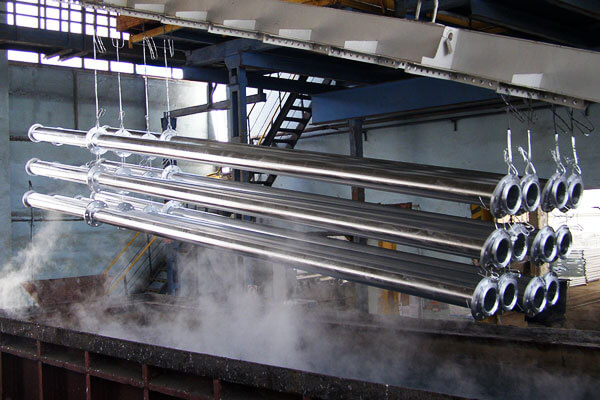
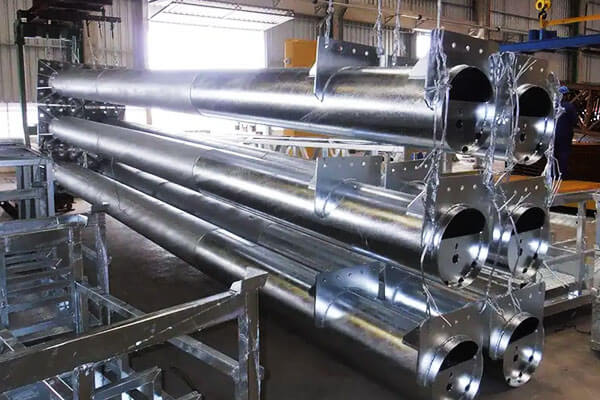
हॉट-डिप गैल्वनाइजिंग स्टील की सुरक्षा के लिए सबसे स्थापित और व्यापक रूप से उपयोग की जाने वाली विधियों में से एक है.
इस प्रक्रिया में, स्टील के घटकों को आमतौर पर लगभग 450°C तापमान पर पिघले जस्ता में डुबोया जाता है (842° F).
यह विसर्जन जस्ता और स्टील के बीच एक मजबूत धातुकर्म बंधन बनाता है, जिसके परिणामस्वरूप कोटिंग की मोटाई आम तौर पर होती है 40 को 100 माइक्रोन.
- प्रक्रिया चरण:
शुरू में, किसी भी अशुद्धता या पैमाने को हटाने के लिए स्टील को अच्छी तरह से साफ किया जाता है और अक्सर एसिड में डाला जाता है.
अगला, तैयार स्टील को नियंत्रित अवधि के लिए पिघले जस्ता के स्नान में डुबोया जाता है, जिंक को समान रूप से चिपकने की अनुमति देना.
अंत में, घटकों को हटा दिया जाता है और ठंडा होने दिया जाता है, जिसके दौरान जस्ता परत जम जाती है और अपनी विशिष्ट स्पैंगल उपस्थिति विकसित करती है. - मुख्य लाभ:
हॉट-डिप गैल्वनाइजिंग उत्कृष्ट संक्षारण सुरक्षा प्रदान करता है, गंभीर वातावरण में भी.
इसकी मजबूत कोटिंग लंबे समय तक चलने वाली स्थायित्व प्रदान करती है और बड़े पैमाने पर उत्पादन के लिए विशेष रूप से लागत प्रभावी है.
यह विधि निर्माण में अनुप्रयोगों के लिए विशेष रूप से उपयुक्त है, आधारभूत संरचना, और भारी मशीनरी जहां ताकत और दीर्घायु महत्वपूर्ण हैं.
विद्युत galvanizing
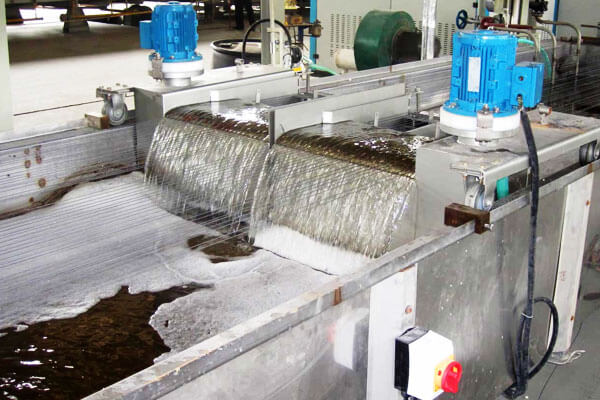
विद्युत galvanizing, इसे इलेक्ट्रोप्लेटिंग के रूप में भी जाना जाता है, पतले पदार्थ को जमा करने के लिए एक विद्युत रासायनिक प्रक्रिया का उपयोग किया जाता है, स्टील की सतह पर जिंक की एक समान परत.
यह प्रक्रिया इलेक्ट्रोलाइट स्नान में होती है और सटीक जमाव सुनिश्चित करने के लिए नियंत्रित विद्युत धाराओं का उपयोग करती है.
- प्रक्रिया चरण:
सफाई और डीग्रीजिंग के बाद, the steel undergoes an electrochemical treatment in an acid-based electrolyte solution.
Under the influence of an electrical current, zinc ions are reduced and deposited onto the surface.
परिणाम एक सहज है, aesthetically pleasing coating that is typically thinner than that produced by hot-dip galvanizing—often in the range of 5 को 20 माइक्रोन. - मुख्य लाभ:
The electro-galvanizing process produces a highly uniform and polished finish,
making it ideal for applications where appearance and dimensional accuracy are important, such as in consumer electronics and automotive body panels.
इसके अतिरिक्त, its lower coating thickness may be advantageous for components where weight is a critical factor.
वैकल्पिक गैल्वनाइजिंग विधियाँ
In addition to hot-dip and electro-galvanizing, several alternative methods have emerged to meet specific manufacturing needs.
- शेरार्डिंग:
This process involves heating steel in a closed drum filled with zinc dust at temperatures around 300°C (572° F).
The zinc diffuses into the surface of the steel, एक पतला बनाना, यहां तक कि कोटिंग भी.
Sherardizing is particularly useful for smaller components or for parts requiring a uniform, corrosion-resistant surface without the heavy coating typical of hot-dip processes. - Continuous Galvanizing:
Often used in the production of long steel products, continuous galvanizing applies a zinc coating to steel as it passes through a series of rollers in a continuous production line.
This method combines high throughput with excellent coating uniformity, making it suitable for applications like steel sheets and strips.
गुणवत्ता नियंत्रण और पर्यावरण संबंधी विचार
Ensuring the quality of galvanized steel is paramount in high-performance applications.
Manufacturers employ a range of inspection techniques such as adhesion testing, coating thickness measurements,
and accelerated corrosion tests to verify that the zinc layer meets stringent industry standards (उदा।, ASTM and ISO).
आगे, modern galvanizing processes incorporate energy-efficient technologies and waste-reduction measures.
उदाहरण के लिए, recycling of spent chemicals and the use of renewable energy sources in furnaces contribute to minimizing the environmental footprint.
Advanced control systems also help reduce material waste and optimize energy consumption, aligning with global sustainability initiatives.
4. गैल्वेनाइज्ड स्टील के भौतिक गुण और प्रदर्शन विशेषताएँ
Galvanized steel stands out due to its exceptional durability, संक्षारण प्रतिरोध, और यांत्रिक शक्ति, making it a preferred material across various industries.
The zinc coating not only protects the underlying steel but also enhances its overall performance.
इस खंड में, we will explore the key material properties and performance characteristics of galvanized steel,
इसकी रासायनिक संरचना सहित, भौतिक गुण, संक्षारण प्रतिरोध, यांत्रिक व्यवहार, टिकाऊपन, and surface appearance.
जस्ती इस्पात के रासायनिक गुण
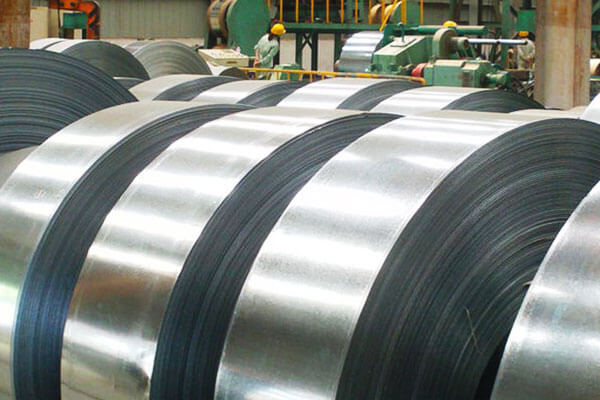
The chemical properties of galvanized steel are primarily influenced by the interaction between the steel substrate and the zinc coating.
The zinc layer provides a dual protective function: a physical barrier against environmental exposure and a sacrificial anode that prevents steel corrosion.
कोटिंग की संरचना:
- The outermost layer consists mainly of pure zinc (एक प्रकार का).
- The inner layers form zinc-iron alloy phases, such as gamma (Γ), delta (Δ), and zeta (Ζ) के चरण, which improve adhesion and wear resistance.
- Additional elements like aluminum (एएल) और मैग्नीशियम (मिलीग्राम) are sometimes added to enhance corrosion resistance, विशेष रूप से आक्रामक वातावरण में.
विद्युत रासायनिक व्यवहार:
- Zinc is more electrochemically active than iron, meaning it corrodes preferentially when exposed to moisture or oxygen.
- This sacrificial protection prevents rust formation on the steel substrate, even if the coating is damaged.
जस्ती इस्पात के भौतिक गुण
Galvanized steel exhibits several unique physical characteristics due to the presence of the zinc layer, which influences its density, थर्मल विशेषताएं, और चालकता.
- घनत्व:
-
- The density of galvanized steel depends on the coating thickness. Pure steel has a density of 7.85 g/cm g, while zinc has a lower density of 7.14 g/cm g.
- The combined density of galvanized steel is slightly lower than uncoated steel but remains structurally robust.
- गलनांक:
-
- Steel melts at approximately 1,370-1,530°C (2,500–2,800°F), while zinc melts at 419.5° C (787° F).
- The zinc layer can degrade at high temperatures, making galvanized steel unsuitable for prolonged exposure to extreme heat.
- ऊष्मीय चालकता:
-
- Zinc has a thermal conductivity of 116 डब्ल्यू/एम · के, lower than that of steel (50 डब्ल्यू/एम · के).
- The presence of a zinc layer slightly affects heat dissipation but does not significantly impact structural performance.
- इलेक्ट्रिकल कंडक्टीविटी:
-
- Zinc is a good electrical conductor, but the presence of oxide layers on its surface can affect conductivity.
- Galvanized steel is commonly used in electrical grounding applications due to its corrosion-resistant properties.
संक्षारण प्रतिरोध
One of the most significant advantages of galvanized steel is its superior corrosion resistance.
The zinc coating forms a protective barrier that shields the underlying steel from moisture, ऑक्सीजन, and corrosive substances.
- बाधा संरक्षण:
-
- The zinc layer physically blocks corrosive agents from reaching the steel surface.
- भले ही कोटिंग खरोंच हो, the surrounding zinc provides continued protection through sacrificial corrosion.
- बलि रक्षा (Galvanic Effect):
-
- Zinc is anodic to steel, meaning it corrodes before the steel does.
- This is particularly beneficial in coastal and industrial environments where high humidity and pollutants accelerate corrosion.
- Corrosion Rate in Different Environments:
-
- में urban environments, galvanized steel has a typical lifespan of 50+ साल.
- में समुद्री वातावरण, where salt exposure is high, the lifespan is 20-25 वर्ष, depending on coating thickness.
- में industrial settings, exposure to sulfur dioxide (SO₂) and other pollutants can reduce the lifespan to 30-40 वर्ष.
जस्ती इस्पात के यांत्रिक गुण
The mechanical properties of galvanized steel, such as tensile strength, लचीलापन, और प्रभाव प्रतिरोध, determine its suitability for different structural and industrial applications.
- तन्यता ताकत:
-
- Galvanization has minimal impact on the inherent tensile strength of steel, which typically ranges from 250 एमपीए को 550 एमपीए, depending on the steel grade.
- The zinc coating does not weaken the steel but provides an additional protective layer.
- लचीलापन और सुरूपता:
-
- Galvanized steel retains good ductility, allowing it to be bent, मुहर लगी, और विभिन्न आकृतियों में निर्मित हुआ.
- तथापि, excessive bending can cause microcracks in the zinc coating, exposing the steel to potential corrosion.
- संघात प्रतिरोध:
-
- The zinc-iron alloy layers enhance the impact resistance of galvanized steel, making it less prone to surface wear and damage.
- This property is particularly useful in applications requiring high mechanical durability, such as guardrails, संरचनात्मक बीम, और औद्योगिक मशीनरी.
स्थायित्व और दीर्घायु
Galvanized steel is recognized for its long service life, making it an ideal choice for applications requiring minimal maintenance.
- Lifespan Under Different Conditions:
-
- Coating thickness plays a critical role in determining longevity.
- ए 5-10 माइक्रोमीटर electro-galvanized coating lasts 5-15 वर्ष, जबकि ए 50-100 μm hot-dip galvanized coating lasts 30–70 years, depending on exposure conditions.
- मौसम प्रतिरोधक:
-
- The zinc layer effectively protects against UV radiation, नमी, and pollutants, ensuring long-term performance in outdoor applications.
- Self-Healing Ability:
-
- The zinc coating can heal small scratches through oxidation, where zinc reacts with moisture to form a protective patina that prevents further corrosion.
सतही रूप
The surface finish of galvanized steel varies depending on the galvanizing method used.
- Hot-Dip Galvanized Steel:
-
- Features a rough, spangled surface with visible crystallization patterns.
- Suitable for structural applications but may require additional finishing for aesthetic purposes.
- Electro-Galvanized Steel:
-
- Has a smooth, uniform appearance with a matte or glossy finish.
- Often used in consumer products, मोटर वाहन घटक, और इलेक्ट्रॉनिक्स.
- Powder-Coated or Painted Galvanized Steel:
-
- Some galvanized steel products undergo additional surface treatments to enhance appearance and increase corrosion resistance.
5. जस्ती इस्पात के लाभ
Galvanized steel, which is steel that has been coated with a layer of zinc to prevent corrosion, विभिन्न अनुप्रयोगों में अनेक लाभ प्रदान करता है.
यहां वे प्रमुख लाभ दिए गए हैं जो गैल्वनाइज्ड स्टील को निर्माण में पसंदीदा विकल्प बनाते हैं, उत्पादन, और अन्य उद्योग:
संक्षारण प्रतिरोध
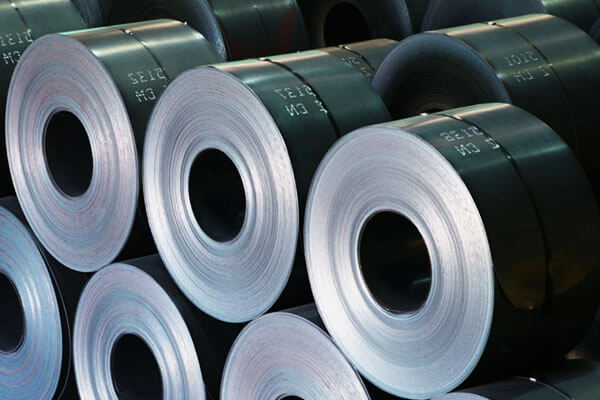
- गैल्वनाइज्ड स्टील का प्राथमिक लाभ इसकी संक्षारण प्रतिरोध में वृद्धि है.
जिंक कोटिंग स्टील और नमी जैसे पर्यावरणीय तत्वों के बीच एक बाधा के रूप में कार्य करती है, ऑक्सीजन, और नमक, जंग लगने की प्रक्रिया को काफी धीमा कर देता है.
लंबी उम्र
- इसके बेहतर संक्षारण प्रतिरोध के कारण, गैल्वेनाइज्ड स्टील अनुपचारित स्टील की तुलना में संरचनाओं और घटकों के लिए लंबा जीवन काल प्रदान करता है.
यह दीर्घायु बार-बार रखरखाव और प्रतिस्थापन की आवश्यकता को कम करती है, समय के साथ इसे लागत प्रभावी समाधान बनाना.
सहनशीलता
- गैल्वनाइज्ड स्टील अत्यधिक टिकाऊ होता है और कई अन्य सामग्रियों की तुलना में यांत्रिक क्षति का बेहतर सामना कर सकता है.
यह कठोर परिस्थितियों में भी अपनी ताकत और अखंडता बरकरार रखता है, including extreme weather and physical stress.
कम रखरखाव
- Once installed, galvanized steel requires minimal maintenance.
Its protective zinc layer eliminates the need for painting or additional surface treatments, reducing ongoing costs and effort associated with upkeep.
लागत क्षमता
- Although the initial cost of galvanized steel might be higher than plain steel, the long-term savings from reduced maintenance and extended service life often outweigh this upfront expense.
इसके अतिरिक्त, the durability of galvanized steel means less material waste and lower lifecycle costs.
बहुमुखी प्रतिभा
- Galvanized steel can be used in a wide range of applications, from small hardware items to large structural components.
Its adaptability makes it suitable for diverse industries including construction, ऑटोमोटिव, कृषि, and renewable energy sectors.
वहनीयता
- Galvanizing is an environmentally friendly process because zinc is a naturally occurring element and can be recycled repeatedly without losing its chemical or physical properties.
Using galvanized steel supports sustainable practices by extending the lifespan of products and reducing the need for new raw materials.
सौंदर्य अपील
- The shiny, smooth finish of freshly galvanized steel can add an attractive appearance to projects where aesthetics matter.
For those preferring a different look, galvanized steel surfaces can also be easily painted or powder-coated.
समय कौशल
- Galvanizing is a relatively quick process compared to applying multiple layers of paint or other protective coatings.
This efficiency can lead to faster project completion times and quicker turnaround for manufacturers.
6 गैल्वेनाइज्ड स्टील की सीमाएँ और चुनौतियाँ
कोटिंग का क्षरण
Over extended periods, the zinc coating may wear or spall, particularly in extremely corrosive environments.
This degradation can compromise the protective benefits if not periodically maintained.
सौंदर्य संबंधी सीमाएँ
While hot-dip galvanizing provides excellent protection, its characteristic spangled finish may not meet the aesthetic requirements for certain consumer applications.
Although electro-galvanizing offers a smoother finish, it typically provides a thinner coating.
पर्यावरण और स्वास्थ्य संबंधी विचार
Galvanization processes involve high temperatures and the use of chemicals, which raise environmental and safety concerns.
Manufacturers must implement effective waste management and emission control systems to minimize the environmental impact.
लागत निहितार्थ
In high-precision or low-volume applications, the additional cost of galvanizing might not always be justified.
इंजीनियरों को बढ़ी हुई उत्पादन लागत के मुकाबले विस्तारित स्थायित्व के लाभों को तौलना चाहिए, विशेषकर तब जब वैकल्पिक संक्षारण सुरक्षा विधियाँ उपलब्ध हों.
7. उद्योगों के अनुप्रयोग
निर्माण और बुनियादी ढांचा
गैल्वेनाइज्ड स्टील भवन संरचनाओं में एक प्रमुख पदार्थ है, पुलों, और सुदृढ़ीकरण पट्टियाँ.
इसका स्थायित्व और संक्षारण प्रतिरोध यह सुनिश्चित करता है कि बुनियादी ढांचा दशकों तक मजबूत और विश्वसनीय बना रहे, प्रतिकूल मौसम की स्थिति में भी.
मोटर वाहन उद्योग
में ऑटोमोटिव क्षेत्र, गैल्वनाइज्ड स्टील का उपयोग बॉडी पैनल के लिए किया जाता है, चेसिस घटक, और हवाई जहाज़ के पहिये.
सड़क के नमक और पर्यावरणीय जोखिम से जंग के प्रति इसका प्रतिरोध वाहन घटकों के जीवनकाल को बढ़ाने और रखरखाव लागत को कम करने में मदद करता है.
समुद्री और अपतटीय अनुप्रयोग
The समुद्री पर्यावरण महत्वपूर्ण क्षरण चुनौतियाँ प्रस्तुत करता है.
जस्ती इस्पात जहाज निर्माण और अपतटीय संरचनाओं में महत्वपूर्ण भूमिका निभाता है, जहां खारे पानी के क्षरण और कठोर समुद्री परिस्थितियों का सामना करने की इसकी क्षमता दीर्घकालिक प्रदर्शन सुनिश्चित करती है.
औद्योगिक मशीनरी और उपकरण
गैल्वनाइज्ड स्टील की लंबी उम्र और कम रखरखाव वाली विशेषताओं से भारी औद्योगिक मशीनरी को लाभ होता है.
संरचनात्मक समर्थन जैसे घटक, भंडारण टंकियां, और कन्वेयर सिस्टम निरंतर तनाव के तहत सुरक्षित और कुशल संचालन सुनिश्चित करने के लिए गैल्वेनाइज्ड स्टील का उपयोग करते हैं.
कृषि एवं उपयोगिता अवसंरचना
गैल्वेनाइज्ड स्टील का उपयोग कृषि मशीनरी में किया जाता है, उपयोगिता खंभे, और अन्य ढांचागत तत्व.
इसकी लागत-प्रभावशीलता और स्थायित्व इसे बाहरी उपयोग के लिए आदर्श बनाती है, जहां तत्वों का संपर्क निरंतर रहता है.
8. जस्ती इस्पात बनाम. नियमित स्टील: एक व्यापक तुलना
स्टील निर्माण में सबसे अधिक उपयोग की जाने वाली सामग्रियों में से एक है, उत्पादन, ऑटोमोटिव, और औद्योगिक अनुप्रयोग.
तथापि, जबकि सभी स्टील एक जैसे नहीं होते नियमित स्टील (कार्बन स्टील के रूप में भी जाना जाता है) मजबूत और बहुमुखी है, कलई चढ़ा इस्पात बेहतर संक्षारण प्रतिरोध और दीर्घायु प्रदान करता है.
सामग्री संरचना और सुरक्षात्मक गुण
कलई चढ़ा इस्पात
गैल्वनाइज्ड स्टील में शामिल है a कार्बन स्टील कोर के साथ लेपित जिंक की एक परत हॉट-डिप गैल्वनाइजिंग या इलेक्ट्रो-गैल्वनाइजेशन के माध्यम से. जिंक कोटिंग दो प्रमुख उद्देश्यों को पूरा करती है:
- बाधा संरक्षण: जिंक एक भौतिक ढाल बनाता है जो नमी और संक्षारक पदार्थों को स्टील तक पहुंचने से रोकता है.
- बलि रक्षा: यदि कोटिंग क्षतिग्रस्त है, जिंक सबसे पहले संक्षारित होता है, अंतर्निहित स्टील के ऑक्सीकरण को रोकना.
नियमित स्टील
नियमित स्टील, अक्सर कहा जाता है माइल्ड स्टील या कार्बन स्टील, मुख्यतः से बना है लोहा और कार्बन मैंगनीज और फास्फोरस जैसे मिश्रधातु तत्वों की थोड़ी मात्रा के साथ.
तथापि, क्योंकि इसमें सुरक्षात्मक परत का अभाव है, यह इसके प्रति अत्यधिक संवेदनशील है ऑक्सीकरण और जंग हवा और नमी के संपर्क में आने पर.
संक्षारण प्रतिरोध और पर्यावरणीय स्थायित्व
| संपत्ति | कलई चढ़ा इस्पात | नियमित स्टील |
|---|---|---|
| जंग प्रतिरोध | उत्कृष्ट-जस्ता कोटिंग ऑक्सीकरण को रोकती है. | ख़राब - हवा और नमी के संपर्क में आने पर जंग लग जाता है. |
| बाहरी परिस्थितियों में जीवनकाल | 30–70 years, पर्यावरण और कोटिंग की मोटाई पर निर्भर करता है. | 5-20 वर्ष, नियमित रखरखाव की आवश्यकता के साथ. |
| समुद्री/औद्योगिक वातावरण में प्रदर्शन | खारे पानी के प्रति उच्च प्रतिरोध, रसायन, and pollutants. | सुरक्षात्मक उपचार के बिना तेजी से क्षरण. |
ताकत और यांत्रिक गुण
| संपत्ति | कलई चढ़ा इस्पात | नियमित स्टील |
|---|---|---|
| तन्यता ताकत | जिंक की परत के कारण थोड़ा कम हुआ लेकिन अभी भी मजबूत है. | आमतौर पर उच्च कच्ची तन्यता ताकत. |
| लचीलापन | भंगुर जस्ता कोटिंग के कारण नियमित स्टील से कम. | अधिक लचीला, आसानी से झुकने और बनाने की अनुमति देता है. |
| जुड़ने की योग्यता | जिंक के धुएं के कारण विशेष सावधानी बरतने की जरूरत है. | वेल्ड करना आसान, लेकिन वेल्डिंग के बाद जंग से सुरक्षा की आवश्यकता होती है. |
| मशीन की | कोटिंग के कारण थोड़ा सख्त लेकिन फिर भी काम करने योग्य. | मशीन बनाना और आकार देना आसान. |
सौंदर्यबोध और सतही फिनिश में अंतर
| कारक | कलई चढ़ा इस्पात | नियमित स्टील |
|---|---|---|
| उपस्थिति | चमकदार या चिकनी सतह के साथ मैट ग्रे. | एक समान रंग के साथ गहरा भूरा या नीला, कच्चा रूप. |
| पेंटिंग आवश्यकताएँ | रंगा जा सकता है, लेकिन विशेष प्राइमर की आवश्यकता होती है. | आसानी से पेंट किया जा सकता है लेकिन जंग अवरोधक की आवश्यकता होती है. |
| बनावट परिवर्तनशीलता | गैल्वनीकरण के कारण इसकी सतह खुरदरी या अनियमित हो सकती है. | स्मूथ फ़िनिश, विनिर्माण प्रक्रिया पर निर्भर करता है. |
लागत तुलना और आर्थिक विचार
| लागत कारक | कलई चढ़ा इस्पात | नियमित स्टील |
|---|---|---|
| प्रारंभिक सामग्री लागत | जिंक कोटिंग के कारण अधिक. | अग्रिम लागत कम. |
| दीर्घकालिक लागत | न्यूनतम रखरखाव के कारण कम. | Higher due to regular rust treatment, चित्रकारी, and repairs. |
| Total Lifecycle Cost | More cost-effective over time. | Can become expensive with maintenance and replacements. |
गैल्वेनाइज्ड स्टील बनाम के सामान्य अनुप्रयोग. नियमित स्टील
| Application Sector | Galvanized Steel Uses | Regular Steel Uses |
|---|---|---|
| निर्माण | पाटन, बाड़, संरचनात्मक बीम, पुलों. | Structural frameworks, reinforcement bars, बीम. |
| ऑटोमोटिव | Car bodies, undercarriages, ईंधन टैंक. | फ्रेम्स, इंजन के घटक, शरीर के पैनल (when coated). |
| औद्योगिक उपकरण | पाइप्स, भंडारण टंकियां, मशीनरी पार्ट्स. | हेवी-ड्यूटी मशीनरी, गियर, शाफ्ट. |
| समुद्री और अपतटीय | Ship components, डॉक्स, तेल रिसाव. | Limited due to poor corrosion resistance. |
| कृषि | Barns, silos, irrigation systems. | उपकरण, machinery parts requiring frequent maintenance. |
9. निष्कर्ष
Galvanized steel plays a pivotal role in modern industry by offering unmatched corrosion protection, लागत प्रभावशीलता, and enhanced structural integrity.
This comprehensive analysis has explored its historical evolution, विनिर्माण प्रक्रियाएं, भौतिक गुण, and applications across diverse sectors.
While challenges such as coating degradation and environmental impact remain,
ongoing innovations and digital advancements promise to further optimize the performance of galvanized steel.
By understanding these multi-faceted aspects, engineers and industry professionals can make informed decisions,
ensuring that their material selection not only meets the performance requirements but also contributes to long-term sustainability and cost savings.
If you’re looking for high-quality Galvanized steel products, का चयन यह आपकी विनिर्माण आवश्यकताओं के लिए सही निर्णय है.

