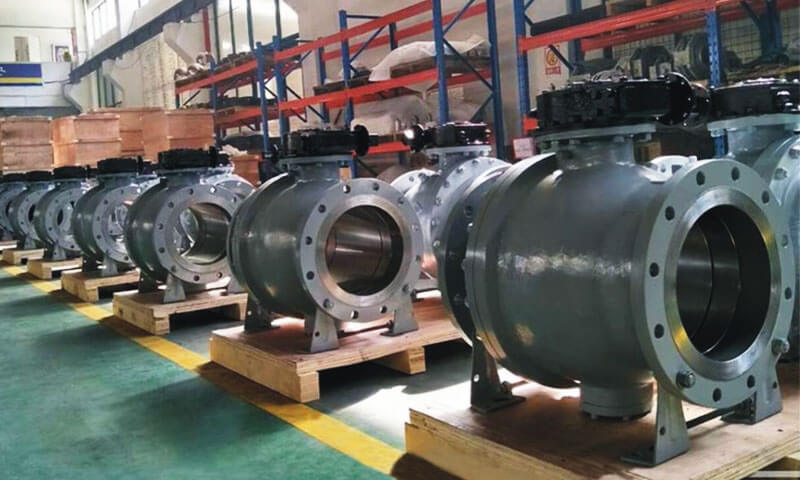
The अमेरिकन राष्ट्रीय मानक संस्थान (एएनएसआई) वाल्व डिजाइन के विभिन्न पहलुओं को विनियमित करने के उद्देश्य से वाल्व मानकों का एक व्यापक सूट स्थापित किया है, उत्पादन, परीक्षण, और स्थापना.
ये मानक उच्च गुणवत्ता सुनिश्चित करने में सहायक हैं, विभिन्न निर्माताओं के उत्पादों में लगातार प्रदर्शन और अनुकूलता, उद्योगों में इंजीनियरिंग प्रथाओं में एकरूपता को बढ़ावा देना.
1. Background and Evolution of ANSI Valve Standards
स्थापना वर्ष 1918, एएनएसआई विभिन्न क्षेत्रों में अमेरिकी राष्ट्रीय मानकों के विकास के लिए समन्वय निकाय के रूप में कार्य करता है.
वाल्व इंजीनियरिंग के क्षेत्र में, एएनएसआई ने एक संरचित और विकसित मानकीकरण प्रणाली तैयार करने में महत्वपूर्ण भूमिका निभाई है.
प्रारंभ में घरेलू औद्योगिक आवश्यकताओं और अनुभवजन्य प्रथाओं के आधार पर विकसित किया गया,
एएनएसआई वाल्व मानकों ने वैश्विक व्यापार और तकनीकी प्रगति की बढ़ती जटिलता के लिए उत्तरोत्तर अनुकूलित किया है.
जैसे-जैसे अंतर्राष्ट्रीय इंजीनियरिंग समुदाय मानकों के सामंजस्य की ओर आगे बढ़ा है,
एएनएसआई ने जैसे निकायों के साथ सक्रिय रूप से सहयोग किया है इंटरनैशनल ऑर्गनाइज़ेशन फॉर स्टैंडर्डाइज़ेशन (आईएसओ) और यह यांत्रिक इंजीनियरों का अमरीकी समुदाय (मेरी तरह).
इससे एएनएसआई वाल्व मानकों की वैश्विक स्वीकृति और प्रयोज्यता में उल्लेखनीय वृद्धि हुई है, विशेष रूप से सीमा पार बुनियादी ढांचा परियोजनाओं में.
2. ANSI Valve Standard System: An Integrated Framework
एकल एकीकृत कोड होने के विपरीत, एएनएसआई वाल्व मानक एक व्यापक प्रणाली का गठन करते हैं जिसमें कई परस्पर संबंधित दस्तावेज़ शामिल होते हैं.
अधिकांश एएसएमई मानकों के साथ निकटता से जुड़े हुए हैं, विशेषकर उन लोगों में बी16 श्रृंखला, जैसे कि:
ANSI Valve Standards Overview
| वर्ग | मानक | शीर्षक / विवरण |
|---|---|---|
| डिज़ाइन मानक | एएनएसआई बी16.34 | Valves – Flanged, लड़ी पिरोया हुआ, and Welding End: Covers pressure-temperature ratings, DIMENSIONS, दीवार की मोटाई, और परीक्षण. |
| एएनएसआई बी16.5 | Pipe Flanges and Flanged Fittings: Specifies dimensions, सहिष्णुता, and pressure-temperature ratings for flanges. | |
| Material Standards | ANSI B16.24 | Bronze Valves: Specifies material composition and performance for bronze castings. |
| Referenced in B16.34 | Includes material requirements for carbon steel, स्टेनलेस स्टील, and special alloys. | |
| विनिर्माण प्रक्रिया | ANSI/AWS D1.1 | Structural Welding Code – Steel: Governs welding practices for valve manufacturing. |
| फाउंड्री & machining specs | Covers casting, फोर्जिंग, उष्मा उपचार, मशीनिंग, and defect inspection procedures. | |
निरीक्षण & परीक्षण |
ANSI B16.104 | Valve Seat Leakage: Defines valve leakage classifications and acceptable limits. |
| Referenced in B16.34 | Requires hydrostatic shell testing and seat testing at specified pressures. | |
| दबाव-तापमान रेटिंग | ANSI B16.34 Annexes | Provides detailed pressure-temperature charts for various materials and valve classes. |
| Installation Standards | ANSI B31.1 / B31.3 | Power and Process Piping Codes: Outlines piping system integration requirements for valves. |
| Interoperability Standards | ANSI/ISA 75.05.01 | Control Valve Terminology: Standardizes nomenclature and specifications for control valves. |
| Dimensional Compatibility | ANSI B16.10 | Face-to-Face and End-to-End Dimensions of Valves: Ensures dimensional consistency. |
3. Key Categories of ANSI Valve Standards
Valve Design Standards
ANSI/ASME B16.34 stands at the core of design regulations for steel valves with flanged, लड़ी पिरोया, or butt-weld ends.
It lays out precise requirements for body dimensions, bonnet construction, stem configuration, and disc geometry to ensure functional integrity under varying service conditions.
उदाहरण के लिए, it specifies minimum wall thicknesses for each pressure–temperature class,
guaranteeing that a Class 600 valve maintains its strength and leak tightness when the operating pressure reaches 1,440 पीएसआई पर 100 ° F.
इस दौरान, एएनएसआई/एएसएमई बी16.5 पाइप फ्लैंज और फ्लैंज फिटिंग के लिए फ्लैंज आयाम और दबाव-तापमान रेटिंग को परिभाषित करता है (½″-24″ एनपीएस),
यह सुनिश्चित करना कि वाल्व फ्लैंज एक सुरक्षा के लिए संबंधित पाइपलाइन घटकों के साथ पूरी तरह से मेल खाता है, रिसाव-मुक्त कनेक्शन.

Valve Material Standards
एएनएसआई मानक वाल्व घटकों में प्रयुक्त मिश्र धातुओं को सख्ती से नियंत्रित करते हैं.
एएनएसआई बी16.24 के तहत, कांस्य कास्टिंग को सख्त रासायनिक संरचना और यांत्रिक संपत्ति सीमा को पूरा करना होगा.
वैसे ही, एएनएसआई/एएसएमई बी16.34 अनुमेय स्टील्स को वर्गीकृत करता है - कार्बन स्टील ग्रेड से लेकर संक्षारण प्रतिरोधी स्टेनलेस और मिश्र धातु स्टील्स तक - द्रव माध्यम के आधार पर, तापमान, और दबाव.
अत्यधिक संक्षारक या उच्च तापमान वाले वातावरण में, इंजीनियर आमतौर पर डुप्लेक्स स्टेनलेस स्टील या निकल-बेस मिश्र धातु का चयन करते हैं, जो वाल्व सेवा जीवन को तक बढ़ा सकता है 50% compared with standard materials.
Valve Manufacturing Process Standards
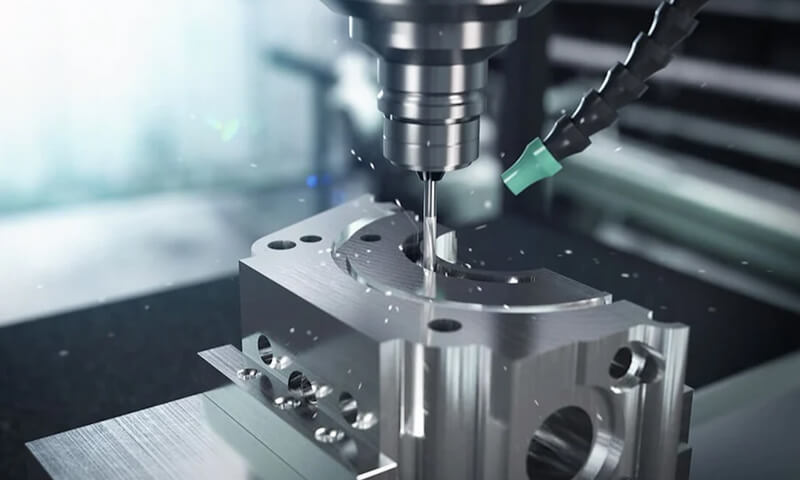
Manufacturers must adhere to stringent ANSI guidelines in every production step—casting, फोर्जिंग, मशीनिंग, and welding—to guarantee valve integrity and performance.
पहले तो, दौरान कास्टिंग, foundries implement ultrasonic or radiographic inspections to detect porosity, संकुचन, और समावेशन, तक दोष दर को कम करना 20%.
इसके अतिरिक्त, they control pour temperature and cooling rates—typically between 1,200 डिग्री सेल्सियस और 1,350 °C—to achieve uniform microstructure and prevent hot tears.
ANSI specifies maximum defect sizes and mandates that no more than 5% of a casting’s cross-section may contain sub-threshold flaws, ensuring each valve body meets mechanical strength requirements.
में मशीनिंग चरण, fabricators employ CNC centers with positional accuracy within ±0.1 mm on sealing faces and stem bores.
इसके अतिरिक्त, they perform in-process gauging every 50 पार्ट्स, keeping dimensional variances under 0.05 मिमी.
These controls minimize leakage paths and align with ANSI’s surface-finish callouts—typically 1.6 µm Ra on critical sealing surfaces.
अंत में, valve manufacturers execute वेल्डिंग under ANSI/AWS D1.1 protocols,
which include pre-heat at 100–200 °C and post-weld heat treatment at 600–650 °C for alloy steels to relieve residual stresses.
Welders qualify procedures through bend, लचीला, and impact tests at –29 °C, verifying each joint meets or exceeds 90% of base-metal strength.
By following these detailed process standards, producers deliver valves with exceptional durability, leak resistance, और सेवा जीवन.
Inspection and Testing Standards
ANSI/ASME B16.104 prescribes comprehensive inspection and testing methods that validate a valve’s readiness for service.
It requires shell tests at 1.5 times the valve’s rated pressure—so a Class 300 वाल्व (705 psi rating) endures a 1,058 पीएसआई हाइड्रोस्टैटिक परीक्षण,
और विभिन्न वाल्व प्रकारों के लिए अधिकतम स्वीकार्य रिसाव दरों के साथ सीट-रिसाव परीक्षणों को परिभाषित करता है.
इन कठोर परीक्षण शर्तों और अवधियों को लागू करके, एएनएसआई यह सुनिश्चित करता है कि केवल उनके रेटेड प्रदर्शन सीमा को पूरा करने वाले वाल्व ही फैक्ट्री छोड़ें, इन-फील्ड विफलताओं और रखरखाव लागत को नाटकीय रूप से कम करना.
4. Detailed Examination of Major ANSI Valve Standards
एएनएसआई अपने सबसे प्रभावशाली वाल्व मानकों को चार प्रमुख दस्तावेजों में समूहित करता है.
प्रत्येक एक विशिष्ट इंजीनियरिंग डोमेन को संबोधित करता है, और साथ मिलकर वे एक सुसंगत प्रणाली बनाते हैं जो डिज़ाइन का मार्गदर्शन करती है, उत्पादन, और आवेदन.
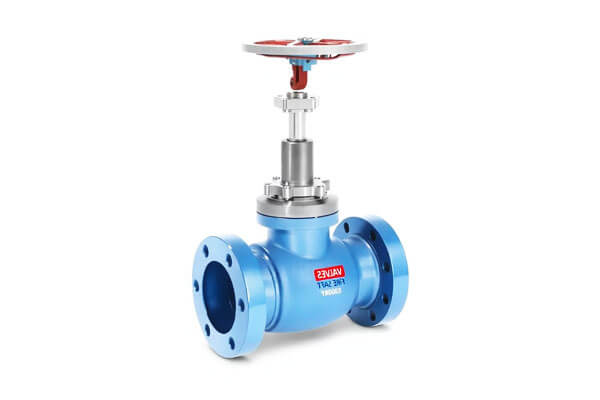
ANSI/ASME B16.5 – Pipe Flanges and Flanged Fittings
पहला, 16.5 नाममात्र पाइप आकार के लिए निकला हुआ किनारा आयाम और रेटिंग को मानकीकृत करता है (एनपीएस) ½″ से 24″ तक.
यह छह दबाव वर्गों को परिभाषित करता है- 150, 300, 400, 600, 900, और 1500—प्रत्येक एक विशिष्ट दबाव-तापमान वक्र से बंधा हुआ है.
उदाहरण के लिए, एक वर्ग 150 12″ एनपीएस लाइन पर निकला हुआ किनारा ऊपर रहना चाहिए 285 पीएसआई पर 100 ° F, जबकि क्लास 900 on the same size reaches 1,440 साई.
The standard also specifies bolt-circle diameter tolerances (±1 mm for flanges ≥8″), face finishes (125–250 μin Ra), and gasket types (raised-face, flat face, and ring-type joint).
By enforcing these parameters, B16.5 ensures that any valve flange will mate with corresponding pipe flanges for leak-free, mechanically sound connections.
ANSI/ASME B16.10 – Face-to-Face and End-to-End Dimensions
अगला, 16.10 prescribes dimensional standards for various valve types,
including gate, ग्लोब, गेंद, तितली, and check valves, so that face-to-face and center-to-face lengths remain consistent across manufacturers.
उदाहरण के लिए, a 6″ Class 300 gate valve must measure exactly 406 mm face-to-face, with a tolerance of ±3 mm.
This uniformity simplifies field replacement: engineers can swap out a worn valve without modifying adjacent piping.
B16.10 also covers thicknesses of flanged ends and shell dimensions, guaranteeing that valves fit seamlessly into existing systems.
ANSI/ASME B16.34 – Valve Design, सामग्री, and Ratings
आगे, B16.34 integrates design criteria, material group classifications, and pressure–temperature ratings for steel valves with flanged, लड़ी पिरोया, and butt-weld ends.
It lists permissible alloys—from carbon steels (एएसटीएम ए216 डब्ल्यूसीबी) to high-nickel alloys (एएसटीएम ए351 सीएफ8एम)—and assigns each a material group number.
These groups map directly to pressure–temperature derating tables; उदाहरण के लिए, a stainless-steel valve in Group 5 must derate from 1,000 पीएसआई पर 100 °F to 500 पीएसआई पर 750 ° F.
B16.34 further mandates shell-thickness calculations, nozzle reinforcement requirements, and hydrostatic test procedures,
thereby ensuring that valves maintain structural integrity under pulsating or cyclic loads.
ANSI/ASME B16.47 – Large-Diameter Flanges
अंत में, B16.47 extends flange standards to large diameters (26″–60″ NPS), addressing the unique stresses in high-capacity pipelines.
It splits into Series A and Series B, प्रत्येक अलग बोल्ट-सर्कल व्यास और मोटाई प्रोफाइल के साथ.
36″ कक्षा के लिए 300 निकला हुआ, श्रृंखला ए में आठ 1⅜″ बोल्ट की आवश्यकता होती है, जबकि सीरीज बी बारह 1¼″ बोल्ट का उपयोग करता है.
मानक अलग-अलग थर्मल और दबाव चक्रों के तहत गैसकेट एक्सट्रूज़न को रोकने के लिए न्यूनतम निकला हुआ किनारा कठोरता भी निर्धारित करता है.
इन विशिष्टताओं को संहिताबद्ध करके, बी16.47 गारंटी देता है कि बड़े-बोर वाल्व और पाइपिंग घटक पेट्रोकेमिकल में विश्वसनीय रूप से प्रदर्शन करेंगे, एलएनजी, और बिजली उत्पादन अनुप्रयोग.
5. Pressure Ratings and Temperature Classifications
वाल्व दबाव वर्ग—150, 300, 600, 900, 1500, और 2500—अधिकतम स्वीकार्य कार्य दबाव को परिभाषित करें (एमएडब्ल्यूपी) के संदर्भ तापमान पर 100 ° F (38 ° C).
उदाहरण के लिए, एक वर्ग 150 वाल्व आमतौर पर तक रहता है 285 साई, जबकि एक क्लास 600 वाल्व झेलता है 1,440 एक ही तापमान पर पी.एस.आई.
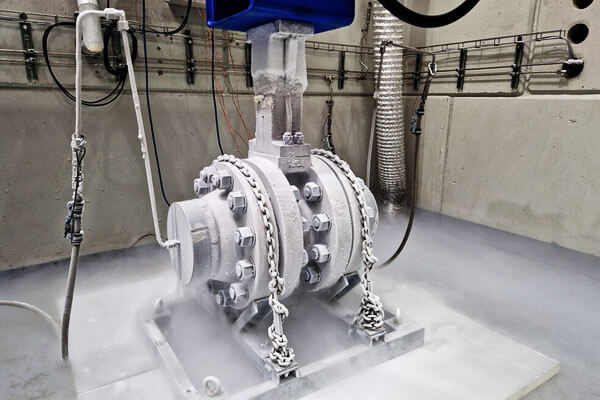
तथापि, जैसे-जैसे सेवा का तापमान बढ़ता है, भौतिक शक्ति में गिरावट आती है और MAWP को तदनुसार कम करना चाहिए.
उदाहरण देकर स्पष्ट करने के लिए, consider a carbon-steel valve in Class 300:
- पर 100 ° F, it resists 740 साई.
- पर 500 ° F, its MAWP drops to approximately 370 psi—exactly half the ambient rating.
- Beyond 800 ° F, the allowable pressure falls below 200 साई, necessitating the use of high-temperature alloys or reduced service demands.
ANSI pressure–temperature tables provide detailed derating curves for each material group.
For stainless steel (Group 5 in B16.34), the MAWP at 100 °F is 1,000 psi for Class 600 but diminishes to 650 पीएसआई पर 400 °F and to 500 पीएसआई पर 750 ° F.
By consulting these tables, engineers can match valve ratings precisely to system conditions, thereby avoiding overstress and extending component life.
इसके अतिरिक्त, ANSI standards recommend a minimum design margin: valves must undergo hydrostatic shell tests at 1.5 × MAWP and seat-leakage tests at 1.1 × MAWP.
This built-in safety buffer ensures reliable operation even under temperature-induced strength reductions, ultimately safeguarding plant integrity and reducing unplanned downtime.
6. Relationship with Other Standards
ANSI valve standards closely integrate with मेरी तरह codes to form a cohesive mechanical engineering framework.
वास्तव में, ऊपर 80% of ANSI’s B16 series aligns directly with ASME specifications—such as B16.34 and ASME Section VIII—ensuring that pressure-containing components behave predictably under similar stress analyses.
फलस्वरूप, designers benefit from a unified reference: they consult ASME for pressure-vessel calculations and ANSI/ASME for valve dimensions and ratings without reconciling conflicting requirements.
This synergy reduces engineering errors by an estimated 25% and accelerates project schedules by up to two weeks on average.
इसके अतिरिक्त, ANSI collaborates with the अमेरिकी पेट्रोलियम संस्थान (एपीआई) to address industry-specific demands.
उदाहरण के लिए, एपीआई 600 gate-valve requirements for sour-service environments augment ANSI/ASME B16.34 with additional metallurgy and fire-safe testing clauses.
नतीजतन, oil and gas operators often mandate dual compliance—ANSI for dimensional and performance consistency,
and API for sector-targeted durability—thereby achieving up to 40% fewer valve replacements in corrosive service.
अंत में, ANSI maintains ongoing dialogue with आईएसओ और में (यूरोपीय मानदंड) bodies to harmonize international trade practices.
Through liaison committees, ANSI has co-published or cross-referenced more than a dozen ISO valve standards, जैसे आईएसओ 5208 for leakage testing,
so that over 65% of global projects can specify either ANSI or ISO designations interchangeably.
This global alignment empowers manufacturers to streamline inventories and helps engineering firms secure international bids with minimal custom-standard work.
7. Application in Global Trade and Engineering
Global Standardization and Market Recognition
ANSI valve standards are widely recognized in international markets, especially in sectors such as oil & गैस, विद्युत उत्पादन, जल उपचार, and petrochemicals.
Many global projects specify ANSI-compliant valves to ensure quality, प्रदर्शन, and safety under demanding operating conditions.
Their widespread adoption facilitates smoother communication between suppliers, इंजीनियरों, और नियामक.
Facilitating Cross-Border Trade
In global procurement, ANSI standards act as a common technical language.
उदाहरण के लिए, एएनएसआई बी16.34 (valve design) और एएनएसआई बी16.5 (निकला हुआ किनारा आयाम) are often mandated in cross-border infrastructure contracts.
This standardization reduces the risk of mismatch during installation and improves compatibility across multinational supply chains.
Reducing Technical Barriers
ANSI standards help reduce technical barriers to trade through alignment with international organizations like ISO and IEC.
नतीजतन, there is growing compatibility between ANSI pressure classes and ISO PN ratings.
यह सामंजस्य विभिन्न क्षेत्रों में वाल्वों के आसान प्रतिस्थापन और विनिमेयता की अनुमति देता है, खरीद को सुव्यवस्थित करना और प्रोजेक्ट लीड समय को कम करना.
Enhancing Engineering Design and Tools
इंजीनियरिंग की दृष्टि से, एएनएसआई वाल्व मानक सामग्री चयन के लिए विश्वसनीय संदर्भ बिंदु प्रदान करते हैं, दबाव रेटिंग, और आयामी डिजाइन.
सुरक्षित और कुशल वाल्व चयन सुनिश्चित करने के लिए इंजीनियर इन मानकों पर भरोसा करते हैं.
इसके अतिरिक्त, कई सीएडी और सिमुलेशन उपकरण (उदा।, सीज़र द्वितीय, ऑटोकैड प्लांट 3डी) एएनएसआई विनिर्देशों को शामिल करें, डिज़ाइन प्रक्रिया को अधिक सटीक और मानकीकृत बनाना.
वैश्विक परियोजना दक्षता का समर्थन करना
विशिष्टताओं और परीक्षण विधियों में एकरूपता को बढ़ावा देकर, एएनएसआई वाल्व मानक वैश्विक परियोजनाओं को निर्धारित समय पर और बजट के भीतर रहने में मदद करते हैं.
वे बार-बार सत्यापन की आवश्यकता को कम करते हैं, विनियामक अनुपालन को सुविधाजनक बनाना, और सुनिश्चित करें कि विभिन्न निर्माताओं के वाल्व समान प्रदर्शन मानकों को पूरा करते हैं.
8. भविष्य का विकास और तकनीकी एकीकरण
स्मार्ट वाल्व प्रौद्योगिकियों को अपनाना
जैसे-जैसे औद्योगिक स्वचालन में तेजी आती है, एएनएसआई वाल्व मानकों में सेंसर से लैस स्मार्ट वाल्वों के लिए दिशानिर्देश शामिल होने की उम्मीद है, एक्चुएटर, और वास्तविक समय निगरानी प्रणाली.
ये बुद्धिमान वाल्व पूर्वानुमानित रखरखाव में महत्वपूर्ण भूमिका निभाते हैं, प्रदर्शन अनुकूलन, और दूरस्थ निदान.
एएनएसआई मानकों के भविष्य के संशोधन में संचार प्रोटोकॉल शामिल हो सकते हैं (उदा।, हार्ट, प्रोफिबस, या मोडबस) और औद्योगिक नियंत्रण प्रणालियों के साथ निर्बाध एकीकरण सुनिश्चित करने के लिए साइबर सुरक्षा पहलू.
स्थिरता और पर्यावरणीय प्रदर्शन
वैश्विक पर्यावरणीय चुनौतियों के जवाब में, एएनएसआई वाल्व मानकों का विकास तेजी से स्थिरता पर केंद्रित है.
इसमें वाल्व सीलिंग सिस्टम के लिए सख्त उत्सर्जन नियंत्रण शामिल है (जैसे कि भगोड़ा उत्सर्जन), पर्यावरण अनुकूल सामग्रियों का उपयोग, और प्रवाह नियंत्रण के लिए बढ़ी हुई दक्षता.
हरित इंजीनियरिंग प्रथाओं और अंतर्राष्ट्रीय जलवायु लक्ष्यों के अनुरूप मानक विकसित होने की संभावना है.
उन्नत सामग्री और विनिर्माण तकनीकें
डुप्लेक्स स्टेनलेस स्टील्स जैसी उन्नत सामग्रियों को अपनाना, संक्षारण प्रतिरोधी मिश्र धातु, और कंपोजिट वाल्व निर्माण के विकास को चला रहे हैं.
इन सामग्रियों को संबोधित करने के लिए एएनएसआई मानकों का विस्तार होने की उम्मीद है, विशेष रूप से उच्च दबाव और उच्च तापमान अनुप्रयोगों के लिए.
इसके अतिरिक्त, उभरती हुई विनिर्माण तकनीकें - जैसे कि योगात्मक विनिर्माण (3डी मुद्रण) और उन्नत सतह उपचार-सामग्री योग्यता और परीक्षण के लिए नए दिशानिर्देशों की आवश्यकता होगी.
डिजिटल मानकीकरण और पहुंच
डिजिटल युग में, डिजिटल प्लेटफॉर्म और इंटरैक्टिव टूल के माध्यम से एएनएसआई मानक अधिक सुलभ होते जा रहे हैं.
भविष्य के विकास में क्लाउड-आधारित मानक पुस्तकालय शामिल हो सकते हैं, वाल्व घटकों के लिए डिजिटल जुड़वां, और भवन सूचना मॉडलिंग के साथ एकीकरण (बीआईएम) प्रणाली.
These innovations will improve design efficiency, compliance verification, and lifecycle management of valves in complex engineering systems.
वैश्विक सामंजस्य प्रयास
ANSI is increasingly collaborating with other international standardization bodies such as ISO and IEC.
Future developments will likely involve greater alignment and harmonization to reduce redundancies and promote global interoperability.
This trend will benefit multinational projects by minimizing conflicts between regional and international specifications.
9. निष्कर्ष
The ANSI valve standard framework serves as a foundational pillar for valve engineering, ensuring performance consistency, सुरक्षा, and interoperability across industrial systems.
Its alignment with ASME, आईएसओ, and API standards further enhances its global relevance.
As industries transition toward cleaner energy and smarter infrastructure, एएनएसआई मानक विकसित होते रहेंगे, इंजीनियरिंग अखंडता को बनाए रखते हुए नवाचार का समर्थन करना.
पर यह, हम केवल एएनएसआई वाल्व मानकों का पालन नहीं करते हैं - हम परिशुद्धता का निर्माण करते हैं, प्रदर्शन, और हमारे द्वारा बनाए गए प्रत्येक वाल्व में मन की शांति.
चाहे आपको मांगलिक अनुप्रयोगों या प्रीमियम-ग्रेड के लिए अनुरूप समाधान की आवश्यकता हो वाल्व घटक जो वैश्विक मानकों को पूरा करते हैं, हमारी टीम डिलीवरी के लिए तैयार है.
आज ही हमसे संपर्क करें और अनुभव लें यह अंतर.