904एल एक है सुपर ऑस्टेनिटिक स्टेनलेस स्टील अत्यधिक अम्लीय वातावरण को झेलने के लिए विकसित किया गया, विशेष रूप से सल्फ्यूरिक एसिड और फॉस्फोरिक एसिड अनुप्रयोग.
यह हाई निकेल है, क्रोमियम, मोलिब्डेनम, और तांबे की सामग्री सामान्य संक्षारण के लिए उत्कृष्ट प्रतिरोध प्रदान करती है, खड़ा, और उत्कृष्ट फॉर्मेबिलिटी और वेल्डेबिलिटी को बनाए रखते हुए दरार का क्षरण.
2507, वहीं दूसरी ओर, एक है सुपर डुप्लेक्स स्टेनलेस स्टील जो ऑस्टेनाइट और फेराइट के लगभग समान अनुपात को जोड़ता है.
यह अद्वितीय दोहरे चरण का माइक्रोस्ट्रक्चर क्लोराइड-प्रेरित पिटिंग के लिए असाधारण प्रतिरोध प्रदान करते हुए पारंपरिक ऑस्टेनिटिक स्टेनलेस स्टील्स की लगभग दोगुनी यांत्रिक शक्ति प्रदान करता है।, दरार का क्षरण, और तनाव संक्षारण क्रैकिंग.
नतीजतन, 2507 अपतटीय प्लेटफार्मों के लिए पसंद की सामग्री बन गई है, समुद्री जल अलवणीकरण संयंत्र, जलमग्न पाइपलाइनें, और अन्य कठोर क्लोराइड युक्त वातावरण.
904L और के बीच चयन करना 2507 यह "बेहतर" या "बदतर" का मामला नहीं है. यह एक रणनीतिक निर्णय है जिसमें संक्षारण प्रतिरोध को यांत्रिक शक्ति के विरुद्ध तौला जाना चाहिए, लागत के विरुद्ध वेल्डेबिलिटी, और प्रदर्शन के विरुद्ध उपलब्धता.
1. 904L को समझना और 2507 स्टेनलेस स्टील
हालाँकि दोनों 904L और 2507 उच्च-प्रदर्शन के रूप में वर्गीकृत किया गया है स्टेनलेस स्टीलएस, वे विभिन्न धातुकर्म परिवारों से संबंधित हैं और विशिष्ट इंजीनियरिंग चुनौतियों को हल करने के लिए विकसित किए गए थे.
उनकी रचना को समझना, सूक्ष्म, और डिज़ाइन दर्शन संक्षारक या उच्च-शक्ति अनुप्रयोगों के लिए उपयुक्त सामग्री का चयन करने का आधार है.
904L स्टेनलेस स्टील क्या है??
904एल एक है कार्बन की कम मात्रा, उच्च-मिश्र धातु ऑस्टेनिटिक स्टेनलेस स्टील आक्रामक रासायनिक वातावरण में असाधारण संक्षारण प्रतिरोध की आवश्यकता वाले अनुप्रयोगों के लिए विशेष रूप से विकसित किया गया है.
304L और 316L जैसे मानक ऑस्टेनिटिक ग्रेड की तुलना में, 904एल में काफी उच्च स्तर होता है निकल (में), क्रोमियम (करोड़), मोलिब्डेनम (एमओ), और ताँबा (घन), यह एसिड को कम करने के लिए उत्कृष्ट प्रतिरोध प्रदान करता है, क्लोराइड-प्रेरित गड्ढा, और दरार का क्षरण.
मूल रूप से रासायनिक प्रसंस्करण संयंत्रों में सल्फ्यूरिक एसिड को संभालने के लिए पेश किया गया था, 904एल का अब व्यापक रूप से उन उद्योगों में उपयोग किया जाता है जहां अत्यधिक संक्षारक परिस्थितियों में दीर्घकालिक स्थायित्व आवश्यक है,
रासायनिक प्रसंस्करण सहित, तेल और गैस, समुद्री इंजीनियरिंग, फार्मास्युटिकल उत्पादन, लुगदी और कागज, और ग्रिप गैस डीसल्फराइजेशन सिस्टम.

ऑस्टेनिटिक स्टेनलेस स्टील वर्गीकरण
904एल का है सुपर ऑस्टेनिटिक स्टेनलेस स्टील परिवार. इसकी पूरी तरह से ऑस्टेनिटिक माइक्रोस्ट्रक्चर कई फायदे प्रदान करती है:
- रासायनिक वातावरण की एक विस्तृत श्रृंखला में उत्कृष्ट संक्षारण प्रतिरोध
- बेहतर लचीलापन और कठोरता, क्रायोजेनिक तापमान पर भी
- एनील्ड स्थिति में गैर-चुंबकीय विशेषताएँ
- उत्कृष्ट फॉर्मैबिलिटी और वेल्डेबिलिटी
- इसकी कम कार्बन सामग्री के कारण इंटरग्रेनुलर जंग के लिए उच्च प्रतिरोध
डुप्लेक्स स्टेनलेस स्टील्स के विपरीत, 904एल मजबूती के लिए मिश्रित फेरिटिक-ऑस्टेनिटिक संरचना पर निर्भर नहीं है.
बजाय, इसका प्रदर्शन उच्च मिश्रधातु स्तरों के माध्यम से प्राप्त किया जाता है जो संक्षारण प्रतिरोध और धातुकर्म स्थिरता दोनों को बढ़ाता है.
विकास का इतिहास
904एल स्टेनलेस स्टील को शुरुआत में 1960 के दशक के दौरान सल्फ्यूरिक एसिड उत्पादन और उर्वरक विनिर्माण में संक्षारण चुनौतियों का समाधान करने के लिए विकसित किया गया था।, जहां पारंपरिक स्टेनलेस स्टील्स ने अपर्याप्त प्रतिरोध प्रदर्शित किया.
इंजीनियरों ने वेल्डेबिलिटी या फैब्रिकेशन प्रदर्शन से समझौता किए बिना एसिड वातावरण को कम करने में संरचनात्मक अखंडता बनाए रखने में सक्षम मिश्र धातु की तलाश की.
अधिक समय तक, धातुकर्म और विनिर्माण प्रौद्योगिकी में प्रगति ने अपतटीय इंजीनियरिंग में 904L के उपयोग का विस्तार किया, हीट एक्सचेंजर्स, दबाव वाहिकाओं, और उच्च शुद्धता प्रक्रिया उपकरण.
आज, यह संक्षारक औद्योगिक अनुप्रयोगों के लिए सबसे व्यापक रूप से मान्यता प्राप्त सुपर ऑस्टेनिटिक स्टेनलेस स्टील्स में से एक बना हुआ है.
प्रमुख विशेषताएँ
904एल स्टेनलेस स्टील संक्षारण प्रतिरोध का उत्कृष्ट संतुलन प्रदान करता है, निर्माण प्रदर्शन, और कठोरता. इसकी परिभाषित विशेषताओं में शामिल हैं:
- सल्फ्यूरिक के प्रति उत्कृष्ट प्रतिरोध, फॉस्फोरिक, और कार्बनिक अम्ल
- क्लोराइड युक्त वातावरण में गड्ढों और दरारों के क्षरण के प्रति उच्च प्रतिरोध
- कई अनुप्रयोगों में पोस्ट-वेल्ड ताप उपचार की आवश्यकता के बिना उत्कृष्ट वेल्डेबिलिटी
- परिवेश और क्रायोजेनिक दोनों तापमानों पर बेहतर क्रूरता
- इसकी कम कार्बन सामग्री के कारण संवेदीकरण के प्रति कम संवेदनशीलता
- जटिल निर्मित घटकों के लिए अच्छी फॉर्मेबिलिटी
ये गुण 904L को दबाव वाहिकाओं के लिए विशेष रूप से उपयुक्त बनाते हैं, भंडारण टंकियां, पाइपिंग सिस्टम, और हीट एक्सचेंजर्स आक्रामक रासायनिक मीडिया के संपर्क में हैं.
अंतरराष्ट्रीय मानक
904एल स्टेनलेस स्टील को कई अंतरराष्ट्रीय विशिष्टताओं के तहत मानकीकृत किया गया है, वैश्विक सामग्री स्थिरता और विनिमेयता सुनिश्चित करना.
| मानक | पद का नाम |
| हम | एन08904 |
| एएसटीएम | एएसटीएम ए240, एएसटीएम ए182, एएसटीएम ए312, एएसटीएम ए276 |
| में | में 1.4539 |
| से | X1NiCrMoCu25-20-5 |
| आईएसओ | आईएसओ 15510 |
| वह | एसयूएस 904एल |
क्या है 2507 स्टेनलेस स्टील?
2507 एक है सुपर डुप्लेक्स स्टेनलेस स्टील फेरिटिक स्टेनलेस स्टील की उच्च शक्ति के साथ ऑस्टेनिटिक स्टेनलेस स्टील के उत्कृष्ट संक्षारण प्रतिरोध को संयोजित करने के लिए इंजीनियर किया गया.
इसकी संतुलित सूक्ष्म संरचना लगभग होती है 50% ऑस्टेनाइट और 50% फेराइट
इसकी बेहतर ताकत और स्थायित्व के कारण, 2507 अपतटीय तेल और गैस उत्पादन में व्यापक रूप से उपयोग किया जाता है, समुद्री उपकरण, समुद्री जल अलवणीकरण, समुद्री इंजीनियरिंग, रासायनिक प्रसंस्करण, और अत्यधिक संक्षारक क्लोराइड वातावरण के संपर्क में आने वाले अन्य अनुप्रयोग.

सुपर डुप्लेक्स स्टेनलेस स्टील वर्गीकरण
2507 का है सुपर डुप्लेक्स स्टेनलेस स्टील परिवार, जिसकी विशेषता है:
- दोहरे चरण फेराइट-ऑस्टेनाइट माइक्रोस्ट्रक्चर
- उच्च क्रोमियम और मोलिब्डेनम सामग्री
- बढ़ी हुई ताकत और संक्षारण प्रतिरोध के लिए नाइट्रोजन मिश्रधातु
- तनाव संक्षारण क्रैकिंग के लिए उत्कृष्ट प्रतिरोध
- उच्च उपज शक्ति - पारंपरिक ऑस्टेनिटिक स्टेनलेस स्टील्स की तुलना में लगभग दोगुनी
संतुलित सूक्ष्म संरचना सक्षम बनाती है 2507 यांत्रिक प्रदर्शन और संक्षारण प्रतिरोध का एक अनूठा संयोजन प्रदान करने के लिए जिसे अकेले पूरी तरह से ऑस्टेनिटिक मिश्र धातुओं के साथ हासिल नहीं किया जा सकता है.
विकास का इतिहास
डुप्लेक्स स्टेनलेस स्टील्स को मूल रूप से क्लोराइड-समृद्ध वातावरण में पारंपरिक ऑस्टेनिटिक स्टेनलेस स्टील्स की सीमाओं को दूर करने के लिए विकसित किया गया था.
अपतटीय तेल उत्पादन के रूप में, समुद्री जल अलवणीकरण, और बीसवीं सदी के अंत में गहरे पानी की इंजीनियरिंग का विस्तार हुआ, इंजीनियरों को उच्च यांत्रिक शक्ति बनाए रखते हुए स्थानीयकृत जंग का विरोध करने में सक्षम सामग्री की आवश्यकता थी.
2507 स्टेनलेस स्टील उन्नत क्रोमियम के साथ प्रीमियम सुपर डुप्लेक्स ग्रेड के रूप में उभरा, मोलिब्डेनम, और नाइट्रोजन सामग्री, गड्ढों के प्रतिरोध में उल्लेखनीय सुधार, दरार का क्षरण, और तनाव संक्षारण क्रैकिंग.
आज, इसे कठोर समुद्री और अपतटीय सेवा के लिए सबसे विश्वसनीय स्टेनलेस स्टील्स में से एक माना जाता है.
दोहरे चरण की सूक्ष्म संरचना
की परिभाषित विशेषता 2507 इसकी सावधानीपूर्वक नियंत्रित दोहरी-चरण संरचना है, आम तौर पर शामिल है:
- लगभग 50% फेराइट
- लगभग 50% ऑस्टेनाइट्स
यह संतुलित माइक्रोस्ट्रक्चर कई इंजीनियरिंग लाभ प्रदान करता है:
- उच्च उपज और तन्यता ताकत
- उत्कृष्ट कठोरता
- क्लोराइड तनाव संक्षारण क्रैकिंग के लिए बेहतर प्रतिरोध
- बढ़ी हुई थकान प्रदर्शन
- स्थानीयकृत संक्षारण के प्रति बेहतर प्रतिरोध
- यांत्रिक लोडिंग के तहत बेहतर आयामी स्थिरता
तथापि, इस सूक्ष्म संरचनात्मक संतुलन को बनाए रखने के लिए हानिकारक इंटरमेटेलिक चरणों के गठन से बचने के लिए गर्मी उपचार और वेल्डिंग के दौरान सख्त नियंत्रण की आवश्यकता होती है.
प्रमुख विशेषताएँ
2507 स्टेनलेस स्टील को यांत्रिक और संक्षारण प्रतिरोधी गुणों के उत्कृष्ट संयोजन के लिए पहचाना जाता है, शामिल:
- गड्ढों और दरारों के क्षरण के प्रति असाधारण प्रतिरोध
- उत्कृष्ट क्लोराइड तनाव संक्षारण क्रैकिंग प्रतिरोध
- 904L की उपज शक्ति लगभग दोगुनी
- चक्रीय लोडिंग अनुप्रयोगों के लिए उच्च थकान शक्ति
- अच्छा प्रभाव कठोरता
- उत्कृष्ट समुद्री जल संक्षारण प्रतिरोध
- अधिक मजबूती के कारण दीवार की मोटाई की आवश्यकताएं कम हो गईं
ये विशेषताएँ बनाती हैं 2507 स्टेनलेस स्टील उच्च दबाव और गंभीर संक्षारण स्थितियों के तहत काम करने वाले संरचनात्मक घटकों के लिए एक आदर्श सामग्री है.
अंतरराष्ट्रीय मानक
2507 स्टेनलेस स्टील कई विश्व स्तर पर मान्यता प्राप्त सामग्री मानकों द्वारा कवर किया गया है.
| मानक | पद का नाम |
| हम | S32750 |
| एएसटीएम | एएसटीएम ए240, एएसटीएम ए182, एएसटीएम ए276, एएसटीएम ए789, एएसटीएम ए790 |
| में | में 1.4410 |
| से | X2CrNiMoN25-7-4 |
| आईएसओ | आईएसओ 15156 (तेल & गैस सेवा) |
2. रासायनिक संरचना तुलना: 904एल बनाम 2507 स्टेनलेस स्टील
स्टेनलेस स्टील की रासायनिक संरचना मूल रूप से इसकी सूक्ष्म संरचना को निर्धारित करती है, संक्षारण प्रतिरोध, यांत्रिक विशेषताएं, जुड़ने की योग्यता, और सेवा प्रदर्शन.
904एल पर निर्भर है उच्च निकल, मोलिब्डेनम, और तांबा एसिड और सामान्य संक्षारण को कम करने के प्रतिरोध को बढ़ाने वाली सामग्री,
जबकि 2507 सावधानीपूर्वक संतुलित संयोजन के माध्यम से बेहतर यांत्रिक शक्ति और क्लोराइड प्रतिरोध प्राप्त होता है क्रोमियम, मोलिब्डेनम, नाइट्रोजन, और एक डुप्लेक्स (ऑस्टेनाईट austenite-फेराइट) सूक्ष्म.
| तत्व (भार%) | 904एल (यूएस एन08904) | 2507 (यूएस एस32750) | बेसिक कार्यक्रम |
| क्रोमियम (करोड़) | 19.0-23.0 | 24.0-26.0 | ऑक्सीकरण प्रतिरोध में सुधार करता है, अदा करना, और पिटिंग संक्षारण प्रतिरोध |
| निकल (में) | 23.0-28.0 | 6.0-8.0 | ऑस्टेनाइट को स्थिर करता है, कठोरता और संक्षारण प्रतिरोध को बढ़ाता है |
| मोलिब्डेनम (एमओ) | 4.0-5.0 | 3.0-5.0 | गड्ढे में सुधार करता है, दरार का क्षरण, और एसिड प्रतिरोध |
| नाइट्रोजन (एन) | ≤0.10 | 0.24–0.32 | ताकत और गड्ढा प्रतिरोध बढ़ाता है, ऑस्टेनाइट को स्थिर करता है |
| ताँबा (घन) | 1.0-2.0 | ≤0.50 | सल्फ्यूरिक और फॉस्फोरिक एसिड के प्रतिरोध को बढ़ाता है |
कार्बन (सी) |
≤0.020 | ≤0.030 | कम कार्बन कार्बाइड अवक्षेपण और अंतर कणीय क्षरण को कम करता है |
| मैंगनीज (एम.एन.) | ≤2.0 | ≤1.2 | गर्म कार्यशीलता और डीऑक्सीडेशन में सुधार करता है |
| सिलिकॉन (और) | ≤1.0 | ≤0.8 | ऑक्सीकरण प्रतिरोध और कास्टिंग तरलता में सुधार करता है |
| फास्फोरस (पी) | ≤0.045 | ≤0.035 | कठोरता बनाए रखने के लिए नियंत्रित |
| गंधक (एस) | ≤0.035 | ≤0.020 | कम सल्फर वेल्डेबिलिटी और संक्षारण प्रतिरोध में सुधार करता है |
| लोहा (फ़े) | संतुलन | संतुलन | मैट्रिक्स सामग्री |
3. यांत्रिक गुणों की तुलना: 904एल बनाम 2507 स्टेनलेस स्टील
904L के यांत्रिक गुण और 2507 उनकी मौलिक रूप से भिन्न सूक्ष्म संरचनाओं को दर्शाते हैं: ऑस्टेनिटिक बनाम. डुप्लेक्स.
| यांत्रिक संपत्ति | 904एल (annealed) | 2507 (समाधान की घोषणा की) | अंतर |
| तन्यता ताकत (एमपीए) | 520-680 | 700-850 | 2507 20‑30% अधिक मजबूत है. |
| नम्य होने की क्षमता (0.2%, एमपीए) | 220 | 550 | 2507 2.5× अधिक मजबूत है. |
| बढ़ाव (%) | ≥35 | ≥25 | 904एल अधिक लचीला है. |
| कठोरता (मॉडिफ़ाइड अमेरिकन प्लान) | 150-180 | 250-300 | 2507 काफी कठिन है. |
प्रभाव कठोरता (चरपी, जे) |
>100 (कमरे के तापमान पर) | 70-100 (कमरे के तापमान पर) | दोनों कठिन हैं; 904एल क्रायोजेनिक तापमान पर कठोरता बरकरार रखता है. |
| लोच का मापांक (जीपीए) | 195 | 200 | समान. |
| थकान शक्ति (10⁷ चक्र, एमपीए) | 250-300 | 400-450 | 2507 बेहतर थकान प्रतिरोध है. |
| रेंगना प्रतिरोध | अच्छा | मध्यम (≤300°C तक सीमित) | 904एल ऊंचे तापमान पर बेहतर है. |
| तन्य-से-भंगुर संक्रमण | कोई नहीं (austenitic) | -50°C (डुप्लेक्स) | 904एल क्रायोजेनिक अनुप्रयोगों के लिए उपयुक्त है; 2507 सीमित है. |
4. संक्षारण प्रतिरोध तुलना: 904एल बनाम 2507 स्टेनलेस स्टील
संक्षारण प्रतिरोध प्राथमिक कारण है जिसके कारण इंजीनियर उच्च-मिश्र धातु वाले स्टेनलेस स्टील का चयन करते हैं. जबकि दोनों 904L और 2507 जैसे मानक ग्रेडों से उल्लेखनीय रूप से बेहतर प्रदर्शन करते हैं 304 और 316L,
वे अपनी विशिष्ट मिश्र धातु रचनाओं और सूक्ष्म संरचनाओं के कारण विभिन्न संक्षारक वातावरणों में उत्कृष्टता प्राप्त करते हैं.
आम तौर पर, 904एल एसिड को कम करने में असाधारण रूप से अच्छा प्रदर्शन करता है, जबकि 2507 क्लोराइड-प्रेरित स्थानीयकृत संक्षारण और तनाव संक्षारण क्रैकिंग के लिए बेहतर प्रतिरोध प्रदान करता है.

सामान्य संक्षारण प्रतिरोध
दोनों मिश्र धातुएं एक स्थिर क्रोमियम-समृद्ध निष्क्रिय ऑक्साइड परत विकसित करती हैं जो अंतर्निहित धातु को समान संक्षारण से बचाती है.
पारंपरिक स्टेनलेस स्टील्स की तुलना में, दोनों सामग्रियां प्रदान करती हैं:
- उत्कृष्ट वायुमंडलीय संक्षारण प्रतिरोध
- उच्च ऑक्सीकरण प्रतिरोध
- बेहतर औद्योगिक संक्षारण प्रदर्शन
- लंबी सेवा जीवन
तथापि, उनके इष्टतम सेवा वातावरण में काफी भिन्नता है.
पिटिंग संक्षारण प्रतिरोध
पिटिंग जंग हमले का एक स्थानीय रूप है जो तब होता है जब निष्क्रिय फिल्म टूट जाती है, विशेष रूप से क्लोराइड युक्त समाधानों में.
क्योंकि 2507 रोकना:
- उच्च क्रोमियम
- समान मोलिब्डेनम
- बहुत अधिक नाइट्रोजन
यह गड्ढों के प्रति काफी अधिक प्रतिरोध प्रदर्शित करता है.
| सामग्री | विशिष्ट PREN | पिटिंग प्रतिरोध |
| 316एल | 24-27 | अच्छा |
| 904एल | 35-38 | उत्कृष्ट |
| 2507 | 42-45 | असाधारण |
2507 इसलिए समुद्री जल पाइपलाइनों के लिए पसंदीदा विकल्प है, अपतटीय प्लेटफार्म, विलवणीकरण संयंत्र, और समुद्री उपकरण.
दरार संक्षारण प्रतिरोध
दरार का क्षरण अक्सर गास्केट के नीचे विकसित होता है, निकला हुआ किनारा, बोल्ट, जमा, या स्थिर पानी जहां ऑक्सीजन समाप्त हो गई है.
हालाँकि दोनों मिश्र धातुएँ अच्छा प्रदर्शन करती हैं, 2507की उच्च PREN और डुप्लेक्स संरचना अधिक प्रतिरोध प्रदान करती है, विशेष रूप से गर्म क्लोराइड युक्त वातावरण में.
तनाव संक्षारण क्रैकिंग (एस सी सी)
तनाव संक्षारण दरार तन्य तनाव और संक्षारक मीडिया के संयुक्त प्रभाव से उत्पन्न होती है, विशेषकर क्लोराइड.
यह दोनों सामग्रियों के बीच सबसे महत्वपूर्ण अंतरों में से एक है.
- 904एल मानक ऑस्टेनिटिक ग्रेड की तुलना में बेहतर एससीसी प्रतिरोध प्रदान करता है लेकिन गंभीर क्लोराइड स्थितियों के तहत अभी भी अतिसंवेदनशील हो सकता है.
- 2507, इसके डुप्लेक्स माइक्रोस्ट्रक्चर के साथ, क्लोराइड-प्रेरित एससीसी के लिए उत्कृष्ट प्रतिरोध प्रदान करता है और व्यापक रूप से अपतटीय तेल और गैस प्रणालियों में उपयोग किया जाता है जहां ऐसी विफलताएं एक प्रमुख चिंता का विषय हैं.
सल्फ्यूरिक एसिड प्रतिरोध
| पर्यावरण | 904एल | 2507 |
| 10‑40% H₂SO₄ 20‑80°C पर | उत्कृष्ट | मध्यम |
| H₂SO₄ को पतला करें (<10%) | उत्कृष्ट | अच्छा |
| गरम सांद्रित H₂SO₄ (>70%) | अच्छा | गरीब |
904एल श्रेष्ठ मिश्रधातु है तांबे की मात्रा के कारण सल्फ्यूरिक एसिड से निपटने के लिए. 2507का तांबा ≤0.5% तक सीमित है, एसिड को कम करने के लिए इसे बहुत कम प्रतिरोध देता है.
5. गर्मी प्रतिरोध और वेल्डेबिलिटी
गर्मी प्रतिरोध
| पैरामीटर | 904एल | 2507 |
| अधिकतम सतत सेवा तापमान | 300-400°C | ≤300°C |
| अल्पकालिक चरम तापमान | 450° C | 350° C |
| ऑक्सीकरण प्रतिरोध | अच्छा (600°C तक) | अच्छा (500°C तक) |
| रेंगना प्रतिरोध | अच्छा | सीमित (द्वैध चरण अस्थिर >300° C) |
| संवेदीकरण जोखिम | कम (कार्बन की कम मात्रा) | कम (कार्बन की कम मात्रा + नाइट्रोजन) |
गंभीर टिप्पणी: 2507 चाहिए नहीं ऊपर प्रयोग किया जाए 300° C विस्तारित अवधि के लिए.
इस तापमान से ऊपर, डुप्लेक्स माइक्रोस्ट्रक्चर विघटित हो सकता है - जिससे हानिकारक सिग्मा चरण बन सकता है, जो सामग्री को भंगुर कर देता है और संक्षारण प्रतिरोध को कम कर देता है.
904L का उपयोग 400°C तक किया जा सकता है (और छोटी अवधि के लिए 450°C तक) महत्वपूर्ण चरण क्षरण के बिना.
जुड़ने की योग्यता
| वेल्डेबिलिटी कारक | 904एल | 2507 |
| वेल्डेबिलिटी रेटिंग | उत्कृष्ट | अच्छा (कुशल वेल्डर की आवश्यकता है) |
| पहले से गरम करना आवश्यक है | नहीं | नहीं |
| भराव धातु | मिलान 904L (ईआर385) | मेल मिलाना 2507 (उदा।, ईआर2594) |
| ताप इनपुट नियंत्रण | आलोचनात्मक नहीं | गंभीर (इंटरपास रखें <150° C) |
| पोस्ट-वेल्ड गर्मी उपचार | आवश्यक नहीं | आवश्यक नहीं |
| गर्म दरार का खतरा | कम | कम |
| सिग्मा चरण का जोखिम | कोई नहीं | उच्च (धीमी गति से शीतलन या उच्च ताप इनपुट) |
| बैक-पर्ज आवश्यक है | नहीं (वायु अनुप्रयोगों के लिए) | हाँ (उच्च गुणवत्ता वाले वेल्ड के लिए) |
मुख्य अंतर्दृष्टि: 904एल है वेल्ड करना आसान बजाय 2507. इसकी पूरी तरह से ऑस्टेनिटिक संरचना क्षमाशील है, सिग्मा चरण के गठन का कोई जोखिम नहीं.
2507की डुप्लेक्स संरचना की आवश्यकता है ताप इनपुट का सख्त नियंत्रण, इंटरपास तापमान (<150° C), और शीतलन दर सिग्मा चरण की वर्षा या अत्यधिक फेराइट/ऑस्टेनाइट असंतुलन को रोकने के लिए.
6. मशीनीकरण और निर्माण
904L और के बीच मिश्र धातु संरचना और सूक्ष्म संरचना में पर्याप्त अंतर 2507 स्टेनलेस स्टील का मशीनिंग व्यवहार पर सीधा प्रभाव पड़ता है, निर्माण के तरीके, टूलींग आवश्यकताएँ, और विनिर्माण लागत.
मशीनेबिलिटी तुलना
| संपत्ति | 904एल स्टेनलेस स्टील | 2507 स्टेनलेस स्टील |
| सापेक्ष मशीनीकरण (ऐसी 1212 = 100%) | 35-40% | 20-30% |
| काटने वाली ताकतें | मध्यम | उच्च |
| उपकरण पहनना | मध्यम से उच्च | उच्च |
| कार्य को कठोर बनाने की प्रवृत्ति | बहुत ऊँचा | मध्यम |
| चिप निर्माण | लंबा और रेशेदार | छोटा लेकिन कठोर |
| अनुशंसित टूलींग | कार्बाइड उपकरण | प्रीमियम कार्बाइड या सिरेमिक |
| भूतल समाप्ति क्षमता | उत्कृष्ट | अच्छा |
904L की मशीनिंग विशेषताएँ
904एल में निकेल और मोलिब्डेनम का असाधारण उच्च स्तर होता है, जो उत्कृष्ट संक्षारण प्रतिरोध प्रदान करते हैं लेकिन लचीलापन और कठोरता भी बढ़ाते हैं.
नतीजतन, मशीनिंग संचालन के दौरान सामग्री कड़ी मेहनत का प्रदर्शन करती है.
विशिष्ट चुनौतियों में शामिल हैं:
- मशीनी सतह का तेजी से सख्त होना.
- काटने वाले क्षेत्र में गर्मी उत्पादन में वृद्धि.
- चिप तोड़ने में कठिनाई.
- मानक ऑस्टेनिटिक ग्रेड की तुलना में उच्च उपकरण घिसाव.
अनुशंसित मशीनिंग प्रथाओं में शामिल हैं:
- तेज पॉजिटिव-रेक कार्बाइड आवेषण का उपयोग करना.
- जब भी संभव हो निरंतर कटौती बनाए रखना.
- गर्मी को खत्म करने के लिए उदार शीतलक प्रवाह लागू करना.
- मध्यम काटने की गति और उच्च फ़ीड दरों का चयन करना.
- बार-बार उथली कटौती से बचना जो काम को सख्त बनाने को बढ़ावा देता है.
विशिष्ट मशीनिंग प्रक्रियाओं में शामिल हैं:
- सीएनसी मोड़
- सीएनसी मिलिंग
- ड्रिलिंग
- धागा मशीनिंग
- परिशुद्धता परिष्करण कार्य
की मशीनिंग विशेषताएँ 2507
मशीनिंग से जुड़ी कठिनाइयाँ 2507 यह मुख्य रूप से अत्यधिक परिश्रम के बजाय इसकी उच्च शक्ति और कठोरता से उत्पन्न होता है.
904L से तुलना की गई, 2507 आम तौर पर परिणाम होता है:
- अधिक काटने का भार.
- टूल एज का अधिक घिसाव.
- कंपन का खतरा बढ़ गया.
- स्वीकार्य काटने की गति कम हो गई.
की सफल मशीनिंग 2507 आम तौर पर आवश्यकता होती है:
- उच्च कठोरता वाली मशीन टूल्स.
- प्रीमियम लेपित कार्बाइड आवेषण.
- उच्च दबाव शीतलक प्रणालियाँ.
- अनुकूलित उपकरण ज्यामिति.
- पर्याप्त फ़ीड दरों के साथ कम स्पिंडल गति.
हालाँकि मशीनिंग लागत आम तौर पर अधिक होती है, की बेहतर यांत्रिक शक्ति 2507 अक्सर डिजाइनरों को अनुभाग की मोटाई कम करने की अनुमति मिलती है, बढ़े हुए विनिर्माण व्यय की आंशिक क्षतिपूर्ति.
फॉर्मैबिलिटी तुलना
| संपत्ति बनाना | 904एल | 2507 |
| शीत गठनशीलता | उत्कृष्ट | अच्छा |
| गहरा आरेख | उत्कृष्ट | मध्यम |
| झुकने की क्षमता | उत्कृष्ट | अच्छा |
| खिंचाव का निर्माण | उत्कृष्ट | मध्यम |
| स्प्रिंगबैक प्रवृत्ति | मध्यम | उच्च |
904एल लाभ
पूरी तरह से ऑस्टेनिटिक संरचना उत्कृष्ट लचीलापन और कठोरता प्रदान करती है, 904L को अत्यधिक उपयुक्त बनाना:
- गहरे खींचे हुए जहाज़
- जटिल पाइपिंग सिस्टम
- रासायनिक भंडारण टैंक
- फार्मास्युटिकल प्रसंस्करण उपकरण
सामग्री गंभीर विरूपण या तंग झुकने वाली त्रिज्या वाले अनुप्रयोगों में विशेष रूप से अच्छा प्रदर्शन करती है.
2507 लाभ
हालाँकि 904L से कम फॉर्मेबल है, 2507 ऑफर:
- उच्च संरचनात्मक कठोरता.
- बेहतर भार वहन क्षमता.
- दीवार की मोटाई की आवश्यकताएं कम की गईं.
तथापि, निर्माताओं को झुकने के संचालन के दौरान बढ़े हुए स्प्रिंगबैक का ध्यान रखना चाहिए, अक्सर अधिक झुकने वाले मुआवजे की आवश्यकता होती है.
7. निवेश कास्टिंग प्रदर्शन तुलना: 904एल बनाम 2507 स्टेनलेस स्टील
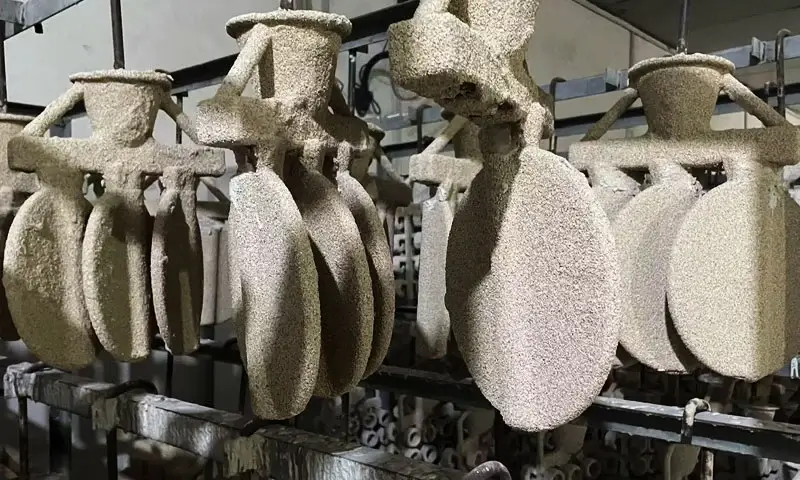
धातु - स्वरूपण तकनीक, के रूप में भी जाना जाता है खोई हुई मोम कास्टिंग, उत्कृष्ट आयामी सटीकता के साथ जटिल स्टेनलेस स्टील घटकों का उत्पादन करने के लिए व्यापक रूप से उपयोग की जाने वाली एक सटीक विनिर्माण प्रक्रिया है, जटिल ज्यामिति, चिकनी सतह खत्म, और मशीनिंग आवश्यकताओं को कम किया.
पारंपरिक कास्टिंग विधियों की तुलना में, निवेश कास्टिंग घटक आकार और सतह की गुणवत्ता पर बेहतर नियंत्रण प्रदान करती है, यह इसे रासायनिक प्रसंस्करण में मांग वाले अनुप्रयोगों के लिए आदर्श बनाता है, तेल और गैस, समुद्री इंजीनियरिंग, ऊर्जा प्रणालियाँ, और औद्योगिक उपकरण.
| निवेश कास्टिंग कारक | 904एल | 2507 |
| द्रवता | अच्छा (उच्च निकल) | मध्यम (डुप्लेक्स में तरलता कम होती है) |
| जमना सिकुड़न | मध्यम (~2%) | मध्यम-उच्च (~2‑3%) |
| गर्म फाड़ने की प्रवृत्ति | कम | मध्यम (डुप्लेक्स) |
| शैल अंतःक्रिया | कम (सिलिका-सोल के गोले) | कम |
| डालने का तापमान (° C) | 1550-1650 | 1550-1650 |
| ताप उपचार की आवश्यकता है | समाधान की घोषणा (1040-1100°C) + बुझाना | समाधान की घोषणा (1020-1100°C) + बुझाना |
| एनडीटी / निरीक्षण | रेडियोग्राफ़, रंग प्रवेशक | रेडियोग्राफ़, रंग प्रवेशक, फेराइट माप |
| कास्टेबिलिटी रेटिंग | उत्कृष्ट | अच्छा |
मुख्य विचार:
- 904एल इसकी उच्च निकल सामग्री के कारण यह अच्छी तरह से ढल जाता है (अच्छी तरलता, कम ऑक्सीकरण).
- 2507 अच्छी तरह से ढल जाता है लेकिन सही ऑस्टेनाइट-फेराइट संतुलन प्राप्त करने के लिए शीतलन दर के सावधानीपूर्वक नियंत्रण की आवश्यकता होती है (50/50). समाधान एनीलिंग से तेजी से ठंडा होना आवश्यक है.
- फेराइट माप: के लिए 2507 निवेश कास्टिंग, फेराइट सामग्री को मापा जाना चाहिए (आम तौर पर 35‑65%) चरण संतुलन और संक्षारण प्रतिरोध सुनिश्चित करने के लिए.
8. औद्योगिक अनुप्रयोग
904एल स्टेनलेस स्टील मुख्य रूप से आक्रामक एसिड वाले वातावरण के लिए चुना गया है, विशेषकर सल्फ्यूरिक एसिड और फॉस्फोरिक एसिड, जहां इसकी उच्च निकल और तांबे की सामग्री असाधारण संक्षारण प्रतिरोध प्रदान करती है.
2507 स्टेनलेस स्टील, सुपर डुप्लेक्स स्टेनलेस स्टील के रूप में, उच्च यांत्रिक शक्ति के संयोजन की आवश्यकता वाले अनुप्रयोगों के लिए इसे प्राथमिकता दी जाती है, उत्कृष्ट क्लोराइड प्रतिरोध, और तनाव संक्षारण क्रैकिंग के लिए बेहतर प्रतिरोध, विशेष रूप से अपतटीय और समुद्री वातावरण में.

रासायनिक प्रसंस्करण उद्योग
904एल स्टेनलेस स्टील अनुप्रयोग
रासायनिक प्रसंस्करण उद्योग 904L स्टेनलेस स्टील के लिए सबसे महत्वपूर्ण अनुप्रयोग क्षेत्रों में से एक है.
इसकी उच्च निकेल सामग्री के कारण (लगभग 23-28%) और तांबे का जोड़, 904एल एसिड को कम करने के लिए उत्कृष्ट प्रतिरोध प्रदान करता है, विशेषकर सल्फ्यूरिक एसिड.
विशिष्ट अनुप्रयोगों में शामिल हैं:
- सल्फ्यूरिक एसिड भंडारण टैंक.
- एसिड स्थानांतरण पाइपलाइन.
- रिएक्टर और मिश्रण पात्र.
- हीट एक्सचेंजर्स.
- इवैपोरेटर.
- पम्प निकायों.
- वाल्व अवयव.
- रासायनिक प्रसंस्करण फिटिंग.
2507 स्टेनलेस स्टील अनुप्रयोग
हालांकि 2507 आम तौर पर एसिड वातावरण को दृढ़ता से कम करने के लिए नहीं चुना जाता है, यह क्लोराइड युक्त रासायनिक प्रक्रियाओं में असाधारण रूप से अच्छा प्रदर्शन करता है.
विशिष्ट अनुप्रयोगों में शामिल हैं:
- क्लोराइड प्रसंस्करण उपकरण.
- रासायनिक भंडारण प्रणालियाँ.
- खारे घोल के संपर्क में आने वाले हीट एक्सचेंजर्स.
- प्रक्रिया पाइपिंग सिस्टम.
तेल व गैस उद्योग
तेल और गैस उद्योग उच्च दबाव में जीवित रहने में सक्षम सामग्रियों की मांग करता है, ऊंचा तापमान, और क्लोराइड युक्त अत्यधिक संक्षारक वातावरण, हाइड्रोजन सल्फाइड, और समुद्री जल.
2507 स्टेनलेस स्टील अनुप्रयोग
2507 इसकी उत्कृष्ट ताकत और संक्षारण प्रतिरोध के कारण इसका व्यापक रूप से अपतटीय तेल और गैस संचालन में उपयोग किया जाता है.
विशिष्ट घटकों में शामिल हैं:
- उपसमुद्र वाल्व.
- अपतटीय प्लेटफ़ॉर्म पाइपिंग.
- प्रवाहरेखाएँ.
- अम्बिलिकल ट्यूबिंग.
- दबाव नियंत्रण उपकरण.
- पंप घटक.
- मैनिफ़ोल्ड सिस्टम.
904एल स्टेनलेस स्टील अनुप्रयोग
904एल का उपयोग तेल और गैस सुविधाओं में भी किया जा सकता है, विशेष रूप से जहां रासायनिक संक्षारण प्रतिरोध उच्च यांत्रिक शक्ति से अधिक महत्वपूर्ण है.
एप्लीकेशन शामिल हैं:
- रासायनिक इंजेक्शन प्रणाली.
- एसिड प्रबंधन उपकरण.
- प्रसंस्करण इकाइयाँ.
- विशिष्ट पाइपिंग सिस्टम.
समुद्री इंजीनियरिंग अनुप्रयोग
धातु सामग्री के लिए समुद्री वातावरण सबसे चुनौतीपूर्ण स्थितियों में से एक है क्योंकि समुद्री जल में क्लोराइड आयनों की उच्च सांद्रता होती है.
2507 स्टेनलेस स्टील अनुप्रयोग
2507 समुद्री अनुप्रयोगों के लिए पसंदीदा स्टेनलेस स्टील्स में से एक है.
विशिष्ट उपयोगों में शामिल हैं:
- समुद्री जल शीतलन प्रणाली.
- जहाज़ पर पाइपिंग.
- समुद्री पंप.
- अपतटीय संरचनाएँ.
- हीट एक्सचेंजर घटक.
- अलवणीकरण उपकरण.
904एल स्टेनलेस स्टील अनुप्रयोग
904एल समुद्री वातावरण में भी अच्छा प्रदर्शन करता है लेकिन आम तौर पर इसे उत्कृष्ट सतह फिनिश और संक्षारण प्रतिरोध की आवश्यकता वाले विशेष अनुप्रयोगों के लिए चुना जाता है.
उदाहरणों में शामिल हैं:
- समुद्री सजावटी घटक.
- परिशुद्धता फिटिंग.
- लक्जरी उपकरण घटक.
- संक्षारण प्रतिरोधी फास्टनरों.
अलवणीकरण उद्योग
अलवणीकरण संयंत्र अत्यधिक उच्च क्लोराइड स्तर वाले संकेंद्रित समुद्री जल में सामग्रियों को उजागर करते हैं.
2507 स्टेनलेस स्टील अनुप्रयोग
2507 आधुनिक अलवणीकरण प्रणालियों के लिए एक प्रमुख सामग्री विकल्प बन गया है.
विशिष्ट अनुप्रयोगों में शामिल हैं:
- उच्च दबाव पंप घटक.
- रिवर्स ऑस्मोसिस पाइपिंग.
- नमकीन पानी परिसंचरण प्रणाली.
- दबाव वाहिकाओं.
- हीट एक्सचेंजर्स.
904एल स्टेनलेस स्टील अनुप्रयोग
904एल का उपयोग विलवणीकरण उपकरण में किया जा सकता है जहां उत्कृष्ट संक्षारण प्रतिरोध की आवश्यकता होती है लेकिन यांत्रिक लोडिंग मध्यम होती है.
एप्लीकेशन शामिल हैं:
- कम दबाव वाली पाइपिंग.
- रासायनिक खुराक प्रणाली.
- सहायक उपकरण.
फार्मास्युटिकल और खाद्य प्रसंस्करण उद्योग
904एल स्टेनलेस स्टील अनुप्रयोग
- बाँझ प्रसंस्करण बर्तन.
- शुद्ध जल प्रणालियाँ.
- भंडारण टंकियां.
- प्रयोगशाला उपकरण.
- उच्च शुद्धता वाली पाइपिंग.
2507 स्टेनलेस स्टील अनुप्रयोग
2507 फार्मास्युटिकल अनुप्रयोगों में यह कम आम है लेकिन इसे वहां चुना जा सकता है जहां उच्च शक्ति और क्लोराइड प्रतिरोध की आवश्यकता होती है.
उदाहरणों में शामिल हैं:
- उच्च दबाव प्रक्रिया प्रणालियाँ.
- क्लोराइड युक्त फार्मास्युटिकल प्रक्रियाएं.
- औद्योगिक पैमाने पर द्रव प्रबंधन उपकरण.
विद्युत उत्पादन उद्योग
2507 स्टेनलेस स्टील अनुप्रयोग
बिजली संयंत्रों को अक्सर ठंडे पानी के क्षरण और उच्च यांत्रिक भार के लिए प्रतिरोधी सामग्री की आवश्यकता होती है.
विशिष्ट अनुप्रयोग:
- कंडेनसर सिस्टम.
- ठंडा पानी की पाइपिंग.
- हीट एक्सचेंजर्स.
- बॉयलर सहायक प्रणालियाँ.
- ग्रिप गैस उपचार उपकरण.
904एल स्टेनलेस स्टील अनुप्रयोग
904L का प्रयोग आमतौर पर किया जाता है:
- ग्रिप गैस डीसल्फराइजेशन सिस्टम.
- एसिड प्रबंधन प्रणाली.
- रासायनिक उपचार उपकरण.
सल्फर युक्त यौगिकों के प्रति इसका उत्कृष्ट प्रतिरोध इसे प्रदूषण नियंत्रण प्रणालियों में मूल्यवान बनाता है.
लुगदी और कागज उद्योग
लुगदी और कागज उद्योग में क्लोराइड जैसे रसायनों का जोखिम शामिल होता है, सल्फर यौगिक, और विरंजन एजेंट.
904एल स्टेनलेस स्टील अनुप्रयोग
के लिए इस्तेमाल होता है:
- ब्लीचिंग उपकरण.
- रासायनिक टैंक.
- एसिड-प्रतिरोधी पाइपिंग.
2507 स्टेनलेस स्टील अनुप्रयोग
के लिए इस्तेमाल होता है:
- ब्लीचिंग टावर्स.
- पाचक.
- पुनर्प्राप्ति प्रणाली.
- क्लोराइड युक्त प्रक्रिया उपकरण.
9. व्यापक तुलना: 904एल बनाम 2507 स्टेनलेस स्टील
निम्नलिखित तालिका के बीच एक व्यापक इंजीनियरिंग तुलना प्रदान करती है 904एल सुपर ऑस्टेनिटिक स्टेनलेस स्टील और 2507 सुपर डुप्लेक्स स्टेनलेस स्टील अनेक दृष्टिकोणों से.
| तुलना श्रेणी | 904एल स्टेनलेस स्टील (यूएस एन08904) | 2507 सुपर डुप्लेक्स स्टेनलेस स्टील (यूएस एस32750) |
| सामग्री वर्गीकरण | सुपर ऑस्टेनिटिक स्टेनलेस स्टील | सुपर डुप्लेक्स स्टेनलेस स्टील |
| धातुकर्म संरचना | पूरी तरह से ऑस्टेनिटिक एकल-चरण संरचना | दोहरे चरण की संरचना: लगभग 50% फेराइट + 50% ऑस्टेनाइट्स |
| प्राथमिक डिज़ाइन उद्देश्य | आक्रामक रासायनिक वातावरण में अधिकतम संक्षारण प्रतिरोध | बेहतर क्लोराइड संक्षारण प्रतिरोध के साथ संयुक्त उच्च शक्ति |
| अंतरराष्ट्रीय मानक | एएसटीएम ए240 / ए182 / ए312, में 1.4539, यूएस एन08904 | एएसटीएम ए240 / ए182 / ए790, में 1.4410, यूएस एस32750 |
| क्रोमियम (करोड़) | 19-23% | 24-26% |
| निकल (में) | 23-28% | 6-8% |
| विशिष्ट PREN मान | लगभग 35-38 | लगभग 42-45 |
| घनत्व | लगभग 8.0 g/cm g | लगभग 7.8 g/cm g |
| नम्य होने की क्षमता | ≥220 एमपीए | ≥550 एमपीए |
| तन्यता ताकत | ≥490 एमपीए | ≥800 एमपीए |
| सामान्य संक्षारण प्रतिरोध | उत्कृष्ट | उत्कृष्ट |
| पिटिंग संक्षारण प्रतिरोध | उत्कृष्ट | असाधारण |
| दरार संक्षारण प्रतिरोध | बहुत अच्छा | असाधारण |
| क्लोराइड तनाव संक्षारण क्रैकिंग प्रतिरोध | अच्छा | उत्कृष्ट |
| समुद्री जल प्रतिरोध | बहुत अच्छा | असाधारण |
| सल्फ्यूरिक एसिड प्रतिरोध | असाधारण | मध्यम से अच्छा |
| फॉस्फोरिक एसिड प्रतिरोध | असाधारण | अच्छा |
| कार्बनिक अम्ल प्रतिरोध | उत्कृष्ट | बहुत अच्छा |
उच्च तापमान प्रदर्शन |
बेहतर दीर्घकालिक तापमान क्षमता (~400-450°C) | चरण स्थिरता द्वारा सीमित (~300-350°C) |
| कम तापमान की कठोरता | उत्कृष्ट | उत्कृष्ट |
| चुंबकीय गुण | एनील्ड स्थिति में गैर-चुंबकीय | फेराइट चरण के कारण थोड़ा चुंबकीय |
| कार्य को कठोर बनाने की प्रवृत्ति | मज़बूत | बहुत मजबूत |
| मशीन की | कठिन | अधिक कठिन |
| काटने के उपकरण की आवश्यकता | कार्बाइड उपकरण की सिफारिश की गई | उन्नत लेपित कार्बाइड उपकरण अनुशंसित |
| प्रपत्र | उत्कृष्ट | मध्यम |
| शीत कार्य क्षमता | उत्कृष्ट | सीमित |
| जुड़ने की योग्यता | उत्कृष्ट | अच्छा है लेकिन सख्त नियंत्रण की आवश्यकता है |
| वेल्डिंग जटिलता | अपेक्षाकृत आसान | चरण संतुलन आवश्यकताओं के कारण उच्चतर |
| पोस्ट-वेल्ड हीट ट्रीटमेंट | आमतौर पर अनावश्यक | आमतौर पर अनावश्यक लेकिन प्रक्रिया नियंत्रण महत्वपूर्ण है |
| ताप उपचार की आवश्यकता | समाधान एनीलिंग | सख्त चरण नियंत्रण के साथ समाधान एनीलिंग |
| सूक्ष्म संरचना नियंत्रण कठिनाई | मध्यम | उच्च |
| निवेश कास्टिंग कठिनाई | उच्च | बहुत ऊँचा |
| कास्टिंग प्रक्रिया नियंत्रण की आवश्यकता | मिश्र धातु रसायन विज्ञान और सतह गुणवत्ता नियंत्रण | रसायन विज्ञान, ठोस बनाना, और चरण संतुलन नियंत्रण |
| कास्टिंग के दौरान हॉट क्रैकिंग का जोखिम | कम | मध्यम |
| पृथक्करण संवेदनशीलता | मध्यम | उच्च |
| विशिष्ट निवेश कास्टिंग घटक | रासायनिक वाल्व, एसिड-प्रतिरोधी पंप, फार्मास्युटिकल भाग | अपतटीय वाल्व, समुद्री पंप, जलीय घटक |
सर्वोत्तम अनुप्रयोग वातावरण |
आक्रामक रासायनिक और अम्लीय वातावरण | क्लोराइड युक्त, उच्च दबाव, समुद्री वातावरण |
| विशिष्ट उद्योग | रासायनिक प्रसंस्करण, दवाइयों, गूदा & कागज़, उर्वरक | तेल & गैस, अपतटीय इंजीनियरिंग, अलवणीकरण, समुद्री |
| दबाव सहने की क्षमता | मध्यम | उत्कृष्ट |
| दीवार की मोटाई में कमी की संभावना | सीमित | श्रेष्ठ शक्ति के कारण ऊँचा |
| रखरखाव की आवश्यकता | रासायनिक वातावरण में कम | समुद्री वातावरण में बहुत कम |
| जीवनचक्र लागत लाभ | अम्लीय सेवा में कम रखरखाव | समुद्री जल में कम रखरखाव और उच्च दबाव वाली सेवा |
सामग्री लागत |
उच्च निकल सामग्री के कारण बहुत अधिक | मिश्र धातु और प्रसंस्करण आवश्यकताओं के कारण उच्च |
| मुख्य लाभ | असाधारण एसिड प्रतिरोध, उत्कृष्ट वेल्डेबिलिटी, बेहतर लचीलापन | उत्कृष्ट शक्ति, क्लोराइड प्रतिरोध, एससीसी प्रतिरोध |
| मुख्य सीमाएँ | लोअर स्ट्रेंथ, उच्च सामग्री लागत | अधिक कठिन निर्माण और तापमान सीमाएँ |
| अनुशंसित चयन | तब चुनें जब रासायनिक संक्षारण प्रतिरोध और निर्माण लचीलापन प्राथमिकता हो | तब चुनें जब यांत्रिक शक्ति और क्लोराइड प्रतिरोध महत्वपूर्ण हो |
10. निष्कर्ष
904भूमि 2507 विभिन्न तकनीकी मार्गों और पूरक लाभों के साथ दो शीर्ष स्तरीय संक्षारण प्रतिरोधी स्टेनलेस स्टील ग्रेड हैं.
904एल, के तौर पर सुपर ऑस्टेनिटिक स्टेनलेस स्टील, अत्यधिक संक्षारक रासायनिक वातावरण में उत्कृष्टता प्राप्त करता है जहां एसिड को कम करने के लिए प्रतिरोध आवश्यक है.
इसकी उच्च निकल और तांबे की सामग्री सल्फ्यूरिक एसिड के खिलाफ उत्कृष्ट सुरक्षा प्रदान करती है, फॉस्फोरिक एसिड, और उत्कृष्ट वेल्डेबिलिटी बनाए रखते हुए कार्बनिक अम्ल, बेरहमी, और निर्माण क्षमता.
2507, के तौर पर सुपर डुप्लेक्स स्टेनलेस स्टील, एक अलग डिज़ाइन दर्शन का प्रतिनिधित्व करता है.
इसकी संतुलित फेराइट-ऑस्टेनाइट संरचना और उच्च क्रोमियम-मोलिब्डेनम-नाइट्रोजन मिश्र धातु प्रणाली के माध्यम से, यह असाधारण यांत्रिक शक्ति और क्लोराइड-प्रेरित संक्षारण के लिए उत्कृष्ट प्रतिरोध प्रदान करता है.
ये विशेषताएँ इसे अपतटीय प्लेटफार्मों के लिए पसंदीदा सामग्री बनाती हैं, समुद्री जल प्रणालियाँ, विलवणीकरण संयंत्र, और उच्च दबाव वाले औद्योगिक उपकरण.
इन दोनों सामग्रियों के बीच कोई सार्वभौमिक विजेता नहीं है. इष्टतम विकल्प पूरी तरह से सेवा परिवेश पर निर्भर करता है, यांत्रिक लोडिंग की स्थिति, निर्माण आवश्यकताएँ, और जीवनचक्र लागत पर विचार.
पूछे जाने वाले प्रश्न
जो समुद्री जल के लिए बेहतर है, 904एल या 2507 स्टेनलेस स्टील?
2507 समुद्री जल सेवा के लिए स्पष्ट रूप से बेहतर है.
इसका महत्वपूर्ण रूप से उच्च PREN मान इसे बहुत अधिक क्रिटिकल पिटिंग और दरार संक्षारण तापमान देता है, और इसकी दोहरी चरण संरचना कहीं बेहतर क्लोराइड तनाव संक्षारण प्रतिरोध प्रदान करती है.
904एल को समुद्री जल में लंबे समय तक डुबोने के लिए अनुशंसित नहीं किया जाता है, विशेष रूप से दरारों वाले गर्म या रुके हुए समुद्री जल में.
904L और कर सकते हैं 2507 स्टेनलेस स्टील का उपयोग एक दूसरे के स्थान पर किया जाना चाहिए?
नहीं. वे विभिन्न अनुप्रयोगों की सेवा करते हैं. गर्म समुद्री जल में 904L का उपयोग करने से गड्ढे या SCC होने की संभावना होगी. का उपयोग करते हुए 2507 सल्फ्यूरिक एसिड में तेजी से क्षरण होगा. चयन पर्यावरण-विशिष्ट होना चाहिए.