
1. परिचय
Among the many grades of stainless steel available today, 440C stainless steel occupies a unique position as one of the hardest and most wear-resistant stainless steels that can be produced through conventional heat treatment.
Combining high carbon content with significant chromium addition, 440C delivers an exceptional balance of hardness, ताकत, आयामी स्थिरता, और मध्यम संक्षारण प्रतिरोध, making it the preferred material for numerous high-performance engineering applications.
Originally developed to meet the growing demand for corrosion-resistant bearing steels and precision mechanical components, 440C has evolved into one of the most widely recognized martensitic stainless steels.
It is extensively used in industries where resistance to abrasion, rolling contact fatigue, and surface wear is more critical than maximum corrosion resistance.
आज, components manufactured from 440C can be found in aerospace equipment, चिकित्सा उपकरण, industrial valves, परिशुद्धता बीयरिंग, चाकू के ब्लेड, धारणीयता, measuring devices, खाद्य प्रसंस्करण मशीनरी, and countless other mechanical systems.
2. What Is 440C Stainless Steel?
440सी स्टेनलेस स्टील एक है high-carbon martensitic stainless steel renowned for its exceptional hardness, प्रतिरोध पहन, and ability to maintain sharp cutting edges and precise dimensions under demanding service conditions.
यह का है 440 series of stainless steels, which also includes 440A and 440B, but 440C contains the highest carbon content, allowing it to achieve the greatest hardness after heat treatment.

Unlike ferritic or austenitic stainless steels, martensitic stainless steels derive their high strength through heat treatment.
By heating the material into the austenitic region and rapidly cooling it, the crystal structure transforms into martensite—a supersaturated, body-centered tetragonal phase characterized by very high hardness and strength.
Subsequent tempering optimizes the balance between hardness, बेरहमी, और आयामी स्थिरता.
The unique combination of martensitic matrix and finely dispersed chromium carbides enables 440C to exhibit:
- Exceptional hardness after heat treatment
- Excellent abrasive and adhesive wear resistance
- उच्च संपीड़न शक्ति
- Superior rolling contact fatigue resistance
- अच्छी आयामी स्थिरता
- मध्यम संक्षारण प्रतिरोध
- Excellent polishability
- High surface finish quality
Because of these characteristics, 440C is widely recognized as one of the industry’s premier stainless bearing steels and is frequently selected for precision mechanical components operating under severe wear conditions.
International Designations
| मानक | पद का नाम |
| ऐसी | 440सी |
| हम | S44004 |
| एक/आपका | 1.4125 |
| वह | SUS440C |
| आईएसओ | X105CrMo17 |
रासायनिक रचना
The outstanding performance of 440C stainless steel is largely attributed to its carefully controlled chemical composition.
Each alloying element contributes specific mechanical, धातु, or corrosion-resistant properties that collectively define the alloy’s behavior.
| तत्व | सामग्री (%) | बेसिक कार्यक्रम |
| कार्बन (सी) | 0.95–1.20 | कठोरता बढ़ाता है, कार्बाइड गठन, प्रतिरोध पहन |
| क्रोमियम (करोड़) | 16.0–18.0 | संक्षारण प्रतिरोध, कार्बाइड गठन, कड़ा करना |
| मैंगनीज (एम.एन.) | ≤1.00 | डीऑक्सीडाइज़र, improves hot workability |
| सिलिकॉन (और) | ≤1.00 | फेराइट को मजबूत करता है, improves oxidation resistance |
मोलिब्डेनम (एमओ) |
पता लगाना (भिन्न) | Enhances pitting resistance and tempering stability |
| फास्फोरस (पी) | ≤0.040 | नियंत्रित अशुद्धता; excessive amounts reduce toughness |
| गंधक (एस) | ≤0.030 | Improves machinability but may reduce toughness |
| लोहा (फ़े) | संतुलन | Matrix material |
3. Mechanical Properties of 440C Stainless Steel
The mechanical properties of 440C are highly dependent on heat treatment condition. The table below summarises typical values for the annealed and hardened conditions.
| संपत्ति | annealed (स्थिति) | कठोर (ठंडा + टेम्पर्ड) |
| तन्यता ताकत (एमपीए) | 760 - 860 | 1,800 - 2,000 |
| नम्य होने की क्षमता (0.2%, एमपीए) | 415 - 450 | 1,600 - 1,800 |
| कठोरता (रॉकवेल) | HRC 20‑25 (≈250 HB) | HRC 56‑60 (≈600‑700 HB) |
| बढ़ाव (%) | 15‑20 | 5‑8 |
| क्षेत्रफल में कमी (%) | 30‑40 | 10‑15 |
| प्रभाव कठोरता (चरपी, जे) | ~50 | 10‑20 (at HRC 58) |
| लोच का मापांक (जीपीए) | 200 | 200 |
| थकान शक्ति (10⁷ चक्र, एमपीए) | ~300 | 500‑600 |
| कठोरता (रॉकवेल सी) – typical | - | 58‑60 HRC (अधिकतम) |
Values vary with heat treatment condition and product form.
4. भौतिक और तापीय गुण
While 440C stainless steel is best known for its exceptional hardness and wear resistance, its physical and thermal properties are equally important when designing components for demanding engineering applications.
| संपत्ति | कीमत (कठोर) | नोट |
| घनत्व (g/cm g) | 7.7 - 7.8 | अन्य स्टेनलेस स्टील्स के समान. |
| पिघलने की सीमा (° C) | 1425 - 1510 | Suitable for high-temperature manufacturing processes |
| ऊष्मीय चालकता (डब्ल्यू/एम · के) | 24 - 25 (at 100°C) | Lower than carbon steel; typical for stainless. |
| विद्युत प्रतिरोधकता (µΩ·सेमी) | 60 - 70 | Higher than carbon steel. |
| थर्मल विस्तार का गुणांक (µm/m·K) | 10.2 (0‑100°C) | Similar to carbon steel. |
| चुंबकीय प्रतिक्रिया | लौह-चुंबकीय | Strongly attracted to magnets. |
| विशिष्ट ऊष्मा (जे/किग्रा · केजी) | 460 | Determines thermal energy storage |
| क्यूरी तापमान (° C) | ~760 | Above this, loses magnetic properties. |
5. Heat Treatment of 440C Stainless Steel
उष्मा उपचार is the foundation of 440C stainless steel’s exceptional performance.
ऑस्टेनिटिक स्टेनलेस स्टील्स के विपरीत, whose mechanical properties are primarily determined by composition and cold working, 440C derives its outstanding hardness, प्रतिरोध पहन, and dimensional stability almost entirely from carefully controlled heat treatment.
एनीलिंग (Softening)
| पैरामीटर | कीमत |
| तापमान | 815‑900°C (1500‑1650°F) |
| समय पकड़ | 2‑4 hours |
| शीतलन दर | Slow cool (भट्टी का ठंडा होना) to 600°C, फिर ठंडी हवा. |
| Resulting hardness | HRC 20‑25 (≈250 HB) |
उद्देश्य: Soften the material for machining, आंतरिक तनाव दूर करें, and produce a uniform microstructure.
हार्डनिंग (शमन)
| पैरामीटर | कीमत |
| Solution annealing temperature | 1010‑1065°C (1850‑1950°F) |
| समय पकड़ | 30‑60 minutes (अनुभाग की मोटाई के आधार पर) |
| Quench medium | तेल (preferred) या मजबूर हवा (for thin sections). |
| Resulting hardness | HRC 58‑62 (as‑quenched) |
| Retained austenite | 5‑20% (depending on austenitising temperature and quench rate) |
Important considerations:
- Sub‑zero cooling (‑75 to ‑100°C) after quenching can reduce retained austenite to <5%, increasing hardness and dimensional stability.
- Overheating above 1065°C causes grain growth, कठोरता कम हो गई, and increased retained austenite.
टेम्परिंग
Tempering reduces the brittleness of as‑quenched martensite while adjusting hardness to the desired level.
| Temper temperature | कठोरता (एचआरसी) | विशिष्ट अनुप्रयोग |
| 150‑200°C (300‑400°F) | 58‑60 | Maximum hardness – cutting tools, चाकू के ब्लेड, बीयरिंग. |
| 200‑300°C (400‑600°F) | 56‑58 | High hardness with moderate toughness – surgical instruments, वाल्व सीटें. |
| 300‑400°C (600‑750°F) | 55‑57 | Balanced hardness and toughness – dies, धारणीयता, wear‑resistant parts. |
| 400‑500°C (750‑930°F) | 52-55 | Higher toughness – structural parts, शाफ्ट. |
Critical note: Avoid tempering in the 400‑550°C (750‑1000°F) श्रेणी, which can cause temper embrittlement (reduced impact toughness) due to carbide precipitation at grain boundaries.
Heat Treatment Guidelines
| कदम | तापमान | मध्यम | उद्देश्य |
| Pre‑heat | 700‑800°C | वायु | Reduce thermal shock. |
| Austenitising | 1010‑1065°C | वायु / तेल | Dissolve carbides; form austenite. |
| शमन | - | तेल (preferred) | Transform austenite to martensite. |
| Sub‑zero (वैकल्पिक) | ‑75 to ‑100°C | क्रायोजेनिक | Reduce retained austenite. |
| टेम्परिंग | 150‑500°C | वायु | Adjust hardness; तनाव दूर करें; क्रूरता में सुधार करना. |
6. Corrosion Resistance of 440C Stainless Steel
440C has moderate and directional corrosion resistance, with obvious performance boundaries different from austenitic stainless steels:

Corrosion Advantages
The 16–18% chromium matrix forms a dense passive oxide film, enabling excellent resistance to atmospheric oxidation, freshwater erosion, urban industrial atmosphere, and weak alkaline media.
It completely outperforms carbon tool steels and low-alloy wear-resistant steels in anti-rust performance.
संक्षारण सीमाएँ
High carbon content consumes a large amount of chromium to form carbides, creating chromium-depleted zones in the matrix.
This structural defect makes 440C prone to pitting corrosion and intergranular corrosion in chloride-rich seawater, acid mist, and strong acid environments.
Its corrosion resistance is significantly inferior to 304 और 316 स्टेनलेस स्टील.
Application Scope Definition
440C is suitable for dry indoor, वायुमंडलीय, and freshwater environments, but prohibited for marine, chemical acid-base, and high-salinity harsh corrosive scenarios.
7. Surface Treatments of 440C Stainless Steel
Although 440C stainless steel possesses inherent corrosion resistance due to its high chromium content, surface engineering is often employed to further improve its durability, पहनने का प्रदर्शन, संक्षारण प्रतिरोध, थका हुआ जीवन, और सौंदर्यपूर्ण उपस्थिति.
Surface treatment also enhances dimensional stability, घर्षण कम करता है, and extends the service life of components operating under harsh mechanical or chemical conditions.
| सतह का उपचार | उद्देश्य | प्रक्रिया | प्रभाव |
| अदा करना | Restore chromium oxide film | नाइट्रिक एसिड (20‑25%) or citric acid; 40‑60°C for 20‑30 min. | संक्षारण प्रतिरोध में सुधार करता है; removes free iron. |
| Electropolishing | Smooth surface; improve corrosion resistance | Anodic dissolution in phosphoric/sulfuric acid. | सतह का खुरदरापन कम करता है (आरए <0.4 माइक्रोन); संक्षारण प्रतिरोध को बढ़ाता है. |
| nitriding | Increase surface hardness and wear resistance | Gas nitriding (500‑550°C). | Increases surface hardness to HV 800‑1,000; पहनने के प्रतिरोध में सुधार करता है. |
पीवीडी कोटिंग |
प्रतिरोध पहन, सौंदर्यशास्र | टिन, TiAlN, CrN coatings (2‑5 µm). | सतह की कठोरता बढ़ जाती है; घिसाव और संक्षारण प्रतिरोध में सुधार करता है. |
| एक प्रकार की गड्ढा | सौंदर्य संबंधी, light corrosion resistance | Alkaline oxidation bath. | Produces a black, decorative finish with mild corrosion resistance. |
| लेजर उत्कीर्णन | पहचान, ब्रांडिंग | Laser marking. | स्थायी, high‑contrast markings. |
8. Manufacturing Processes of 440C Stainless Steel
का विनिर्माण 440C stainless steel components requires a carefully controlled sequence of metallurgical, गठन, मशीनिंग, उष्मा उपचार, and finishing processes to fully realize the alloy’s exceptional hardness, प्रतिरोध पहन, और संक्षारण प्रतिरोध.

फोर्जिंग
Forging is one of the most widely used manufacturing methods for high-performance 440C components.
फोर्जिंग के दौरान, heated billets are plastically deformed under compressive forces using hammers or hydraulic presses, producing a refined grain structure and eliminating internal porosity.
Compared with cast components, forged 440C exhibits superior mechanical integrity and fatigue performance due to its continuous grain flow.
विशेषताएँ
- घना पैदा करता है, दोष-मुक्त सूक्ष्म संरचनाएँ
- अनाज के आकार को परिष्कृत करता है और कठोरता में सुधार करता है
- Enhances tensile and fatigue strength
- Improves impact resistance
- Reduces internal segregation and shrinkage defects
- Suitable for medium- and large-sized components
- Offers excellent structural reliability
विशिष्ट अनुप्रयोग
- Bearing rings
- पम्प शाफ्ट
- वाल्व तने
- Aerospace mechanical parts
- Heavy-duty industrial components
धातु - स्वरूपण तकनीक
धातु - स्वरूपण तकनीक, के रूप में भी जाना जाता है खोई हुई मोम की ढलाई, is a precision casting process capable of producing complex near-net-shape 440C components with intricate geometries and excellent surface quality.
Wax patterns are coated with ceramic slurry to create molds, which are then filled with molten 440C stainless steel after the wax is removed.
Because 440C is relatively difficult to machine after heat treatment, investment casting significantly reduces material waste and machining requirements.
विशेषताएँ
- Produces highly complex geometries
- उत्कृष्ट आयामी सटीकता
- Fine surface finish
- Thin-wall capability
- उच्च सामग्री उपयोग
- कम किया गया मशीनिंग भत्ता
- निम्न के लिए आदर्श- मध्यम मात्रा में उत्पादन के लिए
- Suitable for precision components
विशिष्ट अनुप्रयोग
- वाल्व निकाय
- सर्जिकल उपकरण
- पंप प्ररित करनेवाला
- Mechanical linkages
- Aerospace hardware
- सटीक आवास
परिशुद्धता सीएनसी मशीनिंग
सीएनसी मशीनिंग is indispensable for manufacturing high-precision 440C parts.
Components are typically rough-machined in the annealed condition and finish-machined or ground after heat treatment to achieve final dimensions.
Modern CNC equipment offers exceptional repeatability, making it possible to manufacture complex components with micron-level accuracy.
विशेषताएँ
- Extremely high dimensional accuracy
- Excellent repeatability
- Capable of producing complex geometries
- Suitable for prototypes and mass production
- Compatible with CAD/CAM automation
- High production efficiency
- Tight geometric tolerances
विशिष्ट अनुप्रयोग
- Bearing components
- Precision molds
- चिकित्सा उपकरण
- एयरोस्पेस भाग
- Mechanical seals
- वाल्व घटक
पिसाई
Grinding is one of the most important finishing operations for hardened 440C stainless steel.
Since the alloy typically reaches hardness levels of 58–62 HRC after heat treatment, conventional machining becomes difficult.
Grinding uses abrasive wheels to remove small amounts of material with exceptional precision.
विशेषताएँ
- Extremely tight dimensional tolerances
- Excellent roundness and flatness
- सुपीरियर सतह फ़िनिश
- Suitable for hardened materials
- Minimal dimensional deviation
- High repeatability
- Excellent geometric accuracy
विशिष्ट अनुप्रयोग
- Bearing races
- परिशुद्धता शाफ्ट
- वाल्व सीटें
- Measuring instruments
- Mold inserts
Superfinishing and Lapping
Superfinishing and lapping are ultra-precision finishing processes used to further improve surface integrity after grinding.
These processes remove microscopic asperities without significantly altering dimensions.
They are essential for components subjected to rolling contact or requiring extremely low friction.
विशेषताएँ
- Surface roughness below Ra 0.02 माइक्रोन
- Outstanding dimensional precision
- Reduced friction coefficient
- Improved lubricant retention
- Increased rolling fatigue life
- Lower operating noise
- बढ़ी हुई पहनने की प्रतिरोधक क्षमता
विशिष्ट अनुप्रयोग
- Bearing balls
- Bearing races
- परिशुद्धता गेज
- Mechanical seals
- Optical fixtures
पाउडर धातुकर्म (बजे)
Powder metallurgy produces components by compacting fine metal powders followed by sintering below the alloy’s melting point.
For high-alloy steels such as 440C, PM technology provides excellent control over composition, carbide distribution, और आयामी स्थिरता.
Advanced variants, including Metal Injection Molding (एमआईएम) and Hot Isostatic Pressing (कूल्हा), are increasingly used for complex, उच्च-प्रदर्शन घटक.
विशेषताएँ
- Uniform and fine microstructure
- Reduced segregation
- उच्च सामग्री उपयोग
- Minimal machining requirements
- Excellent dimensional consistency
- Suitable for complex and miniature components
- Improved wear performance
विशिष्ट अनुप्रयोग
- चिकित्सा उपकरण
- छोटे गियर
- परिशुद्धता यांत्रिक भाग
- काटने के उपकरण
- Miniature bearings
धातु इंजेक्शन मोल्डिंग (एमआईएम)
Metal Injection Molding combines plastic injection molding with powder metallurgy to manufacture intricate metal components with exceptional precision.
Fine 440C powder is mixed with a polymer binder, injected into molds, debound, and then sintered to near-full density.
MIM is particularly economical for high-volume production of small, जटिल भाग.
विशेषताएँ
- Complex three-dimensional geometries
- Excellent dimensional repeatability
- High production efficiency
- न्यूनतम सामग्री अपशिष्ट
- Near-net-shape manufacturing
- Reduced post-processing
- बड़े पैमाने पर उत्पादन के लिए लागत प्रभावी
विशिष्ट अनुप्रयोग
- सर्जिकल उपकरण
- Watch components
- Firearm parts
- परिशुद्धता कनेक्टर्स
- चिकित्सा प्रत्यारोपण
- Consumer electronics hardware
योज्य विनिर्माण (धातु 3डी प्रिंटिंग)
Additive manufacturing has become an emerging solution for producing customized 440C stainless steel components.
Technologies such as चयनात्मक लेजर पिघलने (एसएलएम) और प्रत्यक्ष धातु लेजर सिंटरिंग (डीएमएलएस) build parts layer by layer directly from digital models, enabling geometries that are impossible or uneconomical with conventional methods.
Although post-processing and heat treatment are still required to achieve optimal mechanical properties, additive manufacturing offers unparalleled design freedom and rapid development capabilities.
विशेषताएँ
- High design flexibility
- Complex internal channels and lattice structures
- तीव्र प्रोटोटाइपिंग
- सामग्री की बर्बादी में कमी
- Short development cycles
- Customized production
- Minimal tooling requirements
विशिष्ट अनुप्रयोग
- Aerospace prototypes
- चिकित्सा प्रत्यारोपण
- Lightweight mechanical components
- Customized tooling
- Research and development parts
9. Advantages and Disadvantages of 440C Stainless Steel
Core Advantages
- Highest hardness and abrasive wear resistance among all commercial stainless steel grades
- Excellent dimensional stability after cryogenic and tempering treatment
- Superior polishability for mirror surface finishing
- Moderate atmospheric corrosion resistance compared with ordinary tool steels
- Excellent contact fatigue resistance for long-term cyclic friction service
- Stable performance within -40℃ to 250℃ temperature range
Inherent Disadvantages
- Low impact toughness and brittle fracture tendency under shock loads
- Inferior corrosion resistance to austenitic 304/316 स्टेनलेस स्टील्स
- Narrow heat treatment window with high process sensitivity and high scrap rate
- Poor weldability and plastic forming performance
- High processing cost after hardening, limited to precision functional parts
10. Applications of 440C Stainless Steel
Thanks to its exceptional hardness, प्रतिरोध पहन, आयामी स्थिरता, और अच्छा संक्षारण प्रतिरोध, 440C stainless steel is used in a wide range of industries where precision, टिकाऊपन, and long service life are essential.

Precision Bearings
440C stainless steel is widely recognized as the benchmark material for stainless steel ball bearings.
एप्लीकेशन शामिल हैं:
- Aerospace bearings
- Medical equipment bearings
- Food-processing machinery
- हाई-स्पीड स्पिंडल
- Precision instruments
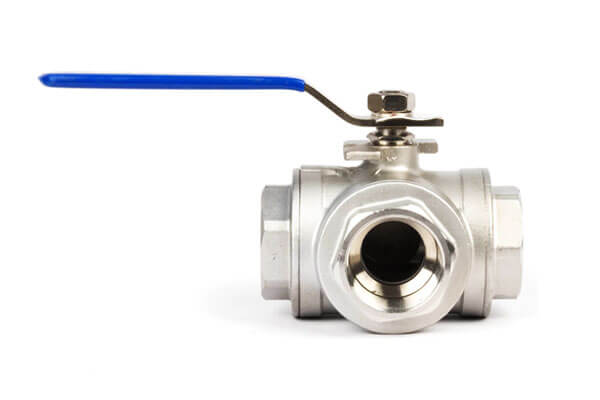
वाल्व घटक
In industrial fluid-control systems, 440C stainless steel is commonly used for:
- Valve balls
- वाल्व सीटें
- वाल्व तने
- Check valve components
चिकित्सा एवं शल्य चिकित्सा उपकरण
The alloy’s ability to achieve a sharp edge, combined with good corrosion resistance and excellent polishability, के लिए उपयुक्त बनाता है:
- Surgical scissors
- चिमटा
- Bone cutters
- दंत चिकित्सा उपकरण
- Orthopedic instruments
Surface treatments such as electropolishing and passivation further enhance cleanliness and corrosion resistance.
Knife Blades and Cutting Tools
One of the most well-known applications of 440C stainless steel is in high-quality knives.
The alloy provides:
- Excellent edge retention
- उच्च कठोरता
- अच्छा संक्षारण प्रतिरोध
- Fine polishability
It is commonly used for hunting knives, diving knives, industrial blades, and premium kitchen cutlery.
साँचे का निर्माण
Mirror-polished 440C stainless steel is widely used in plastic injection molds and precision tooling due to its wear resistance, संक्षारण प्रतिरोध, and ability to maintain an excellent surface finish.
Pump and Mechanical Seal Components
Components such as shafts, आस्तीन, seal rings, and wear plates benefit from 440C stainless steel’s resistance to abrasion and moderate corrosion, making it suitable for many industrial pump systems.
खाद्य प्रसंस्करण उपकरण
In food manufacturing environments, 440C stainless steel is used for:
- ब्लेड काटना
- Slicing equipment
- Precision rollers
- Wear components
परिशुद्धता मापने के उपकरण
Because of its dimensional stability and hardness, 440C stainless steel is frequently selected for:
- Gauge blocks
- Measuring probes
- Precision spindles
- Calibration fixtures
औद्योगिक मशीनरी
Many general industrial applications rely on 440C stainless steel for components subjected to continuous friction and wear, जैसे कि:
- Cam followers
- Roller guides
- Linear motion systems
- Wear plates
- बुशिंग्स
- परिशुद्धता गियर
11. अन्य स्टेनलेस स्टील्स के साथ तुलना
Selecting the appropriate stainless steel depends on balancing hardness, संक्षारण प्रतिरोध, बेरहमी, मशीन की, जुड़ने की योग्यता, and cost against the specific service environment.
| संपत्ति | 440सी | 440ए | 304 | 316 | 17-4 शारीरिक रूप से विकलांग |
| Stainless Steel Family | martensitic | martensitic | austenitic | austenitic | वर्षा सख्त होना |
| कार्बन सामग्री (%) | 0.95–1.20 | 0.60–0.75 | ≤0.08 | ≤0.08 | ≤0.07 |
| क्रोमियम सामग्री (%) | 16.0–18.0 | 16.0–18.0 | 18.0–20.0 | 16.0–18.0 | 15.0-17.5 |
| निकेल सामग्री (%) | ≤0.75 | ≤0.75 | 8.0–10.5 | 10.0–14.0 | 3.0-5.0 |
| Heat Treatable | ✔ Yes | ✔ Yes | ✖ No | ✖ No | ✔ Yes |
| विशिष्ट कठोरता (एचआरसी) | 58-62 | 54-58 | 15-25 (एच आर बी) | 15-25 (एच आर बी) | 36–44 |
| तन्यता ताकत (एमपीए) | 760–1,900* | 700–1,600* | 515-750 | 515-760 | 1,000–1,300 |
| प्रतिरोध पहन | ★★★★★ | ★★★★☆ | ★★☆☆☆ | ★★☆☆☆ | ★★★★☆ |
| संक्षारण प्रतिरोध | ★★★☆☆ | ★★★★☆ | ★★★★★ | ★★★★★ | ★★★★☆ |
| बेरहमी | ★★★☆☆ | ★★★★☆ | ★★★★★ | ★★★★★ | ★★★★★ |
| मशीन की | मध्यम | अच्छा | उत्कृष्ट | अच्छा | अच्छा |
| जुड़ने की योग्यता | गरीब | गोरा | उत्कृष्ट | उत्कृष्ट | अच्छा |
| चुंबकीय | हाँ | हाँ | Generally No | Generally No | हाँ |
| Polishability | उत्कृष्ट | उत्कृष्ट | उत्कृष्ट | उत्कृष्ट | अच्छा |
| सापेक्ष लागत | मध्यम ऊँचाई | मध्यम | कम | मध्यम | उच्च |
| विशिष्ट अनुप्रयोग | बीयरिंग, चाकू के ब्लेड, वाल्व सीटें, धारणीयता, सर्जिकल उपकरण | कटलरी, food-processing tools, diving knives | खाद्य उपकरण, वास्तुकला, बरतन | समुद्री उपकरण, रासायनिक प्रसंस्करण, चिकित्सा उपकरण | एयरोस्पेस, तेल & गैस, सरंचनात्मक घटक |
12. निष्कर्ष
440C stainless steel is a specialized high-performance martensitic alloy with clear performance trade-off logic: it sacrifices partial toughness and full-range corrosion resistance in exchange for the highest hardness and wear resistance among all commercial stainless steels.
Its unique high-carbon high-chromium metallurgical structure, heat-tunable mechanical properties, उत्कृष्ट आयामी स्थिरता, and moderate anti-corrosion capability form an irreplaceable material advantage in high-precision functional manufacturing.
With strict process control of heat treatment, surface modification, और सटीक मशीनिंग, 440C can fully exert its ultra-wear-resistant and dimensionally stable characteristics, serving high-end cutting tools, परिशुद्धता बीयरिंग, fluid control components, and medical precision parts.
Industrial application must strictly avoid impact load and harsh corrosive environments to prevent brittle fracture and pitting failure.
As precision manufacturing continues to upgrade, modified high-purity 440C and composite surface strengthening technologies will further expand its application boundaries, consolidating its core position in high-end precision mechanical material systems.
पूछे जाने वाले प्रश्न
Can 440C stainless steel rust?
440C contains sufficient chromium to form a protective passive oxide layer, giving it good corrosion resistance under normal atmospheric and freshwater conditions.
तथापि, यह है not completely rust-proof.
क्लोराइड युक्त, समुद्री, or highly acidic environments, localized corrosion such as pitting or crevice corrosion can occur if the passive film is damaged or maintenance is inadequate.
Is 440C better than 316 स्टेनलेस स्टील?
These two grades serve different purposes. 440C stainless steel is designed for hardness and wear resistance, making it ideal for bearings, काटने का उपकरण, और सटीक यांत्रिक भाग.
316 offers significantly better corrosion resistance—especially in marine and chemical environments—but cannot be heat treated to achieve the same hardness.
The better choice depends on whether mechanical performance or corrosion resistance is the primary design requirement.
Can 440C stainless steel be welded?
Welding 440C is possible but generally not recommended because its high carbon content increases the risk of cracking and distortion.
If welding is unavoidable, पूर्वतापन, suitable filler materials, नियंत्रित शीतलन, and post-weld heat treatment are typically required to restore mechanical properties and reduce residual stresses.
Can 440C be mirror polished?
हाँ. One of 440C’s notable advantages is its excellent polishability.
Through precision grinding, mechanical polishing, और इलेक्ट्रोपॉलिशिंग, it can achieve an ultra-smooth, mirror-like surface finish.
This makes it particularly suitable for surgical instruments, precision molds, optical fixtures, and premium knife blades.

