
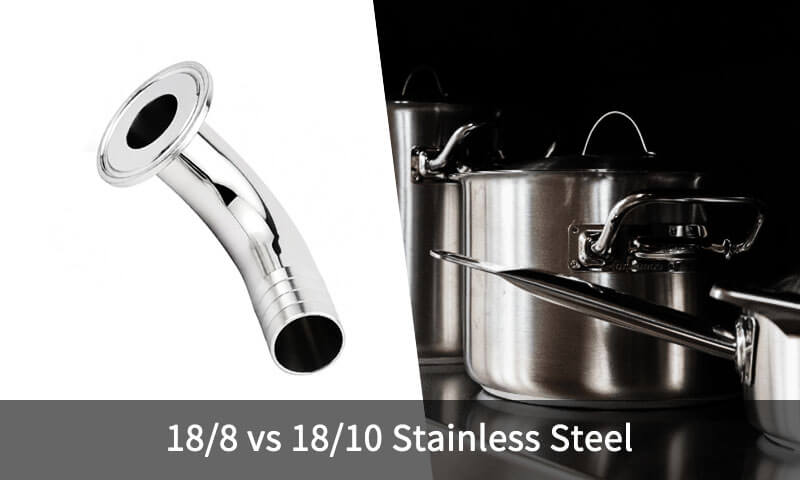
किसी भी बरतन की दुकान में चलें, और आपको बर्तनों पर "18/8 स्टेनलेस स्टील" या "18/10 स्टेनलेस स्टील" का लेबल दिखाई देगा।, पैन, कटलरी, और कुकवेयर.
ये संख्याएँ विपणन शब्दजाल से कहीं अधिक हैं - वे स्टेनलेस स्टील की रासायनिक संरचना का प्रतिनिधित्व करते हैं और सीधे प्रदर्शन को प्रभावित करते हैं, टिकाऊपन, और तैयार उत्पाद का संक्षारण प्रतिरोध.
यह आलेख एक व्यापक जानकारी प्रदान करता है, की कठोर तुलना 18/8 और 18/10 स्टेनलेस स्टील.
हम उनकी परिभाषाओं का पता लगाएंगे, रासायनिक संरचनाएँ, प्रदर्शन विशेषताएँ, अनुप्रयोग, लागत निहितार्थ, और उनके बीच चयन कैसे करें.
1. क्या है 18/8 स्टेनलेस स्टील?
18-8 स्टेनलेस स्टील एक ऑस्टेनिटिक स्टेनलेस स्टील मिश्र धातु है जिसमें लगभग शामिल है 18% क्रोमियम और 8% वजन के हिसाब से निकल.
"18/8" नाम आधिकारिक अंतरराष्ट्रीय सामग्री पदनाम के बजाय अनुमानित मिश्र धातु संरचना का प्रतिनिधित्व करता है.
ज्यादातर मामलों में, 18/8 स्टेनलेस स्टील से निकटता से मेल खाता है 304 स्टेनलेस स्टील, दुनिया भर में सबसे व्यापक रूप से उपयोग किए जाने वाले स्टेनलेस स्टील ग्रेड में से एक.
की मूल संरचना 18/8 स्टेनलेस स्टील में मुख्य रूप से लोहा होता है, प्रमुख मिश्र धातु तत्वों के रूप में क्रोमियम और निकल के साथ.
क्रोमियम पतला बनाकर संक्षारण प्रतिरोध प्रदान करता है, सतह पर स्थिर क्रोमियम ऑक्साइड निष्क्रिय परत, जबकि निकेल ऑस्टेनिटिक माइक्रोस्ट्रक्चर को स्थिर करता है और कठोरता में सुधार करता है, लचीलापन, और रासायनिक हमले का प्रतिरोध.
लगभग का संयोजन 18% क्रोमियम और 8% निकल उत्कृष्ट समग्र प्रदर्शन के साथ एक संतुलित सामग्री बनाता है, इसे सामान्य प्रयोजन के अनुप्रयोगों के लिए उपयुक्त बनाता है जहां संक्षारण प्रतिरोध होता है, ताकत, और सामर्थ्य भी समान रूप से महत्वपूर्ण हैं.
मुख्य पहचानकर्ता:
- AISI Grade: 304
- हम: S30400
- में: 1.4301
- साधारण नाम: 18/8 स्टेनलेस स्टील
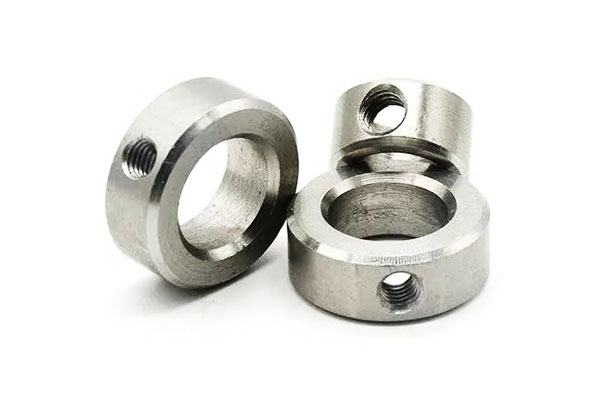
की विशेषताएं 18/8 स्टेनलेस स्टील
- सामान्य परिस्थितियों में उत्कृष्ट संक्षारण प्रतिरोध
क्रोमियम युक्त निष्क्रिय परत वायुमंडलीय जंग के खिलाफ विश्वसनीय सुरक्षा प्रदान करती है, नमी, खाद्य अम्ल, और कई घरेलू रसायन. - उच्च कठोरता के साथ ऑस्टेनिटिक माइक्रोस्ट्रक्चर
स्थिर फलक-केन्द्रित घन (एफसीसी) संरचना अनुमति देती है 18/8 कम तापमान पर भी अच्छा प्रभाव प्रतिरोध और लचीलापन बनाए रखने के लिए स्टेनलेस स्टील. - उत्कृष्ट फॉर्मैबिलिटी और वेल्डेबिलिटी
18/8 स्टेनलेस स्टील को स्टैम्पिंग के माध्यम से आसानी से संसाधित किया जा सकता है, झुकने, गहरा आरेख, वेल्डिंग, और मशीनिंग, इसे जटिल घटक विनिर्माण के लिए उपयुक्त बनाना. - गैर-छिद्रपूर्ण और स्वच्छ सतह
घनी धातु की सतह बैक्टीरिया के संचय को रोकती है और आसान सफाई की अनुमति देती है, इसे खाद्य-संपर्क और स्वच्छता अनुप्रयोगों के लिए आदर्श बनाना. - ताकत और लागत के बीच अच्छा संतुलन
यह उच्च-मिश्र धातु ग्रेड की तुलना में अपेक्षाकृत किफायती कीमत बनाए रखते हुए उच्च-प्रदर्शन वाले स्टेनलेस स्टील गुण प्रदान करता है. - ऊंचे तापमान पर अच्छा ऑक्सीकरण प्रतिरोध
यह संरचनात्मक स्थिरता बनाए रखते हुए मध्यम उच्च तापमान का सामना कर सकता है, हालाँकि चरम स्थितियों के लिए विशेष उच्च तापमान मिश्र धातुओं की आवश्यकता होती है.
की सीमाएँ 18/8 स्टेनलेस स्टील
- क्लोराइड वातावरण की तुलना में कम प्रतिरोध 316 स्टेनलेस स्टील
समुद्री जल में, समुद्री वातावरण, और क्लोराइड युक्त रसायन, 18/8 स्टेनलेस स्टील में स्थानीयकृत क्षरण जैसे गड्ढा या दरार क्षरण का अनुभव हो सकता है. - से थोड़ा कम संक्षारण प्रतिरोध 18/10 स्टेनलेस स्टील
कम निकल सामग्री आक्रामक रासायनिक वातावरण में थोड़ी कम सुरक्षा प्रदान करती है. - कठोर परिस्थितियों में सतह के रखरखाव की आवश्यकता हो सकती है
यद्यपि संक्षारण प्रतिरोधी, दूषण, नमक जमा, या रासायनिक एक्सपोज़र समय के साथ सतह की दिखावट को प्रभावित कर सकता है. - अत्यधिक संक्षारक अनुप्रयोगों के लिए उपयुक्त नहीं है
रासायनिक प्रसंस्करण, अपतटीय उपकरण, और अत्यधिक संक्षारण प्रतिरोध की आवश्यकता वाले फार्मास्युटिकल वातावरण को उच्च-मिश्र धातु वाले स्टेनलेस स्टील्स की आवश्यकता हो सकती है 316 या डुप्लेक्स स्टेनलेस स्टील.
के अनुप्रयोग 18/8 स्टेनलेस स्टील
18/8 स्टेनलेस स्टील को व्यापक रूप से अपनाया जाता है क्योंकि यह उचित लागत पर विश्वसनीय प्रदर्शन प्रदान करता है.
विशिष्ट अनुप्रयोगों में शामिल हैं:
- रसोई और घरेलू उत्पाद
कुकवेयर, डूब, बर्तन, खाद्य कंटेनर, उपकरण, और भंडारण उपकरण. - खाद्य एवं पेय पदार्थ उपकरण
प्रसंस्करण मशीनें, टैंक, पाइपिंग सिस्टम, और स्वच्छता घटक. - औद्योगिक घटक
मशीन फ्रेम, फास्टनर, कोष्ठक, हीट एक्सचेंजर्स, वाल्व, और सामान्य प्रयोजन उपकरण. - वास्तु अनुप्रयोग
हैंडरेल्स, सजावटी संरचनाएँ, आंतरिक घटक, और हार्डवेयर का निर्माण. - मोटर वाहन और परिवहन घटक
निकास घटक, ट्रिम्स, कोष्ठक, और संरचनात्मक भागों को संक्षारण प्रतिरोध की आवश्यकता होती है. - परिशुद्ध विनिर्माण और कास्टिंग अनुप्रयोग
स्टेनलेस स्टील परिशुद्धता कास्टिंग, निवेश कास्ट घटक, और जटिल औद्योगिक भाग.
2. क्या है 18/10 स्टेनलेस स्टील?
18-10 स्टेनलेस स्टील एक ऑस्टेनिटिक स्टेनलेस स्टील मिश्र धातु है जिसमें लगभग 18% क्रोमियम और 10% निकल.
के साथ तुलना 18/8 स्टेनलेस स्टील, मुख्य अंतर उच्च निकल सामग्री है.
पसंद 18/8 स्टेनलेस स्टील, 18/10 स्टेनलेस स्टील का गहरा संबंध है 304 स्टेनलेस स्टील परिवार.
अतिरिक्त निकल ऑस्टेनिटिक संरचना की स्थिरता में सुधार करता है और कई प्रदर्शन विशेषताओं को बढ़ाता है, संक्षारण प्रतिरोध सहित, बेरहमी, सतही गुणवत्ता, और दीर्घकालिक स्थायित्व.
इसकी प्रीमियम उपस्थिति और बेहतर प्रतिरोध विशेषताओं के कारण, 18/10 स्टेनलेस स्टील का उपयोग अक्सर उच्च गुणवत्ता वाले कुकवेयर में किया जाता है, लक्जरी टेबलवेयर, खाद्य प्रसंस्करण उपकरण, और अनुप्रयोग जहां सौंदर्यशास्त्र और प्रदर्शन दोनों महत्वपूर्ण हैं.
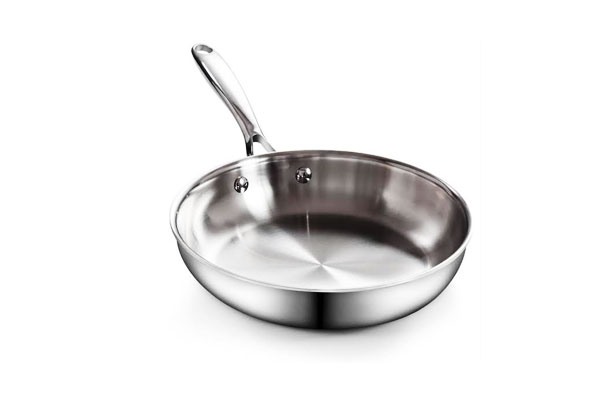
की विशेषताएं 18/10 स्टेनलेस स्टील
- संक्षारण प्रतिरोध में वृद्धि
उच्च निकल सामग्री ऑक्सीकरण के प्रतिरोध में सुधार करती है, धुंधला हो जाना, और रासायनिक जोखिम, विशेष रूप से आर्द्र या हल्के आक्रामक वातावरण में. - बेहतर सतह फिनिश और उपस्थिति
18/10 स्टेनलेस स्टील एक उज्जवल पैदा करता है, चिकनी, और पॉलिश करने के बाद अधिक परावर्तक सतह, इसे प्रीमियम उत्पादों के लिए पसंदीदा बनाना. - उत्कृष्ट क्रूरता और संरचनात्मक स्थिरता
बढ़ी हुई निकेल सामग्री ऑस्टेनिटिक चरण को मजबूत करती है, प्रभाव और यांत्रिक तनाव के प्रतिरोध में सुधार. - बार-बार सफाई चक्रों के लिए उत्कृष्ट प्रतिरोध
यह बार-बार धोने पर सतह की अखंडता बनाए रखता है, नसबंदी, और डिटर्जेंट के संपर्क में आना. - उत्कृष्ट स्वच्छता प्रदर्शन
घना, चिकनी सतह संदूषण के जोखिम को कम करती है और सख्त स्वच्छता आवश्यकताओं का समर्थन करती है. - उत्कृष्ट निर्माण विशेषताएँ
पसंद 18/8 स्टेनलेस स्टील, इसे वेल्ड किया जा सकता है, बनाया, मुहर लगी, और कुशलतापूर्वक मशीनीकृत किया गया.
की सीमाएँ 18/10 स्टेनलेस स्टील
- उच्च सामग्री लागत
बढ़ी हुई निकेल सामग्री की तुलना में कच्चे माल की लागत में काफी वृद्धि होती है 18/8 स्टेनलेस स्टील. - सामान्य वातावरण में प्रदर्शन सुधार सीमित हो सकता है
सामान्य घरेलू और औद्योगिक अनुप्रयोगों के लिए, बीच में अंतर 18/8 और 18/10 अतिरिक्त लागत उचित नहीं हो सकती. - अत्यधिक क्लोराइड वातावरण के लिए उपयुक्त नहीं है
यद्यपि इससे अधिक संक्षारण प्रतिरोधी है 18/8, यह अभी भी विशिष्ट ग्रेड जैसे कि प्रतिस्थापित नहीं कर सकता है 316 समुद्री या रासायनिक अनुप्रयोगों में स्टेनलेस स्टील. - मिश्र धातु की लागत में उतार-चढ़ाव के प्रति उच्च संवेदनशीलता
चूंकि वैश्विक बाजारों में निकेल की कीमतें काफी भिन्न होती हैं, 18/10 स्टेनलेस स्टील की लागत में निचले-निकल विकल्पों की तुलना में अधिक उतार-चढ़ाव हो सकता है.
के अनुप्रयोग 18/10 स्टेनलेस स्टील
18/10 स्टेनलेस स्टील को आमतौर पर उन अनुप्रयोगों के लिए चुना जाता है जहां प्रदर्शन होता है, उपस्थिति, और स्वच्छता आवश्यकताएँ अधिक हैं.
विशिष्ट अनुप्रयोगों में शामिल हैं:
- प्रीमियम कुकवेयर और टेबलवेयर
उच्च कोटि के बर्तन, पैन, कटलरी, सेवा उपकरण, और रसोई उत्पाद. - खाद्य प्रसंस्करण उपकरण
भण्डारण पात्र, स्वच्छता पाइपलाइन, प्रसंस्करण मशीनरी, और वाणिज्यिक रसोई प्रणालियाँ. - चिकित्सा और फार्मास्युटिकल उपकरण
साफ सतहों की आवश्यकता वाले घटक, संक्षारण प्रतिरोध, और आसान नसबंदी. - वास्तुशिल्प और सजावटी अनुप्रयोग
लक्जरी आंतरिक संरचनाएँ, सजावटी पैनल, हैंडरेलों, और प्रीमियम फिनिश. - परिशुद्धता स्टेनलेस स्टील कास्टिंग
पंप घटक, वाल्व बॉडीज, उपकरण भाग, और जटिल औद्योगिक घटकों के लिए उत्कृष्ट सतह गुणवत्ता की आवश्यकता होती है. - प्रयोगशाला और सफ़ाई कक्ष उपकरण
काम की सतहें, आवास, और उपकरण फ़्रेम जहां संदूषण नियंत्रण महत्वपूर्ण है.
3. रासायनिक रचना: 18/8 और 18/10 स्टेनलेस स्टील
के बीच प्रदर्शन अंतर 18/8 और 18/10 स्टेनलेस स्टील मुख्य रूप से उनकी मिश्र धातु संरचना से उत्पन्न होता है, विशेष रूप से निकल सामग्री में अंतर.
दोनों सामग्रियां की हैं ऑस्टेनिटिक स्टेनलेस स्टील परिवार, एक चेहरा-केंद्रित घन द्वारा विशेषता (एफसीसी) क्रिस्टल संरचना जो उत्कृष्ट संक्षारण प्रतिरोध प्रदान करती है, बेरहमी, और फॉर्मेबिलिटी.
हालाँकि वाणिज्यिक बाज़ारों में "18/8" और "18/10" नाम का व्यापक रूप से उपयोग किया जाता है, वे औपचारिक धातुकर्म वर्गीकरण के बजाय अनुमानित मिश्र धातु प्रतिशत का प्रतिनिधित्व करते हैं.
ज्यादातर मामलों में, दोनों सामग्रियां आपस में घनिष्ठ रूप से संबंधित हैं ऐसी 304 स्टेनलेस स्टील, मुख्य अंतर मिश्र धातु में जोड़े गए निकल की मात्रा का है.
| तत्व | 18/8 स्टेनलेस स्टील | 18/10 स्टेनलेस स्टील | कार्यात्मक भूमिका |
| क्रोमियम (करोड़) | लगभग 18% | लगभग 18% | एक निष्क्रिय क्रोमियम ऑक्साइड फिल्म बनाता है जो संक्षारण प्रतिरोध प्रदान करता है |
| निकल (में) | लगभग 8% | लगभग 10% | ऑस्टेनिटिक संरचना को स्थिर करता है और कठोरता में सुधार करता है, संक्षारण प्रतिरोध, और सतह की गुणवत्ता |
| कार्बन (सी) | आम तौर पर ≤0.08% | आम तौर पर ≤0.08% | ताकत को नियंत्रित करता है, कठोरता, और वेल्डेबिलिटी |
| लोहा (फ़े) | संतुलन | संतुलन | प्राथमिक संरचनात्मक मैट्रिक्स |
| अन्य तत्व | एमएन की छोटी मात्रा, और, पी, एस | एमएन की छोटी मात्रा, और, पी, एस | प्रसंस्करण प्रदर्शन और मिश्र धातु स्थिरता में सुधार करें |
निकल की भूमिका: के बीच मुख्य अंतर 18/8 और 18/10
निकेल भेद करने वाला प्राथमिक कारक है 18/8 से 18/10 स्टेनलेस स्टील.
हालाँकि फर्क सिर्फ इतना है 2 प्रतिशत बिंदु, स्टेनलेस स्टील के गुणों पर निकेल का महत्वपूर्ण प्रभाव पड़ता है.
निकल के मुख्य कार्यों में शामिल हैं:
- कमरे और कम तापमान पर ऑस्टेनिटिक क्रिस्टल संरचना को स्थिर करना.
- लचीलापन और कठोरता में सुधार.
- रासायनिक संक्षारण के प्रति प्रतिरोध बढ़ाना.
- सतह की चमक और पॉलिश करने की क्षमता में सुधार.
- कुछ शर्तों के तहत तनाव संक्षारण क्रैकिंग के प्रतिरोध में वृद्धि.
में 18/10 स्टेनलेस स्टील, अतिरिक्त निकल सामग्री अधिक स्थिर ऑस्टेनिटिक संरचना प्रदान करती है और धुंधला होने के प्रतिरोध में थोड़ा सुधार करती है, अम्लीय वातावरण, और बार-बार सफाई चक्र.
तथापि, अंतर ठीक से समझ लेना चाहिए.
अतिरिक्त निकल परिवर्तित नहीं होता है 18/10 स्टेनलेस स्टील को पूरी तरह से अलग सामग्री श्रेणी में रखा गया है. बजाय, यह वृद्धिशील सुधार प्रदान करता है जो प्रीमियम अनुप्रयोगों में मूल्यवान हो जाता है जहां दीर्घकालिक उपस्थिति और स्थायित्व महत्वपूर्ण होते हैं.
4. प्रदर्शन तुलना: 18/8 बनाम 18/10 स्टेनलेस स्टील
हालांकि 18/8 और 18/10 स्टेनलेस स्टील में कई समानताएँ हैं, निकल सामग्री में अंतर कुछ प्रदर्शन क्षेत्रों में मापने योग्य अंतर पैदा करता है.
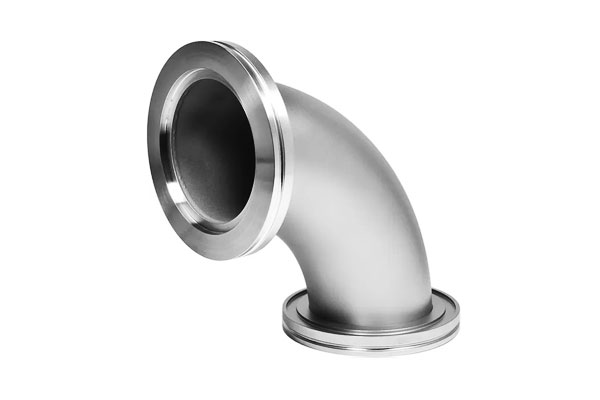
संक्षारण प्रतिरोध
स्टेनलेस स्टील का चयन करते समय संक्षारण प्रतिरोध सबसे महत्वपूर्ण कारकों में से एक है.
दोनों 18/8 और 18/10 स्टेनलेस स्टील्स वायुमंडलीय जंग के खिलाफ उत्कृष्ट सुरक्षा प्रदान करते हैं क्योंकि दोनों में एक स्थिर निष्क्रिय ऑक्साइड फिल्म बनाने के लिए पर्याप्त क्रोमियम होता है.
सामान्य वातावरण में, इनडोर अनुप्रयोगों सहित, मीठे पानी का प्रदर्शन, भोजन संपर्क, और सामान्य औद्योगिक उपयोग, दोनों सामग्रियों के बीच संक्षारण प्रतिरोध का अंतर अपेक्षाकृत छोटा है.
दोनों सुरक्षात्मक कोटिंग के बिना लंबी सेवा जीवन बनाए रख सकते हैं.
तथापि, की उच्च निकल सामग्री 18/10 स्टेनलेस स्टील अधिक मांग वाली परिस्थितियों में अतिरिक्त स्थिरता प्रदान करता है.
निकेल कुछ अम्लीय पदार्थों के खिलाफ प्रतिरोध में सुधार करता है, कार्बनिक यौगिक, और सफाई रसायनों के बार-बार संपर्क में आना.
यह बनाता है 18/10 स्टेनलेस स्टील प्रीमियम कुकवेयर जैसे अनुप्रयोगों में विशेष रूप से फायदेमंद है, खाद्य प्रसंस्करण उपकरण, और स्वच्छता प्रणालियाँ.
| पर्यावरण | 18/8 स्टेनलेस स्टील | 18/10 स्टेनलेस स्टील |
| घर के अंदर का माहौल | उत्कृष्ट | उत्कृष्ट |
| मीठे पानी का वातावरण | उत्कृष्ट | उत्कृष्ट |
| खाद्य संपर्क अनुप्रयोग | उत्कृष्ट | उत्कृष्ट |
| अम्लीय भोजन का जोखिम | बहुत अच्छा | थोड़ा बेहतर |
| बार-बार डिटर्जेंट से सफाई करना | बहुत अच्छा | बेहतर |
| नमक स्प्रे वातावरण | मध्यम से अच्छा | अच्छा |
| समुद्री या क्लोराइड युक्त वातावरण | सीमित | सीमित (316 अनुशंसित) |
स्थायित्व और यांत्रिक प्रदर्शन
दोनों 18/8 और 18/10 स्टेनलेस स्टील्स ऑस्टेनिटिक स्टेनलेस स्टील परिवार से संबंधित हैं और आमतौर पर इसके अनुरूप हैं एआईएसआई 304-प्रकार की स्टेनलेस स्टील रचनाएँ.
उनका यांत्रिक प्रदर्शन मुख्य रूप से उनके ऑस्टेनिटिक माइक्रोस्ट्रक्चर द्वारा निर्धारित होता है, ठंडी कामकाजी स्थिति, अनाज आकार, और अकेले निकल सामग्री के बजाय विनिर्माण प्रक्रिया.
निम्न तालिका एनील्ड के लिए विशिष्ट यांत्रिक संपत्ति श्रेणियाँ प्रदान करती है 18/8 और 18/10 स्टेनलेस स्टील.
| यांत्रिक संपत्ति | 18/8 स्टेनलेस स्टील (Typical AISI 304) | 18/10 स्टेनलेस स्टील (प्रीमियम 304-प्रकार) | इंजीनियरिंग महत्व |
| तन्यता ताकत | 515-650 एमपीए | 520-680 एमपीए | खींचने वाले बल और संरचनात्मक विफलता के प्रतिरोध को इंगित करता है |
| नम्य होने की क्षमता (0.2% ओफ़्सेट) | ≥205 एमपीए | 210-250 एमपीए | स्थायी विरूपण से पहले भार क्षमता का प्रतिनिधित्व करता है |
| तोड़ने पर बढ़ावा | 40-60% | 45-60% | उत्कृष्ट लचीलापन और गठन क्षमता का संकेत देता है |
| क्षेत्र का घटाव | 60-70% | 60-75% | विरूपण के दौरान फ्रैक्चर के प्रतिरोध को दर्शाता है |
| बैगन कठोरता (मॉडिफ़ाइड अमेरिकन प्लान) | 123-201 एचबी | 130-210 एचबी | इंडेंटेशन और घिसाव के प्रतिरोध को इंगित करता है |
रॉकवेल कठोरता |
एचआरबी 70-95 | एचआरबी 75-95 | सामान्य संरचनात्मक और निर्मित घटकों के लिए उपयुक्त |
| लोचदार मापांक | 193 जीपीए | 193 जीपीए | लोचदार लोडिंग के तहत कठोरता को परिभाषित करता है |
| कमरे के तापमान पर प्रभाव कठोरता | >100 जे (चार्पी वी-नॉच, ठेठ) | >120 जे (चार्पी वी-नॉच, ठेठ) | अचानक प्रभाव के प्रति उत्कृष्ट प्रतिरोध प्रदर्शित करता है |
| थकान शक्ति (10⁷ चक्र, अनुमानित) | 240-260 एमपीए | 250-280 एमपीए | चक्रीय लोडिंग के तहत दीर्घकालिक स्थायित्व निर्धारित करता है |
| घनत्व | 7.90-8.00 ग्राम/सेमी³ | 7.90-8.00 ग्राम/सेमी³ | समान वजन विशेषताओं को इंगित करता है |
गर्मी प्रतिरोध और थर्मल प्रदर्शन
ऑस्टेनिटिक स्टेनलेस स्टील्स का व्यापक रूप से ऊंचे तापमान वाले अनुप्रयोगों में उपयोग किया जाता है क्योंकि वे कई कार्बन स्टील्स की तुलना में बेहतर यांत्रिक स्थिरता बनाए रखते हैं।.
दोनों 18/8 और 18/10 स्टेनलेस स्टील्स प्रदान करते हैं:
- अच्छा ऑक्सीकरण प्रतिरोध.
- मध्यम उच्च तापमान पर स्थिर यांत्रिक गुण.
- थर्मल साइकलिंग का प्रतिरोध.
- तापमान परिवर्तन के दौरान भंगुर विफलता का कम जोखिम.
की उच्च निकल सामग्री 18/10 स्टेनलेस स्टील ऊंचे तापमान पर चरण स्थिरता में सुधार करता है, यह थर्मल तनाव के तहत अपनी ऑस्टेनिटिक संरचना को अधिक विश्वसनीय रूप से बनाए रखने की अनुमति देता है.
| प्रदर्शन पहलू | 18/8 स्टेनलेस स्टील | 18/10 स्टेनलेस स्टील |
| ऑक्सीकरण प्रतिरोध | उत्कृष्ट | थोड़ा बेहतर |
| थर्मल साइक्लिंग प्रतिरोध | बहुत अच्छा | उत्कृष्ट |
| उच्च तापमान संरचनात्मक स्थिरता | अच्छा | थोड़ा सुधार हुआ |
| घरेलू खाना पकाने का तापमान | उत्कृष्ट | उत्कृष्ट |
| अत्यधिक उच्च तापमान वाले अनुप्रयोग | सीमित | सीमित (विशेष मिश्रधातुओं की आवश्यकता है) |
सामान्य कुकवेयर के लिए, खाद्य उपकरण, और घरेलू अनुप्रयोग, दोनों ग्रेडों के बीच ताप प्रतिरोध अंतर न्यूनतम है.
तथापि, लंबे समय तक थर्मल एक्सपोज़र वाले औद्योगिक वातावरण में, 18/10 स्टेनलेस स्टील बेहतर विश्वसनीयता प्रदान कर सकता है.
सतही रूप और फिनिश गुणवत्ता
सतही दिखावट एक ऐसा क्षेत्र है जहां के बीच अंतर होता है 18/8 और 18/10 स्टेनलेस स्टील अधिक ध्यान देने योग्य हो जाता है.
निकल स्टेनलेस स्टील की चिकनीता प्राप्त करने की क्षमता में सुधार करता है, चमकदार, और पॉलिश करने के बाद परावर्तक फिनिश.
नतीजतन, 18/10 स्टेनलेस स्टील को अक्सर प्रीमियम उत्पादों के लिए चुना जाता है जहां उपस्थिति एक प्रमुख विक्रय बिंदु है.
18/10 स्टेनलेस स्टील आमतौर पर प्रदान करता है:
- पॉलिश करने के बाद सतह की अधिक चमक.
- मलिनकिरण के प्रति बेहतर प्रतिरोध.
- अधिक परिष्कृत धात्विक उपस्थिति.
- सजावटी फ़िनिश की बेहतर अवधारण.
| सतह की विशेषता | 18/8 स्टेनलेस स्टील | 18/10 स्टेनलेस स्टील |
| प्राकृतिक धात्विक उपस्थिति | अच्छा | उत्कृष्ट |
| चमकाने का प्रदर्शन | बहुत अच्छा | बेहतर |
| चमक बनाए रखना | अच्छा | बेहतर |
| सतह पर दाग लगने का प्रतिरोध | बहुत अच्छा | उत्कृष्ट |
| प्रीमियम सजावटी उपस्थिति | अच्छा | पसंदीदा |
यही कारण है कि कई उच्च-स्तरीय कुकवेयर निर्माता, लक्जरी टेबलवेयर निर्माता, और वास्तुशिल्प डिजाइनर पसंद करते हैं 18/10 स्टेनलेस स्टील जब दृश्य गुणवत्ता यांत्रिक प्रदर्शन जितनी ही महत्वपूर्ण होती है.
5. 18/8 बनाम 18/10 भोजन और रसोई अनुप्रयोगों में स्टेनलेस स्टील
खाद्य और रसोई अनुप्रयोग स्टेनलेस स्टील के सबसे बड़े उपभोक्ता बाजारों में से एक का प्रतिनिधित्व करते हैं.
संक्षारण प्रतिरोध का संयोजन, स्वच्छता, टिकाऊपन, और सौंदर्यपूर्ण अपील ऑस्टेनिटिक स्टेनलेस स्टील्स को कुकवेयर के लिए पसंदीदा सामग्री बनाती है, कटलरी, डूब, खाद्य कंटेनर, और वाणिज्यिक रसोई उपकरण.
खाद्य सुरक्षा और स्वच्छता प्रदर्शन
खाद्य सुरक्षा के दृष्टिकोण से, दोनों 18/8 और 18/10 स्टेनलेस स्टील्स उत्कृष्ट प्रदर्शन प्रदान करते हैं.
उनकी सतहें घनी होती हैं, गैर झरझरा, और जीवाणु संचय के प्रति प्रतिरोधी है, उन्हें सीधे भोजन संपर्क के लिए उपयुक्त बनाना.
क्रोमियम ऑक्साइड निष्क्रिय परत धातु आयनों को आसानी से भोजन में स्थानांतरित होने से रोकती है, जबकि चिकनी स्टेनलेस स्टील की सतह प्रभावी सफाई और स्टरलाइज़ेशन की अनुमति देती है.
यही कारण है कि दोनों ग्रेडों का उपयोग आमतौर पर खाद्य प्रसंस्करण उपकरण और घरेलू कुकवेयर में किया जाता है.
दोनों ग्रेडों के बीच का अंतर मुख्य रूप से बुनियादी खाद्य सुरक्षा के बजाय बार-बार रासायनिक जोखिम के तहत स्थायित्व से संबंधित है.
18/10 स्टेनलेस स्टील, इसकी उच्च निकल सामग्री के साथ, थोड़ा बेहतर प्रतिरोध प्रदान करता है:
- टमाटर जैसे अम्लीय खाद्य पदार्थ, खट्टे फल, और सिरका आधारित सॉस.
- डिटर्जेंट और डिशवॉशर चक्र के बार-बार संपर्क में आना.
- खनिजों और खाद्य अवशेषों के कारण सतह पर दाग पड़ना.
- लंबे समय तक पॉलिशिंग और सफाई कार्य.
सामान्य घरेलू खाना पकाने के लिए, व्यावहारिक अंतर अक्सर छोटा होता है.
तथापि, पेशेवर रसोई में जहां उपकरण प्रति वर्ष सैकड़ों या हजारों बार साफ किए जाते हैं, की बेहतर स्थिरता 18/10 स्टेनलेस स्टील अधिक मूल्यवान हो गया है.
कुकवेयर प्रदर्शन: ऊष्मा वितरण, सहनशीलता, और दिखावट
में कुकवेयर उत्पादन, तापीय चालकता में सुधार के लिए स्टेनलेस स्टील को आमतौर पर एल्यूमीनियम या तांबे की परतों के साथ जोड़ा जाता है क्योंकि स्टेनलेस स्टील में अपेक्षाकृत कम तापीय चालकता होती है.
स्टेनलेस स्टील परत प्रदान करती है:
- संक्षारण प्रतिरोध.
- संरचनात्मक ताकत.
- खाद्य-संपर्क सुरक्षा.
- सतह का स्थायित्व.
बीच में अंतर 18/8 और 18/10 कुकवेयर मुख्य रूप से सतह की गुणवत्ता और दीर्घकालिक उपस्थिति में परिलक्षित होता है.
| प्रदर्शन कारक | 18/8 स्टेनलेस स्टील कुकवेयर | 18/10 स्टेनलेस स्टील कुकवेयर |
| खाद्य सुरक्षा | उत्कृष्ट | उत्कृष्ट |
| धुंधला होने का प्रतिरोध | बहुत अच्छा | उत्कृष्ट |
| अम्लीय खाद्य पदार्थों का प्रतिरोध | बहुत अच्छा | उत्कृष्ट |
| डिशवॉशर स्थायित्व | अच्छा-उत्कृष्ट | उत्कृष्ट |
| सतह की चमक | अच्छा | बेहतर |
| खरोंच प्रतिरोध | अच्छा | थोड़ा बेहतर |
| प्रीमियम उपस्थिति प्रतिधारण | अच्छा | उत्कृष्ट |
| सामग्री लागत | निचला | उच्च |
हाई-एंड कुकवेयर निर्माता अक्सर चयन करते हैं 18/10 स्टेनलेस स्टील क्योंकि उपभोक्ता इसे प्रीमियम गुणवत्ता से जोड़ते हैं, पॉलिश उपस्थिति, और लंबी सेवा जीवन.
कटलरी और टेबलवेयर अनुप्रयोग
कटलरी सबसे अधिक पहचाने जाने वाले अनुप्रयोगों में से एक है जहां के बीच अंतर है 18/8 और 18/10 स्टेनलेस स्टील ध्यान देने योग्य हो जाता है.
चाकू के लिए, कांटे, चम्मच, और परोसने के बर्तन, उपस्थिति और संक्षारण प्रतिरोध महत्वपूर्ण हैं क्योंकि इन उत्पादों को अक्सर धोया जाता है, नमक के संपर्क में, और प्रतिदिन संभाला जाता है.
18/10 स्टेनलेस स्टील को अक्सर प्रीमियम टेबलवेयर के लिए पसंद किया जाता है क्योंकि यह ऑफर करता है:
- एक उज्जवल और अधिक परावर्तक पॉलिश सतह.
- पानी के धब्बे और मलिनकिरण के प्रति बेहतर प्रतिरोध.
- दीर्घकालिक डिशवॉशर एक्सपोज़र के प्रति बेहतर प्रतिरोध.
- एक अधिक शानदार उपस्थिति.
18/8 रेस्तरां के लिए स्टेनलेस स्टील एक व्यावहारिक विकल्प बना हुआ है, संस्थागत रसोई, और घरेलू उत्पाद जहां लागत दक्षता महत्वपूर्ण है.
वाणिज्यिक खाद्य प्रसंस्करण उपकरण
व्यावसायिक खाद्य उत्पादन वातावरण में, स्टेनलेस स्टील को नमी के निरंतर संपर्क का सामना करना होगा, सफाई रसायन, तापमान में परिवर्तन, और यांत्रिक तनाव.
दोनों 18/8 और 18/10 स्टेनलेस स्टील का व्यापक रूप से उपयोग किया जाता है:
- भंडारण टंकियां.
- भोजन तैयार करने की सतहें.
- कन्वेयर.
- मिश्रण उपकरण.
- पाइपिंग सिस्टम.
- वाणिज्यिक रसोई उपकरण.
तथापि, 18/10 स्टेनलेस स्टील को अक्सर प्रीमियम सैनिटरी उपकरणों के लिए चुना जाता है जहां उपस्थिति और संक्षारण प्रतिरोध दशकों तक स्थिर रहना चाहिए.
नमक समाधानों से युक्त अधिक आक्रामक खाद्य-प्रसंस्करण वातावरण के लिए, क्लोराइड, या कठोर रसायन, कोई भी नहीं 18/8 और न 18/10 पर्याप्त हो सकता है. इस तरह के मामलों में, 316 मोलिब्डेनम युक्त स्टेनलेस स्टील आमतौर पर अनुशंसित है.
6. लागत तुलना: है 18/10 अतिरिक्त कीमत के लायक?
के बीच कीमत का अंतर 18/8 और 18/10 स्टेनलेस स्टील मुख्य रूप से अतिरिक्त निकल सामग्री से आता है.
निकेल एक महँगा मिश्रधातु तत्व है, और निकेल की मात्रा लगभग बढ़ रही है 8% को 10% कच्चे माल की लागत में उल्लेखनीय वृद्धि हो सकती है.
तथापि, की लागत अधिक है या नहीं 18/10 स्टेनलेस स्टील का औचित्य काफी हद तक अनुप्रयोग पर निर्भर करता है.
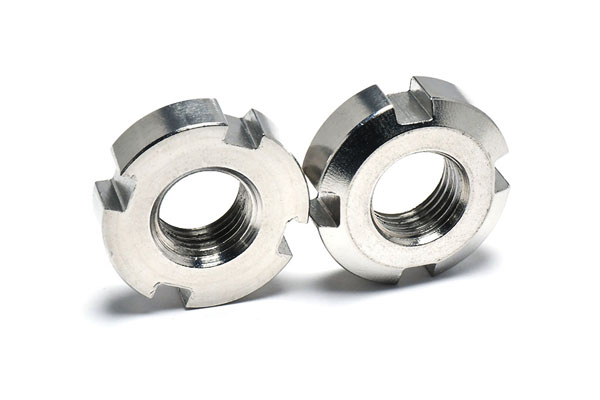
सामग्री लागत अंतर
विशिष्ट बाज़ार स्थितियाँ यह दर्शाती हैं 18/10 स्टेनलेस स्टील उत्पादों की कीमत लगभग हो सकती है 5-20% अधिक तुलनीय से 18/8 उत्पादों, उत्पाद प्रकार के आधार पर, विनिर्माण प्रक्रिया, ब्रांड पोजीशनिंग, और निकल की कीमत में उतार-चढ़ाव.
| लागत कारक | 18/8 स्टेनलेस स्टील | 18/10 स्टेनलेस स्टील |
| निकेल सामग्री | ~8% | ~10% |
| कच्चे माल की लागत | निचला | उच्च |
| विनिर्माण लागत | समान | ज़रा सा ऊंचा |
| उत्पाद की स्थिति | मानक से प्रीमियम | अधिमूल्य |
| प्रारंभिक खरीद मूल्य | अधिक किफायती | अधिक महंगा |
अंतर आम तौर पर औद्योगिक घटकों की तुलना में कुकवेयर और टेबलवेयर जैसे उपभोक्ता उत्पादों में अधिक ध्यान देने योग्य होता है जहां प्रसंस्करण और मशीनिंग लागत हावी होती है.
जीवनचक्र लागत पर विचार
हालांकि 18/10 स्टेनलेस स्टील की शुरुआती कीमत अधिक होती है, इसकी बेहतर सतह स्थिरता दीर्घकालिक प्रतिस्थापन और रखरखाव लागत को कम कर सकती है.
उदाहरण के लिए:
- प्रीमियम कुकवेयर दशकों तक देखने में आकर्षक बना रह सकता है.
- व्यावसायिक रसोई उपकरणों को कम प्रतिस्थापन की आवश्यकता हो सकती है.
- सजावटी स्टेनलेस घटक लंबे समय तक उपस्थिति बनाए रखते हैं.
- उच्च-स्वच्छता वाले वातावरण को आसान रखरखाव से लाभ होता है.
इसलिए, के आधार पर वास्तविक आर्थिक मूल्य का मूल्यांकन किया जाना चाहिए कुल जीवनचक्र लागत, न केवल खरीद मूल्य.
एक सस्ती सामग्री जिसे बार-बार बदलने की आवश्यकता होती है, अंततः उसकी कीमत लंबी सेवा जीवन वाले उच्च गुणवत्ता वाले स्टेनलेस स्टील उत्पाद से अधिक हो सकती है.
7. कैसे करें पहचान 18/8 और 18/10 स्टेनलेस स्टील?
| तरीका | कैसे प्रदर्शन करें | यह क्या प्रकट करता है |
| चुंबक परीक्षण | स्टील पर एक चुंबक रखें. | 18/8 और 18/10 एनील्ड स्थिति में अनिवार्य रूप से गैर-चुंबकीय होते हैं. ठंड से काम करने वाले हिस्से कमजोर रूप से चुंबकीय हो सकते हैं. |
| रंग/रूप | दृश्य निरीक्षण. | 18/10 (316) अक्सर एक उज्जवल होता है, से अधिक चमकदार फ़िनिश 18/8 (304). |
| रासायनिक स्थान परीक्षण | एक वाणिज्यिक स्टेनलेस स्टील पहचान किट का उपयोग करें. | मोलिब्डेनम की उपस्थिति का पता लगाता है (316) या उच्च निकल सामग्री. |
| चिंगारी परीक्षण | स्टील को पीसें और चिंगारी देखें. | 304 और 316 समान चिंगारी उत्पन्न करें; भेद करना कठिन. |
एक्सआरएफ विश्लेषण |
एक पोर्टेबल एक्स-रे प्रतिदीप्ति विश्लेषक का उपयोग करें. | मात्रात्मक तात्विक विश्लेषण प्रदान करता है (करोड़, में, एमओ). |
सबसे विश्वसनीय तरीका: एक्सआरएफ विश्लेषण मिश्र धातु संरचना की निश्चित पहचान प्रदान करता है. उपभोक्ता उत्पादों के लिए, निर्माता के विनिर्देशों या लेबलिंग की जाँच करें.
8. व्यापक तुलना: इनमें से कैसे चुनें 18/8 और 18/10 स्टेनलेस स्टील?
के बीच चयन करना 18/8 और 18/10 स्टेनलेस स्टील मिश्र धातु संरचना के व्यापक मूल्यांकन की आवश्यकता है, संक्षारण वातावरण, यांत्रिक आवश्यकताएँ, उपस्थिति उम्मीदें, सेवा जीवन, और कुल स्वामित्व लागत.
निम्नलिखित तालिका विभिन्न अनुप्रयोगों के लिए सबसे उपयुक्त सामग्री निर्धारित करने में सहायता के लिए एक पेशेवर तुलना प्रदान करती है.
| चयन मानदंड | 18/8 स्टेनलेस स्टील | 18/10 स्टेनलेस स्टील |
| निकेल सामग्री | लगभग 8% में | लगभग 10% में |
| क्रोमियम सामग्री | लगभग 18% करोड़ | लगभग 18% करोड़ |
| बुनियादी संक्षारण प्रतिरोध | सामान्य वातावरण के लिए उत्कृष्ट | थोड़े बेहतर प्रतिरोध के साथ उत्कृष्ट |
| अम्लीय खाद्य पदार्थों और रसायनों के प्रति प्रतिरोध | बहुत अच्छा; सामान्य भोजन संपर्क के लिए उपयुक्त | बेहतर; बार-बार रासायनिक जोखिम के प्रति बेहतर प्रतिरोध |
| नमक और क्लोराइड प्रतिरोध | हल्के वातावरण में अच्छा; लंबे समय तक एक्सपोज़र के तहत सीमित हो सकता है | थोड़ा सुधार हुआ लेकिन उसके बराबर नहीं 316 स्टेनलेस स्टील |
| पॉलिश करने के बाद सतह की चमक | अच्छा परावर्तक समापन | उच्च चमक और बेहतर दर्पण-पॉलिशिंग क्षमता |
धुंधलापन और मलिनकिरण का प्रतिरोध |
अच्छा | उत्कृष्ट |
| यांत्रिक शक्ति | तन्यता ताकत आमतौर पर 515-650 एमपीए | तन्यता ताकत आमतौर पर 520-680 एमपीए |
| लचीलापन और सुरूपता | उत्कृष्ट बढ़ाव (40-60%) | उत्कृष्ट, स्थिरता बनाने में थोड़ा सुधार हुआ |
| प्रभाव कठोरता | उत्कृष्ट, निम्न-तापमान प्रदर्शन सहित | उत्कृष्ट, थोड़ी बढ़ी हुई कठोरता प्रतिधारण के साथ |
| घिसाव और खरोंच प्रतिरोध | अच्छा; ठंडी कार्यप्रणाली से सुधार होता है | सतह का स्थायित्व थोड़ा बेहतर है |
| गर्मी प्रतिरोध | सामान्य खाना पकाने और औद्योगिक तापमान के लिए उत्कृष्ट | उत्कृष्ट, समान तापीय स्थिरता के साथ |
खाद्य सुरक्षा प्रदर्शन |
उत्कृष्ट; खाद्य संपर्क के लिए व्यापक रूप से स्वीकृत | उत्कृष्ट; प्रीमियम खाद्य अनुप्रयोगों के लिए पसंदीदा |
| डिशवॉशर स्थायित्व | अच्छे से उत्कृष्ट | उत्कृष्ट |
| विनिर्माण लागत | निकल सामग्री कम होने के कारण कम | अतिरिक्त निकेल के कारण अधिक |
| जीवनचक्र लागत | मध्यम वातावरण में उत्कृष्ट मूल्य | मांगलिक अनुप्रयोगों में बेहतर दीर्घकालिक मूल्य |
| उपस्थिति आवश्यकताएँ | मानक उत्पादों के लिए उपयुक्त | विलासिता और सजावटी उत्पादों के लिए बेहतर |
| विशिष्ट अनुप्रयोग | घरेलू कुकवेयर, डूब, खाद्य कंटेनर, सामान्य औद्योगिक घटक | प्रीमियम कुकवेयर, कटलरी, वाणिज्यिक रसोई, उच्च स्तरीय उपकरण |
9. पूछे जाने वाले प्रश्न
है 18/10 स्टेनलेस स्टील से बेहतर 18/8?
हाँ, 18/10 बेहतर संक्षारण प्रतिरोध प्रदान करता है, बेहतर सौंदर्यशास्त्र, और इसकी तुलना में स्थायित्व में वृद्धि हुई 18/8. तथापि, 18/8 यह अधिक लागत प्रभावी है और कई अनुप्रयोगों के लिए पर्याप्त है.
"बेहतर" विकल्प आवेदन पर निर्भर करता है.
है 18/10 स्टेनलेस स्टील चुंबकीय?
नहीं. 18/10, पसंद 18/8, एनील्ड स्थिति में ऑस्टेनिटिक और अनिवार्य रूप से गैर-चुंबकीय है. ठंडा काम करने से कमजोर चुंबकत्व उत्पन्न हो सकता है.
मैं कैसे बता सकता हूं कि मेरा कुकवेयर है या नहीं? 18/8 या 18/10?
निर्माता का लेबल जांचें, पैकेजिंग, या उत्पाद विवरण. एक चुंबक परीक्षण स्टेनलेस स्टील का संकेत दे सकता है (गैर-चुंबकीय) लेकिन अंतर नहीं कर सकते 18/8 और 18/10.
है 18/10 बराबर 316 स्टेनलेस स्टील?
नहीं, यह एक बहुत ही आम ग़लतफ़हमी है. 316 स्टेनलेस स्टील में 2-3% मोलिब्डेनम और उच्च निकल सामग्री होती है, यह नाटकीय रूप से बेहतर क्लोराइड पिटिंग प्रतिरोध प्रदान करता है.
18/10 यह अभी भी 304-ग्रेड सामग्री है जिसमें कोई जानबूझकर मोलिब्डेनम नहीं जोड़ा गया है.
मुझे कब अतिरिक्त भुगतान करना चाहिए 18/10 स्टेनलेस स्टील?
निर्दिष्ट करें 18/10 गहरे खींचे गए घटकों के लिए, प्रीमियम कुकवेयर और टेबलवेयर, खाद्य प्रसंस्करण उपकरण और भागों को अत्यधिक ठंड की आवश्यकता होती है.
सरल संरचनात्मक भागों के लिए, वास्तुशिल्प सजावट और सामान्य निर्माण, मानक 18/8 304 अधिक किफायती और पूर्णतः उपयुक्त विकल्प है.
10. निष्कर्ष
के बीच तुलना 18/8 और 18/10 स्टेनलेस स्टील दर्शाता है कि दोनों सामग्रियां उत्कृष्ट संक्षारण प्रतिरोध के साथ उच्च प्रदर्शन वाले स्टेनलेस मिश्र धातु हैं, यांत्रिक विश्वसनीयता, और भोजन-संपर्क सुरक्षा.
मूलभूत अंतर निकल सामग्री में है.
अतिरिक्त निकल में 18/10 स्टेनलेस स्टील निष्क्रिय ऑक्साइड परत की स्थिरता में सुधार करता है, सतह की दिखावट को बढ़ाता है, और धुंधलापन और दीर्घकालिक पर्यावरणीय जोखिम के प्रति थोड़ा बेहतर प्रतिरोध प्रदान करता है.
ये फायदे इसे प्रीमियम कुकवेयर के लिए विशेष रूप से उपयुक्त बनाते हैं, वाणिज्यिक रसोई, सजावटी अनुप्रयोग, और उत्पाद जहां उपस्थिति और स्थायित्व महत्वपूर्ण हैं.
सामान्य प्रयोजन के अनुप्रयोगों के लिए, 18-8 स्टेनलेस स्टील उत्कृष्ट मूल्य और प्रदर्शन प्रदान करता है.
प्रीमियम उत्पादों और मांग वाले वातावरण के लिए जहां दीर्घकालिक उपस्थिति और उन्नत संक्षारण प्रतिरोध अतिरिक्त लागत को उचित ठहराते हैं, 18-10 स्टेनलेस स्टील पसंदीदा विकल्प है.
अंत में, सही स्टेनलेस स्टील ग्रेड का चयन करना सबसे महंगी सामग्री चुनने के बारे में नहीं है - यह उस सामग्री को चुनने के बारे में है जो प्रदर्शन का सबसे अच्छा संयोजन प्रदान करता है, विश्वसनीयता, और विशिष्ट अनुप्रयोग के लिए जीवनचक्र मान.

