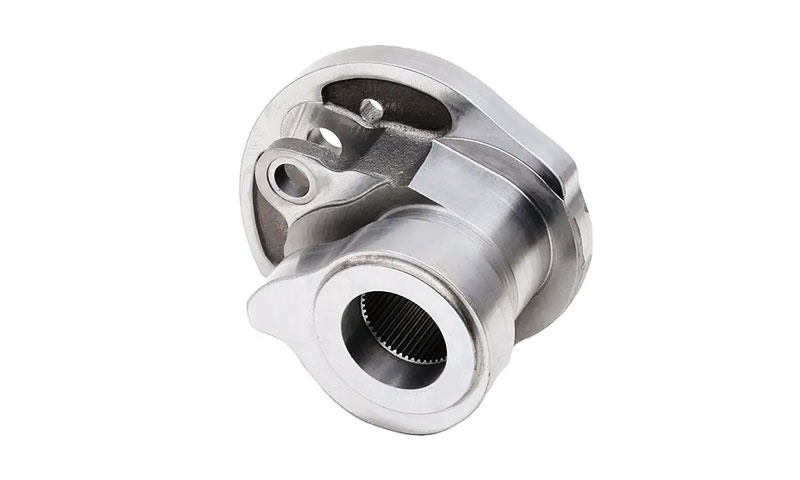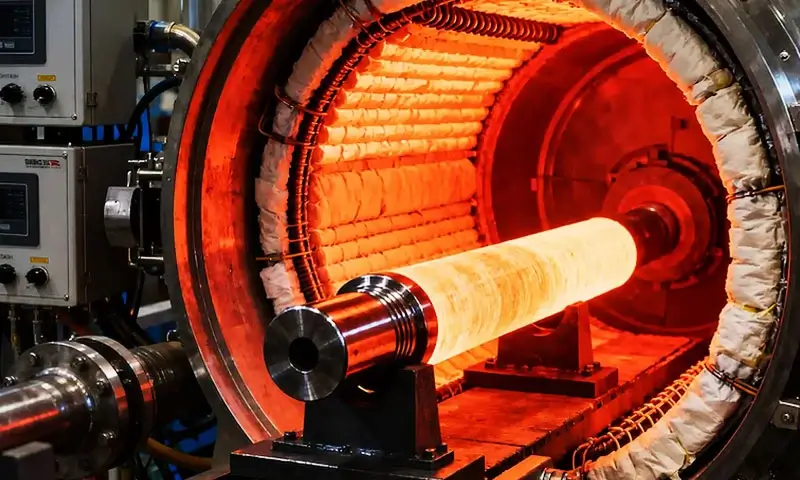
Karkaisu on yksi perustavanlaatuisimmista mutta laajalti väärinymmärretyistä lämpökäsittelyprosesseista metallin valmistuksessa.
Lähes jokainen karkaisu teräskomponentti käy läpi karkaisun pakollisena jäähdytyksen jälkeisenä toissijaisena toimenpiteenä, kuitenkin monet insinöörit ja tuotantotiimit pitävät sitä triviaalina, standardoitu vaihe eikä tarkkuusohjattu prosessi, joka määrittää lopullisen lujuuden, sitkeys, sisäinen stressitila, ja käyttöikä.
Käytännössä, sammutus lukkiutuu kovaan, hauras, jännityskuormitettu martensiittirakenne, joka on toiminnallisesti käyttökelvoton useimpiin teknisiin sovelluksiin.
Karkaisu – huolellisesti kontrolloitu kuumennus kriittisen muunnoslämpötilan alapuolelle – räätälöi sammutetun mikrorakenteen antamaan tarkan kovuuden tasapainon, sitkeys, ulottuvuusvakaus, ja huollon vaatima väsymiskestävyys.
Karkaisua käytetään siksi yleisesti työkaluterästen valmistuksessa, stanssata teräksiä, jousiteräkset, laakerikomponentit, vaihde, akselit, autoosat, muotit, ja koneiden rakenneosat.
1. Mikä on karkaisu?
Metallurgiassa, karkaisu on lämpökäsittelyprosessi, jossa aikaisemmin kovettunut rautaseos kuumennetaan uudelleen lämpötilaan alemman kriittisen lämpötilan alapuolella (A1), pidetään tietyn ajan, ja jäähdytetään sitten kontrolloiduissa olosuhteissa.
Selkeästi-hiiliteräkset, A1-viivaan liittyvä eutektoidilämpötila on noin 727° C (1341° f), vaikka todelliset kriittiset lämpötilat vaihtelevat kemiallisen koostumuksen mukaan.
Karkaisua käytetään ensisijaisesti karkaisun jälkeen karkauttaman martensiittisen rakenteen modifioimiseksi.
Päätavoitteena on vähentää haurautta ja jäännösjännitystä säilyttäen samalla sopiva kovuus ja lujuus.
Valitsemalla karkaisulämpötila ja pitoaika, valmistajat voivat säätää kovuuden välistä tasapainoa, sitkeys, taipuisuus, kulumiskestävyys, ja ulottuvuuden vakaus.

Temperoinnin päävaikutuksia ovat mm:
| Tavoite | Karkaisun vaikutus |
| Vähennä haurautta | Parantaa sitkeyttä ja murtumiskestävyyttä |
| Lievittää sammutusjännitystä | Vähentää jäännösjännitystä ja viivästyneen halkeilun riskiä |
| Säädä kovuus | Alentaa liiallista sammutettua kovuutta vaaditulle tasolle |
| Paranna sitkeyttä | Mahdollistaa suuremman plastisen muodonmuutoksen ennen vikaa |
| Stabiloi mikrorakenne | Vähentää mittojen muutoksia myöhemmän huollon aikana |
| Hallitse palvelun suorituskykyä | Muodostaa vaaditun voimayhdistelmän, sitkeys, ja kuluta vastus |
Karkaisulämpötila valitaan teräslaadun ja haluttujen loppuominaisuuksien mukaan.
Eräs matalan lämpötilan lämpötila voidaan käyttää, kun korkea kovuus on säilytettävä, kun taas korkeampi karkaisulämpötila tuottaa yleensä suuremman sitkeyden ja sitkeyden ja vastaavasti kovuuden alenemisen.
Karkaisua ei pidä sekoittaa hehkutukseen. Hehkutuksen tarkoituksena on tavallisesti pehmentää terästä ja edistää suhteellisen vakaata, sitkeä mikrorakenne, usein lämmitys kriittisen muunnoslämpötilan yläpuolelle, jota seuraa hidas jäähdytys.
Karkaisu, päinvastoin, levitetään karkaistulle teräkselle ja suoritetaan kriittisen muunnosalueen alapuolella karkaistun tilan muokkaamiseksi eikä kokonaan poistamiseksi.
Käytännössä teräksen valmistuksessa, karkaisu ymmärretään siksi parhaiten karkaisulla luodun mikrorakenteen kontrolloituna säätämisenä.
Tavoitteena ei ole vain tehdä karkaistusta teräksestä pehmeämpi, vaan muuntaa liian hauras sammutettu rakenne sellaiseksi, joka tarjoaa hyödyllisemmän teknisen yhdistelmän ominaisuuksia.
2. Miksi karkaisu on välttämätöntä: Tiede sammutetun teräksen takana
Ymmärtääksesi temperoinnin, Ensin on ymmärrettävä, mitä sammuttaminen tekee.
Kun terästä kuumennetaan austeniittifaasikenttään – tyypillisesti yli 800–900°C koostumuksesta riippuen – sen kiderakenteesta tulee kasvokeskeinen kuutio. (FCC).
Austeniitti voi liuottaa merkittäviä määriä hiiltä. Jos teräs jäähdytetään sitten nopeasti, yleensä vedessä, öljy, tai polymeeriä, hiiliatomeilla ei ole aikaa diffundoitua.
Kiteen rakenne yrittää muuttua kehokeskeiseksi kuutioksi (BCC) ferriitti, mutta loukkuun jäänyt hiili vääristää hilan kehokeskeiseksi nelikulmaiseksi (Bct) rakenne tunnetaan nimellä martensiitti.
Martensiitille on ominaista:
- Erittäin korkea kovuus.
- Korkea myötöraja.
- Alhainen sitkeys ja sitkeys.
- Korkeat jäännösjännitykset.
- Taipumus viivästyneeseen halkeamiseen.
- Pysyvän austeniitin esiintyminen monissa seoksissa.
Tässä sammutetussa tilassa, teräs on usein liian hauras käytännön käyttöön. Leikkuutyökalu saattaa halkeilla. Akseli saattaa haljeta asennuksen aikana. Hammaspyörän hammas saattaa murtua iskukuormituksen vaikutuksesta.
Karkaisu vähentää näitä riskejä mahdollistamalla hallitun diffuusion ja mikrorakenteen uudelleenjärjestelyn.
Karkaisun välttämättömyys on siis sekä tieteellinen että käytännöllinen.
Tieteellisesti, se sallii teräksen lähestyä tasapainoa vähentämällä hilajännitystä ja saostamalla karbideja. Käytännössä, se mahdollistaa teräksen selviytymisen todellisissa käyttöolosuhteissa.
3. Mitkä ovat tärkeimmät karkaisulämpötila-alueet?
Karkaisulämpötila on yksi tärkeimmistä muuttujista teräksen lämpökäsittelyssä, koska se ohjaa suoraan mikrorakenteen muutoksen laajuutta sammutuksen jälkeen..
Kun karkaisulämpötila nousee, hiilen diffuusio, karbidisaostuminen, toipuminen, ja säilyneen austeniitin muuttuminen tulee yleensä selvemmäksi.
Ei ole olemassa yhtä lämpötila-aluetta, joka soveltuisi jokaiseen teräkseen.
Matalan lämpötilan karkaisu
Matalan lämpötilan karkaisua käytetään yleisesti, kun komponentin on säilytettävä korkea kovuus ja kulutuskestävyys ja samalla vähennettävä tuoreen martensiitin haurautta..
Tyypilliset lämpötilat ovat noin 150-250°C (300–480°F), vaikka sopiva alue riippuu teräksestä.
Tässä vaiheessa, hiili alkaa jakautua uudelleen ylikyllästyneestä martensiitista, hienoja karbidifaaseja voi kehittyä, ja sammutuksesta aiheutuvat jäännösjännitykset vähenevät.
Kovuuden aleneminen on yleensä rajoitettua korkeammassa lämpötilassa tapahtuvaan karkaisuun verrattuna.
Tämä hoito on yleinen sovelluksissa, kuten:
- Leikkaustyökalut
- Kuolee
- Kulutusta kestävät komponentit
- Tietyt laakerikomponentit
- Erittäin kovia työkaluteräsosia
Kompromissi on, että sitkeys on edelleen suhteellisen rajallinen verrattuna keskitasoon- tai korkeissa lämpötiloissa.
Keskilämpötilan karkaisu
Keskilämpöinen karkaisu, suunnilleen 250-450 °C (480–840°F), tuottaa suuremman muunnelman sammutetussa mikrorakenteessa.
Karbidisaostus kehittyy enemmän, martensiitista tulee vähemmän ylikyllästynyttä, ja sisäiset jännitteet vähenevät edelleen.
Tämä alue voi olla hyödyllinen, kun komponentti vaatii tasapainoisemman yhdistelmän vahvuus, kovuus, sitkeys, ja kuluta vastus.
Tarkka vaste vaihtelee huomattavasti teräksestä riippuen. Joillakin teräksillä esiintyy myös karkaistumisilmiöitä tietyillä lämpötila-alueilla, mikä tarkoittaa, että sekä karkaisulämpötila että myöhempi jäähdytys voivat vaatia huomiota.
Korkean lämpötilan karkaisu
Korkean lämpötilan karkaisu suoritetaan yleensä noin 450–700 ° C (840–1290°F), edellyttäen, että lämpötila pysyy tietylle teräkselle sopivana ja asiaankuuluvan kriittisen muunnosalueen alapuolella.
Näissä lämpötiloissa, mikrorakenne käy läpi paljon laajemman palautumisen ja karbidikehityksen.
Jäännösjännitykset vähenevät huomattavasti, ja materiaali kehittää yleensä huomattavasti korkeamman sitkeyden ja taipuisuuden kuin sammutetussa tai matalassa lämpötilassa..
Korkean lämpötilan karkaisu yhdistetään laajalti karkaistuihin rakenneteräksiin, kevytmetalliterät, akselit, vaihde, painetta sisältävät komponentit, ja raskaasti kuormitetut koneenosat.
Erityisen tärkeä ero on se, että korkean lämpötilan karkaisu ei välttämättä tarkoita huonoa lujuutta.
Oikein seostetut ja lämpökäsitellyt teräkset voivat säilyttää huomattavan myötölujuuden ja vetolujuuden samalla kun ne saavuttavat paljon paremman murtolujuuden.
Toissijainen karkaisu karkaisun aikana
Tietyt voimakkaasti seostetut työkaluteräkset käyttäytyvät eri tavalla. Sen sijaan, että kovuus heikkenee jatkuvasti karkaisulämpötilan noustessa, ne voivat näyttää a toissijainen kovettumishuippu, usein korkeammalla karkaisualueella.
Tämä tapahtuu seostettaessa elementtejä, kuten kromia, molybdeini, volframi, tai vanadiinisakka hienoksi, vakaat metalliseoskarbidit.
Nämä hiukkaset estävät sijoiltaan siirtymisen ja voivat lisätä tai säilyttää kovuuden.
Toissijainen karkaisu on erityisen tärkeää suurnopeusteräksille ja valituille työkaluteräksille, jotka on tarkoitettu korkean lämpötilan huoltoon.
4. Mikä on karkaisuprosessi?
Karkaisuprosessi on kontrolloitu lämpökierto, joka suoritetaan kovettamisen tai muun käsittelyn jälkeen, joka on tuottanut riittävän kovettuneen mikrorakenteen.
Vaikka menettely näyttää yksinkertaiselta, tasaisten tulosten saavuttaminen edellyttää lämpötilan hallintaa, aika, uunin tasaisuus, lastaus, jäähdytys, ja sammutetun teräksen kunto.
Tyypillinen teollinen karkaisusekvenssi voidaan esittää seuraavasti:
Karkaisu → Siirtyminen karkaisuun → Lämmitys → Liotus → Ohjattu jäähdytys → Tarkastus

Vaihe 1: Sammuta teräs
Karkaisu alkaa normaalisti kunnolla sammutetulla komponentilla.
Teräs austenitisoidaan ensin ja jäähdytetään sitten nopeasti nopeudella, joka on riittävä tuottamaan haluttu karkaistu rakenne.
Sammutusväliaine voi sisältää:
- Öljy
- Vettä
- Polymeeriliuos
- Painekaasu
- Sula suola
Oikea väliaine riippuu lejeeringistä ja komponentin geometriasta.
Tavoitteena on saavuttaa vaadittu kovettuvuus ja mikrorakenne samalla kun minimoidaan halkeilu ja muodonmuutos.
Vaihe 2: Siirrä komponentti karkaisuuuniin
Sammutuksen jälkeen, komponentti tulee karkaista määritellyn tuotantomenettelyn mukaisesti.
Monelle luokalle, nopea karkaisu on toivottavaa, koska juuri sammutettu tila sisältää suuria jäännösjännityksiä.
Siirtotoimenpiteessä tulee myös välttää tarpeetonta lämpöshokkia tai hallitsematonta jäähdytystä, joka voi vaikuttaa lopulliseen lämpökäsittelyn tilaan..
Kriittisille komponenteille, uunin tietueiden tulee dokumentoida todellinen lämpötilasykli sen sijaan, että luottaisivat vain uunin asetusarvoon.
Vaihe 3: Kuumenna määritettyyn lämpötilaan
Komponentti kuumennetaan valittuun karkaisulämpötilaan, joka voi vaihdella karkeasti 150°C - 700 °C teräksestä riippuen.
Lämmitystä tulee hallita riittävästi liiallisten lämpötilagradientien estämiseksi, erityisesti suurissa tai monimutkaisissa osissa.
Uunin tulee tarjota sopiva:
- Lämpötilan tasaisuus
- Ilman säätö tarvittaessa
- Kuorma kierto
- Laitteen kalibrointi
- Lämpötilan tallennus
Tarkkaan lämpökäsittelyyn, se työkappaleen todellinen lämpötila on tärkeämpi kuin ohjelmoitu uunin lämpötila.
Vaihe 4: Liota lämpötilassa
Kun komponentti on saavuttanut vaaditun lämpötilan, sitä pidetään tietyn ajan.
Tämän liotusvaiheen aikana, mikrorakenne käy läpi teräkselle sopivat karkaisureaktiot:
- Hiilen uudelleenjako
- Karbidisaostus
- Martensiitin hajoaminen
- Stressin rentoutuminen
- Matriisin palautus
- Retented-austenite muunnos
- Seoskarbidisaostus toissijaisesti karkaisuissa teräksissä
Tarvittava liotusaika riippuu komponentin koosta, geometria, metalliseos, uunin tyyppi, ja sovellettava spesifikaatio.
Vaihe 5: Ohjattu jäähdytys
Vaaditun pitoajan jälkeen, komponentti jäähdytetään prosessispesifikaatioiden mukaisesti.
Monet teräkset voidaan jäähdyttää ilmassa karkaisun jälkeen, kun taas tietyt seosjärjestelmät tai kriittiset komponentit saattavat vaatia erityistä jäähdytyskäytäntöä.
Jäähdytysolosuhteet voivat vaikuttaa mittojen vakauteen ja, joissakin teräksissä, alttius luonteen haurastumista. Siksi, "jäähdytystä" ei pidä pitää merkityksettömänä viimeisenä vaiheena.
Vaihe 6: Toista karkaisu tarvittaessa
Jotkut teräkset vaativat kaksinkertainen tai kolminkertainen karkaisu yhden syklin sijaan.
Toistuvaa karkaisua voidaan käyttää:
- Stabiloi edelleen säilynyt austeniitti
- Karkaise äskettäin muodostunut martensiitti säilytetyn austeniittimuunnoksen jälkeen
- Paranna mittojen vakautta
- Kehitä vakaampi kovametallirakenne
- Saavuta yhtenäiset ominaisuudet koko komponentissa
Tämä käytäntö on erityisen yleinen runsasseosteisille työkaluteräksille.
5. Miksi jotkut teräkset vaativat kaksinkertaista tai kolminkertaista karkaisua??
Yksi karkaisujakso riittää useille karkaisuille teräksille, mutta runsasseosinen työkalut ja tietyt korkeahiiliset teräkset vaativat usein kaksi tai jopa kolme karkaisujaksoa.
Pääsyynä on se, että ensimmäinen karkaisukäsittely voi muuttaa jääneen austeniitin stabiilisuutta ja tuottaa tuoretta martensiittia myöhemmän jäähdytyksen aikana.
Toinen tai kolmas temperointi karkaisee sitten tämän vastamuodostetun martensiitin ja parantaa lopullisen mikrorakenteen stabiilisuutta.
Säilytetty austeniitti on tärkein syy
Sammutuksen jälkeen, jotkut teräkset säilyttävät osan alkuperäisestä austeniitista, koska martensiittinen muutos ei etene loppuun.
Tämä on erityisen tärkeää teräksissä, jotka sisältävät suhteellisen paljon hiiltä ja seosaineita.
Ensimmäisen temperointijakson aikana, säilyneen austeniitin stabiilisuus voi muuttua. Jäähdytettynä karkaisun jälkeen, osa tästä säilyneestä austeniitista voi muuttua tuoretta, karkauttamaton martensiitti.
Tämä luo uuden ongelman: vaikka alkuperäinen martensiitti on karkaistu, vasta muodostuneessa martensiitissa ei ole.
Tämän tuoreen martensiitin karkaisuun käytetään siksi toista karkaisujaksoa.
Miksi tuore martensiitti on huolenaihe??
Tuoreella martensiitilla on samat perushaitat kuin alkuperäisessä sammutetussa rakenteessa:
- Korkea kovuus
- Korkea jäännösrasitus
- Vähäisyys
- Suhteellisen heikko sitkeys
- Lisääntynyt halkeilualttius
Tämän rakenteen jättäminen käsittelemättä voi aiheuttaa paikallisia vaihteluita kovuudessa ja sitkeydessä. Tarkkuustyökaluteräksissä, se voi myös edistää mittasuhteiden epävakautta.
Kaksinkertainen karkaisu auttaa näin varmistamaan, että sekä alkuperäinen martensiitti että ensimmäisen karkaisujakson jälkeen muodostunut martensiitti karkaistuvat oikein.
Milloin kolmoiskarkaisua käytetään?
Kolminkertaista karkaisua käytetään, kun tarvitaan vielä korkeampaa mikrorakenteen stabilointia.
Se on erityisen yleistä joissakin pikateräksissä, kuumatyöstötyökaluteräkset, ja voimakkaasti seostetut stanssatut teräkset, riippuen valmistajan lämpökäsittelyohjeista.
Kolmas sykli voidaan valita:
- Stabiloi edelleen säilynyt austeniitti
- Karkaise vasta muodostunut martensiitti
- Tarkenna tasapainoa kovuuden ja sitkeyden välillä
- Paranna mittojen vakautta
- Määritä vaadittu toissijainen kovettumistila
Kolminkertaista karkaisua ei tule käyttää automaattisesti. Se on perusteltua vain silloin, kun teräslaatu ja vaadittavat ominaisuudet sitä vaativat.
Tyypilliset teräkset, jotka vaativat toistuvan karkaisun
Toistuva karkaisu on erityisen tärkeää teräksille, kuten esim:
- H13 kuumatyötyökaluteräs
- Nopeat teräkset
- Korkeaseostetut kylmätyöstötyökaluteräkset
- Valitut kuumatyö- ja paineteräkset
- Tietyt saostus- tai toissijaisesti karkaistuvat työkaluteräkset
Todellinen karkaisujaksojen lukumäärä tulee aina noudattaa tiettyä teräslaatua ja hyväksyttyä lämpökäsittelymenettelyä. Enemmän jaksoja ei automaattisesti tarkoita parempaa suorituskykyä.
6. Mikä on toissijainen karkaisu karkaisun aikana?
Toissijainen kovettuminen on ilmiö, jossa tietyt voimakkaasti seostetut teräkset kehittävät kovuutta karkaisun aikana suhteellisen korkeissa lämpötiloissa, vaikka hiiliterästen tavallinen karkaisu yleensä laskee kovuutta.
Tämä käyttäytyminen on ominaista teräksille, jotka sisältävät merkittäviä määriä karbidia muodostavia seosaineita, erityisesti molybdeini, volframi, vanadiumi, ja kromi.
Miksi toissijainen kovettuminen tapahtuu?
Perinteisen temperoinnin aikana, sammutetun martensiitin kovuus normaalisti laskee hiilen poistuessa ylikyllästyneestä matriisista ja karbideista tulee vakaampia.
Erittäin seostetuissa työkaluteräksissä, kuitenkin, erilainen prosessi voi tapahtua korkeammissa karkaisulämpötiloissa. Seoselementit leviävät ja muodostavat erittäin hienojakoisia seoskarbidit.
Nämä saostumat voivat olla erittäin tehokkaita estämään dislokaatioliikettä.
Tuloksena oleva vahvistuminen voi kompensoida, ja joskus ylittää, karkaisun aikaisemmissa vaiheissa menetetty kovuus.
Yleinen järjestys on:
Karkaisu → Alkukarkaisu/pehmennys → Metalliseoskarbidisaostus → Toissijainen karkaisu
Mukana olevat seosaineet
Tärkeimpiä elementtejä ovat mm:
| Seosaine | Rooli toissijaisessa karkaisussa |
| MO | Edistää hienometalliseos-karbidisaostumista ja parantaa karkaisun kestävyyttä |
| W - | Muodostaa stabiileja volframia sisältäviä karbideja sopiviin työkaluteräksiin |
| V | Tuottaa erittäin kovia vanadiinikarbideja, joilla on voimakkaita vahvistavia vaikutuksia |
| Cr | Edistää metalliseoskarbidin muodostumista ja parantaa karkaisua ja karkaisua |
| Co | Voi tehostaa toissijaista kovettumista epäsuorasti vaikuttamalla matriisiin ja karbidin saostumiskäyttäytymiseen |
Tarkka kovametallityyppi riippuu teräksen koostumuksesta ja lämpökäsittelyhistoriasta.
Miksi toissijainen karkaisu on tärkeää??
Toissijainen karkaisu mahdollistaa sen, että tietyt työkaluteräkset saavuttavat korkean kovuuden karkaisun jälkeen lämpötiloissa, jotka ovat huomattavasti korkeammat kuin perinteisessä matalalämpötilakarkaisussa.
Tämä on arvokasta, koska myös korkean lämpötilan karkaisu voi parantaa:
- Lämpötilankestävyys
- Ulottuvuusvakaus
- Rakenteellinen vakaus
- Kuuma kovuus
- Pehmenemiskestävyys huollon aikana
Korotetussa lämpötilassa toimiville työkaluille, kovuuden säilyttäminen huollon aikana voi olla tärkeämpää kuin suurimman mahdollisen huoneenlämpötilan kovuuden saavuttaminen.
Toissijainen karkaisu ja H13-työkaluteräs
H13 on edustava kuumatyötyökaluteräs, jossa metalliseoskarbidin saostuminen edistää sen vastetta korkean lämpötilan karkaisun aikana.
Sen lämpökäsittely on suunniteltu luomaan sopiva kovuustasapaino, sitkeys, lämpöväsymiskestävyys, ja pehmenemisen kestävyys.
Tarkka toissijainen karkaisuvaste riippuu teräksen kemiasta, austenisoiva lämpötila, sammutusmenetelmä, karkaisulämpötila, ja pitoaika.
Siksi on väärin käsitellä toissijaista kovettumista yksinkertaisesti "karkaisuksi uudelleenlämmittämällä".
Ilmiö on seurausta metalliseosrikkaiden karbidien kontrolloidusta saostuksesta aiemmin kovetetussa mikrorakenteessa.
7. Kuinka karkaisu vaikuttaa mekaanisiin ominaisuuksiin?
Karkaisu muuttaa teräksen mekaanisia ominaisuuksia modifioimalla karkaisussa syntyvää erittäin ylikyllästettyä ja jännittynyttä martensiittista rakennetta.
Näiden muutosten suuruus ja suunta riippuvat teräslaadusta ja karkaisuolosuhteista, joten suhde tulisi ymmärtää yleisenä suuntauksena eikä kiinteänä sääntönä.
Karkaisun kokonaisvaikutus
| Omaisuus | Karkaisun vakavuuden lisääntymisen yleinen vaikutus* |
| Kovuus | ↓ Yleensä laskee |
| Tuottolujuus | ↓ Yleensä laskee |
| Vetolujuus | ↓ Yleensä laskee |
| Taipuisuus | ↑ Yleensä kasvaa |
| Sitkeys | ↑ Yleensä kasvaa |
| Jäännöstressi | ↓ Vähenee |
| Ulottuvuusvakaus | ↑ Yleensä paranee |
| Kulumiskestävyys | Luokka- ja kunnosta riippuen |
| Väsymiskestävyys | Usein paranee paremmalla sitkeydellä ja stressin lievittämisellä |
| Pehmennysvastus korkeissa lämpötiloissa | Voi parantaa merkittävästi sopivissa seostetuissa työkaluteräksissä |
*Yleiset suuntaukset tavanomaisille karkaisuille teräksille; voimakkaasti seostetut teräkset voivat käyttäytyä eri tavalla, erityisesti silloin, kun tapahtuu toissijaista kovettumista.
Karkaisun käytännön tavoitteena on siis valita oikea ominaisuustasapaino sen sijaan, että maksimoi jokin yksittäinen mekaaninen ominaisuus.
Leikkuutyökalu saattaa vaatia maksimaalista käytännöllistä kovuutta ja kulutuskestävyyttä, kun taas hammaspyörä tai akseli voi vaatia huomattavasti suurempaa sitkeyttä ja väsymiskestävyyttä.
Säätämällä tietyn teräksen karkaisulämpötilaa ja -aikaa, valmistajat voivat räätälöidä lopullisen mikrorakenteen todellisten palveluvaatimusten mukaan.
8. Mitä on karkaisu vs hehkutus vs normalisointi vs stressin lievitys?
Karkaisu, hehkutus, normalisointi, ja stressinpoisto ovat kaikki lämpökäsittelyprosessit, mutta ne ovat ei vaihdettavissa.
Niiden lämpötila vaihtelee, alkavat mikrorakenteet, jäähdytysmenetelmiä, metallurgiset mekanismit, ja aiotut tulokset ovat erilaisia.
| Vertailu | Karkaisu | Hehkutus | Normalisointi | Stressin lievittäminen |
| Ensisijainen tarkoitus | Vähennä haurautta ja jäännösjännitystä kovettumisen jälkeen säilyttäen samalla hyödyllisen kovuuden | Pehmennä terästä, parantaa taipuisuutta, lievittää stressiä, ja muokata mikrorakennetta | Tarkenna raerakennetta ja muodosta suhteellisen yhtenäinen mikrorakenne | Vähennä jäännösjännitystä tekemällä minimaaliset muutokset olemassa olevaan mikrorakenteeseen |
| Tyypillinen käynnistysehto | Karkaistu tai karkaistu teräs | Kuten valettu, toiminut, kylmätyöstetty, tai aiemmin lämpökäsiteltyä terästä | Kuten valettu, taottu, valssattu, tai työstetty teräs | Hitsattu, heittää, koneistettu, muodostunut, tai lämpökäsitelty komponentti |
| Lämpötila -alue | A1 alle; yleensä ~150-700°C laadusta riippuen | Yleensä kriittisissä muunnoslämpötiloissa tai sen yläpuolella, hehkutustyypistä riippuen | Yleensä kriittisen muunnosalueen yläpuolella | Yleensä alle kriittisen muunnosalueen |
| Jäähdytysmenetelmä | Yleensä ilmajäähdytys tai määrätty ohjattu jäähdytys | Tyypillisesti hidas uunin jäähdytys | Yleensä ilmajäähdytys | Hallittu jäähdytys, usein uuni- tai ilmajäähdytys |
Tärkein mikrorakennevaikutus |
Hajottaa tai muuttaa sammutetun martensiitin; edistää karbidin saostumista ja talteenottoa | Muodostaa pehmeämmän, vakaampi mikrorakenne | Edistää uudelleenkiteytymistä/jalostumista ja suhteellisen yhtenäistä ferriitti-perliittirakennetta soveltuvissa teräksissä | Lievittää sisäistä rasitusta rajoitetulla vaihemuutoksella |
| Kovuus | Yleensä laskee sammutetusta tilasta | Yleensä vähenee huomattavasti | Yleensä alhaisempi kuin karkaistu teräs | Yleensä muuttuu vain vähän |
| Sitkeys & Taipuisuus | Yleensä lisääntyy | Lisääntyy huomattavasti | Yleensä paranee verrattuna karkeisiin tai erittäin rasittuviin käynnistysolosuhteisiin | Yleensä parantaa stressiin liittyvää luotettavuutta ilman suuria ominaisuusmuutoksia |
| Tyypilliset sovellukset | Vaihde, akselit, työkaluja, kuoli, jouset, karkaistuja koneen osia | Koneistusvarasto, takeet, valut, kylmätyöstetyt osat | Takoot, rakenteelliset komponentit, baarit, ja esikovettuva käsittely | Hitsatut rakenteet, suuret valukappaleet, koneistettuja osia, valmistettuja komponentteja |
9. Eri terästyyppien karkaisu
Eri terästyypit reagoivat eri tavalla karkaisuun. Näiden erojen ymmärtäminen on välttämätöntä oikean karkaisuaikataulun valinnassa.
Tavalliset hiiliteräkset:
Yksinkertainen hillitä. Vähähiiliset teräkset (<0.3% C) karkaistuja harvoin, koska ne eivät kovetu merkittävästi.
Keskihiiliteräkset (0.3-0,6 % C) ovat yleisesti karkaisuja ja karkaisuja akseleita varten, vaihde, ja akselit. Korkeahiiliset teräkset (>0.6% C) käytetään työkaluihin, jouset, ja veitset.
Seosteräkset:
Sisältää elementtejä, kuten kromia, nikkeli, molybdeini, ja vanadiini.
Niillä on parempi karkaistuvuus ja ne reagoivat hyvin karkaisuun. Toissijainen karkaisu on yleistä seoksissa, joissa on vahvoja kovametallinmuodostajia.
Työkalut:
Sisältää vesikovetuksen, öljykovettuva, ilmakarkaisu, suuri nopeus, ja kuumatyöteräkset.
Karkaisuaikataulut vaihtelevat suuresti. Pikateräkset kolmoiskarkaistut 540–560°C:ssa. Kuumatyöteräkset, kuten H13, ovat kaksoiskarkaistuja 500–550 °C:ssa.
Ruostumattomat teräkset:
Martensiittiset ruostumattomat teräkset (ESIM., 410, 420, 440C) voidaan karkaista ja karkaista. Austeniittiset ruostumattomat teräkset (ESIM., 304, 316) ei voida kovettaa karkaisemalla, eikä niitä ole karkaistu.
Ferriittiset ruostumattomat teräkset eivät yleensä ole karkaistuja. Sadekarkaisua ruostumatonta terästä vanhennetaan, ei karkaistu.
Maraging teräkset:
Nämä ovat vähähiilisiä, runsaasti nikkeliä sisältäviä seoksia, joita vanheneminen vahvistaa, ei martensiittikarkaisulla.
Kuitenkin, ne voivat läpikäydä liuoskäsittelyn ja ikääntymisprosessin, joka on käsitteellisesti samanlainen kuin karkaisu.
10. Karkaisu H13 työkaluteräs: Käytännön esimerkki
H13 -työkaluteräs on kromi-molybdeeni-vanadiini kuumatyöstötyökaluteräs, jota käytetään laajalti painevalussa, taonta kuolee, suulakepuristustyökalut, ja muut työkalut, jotka ovat alttiina toistuvalle kuumennukselle ja jäähdytykselle.
Sen yhdistelmä kuumaa voimaa, sitkeys, malttivastus, ja lämpöväsymiskestävyys tekee siitä edustavan esimerkin siitä, miksi karkaisua on valvottava huolellisesti seostetuissa työkaluteräksissä.
Austenitisoinnin ja karkaisun jälkeen, H13 kehittää kovan martensiittisen rakenteen, jossa on jäännösjännitykset ja jonkin verran austeniittia.
Myöhempi karkaisukäsittely ei siksi ole suunniteltu pelkästään haurauden vähentämiseen, mutta myös vaaditun sekundaarisen kovettumisvasteen ja mikrorakenteen stabiiliuden kehittämiseksi.
Tyypillinen H13-karkaisuaikataulu
H13 on yleinen kaksinkertainen karkaistu, Kolmannella temperillä, joka joskus määritetään suurille tai erityisen kriittisille komponenteille.
Tarkkojen parametrien tulee noudattaa soveltuvaa materiaalispesifikaatiota ja hyväksyttyä lämpökäsittelymenettelyä.
| Karkaisuvaihe | Lämpötila | Odotusaika | Jäähdytys | Ensisijainen tarkoitus |
| Ensimmäinen luonne | 500-550 °C | ~2h | Ilman viileä | Vähennä karkaisujännitystä ja käynnistä karkaisu-/toissijainen kovettumisreaktiot |
| Toinen luonne | 500-550 °C | ~2h | Ilman viileä | Karkaise vasta muodostunut martensiitti ja stabiloi mikrorakennetta entisestään |
| Valinnainen kolmas luonne | 500-550 °C | ~2h | Ilman viileä | Paranna edelleen rakenteellista ja mittojen vakautta, varsinkin suurissa osissa |
Varsinaiset austenitisointi- ja sammutusolosuhteet ovat myös tärkeitä.
H13 austenitisoidaan yleensä noin 1,020–1050°C, jota seuraa kontrolloitu jäähdytys, kuten ilma- tai kaasusammutus, osan koosta riippuen, laitteet, ja tarvittavat ominaisuudet.
Tyypillinen tuloksena oleva kovuus
Oikein lämpökäsitelty H13-komponentti saavuttaa yleensä lopullisen kovuuden alueella noin 48-52 HRC, vaikka todellinen kovuus riippuu austenisointiolosuhteista, sammutusnopeus, karkaisulämpötila, pitoaika, ja materiaalikemia.
Ilmoitetulla karkaisualueella, yleinen trendi on:
- Noin 500°C: korkeampi kovuus, vähemmän karkaisuun liittyvää pehmennystä.
- Noin 550°C: hieman pienempi kovuus, yleensä suurempi sitkeys ja stressin lievitys.
Suhde ei ole täysin lineaarinen, ja H13 voivat olla esillä toissijainen kovettuminen johtuen hienometalliseoskarbidien saostumisesta korkean lämpötilan karkaisun aikana.
Miksi H13 on kaksoiskarkaistu?
Pääasiallinen syy kaksoiskarkaisuun on käyttäytyminen säilytti austeniitti sammutuksen jälkeen.
Ensimmäisen temperointijakson jälkeen, osa jäädystä austeniitista voi muuttua jäähtyessään tuoreeksi martensiitiksi.
Tätä äskettäin muodostunutta martensiittia ei ole vielä karkaistu, joten se voi sisältää suhteellisen suurta jäännösjännitystä ja haurautta.
Toinen karkaisujakso käsittelee tätä tuoretta martensiittia ja auttaa tuottamaan tasaisemman lopullisen mikrorakenteen:
Karkaisu → Ensimmäinen karkaisu → Säilytetty austeniitin muunnos → Tuore martensiitti → Toinen karkaisu
Kaksoiskarkaisu auttaa myös saattamaan loppuun halutut saostumisreaktiot ja parantamaan kovuuden ja mittapysyvyyden yhtenäisyyttä.
Suurille tai erittäin kriittisille H13-komponenteille, eräs kolmas luonne voidaan käyttää, kun lämpökäsittelyspesifikaatio sitä vaatii, varsinkin kun lisästabilointi on hyödyllistä.
Tekninen merkitys
H13-karkaisun tavoitteena ei ole vain maksimoida kovuus.
Lopullisen kunnon tulee tasapainottaa kovuus, kuuma voima, sitkeys, lämpöväsymiskestävyys, ja ulottuvuuden vakaus.
Tästä syystä, noin 500–550 °C:ssa karkaistu H13-suulake on suunniteltu säilyttämään riittävä kovuus kulutuskestävyyttä varten, samalla kun se kehittää sitkeyttä ja karkaisun kestävyyttä, jota tarvitaan toistuvassa lämpösyklissä ja mekaanisessa kuormituksessa käytössä.
11. Karkaistun teräksen teolliset sovellukset
Karkaistua terästä käytetään laajalti teollisessa valmistuksessa, koska se tarjoaa hallittavan tasapainon lujuuden välillä, kovuus, sitkeys, taipuisuus, väsymiskestävyys, ja ulottuvuuden vakaus.
Vaihteet ja vaihteiston osat
Hammaspyörille tehdään yleensä karkaisu, jota seuraa karkaisu korkean lujuuden ja riittävän sitkeyden saavuttamiseksi.
Karkaisukäsittely vähentää haurautta ja jäännösjännitystä, jotka liittyvät karkaistuun tilaan säilyttäen samalla riittävän kovuuden hampaiden kosketukseen ja kulutuskestävyyteen.
Tyypillisiä komponentteja ovat mm:
- Vaihteiston vaihteet
- Hammaspyörät
- Ajovaihteet
- Rattaat
- Akselit ja hammaspyörän akselit
Raskaasti kuormitetuille vaihteille, lopullinen lämpökäsittelytila suunnitellaan yleensä väsymislujuuden ympärille, kosketusstressi, ja vastustuskyky hampaan murtumia vastaan pelkän kovuuden sijaan.
Akselit, Akselit, ja Pins
Karkaistuja ja karkaistuja seosteräksiä käytetään laajalti akseleissa, akselit, nastat, ja vastaavat koneen osat, jotka on altistettu yhdistetylle taivutukselle, vääntö, vaikutus, ja syklinen lastaus.
Verrattuna sammutettuun rakenteeseen, oikein karkaistu martensiittirakenne tarjoaa huomattavasti paremman sitkeyden ja kestävyyden halkeamien etenemistä vastaan, mikä tekee siitä sopivamman dynaamisesti ladattaville komponenteille.
Jouset
Jousiteräkset vaativat suurta elastisuutta ja väsymiskestävyyttä.
Karkaisua kovetuksen jälkeen käytetään kovuuden säätämiseen ja sisäisten jännitysten lievittämiseen samalla kun säilytetään toistuvassa elastisessa kuormituksessa tarvittava lujuus.
Sovellukset sisältävät:
- Kierrejouset
- Lehtijouset
- Vääntöjouset
- Jousituksen komponentit
- Venttiilin jouset
Karkaisutilannetta on valvottava huolellisesti, koska sekä liiallinen pehmeys että liiallinen hauraus voivat lyhentää jousen käyttöikää.
Muotit ja työkalut
Työkaluteräkset karkaistaan yleensä kontrolloidun kovuuden yhdistelmän saavuttamiseksi, kulumiskestävyys, sitkeys, ja pehmenemisen kestävyys.
Kuumatyötyökaluteräkset, kuten H13, karkaistaan suhteellisen korkeissa lämpötiloissa, jotta saavutetaan lämpöstabiilisuus ja kestävyys toistuvaa kuumennusta ja jäähdytystä vastaan.
Kylmätyöstetyt ja nopeat työkaluteräkset käyttävät erilaisia karkaisuaikatauluja seostusjärjestelmistään ja vaadittavasta leikkaus- tai muovaussuorituskyvystä riippuen.
Autojen komponentit
Karkaistua terästä käytetään laajasti autoteollisuudessa komponenteissa, joiden on kestettävä toistuvaa mekaanista kuormitusta ja iskuja.
Esimerkkejä ovat:
- Akselien akselit
- Ohjauskomponentit
- Vetoakselit
- Komponenttien liittäminen
- Jousitusosat
- Vaihteiston komponentit
Karkaisu- ja temperointikäsittely mahdollistaa näiden komponenttien korkean lujuuden tinkimättä todellisissa käyttöolosuhteissa tarvittavasta sitkeydestä.
Rakentaminen ja raskaat kalusto
Raskaiden koneiden osiin kohdistuu usein suuria kuormituksia, järkyttää, hankausta, ja syklinen stressi. Karkaistuja seosteräksiä käytetään siksi laajalti:
- Tapit ja holkit
- Hydrauliset komponentit
- Kaivinkoneen ja kuormaimen osat
- Nosturin komponentit
- Maatalouskoneiden komponentit
- Kaivoslaitteiden osat
Näissä sovelluksissa, vaadittu karkaisuehto valitaan tyypillisesti hallitsevan iskunkestävyyden yhdistelmän mukaan, väsymysvoima, ja kuluta vastus.
Paine- ja energialaitteet
Tietyt painelaakeri- ja energiajärjestelmän komponentit käyttävät karkaistuja ja karkaistuja teräksiä, koska käsittelyllä voidaan saavuttaa korkea lujuus ja parempi sitkeys.
Hakemukset voivat sisältää:
- Vahvat painekomponentit
- Turbiiniin liittyvät mekaaniset osat
- Teolliset kiinnikkeet
- Voimansiirron komponentit
- Raskaat rakenneosat
Turvallisuuden kannalta kriittisille komponenteille, lämpökäsittelyprosessia tuetaan yleensä kovuustestillä, mekaaninen testaus, mittatarkastus, ja metallurginen tarkastus.
12. Tempering Beyond Steel: Lasi, Suklaa, ja Muut materiaalit
Sanaa "karkaisu" käytetään myös muilla aloilla, mutta mekanismit ovat erilaisia.
Lasin karkaisu
Lasin karkaisussa lasi lämmitetään noin 600–700°C:een ja sen jälkeen jäähdytetään pinnat nopeasti ilmasuihkuilla..
Pinta supistuu nopeammin kuin sisäosa, pintaan puristusjännitykset ja ytimeen vetojännitykset.
Tämä tekee karkaistusta lasista paljon vahvemman ja saa sen murtumaan pieneksi, tylsiä sirpaleita terävien sirpaleiden sijaan. Sitä käytetään auton ikkunoissa, suihkun ovet, ja arkkitehtoniset lasit.
Suklaan temperointi
Suklaan temperointi on kontrolloitu lämmitys- ja jäähdytysprosessi, joka kannustaa kaakaovoita kiteytymään vakaassa muodossa, tunnetaan nimellä V-lomake (beeta-kiteitä).
Oikein temperoidulla suklaalla on kiiltävä pinta, raikas napsahdus, ja tasainen sulatus. Temperaamaton suklaa voi kukkia, tuntuu rakeiselta, tai pehmenee liian helposti.
Muut materiaalit
Jotkut ei-rautametalliseokset, kuten tietyt alumiini- ja kupariseokset, läpikäyvät saostuskovetus- tai ikääntymiskäsittelyt, joita joskus kutsutaan löyhästi karkaisuksi.
Kuitenkin, termi on tarkin, kun sitä sovelletaan rautametallurgiaan.
13. Johtopäätös
Karkaisu on peruslämpökäsittelyprosessi karkaistun muuntamiseksi, erittäin stressaantunut, ja suhteellisen hauraasta teräksestä vakaampi tekninen materiaali.
Sen merkitys ei ole pelkästään kovuuden vähentäminen, mutta martensiitin mikrorakenteellisen kehityksen hallinnassa ja vaaditun tasapainon luomisessa kovuuden välille, vahvuus, sitkeys, taipuisuus, ja ulottuvuuden vakaus.
Temperointilämpötila on vaikuttavin prosessimuuttuja, mutta se on otettava huomioon yhdessä pitoajan kanssa, teräksen koostumus, aikaisemmat austenitisointi- ja sammutusolosuhteet, komponentin koko, ja vaadittavat lopulliset ominaisuudet.
Oikea karkaisukäsittely on siis teräslaadun erityinen eikä universaali.
Hiiliteräkset, seostetut rakenneteräkset, korkeahiiliset teräkset, työkalut, nopeat teräkset, kuumatyöteräkset, ja martensiittiset ruostumattomat teräkset voivat kaikki osoittaa erilaisia karkaisuvasteita.
Teollisessa tuotannossa, onnistunut karkaisu tulee arvioida komponentin lopullisen suorituskyvyn perusteella – ei pelkästään lämpötilan perusteella.
Oikein ohjattu karkaisuprosessi muuttaa sammutetun tilan äärimmäisen kovuuden luotettavaksi mekaanisten ominaisuuksien yhdistelmäksi, joka sopii vaihteistoille, akselit, jouset, kuoli, autoosat, raskaita laitteita, ja muut vaativat sovellukset.
Faqit
Mitä on karkaisu teräksessä?
Karkaisu on lämpökäsittelyprosessi, jossa karkaistu teräs lämmitetään uudelleen lämpötilaan, joka on sen kriittisen muutosalueen alapuolella., pidetään tietyn ajan, ja sitten jäähdytettiin.
Sitä käytetään ensisijaisesti vähentämään haurautta ja jäännösjännitystä samalla kun saavutetaan vaadittu kovuustasapaino, vahvuus, ja sitkeys.
Vähentääkö karkaisu kovuutta?
Useimmille tavanomaisille karkaistuille teräksille, karkaisulämpötilan nostaminen yleensä vähentää kovuutta ja lujuutta samalla kun parantaa sitkeyttä ja sitkeyttä.
Runsasseostetut työkaluteräkset voivat käyttäytyä eri tavalla toissijaisen karkaisun vuoksi.
Mitä eroa on karkaisulla ja hehkutuksella?
Karkaisu suoritetaan tavallisesti karkaistulle teräkselle kriittisen muunnosalueen alapuolella martensiitin modifioimiseksi.
Hehkutuksen tarkoituksena on yleensä pehmentää terästä ja tehdä sitkeämmäksi, vakaa mikrorakenne, käytetään usein hitaasti ohjattua jäähdytystä.
Kuinka karkaistu teräs tarkastetaan?
Tyypillinen tarkastus voi sisältää kovuustestin, mittatarkastus, metallografinen tutkimus, ja mekaaninen testaus, ylimääräisellä pinta- tai ainetta rikkomattomalla testillä, jos sovellus tai eritelmä sitä edellyttää.